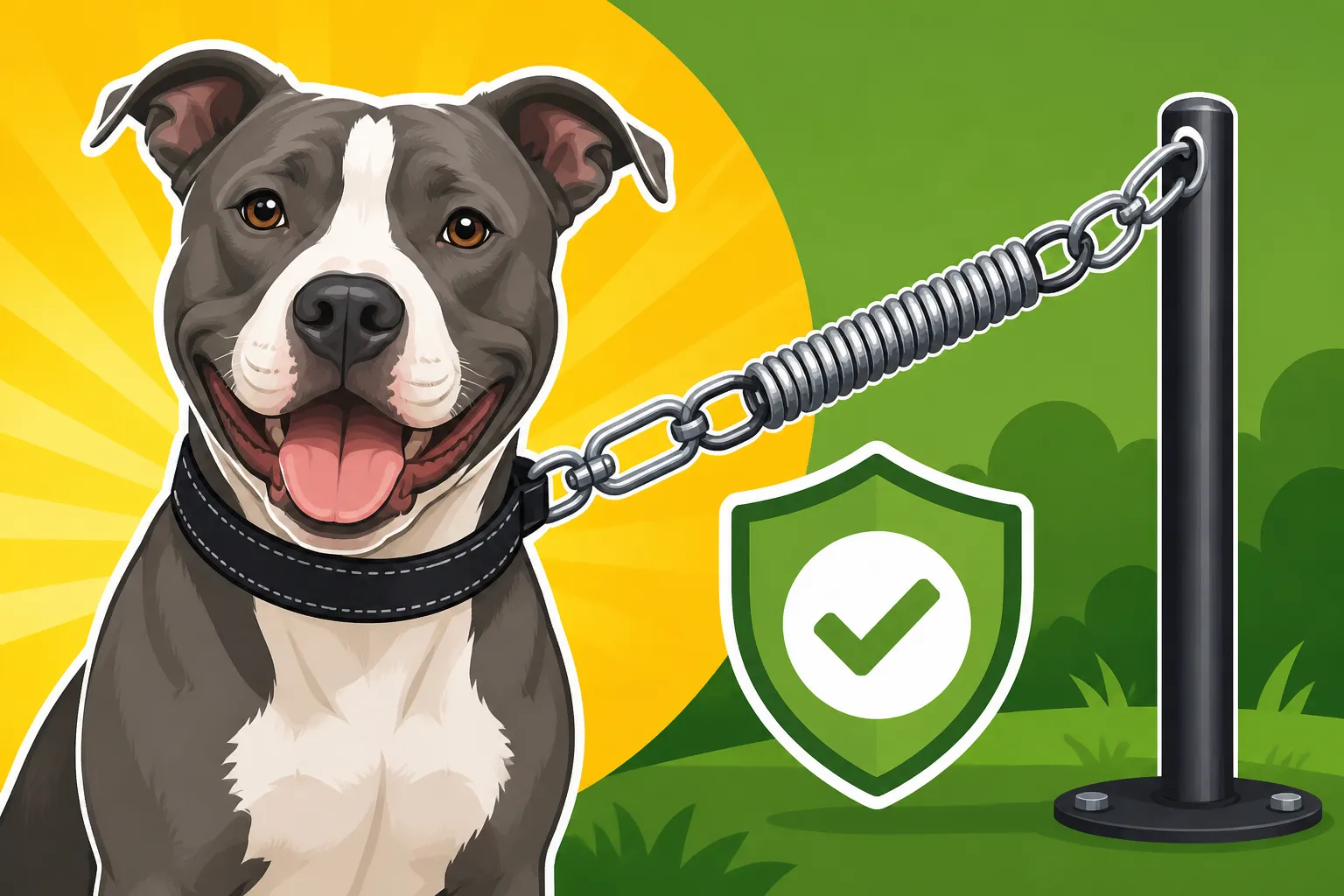
Springpole Safety for a Pit Bull
For Pit Bull owners, few things are as satisfying as seeing your powerful, athletic dog engage wholeheartedly in a focused activity. A springpole can seem like the perfect outlet for that incredible strength and drive, offering intense physical exercise and mental engagement. However, without careful consideration for setup, supervision, and your dog's physical well-being, this seemingly straightforward piece of equipment can quickly lead to injury or unhealthy habits. This guide will walk you through how to use a springpole safely, ensuring it remains a beneficial and enjoyable part of your Pit Bull's routine without putting them at undue risk.
What is a Springpole and Why Pit Bulls Love Them?
The idea of a springpole is simple: a bungee cord or heavy-duty spring with a durable chew toy attached, suspended from a sturdy anchor point. Your Pit Bull gets to tug, pull, and hang, working against the resistance of the spring. It looks like a fantastic workout, and for many dogs, it absolutely is. But there’s more to it than just a rope and a spring.
Understanding the Mechanics and Purpose
At its core, a springpole provides a resistive pulling exercise. Think of it like weightlifting for dogs, but instead of lifting weights, they're pulling against a dynamic, yielding force. The spring component is crucial; it absorbs some of the shock and provides a constant, engaging tension that encourages your dog to grip, hold, and pull. This isn't just about pure strength; it also builds endurance in their jaw, neck, and shoulder muscles. When used correctly, it can be a fantastic way to build stamina and develop a powerful, lean physique. It's a focused activity that can help burn off excess energy in a way that regular walks or even fetch might not.
However, it's not simply a "set it and forget it" tool. The height, the type of spring, and the attachment all need to be appropriate for your Pit Bull's size, age, and physical condition. A bungee cord that's too weak might not offer enough resistance, leading to frustrated or overly vigorous snapping, while one that's too strong could strain developing joints or teeth. The goal is a challenging, but not overwhelming, workout that uses their natural instincts.
The Instinctual Appeal for Pit Bulls
Pit Bulls, and many other bull breeds, possess an inherent love for tugging and holding. This drive comes from their history and selective breeding for tasks that required immense jaw strength and tenacity. A springpole taps directly into this instinct. It's not just a game; it's a satisfying mental and physical challenge that allows them to express these deep-seated urges in a controlled environment. The resistance of the spring makes the "prey" feel alive and constantly pulling back, which is incredibly stimulating.
Beyond the physical workout, there's a huge psychological benefit. Many Pit Bulls thrive on having a "job" to do, and the springpole can provide a focused activity that builds confidence and provides a sense of accomplishment. It can be a powerful stress reliever and a fantastic way to direct their natural energy away from less desirable behaviors like destructive chewing on furniture or getting into things they shouldn't. It's a structured way to let them be their strong, powerful selves.
The Importance of Proper Setup and Supervision
You wouldn't let a toddler play with heavy machinery, and similarly, you shouldn't just hang a springpole and walk away. Safety starts with the right equipment and an unwavering commitment to watching your dog. This is not a passive activity; it requires your active involvement to be truly safe.
Choosing the Right Location and Materials
First things first: where are you going to put this thing? The ideal location is sturdy, secure, and away from any obstacles your Pit Bull could run into or get tangled on. A strong tree branch, a solid crossbeam in a garage, or a purpose-built frame are all good options. Make sure the anchor point can handle significant, dynamic force – your Pit Bull is strong, and a full-body swing can exert a lot of pressure. The height is also critical; the toy should hang at a level where your dog can comfortably jump and grab it, but not so high that they're straining or making repeated, jarring leaps that could injure their joints.
When it comes to materials, prioritize durability and safety. The spring or bungee cord should be robust enough for a Pit Bull, ideally covered in a protective sleeve to prevent wear and tear and protect your dog's mouth if they accidentally grab the cord. The toy itself should be made of a non-toxic, extremely durable material designed for intense chewing and tugging. Think fire hose material, heavy-duty rubber, or tightly woven rope. Avoid anything with small pieces that could break off and become a choking hazard. Cheap toys will be destroyed quickly and can pose risks. Many specialty pet suppliers, like those found on Amazon or Chewy, offer robust options specifically designed for powerful chewers.
Crucial Supervision and Session Management
This cannot be stressed enough: never leave your Pit Bull unsupervised with a springpole. This is a high-intensity activity, and things can go wrong quickly. Your presence ensures that you can intervene if the rope gets tangled around their neck or leg, if the equipment fails, or if they start to show signs of fatigue or discomfort. Think of yourself as their personal trainer, guiding the session and watching their form.
Managing the session length is also vital. Start with very short sessions, just a few minutes, especially if your Pit Bull is new to springpole work or out of shape. Gradually increase the time as their stamina and strength improve. This isn't a marathon; it's a burst of intense activity. Overdoing it is easy to do because Pit Bulls have such incredible drive and may push themselves past their limits. A good rule of thumb is to stop before they are completely exhausted, leaving them wanting more. This keeps the activity positive and reduces the risk of injury. Keep an eye on the time and on your dog's breathing and overall demeanor.
Potential Risks and How to Mitigate Them
While the benefits of a springpole are clear for a well-conditioned Pit Bull, it's not without its hazards. Being aware of these risks and taking proactive steps to avoid them is part of responsible ownership. We want strong, healthy Pit Bulls, not injured ones.
Orthopedic Concerns and Dental Damage
One of the biggest concerns with high-impact activities like springpole use is the potential for orthopedic injuries. The intense pulling, twisting, and sometimes jumping can put significant strain on your Pit Bull's joints, especially their neck, shoulders, and spine. Dogs, particularly those with a genetic predisposition to conditions like Pit Bull Hip Dysplasia Showing at One to Two Years or Pit Bull Elbow Dysplasia and Front End Lameness, can be at higher risk. Ensure your dog is physically mature before engaging in intense springpole work, and always warm them up with a short walk or light play before a session. Cool-down walks are also essential to prevent stiffness. If you notice any limping, stiffness, or reluctance to engage, stop immediately and consult your vet. Pit Bull Joint and Ligament Injuries are no joke and can lead to long-term issues.
Dental damage is another serious concern. Pit Bulls have incredibly strong jaws, and the constant grinding and tugging on inappropriate materials can lead to broken teeth, fractured molars, or excessive wear. Using a toy that is too hard, like real animal bones or antlers, is a recipe for disaster. Opt for durable, yet somewhat forgiving, materials for the tug toy. Regularly inspect your Pit Bull's teeth for any signs of damage, and if you find a chipped or broken tooth, schedule a vet visit promptly. Remember, Chews That Crack a Pit Bull Molar are a common problem, and the same principle applies here. Dental health is often overlooked until it becomes an emergency.
Overexertion and Heat-Related Issues
Because Pit Bulls are so driven, they might not know when to quit, especially when they're having fun. This can lead to overexertion, which can manifest as excessive panting, drooling, lethargy, or even collapse in severe cases. It's your job to regulate the intensity and duration of the session. Never force your dog to continue if they look tired or uninterested. Keep sessions short and sweet, especially when first introducing the activity.
Heat is another major factor. Pit Bulls have short coats, but they can still overheat quickly during strenuous exercise, especially in warmer climates or during the summer months. Always provide access to fresh, cool water before, during, and after a springpole session. Avoid using the springpole during the hottest parts of the day. Early morning or late evening are best. Watch for signs of heatstroke, such as excessive panting, thick drool, staggering, or a dark red tongue. If you suspect heatstroke, immediately move your dog to a cooler area, offer water, and apply cool (not ice cold) water to their body, especially their belly and paw pads, and contact your vet right away. Remember, Heat Tolerance in a Short-Coated Pit Bull is something owners need to actively manage.
Behavioral Considerations and Arousal Management
For some Pit Bulls, the high-arousal nature of springpole play can be a double-edged sword. While it’s great for channeling energy, it can sometimes escalate excitement to a point where it's hard for your dog to calm down afterward. This might lead to nipping, jumping, or other over-the-top behaviors. It's crucial to teach an "off switch" – a command that signals the end of play and helps your dog settle. Using positive reinforcement and gradually introducing calm-down periods during and after play can help manage this.
Also, be mindful of resource guarding. A springpole is a highly coveted "prey" item for many Pit Bulls. While they are usually focused on the object itself, ensure that you can safely approach and retrieve the toy at any point. Practice trading games, where you offer a high-value treat for them to release the springpole toy, to reinforce positive associations with you approaching their prized possession. Tug Rules That Keep a Pit Bull Civil are important in all forms of tug-like play, including with a springpole. A well-managed springpole session should start and end calmly, without unnecessary tension or conflict.
Incorporating Springpole Play into a Balanced Exercise Routine
A springpole should be just one piece of your Pit Bull's overall fitness puzzle. Think of it as specialized strength and conditioning, not their sole source of exercise. A well-rounded routine will include a variety of activities to engage both their body and mind.
Integrating Springpole Sessions Safely
The key to safe integration is moderation and thoughtful scheduling. Don't use the springpole every single day. Two to three times a week, with rest days in between, is a good starting point for most active Pit Bulls. On non-springpole days, engage in different forms of exercise. This varied approach allows different muscle groups to work, prevents overuse injuries, and keeps your dog mentally stimulated by novelty.
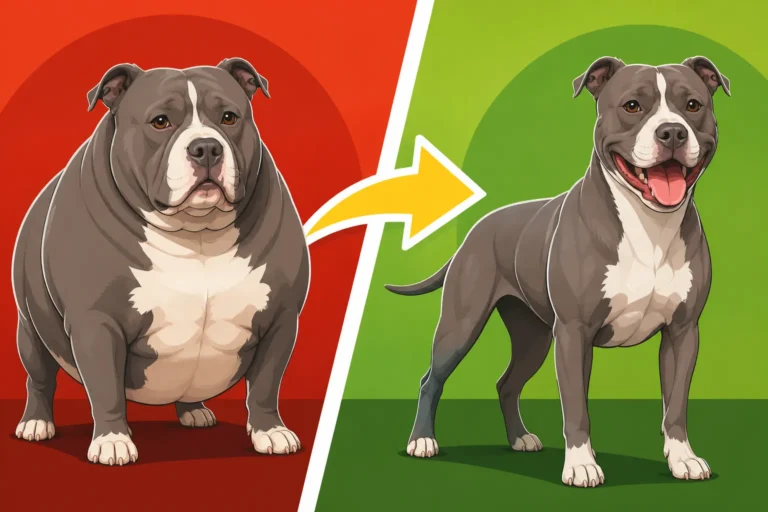
Consider your Pit Bull's age and health. Puppies and very young dogs should avoid high-impact activities that put stress on their still-developing joints. For older Pit Bulls, or those with known joint issues, springpole play might need to be modified, or even avoided entirely, to prevent exacerbating existing conditions. Always consult your veterinarian if you have any concerns about your Pit Bull's physical readiness for intense exercise. Ensuring your dog maintains a healthy weight is also paramount for joint health; excess weight will multiply the stress on their body during any strenuous activity. Pit Bull Obesity and Joint Strain is a real concern and makes springpole use riskier.
Balancing with Other Forms of Exercise
Your Pit Bull needs a diverse exercise regimen. Think about balancing the intense, focused work of the springpole with activities that promote cardiovascular health, flexibility, and broader muscle development. Daily walks, whether short leashed strolls or longer hikes on a Long Line Hardware That Holds a Pit Bull, are crucial. Fetch, swimming (if your Pit Bull enjoys it), and agility work can provide different types of physical and mental stimulation.
Scent work and puzzle toys, many of which are available at pet stores like Chewy or can be ordered from Amazon, can provide valuable mental enrichment that burns energy without physical strain. This mental exercise is just as important as physical exercise for a well-behaved and happy Pit Bull. A dog that is only physically tired but mentally bored can still be destructive or anxious. Remember that The Daily Exercise a Pit Bull Actually Needs isn't just about how many miles they cover, but the quality and variety of their activities.
Knowing When to Stop and Rest
Learning to read your Pit Bull’s body language is fundamental to safe springpole use. They can’t tell you in words when they’re tired or in pain, so you need to understand their cues. Signs of fatigue include:
- Excessive panting or drooling.
- Slowing down or becoming less enthusiastic.
- Lack of focus or ignoring commands.
- Stiffness or lameness after a session.
Always err on the side of caution. If you’re unsure, stop the session. Provide plenty of fresh water and a quiet place to rest afterward. A tired dog, not an exhausted dog, is the goal. Over time, you'll get to know your individual Pit Bull's stamina and limits. Some days they might have more energy, other days less. Adjust your expectations and the session length accordingly.
Remember, rest and recovery are just as important as the exercise itself. Just like human athletes, dogs need time for their muscles to repair and grow stronger. This is how they build the impressive Pit Bull Weight and Muscle on a Working Frame that we admire. Good nutrition also plays a role in recovery; consider if their current diet, perhaps a quality kibble or even fresh food options like Ollie, is supporting their activity level.
Springpole Safety Checklist
To help you remember all the important considerations, here's a quick checklist for safe springpole use with your Pit Bull:
| Component | Safety Check | Action Item |
|---|---|---|
| Anchor Point | Is it incredibly sturdy (tree branch, beam)? | Verify it can hold more than your dog's weight under dynamic strain. |
| Height | Can your Pit Bull comfortably jump and grab the toy? | Adjust so they're not straining or making harsh impacts. |
| Spring/Bungee | Is it heavy-duty and appropriate for a strong dog? | Choose one with a protective sleeve. Inspect for fraying regularly. |
| Tug Toy | Is it non-toxic, highly durable, and somewhat soft? | Avoid materials that can splinter or break teeth. Replace worn toys immediately. |
| Supervision | Will you be present and actively watching the entire session? | Never leave your dog alone with the springpole, even for a moment. |
| Session Length | Are sessions short and age-appropriate? | Start with 2-5 minutes, gradually increase, always stop before exhaustion. |
| Warm-up/Cool-down | Are you preparing and winding down properly? | Include a short walk before and after the springpole session. |
| Hydration | Is fresh water available? | Offer water before, during, and after play. |
| Environment | Is the area clear of obstacles and not too hot? | Choose a shaded, open area. Avoid peak heat times. |
| Dental Health | Are you regularly checking for tooth damage? | Inspect teeth after each session. Consult vet for any chips/breaks. |
| Orthopedic Health | Is your dog mature and free from joint issues? | Consult your vet, especially for puppies or dogs with known predispositions. |
| Behavior | Can your dog settle down after high arousal play? | Practice "off" commands and calm-down routines. |
A springpole can be a fantastic tool for your Pit Bull, offering an unparalleled outlet for their natural drive and strength. But like any powerful tool, it demands respect, knowledge, and consistent attention to safety. By focusing on proper setup, diligent supervision, and understanding your dog's physical and behavioral limits, you can make the springpole a rewarding and safe part of their happy, active life.
Disclaimer
This article is for general informational purposes only and does not constitute professional advice. Laws, prices and regulations vary by location and change over time. Consult a qualified professional for guidance on your specific situation.