Pit Bull Coat Shine and What It Reflects
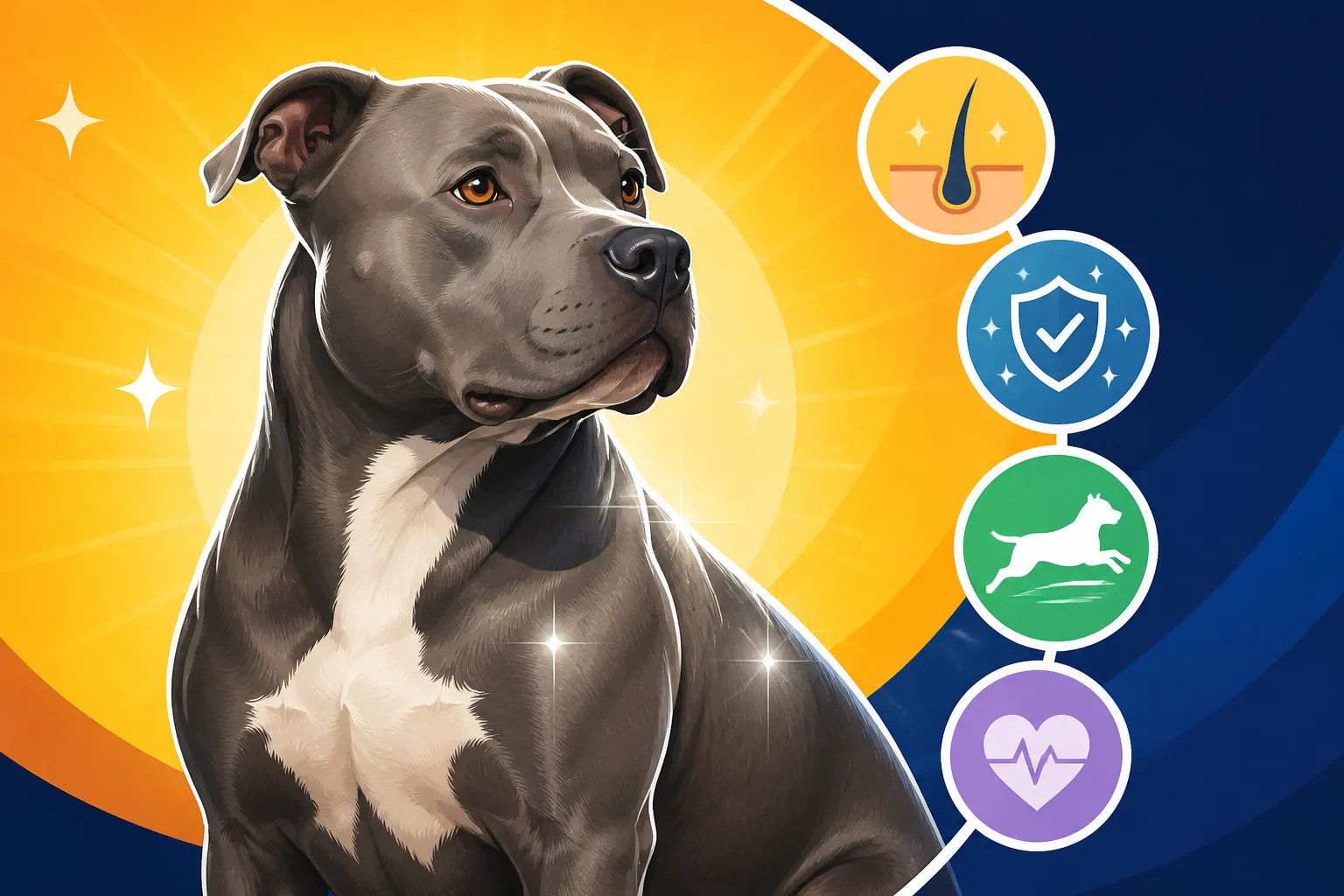
There's nothing quite like seeing a Pit Bull's coat gleam under the sun, reflecting light like polished copper or deep obsidian. That healthy, vibrant sheen isn't just a pretty sight; it's often a mirror to their inner health, telling us so much about their diet, care, and overall well-being. When that natural luster starts to fade, leaving a dull or dry appearance, it can be a real worry for us owners. This guide will walk you through everything that contributes to that enviable Pit Bull coat shine and what a lack of it might be trying to tell you about your beloved companion.
The Basics of a Beautiful Pit Bull Coat
When we talk about a "shiny" coat, we're not just talking about surface gloss. We're talking about a coat that's well-hydrated, free of flakes, and has individual hairs that lie smoothly, reflecting light rather than absorbing it. A truly healthy Pit Bull coat feels soft and supple, not coarse or brittle, and the skin underneath is clear and calm, not red, itchy, or greasy. This ideal state is a beautiful blend of genetics and diligent care.
Genetic Influences on Coat Quality
Just like us, Pit Bulls inherit a lot of their physical traits from their parents, and coat quality is definitely one of them. Some lines are simply blessed with a naturally denser, richer coat that seems to glow with minimal effort. Others might have finer hair or a tendency towards certain skin sensitivities, which can impact their coat's appearance. It’s not just about the color, though deep, rich pigments often look shinier; it’s about the hair follicle health, the oil gland production, and the overall integrity of the skin barrier.
If you know your Pit Bull's lineage, you might have a clue as to what kind of coat genetics they're working with. A dog from a well-bred line, where health and coat quality were prioritized, often starts with an advantage. However, even with the best genes, neglect in diet or care will quickly diminish that inherited brilliance. Conversely, even a dog with less-than-stellar genetics can achieve a remarkable shine with the right approach. Don't think for a second that genetics are the be-all and end-all; they just set the baseline.
What a Healthy Coat Looks Like
A truly healthy Pit Bull coat is characterized by several key features beyond just "shine." First, it should be clean and relatively free of dander or flakes. The individual hairs should feel strong, not brittle, and they should lie flat against the body, creating that smooth, light-reflecting surface. When you run your hand against the grain, the hair should spring back into place easily.
The skin underneath is equally important. It should be supple, pale pink or pigmented (depending on the dog's color), and free of redness, bumps, or excessive oiliness. A healthy Pit Bull shouldn't have a strong, "doggy" odor, which can sometimes indicate bacterial or yeast overgrowth on the skin. Their short coats make it easy to inspect their skin regularly, so make it a habit to check them over during petting sessions. If you notice any irritation, it's a good time to revisit their overall care routine, as even minor skin discomfort can dull the coat.
Nutrition as the Foundation for a Lustrous Coat
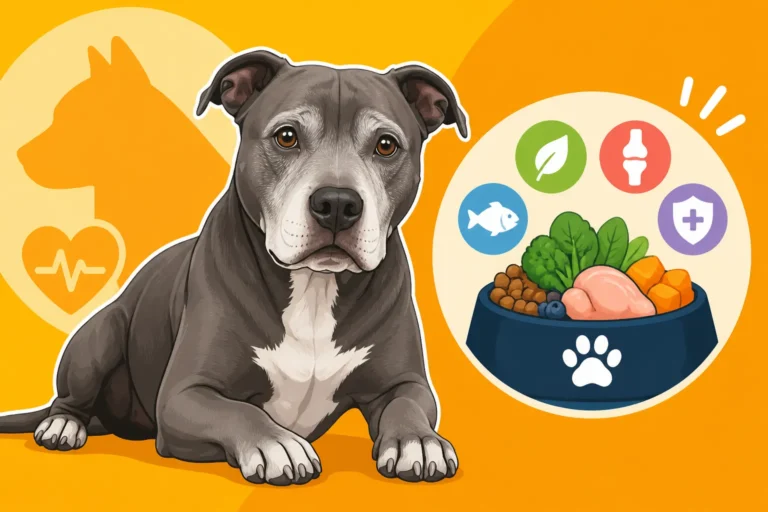
You can put all the fancy conditioners on the outside you want, but true coat shine starts from the inside out. What you feed your Pit Bull is arguably the most significant factor in the health and appearance of their skin and coat. A diet rich in high-quality ingredients provides the building blocks for strong hair follicles, healthy skin cells, and optimal oil production. Think of their food as the fuel for their shine!
The Role of Omega Fatty Acids
If there's one nutrient group that screams "coat shine," it's omega fatty acids. Specifically, Omega-3s (like EPA and DHA, found in fish oil) and Omega-6s (like linoleic acid, found in plant oils). These essential fatty acids play a crucial role in maintaining cell membrane integrity, reducing inflammation, and supporting the skin's natural barrier function. When the skin barrier is healthy, it retains moisture better, leading to supple skin and, by extension, a shinier coat.
Many high-quality dog foods include a good balance of these omegas, but some Pit Bulls, especially those prone to dry skin or allergies, benefit from additional supplementation. Fish oils, like salmon or pollock oil, are popular choices. You can easily find these supplements on platforms like Chewy or Amazon, often in liquid form that you can drizzle over their food. Just be sure to start with a lower dose and gradually increase it, as too much too quickly can sometimes cause a soft stool. Consistency is key here; don't expect overnight results, but with regular supplementation, you should start to see a noticeable improvement in skin hydration and coat luster over several weeks. Omega Oils for Pit Bull Skin and Coat explores this topic further.
Protein and Amino Acids for Hair Health
Hair, at its core, is made of protein—specifically keratin. So, it stands to reason that a diet adequate in high-quality protein and the essential amino acids it provides is absolutely critical for growing strong, healthy hair. If your Pit Bull's diet is deficient in protein, or if the protein source is of low bioavailability (meaning their body can't easily use it), you might notice a dull, brittle coat that sheds excessively.
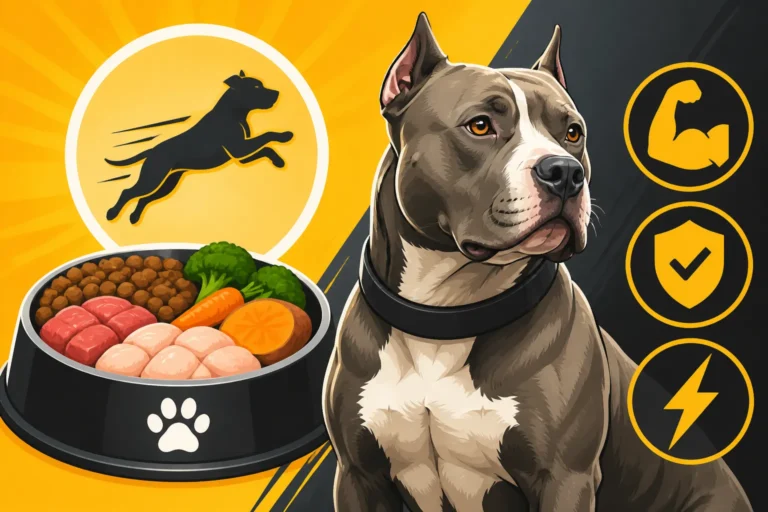
Look for dog foods that list a named meat source (like chicken, beef, or lamb) as the first ingredient. Animal-based proteins offer a complete amino acid profile that dogs need to thrive. While plant-based proteins can contribute, they generally don't offer the same complete profile for carnivorous dogs. If you're exploring fresh food options, companies like Ollie specialize in human-grade recipes that are often rich in lean proteins and vital nutrients, designed to support overall canine health, including skin and coat. Remember, a Pit Bull is a muscular dog, and their protein needs are significant, not just for building muscle but for maintaining a healthy coat and all bodily functions. Feeding a Pit Bull to Keep Muscle Without Fat dives into this in more detail.
Essential Vitamins and Minerals
While omegas and protein are superstars for coat health, a full spectrum of vitamins and minerals is also vital. Zinc, for example, is essential for skin health and wound healing. Biotin (a B vitamin) is often touted for its role in healthy hair and nails. Vitamins A and E are powerful antioxidants that protect skin cells from damage and support cell regeneration. A deficiency in any of these micronutrients can manifest as a dull coat, dry skin, or even hair loss.
A balanced, complete commercial dog food should ideally provide these in appropriate amounts. However, if your Pit Bull has specific health challenges or dietary restrictions, or if you're feeding a home-prepared diet, you might need to pay closer attention to these details. For instance, sometimes a Pit Bull's coat can look dull if they have underlying conditions like hypothyroidism, which impacts metabolism and coat quality. Hypothyroidism and a Thinning Pit Bull Coat touches on this. Always consult with your veterinarian before adding multiple supplements, as too much of a good thing can sometimes be detrimental.
| Nutrient Group | Primary Benefit for Coat Shine | Food Sources |
|---|---|---|
| Omega-3 Fatty Acids | Reduces inflammation, improves skin barrier, enhances coat luster | Fish oil, flaxseed, chia seeds |
| Omega-6 Fatty Acids | Maintains skin hydration, promotes healthy cell growth | Poultry fat, safflower oil, sunflower oil |
| High-Quality Protein | Provides building blocks (keratin) for strong hair | Chicken, beef, lamb, fish, eggs |
| Zinc | Supports skin healing, cell division, and immune function | Red meat, poultry, legumes, whole grains |
| Biotin (Vitamin B7) | Promotes healthy hair growth and nail strength | Liver, eggs, yeast, sweet potatoes |
| Vitamin A | Essential for healthy skin cell turnover and vision | Carrots, sweet potatoes, liver |
| Vitamin E | Antioxidant, protects skin cells from damage | Leafy greens, nuts, seeds, vegetable oils |
Beyond the Bowl: Environmental and Topical Care
While diet lays the groundwork, external care and environmental factors play a huge role in whether that healthy coat truly shines. Think of it like a beautiful painting: you need good canvas and paints (nutrition), but you also need proper framing and lighting (grooming and environment) to make it really pop.
Brushing and Bathing Routines
Regular brushing does wonders for a Pit Bull's coat. Their short, dense coats benefit from weekly (or even daily, if you have time) brushing with a rubber curry brush or a shedding blade. Brushing not only removes loose hair, dirt, and dander, but it also stimulates the skin's natural oil production and helps distribute those beneficial oils evenly across the hair shaft. This process acts like a natural conditioner, enhancing shine and reducing matting, even in short coats. Pit Bull Short Coat Shedding goes into more detail about managing their hair.
Bathing is also important, but too much bathing, or using harsh shampoos, can strip the skin of its natural oils, leading to dryness and dullness. For most Pit Bulls, a bath every 4-6 weeks is sufficient unless they've gotten particularly dirty. Use a mild, pH-balanced dog shampoo, and make sure to rinse thoroughly—leftover shampoo residue can irritate the skin and dull the coat. If your Pit Bull has allergies or skin issues, your vet might recommend specific medicated shampoos. Remember to always dry them thoroughly, especially in skin folds, to prevent moisture-related problems. How Often to Bathe an Itchy Pit Bull offers more specific advice.
Addressing Allergies and Skin Issues
One of the most common reasons a Pit Bull's coat might lack shine, or appear dull and flaky, is underlying skin allergies. Pit Bulls are notoriously prone to environmental allergies (atopy) and sometimes food allergies, which can cause intense itching, redness, inflammation, and secondary skin infections. When a dog is constantly scratching, licking, and chewing, they damage their skin and hair follicles, preventing that healthy sheen from developing.
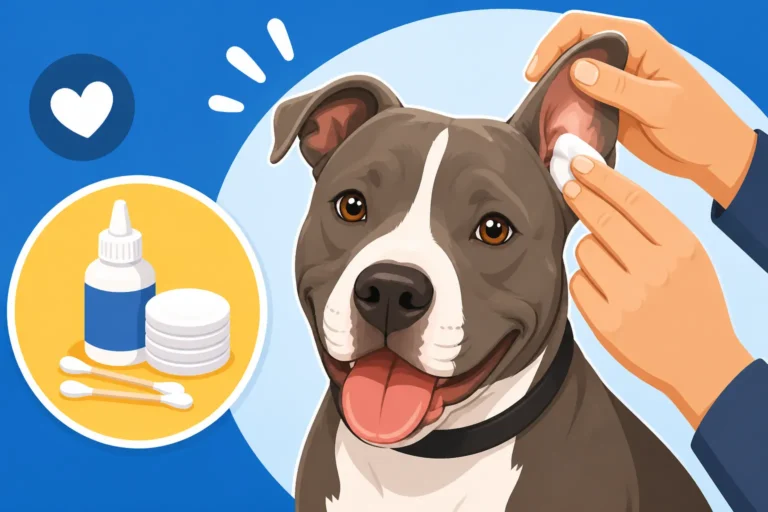
If your Pit Bull is itchy, has a persistent rash, or recurrent ear infections (which often accompany skin allergies), addressing the root cause is paramount. This might involve working with your vet on allergy testing, dietary changes (like a limited ingredient diet for potential food allergies), or medications. Until the inflammation is under control, achieving a truly shiny coat will be an uphill battle. You can often find specialized shampoos and conditioning treatments for sensitive skin on platforms like Chewy or Amazon, which can provide temporary relief and support while you work with your vet. Pit Bull Skin Allergies and the Atopy Pattern and Food Allergies Behind Pit Bull Itching provide comprehensive information on these challenges.
Protecting Against Environmental Factors
Just like our skin and hair, a Pit Bull's coat can be affected by their environment. Excessive sun exposure can dry out their skin and coat, just as it can ours. While Pit Bulls love soaking up rays, prolonged periods without shade, especially for dogs with very short or light-colored coats, can lead to sunburn and skin damage, which will certainly dull any shine.
Similarly, harsh winter weather, low humidity, and exposure to irritants like road salt can take a toll. Indoors, dry air from heating systems can contribute to dry skin. Making sure your Pit Bull has access to shade, and perhaps investing in a humidifier in very dry climates, can make a difference. After walks, especially in urban environments, wiping down their paws and belly can remove any irritants that might be clinging to their short hair. A clean environment, free of excessive dust and allergens, also contributes to overall skin health and a lustrous coat.
When a Dull Coat Signals Deeper Issues
A dull coat is rarely just an aesthetic problem; it's often a significant clue that something deeper is amiss with your Pit Bull's health. While diet and external care are common culprits, there are times when a lack of shine is a symptom of a more serious, underlying medical condition. It's crucial to pay attention to these changes, as they can be early warning signs that allow for timely intervention.
Recognizing Signs of Illness
Beyond just a dull coat, look for other accompanying symptoms that might point to a systemic issue. Is their skin flaky, greasy, or excessively red? Are they losing hair in patches, or is their shedding much heavier than usual? Do they seem lethargic, have a reduced appetite, or exhibit changes in their stool? A dull coat accompanied by weight loss despite eating, or weight gain on a normal diet, could hint at metabolic problems.
Conditions such as internal parasites, kidney disease, liver disease, or even certain types of cancer can manifest with a poor coat quality because the body isn't absorbing nutrients effectively or is battling inflammation internally. If you notice a sudden, inexplicable change in your Pit Bull's coat, especially if paired with any other behavioral or physical changes, it's absolutely time for a visit to the veterinarian. A thorough check-up, including blood work, can help uncover these hidden health challenges. What a Pit Bull Health History Should Cover is a valuable resource for understanding overall health.
The Impact of Stress and Chronic Conditions
Stress, much like in humans, can wreak havoc on a dog's physical well-being, and their coat is no exception. Chronic stress from environmental changes, separation anxiety, or ongoing discomfort can lead to a dull coat and increased shedding. When a dog is stressed, their body diverts resources away from "non-essential" functions like maintaining a glossy coat, prioritizing survival.
Similarly, chronic conditions, even if not directly related to the skin, can indirectly affect coat quality. For instance, a Pit Bull suffering from Pit Bull Joint and Ligament Injuries might not be comfortable grooming themselves as effectively, or the chronic pain could put their system under stress. Any long-term illness that affects nutrient absorption, metabolism, or the immune system can show up in the coat. Ensuring your Pit Bull lives in a low-stress environment, gets adequate mental and physical stimulation, and has any chronic pain or illness managed effectively is just as important as their diet and grooming for maintaining that beautiful, healthy shine. Sometimes, a dull coat is simply the most visible signal that your dog needs a little more help and attention in their overall care.
Disclaimer
This article is for general informational purposes only and does not constitute professional advice. Laws, prices and regulations vary by location and change over time. Consult a qualified professional for guidance on your specific situation.