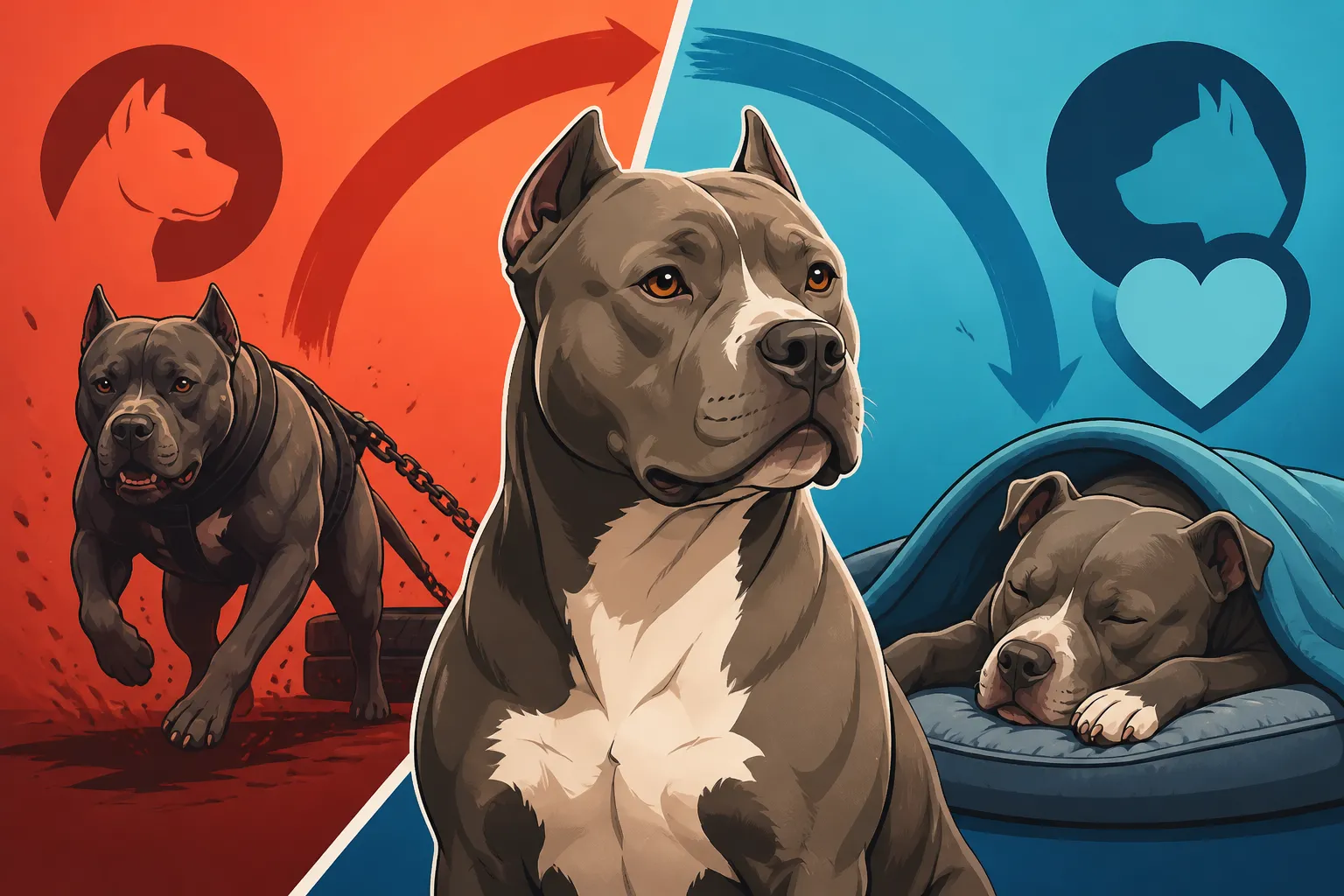
Pit Bull Recovery Days Between Hard Sessions
It's incredibly rewarding to see our Pit Bulls thrive, pushing their limits with enthusiasm in training, play, or adventurous hikes. We know these powerful dogs absolutely need exercise to be happy and healthy, but there's a fine line between a challenging workout and pushing them into overexertion. Consistently skipping crucial recovery days after hard sessions isn't just tough on their muscles; it can lead to burnout, injuries, and a general decline in their spark. This guide will walk you through why recovery is so important for your athletic Pit Bull and how to strategically weave it into their routine for lasting health and happiness.
Why Recovery is Crucial for Muscular Pit Bulls
It’s easy to look at a sturdy, athletic Pit Bull and assume they're built to withstand anything. Their incredible power, dense muscle, and often relentless drive can certainly make it seem like they have an endless well of energy. But relying solely on their perceived toughness and pushing them day after day without intentional rest is a common pitfall for even the most well-meaning owners. Just like human athletes, our canine companions need dedicated time to repair, rebuild, and rejuvenate their bodies and minds after strenuous activity. Overlooking this vital component of their fitness can unfortunately lead to chronic issues, decreased performance, and even serious injury.
Understanding Pit Bull Physiology and Muscle Repair
At a fundamental level, when your Pit Bull engages in intense physical activity – whether it's a vigorous game of tug, a long hike, or agility training – their muscles undergo microscopic tears. This might sound alarming, but it’s actually a natural and necessary part of how muscles grow stronger and more resilient. However, the magic of this repair and strengthening process doesn't happen during the exercise itself. Instead, it occurs in the hours and days following the activity, primarily when the body is at rest. During this recovery phase, the body works to heal these tiny tears, reduce inflammation, and replenish vital energy stores like glycogen. If this critical rest period is cut short or skipped entirely, the muscles don't get a chance to fully recover. They remain in a state of micro-damage, leading to persistent soreness, cumulative fatigue, and a heightened risk of more significant injuries down the line. Think of it this way: you can't continuously chip away at a rock without eventually weakening its structure. A properly recovered Pit Bull isn't just less prone to injury; they're also mentally sharper and more eager to engage in their next activity.
The Hidden Risks of Over-Training
The consequences of over-training a Pit Bull aren't always immediate or obvious. It's rarely a dramatic, sudden injury that makes you realize you've done too much. More often, it's a subtle, insidious erosion of their well-being. You might notice a gradual decrease in their enthusiasm for activities they once adored, or perhaps they become a bit more sluggish and less responsive. That boundless energy might feel a little less boundless, replaced by a quiet fatigue. Their performance might plateau, or even decline—that once-perfect retrieve might become hesitant, or their focus during a training session might wander.
Beyond these behavioral shifts, over-training significantly increases the risk of serious physical ailments. The constant impact and stress on their joints, especially without adequate time for the supporting tissues to recover, can exacerbate predispositions to conditions like Pit Bull Hip Dysplasia Showing at One to Two Years or contribute to Pit Bull Joint and Ligament Injuries. Their powerful, heavily muscled frames are designed for bursts of power and endurance, but they are not impervious to the relentless strain of insufficient recovery. Without proper rest, cartilage can wear down faster, ligaments can become overstressed, and soft tissue injuries such as cruciate ligament tears can become more likely. This kind of chronic strain can also lead to early onset arthritis, impacting their quality of life long before their golden years. Understanding What Takes Years Off a Pit Bull often involves looking at how consistently we push them without allowing for adequate downtime.
Structuring Effective Recovery Days
So, if simply running your Pit Bull ragged every single day isn't the key to their long-term health, what does a well-planned recovery day look like? It's not about making them couch potatoes, but rather about thoughtfully selecting activities that support healing, reduce physical stress, and enrich their mental well-being. The goal is to hit that sweet spot where their body can reset, their energy stores can replenish, and their busy minds can unwind, setting them up for peak performance in their next active session.
Active Recovery Ideas
Active recovery doesn't mean sitting still; it means engaging in light, low-impact movements that gently promote blood flow and flexibility without adding further strain to tired muscles or joints. For a robust Pit Bull, this could manifest as a leisurely "sniffari" around a new park or familiar neighborhood. These walks prioritize mental stimulation over physical exertion, allowing them to fully engage their powerful noses and minds, exploring a tapestry of scents at their own pace. It's less about covering distance and more about processing information, which is surprisingly tiring in a good way!
Another great option is a short, gentle walk on soft, forgiving surfaces like grass or dirt trails. The key here is "gentle" and "leisurely." We’re not aiming to elevate heart rates or break a sweat; we’re simply encouraging comfortable movement and stretching. If your Pit Bull tends to be a strong puller, an active recovery walk is an excellent opportunity to practice loose-leash walking with a front-clip harness or a head halter, perhaps sourced from a wide selection on Amazon. This helps reinforce good manners while ensuring their focus is on relaxation and sniffing, rather than surging forward. These types of walks provide valuable mental enrichment and physical decompression, making them just as vital as high-intensity training, but without the wear and tear.
Passive Recovery for Rest and Rejuvenation
Passive recovery is where true physical and mental reset happens. This involves providing ample, uninterrupted opportunities for deep rest and quiet relaxation. Pit Bulls, especially those with demanding physical routines, truly benefit from a comfortable, supportive sleeping environment. Investing in a high-quality orthopedic bed can make an immense difference, particularly for older dogs or those with a history of joint issues. Such a bed provides cushioning and support that can alleviate pressure points and aid in muscle relaxation.
Beyond physical comfort, passive recovery is deeply intertwined with proper nutrition. After a strenuous session, your Pit Bull’s body is ravenous for the right fuel to repair damaged tissues and replenish depleted energy reserves. A diet rich in high-quality protein is paramount for muscle repair, while complex carbohydrates are crucial for restoring glycogen stores. You might explore options from companies like Ollie, which offer fresh, human-grade food that can be precisely tailored to your dog's activity level and recovery needs. This ensures they're getting optimal nutrients without unnecessary fillers. Hydration is also absolutely non-negotiable; always ensure fresh, clean water is accessible. A good night's sleep on a supportive bed, perhaps accompanied by a calming chew or a mentally engaging puzzle toy, is truly underestimated for a powerful, active dog. Remember, Getting a Pit Bull Back Into Condition after a period of intense activity or even injury heavily relies on structured rest and targeted nutrition.
Recognizing Signs Your Pit Bull Needs More Rest
Our loyal Pit Bulls communicate with us constantly, but rarely with words. As their caretakers, it's our ongoing responsibility to become acutely attuned to their non-verbal cues – the subtle shifts in behavior and physical indicators that signal they might be over-exercised, sore, or simply haven't had enough time to recover from their last big adventure. Learning to "read" these signs can be the key to preventing minor discomfort from escalating into more serious health or behavioral issues, ensuring their continued well-being.
Subtle Behavioral Cues
Sometimes, the earliest and most telling signs that your Pit Bull needs more rest are behavioral rather than overtly physical. Has your usually exuberant, tail-wagging Pit Bull seemed a little less thrilled about their morning walk, perhaps lagging behind or showing less pep? Do they appear somewhat grumpier, more irritable, or even snap more easily if you try to engage them in their usual rough-and-tumble play? Conversely, they might become more withdrawn, seeking solitude more often than usual. A very common sign of mental and physical fatigue can be a slight reluctance to perform commands they typically ace, or a noticeable decrease in their focus and enthusiasm during training sessions. You might even observe subtle changes in their eating habits, perhaps A Pit Bull That Refuses Food for a Day or picking at their meals. These aren't necessarily signs of naughtiness or training regression; they are often clear indicators that their body and brain are signaling a deep need for a break. Paying close, empathetic attention to these shifts in their typical demeanor can provide invaluable early warnings.
Physical Indicators of Fatigue or Strain
Beyond behavioral shifts, there are also crucial physical signs that your Pit Bull needs more recovery time. Keep an eye out for any stiffness, particularly after they've been lying down for a while and are getting up, or a subtle, intermittent lameness that wasn't present before. They might shift their weight uncomfortably, favoring one leg, or appear less coordinated in their movements. Their gait might look a little "off," or they might be less willing to jump into the car or onto the couch. Visually inspect their paw pads after walks, especially if they've been on varied or rough terrain; Pit Bull Paw Pad Injuries on Hard Ground can cause significant discomfort and impact their willingness to move. Also, check their nails to ensure they aren't overgrown, which can contribute to awkward foot placement and joint strain.
Post-exercise, observe their recovery rate. While some panting and an elevated heart rate are normal immediately after activity, prolonged heavy panting or a very rapid heart rate long after they should have settled down can indicate excessive exertion or an underlying issue. Any noticeable swelling in their joints, warmth to the touch on their limbs, or sensitivity when you gently palpate their muscles are more urgent signs that warrant closer inspection and potentially a visit to your veterinarian. These physical cues are direct messages from their body, signaling a need for rest, recovery, or even professional assessment.
Nutritional Support for Optimal Recovery
Exercise is a critical component of a Pit Bull's healthy life, but it's only one side of the coin. What your Pit Bull consumes is just as fundamentally important for their recovery as the rest they receive. Proper nutrition provides the essential building blocks for muscle repair, the fuel to replenish spent energy reserves, and the vital nutrients required for overall tissue health. Ensuring their diet is optimized for recovery means they can bounce back stronger, more resilient, and truly ready for their next adventure.
Post-Exercise Feeding Strategies
After a particularly demanding training session or a long, strenuous hike, your Pit Bull's body enters a prime state to absorb and utilize nutrients. Providing a well-balanced meal with high-quality protein and appropriate complex carbohydrates within a reasonable timeframe – typically 30 to 60 minutes after cooling down – can significantly accelerate and enhance their recovery process. Protein is absolutely essential for repairing the microscopic muscle tears that occur during exertion, while carbohydrates are crucial for replenishing depleted glycogen stores, which are the body's primary energy reserves.
For a powerful, active Pit Bull, selecting a dog food that supports Feeding a Pit Bull to Keep Muscle Without Fat is paramount. Brands like Chewy offer an extensive selection of premium dog foods specifically formulated for active breeds, making it easier to find a formula that aligns with your dog's caloric needs and nutrient requirements. It's also wise to avoid feeding very large meals immediately before or after highly intense exercise, particularly for deep-chested breeds, to help mitigate the risk of serious conditions like bloat. Instead, consider breaking their daily ration into smaller, more frequent meals, and always ensure ample time for digestion before engaging in strenuous activity. While guidelines like The Calorie Target for a Lean Pit Bull and Two Measured Meals a Day for a Pit Bull provide a solid foundation for their general diet, remember to adjust these based on their actual activity level and the intensity of their recovery needs.
The Role of Supplements in Recovery
While a high-quality, well-balanced diet should always form the cornerstone of your Pit Bull's nutrition plan, certain supplements can offer additional, targeted support for recovery. This is especially true for Pit Bulls who maintain a consistently active lifestyle or those who might be showing early signs of joint stiffness or age-related wear. Omega-3 fatty acids, commonly found in fish oil, are widely recognized for their powerful anti-inflammatory properties. These can play a significant role in reducing post-exercise muscle soreness and supporting overall joint health.
Another popular category of supplements includes glucosamine and chondroitin. These compounds are known to aid in maintaining the integrity and elasticity of cartilage, which is vital for the shock absorption and smooth movement of joints in athletic dogs like Pit Bulls. Before introducing any supplements, it is absolutely crucial to have a thorough discussion with your veterinarian. They can help you determine if a particular supplement is appropriate for your individual dog, considering their specific health profile, activity level, and any pre-existing conditions. Your vet can also help you discern genuinely beneficial supplements that offer Joint Support for a Heavily Muscled Pit Bull from those that are primarily marketing hype. For extremely long or hot exercise sessions, electrolyte supplements might be considered to help restore fluid balance, but again, this should always be administered under professional veterinary guidance to ensure safety and effectiveness.
Here's a snapshot of common recovery strategies and their benefits for your Pit Bull:
| Recovery Activity | Description | Primary Benefit | When to Implement |
|---|---|---|---|
| Leisurely Sniffari | Slow-paced walk focused on scent exploration. | Mental enrichment, stress reduction, light blood flow. | Day after intense exercise, or when mental fatigue is observed. |
| Gentle Leash Walk | Short, easy stroll on soft ground (grass, dirt). | Promotes circulation, aids muscle relaxation, joint mobility. | After moderate activity, or for minor stiffness. |
| Targeted Massage | Gentle hands-on manipulation of muscles. | Increases flexibility, reduces soreness, enhances circulation. | Post-exercise (after cool-down), or as routine care. |
| Uninterrupted Sleep | Deep rest in a quiet, comfortable, and supportive space. | Full physiological repair, energy restoration, hormonal balance. | Daily, especially after hard sessions; when dog appears visibly tired. |
| Puzzle Toys/Chews | Low-physical, high-mental engagement with food rewards or durable chews. | Mental stimulation, calming effect, prevents boredom. | During passive recovery periods, or to wind down. |
| Warm Water Soak | Standing or soaking in shallow warm water. | Muscle relaxation, mild pain relief, increased blood flow. | For sore muscles, post-injury (consult vet first), or older dogs. |
Remember, consistency in providing these dedicated recovery periods is just as important, if not more so, than the intensity of their peak performance days. A Pit Bull truly thrives on a balanced approach that respects both their incredible drive and their physiological need for rest. Prioritizing their recovery isn't just about managing soreness; it's a profound investment in their long-term health, happiness, and your shared adventures for years to come.
Disclaimer
This article is for general informational purposes only and does not constitute professional advice. Laws, prices and regulations vary by location and change over time. Consult a qualified professional for guidance on your specific situation.