What a Pit Bull Type Dog Weighs
It's incredibly common to wonder about your Pit Bull's weight. You see these powerful, athletic dogs, and it's easy to get confused about what's "normal" muscle versus what might be a little extra padding, especially given how varied the "Pit Bull" label can be. This guide is here to demystify what a Pit Bull type dog typically weighs, what influences that number, and how you can ensure your beloved companion is at their healthiest, strongest weight.
Deconstructing "Pit Bull Type" and Its Weight Implications
When we talk about a "Pit Bull," we're often talking about a whole family of dogs, not just a single breed. This can make pinning down a specific weight range feel like a moving target, and it’s a frustration many owners face when trying to compare their dog to what they see online or hear from others. Because the term "Pit Bull" is so broad, it naturally encompasses dogs with a wide spectrum of physical characteristics, including their overall size and heft. Understanding this nuance is the first step in knowing what to expect for your individual dog.
The Breeds Under the Umbrella
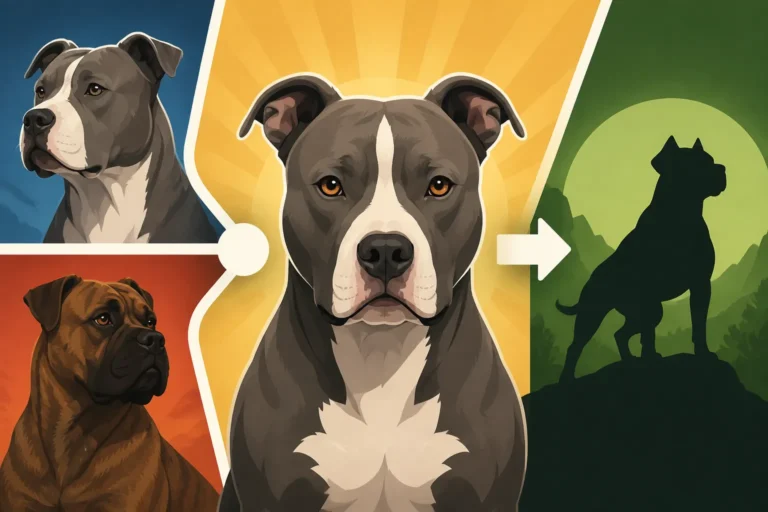
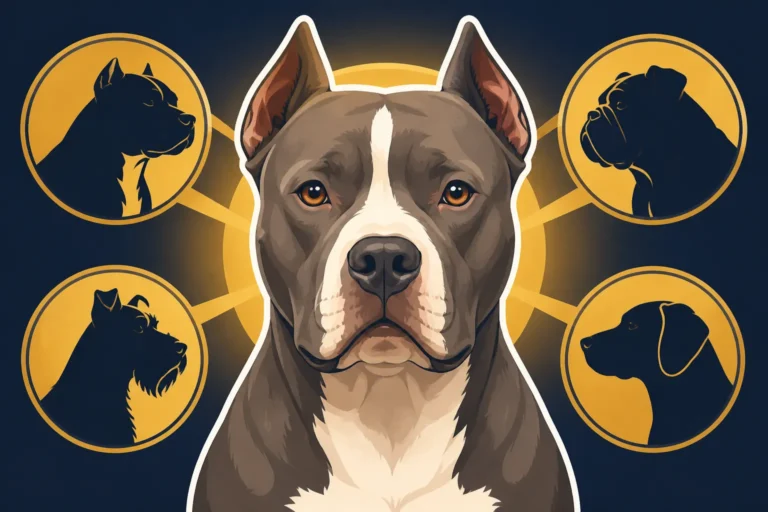
The label "Pit Bull" most commonly refers to three distinct breeds: the American Pit Bull Terrier (APBT), the American Staffordshire Terrier (AmStaff), and the Staffordshire Bull Terrier (Staffie). Sometimes, it also includes the American Bully, which is a newer breed derived from some of these lines, though it has a distinctly different, more compact and muscular build. Each of these breeds has its own specific breed standard, which includes guidelines for height and weight, reflecting the distinct purposes and lines they were originally bred for. It's a fundamental point that many people miss, thinking all "Pit Bulls" are interchangeable. For a deeper dive, check out Why Pit Bull Is a Type and Not a Breed and The Three Breeds People Call Pit Bulls.
The American Pit Bull Terrier is generally considered the original "Pit Bull" and is recognized by the United Kennel Club (UKC). They are typically athletic and lean, built for agility and endurance. The American Staffordshire Terrier, recognized by the American Kennel Club (AKC), shares a common ancestry with the APBT but has been bred along slightly different lines, often resulting in a stockier, heavier-boned dog. Then there's the Staffordshire Bull Terrier, a much smaller, more compact dog originating from England, sometimes affectionately called a "Nanny Dog" for its reputed good nature with children. These differences in lineage directly translate to differences in expected healthy weight ranges, and it's why a blanket statement about "Pit Bull weight" is simply not accurate.
Why Generic Weight Ranges Can Be Misleading
Because of this breed diversity, generic weight ranges you might find online or hear from casual acquaintances can be incredibly misleading. Imagine trying to give a single weight range for "terrier type dogs" – it would cover everything from a tiny Yorkshire Terrier to a large Airedale! While not quite that extreme, the difference between a small female Staffie and a large male AmStaff is significant. Many dogs that are visually identified as "Pit Bulls" in shelters are often mixed breeds, further complicating the picture, as their genetic makeup can draw from various bull-and-terrier types, or even other breeds entirely, giving them a unique physical blend.
This can be a real source of anxiety for owners. You might have a perfectly healthy, lean American Pit Bull Terrier, but if you're comparing him to an American Staffordshire Terrier, he might appear "too thin." Conversely, an AmStaff owner might worry their dog is "too heavy" if they're holding it up against the leaner APBT standard. This is why understanding your specific dog's lineage, if possible, or at least having a grasp of the general breed characteristics within the "Pit Bull type" umbrella, is crucial for setting realistic expectations about their healthy weight. It helps you focus on your dog's individual health rather than chasing an arbitrary number.
Typical Weight Ranges for Pit Bull Breeds
So, what are we actually talking about in terms of numbers? While there's always natural variation, here are the generally accepted ranges for the most commonly identified Pit Bull type dogs. Remember, these are guidelines, and your dog’s overall body condition is often more important than hitting an exact number on the scale. When you consider the powerful musculature of these dogs, their weight can often feel heavier than their visual appearance might suggest, and it's easy to misjudge by sight alone.
American Pit Bull Terrier Weight Profile
The American Pit Bull Terrier (APBT) is renowned for its athleticism and power, often characterized by a lean, muscular build. For females, the typical weight range is usually between 30 to 50 pounds (13.6 to 22.7 kg), while males generally fall between 35 to 60 pounds (15.9 to 27.2 kg). There can be variations, with some individuals falling slightly outside these ranges, but the key characteristic is their strong, agile frame, not bulkiness. They are often described as having a "working dog" physique, which means they should appear fit and streamlined.
This breed was originally developed for performance, and their weight reflects that need for speed, strength, and endurance. A healthy APBT should have visible muscle definition and a tucked-up waist, signifying a lean body fat percentage. If you're feeding a working Pit Bull, you might want to consider Feeding a Pit Bull to Keep Muscle Without Fat to support their active lifestyle. Overfeeding an APBT can quickly lead to excess weight that can strain their joints and reduce their characteristic agility.
American Staffordshire Terrier Weight Profile
The American Staffordshire Terrier (AmStaff), while sharing ancestry with the APBT, tends to be a bit stockier and heavier-boned. This often translates to a slightly higher average weight. Females typically weigh between 40 to 55 pounds (18.1 to 25 kg), and males can range from 55 to 70 pounds (25 to 31.8 kg). Again, these are averages, and you might encounter AmStaffs slightly above or below these figures. Their build is still incredibly muscular and powerful, but with a generally more substantial appearance than their APBT cousins.
Because of their slightly heavier build, it's particularly important for AmStaff owners to monitor their dog's body condition closely. While they carry more mass, they should still exhibit a well-defined waist and visible muscle. Sometimes, people mistake their solid build for being overweight, but an experienced eye can tell the difference. If you're concerned about your dog's build, consider looking into Pit Bull Weight and Muscle on a Working Frame to get a better understanding of what a healthy, muscular AmStaff should look like.
Staffordshire Bull Terrier Weight Profile
The Staffordshire Bull Terrier stands apart from its American relatives primarily due to its size. These are much more compact dogs, often weighing significantly less. For both males and females, the typical weight range is usually between 24 to 38 pounds (11 to 17 kg). Despite their smaller stature, Staffies are incredibly muscular and powerful for their size, with a dense build and a reputation for being tough and tenacious.
Their smaller size doesn't mean they require less attention to their weight. In fact, because they are so compact, even a few extra pounds can make a proportionally larger impact on their health and mobility compared to a larger breed. Their short, broad heads and powerful jaws are iconic, but their body should still be trim and athletic. It’s always important to cater to the specific needs of these smaller, but no less formidable, Pit Bull types.
The Role of Sex and Individual Variation
Beyond breed, the sex of your Pit Bull will naturally play a role in their expected weight. Males are generally larger and heavier than females across all these breeds. This is due to natural physiological differences, including bone structure and muscle mass. You'll typically find a male American Pit Bull Terrier at the higher end of the APBT range, while a female might be at the lower end.
However, even within the same sex and breed, there's always individual variation. Just like people, dogs come in all shapes and sizes, even from the same litter. Genetics from their specific parents and lineage, their environment, and even their individual metabolism can all contribute to slight differences in weight. It's not uncommon to see a slightly smaller-boned female or a larger, more robust male. This is why focusing solely on a number on the scale can be misleading. Instead, a holistic view that includes their overall health, muscle tone, and activity level is far more useful. Understanding The Age a Pit Bull Finishes Growing can also provide context for a young dog's development and eventual adult weight.
| Pit Bull Type Breed | Typical Male Weight (lbs) | Typical Female Weight (lbs) | General Build Expectation |
|---|---|---|---|
| American Pit Bull Terrier (APBT) | 35 – 60 | 30 – 50 | Lean, athletic, agile, powerful. |
| American Staffordshire Terrier (AmStaff) | 55 – 70 | 40 – 55 | Stockier, heavier-boned, muscular, substantial. |
| Staffordshire Bull Terrier (Staffie) | 24 – 38 | 24 – 38 | Compact, dense, extremely muscular for their smaller size. |
Factors Influencing a Pit Bull's Weight Beyond Breed
While breed standards give us a framework, several other crucial factors actively shape your Pit Bull's real-world weight. It's never as simple as "they should weigh X pounds." Their unique combination of genetics, the food they eat, how much they move, and their overall health all contribute to the number on the scale and, more importantly, their ideal body condition. Ignoring these elements is like trying to bake a cake with only half the ingredients – you won’t get the full picture.
Genetics and Lineage: Nature's Blueprint
Even within a single breed, specific bloodlines can influence a dog's inherent size and musculature. Some lines might naturally produce slightly larger, heavier-boned dogs, while others are known for a more refined, athletic build. If you got your Pit Bull from a reputable breeder, they should be able to provide information on the parents' size and general build, which can offer clues about your puppy's potential adult weight. This genetic predisposition plays a huge role in determining their growth potential and metabolic rate.
Beyond the immediate parents, the overall genetic history contributes. For instance, if a dog has a stronger historical leaning towards the original fighting pit dogs, they might be more inclined to a leaner, more agile build. If their lineage has more of the show-ring AmStaff type, they might naturally carry more substance. This isn't something you can change, but it’s vital to acknowledge when setting realistic weight goals for your dog. Sometimes, a DNA test can even shed light on the mix of breeds contributing to your rescue Pit Bull's unique size, helping you understand their predispositions.
Diet, Exercise, and Lifestyle: Nurture's Role
This is where you, as an owner, have the most direct impact. The quality and quantity of food your Pit Bull eats are paramount. A high-quality diet, appropriate for their age, activity level, and any sensitivities, provides the building blocks for a healthy body. Overfeeding, even by a small amount each day, can quickly lead to weight gain, especially with the hearty appetites many Pit Bulls possess. Measuring food accurately is key – don't just eyeball it! Many reputable brands, available on platforms like Chewy, offer formulas tailored for active, large breeds, which can be a great starting point. Also, remember that treats add calories! You might want to explore How Many Calories a Fifty Pound Pit Bull Needs to properly gauge their daily intake.
Exercise is the other side of the coin. Pit Bulls are powerful, energetic dogs that require consistent physical activity to maintain muscle mass and a healthy weight. Daily walks, runs, active play sessions, and even structured training can burn calories and keep their metabolism humming. A sedentary Pit Bull, regardless of their diet, is far more prone to packing on extra pounds. Think about how much activity your dog actually gets versus how much they should get. A dog that is left alone for long hours without adequate physical and mental stimulation might not only gain weight but also develop behavioral issues. For dogs with high energy, considering durable chew toys or puzzle feeders, also readily available on Chewy, can help channel their drive and burn some calories.
Health Conditions and Medications
Sometimes, weight fluctuations aren't simply about food and exercise; they can be a red flag for underlying health issues. Conditions like hypothyroidism can cause unexplained weight gain, even if your dog's diet and activity haven't changed. Cushing's disease is another less common but possible cause. Conversely, some health problems might lead to weight loss, such as dental disease making eating painful, or more serious conditions affecting nutrient absorption.
Certain medications can also impact weight. Steroids, for example, are known to increase appetite and can lead to weight gain. If your Pit Bull is on any long-term medication, discussing potential side effects, including weight changes, with your veterinarian is essential. It's heartbreaking when you're doing everything right, and your dog is still struggling with their weight, so don't hesitate to seek professional advice. If you notice your dog A Pit Bull Gaining Weight on the Same Food or losing weight unexpectedly, a vet visit is definitely in order to rule out medical causes before adjusting diet or exercise significantly.
Assessing Your Pit Bull's Ideal Weight and Maintaining It
Knowing the typical weight ranges is one thing, but truly understanding if your Pit Bull is at a healthy weight requires a more nuanced approach than just looking at a number on the scale. These are muscular dogs, and what looks heavy on a leaner breed might be perfectly normal, or even ideal, for a strong Pit Bull. It’s all about context and feeling your way to the truth, quite literally!
The Body Condition Score: Beyond the Scale
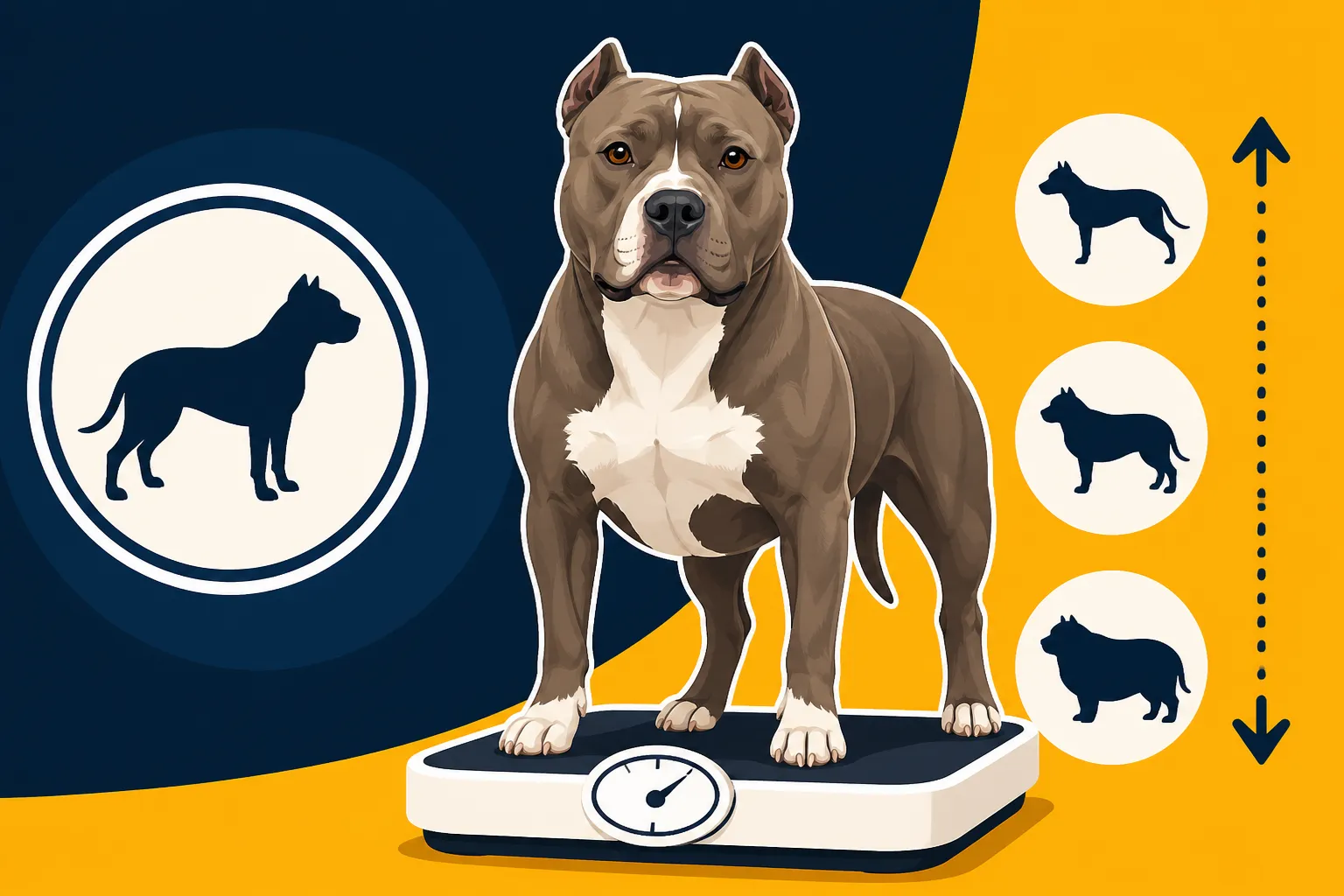
The most effective way to assess your Pit Bull's weight is through a Body Condition Score (BCS). This system evaluates your dog's fat reserves by feeling specific areas and visually assessing their shape, rather than relying solely on a number. Vets often use a 5-point or 9-point scale, where a score of 3/5 or 4-5/9 is generally considered ideal. This method accounts for individual differences in bone structure and muscle mass far better than a single weight number ever could. This is especially useful for Pit Bulls, whose powerful build can mask subtle changes in fat. You can learn more about this in Reading Pit Bull Body Condition Under Muscle.
Here’s a simplified way to check your Pit Bull's BCS at home:
- Ribs: Gently run your hands along your dog's sides. You should be able to feel their ribs easily, like feeling the knuckles on your hand, without seeing them prominently sticking out. If you can't feel them without pressing hard, your dog might be overweight. If you can see them clearly without much effort, they might be underweight.
- Waist: Look at your dog from above. They should have a noticeable "waist" indentation behind their rib cage, before their hips. If they look like a straight line or bulge out, they are likely overweight.
- Abdominal Tuck: Look at your dog from the side. Their abdomen should tuck up slightly from their chest to their hind legs, not hang low or be flat. A pronounced tuck often indicates a very lean, athletic dog, while no tuck suggests excess weight.
- Spine and Hip Bones: You should be able to feel the spine and hip bones without them protruding sharply. If they're very prominent and feel sharp, your dog is probably too thin.
A healthy Pit Bull will have strong muscle definition, a good tuck, and easily palpable ribs. It's about proportion and feel, not just the number.
Strategies for Healthy Weight Management
Once you've assessed your Pit Bull's body condition, you can implement strategies to maintain or achieve their ideal weight. Consistency is the name of the game here. First and foremost, be diligent about their diet. Choose a high-quality dog food, like many options available on Chewy, and measure their portions precisely. If your dog needs to lose weight, consult your vet about a reduced-calorie or weight-management formula. Consider puzzle feeders to slow down eating and provide mental stimulation, preventing them from just gulping down their food.
Exercise needs to be a regular, non-negotiable part of their day. Pit Bulls thrive on activity. Aim for at least 60-90 minutes of vigorous exercise daily, which can be broken into multiple sessions. This could include fast-paced walks, jogging, playing fetch, tug-of-war (with rules!), or even dog sports. A dog that is well-exercised is often a happier, healthier dog. For a comprehensive look at maintaining fitness, read Pit Bull Exercise for a Powerful Athletic Dog. If you have an older Pit Bull, Caring for a Pit Bull in Its Second Decade offers great advice on adapting exercise.
When to Consult Your Vet About Weight Concerns
While home assessments are valuable, your veterinarian is your best resource for any significant weight concerns. If you suspect your Pit Bull is severely underweight or overweight, or if you notice sudden, unexplained changes in their weight, make an appointment. Your vet can perform a thorough physical exam, recommend blood tests (such as a thyroid panel if weight gain is unexplained), and help rule out any underlying medical conditions. They can also provide a professional body condition score and help you develop a safe and effective weight management plan tailored specifically to your dog's individual needs.
For example, if you have an overweight Pit Bull, your vet can help calculate a safe caloric intake for weight loss and guide you on an exercise regimen that won't strain their joints. Pit Bull Obesity and Joint Strain is a serious concern, and professional guidance is critical. Similarly, if your dog is underweight, your vet can investigate the cause and advise on appropriate dietary adjustments to ensure healthy weight gain. Don't hesitate to reach out to them – they are partners in your Pit Bull's health journey.
Disclaimer
This article is for general informational purposes only and does not constitute professional advice. Laws, prices and regulations vary by location and change over time. Consult a qualified professional for guidance on your specific situation.