What Catches New Pit Bull Owners Out
Bringing a Pit Bull into your home is an incredibly rewarding experience, full of love, loyalty, and boundless energy. However, many new owners, often driven by the heartwarming stories of shelter dogs and a desire to give a deserving pup a chance, can find themselves a little overwhelmed by certain realities they weren't expecting. This guide is here to shed light on those common surprises, helping you prepare for the unique joys and challenges of Pit Bull ownership so you can truly thrive together.
The Reality of Pit Bull Temperament: Beyond the Myth
One of the biggest areas where new Pit Bull owners are caught off guard is in the nuances of their dog's temperament. While these dogs are famously sweet and affectionate with their human families, there are specific traits, often rooted in their history, that manifest in ways that might surprise someone expecting a "typical" family dog. It’s not about aggression, but about understanding instinct and channeling it correctly.
Dog Selectivity, Not Always Dog-Friendly
It’s a beautiful thought, envisioning your Pit Bull happily romping with every dog at the park, but the reality is often more complex. Many Pit Bulls exhibit what's known as "dog selectivity" or "dog tolerance." This means that while they might get along well with a dog they live with, or perhaps a select few they know well, they often aren't universally friendly with all dogs, especially unfamiliar ones in new environments. This isn't a flaw in their character; it's a historical trait, honed over generations for purposes that are thankfully long past. For a new owner, this can be a shock when their otherwise gentle dog shows discomfort or reactivity towards other canines. You can learn more about What Dog Selectivity Means in a Pit Bull to better understand this trait.
This selective nature means you’ll need to be a vigilant advocate for your dog in public spaces. Dog parks, for instance, might not be the best environment for many Pit Bulls. Instead, focus on controlled, one-on-one playdates with known, stable dogs, or structured group classes where interactions are supervised. It’s crucial to recognize and respect your dog’s boundaries and preferences, rather than forcing interactions that make them uncomfortable. Investing in a good trainer who understands Pit Bull dynamics can be invaluable here, helping you read your dog's signals and build confidence in managing these situations.
Understanding this trait early can prevent stressful encounters and ensure your Pit Bull feels safe and understood. It requires a more active role in managing their social life, choosing quality over quantity in canine friendships. This dedication to thoughtful management is a hallmark of responsible Pit Bull ownership and will ultimately lead to a happier, less stressed dog and owner.
High Prey Drive and Small Animals
Another trait that often catches new owners off guard is the strong prey drive inherent in many Pit Bulls. This isn't a desire to harm, but a hardwired instinct to chase, grab, and "dispatch" small, fast-moving objects. If you have cats, rabbits, or even small children who run and squeal, this instinct can become a management challenge. It's the same drive that makes them excellent at tug-of-war and intensely focused on toys, but it needs to be understood in the context of other living creatures. You might find your Pit Bull fixated on squirrels in the yard or showing intense interest in a neighbor's small dog.
This prey drive can manifest unexpectedly, even in a dog that has previously coexisted peacefully with a smaller animal. A sudden movement or sound can trigger the instinct, and it's not something that can be trained out entirely. Instead, it needs to be managed with careful supervision, secure fencing, and consistent training around impulse control. For households with existing small pets, introductions must be slow, controlled, and never unsupervised. Many Pit Bulls can absolutely live peacefully with cats or other small animals, but it often requires a significant commitment to management and training to ensure everyone's safety.
Being prepared for this drive means taking proactive steps. Secure leashes, good recall training, and never allowing your Pit Bull to roam unsupervised, especially in areas with wildlife or other small animals, are paramount. Understanding that this is an instinct, not malice, allows you to approach management with empathy and effectiveness, ensuring a safe environment for all.
Jaw Strength and Chewing Habits
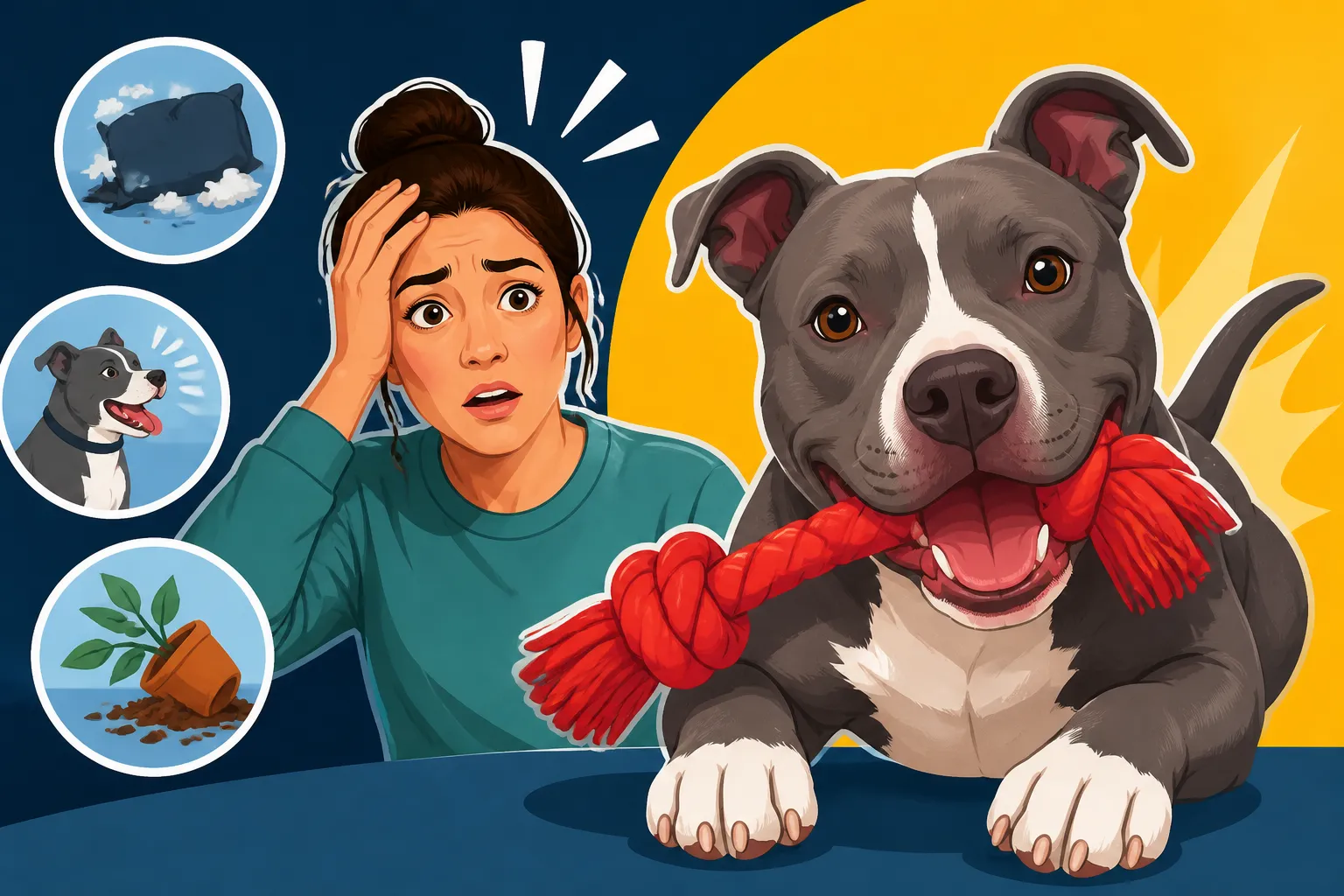
Pit Bulls are renowned for their powerful jaws and robust build. What often surprises new owners is the sheer force of their chewing and how quickly they can demolish toys, beds, and even household items not designed to withstand such dedication. Many assume a "tough" chew toy will last, only to find it shredded within minutes. This isn't destructive behavior born of malice, but a natural outlet for their physical strength and mental stimulation.
This reality translates into a need for incredibly durable and appropriate chew toys. Cheap plastic toys are often quickly destroyed and can even pose a choking hazard. Investing in high-quality, virtually indestructible toys made from rubber or dense nylon is essential. You'll likely find yourself browsing sites like Chewy for their robust selection of tough chews and puzzle toys specifically designed to challenge strong chewers. Puzzle feeders, for example, can redirect that chewing energy into a mentally stimulating activity, making mealtime last longer and reducing boredom. For more in-depth advice, check out Chews That Do Not Crack Pit Bull Teeth.
Beyond toys, consider the durability of other items. A standard dog bed might not survive long against a persistent chewer. Look for chew-proof beds or elevated cot-style beds that offer fewer opportunities for destruction. Consistent training, providing appropriate outlets, and avoiding leaving tempting items within reach are key to managing these powerful chewing habits, preventing damage to your home and ensuring your Pit Bull's safety.
Unforeseen Costs and Logistics of Pit Bull Ownership
While every dog comes with a cost, Pit Bulls often bring some unique financial and logistical hurdles that can catch new owners by surprise. These aren't necessarily higher costs for the dog itself, but rather costs and complications related to societal perceptions and breed-specific challenges.
Insurance and Housing Hurdles
This is perhaps one of the most frustrating and unexpected challenges for new Pit Bull owners. Many discover that finding suitable housing or obtaining homeowners/renters insurance can be incredibly difficult, if not impossible, due to breed restrictions. Landlords and insurance companies often have blanket bans on "Pit Bull type dogs," regardless of the individual dog's temperament or training. This isn't based on your dog's behavior, but on outdated statistics and fear-based policies.
You might find yourself calling dozens of insurance providers only to be turned away, or discovering that your existing policy will be canceled. Renters face even more significant barriers, with apartment complexes and rental agencies explicitly listing Pit Bulls as prohibited breeds. This can severely limit your housing options and even impact your ability to move. It often means a dedicated search for "Pit Bull-friendly" properties and insurers, which can be a time-consuming and disheartening process. Learn about Getting Home Insurance With a Pit Bull and Finding a Rental That Takes a Pit Bull to navigate these waters.
Preparation here means starting your research early. Before adopting, investigate local laws and insurance options. Some states have laws that prevent insurers from discriminating based on breed, which can be a huge relief. Be prepared to provide references, training certificates, or even a Canine Good Citizen (CGC) title to landlords or insurers willing to consider your dog. While these don't always guarantee acceptance, they can demonstrate your commitment to responsible ownership and help differentiate your well-behaved Pit Bull from negative stereotypes.
Allergy and Skin Issues
Pit Bulls, unfortunately, are genetically predisposed to a range of skin allergies and sensitivities, which can become a recurring and often expensive problem. Many new owners are completely blindsided by how prevalent and persistent these issues can be. What might start as occasional itching can quickly escalate into chronic skin infections, ear problems, and relentless scratching, leading to significant discomfort for your dog and considerable vet bills for you. Pit Bull Skin Allergies and the Atopy Pattern is a common diagnosis that can cause a lot of frustration for owners.
These allergies can be environmental (atopy, caused by pollen, dust mites, mold), food-related, or a combination of both. Diagnosing the root cause often involves a long process of elimination, dietary trials, and sometimes costly allergy testing. Managing them typically requires a multi-faceted approach, including special diets, medicated shampoos, regular ear cleanings, and sometimes long-term medications like Apoquel or Cytopoint. The cost of these treatments, vet visits, and prescription foods can quickly add up, becoming a significant part of your annual pet budget. Many dedicated owners rely on reputable pet supply stores like Chewy for easy access to specialized diets and veterinary-recommended supplements.
Being proactive is key. Familiarize yourself with common signs of allergies, such as excessive licking, chewing at paws, red skin, or frequent ear infections. Discuss these predispositions with your vet early on. A high-quality diet, regular grooming, and vigilant monitoring can help manage symptoms, but be prepared for the possibility of ongoing care and budgeting for potential allergy management expenses.
Gear That Lasts
When you bring home a Pit Bull, you quickly learn that many standard pet products simply aren't up to the task. This breed is strong, durable, and often has an incredible ability to chew, pull, and test the limits of what most manufacturers consider "dog-proof." What catches many new owners out is realizing that they need to invest in heavy-duty gear from day one, rather than going through several rounds of cheaper, easily destroyed alternatives.
From leashes and collars to crates and beds, you'll need items built for strength and resilience. A flimsy nylon leash might snap under the pull of a determined Pit Bull on an exciting walk. A standard wire crate might be bent or broken by an anxious or bored pup. You'll quickly discover that "chew-proof" is a challenge, not a guarantee. This means spending more upfront on well-constructed, reinforced products. For example, a reliable harness that won't chafe and can stand up to a strong puller is essential for enjoyable walks. Many owners find themselves frequently restocking durable toys from trusted online retailers like Chewy because even the toughest toys eventually meet their match. Check out Harnesses Built for a Pulling Pit Bull for tips on what to look for.
Being prepared means budgeting for quality over quantity. Look for products specifically advertised for "strong chewers" or "large breeds." Consider materials like heavy-duty ballistic nylon, thick webbing, and reinforced stitching. While the initial outlay might seem higher, it saves money and frustration in the long run by avoiding constant replacements and potential safety hazards from broken equipment.
Training and Management Needs
Pit Bulls are intelligent, eager-to-please dogs, making them highly trainable. However, their physical strength, exuberance, and the societal pressures they face mean that their training and management needs are often more intensive and non-negotiable than for many other breeds. New owners can be surprised by the level of consistency and commitment required.
Consistent Training is Non-Negotiable
For a Pit Bull, consistent and positive reinforcement training isn't just a recommendation; it's a necessity. Their strength and strong will mean that even minor behavioral issues, if left unaddressed, can become significant challenges. What might be a cute puppy nip in a smaller breed can be a serious problem with a Pit Bull's developing jaw. What starts as occasional pulling on the leash can quickly turn into being dragged down the street. New owners might underestimate the sheer volume of training required to truly mold a well-mannered Pit Bull.
From puppyhood through adulthood, training needs to be an ongoing dialogue. Basic obedience – sit, stay, come, leave it – must be rock-solid and practiced daily in various environments. Beyond basic commands, focus on impulse control and polite greetings. Pit Bulls benefit immensely from engagement training that keeps their minds active and channels their energy productively. Many owners find enrolling in multiple obedience classes or working with a professional trainer experienced with powerful breeds to be invaluable. The goal is to build a reliable companion who can navigate the world calmly and confidently, especially in public spaces where they are often scrutinized. For advice on ongoing training, look at Keeping Pit Bull Training Sessions Productive.
The key takeaway here is that you're signing up for a lifelong commitment to training. It's not a one-and-done course. It's about building a strong bond based on trust and clear communication, ensuring your Pit Bull understands expectations and feels secure in their role. This consistent effort not only creates a well-behaved dog but also a confident, happy companion.
Leash Manners and Physical Strength
Anyone who has walked a fully grown Pit Bull knows they possess incredible physical strength. What often catches new owners off guard is just how challenging it can be to manage that strength on a leash, especially if the dog decides to pull towards an exciting smell or another dog. A fifty-pound Pit Bull pulling with all their might can easily overpower an unprepared handler, leading to frustrating walks and potential safety concerns. You can explore Pit Bull Leash Pulling at Fifty Pounds for more context.
Teaching impeccable leash manners from day one is critical. This means more than just a quick "heel" command. It involves teaching loose-leash walking, redirecting attention, and building focus even in distracting environments. Investing in proper equipment, such as a well-fitted front-clip harness or a head halter, can make a world of difference in managing a strong puller without causing discomfort to the dog or the handler. It’s also crucial to understand that their physical strength means consistent reinforcement is needed, as they can quickly revert to pulling if not regularly reminded.
Being prepared for the physical demands of walking a Pit Bull means starting early with training, using appropriate tools, and being committed to daily practice. It's about turning walks from a struggle into an enjoyable bonding experience, where you and your Pit Bull can confidently navigate the world together.
Socialization Beyond the Puppy Stage
While everyone emphasizes puppy socialization, new Pit Bull owners are often surprised to learn that for this breed, socialization is an ongoing, lifelong process, not just a phase. Many assume that once their puppy has met a certain number of dogs and people, the job is done. However, due to their breed history and potential for dog selectivity, continued, careful socialization and exposure are paramount to maintaining a well-adjusted adult dog.
This means continuously exposing your Pit Bull to new sights, sounds, people, and controlled dog interactions throughout their life. It's not about forcing interactions but about creating positive associations with various stimuli. This might involve structured walks in busy areas, quiet visits to pet-friendly stores (like some larger Chewy locations, if available), or regular training classes. For dogs exhibiting dog selectivity, it’s about carefully selecting playmates and avoiding situations that might lead to conflict, rather than abandoning socialization altogether. It’s about building confidence and resilience. You can learn more about Socializing a Pit Bull Puppy Thoroughly.
The key here is understanding that socialization is about quality of experience, not just quantity. It’s about ensuring your Pit Bull feels secure and confident in diverse situations, always under your careful guidance. This ongoing commitment helps prevent fear, reactivity, and ensures your Pit Bull remains a calm, stable member of your family and community.
Public Perception and Social Challenges
Perhaps one of the most disheartening surprises for new Pit Bull owners is the societal prejudice and stigma they frequently encounter. No matter how sweet, well-behaved, and loved your dog is, you will inevitably face judgment, fear, and even outright hostility from strangers. This constant need to "prove" your dog's good nature can be emotionally draining and is a reality that many owners simply aren't prepared for.
Dealing with Unfair Stereotypes
The "Pit Bull" label carries a heavy burden of negative stereotypes, often portraying these dogs as inherently dangerous, aggressive, and unpredictable. New owners quickly realize that they are not just adopting a dog; they are adopting a dog that comes with a preconceived notion in the minds of many strangers. This means you might encounter people crossing the street to avoid you, pulling their children away, or making unsolicited negative comments. These reactions can be incredibly hurtful, especially when you know your dog is a loving and gentle companion.
This constant judgment requires a thick skin and a commitment to being a calm, responsible ambassador for your breed. It means being prepared for these interactions and choosing to respond with grace and education, rather than anger. Your well-behaved Pit Bull is the best advertisement for the breed, and every positive interaction helps chip away at the misconceptions. Understanding What Catches New Pit Bull Owners Out is crucial to mentally prepare for these encounters.
It's a challenge unique to owning certain breeds, and it highlights the importance of making sure your Pit Bull is impeccably well-behaved in public. Not just for your peace of mind, but to help counteract the negative narratives that persist.
Advocacy and Education
Because of the pervasive stereotypes, new Pit Bull owners often find themselves in an unexpected role: that of an advocate and educator. You’ll be explaining to friends, family, and strangers why your dog isn't what they see in sensationalized headlines. This can range from calmly correcting misinformation about "locking jaws" to sharing positive anecdotes about your dog's temperament.
This advocacy isn't something most new dog owners sign up for, but for Pit Bull owners, it becomes a natural, often necessary, part of life. You may find yourself dispelling myths about The Pit Bull Nanny Dog Story Rests On or explaining the nuances of Why Pit Bull Is a Type and Not a Breed. This can be empowering, as you become a voice for a misunderstood group of dogs, but it also adds another layer of responsibility and emotional labor to ownership.
Embracing this role can be incredibly rewarding. By educating those around you and demonstrating responsible ownership, you contribute to a positive shift in public perception. Join local Pit Bull rescue groups or advocacy organizations, as they can provide support and resources for dealing with these challenges and amplify your voice.
Finding Pit Bull-Friendly Spaces
Another logistical challenge driven by public perception is the difficulty in finding spaces that are welcoming to Pit Bulls. As mentioned with housing and insurance, many public and private establishments have breed restrictions. This extends to doggy daycares, boarding kennels, certain veterinary clinics, pet-friendly restaurants, and even some public parks.
This can severely limit your options for pet care and leisure activities. You might have to call numerous facilities to find one that accepts Pit Bulls, and even then, they might have stricter requirements or higher fees. Planning trips or vacations becomes more complicated, as many hotels and transport services also have breed-specific policies. This constant searching and occasional rejection can be frustrating and make you feel isolated as an owner.
Preparation here means extensive research. Before you need a service, identify Pit Bull-friendly options in your area. Ask for recommendations from other Pit Bull owners or local rescue groups. Be upfront about your dog's breed and be ready to provide proof of training or good behavior. It's about finding those welcoming communities and businesses that see your dog as an individual, rather than a stereotype.
Pit Bull Owner Expectations vs. Reality: A Quick Look
To help new owners visualize some of these common surprises, here's a brief comparison of expectations versus the common reality for many Pit Bulls.
| Area of Ownership | Common Expectation | Pit Bull Reality (Often Surprising) |
|---|---|---|
| Dog-Dog Interactions | Universally friendly, loves all dogs | Often dog-selective, prefers known canine companions, requires management |
| Chewing Habits | Moderate chewer, standard toys suffice | Power chewer, requires heavy-duty, indestructible toys and supervision |
| Housing/Insurance | Easy to find pet-friendly housing and standard insurance | Significant hurdles due to breed restrictions, specialized search required |
| Skin Health | Healthy skin, occasional itch | Prone to chronic allergies and skin issues, requires ongoing vet care |
| Public Perception | My dog's good nature will speak for itself | Frequent negative judgment and stereotypes, requiring owner advocacy |
| Training Needs | Basic puppy class is enough | Lifelong, consistent positive reinforcement is crucial for management |
Bringing a Pit Bull into your life is a profound commitment, but one that rewards you tenfold with unwavering love and companionship. Being prepared for these common surprises – from their unique temperament traits to the societal challenges they face – isn't about being discouraged. It's about empowering you to be the best possible owner, advocate, and partner for your incredible dog, ensuring a happy, fulfilling life together.
Disclaimer
This article is for general informational purposes only and does not constitute professional advice. Laws, prices and regulations vary by location and change over time. Consult a qualified professional for guidance on your specific situation.