Whether a Pit Bull Pedigree Means Anything
It's incredibly common to hear the term "Pit Bull" thrown around, and with that comes a natural curiosity about lineage, especially when you're welcoming one of these wonderful dogs into your home. Many new owners wonder, "Does a Pit Bull pedigree actually mean anything?" and it's a valid question that often leads to more confusion than clarity. This guide will break down the complexities of pedigrees in the context of "Pit Bull" type dogs, helping you understand what paper trails can, and cannot, tell you about your beloved companion.
The Nuance of the "Pit Bull" Identity: More Than Just a Name
When we talk about "Pit Bulls," we're often talking about a type of dog, not a single, universally recognized breed. This is the first, and perhaps most significant, piece of the puzzle when it comes to understanding pedigrees. The term "Pit Bull" itself has become an umbrella for several distinct breeds and their mixes, each with its own history, development, and, yes, potential for pedigree documentation.
Why "Pit Bull" is a Type, Not a Single Breed
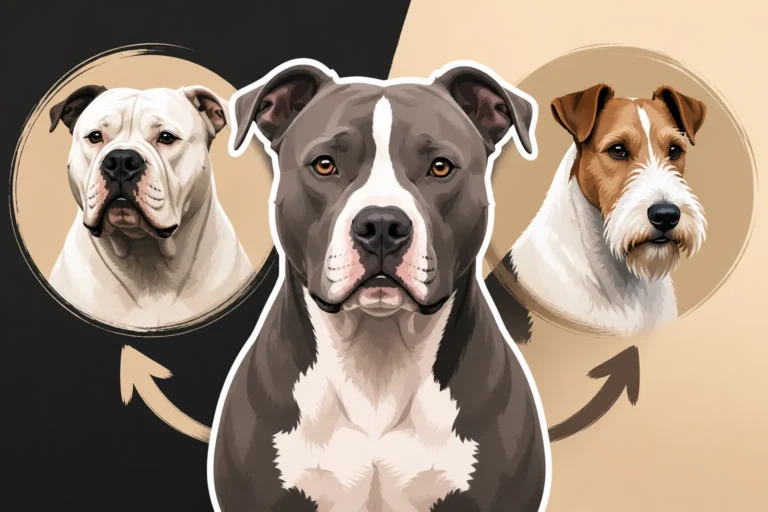
Imagine trying to get a "terrier" pedigree. You couldn't, because "terrier" refers to a group of dogs with shared characteristics and origins, but not a single breed. The "Pit Bull" label functions much the same way. It typically encompasses dogs like the American Pit Bull Terrier (APBT), the American Staffordshire Terrier (AmStaff), and sometimes even the Staffordshire Bull Terrier. Beyond these, many dogs that are visually identified as "Pit Bulls" are actually mixed breeds, carrying genetic markers from a diverse range of ancestors. Why Pit Bull Is a Type and Not a Breed This broad categorization means that a "Pit Bull pedigree" can be a bit of a misnomer, because it implies a singular breed standard that simply doesn't exist for the collective "Pit Bull" identity.
The history of these dogs is rooted in working roles, developed for specific traits rather than a cohesive appearance or a single kennel club standard. Their muscular build, strong jaws, and characteristic head shape are traits that have been selectively bred over generations, often for performance. Because different individuals and groups focused on different lines and purposes, what we see today is a beautiful, albeit complex, spectrum of dogs that fall under the "Pit Bull" umbrella.
The Breeds Often Labeled "Pit Bull"
To truly understand what a pedigree might mean, we need to look at the specific breeds that people commonly refer to as "Pit Bulls."
- American Pit Bull Terrier (APBT): This breed is often considered the original "Pit Bull." It's recognized by the United Kennel Club (UKC) and the American Dog Breeders Association (ADBA). If a dog has an APBT pedigree, it means its ancestors were registered with one of these organizations, tracing back through documented lines of APBTs. This pedigree is a record of their family tree within that specific breed.
- American Staffordshire Terrier (AmStaff): The AmStaff is recognized by the American Kennel Club (AKC). Historically, the AKC opened its studbook to APBTs in the 1930s under the name Staffordshire Terrier, later changing it to American Staffordshire Terrier to differentiate it. An AmStaff pedigree traces back through dogs registered with the AKC. While they share common ancestry with APBTs, the breeding goals and standards diverged over time, leading to slightly different physical types and temperaments being emphasized. The AmStaff as the AKC Recognizes It
- Staffordshire Bull Terrier (Staffie): This is a much smaller, distinct English breed, also with bull-and-terrier ancestry. It's recognized by both the AKC and UKC. While sometimes included in the "Pit Bull type" conversation due to its name and origins, its size and conformation are quite different from the American types. A Staffie pedigree would trace its lineage through registered Staffordshire Bull Terriers.
Understanding these distinctions is crucial because a "Pit Bull pedigree" is only as meaningful as the specific breed and registry it pertains to. Without that clarity, the term itself can be misleading.
Deciphering Pedigrees Across "Pit Bull" Type Dogs
So, you've got a dog, and someone says it's a "Pit Bull." Or perhaps you're looking at adopting a puppy and the breeder mentions "pedigrees." What exactly are you looking at, and what does it convey?
What an APBT Pedigree Represents
For an American Pit Bull Terrier, a pedigree is a document issued by a registry like the United Kennel Club (UKC) or the American Dog Breeders Association (ADBA). This paper details your dog's ancestral tree, typically going back several generations. Each ancestor listed should also be registered with the same organization, showing a clear line of descent within the APBT breed.
What does this mean for you? It means that your dog descends from a line of dogs that meet the specific breed standard of that registry. For example, a UKC pedigree certifies that your dog's parents, grandparents, and so on, were all recognized as APBTs by the UKC. This can give you some insight into the potential physical traits, general temperament tendencies, and health history associated with those lines, assuming the breeder has kept good records and been transparent. It's a snapshot of their genetic lineage, a family tree. It doesn't guarantee your dog will be an award-winning show dog or have a specific personality, but it provides a foundation of breed identity.
AKC Pedigrees and the American Staffordshire Terrier
If your dog is an American Staffordshire Terrier with an AKC pedigree, this means its ancestry has been recorded and recognized by the American Kennel Club. The AKC maintains a studbook and registry for specific breeds, and the AmStaff is one of them. An AKC pedigree provides a formal record of your AmStaff's family history, confirming that its progenitors were all registered American Staffordshire Terriers.
The AKC standard for the AmStaff emphasizes certain physical characteristics and a steady temperament. Therefore, an AKC pedigree suggests that your dog comes from lines that have been bred with that specific standard in mind. Breeders often pursue AKC registration to participate in conformation shows, obedience trials, or other AKC events. The pedigree, in this case, serves as proof of eligibility and lineage within the AKC system. It tells you your dog belongs to a recognized breed with a defined standard, distinct from the broader "Pit Bull" type. The American Staffordshire Terrier Standard
When a Pedigree is Non-Existent or Unclear
Here's where it gets a little tricky, and often, more common. Many, many dogs lovingly called "Pit Bulls" don't come with formal pedigrees from any recognized kennel club. This could be for several reasons:
- Mixed Breed: The dog is a mix of various breeds, some of which might be "Pit Bull types," but it's not a purebred APBT or AmStaff. The vast majority of "Pit Bulls" in shelters fall into this category. Their ancestry is a beautiful, sometimes mysterious, blend. Whether a DNA Test Settles the Pit Bull Question
- Unregistered Purebred: The dog might be a purebred APBT, but its parents were never registered, or the breeder chose not to register the litter. This happens sometimes, especially with smaller, hobby breeders who aren't focused on conformation shows or formal lineage tracking.
- Rescue Dog: Most rescue organizations and shelters primarily focus on finding loving homes for dogs, not on verifying extensive pedigrees. While they might note a dog's suspected breed, formal papers are rare. If you adopt from a shelter, the chances of getting a pedigree are very slim, and frankly, unnecessary for finding a wonderful companion. You can still learn about a dog's health and potential temperament through the shelter's assessments and foster reports.
In these cases, the absence of a pedigree doesn't diminish the dog's value or health. It simply means you don't have a formal paper trail of their lineage. Many of the most wonderful "Pit Bulls" are truly just "Pit Bulls" by type, not by registered breed, and their lack of a pedigree in no way makes them less deserving of love or a great life.
Why a Pedigree Might Not Be What You Expect
While a pedigree provides a family tree, it's not a magic bullet that tells you everything about the dog you're bringing home. There are common misconceptions about what these papers truly guarantee.
What a Pedigree Does NOT Guarantee
It's easy to assume a pedigree guarantees perfection, but that's simply not the case. A pedigree does not guarantee:
- Perfect Health: While a good breeder will health test their breeding stock and share those results, a pedigree itself is just a list of names. It doesn't mean your dog will be free of Pit Bull Skin Allergies and the Atopy Pattern, Pit Bull Hip Dysplasia Showing at One to Two Years, or any other genetic condition. It's vital to research the health history of the lines and ask the breeder for specific health clearances for the parents.
- Specific Temperament: A pedigree indicates adherence to a breed standard, which usually includes a desired temperament. However, individual dogs within any breed can have varied personalities. A pedigree doesn't guarantee your dog will be perfectly calm, automatically dog-friendly, or easy to train. Socialization, training, and individual genetics play a much larger role. What Pit Bull Temperament Testing Cannot Predict
- Show Ring Success: Just because a dog has a pedigree doesn't mean it's destined for glory in the show ring. Conformation depends on many factors, including how closely an individual dog matches the breed standard, its presentation, and the judge's opinion on any given day. A pedigree is a starting point, not a prediction of wins.
- A "Better" Dog: The idea that a pedigreed dog is inherently superior to a mixed breed or an unregistered dog is a misconception. Many shelter "Pit Bull" types are fantastic, healthy, and well-behaved companions. A dog's individual personality, upbringing, and the care it receives are far more indicative of its quality as a pet than any piece of paper.
It's important to separate the concept of a documented lineage from the actual qualities and health of an individual animal. A pedigree is a tool, not an outcome.
The Problem with "Designer" Pedigrees
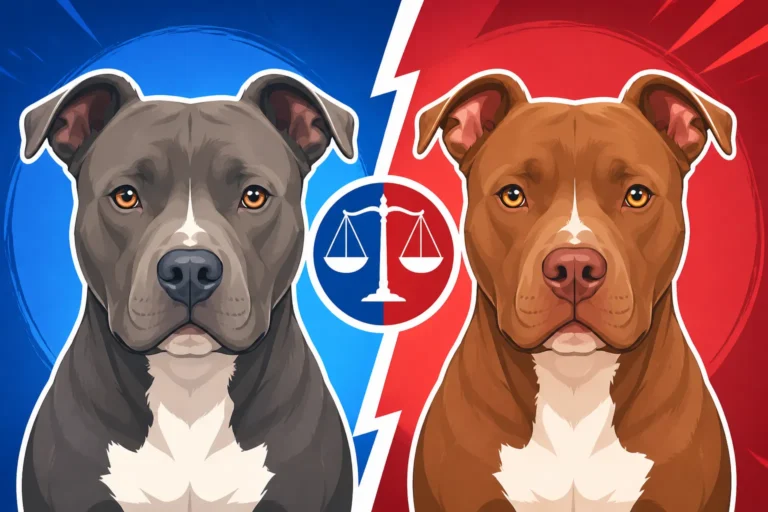
In the world of "Pit Bulls," you might sometimes encounter claims of "blue nose pedigree" or "red nose pedigree." These are often used as marketing terms by less reputable breeders to inflate prices. It's crucial to understand that "blue nose" and "red nose" refer only to coat and nose pigmentation, not to distinct breeds or a separate, recognized lineage by any major kennel club.
- Blue Nose Pit Bulls: These dogs simply carry a dilute gene that affects their black pigment, resulting in a greyish-blue coat and nose. They are still American Pit Bull Terriers or American Staffordshire Terriers. There is no such thing as a "Blue Nose Pit Bull" breed.
- Red Nose Pit Bulls: Similarly, "red nose" refers to a specific genetic expression that results in a reddish-brown coat and nose. This trait is often associated with older "Old Family Red Nose" lines of APBTs, but again, it's a color variant, not a separate breed requiring its own distinct pedigree.
Any breeder claiming a "blue nose pedigree" or "red nose pedigree" as something unique or superior is likely trying to capitalize on aesthetics rather than focusing on breed health, temperament, and responsible breeding practices. Always be wary of such claims; they often signal a lack of genuine understanding or concern for the dogs' welfare beyond superficial traits.
The Value of Responsible Breeding Beyond Paper
For those seeking a purebred APBT or AmStaff, a pedigree is a starting point. However, the true value comes from the responsible breeder behind that pedigree. A good breeder will:
- Health Test: They perform genetic health screenings for common issues like Pit Bull Hip Dysplasia Showing at One to Two Years or Pit Bull Heart and Thyroid Conditions. They should be transparent about these results.
- Temperament Assess: They understand the importance of early socialization and temperament. They should be able to tell you about the parents' personalities and how they raise their puppies. What Testing a Pit Bull Breeder Should Have Done
- Provide Support: They offer ongoing support and advice for the life of your dog.
- Ask Questions: They will thoroughly vet you as a potential owner, ensuring their puppies go to suitable homes.
If a breeder offers a pedigree but can't discuss health testing, temperament, or provide references, the paper itself holds little meaning. It's the responsible breeding practices, not just the paper, that contribute to a well-adjusted, healthy dog. You can often find resources on sites like Chewy that discuss responsible breeding practices and the kinds of questions to ask.
What Truly Matters for Your Pit Bull Beyond Lineage Papers
Ultimately, while a pedigree can offer insight into a dog's genetic background, it's far from the only, or even the most important, factor in your dog's life and your relationship with them.
Health and Temperament Are Key
Regardless of whether your Pit Bull has a fancy piece of paper detailing their family tree, what truly matters is their health and temperament. A dog that is physically sound and possesses a stable, friendly disposition will be a joy to live with, whether they're a purebred with an impeccable lineage or a charming mixed-breed from a local shelter.
- Health: Prioritize regular vet check-ups, a balanced diet, and appropriate exercise to keep your Pit Bull healthy. Pay attention to their Pit Bull Skin Allergies and the Atopy Pattern, joint health, and dental care. A clean bill of health from a veterinarian is far more valuable than a paper pedigree when it comes to your dog's well-being.
- Temperament: A well-socialized and properly trained Pit Bull is the best ambassador for the type. Focus on positive reinforcement training, early socialization with a variety of people and environments, and consistent boundaries. Training a Pit Bull to a Higher Standard Than Other Dogs Their behavior and social graces will define them more than any genetic lineage.
The Role of Training and Socialization
For any "Pit Bull" type dog, regardless of pedigree, training and socialization are paramount. These dogs are intelligent, eager to please, and often very strong. Consistent, positive reinforcement training is essential to channel their energy and intelligence into desirable behaviors. Pit Bull Leash Manners and Physical Strength
- Early Socialization: Exposing puppies to a wide variety of sights, sounds, people, and appropriate dogs from a young age helps them grow into confident, well-adjusted adults. Even an adult rescue dog benefits immensely from continued, careful socialization. Socializing a Pit Bull Puppy Thoroughly
- Ongoing Training: Training isn't a one-time event; it's a lifelong journey. Continued practice of basic obedience, impulse control, and polite greetings helps your Pit Bull be a well-mannered member of society. Resources, gear, and even healthy training treats can be found on sites like Chewy to support your training journey.
Building a Strong Bond
The most meaningful "lineage" for any dog is the bond they share with their human family. The time, effort, and love you invest in your Pit Bull will shape them far more than any pedigree ever could. Building a strong, trusting relationship based on mutual respect and understanding is the foundation of responsible dog ownership.
Whether your Pit Bull is a registered American Pit Bull Terrier from a carefully selected breeder, an American Staffordshire Terrier with an AKC pedigree, or a charming mixed-breed rescue that looks like a "Pit Bull," they all deserve the same dedication to their health, training, and emotional well-being.
The Pit Bull Pedigree in Summary
To help clarify the differences between various "Pit Bull" type dogs and the meaning of their pedigrees, here's a quick overview:
| Dog Type/Label | Common Registries | What a Pedigree Means | What it Does NOT Guarantee |
|---|---|---|---|
| American Pit Bull Terrier (APBT) | UKC, ADBA | Documented lineage of APBTs, adherence to that registry's breed standard | Health, specific temperament, show wins, or a "better" dog |
| American Staffordshire Terrier (AmStaff) | AKC | Documented lineage of AmStaffs, adherence to AKC breed standard | Health, specific temperament, show wins, or a "better" dog |
| Staffordshire Bull Terrier (Staffie) | AKC, UKC | Documented lineage of Staffies, adherence to specific breed standard | Health, specific temperament, show wins, or a "better" dog (distinct from APBT/AmStaff) |
| "Pit Bull" (Mixed Breed/Unregistered) | None (or DNA testing results) | Visual identification as "Pit Bull type," diverse genetic background | Predictable lineage, specific breed traits, or health outcomes (without further investigation) |
This table illustrates that while a pedigree exists for specific, recognized breeds that fall under the "Pit Bull" umbrella, the broader "Pit Bull" label itself doesn't come with a pedigree. The paper is only as good as the verifiable information it represents and the integrity of the breeding program behind it.
In the end, what truly matters is the individual dog in front of you. Their unique personality, their health, and the loving home you provide will always be more significant than any lineage paper. Focus on giving your Pit Bull the best possible life, filled with proper care, training, and endless affection.
Disclaimer
This article is for general informational purposes only and does not constitute professional advice. Laws, prices and regulations vary by location and change over time. Consult a qualified professional for guidance on your specific situation.