What Breed Neutral Law Means for Pit Bulls
It’s a truly frustrating experience to find your family dog discriminated against, not for anything they've done, but simply because of how they look. For years, many Pit Bull owners have navigated a confusing and often unfair landscape of breed-specific legislation (BSL), facing bans, restrictions, and societal prejudice that made responsible ownership a constant uphill battle. This guide will delve into what breed-neutral laws are, how they differ from older, breed-specific approaches, and the profound impact they have on Pit Bull owners and communities, offering a clearer path forward for everyone.
Understanding Breed-Specific Legislation and Its Impact
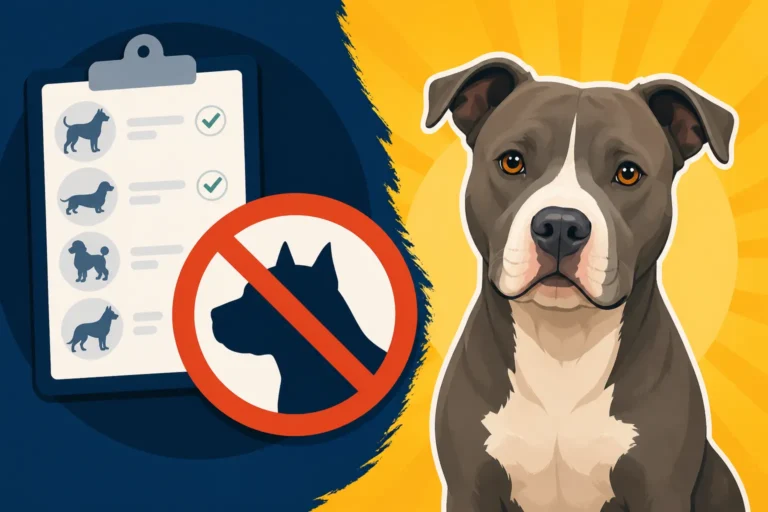
For decades, many communities and even entire states adopted laws that specifically targeted certain dog breeds, often including what are commonly referred to as Pit Bulls. This approach, known as breed-specific legislation (BSL), was born from a desire to reduce dog bite incidents and enhance public safety. However, the reality of BSL has been far more complex and, for many owners, deeply unfair.
The Rationale Behind Breed Bans
The core idea behind BSL was simple: if certain breeds were perceived as more dangerous, then restricting or outright banning them would automatically make communities safer. These laws typically focused on physical characteristics often associated with "Pit Bull-type" dogs, such as head shape, body build, and jaw structure. It wasn't about an individual dog's behavior or training history, but rather its appearance. Proponents often pointed to specific incidents or generalized statistics, arguing that these breeds posed an inherent risk that needed to be managed through legislative means. The goal was to remove a perceived threat from the community, regardless of a dog's individual temperament.
The Day-to-Day Realities for Pit Bull Owners
Living under BSL was, and in many places still is, a constant source of stress for Pit Bull owners. Imagine being told your beloved family member is a danger based solely on their looks. This isn't just a philosophical debate; it has tangible, real-world consequences. Owners in BSL areas might face outright bans, forcing them to move or relinquish their dogs. Others endure mandatory muzzling in public, specialized licensing fees that are significantly higher, or even requirements to carry additional liability insurance. Finding Getting Home Insurance With a Pit Bull or Finding a Rental That Takes a Pit Bull becomes a monumental task, as landlords and insurance companies often adopt similar breed restrictions. Even a trip to the local park could be fraught with anxiety, with wary glances and potential complaints from neighbors who might interpret normal dog behavior through the lens of breed prejudice. It created a climate of fear and suspicion, penalizing responsible owners and their well-behaved dogs.
Why BSL Proved Ineffective
Despite its intentions, BSL has largely failed to achieve its stated goals of improving public safety. Numerous studies and veterinary organizations have concluded that BSL does not reduce dog bites. The primary reason is that "Pit Bull" itself isn't a single, recognized breed, but rather a catch-all term for several breeds and mixes with similar physical traits, including the American Pit Bull Terrier, American Staffordshire Terrier, and Staffordshire Bull Terrier. Why Pit Bull Is a Type and Not a Breed is a common challenge. This makes identification subjective and often inaccurate, leading to dogs being misidentified and unfairly targeted.
Furthermore, BSL ignores the true factors contributing to dog bites: irresponsible ownership, lack of socialization and training, neglect, abuse, and failure to spay or neuter. A dog of any breed, if not properly raised and managed, can pose a risk. Conversely, a well-trained, well-socialized Pit Bull is often a loving and safe companion. Focusing on breed over behavior meant that communities weren't addressing the actual root causes of canine aggression, making BSL a reactive, rather than proactive, solution. This has led to a growing movement to repeal such laws and replace them with more effective, breed-neutral alternatives. Why Support for Pit Bull Bans Has Fallen significantly in recent years as more evidence mounts against BSL's efficacy.
The Core Principles of Breed-Neutral Dog Laws
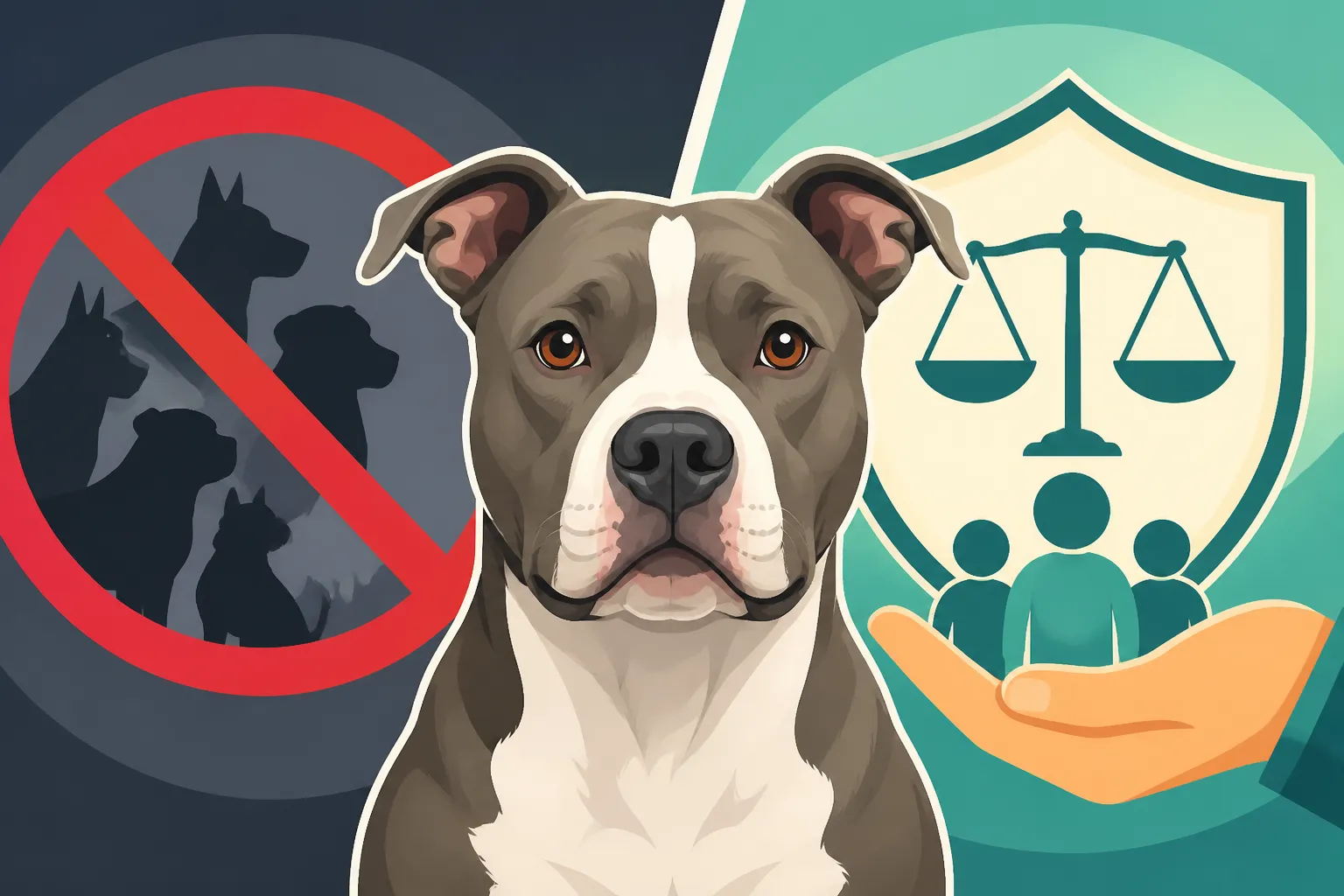
In contrast to breed-specific legislation, breed-neutral laws shift the focus entirely. They represent a more equitable and effective approach to canine public safety, grounded in the principle that all dogs, regardless of their appearance, should be held to the same standards of responsible ownership and behavior.
Shifting Focus to Behavior, Not Breed
The fundamental difference with breed-neutral laws is their emphasis on individual dog behavior and owner accountability. Instead of banning or restricting dogs based on their perceived breed, these laws address specific actions or dangerous behaviors exhibited by any dog. This means that if a dog of any breed demonstrates aggressive tendencies, bites, or is poorly controlled by its owner, then that dog and its owner will face consequences. The law focuses on the "deed, not the breed." This approach recognizes that temperament is shaped more by genetics, socialization, training, and environment than by a breed label. It holds owners responsible for preventing their dogs from becoming a danger to others, promoting good stewardship across the board. This is a vital step in helping shift How Public Opinion on Pit Bulls Has Shifted over time.
Promoting Responsible Ownership for All Dog Guardians
Breed-neutral laws inherently encourage and reward responsible dog ownership, regardless of what kind of dog you have. Instead of requiring muzzles or special licenses for specific breeds, they often include provisions that apply to all dog owners. This might involve mandating leash laws in public areas, requiring prompt cleanup of waste, enforcing licensing and vaccination for all dogs, and instituting clear protocols for dealing with dogs that exhibit aggression, regardless of their breed.
For example, a breed-neutral ordinance might define a "dangerous dog" based on documented incidents of aggression or bites, rather than simply on breed type. Owners of such dangerous dogs, no matter their breed, would then be subject to specific requirements, such as secure containment, mandatory training, or specific insurance stipulations. This creates a level playing field and incentivizes all dog owners to invest in Training a Pit Bull to a Higher Standard Than Other Dogs and socialization from puppyhood. Resources like Chewy can be invaluable for finding the right Pit Bull Leash Manners and Physical Strength equipment or even durable enrichment toys to keep any dog engaged and well-behaved at home.
Benefits for Pit Bull Owners and Their Communities
For Pit Bull owners, the adoption of breed-neutral laws is a monumental step towards fairness and acceptance. It means their dogs are no longer prejudged or discriminated against based on outdated stereotypes. Instead, they are treated like any other dog in the community, judged by their actions and the responsibility of their owners. This reduces the stress and stigma associated with owning a Pit Bull, making it easier to find housing, secure insurance, and simply enjoy walks in the park without fear of harassment or legal challenge.
Beyond individual owners, communities as a whole benefit. Breed-neutral laws are more effective at preventing dog bites because they target the behavior that leads to incidents, rather than a physical appearance. Animal control resources can be redirected from identifying breeds to investigating actual dangerous behavior, regardless of the dog involved. This leads to a more efficient allocation of public safety resources and ultimately, a safer environment for both people and pets. It moves the conversation from "what breed is that dog?" to "is that dog's owner being responsible?" – a much more productive discussion.
How Breed-Neutral Laws Change Things for Pit Bull Owners
The shift from breed-specific to breed-neutral legislation brings about significant, positive changes for Pit Bull owners, impacting everything from their daily lives to their long-term security. It’s about moving beyond prejudice and embracing sensible, effective policies.
Removing Housing and Insurance Barriers
One of the most persistent and debilitating challenges for Pit Bull owners under BSL has been the difficulty in securing housing and affordable pet insurance. Many apartment complexes, homeowners' associations (HOAs), and even entire cities have had breed bans, making it nearly impossible to find a place to live with a Pit Bull. Similarly, numerous insurance companies refused to cover homes with Pit Bulls, or charged exorbitant premiums, leaving owners vulnerable.
With breed-neutral laws, these barriers begin to crumble. Housing providers and insurers are often no longer permitted to discriminate based solely on breed. Instead, they must evaluate dogs on a case-by-case basis, perhaps requiring proof of good behavior, training certifications like Canine Good Citizen, or a clean bite history. This means a responsible Pit Bull owner, whose dog is well-behaved and poses no threat, has the same access to housing and insurance as an owner of a Labrador or a Poodle. This can be a huge relief, making it possible to reside in areas previously off-limits and ensure financial protection.
Fostering Fairer Public Perception and Acceptance
For too long, the "Pit Bull" label has carried a heavy weight of negative stereotypes, often fueled by sensationalized media and breed-specific laws. This created a climate where Pit Bulls were often viewed with fear or suspicion, even when perfectly well-behaved. Owners often felt the need to constantly defend their dogs or prove their gentle nature.
Breed-neutral laws chip away at this prejudice by officially recognizing that a dog's character isn't dictated by its breed. When the law stops discriminating, public perception often begins to follow. It encourages people to look at the individual dog in front of them, rather than an arbitrary breed label. This shift can lead to greater acceptance in public spaces, reduce unwarranted fear, and help highlight the loving, loyal Pit Bull Temperament and What Testing Shows that so many owners cherish. It validates the experiences of countless responsible Pit Bull owners who have always known their dogs to be wonderful companions.
Empowering Responsible Ownership and Training
Breed-neutral laws place the responsibility squarely on the shoulders of the owner, which can be incredibly empowering. Instead of feeling helpless against a blanket ban, owners are encouraged to be proactive in their dog's training and socialization. This means investing time and effort in obedience classes, ensuring proper containment, and being vigilant about their dog's interactions with others.
This focus allows Pit Bull owners to showcase their dogs' good manners and positive attributes, rather than constantly trying to disprove negative stereotypes. They can use resources from places like Chewy to find positive reinforcement training tools, durable leashes, or interactive toys that promote good behavior. For example, a heavy chewer Pit Bull might benefit from specific enrichment toys that keep them occupied, preventing destructive behaviors. The emphasis is on tangible actions that make a dog a good citizen, regardless of whether it's an American Pit Bull Terrier or a Shih Tzu. This approach helps ensure that all dogs, including those often mislabeled, can thrive in their communities.
Challenges and Considerations in Implementing Breed-Neutral Laws
While breed-neutral legislation offers a much-needed step forward, the transition isn't always seamless, and there are important considerations to ensure their effective implementation. Change, even for the better, often comes with its own set of hurdles.
Educating the Public and Officials
One of the biggest challenges in implementing breed-neutral laws is overcoming ingrained public perceptions and educating local officials. Many people have been exposed to the "dangerous dog" narrative associated with Pit Bulls for so long that changing their minds requires consistent and clear communication. Officials, too, may be hesitant to abandon a policy they believed was effective, even if evidence suggests otherwise.
This necessitates extensive public awareness campaigns that explain the scientific basis for breed-neutrality – that behavior is a product of many factors, not just breed – and highlight the success stories of communities that have adopted these laws. It means providing training for animal control officers on how to enforce behavior-based ordinances rather than relying on breed identification. It's a long game, requiring patience and persistent advocacy to reshape mindsets and ensure the new laws are understood and supported by everyone.
Defining and Enforcing Dangerous Dog Criteria
A successful breed-neutral law hinges on clear, objective criteria for what constitutes a "dangerous dog" or "vicious dog." This definition must be consistent and enforceable across all breeds. Typically, these criteria involve documented instances of unprovoked aggression, severe bites, or repeated violations of leash laws and containment requirements.
However, crafting these definitions in a way that is fair and prevents arbitrary enforcement can be tricky. It requires careful consideration of degrees of aggression, the context of incidents (e.g., self-defense versus unprovoked attack), and a transparent appeals process for owners. Enforcement also means ensuring that animal control departments have the resources and training to investigate incidents thoroughly, gather evidence, and apply the law consistently, rather than relying on quick judgments based on appearance. A strong system needs to be in place to track incidents and apply the progressive steps of the law fairly, regardless of What the Word Pit Bull Actually Covers.
Ensuring Consistent Application and Resources
For breed-neutral laws to be truly effective, they must be applied consistently across all parts of a jurisdiction, and adequate resources must be dedicated to their enforcement. A patchwork approach, where some neighborhoods enforce the laws differently or where animal control is understaffed, can undermine the entire system.
This means ensuring that animal control officers receive ongoing training in animal behavior and objective incident investigation. It also involves providing sufficient funding for necessary infrastructure, like proper kenneling for dogs involved in investigations, and public education initiatives. Without these resources, even the best-intentioned breed-neutral laws can struggle to make the desired impact. The table below illustrates some key differences in approach:
| Feature | Breed-Specific Legislation (BSL) | Breed-Neutral Legislation |
|---|---|---|
| Focus | Dog's perceived breed or physical appearance | Dog's actual behavior and owner accountability |
| Target | Specific breeds (e.g., Pit Bulls, Rottweilers) | All dogs, based on individual actions |
| Restrictions | Breed bans, mandatory muzzles, special permits, higher insurance | Penalties for aggression, nuisance behavior, or irresponsible ownership |
| Identification Method | Visual identification by breed traits, sometimes DNA testing | Documented incidents, bite history, training records |
| Effectiveness | Generally shown to be ineffective in reducing bites | Promotes public safety by addressing root causes of aggression |
| Impact on Owners | Discrimination, housing/insurance issues, stigma, forced relocation | Encourages responsible ownership, fair treatment for all dog owners |
Breed-neutral legislation represents a more informed, equitable, and ultimately more effective path towards creating safer communities for both people and our beloved canine companions.
Disclaimer
This article is for general informational purposes only and does not constitute professional advice. Laws, prices and regulations vary by location and change over time. Consult a qualified professional for guidance on your specific situation.