Heart Disease in a Pit Bull
It’s a heartbreaking moment for any Pit Bull owner when you realize something isn't quite right with your typically robust and energetic companion. These powerful dogs often seem invincible, full of life and boundless energy, which can make it incredibly confusing and alarming when you start noticing subtle changes in their behavior or stamina. Many of us have been there, wondering if it's just a bad day, a bit of old age creeping in, or something more serious lurking beneath that tough exterior. This guide is here to walk you through the realities of heart disease in Pit Bulls, helping you understand the conditions, recognize the signs, and navigate the path to diagnosis and management, so you can give your beloved companion the best possible care.
Understanding Heart Disease in Pit Bulls
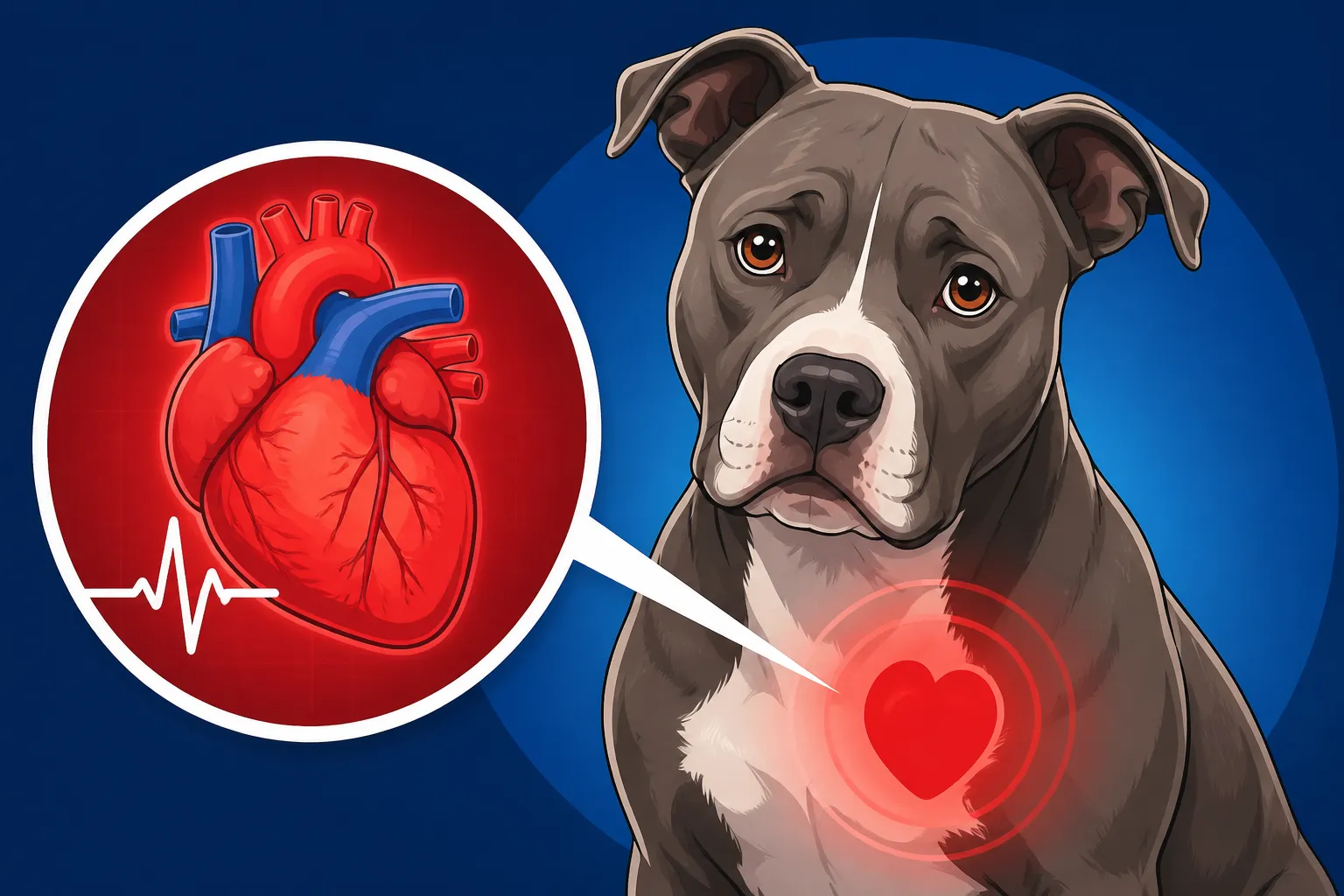
When we talk about "Pit Bulls," we're often referring to a type of dog encompassing breeds like the American Pit Bull Terrier, American Staffordshire Terrier, and Staffordshire Bull Terrier. While renowned for their strength and athleticism, these breeds, like many others, aren't immune to certain health challenges, and heart disease can certainly be one of them. It's a complex issue, ranging from congenital defects present at birth to conditions that develop later in life. Understanding these conditions is the first step in being a proactive and informed owner.
Common Cardiac Conditions
Several heart conditions can affect Pit Bulls, each with its own characteristics and potential impact on your dog's health. It’s crucial to be aware of the most prevalent ones, as early detection can significantly influence the outcome.
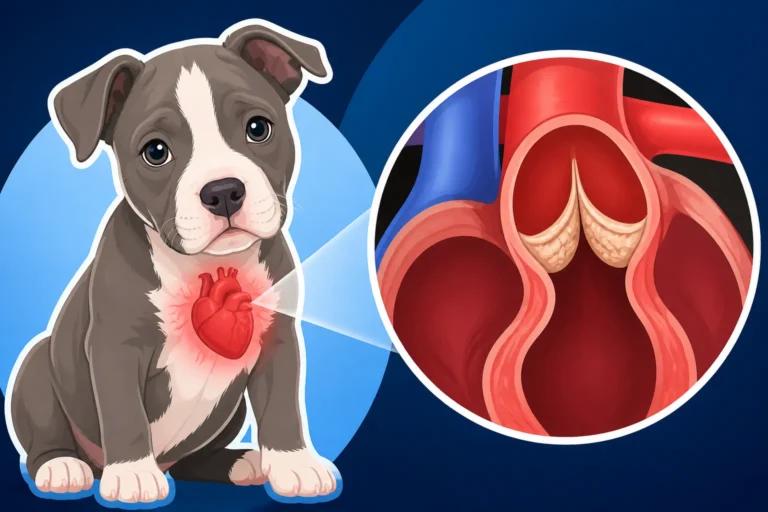
One of the most concerning congenital heart defects seen in Pit Bulls, particularly American Staffordshire Terriers, is Aortic Stenosis (AS). This condition involves a narrowing of the aorta, the main artery carrying blood from the heart to the rest of the body. When the aorta is narrowed, the heart has to work much harder to pump blood through this constricted opening. Over time, this increased workload can cause the left ventricle (the main pumping chamber) to thicken, a condition called left ventricular hypertrophy. This thickening isn't a sign of a stronger heart; rather, it makes the heart less efficient, leading to potential complications. Dogs with severe Aortic Stenosis might show signs of exercise intolerance, fainting spells, or even sudden death, often without prior noticeable symptoms. It's a silent threat that can be devastating. You might notice your energetic Pit Bull puppy, who usually loves to play fetch for hours, tiring out much faster than expected, which could be an early indicator. Learning about Aortic Stenosis in a Pit Bull Puppy is a critical step for new owners.
Another significant concern is Dilated Cardiomyopathy (DCM). While less common as a primary condition in Pit Bulls compared to some giant breeds, it can still occur. DCM is characterized by an enlargement and weakening of the heart muscle, making it less effective at pumping blood. The heart chambers stretch and become thinner, leading to a decrease in the heart's pumping ability. As the heart struggles, blood can back up, leading to fluid accumulation in the lungs (pulmonary edema) or abdomen (ascites). Dogs with DCM might initially appear sluggish or lethargic, or they might develop a persistent cough. This can sometimes be confused with respiratory issues, highlighting the importance of thorough veterinary examination.
Arrhythmias, or irregular heartbeats, are another group of conditions that can affect Pit Bulls. These can range from relatively benign irregularities to serious rhythm disturbances that impair the heart's ability to pump blood effectively. Some arrhythmias can be a secondary complication of other heart diseases, while others can occur independently. For instance, Ventricular Premature Contractions (VPCs) or Ventricular Tachycardia can sometimes be observed. An irregular heartbeat might manifest as a generalized weakness, a reluctance to move, or, in severe cases, fainting episodes. It’s important to note that a very active dog, like a Pit Bull, might occasionally have slight rhythm variations that are normal, but persistent or severe arrhythmias always warrant investigation.
Genetic Predispositions and Risk Factors
Understanding why heart disease might occur is as important as recognizing its presence. For Pit Bulls, genetics often play a crucial role, particularly with conditions like Aortic Stenosis. This specific defect is known to have a strong inherited component, which means it can be passed down from parent to offspring.
When we talk about genetic predispositions, it really underscores the importance of responsible breeding. A reputable breeder will screen their breeding stock for inherited heart conditions, usually through cardiac evaluations performed by a veterinary cardiologist. These evaluations often include an echocardiogram to assess heart structure and function, specifically looking for abnormalities like aortic stenosis. Without such screening, conditions can unknowingly be propagated through generations, leading to heartbreak for owners and suffering for dogs. This is a vital part of "What Testing a Pit Bull Breeder Should Have Done" to ensure healthy puppies.
Beyond genetics, several other risk factors can contribute to the development or exacerbation of heart disease in Pit Bulls. Age is a natural factor, with degenerative heart conditions becoming more common as dogs get older. Just like humans, a senior Pit Bull's heart may simply wear down over time. Conditions like Congestive Heart Failure in an Older Pit Bull are often seen in their later years. Weight also plays a significant role. While Pit Bulls are naturally muscular, obesity puts extra strain on the heart, forcing it to work harder to pump blood throughout a larger body mass. Even a few extra pounds on a heavily muscled Pit Bull can be detrimental. This is particularly relevant given their powerful build, as it can be easy to mistake a slightly overweight Pit Bull for one that’s just "stocky." Keeping your Pit Bull at a healthy weight and understanding "Pit Bull Obesity and Joint Strain" is paramount not just for their joints, but for their heart too.
Diet and nutrition can also indirectly affect heart health. While poor diet isn't usually a direct cause of primary heart disease, certain nutritional deficiencies or imbalances (e.g., taurine deficiency in some specific boutique or grain-free diets, though less common in Pit Bulls specifically than some other breeds) have been linked to Dilated Cardiomyopathy in susceptible dogs. It's always best to feed a high-quality, balanced diet appropriate for your Pit Bull's life stage and activity level. Lack of regular veterinary care can also be considered a risk factor, as many heart conditions are only detected during routine check-ups when a veterinarian listens to the heart with a stethoscope and catches an early murmur. Without these regular visits, a treatable condition might progress silently until it becomes much more severe and challenging to manage.
Recognizing the Early Warning Signs
Spotting heart disease in its early stages can be incredibly challenging, especially with a breed as stoic and energetic as a Pit Bull. They often try to push through discomfort, masking symptoms until the condition is quite advanced. This makes you, the owner, the most crucial observer of your dog's health. Paying close attention to subtle shifts in their daily routine and physical presentation can make all the difference.
Subtle Changes in Behavior and Activity
One of the first, and often most overlooked, indicators of heart trouble is a change in your Pit Bull's usual activity levels and behavior. These shifts aren't always dramatic; they're often a gradual decline that you might initially attribute to aging or just a lazy day.
Consider your Pit Bull's typical energy. If they usually love long walks, intense games of fetch, or tearing around the backyard with the kids, a noticeable decrease in their stamina should raise a red flag. Instead of sprinting for twenty minutes, your usually energetic Pit Bull might only manage five before lying down, panting excessively, and seeming reluctant to continue. They might stop mid-walk or fall behind, needing more encouragement than usual to keep going. This isn't just about being "less enthusiastic"; it's a genuine inability to sustain the activity due to reduced cardiovascular efficiency. It might be subtle at first, maybe they just don't jump quite as high or don't want to chase the frisbee for as long. This reduction in their exercise tolerance is a common sign that their heart isn't pumping blood effectively enough to meet the demands of physical exertion.
Lethargy and increased sleeping are also common. While every dog enjoys a good nap, a significant increase in their overall downtime, a lack of interest in previously exciting activities like mealtime or greeting you at the door, or a general dullness about them could be symptomatic. They might seem more tired throughout the day, spending more time resting even when they haven't had strenuous activity. Many owners mistakenly attribute these changes to "just getting older," especially in a Pit Bull past its prime. However, these could be early signs of heart failure where the body isn't getting enough oxygen-rich blood, leading to generalized weakness. If you've been wondering "When a Pit Bull Starts Slowing Down," it's crucial to rule out medical causes before simply accepting it as age.
Another subtle behavioral change can be restlessness or anxiety, especially at night. A dog with developing heart disease might struggle to find a comfortable position to rest, pacing or shifting frequently. This can be due to mild breathing discomfort when lying down, as fluid can accumulate in the lungs more easily in a recumbent position. You might find your dog seeking out cooler spots on the floor, or trying to sleep with their head elevated. Any unexplained changes in appetite, especially if they are eating less or refusing meals, should also be noted, as heart disease can impact overall well-being and metabolism.
Physical Symptoms to Watch For
Beyond behavioral changes, there are several key physical symptoms that can point to heart disease. These are often more overt and can sometimes indicate a more advanced stage of the condition, making prompt veterinary attention even more critical.
A persistent cough, especially one that seems to worsen at night or after exercise, is a classic sign of heart failure. This cough isn't usually associated with sneezing or nasal discharge, which would point to a respiratory infection. Instead, it’s often a soft, hacking cough, sometimes described as a "moist" cough. The reason for this cough is usually fluid accumulation in the lungs (pulmonary edema), caused by the heart's inability to pump blood efficiently, leading to blood backing up in the pulmonary veins and fluid leaking into the lung tissue. This fluid irritation triggers the cough reflex. You might notice your Pit Bull trying to clear its throat or making gurgling sounds. If your Pit Bull is coughing, don't dismiss it as just a minor irritation.
Breathing difficulties are another serious sign. This might manifest as increased respiratory rate (tachypnea) or labored breathing (dyspnea). You might observe your Pit Bull panting more than usual, even when at rest or in cool environments. Their breathing might appear shallow and rapid, or they might seem to struggle to catch their breath. Watch for exaggerated chest or abdominal movements during respiration. To check, count your dog's breaths per minute while they are sleeping or resting calmly; anything consistently above 20-30 breaths per minute at rest warrants veterinary consultation. As the heart's ability to circulate oxygen decreases, the body tries to compensate by increasing the respiratory rate. This can sometimes accompany a blue or purplish tint to their gums (cyanosis), indicating a severe lack of oxygen, which is an "Emergency Signs That Cannot Wait in a Pit Bull".
Swelling, particularly in the abdomen (ascites) or in the limbs (peripheral edema), can also be a symptom of heart failure. When the heart isn't pumping effectively, blood can pool in certain areas, leading to fluid leakage into surrounding tissues or body cavities. Ascites will make your Pit Bull's belly appear distended and firm, sometimes causing discomfort or difficulty lying down comfortably. Peripheral edema might be seen as swollen legs or paws. While these signs can also point to other issues like kidney or liver disease, in the context of other heart-related symptoms, they strongly suggest cardiac involvement.
Other important, albeit less common, physical signs include fainting or collapsing spells (syncope). These episodes occur when the brain temporarily doesn't receive enough blood supply, often due to a sudden drop in cardiac output or a severe arrhythmia. Your Pit Bull might suddenly stumble, collapse, and then recover within a minute or two. These are serious events and demand immediate veterinary attention. You might also notice paler gums than usual, indicating anemia or poor circulation. Any of these physical changes, especially if they appear suddenly or in combination, require an urgent visit to your veterinarian.
Diagnosis and Veterinary Assessment
If you've noticed any of the subtle behavioral shifts or overt physical symptoms in your Pit Bull, the next crucial step is to seek veterinary attention. Diagnosing heart disease isn't always straightforward, and it often requires a combination of physical examination, history taking, and advanced diagnostic tests. It’s a process, but a necessary one to pinpoint the exact issue and formulate an effective treatment plan.
The Initial Vet Visit and Physical Exam
When you bring your Pit Bull to the vet with concerns about their heart, the appointment will typically begin with a thorough discussion of your dog's history. Your vet will ask about the symptoms you've observed: when they started, how often they occur, what makes them better or worse, and any other changes in your dog's routine, appetite, or energy levels. Be prepared to share as much detail as possible, as even seemingly minor observations can provide valuable clues. It might be helpful to keep a small journal of symptoms before your appointment, noting dates and specific occurrences.
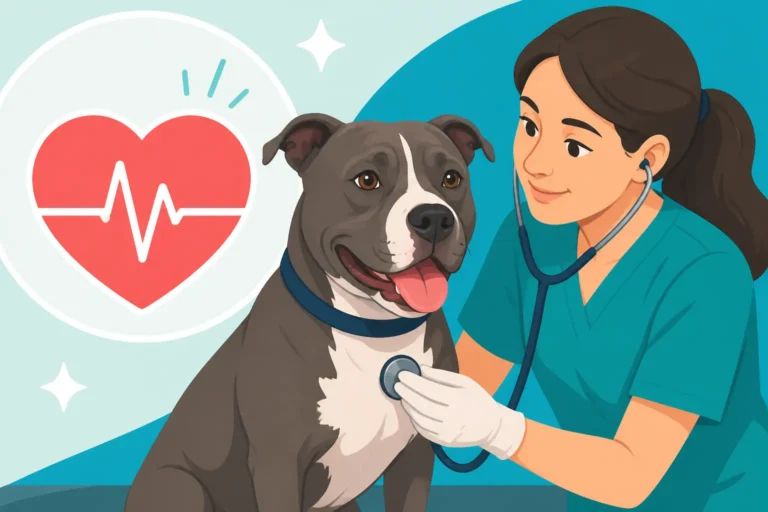
Following the history, your veterinarian will perform a comprehensive physical examination. This isn't just a quick pat-down; it's a careful assessment of various physiological parameters. A key part of this exam for suspected heart issues is auscultation, where the vet listens to your Pit Bull's heart and lungs using a stethoscope. They will be listening for several things:
- Heart murmurs: These are abnormal sounds caused by turbulent blood flow within the heart. A murmur indicates that blood isn't flowing smoothly, often due to a structural problem like a narrowed valve (as in Aortic Stenosis) or a leaky valve. The location, intensity, and timing of the murmur can give clues about the underlying problem. It's important to remember that not all murmurs are clinically significant, especially in puppies, but any murmur warrants further investigation.
- Arrhythmias (irregular heartbeats): The vet will assess the heart rhythm and rate. An abnormally fast, slow, or irregular beat can indicate an electrical problem with the heart.
- Lung sounds: Abnormal lung sounds, such as crackles or wheezes, can suggest fluid accumulation in the lungs (pulmonary edema), a common consequence of heart failure.
- Pulses: The vet will check the strength and synchronicity of your Pit Bull's peripheral pulses (e.g., in the femoral artery in the inner thigh). Weak or irregular pulses can signal poor cardiac output.
Beyond the heart and lungs, the vet will also check for other signs of heart disease, such as pale or bluish gums, swelling in the abdomen or limbs, and overall body condition. They might also palpate the abdomen to check for an enlarged liver or spleen, which can sometimes occur with heart failure. For breeds like the American Staffordshire Terrier, where Aortic Stenosis is known to occur, a vet might be particularly vigilant for murmurs even in young dogs. These routine checks, even in seemingly healthy dogs, are why How Often a Ten Year Old Pit Bull Needs Checking is a valuable consideration for your dog's long-term health.
Advanced Diagnostics and Imaging
While the physical exam can raise suspicions, confirming a diagnosis of heart disease and understanding its severity often requires more advanced diagnostic tools. These tests provide detailed information about the heart's structure, function, and electrical activity.
Chest X-rays (radiographs) are frequently one of the first advanced tests performed. They allow the veterinarian to visualize the size and shape of the heart, assess for any enlargement of specific chambers, and check for fluid accumulation in or around the lungs (pulmonary edema or pleural effusion). X-rays can also reveal other abnormalities in the chest that might contribute to respiratory symptoms. They offer a good overview but don't provide detailed information about the internal workings of the heart itself.
An Electrocardiogram (ECG or EKG) measures the electrical activity of the heart. This non-invasive test is crucial for detecting arrhythmias (irregular heartbeats), identifying the specific type of arrhythmia, and assessing heart rate. Leads are placed on your Pit Bull's skin, and the electrical signals are recorded. An ECG can help determine if the heart's electrical conduction system is working correctly or if there are any abnormal rhythms that could be impacting cardiac function or causing symptoms like fainting.
The gold standard for diagnosing most heart conditions is an Echocardiogram, which is an ultrasound of the heart. This non-invasive test provides real-time, moving images of the heart's chambers, valves, and major blood vessels. A veterinary cardiologist or experienced ultrasonographer uses a probe to generate sound waves that bounce off the heart, creating detailed images. An echocardiogram can:
- Measure the size of the heart chambers and the thickness of the heart muscle.
- Evaluate the function of the heart valves (e.g., detect leakage or narrowing).
- Assess the contractility (pumping ability) of the heart muscle.
- Measure blood flow velocity and detect any abnormal flows (like those associated with Aortic Stenosis or valve insufficiencies).
- Identify congenital defects that might not be visible on X-rays.
This test is incredibly valuable for definitively diagnosing conditions like Aortic Stenosis, Dilated Cardiomyopathy, and valve diseases, and for staging the severity of the disease. While more costly than X-rays, the precise information it provides is often indispensable for treatment planning. The cost of such detailed diagnostics can be substantial, which is why many owners find that pet insurance, such as a plan from Healthy Paws, can be a real lifeline, helping to cover these unexpected and often expensive tests.
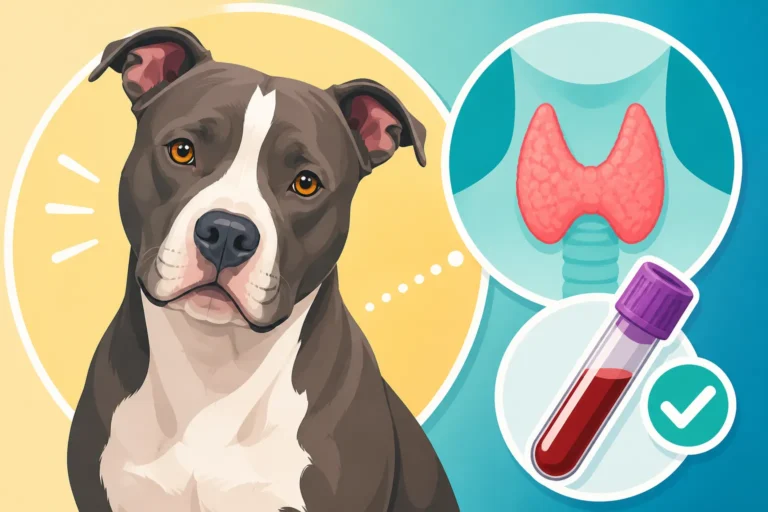
Finally, blood tests can also play a role. While they don't directly diagnose heart disease, certain markers can indicate stress on the heart or provide information about overall organ function. For example, a blood test for NT-proBNP (N-terminal pro-B-type natriuretic peptide) can be used as a screening tool or to assess the severity of heart failure. Elevated levels of this hormone often indicate that the heart muscle is under strain. Other blood tests might assess kidney function (important if diuretics are prescribed) or thyroid levels, as hypothyroidism can sometimes mimic heart disease symptoms or complicate management. The combination of these diagnostic tools allows your veterinary team to form a complete picture of your Pit Bull's heart health.
Treatment Options and Management
Once your Pit Bull receives a diagnosis of heart disease, the focus shifts to managing the condition and improving their quality of life. It’s important to understand that most heart diseases in dogs are not curable, but they are often manageable, sometimes for many years. The treatment plan will depend entirely on the specific diagnosis, the severity of the disease, and your dog’s overall health. This usually involves a combination of medications and lifestyle adjustments.
Medications and Their Role
Pharmaceuticals are the cornerstone of heart disease management in dogs. The goal of these medications is to improve heart function, reduce fluid buildup, alleviate symptoms, and slow the progression of the disease. It’s absolutely vital to administer these medications exactly as prescribed by your veterinarian, without missing doses or altering amounts, even if your Pit Bull seems to be feeling better.
One of the most commonly prescribed classes of drugs for heart failure are Diuretics, such as Furosemide (often known by the brand name Lasix). These medications help the body excrete excess fluid and sodium, primarily through increased urination. In dogs with congestive heart failure, fluid can build up in the lungs, making it difficult to breathe. Diuretics help to remove this fluid, easing respiratory distress and making your Pit Bull more comfortable. You’ll notice your dog needing to urinate more frequently, which is a normal and expected effect of the medication. Regular monitoring of kidney function is often necessary when your dog is on diuretics.
ACE inhibitors (Angiotensin-Converting Enzyme inhibitors), like Enalapril or Benazepril, are another critical component of cardiac therapy. These drugs work by dilating blood vessels, which reduces the workload on the heart. When blood vessels are narrower, the heart has to pump harder to push blood through. By relaxing these vessels, ACE inhibitors allow the heart to pump blood more easily and efficiently, improving cardiac output and slowing the progression of heart remodeling. They also help reduce fluid retention, working synergistically with diuretics.
For conditions where the heart muscle is weak and struggles to pump blood effectively, Positive Inotropes like Pimobendan (Vetmedin) are often prescribed. Pimobendan is a unique drug that does two main things: it increases the strength of the heart's contractions and it also dilates blood vessels. This "two-in-one" action makes it incredibly effective at improving cardiac function, increasing blood flow to the body, and reducing the heart's workload. It’s a powerful medication that can significantly improve the quality and length of life for dogs with certain types of heart disease, particularly dilated cardiomyopathy or advanced valvular disease. Many owners report a noticeable improvement in their dog's energy levels and overall well-being after starting Pimobendan.
Other medications might be used depending on the specific heart condition. For instance, Beta-blockers (e.g., Atenolol) might be prescribed to slow the heart rate and reduce the heart's oxygen demand, especially in conditions like Aortic Stenosis or certain arrhythmias. Anti-arrhythmic drugs (e.g., Sotalol, Mexiletine) are used to stabilize the heart's rhythm if your Pit Bull is suffering from significant arrhythmias. Additionally, sometimes a low dose of Aspirin may be recommended to prevent blood clot formation, though this should only be done under strict veterinary guidance due to potential side effects. The precise cocktail of medications will be tailored to your Pit Bull by a veterinary cardiologist, aiming to provide the maximum benefit with the fewest side effects.
Lifestyle Adjustments and Supportive Care
Beyond medications, several lifestyle adjustments and supportive care strategies are essential for managing heart disease in your Pit Bull. These measures help to reduce strain on the heart, prevent symptom exacerbation, and maintain overall well-being.
Dietary considerations are paramount. Your veterinarian will likely recommend a diet that is specifically formulated for cardiac health, which typically means a low-sodium diet. Sodium contributes to fluid retention, which is detrimental to a failing heart. Commercial prescription cardiac diets are readily available and are designed with controlled sodium levels and other nutrients that support heart function, such as L-carnitine and taurine. Brands like Royal Canin and Purina Pro Plan Veterinary Diets offer excellent cardiac-specific formulas. Even if your vet doesn't recommend a full prescription diet, they will advise on limiting high-sodium treats and table scraps. Imagine cutting out salty chips and processed foods from your own diet; it's a similar principle for your dog.
Appropriate exercise levels are crucial but need to be carefully managed. While exercise is generally good for health, over-exertion can put undue stress on a compromised heart. Your vet will provide specific guidelines based on your Pit Bull's condition and stage of heart disease. For many dogs with heart disease, strenuous exercise will be off-limits. Instead, shorter, more frequent, and gentle walks are often recommended. The goal is to maintain muscle tone and mental stimulation without pushing the heart too hard. Pay close attention to your dog during walks; if they start panting excessively, slowing down, or showing any signs of discomfort, it’s time to stop and rest. It’s a hard adjustment, especially for a breed like the Pit Bull that loves to move, but it’s vital for their longevity. You might need to adjust your expectations from long hikes to shorter, calmer strolls around the block, allowing them to enjoy their surroundings at a leisurely pace.
Monitoring at home becomes a significant part of your daily routine. You’ll become your Pit Bull’s primary health monitor. One of the most important things you can do is to regularly check their resting respiratory rate (RRR). While your dog is calmly sleeping or resting, count how many breaths they take in one minute. A normal resting respiratory rate is usually less than 30 breaths per minute. If you consistently notice rates higher than this, it could indicate fluid buildup in the lungs and worsening heart failure, warranting a call to your vet. Keeping a log of this can be helpful. Also, observe their overall activity levels, appetite, water intake, and general demeanor. Any significant changes should be communicated to your vet.
Creating a stress-free environment can also contribute to heart health. Stress can elevate heart rate and blood pressure, which is undesirable for a dog with heart disease. Ensure your Pit Bull has a comfortable, quiet place to rest. Maintaining a consistent routine can also help reduce anxiety. Finally, regular follow-up appointments with your veterinarian or a veterinary cardiologist are essential. These appointments allow the vet to monitor the progression of the disease, assess the effectiveness of medications, make adjustments to the treatment plan as needed, and conduct regular blood tests to check organ function. These ongoing assessments are key to providing the best possible long-term care for your Pit Bull.
| Heart Condition | Typical Signs | Primary Diagnostic Methods |
|---|---|---|
| Aortic Stenosis (AS) | Exercise intolerance, fainting, sudden death (in severe cases), heart murmur | Echocardiogram, Doppler ultrasound |
| Dilated Cardiomyopathy (DCM) | Lethargy, weakness, weight loss, cough, difficulty breathing, ascites, murmur | Echocardiogram, Chest X-rays, ECG |
| Mitral Valve Disease (MVD) | Cough (especially at night), decreased stamina, difficulty breathing, murmur | Echocardiogram, Chest X-rays |
| Arrhythmias | Weakness, fainting, collapse, exercise intolerance, irregular heartbeat | ECG (Electrocardiogram), Holter monitor (24-hr ECG) |
| Congestive Heart Failure | Persistent cough, difficulty breathing, lethargy, fluid retention (ascites/edema) | Chest X-rays, Echocardiogram, Blood tests (NT-proBNP) |
Prognosis and Living with Heart Disease
Receiving a diagnosis of heart disease for your Pit Bull is undoubtedly daunting. It's natural to feel overwhelmed and worried about their future. While it's a serious diagnosis, it's also important to remember that significant advancements in veterinary cardiology mean many dogs with heart disease can live comfortable and fulfilling lives for extended periods with proper management. Understanding the typical progression and focusing on quality of life will be key to navigating this journey.
Understanding Disease Progression
Heart disease is often a progressive condition, meaning it tends to worsen over time, albeit at varying rates depending on the specific condition and individual dog. For example, Aortic Stenosis might remain stable for years or progress rapidly, while Dilated Cardiomyopathy typically has a more predictable, though often swift, progression once symptoms appear. The key is to monitor your Pit Bull closely and work hand-in-hand with your veterinary team to adapt to these changes.
Your vet will likely "stage" your Pit Bull's heart disease based on various diagnostic findings and clinical signs. These stages help guide treatment decisions and give you an idea of what to expect. For example, the American College of Veterinary Internal Medicine (ACVIM) consensus guidelines categorize heart disease into different stages, from asymptomatic (Stage A or B1/B2) to advanced heart failure (Stage C or D). Dogs in earlier stages might not require medication, or just one type, while those in advanced stages will likely be on a complex cocktail of drugs.
The reality of managing a chronic condition like heart disease is that it involves ongoing adjustments. What works today might need to change in six months or a year. This could mean adding new medications, increasing dosages, or altering their diet. Regular follow-up appointments, often every few months, are essential to re-evaluate your Pit Bull’s condition. These visits might involve repeat X-rays, blood tests, or echocardiograms to assess how the heart is coping and if the treatment plan is still effective. It's a journey, not a sprint, and your patience and diligence will be vital. Sometimes, despite best efforts, the disease will progress, and you might notice symptoms returning or worsening. This is when the hard decisions often come into play. It's normal to feel frustrated or heartbroken during these times, but remember you are doing your best for your beloved companion.
Quality of Life Considerations
Ultimately, living with a Pit Bull that has heart disease means prioritizing their quality of life. The goal of all treatments and management strategies is to keep them comfortable, happy, and free from pain or severe distress for as long as possible. This involves constant assessment and honest evaluation of their well-being.
Your vet will help you understand what constitutes a good quality of life for your Pit Bull. This isn't just about whether they are still eating; it encompasses their overall demeanor, their interest in interacting with you, their ability to breathe comfortably, and their level of pain or discomfort. Are they still enjoying short, gentle walks? Are they sleeping soundly without restlessness? Do they still have moments of joy, like wagging their tail when you come home? These are the questions to consider. You know your Pit Bull best, and your observations are invaluable. It can be especially difficult for an owner to honestly assess their dog's final months or year, as detailed in "Judging a Pit Bull's Last Year Honestly".
There will come a point when, despite all medical interventions, the disease progresses to a point where medications no longer provide sufficient relief. This is arguably the hardest decision any pet owner faces. Your vet can help you assess their quality of life using objective measures and scales, but ultimately, the decision is a deeply personal one. Focusing on palliative care during this time means ensuring they are as comfortable as possible, managing pain, anxiety, and any breathing difficulties. This might involve additional pain medication, sedatives for anxiety, or even oxygen therapy if needed.
Having a strong support system, both from your veterinary team and your family and friends, is crucial during this time. Remember that providing a peaceful and dignified end to suffering is often the final, most loving act you can offer a beloved pet. Organizations like Lap of Love offer resources and in-home hospice and euthanasia services, allowing your Pit Bull to pass peacefully in the comfort of their own home, surrounded by loved ones. Throughout this challenging time, knowing you provided the best care, from diagnosis to end-of-life, is what truly matters.
Prevention and Proactive Measures
While some forms of heart disease are unavoidable, particularly if they are congenital or age-related, there are significant steps Pit Bull owners and breeders can take to minimize risks and ensure early detection. Proactive measures, from responsible breeding practices to lifelong optimal health management, are key to giving your Pit Bull the healthiest heart possible.
Responsible Breeding and Genetic Screening
For those considering bringing a Pit Bull into their family, especially from a breeder, responsible breeding practices are absolutely paramount. Genetic predispositions, particularly for conditions like Aortic Stenosis, highlight the critical role of breeders in the health of future generations.
A reputable breeder will not only be transparent about the health history of their breeding dogs but will also actively conduct health screenings on their breeding stock. For heart conditions, this typically means a cardiac evaluation performed by a board-certified veterinary cardiologist. This evaluation often includes an echocardiogram and a Doppler ultrasound to check for any structural abnormalities or turbulent blood flow indicative of conditions like Aortic Stenosis. These cardiac clearances should be performed on both parent dogs before they are bred. The results should be available for you to review, often registered with organizations like the Orthopedic Foundation for Animals (OFA), which maintains a public database of health certifications.
Choosing a puppy from parents with clear cardiac health is the single most impactful step an owner can take to reduce the risk of inherited heart disease. Breeders who cut corners on health testing, perhaps offering a "discount" or claiming their dogs are "just healthy," are not prioritizing the long-term well-being of their puppies. It’s an investment, not just in the purchase price, but in avoiding potentially devastating and costly health issues down the line. Asking directly about cardiac clearances and understanding the lineage of your potential puppy’s parents can provide peace of mind. For a comprehensive overview, understanding "What Testing a Pit Bull Breeder Should Have Done" is essential for making an informed decision.
Genetic screening, when available for specific conditions, can further help identify carriers or affected individuals, allowing breeders to make informed decisions to remove these genes from their lines. While specific genetic tests for all forms of heart disease are not yet widespread for Pit Bulls, the ongoing commitment to cardiac evaluations by certified specialists remains the best defense against inherited conditions.
Maintaining Optimal Health Throughout Life
Once you bring your Pit Bull home, whether from a breeder or a rescue, lifelong care plays a crucial role in promoting heart health and general well-being. Proactive management can mitigate risks and ensure that if heart disease does develop, it is caught early.
First and foremost, maintaining optimal body weight and muscle condition is vital. Pit Bulls are naturally muscular, but this can sometimes mask excess fat. Obesity puts an immense strain on the heart, forcing it to work harder and increasing the risk of various health problems. Your veterinarian can help you assess your Pit Bull’s body condition score and recommend an appropriate feeding plan and exercise regimen to keep them lean and fit. This might involve carefully measuring food portions, selecting a high-quality, balanced diet, and limiting high-calorie treats. For an active dog like a Pit Bull, it's a careful balance to ensure they get enough calories to fuel their activity without packing on extra weight, as discussed in "Pit Bull Weight and Muscle on a Working Frame".
Regular, appropriate exercise is also essential. While intense, high-impact activities might be discouraged if heart disease is diagnosed, a healthy Pit Bull benefits immensely from consistent physical activity tailored to their age and fitness level. This helps strengthen their cardiovascular system, maintains muscle mass, and keeps them mentally stimulated. Daily walks, controlled play sessions, and mental enrichment activities are all beneficial. Just remember to avoid over-exertion, especially in hot weather, and always ensure access to fresh water.
Annual veterinary check-ups are non-negotiable. These routine visits are your first line of defense against many health issues, including heart disease. During these appointments, your vet will perform a thorough physical exam, which includes listening to your Pit Bull's heart and lungs. Early signs of a heart murmur or an irregular rhythm can be detected during these exams, allowing for further investigation before the condition becomes symptomatic and more advanced. Don't wait until you notice a problem; preventative care is always easier and more effective than reactive treatment.
Finally, consider the benefits of pet insurance. Unexpected health issues, especially complex conditions like heart disease, can lead to substantial veterinary bills, including costs for diagnostics, specialist consultations, and long-term medications. A good pet insurance policy, like those offered by Healthy Paws, can provide financial peace of mind, allowing you to make medical decisions based on what's best for your Pit Bull, rather than what you can afford out of pocket. Many policies cover a significant percentage of unexpected illness and accident costs, making advanced diagnostics and specialized treatments more accessible when you need them most. Enrolling your Pit Bull while they are young and healthy is key, as most policies have exclusions for pre-existing conditions. Proactive planning can make all the difference in providing comprehensive care throughout your Pit Bull's life.
Disclaimer
Please remember that the information provided in this article is for general educational purposes only and should not be considered a substitute for professional veterinary advice. If you suspect your Pit Bull has heart disease or any other health condition, please consult with your veterinarian immediately for an accurate diagnosis and personalized treatment plan.