The Hardest Call a Pit Bull Owner Makes
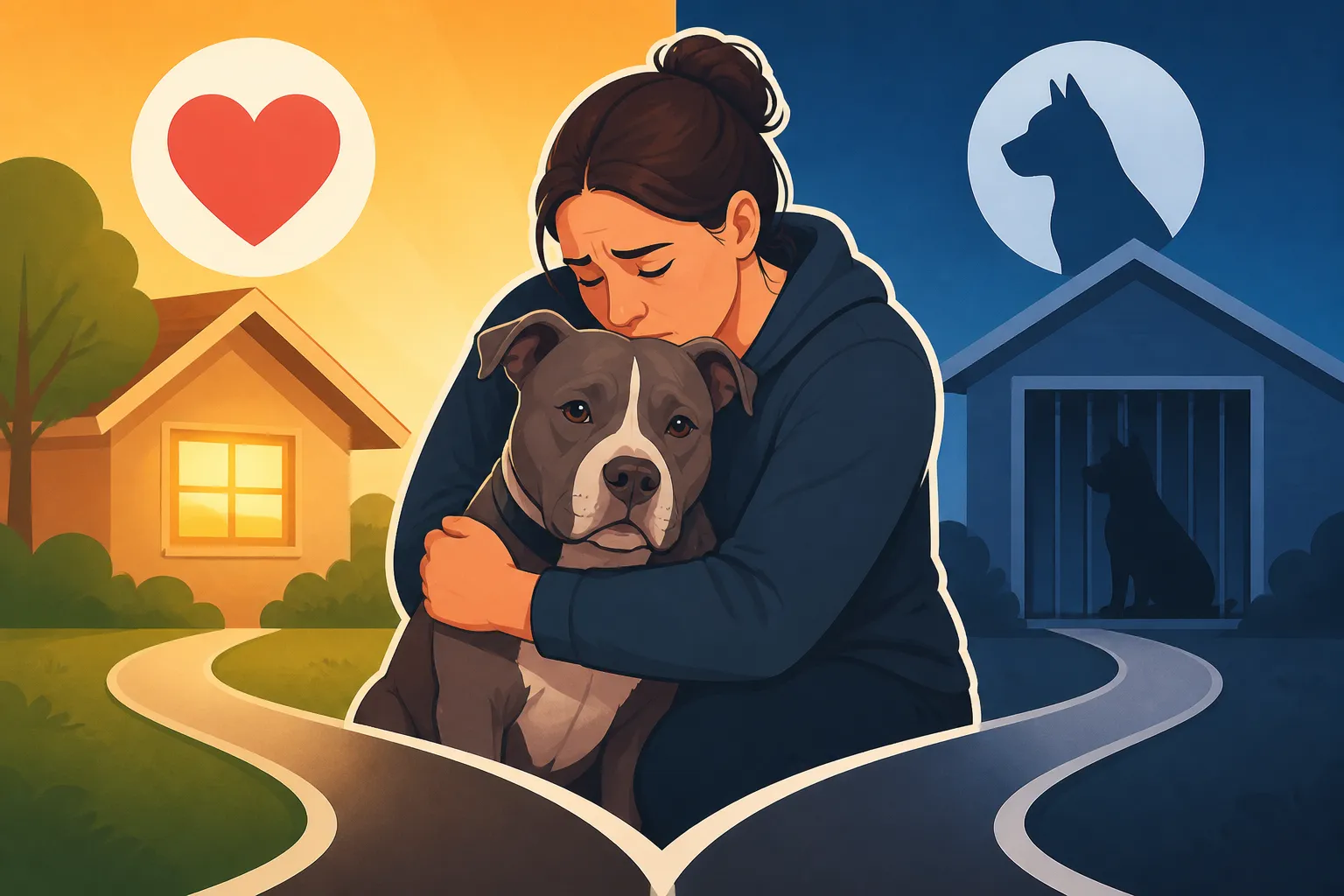
For many of us who share our lives with Pit Bulls, the thought of saying goodbye forever is almost unbearable. It’s a decision fraught with guilt, sorrow, and often, profound uncertainty. Knowing when it’s truly "time" to make that final, compassionate choice for your loyal companion is perhaps the most agonizing burden a Pit Bull owner will ever carry. This guide aims to walk you through recognizing the signs, navigating veterinary conversations, and coping with the immense grief that follows this hardest of calls.
Recognizing the Signs It Might Be Time
Deciding when to let go is never easy, especially with a breed as resilient and stoic as a Pit Bull. They often try to push through discomfort, making it even harder for us to gauge their true suffering. It’s not just about a single symptom; it’s about a cumulative decline in their overall well-being and their ability to experience joy.
Assessing Your Pit Bull's Quality of Life
The most crucial factor in this heart-wrenching decision is your Pit Bull's quality of life. This isn't just about whether they're in physical pain, though that is a huge part of it. It's also about their mental and emotional state. Is your typically playful and engaging Pit Bull withdrawing, showing little interest in walks, toys, or even food? Are they no longer greeting you at the door with their signature wagging tail or seeking out their favorite snuggle spots? These changes, while subtle, can indicate a significant dip in their enjoyment of life.
Think about the things your Pit Bull loved most: chasing a ball, car rides, snuggling on the couch, or even just watching squirrels out the window. If they can no longer participate in or find pleasure in these activities, or if these activities now cause them pain or anxiety, it’s a strong indicator that their quality of life has diminished. For a breed known for its robust spirit and love of life, a sustained lack of interest is a red flag. Owners often find themselves reflecting on how their beloved companion is doing, comparing their current state to what they know as their dog's vibrant, typical self. You might find it helpful to consider resources like Pit Bull Lifespan Across Twelve to Sixteen Years to understand typical age-related changes, but remember every dog is an individual.
The "Good Day/Bad Day" Ratio
A practical tool many veterinarians and owners use to help make this decision is tracking the "good days" versus "bad days." It's incredibly difficult in the moment to get an objective measure, so starting a journal or even just a mental tally can be profoundly helpful. If your Pit Bull is having more bad days than good, or if the bad days are becoming increasingly severe, it's a sign that their suffering might be outweighing their comfort.
A "bad day" isn't necessarily just excruciating pain. It could be a day where they refuse food entirely, struggle severely to get up, experience incontinence repeatedly, or show signs of extreme confusion or anxiety. On a good day, they might eat a little, manage a short, slow walk, or have a brief moment of interaction. If you find yourself holding onto those fleeting good moments as justification for continuing, it's often a signal that the scales are tipping. This careful observation helps prevent prolonging suffering out of fear or hope, making it one of the most compassionate acts an owner can undertake. Consider how A Pit Bull Confused in Rooms It Knows might signal a significant decline in cognitive function, impacting their daily life.
Changes in Behavior and Habits
Pit Bulls are incredibly attuned to their families, and subtle shifts in their normal routines can speak volumes. Watch for prolonged disinterest in food or water, persistent vomiting or diarrhea that doesn't respond to treatment, or significant weight loss. Even more telling can be changes in their mobility – struggling to stand, climb stairs, or even shift positions comfortably. An old Pit Bull may also struggle with bladder or bowel control, leading to accidents inside the house, which can cause them distress and shame, not just inconvenience for you.
Beyond physical signs, pay close attention to behavioral changes. Is your once confident Pit Bull now clingy or unusually anxious? Are they hiding more, or reacting defensively to touch that they once enjoyed? A normally social Pit Bull might avoid interaction, or one that usually enjoys quiet time might become restless and unsettled. These are not minor inconveniences; they are reflections of a deeply uncomfortable or distressed state that your dog can no longer effectively communicate or cope with. Monitoring When a Pit Bull Starts Slowing Down can help you differentiate normal aging from a more serious decline.
Consulting with Your Veterinarian
Your veterinarian is your most valuable ally when facing this decision. They can provide an objective assessment of your Pit Bull's medical condition, discuss prognosis, and help you understand what remaining treatment options entail, or if there are none left.
Open and Honest Conversations
It's absolutely essential to have a frank and open discussion with your vet. Don't hesitate to ask every question swirling in your mind. Be honest about what you're observing at home, even the things that feel small or insignificant. Your vet can combine your observations with their medical expertise, diagnostic test results, and understanding of your Pit Bull's history to give you a comprehensive picture. Ask about pain management options, their effectiveness, and potential side effects. Inquire about how much time any given treatment might truly buy and what the quality of that time would look like.
Many vets use specific questionnaires or scales to help owners evaluate their pet's quality of life. Don't be afraid to voice your fears, guilt, and sadness. They've been through this countless times with other families and understand the immense emotional weight. They can help you sift through the complex emotions and factual medical information to arrive at a decision rooted in compassion. If you have pet insurance, like a plan from Healthy Paws, discussing what treatments or end-of-life care options are covered can also be a part of this conversation, easing some financial stress.
Medical Options Exhausted
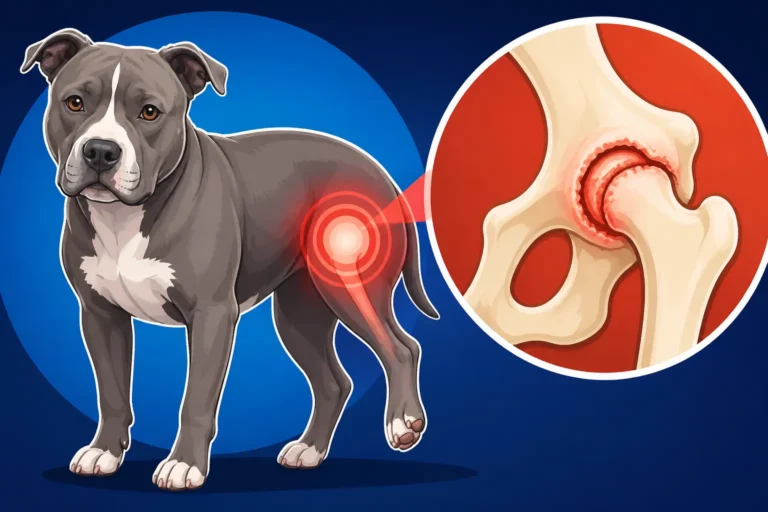
One of the hardest truths to accept is when medical science has simply run its course. Sometimes, despite your best efforts and all available treatments, your Pit Bull's condition continues to deteriorate, or the side effects of treatments severely impact their well-being. This might involve chronic diseases like severe Pit Bull Hip Dysplasia Showing at One to Two Years that has progressed to debilitating Arthritis in a Pit Bull at Seven, untreatable cancers, or advanced organ failure. Your vet can explain when further interventions would only prolong suffering rather than genuinely improve quality of life.
This is where your veterinarian's professional guidance is invaluable. They can help you understand when heroic measures become futile and when the kindest thing to do is prevent further pain. It's about shifting focus from "what more can we do?" to "what is best for them now?" Sometimes, continuing treatment out of our own desire to keep them with us, rather than their benefit, is a difficult realization. This conversation helps validate that you've done everything you could, and now it's time for a different kind of care: letting go peacefully.
Understanding the Procedure
Knowing what to expect during the euthanasia procedure can help alleviate some anxiety, both for you and your Pit Bull. Your vet will explain the process in detail. Typically, a sedative is given first to help your Pit Bull relax and fall into a peaceful sleep. This minimizes any stress or discomfort. Once they are calm and unresponsive, a second injection, usually an overdose of an anesthetic, is administered. This quickly and painlessly stops their heart and brain function.
It’s natural to be worried about how your Pit Bull will react. Vets are skilled at making this process as gentle and serene as possible. You can discuss where you want the procedure to take place (at the clinic, in a private room, or even at home) and who you want present. Understanding each step allows you to focus on comforting your Pit Bull in their final moments, rather than being surprised or frightened by the process itself. For some Pit Bulls, especially those with significant muscle mass, your vet might discuss specific considerations regarding Anesthesia and Muscle Mass in a Pit Bull.
Emotional Toll and Support
The grief experienced after losing a pet, especially one with the deep bond forged with a Pit Bull, is profound and valid. It’s important to acknowledge and process these feelings, and to seek support when you need it.
Navigating Grief and Loss
Losing your Pit Bull isn't "just losing a pet" – it's losing a family member, a constant companion, a confidant who has been a part of your daily life for years. The grief can be as intense as losing a human loved one, and it manifests in many ways: sadness, anger, numbness, guilt, and even physical symptoms like fatigue or loss of appetite. It's crucial to give yourself permission to grieve fully. There's no timeline for grief, and everyone experiences it differently.
Many Pit Bull owners also carry an additional layer of burden due to breed stereotypes. They often feel they have to defend their dog's character even in life, and in death, they might feel their grief is dismissed or misunderstood by those who don't understand the breed's true nature or the depth of the bond. Allow yourself to lean on those who do understand, whether they are fellow Pit Bull owners or empathetic friends and family. Your emotional well-being matters during this difficult period.
Support Systems for Pet Owners
You don't have to navigate this grief alone. There are numerous resources available to help you cope. Many veterinary clinics offer grief counseling or support group information. Online forums and social media groups dedicated to pet loss, or specifically Pit Bull advocacy, can connect you with others who share similar experiences and understand your pain. Organizations like the ASPCA and local humane societies often have pet loss hotlines staffed by trained counselors who can offer immediate support.
Remember, it’s okay to reach out. Talking about your feelings, sharing memories of your Pit Bull, and even crying openly can be incredibly therapeutic. Your local animal shelter or humane society might offer free grief counseling sessions, or a pet loss support group that meets regularly. Find what resonates with you and allow yourself to receive comfort during this challenging time.
The "What Ifs" and Guilt
Guilt is an almost universal companion to pet loss, especially when the decision for euthanasia is involved. We second-guess ourselves: "Did I wait too long?" "Did I do it too soon?" "Could I have tried another treatment?" "Was there something I missed?" These "what ifs" can be relentless and self-blaming. It's important to remember that this decision comes from a place of love and compassion, aimed at preventing further suffering.
Recognize that you made the best decision you could with the information you had at the time, guided by your vet and your deep love for your Pit Bull. You offered them a lifetime of care, happiness, and devotion. When it came down to it, you made the ultimate sacrifice for their peace. This choice is a testament to your unwavering commitment to their well-being. It is a moment of profound love, not failure.
Practical Considerations and Aftercare
Beyond the emotional turmoil, there are practical arrangements to consider when facing end-of-life decisions for your Pit Bull. Addressing these details can help bring a sense of closure and ensure your wishes are met.
At-Home Versus Clinic Euthanasia
One of the most significant choices you'll make regarding the procedure itself is where it takes place. Many owners opt for at-home euthanasia, finding it a more peaceful and less stressful experience for their beloved Pit Bull. Being in their familiar environment, surrounded by their favorite people and comforts, can make a huge difference. Your Pit Bull might be less anxious, and you might feel more at ease in your own space, able to grieve privately.
However, at-home services can be more expensive and might not be available in all areas or on short notice. Clinic euthanasia, while perhaps more sterile, is often readily available and may offer different aftercare services. Some clinics have dedicated, quiet rooms for this purpose to ensure privacy and comfort. Consider your Pit Bull’s personality (are they easily stressed by car rides or vet visits?), your comfort level, and the practicalities of each option.
| Feature | At-Home Euthanasia | Clinic Euthanasia |
|---|---|---|
| Environment | Familiar, comfortable, less stressful for pet | Clinical, but private rooms often available |
| Stress Level | Generally lower for pet (no car ride, strange smells) | Can be higher for pets anxious at vet |
| Cost | Often higher due to travel fees | Generally lower, more standardized pricing |
| Availability | May require advance booking, not available everywhere | More readily available, especially for urgent needs |
| Privacy | Complete privacy for family members | Private room provided, but clinic setting |
| Logistics | Pet remains at home for aftercare arrangements | Pet transported for aftercare by clinic staff |
| Comfort | Can occur in pet's favorite spot | Dedicated quiet room, blankets often provided |
Financial Planning and Insurance
The costs associated with end-of-life care, including diagnostics, palliative treatments, and the euthanasia procedure itself, can add up. While money is often the last thing on your mind during such an emotional time, understanding the financial aspect is part of making informed decisions. Some pet insurance policies, particularly those from companies like Healthy Paws, may cover euthanasia and certain aftercare services if they are medically necessary and not related to pre-existing conditions. It's worth reviewing your policy or discussing options with your provider. Pit Bull Pet Insurance and Breed Exclusions is a good resource to understand what coverage you might have.
If you don't have pet insurance, or if your policy doesn't cover these costs, don't be afraid to discuss payment plans or financial assistance options with your vet. Some veterinary practices offer discounts or have relationships with charitable organizations that can help. Preparing for Pit Bull Emergency Vet Visit Costs can sometimes extend to these final procedures, making the financial burden more manageable during a time of great emotional stress.
Aftercare Options
Once the difficult procedure is complete, you'll need to decide on aftercare for your Pit Bull's remains. The most common options are cremation or burial. Cremation can be communal (where your pet is cremated with others, and ashes are scattered by the facility) or private (where your pet is cremated alone, and their ashes are returned to you in an urn). Many owners find comfort in having their pet's ashes at home or scattered in a special place.
Burial is another option, either at a pet cemetery or on your own property, if local ordinances and space allow. Regardless of your choice, make sure to discuss these options with your vet or the aftercare service provider beforehand so you can make arrangements that feel right for you and your family. This final act of care is an important part of the grieving process and honoring your Pit Bull's memory.
Honoring Their Memory and Moving Forward
Grief is a journey, not a destination. While the pain of loss may never fully disappear, finding ways to honor your Pit Bull's memory can be a crucial part of healing and moving forward.
Remembrance Rituals and Memorials
Creating a lasting tribute to your Pit Bull can be incredibly therapeutic. This could be anything from a simple photograph in a special frame to a more elaborate memorial. Many owners create scrapbooks filled with pictures and anecdotes, plant a tree or a special garden in their pet's honor, or commission a portrait. You might choose a piece of jewelry with their paw print or name, or donate to a Pit Bull rescue organization in their name.
These rituals are not about forgetting, but about remembering the love, joy, and companionship your Pit Bull brought into your life. They provide a tangible way to express your ongoing bond and keep their spirit alive. Even small acts, like setting aside a favorite toy, can serve as a personal, quiet memorial.
Coping with the Empty Space
The silence in the house, the absence of their familiar presence, the toys left untouched – the empty space your Pit Bull leaves behind can feel immense and overwhelming. It's a stark reminder of their absence and a significant adjustment to your daily routine. Be gentle with yourself during this time. Allow yourself to feel the sadness without judgment.
Establishing new routines can sometimes help, but don't rush it. Take your time to adjust to life without your beloved companion. You might find comfort in redirecting some of that boundless love you have to other pets, family, or even volunteering at an animal shelter when you feel ready. The goal is not to fill the void, but to learn to live with it, remembering the rich experiences and unconditional love you shared. Keeping an Old Pit Bull Comfortable at the End often means preparing for this eventual void.
Considering Another Companion
The question of when – or if – to welcome another pet into your home is deeply personal and varies greatly for each individual. There's no right or wrong answer, and no prescribed timeline. Some people find solace in adopting another animal relatively quickly, channeling their love and need to nurture. Others need a significant amount of time to grieve and heal before they can even contemplate opening their heart to a new companion.
It's important to differentiate between trying to "replace" your Pit Bull and being ready to offer love and a home to another animal in need. No new pet will ever replace the one you lost, just as no two Pit Bulls are ever exactly alike. When you do feel ready, consider adopting from a shelter or rescue, giving a new dog a second chance at a loving home. This decision should come from a place of readiness and genuine desire, not from a sense of obligation or an attempt to numb the pain of your loss. The Hardest Call a Pit Bull Owner Makes truly encapsulates the depth of love and commitment a Pit Bull owner carries.
Disclaimer
The information provided in this guide is for general informational purposes only and does not constitute veterinary advice. Always consult with a qualified veterinarian for any medical concerns or before making any decisions regarding your pet's health and care.