Why Pit Bull Hip Signs Start at One or Two
It’s incredibly disheartening when your energetic, young Pit Bull, full of life and bounce, starts showing signs of discomfort or stiffness at an age when they should be in their prime. Many owners are blindsided when their one or two-year-old Pit Bull begins exhibiting symptoms like limping, bunny hopping, or difficulty getting up, expecting such issues to arise much later in life. This guide is here to shed light on why hip problems, particularly hip dysplasia, often manifest so early in Pit Bulls and what you can do about it.
Understanding Hip Dysplasia in Young Pit Bulls
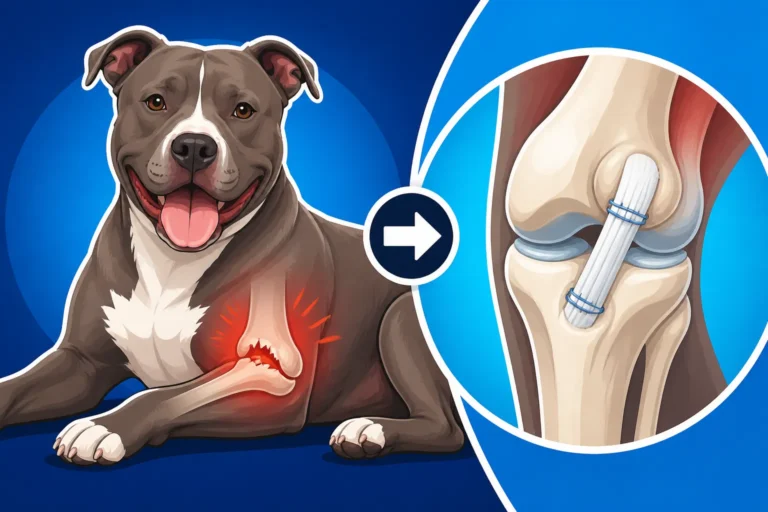
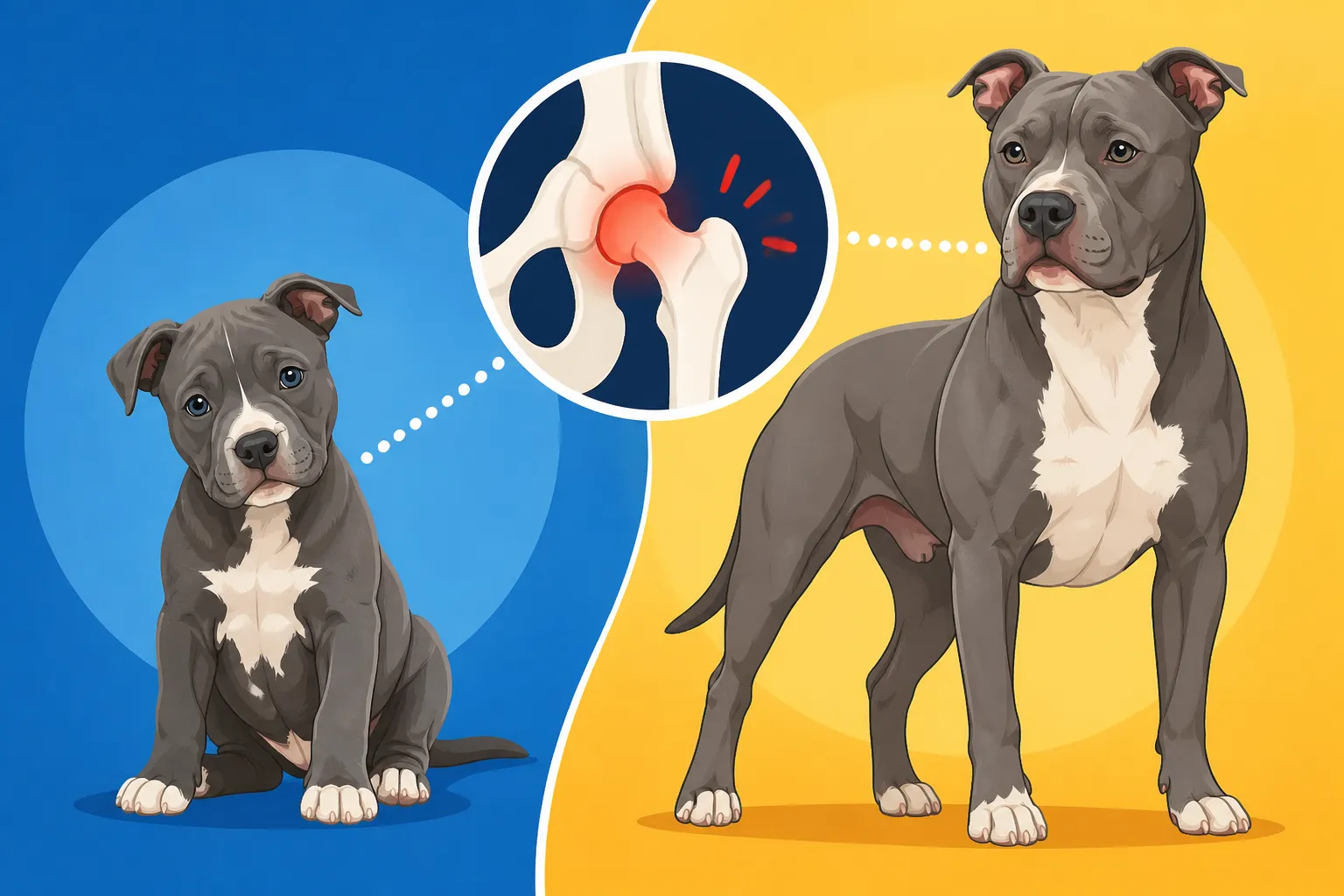
Hip dysplasia is a condition where the hip joint doesn't form properly, leading to a loose fit between the ball (femoral head) and socket (acetabulum). Instead of gliding smoothly, the bones rub and grind, causing deterioration over time. While it's often associated with older dogs, in large, powerfully built breeds like Pit Bulls, signs can emerge surprisingly early, sometimes before their second birthday. This early onset is often a perfect storm of genetics and intense growth.
The Genetic Predisposition
Let's be real, genetics play a massive role here. Pit Bulls, as a type encompassing several breeds like the American Pit Bull Terrier and American Staffordshire Terrier, are unfortunately prone to certain orthopedic conditions, and hip dysplasia is high on that list. It's not a simple gene, but rather a polygenic trait, meaning multiple genes contribute to its likelihood. If a puppy’s parents or grandparents had hip dysplasia, even if they showed symptoms later in life or were asymptomatic carriers, that puppy has a significantly higher chance of developing it. This is why responsible breeders go to great lengths to screen their breeding dogs, something we discuss in detail in What Testing a Pit Bull Breeder Should Have Done.
Many owners, especially those who adopt from shelters or don't have access to full lineage health records, might not know their dog's genetic background. This isn't a reflection on you or your dog; it simply highlights how ingrained this predisposition can be within the type. A dog might inherit hips that are just destined to be less stable, and the subsequent rapid growth and activity of puppyhood then exacerbate this underlying genetic flaw, pushing symptoms to the surface much sooner than you'd hope.
Rapid Growth and Development
Pit Bulls grow incredibly fast during their first year to eighteen months, packing on muscle and bone at an astonishing rate. This rapid growth phase is a critical window, and any underlying genetic instability in the hip joints can be severely stressed during this time. Imagine a house being built quickly with a shaky foundation; the faster it goes up, the more likely weaknesses are to show. The same principle applies to your Pit Bull's hips.
During this period, the cartilage that cushions the joints is still maturing, and the bones are rapidly ossifying. If the ball and socket aren't congruent, the friction and abnormal wear can start almost immediately. The body tries to compensate by laying down new bone, but this often leads to osteophytes (bone spurs) and further inflammation, rather than stabilization. This intense developmental period, combined with their naturally active and often boisterous puppy behavior, means that subtle joint laxity can quickly become a full-blown issue. It's not just about size; it's about the rate and mechanics of that growth.
Recognizing Early Symptoms of Hip Trouble
One of the biggest challenges for Pit Bull owners is distinguishing between normal puppy clumsiness or growing pains and the early signs of a serious hip problem. These dogs are stoic and tough, often masking discomfort until it's quite advanced. You might even find yourself dismissing early indicators, thinking they'll just "grow out of it." However, catching these signs early is crucial for effective management. This period, specifically When Pit Bull Hip Symptoms First Appear, usually between one and two years old, is when you need to be most vigilant.
Subtle Changes in Gait and Activity
The first signs of hip dysplasia are often incredibly subtle and might not look like a dramatic limp. You might notice your Pit Bull, who once bounded effortlessly, starting to hesitate before jumping into the car or onto the couch. Perhaps they seem a little stiff after a nap, taking a few extra moments to "warm up" before moving normally. Owners often report a "bunny hop" gait when their dog runs, where both back legs move together rather than independently. This is a classic sign of a dog trying to minimize discomfort in one or both hips.
Another common observation is a reluctance to play as vigorously or for as long as they used to. A dog that used to chase a ball for thirty minutes might now tire after ten, or simply prefer less strenuous activities. You might also see a change in their sitting or lying posture; they might sit more to one side, or lie with their legs splayed out in a "frog-leg" position to relieve pressure on the hips. These small deviations from their usual happy-go-lucky nature are your first clues that something might be amiss.
Here's a quick reference table for common early signs:
| Symptom Category | Specific Observations |
|---|---|
| Movement & Gait | "Bunny hopping" when running (both hind legs move together) |
| Limping or favoring one leg, especially after exercise or rest | |
| Stiffness in the hind legs, particularly after lying down or waking up | |
| Reluctance to jump onto furniture, into the car, or up stairs | |
| Swaying or unstable hind end when walking | |
| Activity Level | Decreased desire or stamina for walks, runs, or play |
| Avoiding certain movements or games they once enjoyed | |
| Shorter play sessions, tiring more quickly | |
| Posture & Comfort | Changes in sitting (e.g., "lazy sit" to one side) or lying down positions ("frog-leg") |
| Difficulty getting up from a lying position | |
| Vocalization (whining, yelping) when moving or being touched in the hip area | |
| Muscle Mass | Visible loss of muscle mass in the hind legs over time (atrophy) |
| Increased muscle mass in the shoulders/front legs (compensation for hind end weakness) |
Pain and Discomfort Indicators
Beyond changes in movement, direct signs of pain can become apparent. Your Pit Bull might yelp or growl if you touch their hip area, or even flinch away from being petted there. They might lick or chew at their hips or hind legs excessively, trying to soothe themselves. While Pit Bull Paw Licking and Chewing can also indicate allergies, if it's accompanied by other mobility issues, it's worth investigating the hips. Some dogs might become more irritable or withdrawn, a behavioral shift often rooted in chronic discomfort.
It’s easy to dismiss these as signs of a "grumpy" dog, but remember that pain is exhausting and can change even the most jovial temperament. If your otherwise sweet-natured Pit Bull snaps when a child or another pet bumps their hindquarters, it’s a red flag. Pay close attention during and after exercise, as these are often the times when pain is most pronounced. They might also appear restless at night, struggling to find a comfortable position to sleep in.
The Role of Lifestyle and Environment
While genetics lay the groundwork for hip dysplasia, how a young Pit Bull is raised can significantly influence when and how severely symptoms present. Environmental factors, especially during their crucial development period, can either mitigate or exacerbate the genetic predisposition.
Impact of Exercise and Nutrition
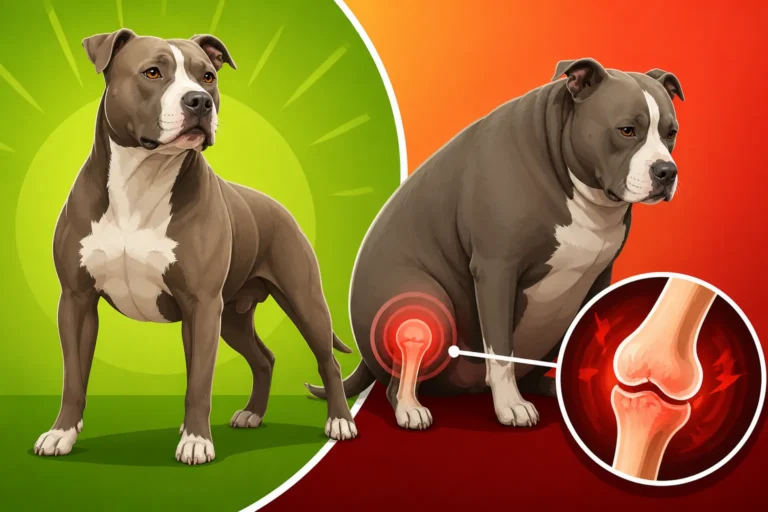
For a rapidly growing, heavily muscled dog like a Pit Bull, appropriate exercise is key. Too much high-impact, strenuous exercise, especially jumping and hard landings, can put excessive strain on already vulnerable hip joints. Think about activities like repeatedly launching after a frisbee, or extended periods of intense running on hard surfaces. These can accelerate the wear and tear. On the flip side, too little exercise can lead to obesity, which is a major contributor to joint problems later in life, and can even worsen early-onset hip dysplasia by adding extra load. How Weight Multiplies the Load on Pit Bull Joints is a crucial read here. The goal is controlled, moderate exercise that builds muscle without stressing immature joints. Think swimming, leash walks, and gentle inclines rather than aggressive sprints or agility jumps.
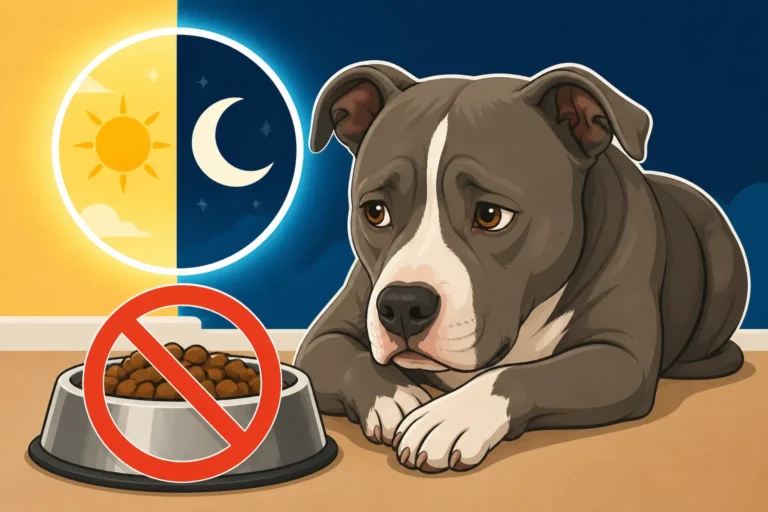
Nutrition also plays a critical role. Overfeeding a growing Pit Bull puppy can lead to excessively rapid weight gain, putting undue stress on their developing skeletal system. It's not just about what they eat, but how much. A high-quality large-breed puppy food formulated for slow, steady growth is often recommended, as it contains appropriate calcium and phosphorus levels and calorie density to support healthy bone development without promoting unhealthy growth spurts. Discussing your Pit Bull's diet with your vet can help ensure they are receiving proper nutrition that supports their specific needs.
Preventative Measures and Management
Even if your Pit Bull has a genetic predisposition, there are steps you can take to support their joint health from a young age. Monitoring their weight meticulously is paramount. A lean Pit Bull is a happier, healthier Pit Bull, especially concerning their joints. This means consistently checking their body condition score, feeling for ribs, and ensuring they have a visible waist. Regular, controlled exercise, as mentioned above, will help build strong supporting muscles around the hips, which can provide a natural brace for slightly looser joints.
Early intervention with joint supplements can also be beneficial, though always discuss this with your vet. Products containing glucosamine, chondroitin, and MSM can help support cartilage health and reduce inflammation. For a heavily muscled dog, choosing the right Joint Support for a Heavily Muscled Pit Bull is essential. While these won't "cure" hip dysplasia, they can certainly help manage the symptoms and potentially slow the progression of arthritis. Additionally, providing soft, supportive bedding can make a big difference in their daily comfort, preventing pressure points on sensitive joints.
Diagnosing and Managing Early Hip Dysplasia
If you suspect your young Pit Bull might be developing hip issues, the most important step is to get them to your veterinarian. Don't wait, hoping it will resolve on its own. Early diagnosis leads to earlier intervention, which can significantly improve your dog's long-term quality of life.
Veterinary Examination and Imaging
Your vet will start with a thorough physical examination, observing your dog's gait and posture, and palpating their hips. They will often perform specific maneuvers, like the Ortolani sign, to assess hip joint laxity. However, the definitive diagnosis of hip dysplasia comes from X-rays. These images allow the vet to visualize the structure of the hip joints, identify any signs of malformation, joint laxity, or early arthritis.
There are different methods for hip evaluation through X-rays. The Orthopedic Foundation for Animals (OFA) uses a single view to provide a subjective grade, such as excellent, good, fair, or dysplastic. Understanding What an OFA Hip Grade Says About a Pit Bull can be very helpful. Another method, PennHIP, involves specific positioning and multiple views to quantitatively measure hip laxity, providing a distraction index that is often more predictive of future osteoarthritis. If you are concerned about hip health, asking your vet about PennHIP Testing for a Pit Bull might be a good route, as it can often detect laxity even in puppies as young as 16 weeks, offering a very early look at their hip conformation. This comprehensive approach ensures that you get the clearest picture of what’s happening in your dog's hips.
Treatment Options for Young Dogs
Once diagnosed, the treatment plan for hip dysplasia in a young Pit Bull will depend on the severity of the condition and how it's affecting your dog. For mild to moderate cases, conservative management is often the first approach. This includes pain medication, anti-inflammatory drugs (NSAIDs), joint supplements, and a carefully controlled exercise regimen. Physical therapy, including hydrotherapy (swimming), can be incredibly beneficial for building muscle without joint impact. Regular check-ups with your vet are crucial to adjust the plan as needed.
For more severe cases, especially those causing significant pain and affecting quality of life, surgical options might be considered. Procedures like a Juvenile Pubic Symphysiodesis (JPS) can be performed on very young puppies (under 5 months) to alter hip growth, while a Triple Pelvic Osteotomy (TPO) or Double Pelvic Osteotomy (DPO) can be an option for dogs up to about 10-12 months old, aiming to improve joint congruence. For older, more severely affected young adults, a Total Hip Replacement (THR) can offer a complete and permanent solution, though it is a significant surgery. If you're considering surgery, especially something as involved as a Hip Replacement in a Muscular Pit Bull, discussing the costs and recovery with your vet is vital. This is also where having pet insurance like Healthy Paws can truly alleviate the financial burden of diagnostics, medications, and potentially life-changing surgeries. They can help cover a significant portion of these unexpected and often substantial veterinary bills.
Regardless of the chosen path, remember that managing hip dysplasia is a lifelong commitment. With proper care, even a young Pit Bull diagnosed early can live a full, active, and comfortable life. The key is vigilance, early detection, and working closely with your veterinarian to tailor the best management strategy for your beloved companion.
Disclaimer
This article is intended for informational purposes only and does not constitute medical advice. Always consult with a qualified veterinarian for any health concerns or before making any decisions about your Pit Bull's care or treatment.