Pit Bull Arthritis After the Age of Seven
It’s a tough reality for many Pit Bull owners: watching your once-boundless, energetic companion start to slow down. That shift, often subtle at first, can be heartbreaking, and it frequently signals the onset of arthritis, or osteoarthritis, in their joints. This guide is here to help you understand what arthritis looks like in your senior Pit Bull, what you can do to manage their pain, and how to improve their comfort and quality of life as they enter their golden years.
Understanding Arthritis in Senior Pit Bulls
As our beloved Pit Bulls age, their bodies naturally undergo changes, and one of the most common and impactful changes is the development of arthritis. It’s not just a stiff joint here and there; it’s a progressive condition that causes significant discomfort and can severely limit their mobility. Knowing what’s happening beneath the surface helps us appreciate why our dogs might be moving differently and how best to support them.
What is Osteoarthritis Anyway?
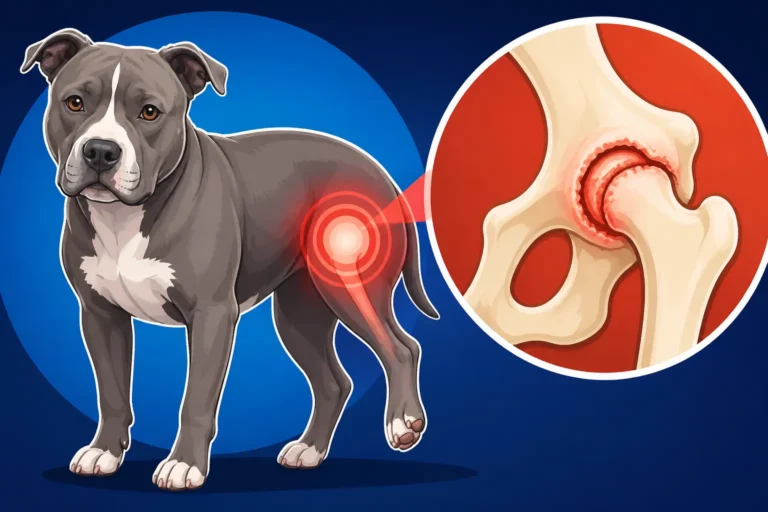
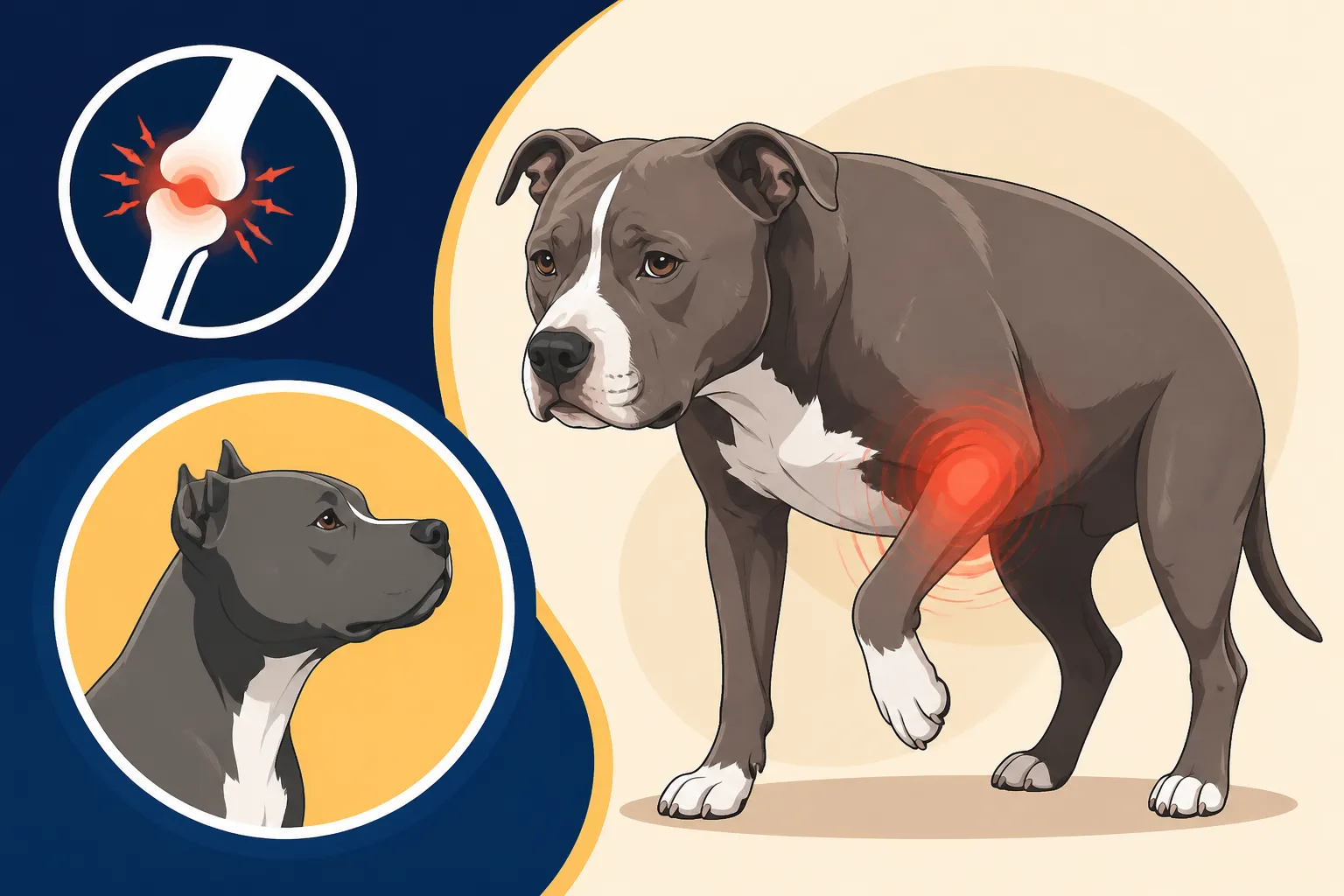
When we talk about arthritis in dogs, we’re almost always referring to osteoarthritis. This isn't just a condition that suddenly appears overnight. It’s a degenerative disease where the cartilage that cushions the ends of the bones in a joint slowly wears away. Imagine the shock absorbers in your car gradually eroding; eventually, the metal parts start grinding against each other. That’s essentially what happens in an arthritic joint. This friction leads to inflammation, pain, and the formation of bone spurs around the joint, which further restricts movement and increases discomfort.
For a heavily muscled and active breed like a Pit Bull, their robust build, while impressive, can sometimes put extra strain on their joints over a lifetime. Years of powerful jumps, sprints, and tug-of-war sessions contribute to the wear and tear. Even if they haven't had any major injuries, the cumulative effect of daily activity can catch up with them. It’s important to remember that this isn't a sign you did anything wrong; it's a natural, albeit unwelcome, part of aging for many dogs, especially those with an athletic build.
Common Joints Affected in Pit Bulls
While arthritis can technically affect any joint, certain areas are more prone to it in Pit Bulls, often due to their genetics, structure, and activity levels. The hips are a classic trouble spot, especially if your Pit Bull has a history of or genetic predisposition to conditions like Pit Bull Hip Dysplasia Showing at One to Two Years. The elbows can also be significantly affected, leading to front-end lameness that might be mistaken for other issues.
Beyond the major limb joints, the knees (stifle joints) are another frequent site, particularly if there have been past injuries like a torn cruciate ligament. The spine, too, can develop arthritic changes, leading to stiffness or even nerve compression that impacts mobility in the hindquarters. It’s not uncommon for an older Pit Bull to have arthritis in multiple joints, creating a complex picture of discomfort. This is why a thorough veterinary examination is so crucial – to pinpoint all areas contributing to their pain.
Recognizing the Subtle and Obvious Signs
One of the biggest challenges for Pit Bull owners is that our dogs are incredibly stoic. They often hide their pain very well, and the signs of arthritis can be incredibly subtle at first. You might just notice a slight decrease in their enthusiasm or a reluctance to do things they once loved. It’s not about them suddenly collapsing; it’s a gradual decline that, if we’re not paying close attention, can be easy to dismiss as just "getting old." But "getting old" doesn't have to mean constant pain.
Changes in Movement and Activity
The most obvious signs of arthritis usually involve how your Pit Bull moves. You might notice they're a bit slower to get up after lying down, or perhaps they struggle on stairs that were once no problem. Maybe they don't jump into the car with the same gusto, or they completely avoid jumping onto the sofa, opting instead to lie on the floor nearby. Stiffness, especially after rest or in colder weather, is a hallmark sign. They might walk with a shorter stride, or seem to favor one leg slightly.
Think about their walks: are they cutting them short, or lagging behind? Do they seem less interested in chasing a ball or playing tug? These aren't necessarily signs of depression; they could be a direct result of pain. Watch closely when they stretch – sometimes they might struggle to fully extend or flex a limb. Sometimes the subtle signs are the most telling, like a change in their gait or how they carry themselves, which you might only notice when you specifically look for it. Many owners find their Pit Bull starts slowing down around this age.
| Sign of Arthritis | What it Looks Like in Your Pit Bull | Why it Happens |
|---|---|---|
| Reluctance to Move | Hesitates to jump, climb stairs, or get up; avoids active play. | Joint pain, stiffness, and discomfort make movement difficult. |
| Stiffness After Rest | Moves slowly and awkwardly after sleeping or long periods of rest. | Joints become less lubricated and inflamed when inactive. |
| Limping or Favoring a Leg | Noticeable lameness in one or more limbs, or a subtle shift in weight. | Pain in a specific joint causes them to avoid putting full weight on it. |
| Changes in Gait | Shorter strides, bunny hopping (using both back legs together), or an altered walk. | Compensating for pain in one joint by changing how they move. |
| Pain Responses | Whining, growling, or snapping when touched in certain areas; flinching. | Direct pain response from touching an inflamed or sore joint. |
| Licking/Chewing Joints | Obsessive licking or chewing at a particular joint or paw. | Attempting to self-soothe pain or irritation in the joint area. |
| Muscle Atrophy | Visible loss of muscle mass, especially in hind legs; thinner leg circumference. | Reduced use of painful limbs leads to muscle wasting. |
| Behavioral Changes | Becoming withdrawn, irritable, less playful, or restless at night. | Chronic pain can affect their mood, sleep, and overall demeanor. |
Behavioral and Personality Shifts
It's not just physical; chronic pain from arthritis can significantly impact your Pit Bull’s personality and behavior. A dog who was once super friendly might become a bit more withdrawn or even grumpy. They might snap or growl if approached too quickly or touched in a sensitive area, which can be shocking for owners who know their dog to be gentle. This isn't aggression; it's often a pain response – a warning that they hurt and need space.
You might also notice changes in their sleeping patterns; they could be restless, struggling to find a comfortable position, or waking up more often. Some dogs might lick excessively at a painful joint, creating "hot spots" or irritation on the skin. Others might become less engaged with the family, spending more time alone, or simply not seeming themselves. These subtle behavioral changes are often the first hint that something more serious than just "old age" is at play, and they warrant a conversation with your veterinarian.
Managing Arthritis Pain and Improving Quality of Life
Once arthritis is diagnosed, the good news is there are many ways to manage the pain and help your Pit Bull live a much more comfortable life. It’s not about curing the condition, as that’s often not possible, but about slowing its progression and making every day as pain-free as possible. A multi-modal approach, combining different therapies, usually yields the best results.
Veterinary Treatments and Medications
Your vet will likely recommend a combination of treatments. Non-steroidal anti-inflammatory drugs (NSAIDs) are a cornerstone of arthritis management. Brands like Rimadyl, Metacam, or Galliprant can significantly reduce pain and inflammation, making a huge difference in your dog's comfort. However, these often require regular blood tests to monitor liver and kidney function, as long-term use can sometimes have side effects. Always follow your vet's dosage instructions carefully.
Beyond NSAIDs, there are other options. Gabapentin can be used to manage nerve pain, often in conjunction with NSAIDs. Injectable medications like Adequan or Librela can help protect cartilage and reduce pain, with some owners seeing remarkable improvements. Depending on the severity and specific joints involved, your vet might also discuss alternative therapies such as acupuncture, therapeutic laser treatments, or even stem cell therapy. It’s a conversation you'll have with your vet to find the best plan for your individual Pit Bull, and remember, having good pet insurance like Healthy Paws can make these treatment options more accessible by covering a significant portion of the costs. They can really help with the Pit Bull Allergy Treatment as a Recurring Bill too, which often comes hand in hand with other senior dog issues.
Home Care and Environmental Modifications
Managing arthritis extends far beyond the vet clinic. Your home environment plays a massive role in your Pit Bull’s comfort. Start with soft, orthopedic dog beds that provide good support for their aching joints. Raised food and water bowls can make eating and drinking much more comfortable by reducing the need to bend down. Non-slip rugs or runners on hard floors can prevent dangerous slips and falls, which can exacerbate joint pain.
Consider ramps to help them get into the car or onto furniture, rather than forcing them to jump. Keep their nails trimmed short to improve their grip and balance, as long nails can put extra strain on their paws and joints. Even simple things like keeping them warm in cold weather with a cozy sweater or blanket can make a difference, as cold can intensify joint stiffness. Regular, gentle massage can also improve circulation and reduce muscle tension around painful joints. Think about your older Pit Bull and how you can create an environment that minimizes stress on their body as part of Caring for a Pit Bull in Its Second Decade.
Supplements and Diet Adjustments
Supplements can be a valuable addition to an arthritic management plan. Glucosamine and chondroitin are popular choices, aiming to support cartilage health. Omega-3 fatty acids, particularly EPA and DHA found in fish oil, have anti-inflammatory properties that can help reduce joint pain. Green-lipped mussel extract is another natural anti-inflammatory often used. Always discuss supplements with your vet before starting them, as some can interact with medications or not be appropriate for all dogs. Quality matters here; not all supplements are created equal. You want to look for reputable brands.
Weight management is perhaps one of the most critical aspects of arthritis care. Even a few extra pounds can dramatically increase the load on already painful joints. Helping your Pit Bull achieve and maintain a lean body condition is paramount. This might involve adjusting their diet to a lower-calorie, high-quality senior formula, or one specifically designed for joint support. Your vet can help you determine the ideal weight for your Pit Bull and create a feeding plan. Overfeeding treats or table scraps, no matter how much they beg, only makes the problem worse. This directly relates to How Weight Multiplies the Load on Pit Bull Joints.
Proactive Steps for Joint Health and Longevity
While arthritis is often inevitable in aging dogs, there are certainly things we can do throughout their lives, and especially as they get older, to promote joint health and potentially slow the progression of the disease. It’s all about maintaining a healthy lifestyle, recognizing issues early, and being prepared.
Tailored Exercise Routines
Your arthritic Pit Bull still needs exercise, but it needs to be the right kind of exercise. High-impact activities like intense fetching, long runs on hard surfaces, or jumping competitions are out. Instead, focus on low-impact, consistent activities. Short, frequent walks on soft surfaces like grass are ideal. Swimming is fantastic as it provides excellent exercise without any impact on the joints.
Consider activities like gentle leash walks, or perhaps even supervised treadmill sessions if available. The goal is to keep their muscles strong to support their joints, maintain flexibility, and prevent stiffness, without causing further wear and tear. Listen to your dog; if they seem more tired or stiff after a walk, you’ve likely overdone it. Gradually build up activity levels and always allow for rest days. For specific ideas, look into Joint Support for a Heavily Muscled Pit Bull. This helps them maintain their physique without stressing their body.
Regular Veterinary Check-ups and Monitoring
As your Pit Bull enters their senior years, regular veterinary check-ups become even more crucial. Instead of just once a year, your vet might recommend twice-yearly visits. These appointments allow for early detection of subtle changes in their gait, joint mobility, and overall health. Your vet can monitor the progression of their arthritis, adjust medications as needed, and perform routine bloodwork to check for other age-related conditions, like those covered in The Bloodwork an Old Pit Bull Should Have.
During these visits, don't hesitate to discuss any small changes you’ve noticed – even if they seem insignificant. You spend every day with your Pit Bull, and you're the best advocate for their comfort. Being proactive with these check-ups is key to staying ahead of the game and making sure your Pit Bull remains as comfortable and mobile as possible for as long as possible. A good relationship with your vet and considering pet insurance providers like Healthy Paws can ensure you're ready for any necessary diagnostics or ongoing treatments.
Long-term Planning and Quality of Life Discussions
Living with a senior Pit Bull with arthritis is a marathon, not a sprint. It requires ongoing adjustments and a commitment to their comfort. As they get older, their needs will change further. This might mean exploring Pit Bull Mobility Aids in Old Age such as supportive harnesses, slings, or even dog wheelchairs if their mobility severely declines.
It's also important to have honest, open conversations with your veterinarian about your Pit Bull's overall quality of life. This can be a very difficult discussion, but understanding when treatments are no longer effective, or when pain consistently outweighs joy, is part of being a responsible and loving owner. Focus on Keeping an Old Pit Bull Comfortable at the End, ensuring their remaining time is filled with love, comfort, and as little pain as possible. Preparing financially for potential long-term care, perhaps with a comprehensive pet insurance plan from Healthy Paws, can also ease some of the burden when difficult decisions arise.
Disclaimer
This article is intended for informational purposes only and does not constitute veterinary advice. Always consult with a qualified veterinarian for any health concerns or before making any decisions about your Pit Bull's medical care or treatment plan.