A Heart Murmur Heard at a Pit Bull Checkup
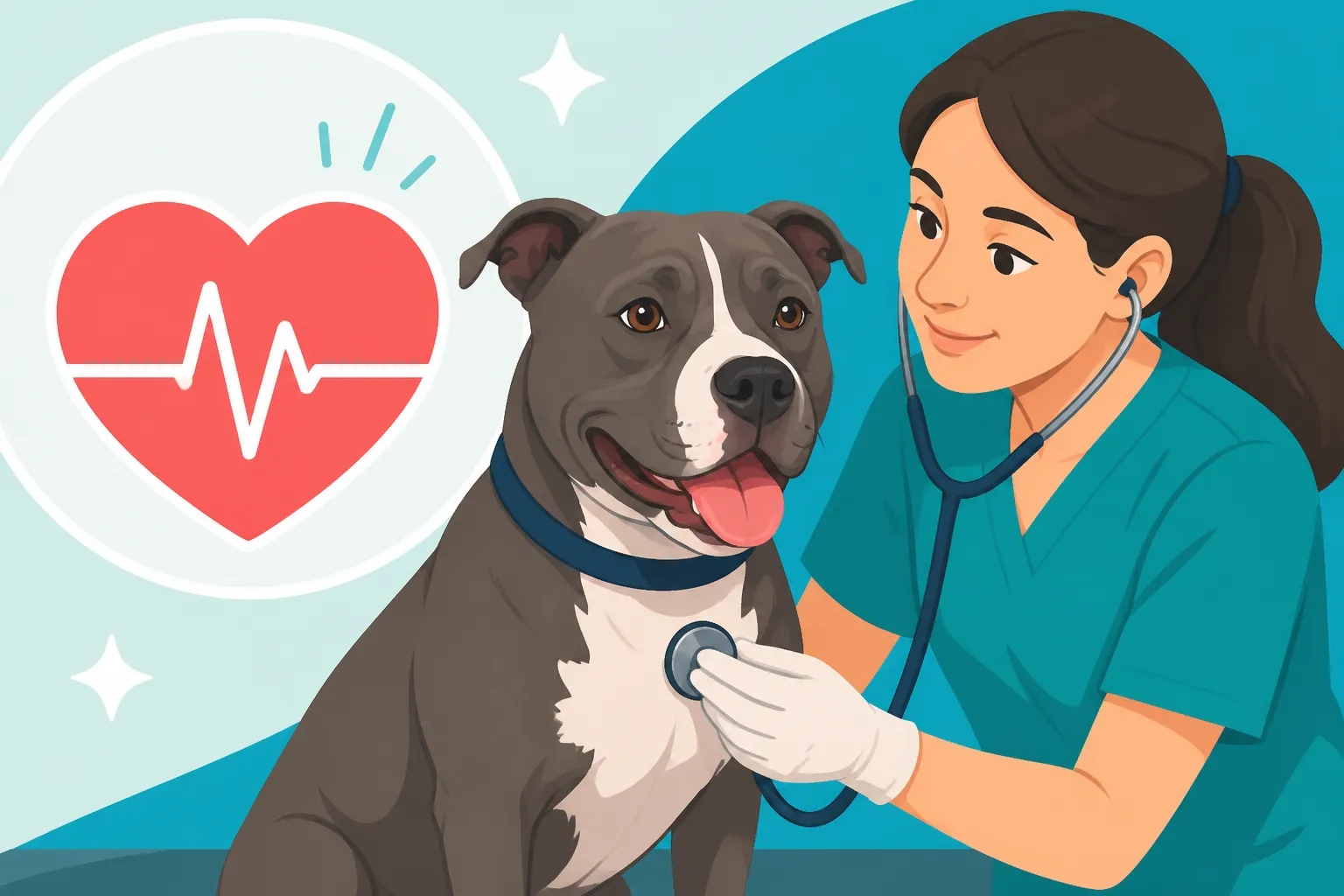
Hearing that dreaded phrase, "Your dog has a heart murmur," during a routine Pit Bull checkup can send a chill down any dog owner's spine. It's unsettling, especially when your otherwise vibrant, energetic Pit Bull seems perfectly healthy. This guide is here to demystify what a heart murmur means for your beloved companion, what steps your vet might take next, and how you can support your Pit Bull through this diagnosis.
Understanding What a Heart Murmur Means for Your Pit Bull
When your vet mentions a heart murmur, it means they've heard an unusual sound during your Pit Bull's heartbeat – a whooshing or swishing sound, in addition to the normal "lub-dub." It's essentially turbulent blood flow within the heart or its major blood vessels. Now, the crucial thing to understand is that a murmur isn't a disease itself; it's a sign that something might be affecting the heart. Think of it like a car engine making a strange noise. The noise itself isn't the problem, but it points to an underlying issue that needs investigation.
For Pit Bulls, a murmur can range from something entirely innocent and harmless to a red flag for a serious underlying cardiac condition. That initial diagnosis often leaves you with a whirlwind of questions and worries, wondering what the future holds for your powerful, loving dog.
The Grading System for Heart Murmurs
Vets use a grading system from I to VI to describe the intensity of a heart murmur. This grading helps them communicate the severity and can sometimes give a clue about the underlying cause, though it's not always a perfect indicator of how severe the actual heart disease is.
- Grade I: This is the softest murmur, often barely audible and sometimes only heard in one specific spot. It can be easy to miss and might even be considered an "innocent" murmur, especially in young, otherwise healthy puppies.
- Grade II: A soft murmur that is consistently audible with a stethoscope. It's still quiet but clearer than a Grade I.
- Grade III: A moderately loud murmur that is easily heard. This is where vets start to pay closer attention, as it's less likely to be innocent.
- Grade IV: A loud murmur that can be heard without much effort, and often, you can feel a vibration (a "thrill") on your Pit Bull's chest wall where the heart is. This definitely warrants further investigation.
- Grade V: A very loud murmur, where the thrill is easily palpable on the chest. This is a significant murmur.
- Grade VI: The loudest murmur, which can be heard even when the stethoscope is slightly lifted off the chest wall. The thrill is very strong.
It's important to remember that a Grade I murmur in a young, active Pit Bull might be nothing to worry about, while a Grade III murmur in an older dog could indicate significant underlying issues. The grade helps the vet decide how urgently further diagnostics are needed, but it doesn't tell the whole story.
Innocent Versus Pathological Murmurs
Many Pit Bull puppies, especially those with high energy levels, can have what's called an "innocent" or "physiologic" murmur. These are usually soft (Grade I or II), often change with excitement or activity, and typically disappear by 4-6 months of age. They occur due to the rapid blood flow in a young, growing heart and don't indicate any structural heart disease. If your Pit Bull puppy has a murmur, your vet will likely want to recheck it in a few weeks or months to see if it resolves. If it persists or increases in intensity, then it’s time to investigate further.
However, a "pathological" murmur is a different beast. This type of murmur indicates an underlying structural problem with the heart. This could be anything from a faulty valve not closing properly, a narrowing of a blood vessel, or even a hole between heart chambers. For us Pit Bull owners, understanding this distinction is key to not panicking unnecessarily, but also to taking any persistent murmur seriously.
Diagnosing the Cause of a Pit Bull's Heart Murmur
Once a heart murmur is detected, especially if it's moderate to loud, persistent in an adult, or accompanied by any symptoms, the next step is to figure out why it's there. This isn't just about confirming it's a problem, but understanding the specific issue so the right management plan can be put in place. It's like finding a leak in your roof – you don't just put a bucket under it, you find out where the leak is coming from to fix it properly.
Many owners worry immediately about the worst-case scenarios, but a thorough diagnostic workup helps paint a clear picture. This is where your veterinarian will often recommend a consultation with a veterinary cardiologist.
The Diagnostic Workup
To get to the bottom of a heart murmur, your vet will typically recommend a series of tests. These are designed to evaluate the heart's structure, function, and electrical activity.
- Echocardiogram (Cardiac Ultrasound): This is the gold standard for diagnosing the cause of a heart murmur. An echocardiogram uses sound waves to create real-time images of your Pit Bull's heart. It allows the cardiologist to see the size of the heart chambers, the thickness of the heart walls, how well the valves are opening and closing, and the direction and speed of blood flow. This test can reveal specific conditions such as Aortic Stenosis in a Pit Bull Puppy. It’s non-invasive and usually well-tolerated by most dogs.
- Electrocardiogram (ECG/EKG): An ECG measures the electrical activity of the heart. It helps identify any abnormal heart rhythms (arrhythmias) which can sometimes be associated with certain heart conditions or murmurs. While it doesn't tell you about the heart's structure, it provides valuable information about its electrical function.
- Chest X-rays: These images provide an overall view of the heart's size and shape, as well as the lungs. They can help detect if the heart is enlarged (cardiomegaly) or if there's any fluid accumulation in or around the lungs, which could indicate Congestive Heart Failure in an Older Pit Bull. While not diagnostic for the specific cause of a murmur, they are crucial for staging heart disease and guiding treatment.
- Blood Work: A full blood panel, including a complete blood count (CBC) and a biochemistry profile, can assess overall health and organ function. Sometimes, heart disease can impact other organs like the kidneys or liver. Additionally, a specialized blood test called a proBNP test can be very helpful. This test measures a hormone released by the heart in response to stretching or stress, and elevated levels can indicate significant heart disease, even before clinical signs appear. This can be especially useful to monitor alongside regular check-ups, particularly for older Pit Bulls where knowing The Bloodwork an Old Pit Bull Should Have is important.
Common Heart Conditions in Pit Bulls
While Pit Bulls are generally robust, they can be predisposed to certain heart conditions, or simply develop them like any other dog. Knowing what to look for can help you understand the diagnostic process.
- Aortic Stenosis (AS): This is a congenital (present at birth) narrowing of the aorta, the main artery carrying blood from the heart to the body. This narrowing makes the heart work harder to pump blood, leading to a loud murmur that can often be felt. Pit Bulls and Boxer breeds are known to be predisposed to this condition. Depending on the severity, AS can lead to fainting, exercise intolerance, or even sudden death. Early diagnosis with an echocardiogram is vital.
- Mitral Valve Disease (MVD): More common in smaller breeds, but can affect Pit Bulls, especially as they age. This is a degenerative condition where the mitral valve, separating the left atrium and ventricle, thickens and leaks. This leakage causes a murmur and can eventually lead to heart enlargement and congestive heart failure.
- Dilated Cardiomyopathy (DCM): This condition results in an enlarged, weakened heart muscle that struggles to pump blood effectively. While certain breeds like Dobermans are highly predisposed, DCM can occur in any large breed dog. Symptoms might include weakness, coughing, difficulty breathing, and exercise intolerance.
- Pulmonic Stenosis: Similar to aortic stenosis, but it's a narrowing of the pulmonic valve, which controls blood flow from the heart to the lungs. This also forces the heart to work harder.
It's natural to feel overwhelmed by these medical terms, but your vet and a cardiologist will guide you through the specifics for your Pit Bull. Remember, getting pet insurance like Healthy Paws early can be incredibly helpful for covering these often costly diagnostic tests and long-term treatments.
Managing and Treating Heart Murmurs in Pit Bulls
Once a diagnosis is made, the focus shifts to managing the condition and improving your Pit Bull's quality of life. The treatment plan will entirely depend on the specific underlying cause, the severity of the disease, and whether clinical signs are present. There's no one-size-fits-all approach when it comes to Heart Disease in a Pit Bull.
The goal of treatment is often to alleviate symptoms, slow the progression of the disease, and maintain your Pit Bull's comfort and activity level for as long as possible. This often involves a multi-modal approach combining medication, dietary adjustments, and lifestyle changes.
Medications for Heart Conditions
Many heart conditions that cause murmurs can be managed with medication, especially once signs of heart failure begin to appear. These medications don't cure the underlying structural defect, but they help the heart function more efficiently and control symptoms.
- Diuretics (e.g., Furosemide): These medications help remove excess fluid from the body, reducing fluid buildup in the lungs (pulmonary edema) and abdomen (ascites) that occurs with congestive heart failure. This helps your Pit Bull breathe easier.
- ACE Inhibitors (e.g., Enalapril, Benazepril): These drugs help relax blood vessels, reducing the workload on the heart and improving blood flow. They are often a cornerstone of heart disease management.
- Pimobendan (Vetmedin): This is a powerful medication that has a dual action: it strengthens the heart's contractions and dilates blood vessels, further reducing the heart's workload. It's often prescribed for dogs with advanced heart disease.
- Beta-Blockers (e.g., Atenolol): These can be used to slow the heart rate, reduce the heart's demand for oxygen, and control certain arrhythmias. They are sometimes used in conditions like severe aortic stenosis.
- Antiarrhythmics: If your Pit Bull develops abnormal heart rhythms, specific medications may be prescribed to stabilize the heart rate and rhythm.
It's critical to administer all medications exactly as prescribed by your veterinarian. Missing doses or altering amounts can negatively impact your Pit Bull's health. Regular follow-up appointments with your vet or cardiologist will be necessary to monitor the effectiveness of these medications and make adjustments as needed.
Dietary and Lifestyle Adjustments
Beyond medication, supportive care through diet and lifestyle plays a huge role in managing heart disease in Pit Bulls.
- Sodium Restriction: Reducing sodium intake is a common recommendation for dogs with heart disease, especially those prone to fluid retention. Excess sodium can contribute to fluid buildup, worsening conditions like congestive heart failure. Your vet might recommend a prescription cardiac diet (e.g., Hill's Prescription Diet h/d, Royal Canin Cardiac) or advise on low-sodium commercial foods and treats. Always check ingredient labels carefully.
- Weight Management: Keeping your Pit Bull at a healthy weight is paramount. Obesity puts extra strain on the heart, making it work harder. If your Pit Bull is overweight, your vet will help you devise a safe weight loss plan. This goes hand-in-hand with Pit Bull Obesity and Joint Strain, which is another common concern.
- Exercise Modifications: While exercise is important for overall health, dogs with heart conditions might need modified activity levels. Your vet will guide you on appropriate exercise. For a Pit Bull with advanced heart disease, strenuous activities might be out, but gentle walks and indoor enrichment can still keep them happy and engaged. The key is to avoid overexertion and sudden bursts of activity that could trigger A Pit Bull That Collapses Without Warning episode.
- Supplements: Omega-3 fatty acids (fish oil) can have anti-inflammatory effects and may be beneficial for heart health. Coenzyme Q10 and L-carnitine are sometimes recommended, but always discuss any supplements with your vet before introducing them, as not all supplements are backed by strong scientific evidence for cardiac benefit.
Remember, consistent care and monitoring are vital. Regular weigh-ins at home and keeping a close eye on their breathing rate (especially when at rest) can help you spot subtle changes early, allowing your vet to intervene before a crisis occurs.
Living with a Pit Bull Who Has a Heart Murmur
Getting a diagnosis of a heart murmur, especially if it indicates an underlying condition, is tough. It can feel like a heavy weight, knowing your robust Pit Bull has a vulnerability. But a diagnosis is not a death sentence, and with proper care, many Pit Bulls can lead full, happy lives for years to come. Your role as their advocate and caregiver is crucial.
The journey often involves learning to observe your Pit Bull more closely, communicating effectively with your vet, and perhaps making some adjustments to your daily routine. It's about focusing on quality of life and enjoying every moment you have together.
Monitoring for Symptoms at Home
You are your Pit Bull's best observer. Learning to recognize subtle signs of worsening heart disease can make a huge difference in their prognosis. Early intervention for symptoms can prevent them from becoming severe crises.
Here are key things to monitor at home:
- Coughing: A soft, hacking cough, especially after exercise, excitement, or at night, can be a sign of fluid buildup in the lungs.
- Breathing Rate: Count your Pit Bull's breaths per minute while they are sleeping or completely at rest. A normal resting respiratory rate is typically between 15-30 breaths per minute. An increase above this, or any labored breathing, is a concern. Keep a log of this.
- Exercise Intolerance: Is your Pit Bull getting tired faster on walks? Reluctant to play or go up stairs? This could indicate their heart is struggling to keep up with oxygen demands.
- Fainting/Collapse: Any episode of weakness, dizziness, or actual collapse is an emergency and requires immediate veterinary attention.
- Changes in Appetite/Weight: While less specific, a decrease in appetite or unexplained weight loss can be a sign of illness. Conversely, sudden weight gain could indicate fluid retention.
- Swollen Abdomen: A distended belly could indicate fluid buildup (ascites) secondary to heart failure.
- Pale or Bluish Gums: This is an emergency. It means your Pit Bull isn't getting enough oxygen and requires immediate veterinary care.
Maintaining an open line of communication with your vet and accurately reporting these observations is paramount. They can't be with your dog 24/7, so your detailed input is invaluable for their assessment and treatment adjustments.
Financial Considerations and Support
Let's be real, managing heart disease can be expensive. From initial diagnostics like echocardiograms (which can cost hundreds to over a thousand dollars) to ongoing medications and specialized diets, the bills can add up quickly. This is where forward-thinking owners often find solace in pet insurance. Companies like Healthy Paws offer various plans that can help offset the cost of chronic conditions, especially if your Pit Bull was enrolled before any heart murmur or associated condition was diagnosed. It’s definitely worth looking into Pit Bull Pet Insurance and Breed Exclusions to ensure you have coverage for such conditions.
Here's a quick look at potential costs:
| Item | Estimated Cost (USD) | Frequency | Notes |
|---|---|---|---|
| Echocardiogram | $500 – $1,500+ | Annually/Bi-annually | Essential for diagnosis and monitoring |
| Chest X-rays | $150 – $300+ | As needed | For fluid assessment and heart size |
| Bloodwork (incl. proBNP) | $100 – $300+ | Periodically | To monitor overall health and heart stress |
| Furosemide (monthly) | $20 – $60 | Daily | Diuretic to reduce fluid buildup |
| Pimobendan (monthly) | $50 – $200+ | Daily | Strengthens heart, depends on dosage/size of dog |
| ACE Inhibitor (monthly) | $20 – $70 | Daily | Reduces workload on heart |
| Prescription Diet | $80 – $150+ | Monthly | Specialized low-sodium foods, optional but recommended |
Note: These are estimates and can vary significantly based on location, veterinary clinic, and specific medication dosages.
Beyond insurance, explore options like veterinary payment plans, applying for care credit, or seeking assistance from breed-specific rescue organizations or charitable funds if available. Don't be afraid to discuss financial concerns openly with your vet; they often have resources or suggestions to help. Having a detailed What a Pit Bull Health History Should Cover can also help new vets understand the scope of the problem.
Enjoying Your Time Together
Ultimately, a heart murmur diagnosis means you'll be giving your Pit Bull a bit more mindful care, but it doesn't mean the end of your adventures. Many dogs with heart conditions continue to enjoy life, playing fetch (perhaps a bit less strenuously), going on sniff walks, and cuddling on the couch.
It's about making adjustments and cherishing the bond. Continue to provide mental enrichment, gentle affection, and a stable, loving environment. Keep up with regular vet check-ups – perhaps even more frequently, as discussed in How Often a Ten Year Old Pit Bull Needs Checking – to stay ahead of the disease progression.
You might find comfort in connecting with other Pit Bull owners who are managing similar health challenges. Support groups, both online and local, can offer practical advice, emotional support, and shared experiences that help you feel less alone. Your Pit Bull relies on your strength and dedication, and with a good understanding of their condition, you can provide them with the best possible care for many years to come. Remember, watching for Emergency Signs That Cannot Wait in a Pit Bull is critical for any dog owner, especially those with pre-existing conditions.
Disclaimer
This article is intended for informational purposes only and does not constitute veterinary medical advice. Always consult with a qualified veterinarian or veterinary cardiologist regarding any health concerns or before making any decisions about your Pit Bull's medical care.