Chews That Crack a Pit Bull Molar
It's a common, heartbreaking scenario: you give your beloved Pit Bull a new chew toy, thinking you're doing something good for their dental health or just to keep them occupied, only to discover a painful cracked tooth days later. Pit Bulls, with their incredibly strong jaws and enthusiastic chewing, are unfortunately highly prone to dental injuries from hard chews that seem indestructible to us. This guide is here to help you understand why these injuries happen, how to identify and avoid dangerous chews, and what steps to take if your furry friend suffers a molar crack.
Understanding the Power Behind a Pit Bull's Bite
Pit Bulls are renowned for their strength, and that reputation extends right down to their powerful jaws. What many owners don't realize is that this incredible chewing power, combined with their strong drive to chew, can turn seemingly innocent toys or treats into significant dental hazards. It's not just about brute force; it's about the mechanics of their bite.
The Anatomy of a Mighty Molar
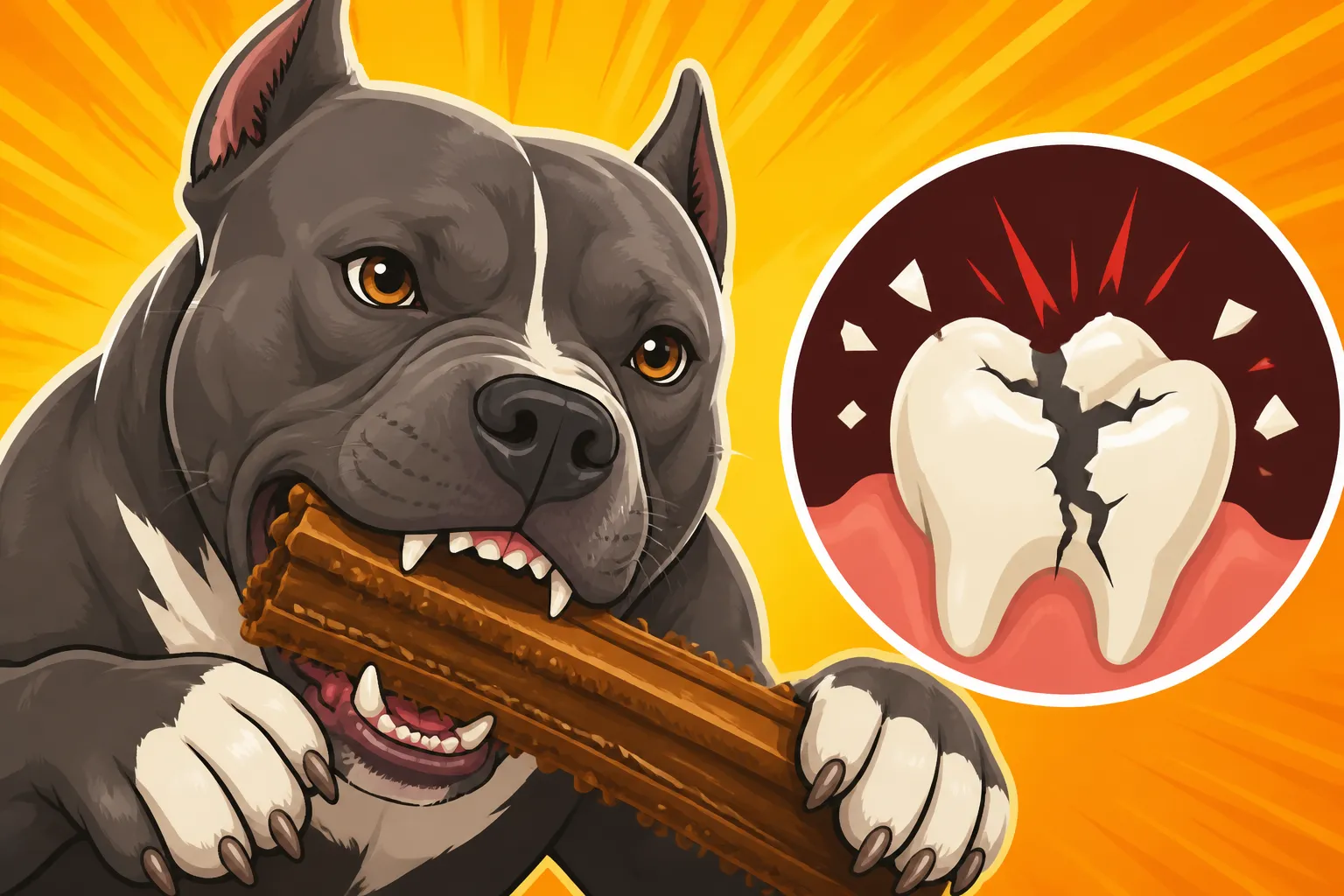
A Pit Bull’s bite force can be substantial, often cited in the range of 235 to over 300 pounds per square inch (PSI), though actual measurements vary widely. What’s more critical than the exact number is the structure of their teeth, particularly the molars. These large, flat teeth at the back of the mouth are designed for grinding and crushing, but they are also the most vulnerable to slab fractures. A slab fracture occurs when a dog bites down on something incredibly hard, and a piece of the tooth, often on the side closest to the cheek, breaks off. This exposes the sensitive pulp cavity, leading to excruciating pain, infection, and often necessitates a complex dental procedure. You might be diligently following a routine for regular Pit Bull Dental Cleaning Schedule and still encounter this issue if the wrong chew is introduced.
Their robust jaw muscles and wide gape allow them to get a firm grip and apply immense pressure. This isn't just a concern for the American Pit Bull Terrier or the American Staffordshire Terrier; any dog with a strong bite and a high chew drive, including many "bully breed" mixes, can be at risk. Owners often feel frustrated when they spend money on toys marketed as "indestructible" only to have their Pit Bull make short work of them, or worse, damage their teeth in the process. It feels like a no-win situation sometimes, doesn't it?
The Enthusiastic Chewing Drive
Beyond the physical capability, Pit Bulls often possess an incredibly strong chewing drive. Chewing is a natural, instinctive behavior for dogs. It helps keep their jaws strong, cleans their teeth (to some extent), and provides vital mental stimulation. For a high-energy, intelligent breed type like the Pit Bull, chewing can be a fantastic outlet for excess energy and boredom. Without appropriate and safe outlets, this drive can manifest in destructive behaviors around the house, like chewing furniture or doorframes.
However, this enthusiasm can also lead them to chew with such intensity that they don't self-regulate or stop when a chew item is simply too hard. They might be so engrossed in the act that they power through the discomfort until a tooth finally gives way. This isn't a fault of their temperament, but rather a testament to their dedication to a task. It's up to us, their human companions, to guide that powerful chewing instinct towards safe and healthy options. Understanding this drive is key to preventing Pit Bull Broken Teeth From Hard Chewing in the first place.
The Hidden Dangers in Common Chews
Many popular chew items, often marketed as long-lasting or natural, pose a significant risk to your Pit Bull's teeth. The general rule of thumb to remember is this: if you can't indent it with your thumbnail or if it would hurt to hit your knee with it, it's too hard for your dog's teeth.
Bones, Antlers, and Hard Hooves: A Recipe for Disaster
These items are perhaps the most common culprits for cracked molars. While they might seem "natural" and therefore healthy, their extreme hardness means they are unyielding to a dog's bite.
- Natural Bones (Cooked or Raw): Cooked bones are brittle and can splinter, leading to internal injuries, but even raw bones like femur bones can be too dense. Your Pit Bull can easily apply enough force to chip or fracture a tooth. The risk is especially high with large, weight-bearing bones from cattle or similar animals. These are simply too hard.
- Antlers: Deer and elk antlers are a popular choice for their durability. They are, however, incredibly dense and rigid. They do not flex or give under pressure. When a Pit Bull applies its full bite force to an antler, the tooth is far more likely to break than the antler itself. Many veterinary dental specialists consistently warn against antlers for this very reason.
- Hooves: Similar to antlers, dried hooves are extremely hard and offer no give. They might wear down slowly, but the consistent, intense pressure on the molars makes them a prime candidate for causing a slab fracture.
The intention behind giving these chews is often good – to provide a long-lasting, engaging chew. But for a Pit Bull, the physical cost can be devastating.
Hard Nylon and Certain Dental Chews
Not all manufactured chews are created equal, and some, despite being designed for dogs, can still be problematic.
- Hard Nylon Chews: While some nylon chews are designed to be slightly flexible, many are very rigid. Companies like Nylabone offer a range of hardness. It's crucial to select the softer, more flexible options. The hard, bone-like nylon chews can be just as unyielding as natural bones or antlers and can cause fractures. Always check the product description for flexibility and suit any chew to your dog's specific chewing style.
- Overly Hard Dental Chews: Ironically, some dental chews, particularly those designed for "extreme chewers" or boasting extended chew times, can be too hard. The purpose of a dental chew is often to scrape plaque, but if it's too hard, it loses its ability to flex and scrape effectively and becomes a fracture risk. Look for dental chews that have a degree of pliability or that you can break with a firm snap, rather than those that feel like plastic rocks.
Ice Cubes and Rocks: Seemingly Innocent, Potentially Harmful
This might surprise some, but even ice cubes can be a danger. While a small piece of ice might seem refreshing on a hot day, large, solid ice cubes can be hard enough to chip or crack teeth, especially if your Pit Bull enthusiastically crunches down. It's better to offer small ice chips or frozen lick mats if you're looking for a cooling treat. As for rocks – while most owners wouldn't intentionally offer a rock, many dogs will pick them up in the yard. If your Pit Bull has a habit of chewing on rocks, it's a behavior that needs immediate redirection and management. It's one of the fastest ways to guarantee a dental emergency.
Choosing Safe and Satisfying Chews for Your Pit Bull
The good news is there are plenty of excellent, safe chew options available that can satisfy your Pit Bull's strong chewing drive without risking their teeth. The key is to prioritize flexibility and supervise your dog during chew time.
Flexible Rubber Toys and Interactive Puzzles
When it comes to durability combined with safety, flexible rubber toys are often the gold standard for Pit Bulls.
- KONG Toys: The classic Kong toy, especially the black "Extreme" version, is a staple for a reason. Its unique shape and robust, yet flexible, rubber material make it incredibly durable while still having enough give to prevent tooth fractures. Stuffing it with kibble, peanut butter (xylitol-free!), or frozen pureed pumpkin provides an excellent mental workout and extends the chewing experience.
- West Paw Zogoflex Toys: Brands like West Paw offer durable, flexible, and often buoyant toys made from proprietary materials that are tough but kind to teeth. Their Hurley, Tux, and Jive toys are popular choices that can withstand a Pit Bull's powerful jaws while offering a satisfying chew. Many of these can also be stuffed or frozen for added engagement.
- Other Heavy-Duty Rubber Toys: Look for solid rubber toys from reputable brands that specifically market them for "power chewers." Check for a slightly softer, yet still resilient, feel. The goal is to find something that your dog can really sink their teeth into without it being completely unyielding.
These types of toys offer both physical satisfaction and mental enrichment, which is crucial for a breed type that thrives on activity and engagement.
Edible Chews Designed for Dental Health
While the focus has often been on hard chews for dental health, many softer, digestible dental chews can be very effective without the fracture risk.
- Veterinary Oral Health Council (VOHC) Approved Chews: Look for products with the VOHC seal. This means they have met specific standards for reducing plaque and tartar. Brands like Greenies, Dentastix, and Purina DentaLife often have VOHC approval. While these are designed to be consumed, they still provide a valuable chewing action that helps clean teeth. They're much softer than antlers or dense bones, making them safer for molars.
- Rawhide Alternatives: Traditional rawhide can be problematic due to choking hazards and digestibility issues. However, there are many rawhide alternatives made from processed starches, vegetables, or animal proteins that are specifically designed to be digestible and safe. Always choose size-appropriate chews and supervise your Pit Bull to ensure they don't try to swallow large pieces.
- Bully Sticks and Other Digestible Chews: These are popular choices for a reason – dogs love them! However, it's important to remember that even bully sticks, while digestible, can become small enough to be a choking hazard towards the end. A bully stick holder can help mitigate this risk. They provide a satisfying chew that wears down rather than resisting the tooth completely.
Supervision and Rotation: The Unsung Heroes of Chew Safety
No matter how safe a chew is designed to be, supervision is always key. Accidents can happen, and a toy that was once safe can become dangerous if it's worn down or damaged.
- Active Supervision: Always watch your Pit Bull when they are actively chewing. This allows you to intervene if a toy breaks, if they attempt to swallow a piece too large, or if you notice any signs of discomfort or potential dental injury, like A Pit Bull Chewing Its Feet Through the Night due to pain.
- Regular Inspection and Rotation: Inspect all chews regularly for damage. If a rubber toy starts to show significant wear or small pieces are breaking off, it's time to replace it. Rotating chews can also keep your Pit Bull engaged and prevent them from getting bored with just one type of toy.
- Know When to Take It Away: If your Pit Bull is excessively aggressive with a chew, or if they're trying to destroy it too quickly, it might be safer to take it away and offer a more appropriate, less destructible alternative.
Here's a quick reference table to help you decide:
| Chew Type | Safety for Pit Bulls | Risk Level | Notes |
|---|---|---|---|
| Rubber Toys (KONG Extreme, West Paw) | SAFE (Flexible, durable, stuffable) | Low | Excellent for mental and physical stimulation. Choose size and strength appropriate. |
| VOHC-Approved Dental Chews | SAFE (Designed for dental health, digestible) | Low | Look for the VOHC seal. Still require supervision. |
| Bully Sticks | MODERATE (Digestible, but choking hazard when small) | Medium | Use a holder for the last few inches. Monitor for excessive consumption. |
| Natural Bones (Weight-bearing) | DANGEROUS (Too hard, can splinter or fracture teeth) | High | Avoid cooked bones completely. Raw weight-bearing bones are also very risky. |
| Antlers | DANGEROUS (Extremely hard, unyielding) | High | One of the leading causes of slab fractures in strong chewers. |
| Hard Nylon Bones | MODERATE-DANGEROUS (Depends on hardness/flexibility) | Medium-High | Choose flexible nylon chews. If it feels like a rock, avoid it. |
| Hooves | DANGEROUS (Very hard, unyielding) | High | Similar risks to antlers and dense bones. |
| Ice Cubes | MODERATE-DANGEROUS (Can chip/crack teeth) | Medium | Offer crushed ice or frozen treats instead of large, solid cubes. |
| Rocks | DANGEROUS (Extreme fracture risk) | High | Immediately redirect if your Pit Bull chews on rocks. |
What to Do When a Molar Cracks: Recognizing and Responding
Despite our best efforts, accidents can still happen. If you suspect your Pit Bull has cracked a molar, prompt veterinary attention is crucial to alleviate pain and prevent further complications.
Spotting the Subtle Signs of Pain
Unlike humans, dogs are masters at hiding pain. A cracked molar can be incredibly painful, yet your Pit Bull might only show subtle signs. Keep an eye out for any of these indicators:
- Changes in Chewing Habits: Reluctance to chew on one side of their mouth, dropping food, or showing less interest in their favorite chews.
- Reduced Appetite: A Pit Bull That Refuses Food for a Day could be a sign of dental pain. Softening their food or feeding smaller meals might help in the interim.
- Paw at the Face/Mouth: Repeatedly pawing at their mouth, rubbing their face on the carpet, or excessive drooling.
- Sensitivity: Yelping or pulling away if you touch their mouth or jaw.
- Bad Breath (Halitosis): An exposed pulp cavity can quickly become infected, leading to foul breath.
- Visible Damage: In some cases, you might be able to see a visible chip, crack, or even a missing piece of tooth, often with a dark spot (exposed pulp) in the center.
If you notice any of these signs, don't wait. Schedule an appointment with your veterinarian as soon as possible.
The Urgent Vet Visit and Treatment Options
When you take your Pit Bull to the vet for suspected dental trauma, they will perform a thorough oral examination. Often, fully assessing the extent of the damage requires sedation and dental X-rays, as much of the tooth structure is hidden beneath the gum line. The X-rays will reveal if the root is affected, if there's an abscess, or if other teeth have been damaged.
Treatment options for a cracked molar typically include:
- Extraction: This is the most common solution. The damaged tooth is surgically removed. While it might sound drastic, removing a painful, infected tooth provides immediate relief and prevents future complications. Pit Bulls can live perfectly happy and normal lives with missing molars.
- Root Canal Therapy: In some cases, especially for very important teeth (like canine teeth or large molars), a veterinary dental specialist might perform a root canal. This procedure involves removing the infected pulp, cleaning and shaping the root canals, and then filling them. It's more expensive and less commonly performed than extraction but can save the tooth.
- Vital Pulpotomy: For younger dogs with recent fractures, a vital pulpotomy may be an option, which aims to preserve the vitality of the tooth.
The specific treatment will depend on the severity of the fracture, the tooth involved, and your dog's overall health. Your vet will discuss the best course of action for your beloved companion. You can read more about what happens during the treatment for such an injury in our guide on Extracting a Pit Bull Tooth Cracked on a Chew.
Navigating the Costs of Dental Emergencies
Let's be real: veterinary dental care, especially for fractured teeth, can be expensive. Extractions, X-rays, anesthesia, and pain medications can quickly add up to hundreds or even thousands of dollars, depending on the complexity of the procedure and your location. This is where having pet insurance can be a huge relief. Many pet insurance providers, like Healthy Paws, offer plans that cover accidents and illnesses, including dental trauma. It’s definitely worth looking into before these unexpected emergencies arise, especially with a breed prone to these kinds of injuries. Checking out options for Pit Bull Pet Insurance and Breed Exclusions is a proactive step that can save you a lot of stress down the line.
Even if you don't have insurance, discussing payment plans or veterinary credit options with your clinic is always possible. The important thing is not to delay treatment due to fear of cost, as delaying can lead to more severe infections and more expensive problems. Planning for potential Pit Bull Surgery Costs From Hips to Teeth is just part of responsible ownership. After all, the joy and companionship your Pit Bull brings are priceless, but their health care still comes with a price tag!
Disclaimer
The information provided in this article is for general informational purposes only and is not a substitute for professional veterinary advice. Always consult with a qualified veterinarian for any health concerns or before making any decisions related to your pet's care.