Pit Bull Scarring and How Fast It Heals
It’s a heart-stopping moment when you see your beloved Pit Bull with a fresh cut, scrape, or wound. Beyond the immediate worry for their comfort and health, there’s often a lingering concern about scarring. Will it heal properly? How long will it take? Will they be left with a permanent mark that tells a story you might wish wasn't there? This guide is here to walk you through everything you need to know about Pit Bull scarring, from the moment an injury happens to the long-term care that helps their skin bounce back.
Understanding Scarring in Pit Bulls
When our Pit Bulls get hurt, whether it's a minor scrape from a rough play session or a more significant injury, our immediate thought is usually about how to stop the bleeding and get them comfortable. But after the initial panic, the reality of the healing process, and the potential for scarring, sets in. It’s natural to wonder what kind of mark will be left behind and how quickly their resilient skin will recover.
The Different Types of Scars You Might See
Not all scars are created equal, and understanding the common types can help you anticipate what to expect as your Pit Bull heals. The body's natural response to tissue damage is to lay down collagen fibers to repair the breach, but the way these fibers are arranged, and the amount produced, determines the final appearance of the scar.
For instance, a common type of scar is a hypertrophic scar. These appear as raised, often red or purplish, and thickened areas that stay within the boundaries of the original wound. They’re caused by an overproduction of collagen during healing. You might see these after a deep scratch or a surgical incision. They can feel firm to the touch and sometimes itch as they form, which can be a nuisance for an already recovering dog.
Then there are atrophic scars, which are quite the opposite. These scars appear sunken or pitted, forming below the surrounding skin surface. They result from a loss of tissue, often seen after severe acne, chickenpox (not applicable to dogs, but an illustrative human example), or certain types of infections where skin tissue is destroyed. While less common than hypertrophic scars in general wound healing for dogs, they can occur if there's significant tissue loss and the new collagen simply doesn't fill the void completely.
Another type, though much rarer in dogs compared to humans, is a keloid scar. Similar to hypertrophic scars, keloids are raised and thickened, but they extend beyond the original wound boundaries, often growing quite large and irregularly shaped. This extreme overgrowth of scar tissue is usually a genetic predisposition. Thankfully, you're unlikely to encounter a true keloid in your Pit Bull. Finally, contracture scars can form when a large area of skin is lost, and the skin tightens as it heals. This type of scarring can sometimes restrict movement, especially if it forms over a joint. This is a more serious type of scar, often requiring veterinary intervention.
Why Pit Bulls Can Be Prone to Certain Skin Injuries
Pit Bulls are renowned for their athleticism, strength, and zest for life. These wonderful traits, however, can sometimes make them more susceptible to certain kinds of skin injuries that might lead to scarring. Their robust, muscular bodies and enthusiastic play styles mean they often find themselves in situations where scrapes and cuts are a distinct possibility.
Imagine your Pit Bull, full of boundless energy, tearing through tall grass in the park, or enthusiastically wrestling with a canine friend. A hidden branch, a sharp stone, or a misstep during play can easily result in a laceration or puncture wound. Their short, coarse coats offer less protection against thorns or sharp objects compared to breeds with denser, longer fur. Areas like their chest, flanks, and legs are particularly exposed during these high-energy activities.
Beyond accidental trauma, Pit Bulls are also, unfortunately, prone to certain dermatological conditions that can lead to skin damage and subsequent scarring. For example, many Pit Bulls suffer from allergies, which can manifest as intense itching, leading to obsessive licking, chewing, and scratching. This self-trauma can break the skin, creating open sores that are ripe for secondary infections. We often see conditions like Pit Bull Skin Allergies and the Atopy Pattern or Pit Bull Hot Spots and Secondary Infection which, if not managed promptly, can significantly damage the skin and leave lasting marks. Chronic skin irritation can cause the skin to thicken and darken over time, and repeated infections can also contribute to scar tissue formation.
The Healing Process: Stages and Factors Affecting Speed
When your Pit Bull sustains an injury, it’s not just a matter of waiting for the skin to close up. Their body embarks on a complex, beautifully orchestrated process to repair the damage. Understanding these stages can help you appreciate the journey your dog's body takes and how best to support it.
The Four Stages of Wound Healing
Wound healing is typically divided into four overlapping stages, each playing a crucial role in repairing tissue and eventually forming a scar.
First up is the hemostasis and inflammatory phase. This happens almost immediately after the injury. Hemostasis is all about stopping the bleeding – blood vessels constrict, and platelets rush to the scene to form a clot, creating a temporary plug. Then, the inflammatory response kicks in. This is why the wound area might look red, swollen, and feel warm. White blood cells, like neutrophils and macrophages, flood the area to clean up debris, bacteria, and damaged cells. This phase usually lasts for the first few days, crucial for preventing infection and preparing the wound for repair.
Next, we move into the proliferative or repair phase. This stage typically begins a few days after the injury and can last for several weeks. Here, the body starts actively rebuilding tissue. Fibroblasts migrate to the wound and begin laying down new collagen, which is the foundational protein for scar tissue. Blood vessels also start to re-form (a process called angiogenesis), bringing vital oxygen and nutrients to the healing site. You might notice granulation tissue forming – that healthy, beefy red tissue that signals active healing. Epithelial cells, the skin cells, then begin to migrate across the wound bed, eventually covering it to close the defect.
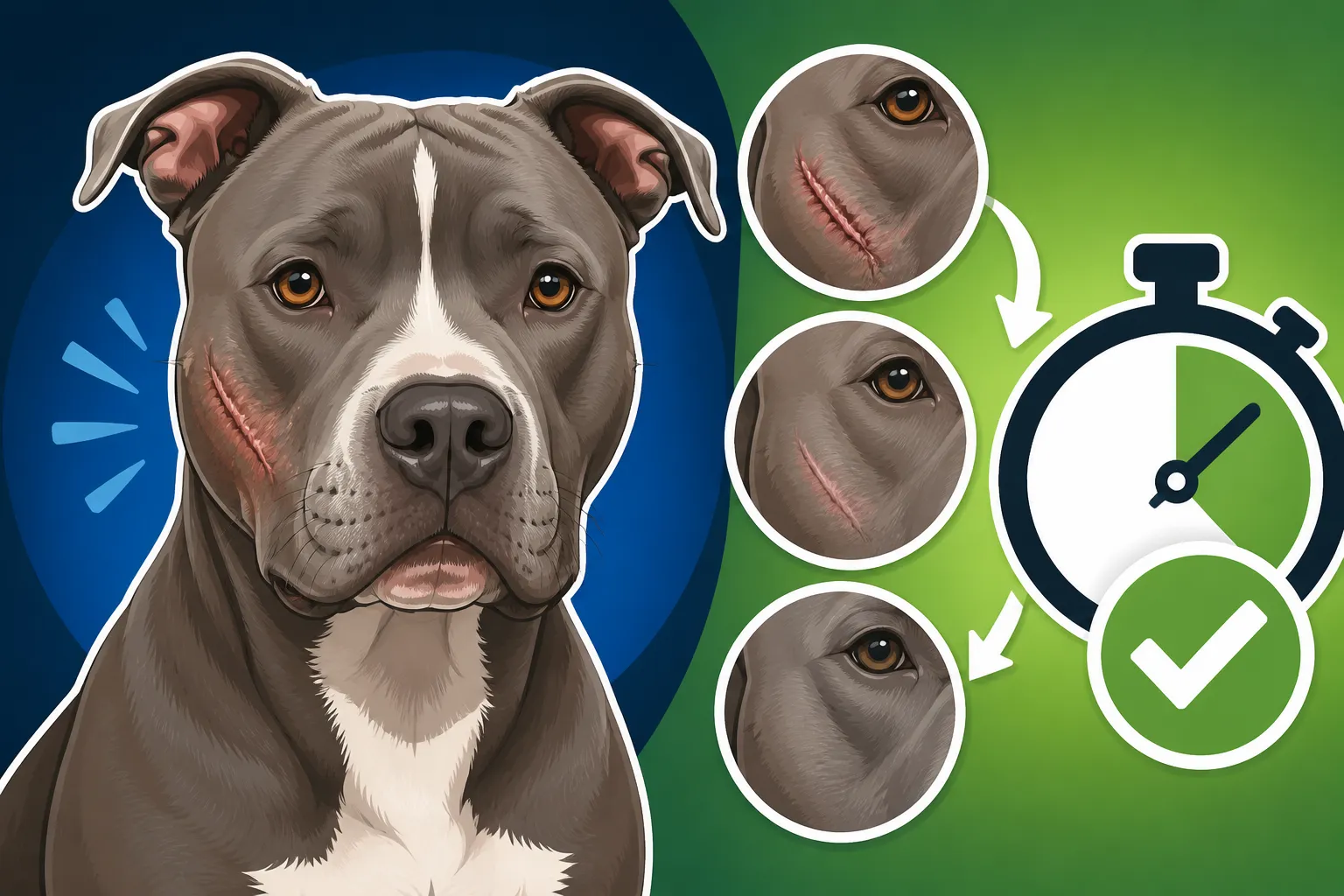
Finally, there's the maturation or remodeling phase. This is the longest stage, often starting weeks after the injury and continuing for months, or even a year or more. During this time, the newly formed collagen fibers are reorganized and strengthened. The scar tissue becomes more flexible and strong, and its appearance often improves, becoming less red and flatter. While scars will always be different from original skin, this phase is where they achieve their maximum strength and cosmetic improvement. It's a continuous process, and patience is key during this extended period.
Factors That Influence Healing Time and Scar Quality
The speed at which a wound heals and the quality of the resulting scar aren't uniform; they’re influenced by a myriad of factors, some of which you can control, and others that are simply part of your Pit Bull’s unique biology.
One of the biggest players is the location and type of wound. A shallow scrape on a relatively immobile part of the body, like the back, will generally heal faster and scar less noticeably than a deep laceration over a joint, like a knee or elbow. Wounds on joints are constantly stretched and stressed, which can disrupt the delicate healing process and lead to more prominent scarring or even contracture. The size and depth of the wound also directly impact healing time; larger, deeper wounds simply have more tissue to repair.
Infection is a major deterrent to proper healing. If a wound becomes infected, the body's resources are diverted to fighting off bacteria, delaying the repair process. This prolonged inflammation can lead to more scar tissue. Proper cleaning and, if necessary, antibiotics are crucial. Nutrition also plays an immense role. A Pit Bull on a balanced, high-quality diet will have the necessary building blocks – proteins, vitamins, and minerals – to support robust healing. Conversely, a dog with nutritional deficiencies might experience delayed or compromised wound repair. Maintaining a healthy weight, as discussed in guides like Pit Bull Weight and Muscle on a Working Frame, also provides optimal conditions for healing.
Age and general health are significant factors. A healthy, young Pit Bull generally boasts a more vigorous immune system and faster cell turnover, leading to quicker healing than an older dog or one with underlying health conditions like diabetes or Cushing's disease. Even stress can subtly impact healing by affecting the immune system. Consider how important it is to keep up with routine care, including Year-Round Parasite Cover for a Pit Bull, to maintain overall health that supports healing. This is also where having good pet insurance, like Healthy Paws, can make a huge difference. If an injury requires extensive veterinary care, diagnostic tests, or specialized treatments, the financial burden can be daunting. Knowing you have support for those unexpected bills allows you to focus on getting your Pit Bull the best possible care, which directly impacts healing outcomes without having to compromise on recommended procedures due to cost.
Recognizing When Healing Isn't Going Right
As a diligent Pit Bull owner, you're likely keeping a close eye on any wound your dog has. While most wounds heal without major complications, it's vital to know the signs that indicate something might be amiss. Early detection can prevent more serious issues and lead to better scar quality.
One of the most common red flags is signs of infection. Look for increased redness, swelling, warmth around the wound that extends beyond the initial injury, or any foul-smelling discharge. While some clear or slightly yellow fluid is normal in the early inflammatory phase, thick green or yellow pus is a definite sign of bacterial infection. Your dog might also seem lethargic, lose appetite, or even develop a fever, indicating a systemic issue.
Another concern is delayed closure or dehiscence. If a wound that was sutured or stapled suddenly opens up, or if an open wound isn't gradually getting smaller and showing healthy granulation tissue, it’s a problem. Sometimes, the wound edges might look "gaping" or the tissue might seem unhealthy – dark, grey, or crumbly instead of pink and moist. This can happen if there's too much tension on the wound, if your Pit Bull is excessively licking or chewing it (despite an Elizabethan collar), or if there's an underlying infection or poor circulation. You might need to step up your efforts to prevent Pit Bull Paw Licking and Chewing if the wound is on a limb.
Excessive granulation tissue, sometimes called "proud flesh," can also be an issue, particularly in wounds on lower limbs. This is when the body produces too much new tissue, creating a raised, red, bumpy mass that can prevent the skin from closing over properly. While it signifies active healing, too much can impede the final stages of wound closure. Any wound that seems to be getting worse rather than better, or one that just stalls in its healing, warrants a call to your veterinarian. They can assess the situation, culture the wound for bacteria, and adjust the treatment plan, which might include different antibiotics, debridement, or advanced wound care techniques.
Minimizing Scarring and Promoting Optimal Recovery
While some scarring is an inevitable part of the body's healing process after an injury, there’s a lot we can do as Pit Bull owners to minimize its extent and promote the best possible recovery. The goal isn't just to close the wound, but to ensure the skin heals as functionally and cosmetically well as it can.
Immediate First Aid and Veterinary Care
The moments immediately following an injury are critical for setting the stage for good healing and minimal scarring. Prompt and appropriate first aid can significantly influence the outcome.
If your Pit Bull gets a cut or scrape, your first priority is to control any bleeding. Apply gentle but firm pressure with a clean cloth or gauze pad directly to the wound. Most minor bleeding will stop within a few minutes. If it’s severe or doesn’t stop, that's an immediate emergency vet visit. Once bleeding is controlled, gently clean the wound. Use lukewarm water and a mild, pet-safe antiseptic solution (like dilute chlorhexidine or povidone-iodine, if you have it) to rinse away dirt, debris, and any loose hair. Avoid harsh soaps or alcohol, which can further damage tissue. You want to irrigate the wound, not scrub it.
After initial cleaning, assess the wound. Is it deep? Are the edges separated? Is it bleeding heavily? For anything more than a superficial scrape, a trip to the vet is almost always warranted. Early veterinary care is paramount. Your vet can properly clean the wound, remove any foreign material, and determine if sutures, staples, or surgical glue are needed to close the wound. Closing a wound promptly and cleanly significantly reduces the risk of infection and minimizes the amount of scar tissue that forms, as the body has less "gap" to fill. This is also where having pet insurance like Healthy Paws can truly alleviate stress, knowing that unexpected veterinary costs for wound repair and potential follow-ups are covered, allowing you to prioritize your Pit Bull’s health without financial worry. Even seemingly minor puncture wounds can be much deeper than they appear on the surface, harboring bacteria and leading to abscesses if not properly treated.
Post-Injury Care: Keeping the Wound Clean and Protected
Once your Pit Bull has received initial veterinary care, the real work of home recovery begins. This phase is crucial for preventing complications and ensuring the wound heals optimally.
The golden rule of post-injury care is to keep the wound clean and protected. Your veterinarian will likely send you home with specific instructions, which often include a prescribed cleaning solution or medicated wipes. It’s vital to follow these instructions diligently. Cleaning typically involves gently wiping around the wound to remove any crusting or discharge, ensuring the area remains hygienic. If your Pit Bull is prone to skin irritation, like those with Pit Bull Atopy and Seasonal Itching, maintaining overall skin health can also aid in the healing process of acute wounds.
However, the biggest challenge for many Pit Bull owners is preventing their dog from licking, chewing, or scratching at the wound. Pit Bulls, being smart and often stubborn, can be remarkably resourceful when it comes to getting to an itchy or uncomfortable spot. This is where the infamous "cone of shame" – an Elizabethan collar – becomes your best friend. While your Pit Bull might hate it, wearing the cone consistently is non-negotiable. Licking introduces bacteria from their mouth into the wound, and chewing can pull out sutures or tear open healing tissue, leading to infection and much worse scarring. Alternatively, a recovery suit or surgical onesie can sometimes be used for wounds on the torso, offering a physical barrier without the visual obstruction of a cone.
Depending on the wound, your vet might also prescribe oral medications. These commonly include antibiotics to prevent or treat infection, and pain relief to keep your Pit Bull comfortable. A comfortable dog is less likely to obsess over their wound. It's important to complete the full course of antibiotics, even if the wound looks better, to ensure the infection is completely cleared. Additionally, activity restriction is often necessary. Too much running, jumping, or roughhousing can put tension on the healing wound, potentially reopening it. Keeping your active Pit Bull calm for a few weeks might feel like a mission impossible, but it’s essential for proper healing. Indoor enrichment, gentle leash walks, and puzzle toys can help manage their energy levels during this recovery period.
Long-Term Scar Management Strategies
Even after a wound has closed and the initial healing is complete, the journey to a well-formed, minimal scar continues into the maturation phase. There are several strategies you can employ to help improve the appearance and flexibility of the scar over the long term.
One of the most effective, yet often overlooked, techniques is gentle massage. Once the wound is fully closed and the sutures are out (usually a few weeks post-injury), you can start gently massaging the scar tissue. Using clean hands and perhaps a small amount of a vet-approved, pet-safe moisturizer or plain Vaseline, rub the scar in small circular motions for a few minutes, several times a day. This massage helps to break down and reorganize the collagen fibers, making the scar softer, flatter, and more pliable. It can also improve circulation to the area, further aiding the remodeling process.
For more pronounced or thickened scars, some advanced options might be considered, though always in consultation with your vet. In human medicine, silicone sheets or gels are commonly used to reduce the appearance of hypertrophic scars. While dog-specific products are less common, your vet might be able to advise on whether a human-grade, non-toxic silicone gel could be cautiously applied to a fully healed, non-open scar on your Pit Bull, especially if it’s in an area where they can't lick it off. The idea is that the silicone provides hydration and creates an optimal environment for scar maturation.
Finally, consider sun protection for scars, especially if they are new or if your Pit Bull has fair skin or a pink nose. UV exposure can cause new scars to darken and become more noticeable. While our Pit Bulls might not be lounging on the beach, outdoor time exposes them to sunlight. For very sensitive areas, dog-safe sunscreen can be applied, or even a light dog shirt could offer protection. Remember, any long-term scar management should be discussed with your veterinarian to ensure it's safe and appropriate for your individual Pit Bull and their specific scar. The goal is to help that new skin integrate as smoothly as possible, a testament to their incredible resilience.
Realistic Expectations for Pit Bull Scars
As much as we want our Pit Bulls to be perfect, pristine examples of their breed, life happens. Scars are often an unavoidable part of their journey, each one telling a unique story of adventure, misadventure, or even a past hardship. Understanding what to expect realistically can help manage your own expectations and appreciate your dog for who they are, scars and all.
Scars as Part of Their Story
For Pit Bulls, with their active lifestyles and often robust play, scars can become almost like badges of honor. They speak to a life lived fully, sometimes a little too enthusiastically! Many Pit Bull owners will tell you that their dogs often acquire small nicks and scrapes through their adventures, and these marks become part of their unique character. A small white line on the muzzle from a wrestling match with a favorite toy, or a faint patch of thinner hair on a flank from an old skin irritation, these are all memories.
It’s important to remember that a scar, no matter how prominent, doesn't diminish your Pit Bull's spirit, health, or beauty. For many rescue Pit Bulls, old scars can even tell a more profound story, hinting at a past life before they found their forever home. These scars, far from being imperfections, can be symbols of resilience and survival. Over time, most scars will fade, flatten, and become less noticeable. The bright red or purple of a fresh scar will typically soften to a pale white or grey, often blending better with their coat. They become part of the tapestry of your dog's life, showing they’ve lived, played, and overcome.
When Professional Help Beyond Initial Care Is Needed
While most scars heal and fade over time without intervention beyond initial wound care, there are instances where a scar might become problematic, requiring further professional attention. This isn't just about aesthetics; sometimes, scars can cause discomfort or functional issues for your Pit Bull.
One key concern is a scar that causes functional impairment. If a scar forms over a joint (like an elbow or knee) and is particularly tight or contracts significantly, it can restrict your Pit Bull's movement. Imagine a tight band of skin preventing full extension of a leg – this can lead to lameness, discomfort, and even secondary orthopedic issues from altered gait. In such cases, your veterinarian might recommend surgical scar revision. This procedure involves carefully excising the problematic scar tissue and re-closing the wound in a way that minimizes tension and allows for better movement. This can be complex, especially with a heavily muscled Pit Bull, as discussed in Anesthesia and Muscle Mass in a Pit Bull.
Another instance for professional help might be if a scar becomes chronically itchy, painful, or develops into a dermatological issue itself, such as a persistent folliculitis within the scar tissue. Some scars can also be prone to irritation, especially if they are raised or in an area of friction. For problematic scars that don't respond to conservative measures like massage and moisturizers, your vet may explore other options. These could include local steroid injections to flatten hypertrophic scars, or even laser therapy, which can help remodel collagen and improve scar texture and appearance. These advanced treatments are typically reserved for scars that are causing genuine problems, rather than simply being a cosmetic concern. Again, the potential costs associated with these specialized treatments highlight the value of pet insurance like Healthy Paws. Being able to consider all options without immediate financial stress is a huge relief when your Pit Bull is facing a persistent or uncomfortable scar issue.
| Type of Scar | Appearance | Typical Cause | Healing Impact | Management Tips |
|---|---|---|---|---|
| Hypertrophic | Raised, red, within wound borders | Overproduction of collagen | Can be itchy, may take months to flatten | Massage, silicone products (vet advice) |
| Atrophic | Sunken, pitted | Loss of tissue, inadequate collagen | Generally cosmetic | Less responsive to topical treatment |
| Contracture | Tight, restrictive | Large skin loss over a joint | Can limit mobility, cause pain | Surgical revision often needed |
| Pigmentation Change | Lighter or darker than surrounding skin | Melanin changes in healing tissue | Cosmetic, common | Sun protection can prevent darkening |
Disclaimer
This guide is intended for informational purposes only and does not constitute medical advice. Always consult with a qualified veterinarian for any health concerns or before making any decisions about your Pit Bull's medical care.