Pit Bull Boarding and Daycare Access
It’s a frustrating reality for many Pit Bull owners: you’ve got a trip planned, a long day at work, or just need a reliable place for your beloved dog to socialize, but finding a suitable boarding facility or daycare feels like an uphill battle. It’s not about your dog’s actual behavior, but often about broad, often unfair, breed-specific policies that leave you scrambling. This guide aims to shed light on why these challenges exist, how to navigate them, and, most importantly, how to find the best, most understanding care for your Pit Bull.
The Reality of Finding Care for Your Pit Bull
The moment you mention "Pit Bull" when inquiring about dog boarding or daycare, you might be met with a hesitant pause, a swift "no," or a list of stringent conditions that seem to apply only to your dog. It's a common, disheartening experience, rooted deeply in widespread misconceptions and legal complexities, not in the individual temperament of your well-behaved pet.
Overcoming Breed Restrictions and Stigma
For many of us who share our lives with Pit Bulls, the stigma is palpable. We know our dogs as loving, goofy, intelligent companions, but the outside world often sees a caricature shaped by media sensationalism and breed-specific legislation. This perception directly impacts access to services like daycare and boarding. You might find excellent facilities in your area, only to discover a clause in their policy explicitly stating "no Pit Bulls or Pit Bull mixes." This isn't usually a judgment on your dog, but rather a blanket rule designed to mitigate perceived risk, often driven by insurance requirements or past incidents involving any dog, not necessarily a Pit Bull. It’s a sad reflection of society’s struggle with understanding the nuances of breed types versus individual canine personalities.
The challenge intensifies when you consider that "Pit Bull" isn't a single breed but a term that encompasses several distinct breeds like the American Pit Bull Terrier, American Staffordshire Terrier, and Staffordshire Bull Terrier, as well as countless mixes. This often means that even if your dog is a mixed breed with only a small percentage of a "Pit Bull type" dog in its DNA, they can still be unfairly categorized and denied services based on visual identification alone. It's a frustrating double standard that requires owners to be diligent advocates for their dogs.
Understanding Why Facilities Have Pit Bull Policies
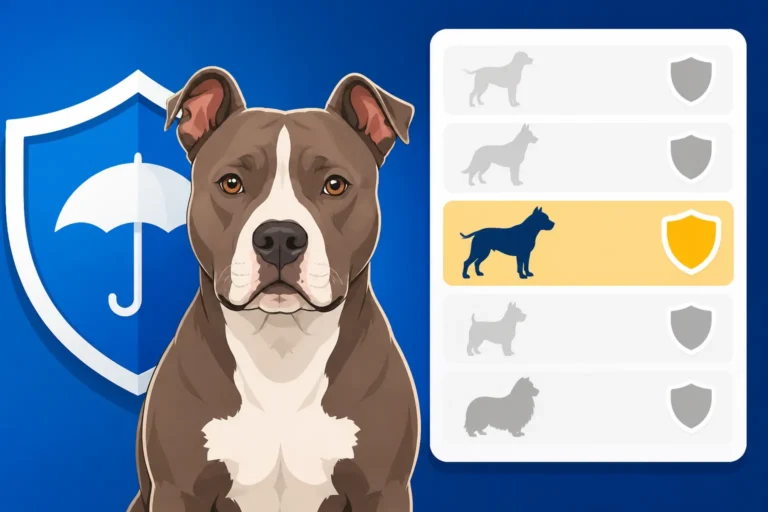
The reasoning behind these policies is multifaceted and, from a business perspective, often tied to liability and public perception. Many commercial dog care facilities, like Healthy Paws (a pet insurance company, not a boarding facility, but helps underscore liability concerns that drive these policies) or local boarding kennels, operate under strict insurance mandates. These mandates frequently list certain breeds, including Pit Bulls, as "high risk," leading to higher premiums or even a refusal of coverage if those breeds are accepted. For a small business, absorbing this increased cost or facing potential lawsuits without adequate coverage is simply not an option.
Beyond insurance, there's the genuine concern for the safety of all dogs and staff. While we know our Pit Bulls are typically gentle, a facility must consider the potential for any dog-on-dog conflict and how the public might react if a Pit Bull were involved, even if it wasn't at fault. The perceived strength and reputation of Pit Bulls mean that even a minor scuffle could be blown out of proportion, damaging a facility's reputation. This leads to an unfortunate situation where responsible owners and well-behaved dogs are penalized due to the actions of a few, or simply due to fear and misunderstanding. Understanding these underlying reasons, however unfair they may seem, can help you approach conversations with potential care providers more effectively.
Navigating Breed-Specific Policies
Dealing with breed-specific policies requires a proactive, informed, and often patient approach. It’s not just about finding a facility; it’s about presenting your Pit Bull in the best possible light and demonstrating that they are a well-adjusted, safe member of society.
Researching Local Laws and Facility Guidelines
Before you even start calling around, do your homework. Pit Bull owners are all too familiar with local breed-specific legislation (BSL) affecting their ability to live in certain areas, and these laws can also impact commercial dog services. Some cities might have bans or restrictions that make it impossible for any facility within those city limits to accept certain breeds, regardless of their individual policies. Checking for Where Pit Bull Legislation Still Applies in your area is a crucial first step. Websites for your city or county often list animal control ordinances, which can provide insight into the local landscape.
Once you understand the local legal framework, you can begin researching individual facilities. Don't rely solely on their website; sometimes policies are not explicitly stated online. A direct, polite phone call or email is best. When you call, introduce yourself and your dog, mention their breed, and ask directly about their breed-specific policies. Be prepared for a "no," but also listen carefully for places that might have conditional acceptance. Some facilities might require a temperament test, a certain training certification, or a specific veterinary history. Understanding these nuances can save you a lot of time and frustration, helping you quickly identify establishments that are truly Pit Bull-friendly or, at least, open to evaluation.
Proving Your Pit Bull's Good Nature
This is where your advocacy for your Pit Bull really shines. Many facilities that initially hesitate might be swayed by concrete evidence of your dog's excellent temperament and training. The Canine Good Citizen (CGC) certification is an invaluable tool here. A dog with a CGC title has proven their reliability in ten different real-world scenarios, demonstrating good manners and responsiveness to commands. Earning a Canine Good Citizen and Why It Matters for a Pit Bull can be a game-changer, as it provides objective proof of your dog's training and socialization. Presenting a copy of this certificate to a potential daycare or boarder can often open doors that would otherwise remain closed.
Beyond formal certifications, compile a "résumé" for your Pit Bull. This might include:
- Letters of Recommendation: Ask your vet, dog trainer, or even trusted neighbors to write a brief letter attesting to your dog's friendly nature and good behavior.
- Training Records: Document any puppy classes, obedience training, or specialized courses your dog has completed.
- Socialization History: Be ready to discuss your dog's positive interactions with other dogs and people. If you've diligently worked on Socializing a Pit Bull Puppy Thoroughly, highlight these efforts.
- Veterinary History: Provide records showing regular check-ups, up-to-date vaccinations, and proof of spay/neuter. A healthy dog is often seen as a less risky dog.
When you do get an opportunity for a temperament test, make sure your Pit Bull is well-exercised but not exhausted, and in a calm, responsive mood. Demonstrate their leash manners – a dog that knows Pit Bull Leash Manners and Physical Strength is much easier for staff to manage. Your calm confidence as an owner will also go a long way in reassuring staff.
| Care Option | Pit Bull Friendliness | Typical Cost (per day) | Pros | Cons |
|---|---|---|---|---|
| Traditional Daycare | Low to Medium | $30 – $60 | Socialization, supervision | Breed restrictions common, group dynamics |
| Traditional Boarding | Low to Medium | $40 – $80 | Overnight care, kennels | Breed restrictions common, unfamiliar environment |
| In-Home Pet Sitter | High | $50 – $100+ | Dog stays home, personalized attention | Can be expensive, finding reliable sitters |
| Private Boarder | High | $40 – $70 | Home environment, fewer dogs | Limited availability, trust is key |
| Friends/Family | Very High | Free to Low | Known environment, trusted individuals | Can strain relationships, limited availability |
Exploring Alternative Care Solutions
Given the hurdles with traditional facilities, many Pit Bull owners have become experts at finding alternative, often superior, care options that prioritize individual dog needs over breed stereotypes. These solutions often provide a more personalized and less stressful experience for your dog.
The Benefits of In-Home Pet Sitting
For many Pit Bulls, especially those who thrive on routine and comfort, an in-home pet sitter is a fantastic option. Instead of being kenneled in an unfamiliar place with a rotating cast of barking dogs, your Pit Bull gets to stay in their own home, surrounded by their familiar smells and routines. A professional pet sitter will visit your home multiple times a day, or even stay overnight, to feed, walk, play with, and administer any necessary medications to your dog. This continuity can significantly reduce stress and anxiety, particularly for dogs who might be prone to separation anxiety or those who don't do well in noisy, busy environments.
The personalized attention an in-home sitter provides is invaluable. They can follow your specific instructions for feeding, exercise, and play, ensuring your Pit Bull's unique needs are met. This also means your dog isn't exposed to potential illnesses from other dogs, which can be a concern in group settings. Furthermore, having someone stay at your home can offer added security for your property while you're away. Websites like Rover and Wag! allow you to search for and vet sitters in your area, read reviews, and even conduct meet-and-greets before committing. Remember to be upfront about your Pit Bull's breed during your initial contact; a good sitter will be open to meeting your dog and assessing if they are a good fit, rather than dismissing them based on breed alone.
Private Boarding and Cultivating a Trusted Network
Another excellent alternative is private boarding, often run by individuals out of their homes. These setups tend to be smaller, more intimate, and less likely to have strict breed restrictions compared to large commercial kennels. Many private boarders are dog lovers who prefer to host a few dogs in a home-like environment, offering a cozy alternative to a traditional kennel. You might find these individuals through local dog clubs, veterinary recommendations, or online platforms. The key here is trust – you're essentially entrusting your dog to someone who will treat them as part of their family for a short period. Always ask for references, schedule a visit to their home, and observe how they interact with your dog and any other dogs present.
Beyond professional services, don't underestimate the power of your personal network. Many Pit Bull owners build a strong community of like-minded friends, family, and fellow dog enthusiasts who are open to helping each other out. Perhaps a friend also has a Pit Bull and understands the challenges, or a family member enjoys having a temporary canine companion. This kind of trusted network can provide invaluable support for short-term care or even longer boarding needs. Remember to offer to reciprocate, fostering a strong, mutually beneficial relationship. For instance, if you're exploring dietary options like those offered by Ollie, which specializes in fresh dog food, a trusted friend might be more willing to continue that specialized feeding regimen than a large, busy commercial kennel.
Preparing Your Pit Bull for a Positive Experience
No matter which care option you choose, ensuring your Pit Bull is well-prepared is paramount for their safety, comfort, and acceptance by caregivers. This preparation goes beyond just packing their food; it involves consistent training and diligent health management.
The Importance of Solid Training and Socialization
A well-trained and properly socialized Pit Bull is not only a joy to live with but also a far more welcome guest in any care setting. Facilities, especially those that are initially hesitant, will be much more amenable if your dog demonstrates impeccable manners. This means reliable recall, solid leash etiquette (especially important for a strong dog – imagine a caregiver trying to manage a Cruciate Tears in a Pit Bull That Pulls Hard, for example), and appropriate greetings with both people and other dogs. Consistent positive reinforcement training is key. Enroll in group classes to expose your dog to different environments and distractions, reinforcing their good behavior in varied settings.
Socialization, however, is more than just letting your dog meet others. It's about ensuring they have positive experiences in a controlled and safe manner. Exposing your Pit Bull to various sights, sounds, people, and appropriate canine companions from a young age helps build their confidence and adaptability. A dog that is comfortable and calm in new situations, rather than fearful or overly excitable, will have a much smoother transition into a daycare or boarding environment. If you've been consistent with training and socialization, you'll find that caregivers are much more confident in their ability to manage and enjoy your Pit Bull. Remember, the goal is to make your dog an ambassador for their type.
Essential Health Records and Preventative Care
Before your Pit Bull steps paw into any boarding or daycare facility, their health records must be meticulously up-to-date. Most reputable facilities will require proof of current vaccinations, including rabies, distemper/parvovirus, and often kennel cough (Bordetella). It's also common for them to require proof of a negative fecal test and year-round parasite prevention, covering heartworm, fleas, and ticks. If your Pit Bull is a puppy, ensure they are on a proper Pit Bull Puppy Vaccination and Parvovirus schedule and have received all necessary boosters before their stay.
Discuss your dog's health with your veterinarian well in advance of their stay. Inform the facility of any existing medical conditions, allergies (such as Pit Bull Skin Allergies and the Atopy Pattern), or medications your dog needs. Provide clear, written instructions for medication administration, including dosages and times. A healthy dog is a happy dog, and demonstrating your commitment to their well-being will reassure care providers that your Pit Bull is not only safe to be around but also well-cared for. Ensure your vet has your emergency contact information, and consider providing the facility with your vet's contact too, in case of any issues during their stay.
What to Look for in a Potential Care Provider
Finding the right care provider for your Pit Bull is about more than just finding someone who accepts them. It's about finding a place that understands, respects, and prioritizes their well-being. Don't be afraid to be thorough in your vetting process.
Key Questions About Safety and Supervision
When you're interviewing potential daycares, boarders, or sitters, safety should be at the top of your list. For group settings, ask about their staff-to-dog ratio. A lower ratio means more individualized attention and better supervision, which is crucial for preventing conflicts. Inquire about their procedures for introducing new dogs to the pack. A gradual, controlled introduction process is far safer than simply throwing new dogs into a bustling playgroup. Ask how they handle disagreements between dogs – do they intervene quickly and appropriately, using positive methods to separate and redirect, or do they allow dogs to "work it out" in a way that could escalate?
Emergency preparedness is another non-negotiable. What is their protocol if a dog gets sick or injured? Where is the nearest veterinary emergency clinic, and do they have a relationship with them? How will you be contacted in an emergency? Do they have staff trained in pet first aid and CPR? For individual sitters, ensure they have reliable transportation in case of a veterinary emergency. Also, ask about their facility's security measures – are gates always double-latched, are yards fully fenced and secure, and what happens if a dog tries to escape? These questions, though perhaps uncomfortable to ask, are vital for your peace of mind.
Assessing the Environment and Staff Expertise
Beyond safety protocols, observe the environment and the people who will be caring for your Pit Bull. When you visit a facility, does it appear clean and well-maintained? Are the indoor and outdoor play areas appropriate and safe for active dogs? Does it seem overly chaotic or is there a calm, controlled energy? Watch the staff interact with the dogs – do they seem engaged, patient, and knowledgeable about dog behavior? Do they use positive reinforcement, or do you see signs of punitive methods that could cause stress or fear in your Pit Bull?
Pay close attention to how they respond to your questions about Pit Bulls specifically. Do they seem genuinely experienced with the breed, or do their answers suggest they're operating from stereotypes? A truly experienced and compassionate caregiver will understand the nuances of the breed's temperament, its physical needs (like needing robust exercise), and potential sensitivities. They should be able to articulate how they handle different play styles and temperaments, ensuring all dogs have a positive experience. If you find a trainer experienced with Pit Bulls, they can often offer recommendations for boarding or daycare facilities that share their progressive and breed-aware philosophy.
Budgeting for Pit Bull Boarding and Daycare
Let's be honest, pet care isn't cheap, and adding breed-specific challenges can sometimes mean you're looking at higher costs or more limited, specialized options. It’s important to factor these potential expenses into your overall budget for your Pit Bull.
Understanding the Price Tags for Specialized Services
When you're dealing with breed restrictions, the most economical, large-scale facilities might be off-limits. This often steers Pit Bull owners towards smaller, more personalized options like private home boarders or in-home pet sitters, which can come with a higher price tag. While a large commercial kennel might charge $40-$60 per night for boarding, a dedicated in-home sitter or private boarder might charge anywhere from $50 to $100+ per day, depending on the services (e.g., overnight stays, multiple visits, medication administration) and your location. Daycare rates can also vary significantly, from $25-$50 for a full day.
It's not just the daily rate; consider other potential costs. Many facilities charge extra for administering medication, providing special diets, or for "extra" playtimes. If your Pit Bull has Pit Bull Skin Allergies and the Atopy Pattern, for example, and requires specific baths or ointments, factor in any additional fees for these services. Some sitters may charge travel fees if you're outside their usual service area. When comparing options, get a full breakdown of all potential costs to avoid surprises. Remember that while the upfront cost might seem higher, the peace of mind and the personalized care your Pit Bull receives from a truly understanding provider can be priceless.
How Pet Insurance Can Help with Unforeseen Costs
While pet insurance typically doesn't cover routine boarding or daycare fees, it becomes invaluable if your Pit Bull experiences an unexpected illness or injury while in the care of another person. Imagine your dog twists an ankle during play at daycare or develops a sudden stomach upset while boarding – veterinary bills can quickly add up. Having pet insurance, especially from providers like Healthy Paws or similar companies, can alleviate the financial strain of these unforeseen circumstances. Just make sure to research Pit Bull Pet Insurance and Breed Exclusions, as some policies might have specific clauses.
When selecting a pet insurance plan, pay close attention to the deductible, reimbursement percentage, and annual limits. If your Pit Bull has a history of certain health issues, like common orthopedic problems or skin conditions, ensure your chosen policy offers comprehensive coverage for these areas (assuming they aren't pre-existing conditions). While it won't cover the boarding itself, it means you won't have to worry about an emergency vet bill on top of your travel expenses or work commitments. Many policies allow you to choose your vet and offer direct reimbursement, making the process smoother. Considering the total What a Pit Bull Costs a Year With Allergies, pet insurance is a smart investment for comprehensive care.
Disclaimer
This article is intended for informational purposes only and does not constitute professional veterinary advice. Always consult with a qualified veterinarian or certified dog trainer for specific advice regarding your Pit Bull's health, training, and care needs. Breed-specific legislation and facility policies can vary widely by location and may change; always verify current regulations and policies directly with local authorities and individual care providers.