Keeping a Pit Bull Insured Past Twelve
It’s a tough truth that as our beloved Pit Bulls reach their golden years, the joy of their enduring companionship often comes with the nagging worry about their health and, let’s be honest, the rising vet bills. Keeping a Pit Bull insured past twelve years old can feel like navigating a minefield of policy exclusions, soaring premiums, and confusing terms. This guide is here to walk you through the realistic challenges and practical strategies for maintaining valuable pet insurance coverage for your senior Pit Bull, giving you peace of mind as they enjoy their second decade.
The Reality of Aging Pit Bulls and Insurance
Watching our powerful, energetic Pit Bulls slow down is an emotional journey, and it’s one that insurance companies unfortunately factor into their risk assessments. What might have been an easy policy to secure for a young pup can become a complex landscape as they age.
Why Age Becomes a Factor in Pet Insurance
Insurance, at its core, is about managing risk. As our Pit Bulls age past twelve, their risk of developing serious health issues like arthritis, heart conditions, or various cancers naturally increases. Think about it from the insurer's perspective: a young, healthy Pit Bull is statistically less likely to incur significant medical costs than an older dog. This isn't just a Pit Bull thing; it's true for all breeds. Many providers will have an age limit for new policies, often around 8 or 9 years old, making it incredibly difficult to get comprehensive coverage if your dog isn't already insured. Even if they are, premiums will almost certainly climb year after year to reflect that increased risk. It’s a frustrating reality for dedicated pet parents who just want to ensure their loyal companions are cared for.
Pre-Existing Conditions and What They Mean for Coverage
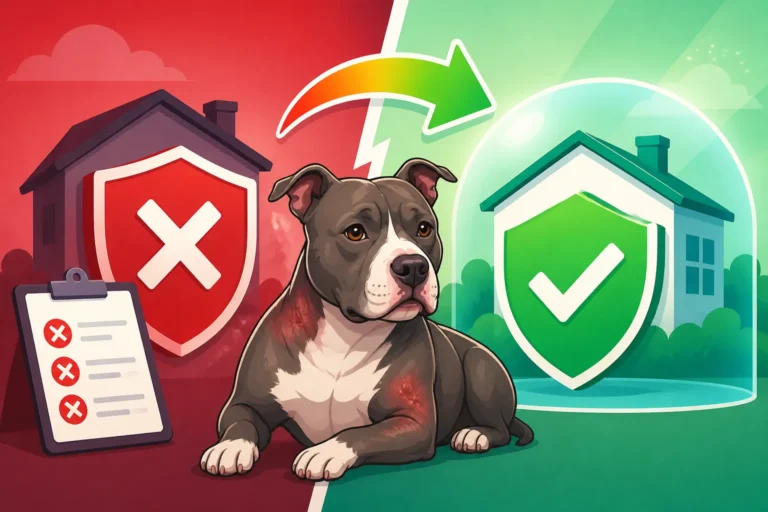
This is perhaps the biggest hurdle for older Pit Bulls. Any health issue diagnosed before you apply for a policy or before the waiting period for a new policy ends is considered a pre-existing condition. And here’s the kicker: most, if not all, pet insurance companies will not cover expenses related to pre-existing conditions. If your Pit Bull was diagnosed with something like Pit Bull Hip Dysplasia Showing at One to Two Years, or even a chronic skin issue like Pit Bull Skin Allergies and the Atopy Pattern years ago, treatments for these specific conditions will likely be excluded from any new policy, and potentially even from a renewed policy if the terms change significantly.
This means if you've had continuous coverage since your Pit Bull was young, you're in a much better position. That policy, assuming you don't let it lapse, will typically continue to cover conditions that developed after the initial enrollment and waiting periods, even if your dog is now an elder statesman. This is a huge reason why early enrollment is so critical.
Navigating Policy Changes for Senior Pit Bulls
Even if you’ve been diligent about maintaining coverage, the landscape of your policy is likely to shift as your Pit Bull matures into their senior years. Understanding these changes is crucial to avoid unpleasant surprises.
Understanding Policy Renewals and Deductibles
Every year, your pet insurance policy renews, and this is when insurers re-evaluate the risk associated with your dog. For senior Pit Bulls, this often means an increase in your monthly or annual premium. It’s not uncommon for these increases to feel substantial. You might also find that your deductible, the amount you pay out-of-pocket before your insurance kicks in, is adjusted upwards. Some policies may even introduce co-payment changes, meaning the percentage the insurer covers might decrease, leaving you responsible for a larger portion of the bill. For example, a policy that covered 90% when your Pit Bull was five might only cover 70% when they're thirteen. It’s a subtle but impactful shift that can really affect your budget when you’re facing significant vet bills for conditions like Cancers That Show Up in an Older Pit Bull.
The Impact of Dropped Coverage
One of the most concerning scenarios is dropping coverage, even for a short period. If you decide to cancel a policy due to rising costs, or if you simply forget to renew it, you'll find it almost impossible to get new comprehensive coverage for an older Pit Bull. Any condition your dog has developed in the interim, from a mild Arthritis in a Pit Bull at Seven to something more serious like Pit Bull Heart and Thyroid Conditions, will immediately become a pre-existing condition, effectively eliminating coverage for those ailments under a new policy.
The best advice here is to never let your policy lapse if you can help it. Even if the premiums feel high, the alternative of facing catastrophic vet bills with no insurance is often far more financially crippling. It's a tough pill to swallow, but continuous coverage for your aging Pit Bull is your best defense against unexpected medical costs.
Strategies for Maintaining Coverage as Your Pit Bull Ages
Facing those annual premium hikes can be disheartening, but there are proactive steps you can take to try and manage costs and ensure your senior Pit Bull still has some form of financial safety net.
Reviewing Your Current Policy Thoroughly
Before you do anything else, grab your current policy and read every single word, especially the fine print regarding age clauses and renewals. Look for specific language about:
- Age Limits: Does your current policy have an upper age limit for continuing coverage? Most reputable pet insurance companies that offer continuous coverage will not drop you solely because of age if you've been a long-standing customer, but it's vital to confirm.
- Premium Calculation: Understand how your premium is calculated each year. Is it a fixed increase, or based on claims history and breed-specific risks?
- Deductible and Reimbursement Changes: Note any clauses that allow the insurer to change these upon renewal.
- Lifetime Caps: Does your policy have a maximum amount it will pay out over your Pit Bull’s lifetime? This is particularly important for dogs that might face chronic conditions requiring ongoing care.
If you’re unclear about anything, call your provider. A good customer service representative should be able to explain how your policy will evolve as your Pit Bull ages. Some companies, like Healthy Paws, are known for their customer service and can help clarify these points.
Considering Accident-Only Plans
If comprehensive coverage becomes financially unfeasible, or if your Pit Bull develops too many pre-existing conditions to make a full policy worthwhile, an accident-only plan could be a viable alternative. These plans are typically much cheaper and will cover injuries from accidents such as broken bones, swallowed objects, or car-related incidents. While they won't help with illnesses like cancer or diabetes, they can still prevent a huge financial shock if your older Pit Bull, despite their age, gets into an unfortunate accident. It's not ideal, but it's better than no coverage at all, especially considering how active many Pit Bulls remain well into their senior years.
Exploring Alternative Options
Sometimes, traditional pet insurance for an older dog just isn't the right fit. In these cases, it's smart to explore other avenues:
- Self-Insurance/Pet Savings Account: Open a dedicated savings account and deposit what you would have paid in premiums each month. This way, you have a fund specifically for vet emergencies. The downside, of course, is that a major, unexpected expense early on could deplete your fund before it’s grown substantial.
- Veterinary Discount Plans: Some vet clinics or third-party providers offer discount plans for a monthly or annual fee. These typically provide a percentage off services, but they are not insurance.
- Financial Assistance Programs: Non-profits like The Pet Fund or RedRover offer financial aid to pet owners facing expensive veterinary care. These are usually need-based and can be a lifeline in dire situations.
- Credit Options: Veterinary credit cards, like CareCredit, offer deferred interest or low-interest payment plans for pet health expenses. This isn't insurance, but it provides a way to manage large bills over time.
For routine needs and preventative care, even without full insurance, you can still find good value. Online retailers like Chewy often have pharmacy sections where you can get prescriptions filled for less than your vet's office, and they frequently offer discounts on senior-specific foods or joint supplements. Similarly, brands like Ollie deliver fresh, human-grade meals that can be tailored to an older Pit Bull’s dietary needs, potentially mitigating some health issues down the line.
Key Considerations When Insuring an Older Pit Bull
When you're trying to keep a Pit Bull insured past twelve, it’s not just about the premium. There are specific policy features and elements you need to pay close attention to, as they can significantly impact the value and effectiveness of your coverage.
Lifetime Limits and Annual Caps
Many pet insurance policies, especially older ones or those with lower premiums, come with either an annual cap or a lifetime limit on payouts. An annual cap means there's a maximum amount the insurer will pay out in a single policy year. If your senior Pit Bull develops a chronic illness requiring extensive diagnostics, medications, and perhaps specialist visits, you could easily hit this cap. For example, treatment for a serious condition like Pit Bull Heart and Thyroid Conditions can quickly rack up thousands of dollars.
A lifetime limit is even more restrictive, setting a maximum amount the insurer will pay over the entire course of your dog’s life. For a Pit Bull that lives to a ripe old age, potentially to sixteen or beyond, and accrues various age-related ailments, a lifetime limit could be exhausted, leaving you fully responsible for subsequent costs. When reviewing policies or renewing, always check these caps. If your current policy has one, consider if it’s sufficient given the potential costs of caring for an older dog, which can include managing Pit Bull Joint and Ligament Injuries or other chronic pain conditions.
Understanding Wellness Plans Versus Full Coverage
It’s important to distinguish between a comprehensive accident and illness policy and a wellness plan.
- Full Coverage (Accident & Illness): This is what most people think of as pet insurance. It covers unexpected events like accidents (broken bones, ingestions) and illnesses (infections, cancer, diabetes). For older Pit Bulls, these policies are invaluable, covering the big, scary, unexpected costs.
- Wellness Plans: These are add-ons or separate plans designed to cover routine care like annual check-ups, vaccinations, parasite prevention, and sometimes even dental cleanings. While great for budgeting routine costs, they do not cover unforeseen accidents or illnesses.
For an older Pit Bull, while wellness plans can help spread the cost of preventative care (and routine check-ups are vital for monitoring issues like Pit Bull Dental Disease and Hard Chewing or identifying early signs of A Pit Bull Confused in Rooms It Knows), your priority should still be robust accident and illness coverage. The truly financially devastating events are usually sudden illnesses or major accidents, not routine check-ups.
The Importance of a Detailed Health History
When an insurance company assesses your older Pit Bull for a new policy, or even during an annual renewal, your dog's complete health history is paramount. Every vet visit, every diagnosis, every medication prescribed is documented. This history is what underwriters use to identify pre-existing conditions and to determine risk.
If you are considering switching providers – which is often difficult and rarely beneficial for an older dog due to pre-existing conditions – be prepared for a thorough review of medical records. Missing records or gaps in care can raise red flags for insurers. That's why consistent veterinary care throughout your Pit Bull's life is not only good for their health but also critical for maintaining insurable status. Regularly scheduled check-ups, as outlined in guides like How Often a Ten Year Old Pit Bull Needs Checking, provide a clear, continuous record that can be invaluable when dealing with insurance companies.
| Coverage Type | What it Typically Covers | Pros for Senior Pit Bulls | Cons for Senior Pit Bulls |
|---|---|---|---|
| Comprehensive A&I | Accidents, illnesses (cancers, diabetes, infections) | Covers major, unexpected costs; best peace of mind | Higher premiums; pre-existing conditions excluded; may have age limits for new policies |
| Accident-Only | Injuries from accidents (fractures, lacerations) | More affordable; good for active seniors; no illness exclusions | Does not cover illnesses, which are common in older dogs |
| Wellness Plan | Routine exams, vaccinations, parasite control | Helps budget for preventative care; keeps records current | Not actual insurance; does not cover accidents or illnesses |
| Self-Insurance Fund | Any vet bill you pay from your savings | Complete control over funds; no exclusions or premiums | Requires discipline to save; fund may be insufficient for catastrophic events |
Ultimately, keeping your Pit Bull insured past twelve is about balancing the rising costs with the potential financial burden of uncovered veterinary care. It requires diligence, careful policy review, and sometimes, creative financial planning. The love we have for our senior companions often outweighs these complexities, reminding us that every effort is worth it to give them the comfortable, healthy golden years they deserve.
Disclaimer
Please note that this article provides general information and guidance regarding pet insurance for senior Pit Bulls. Insurance policies vary significantly between providers and individual plans. It is crucial to read your specific policy documents carefully, consult with your insurance provider, and consider seeking advice from a financial advisor or veterinary professional to make informed decisions tailored to your situation and your dog's health needs. Insurance terms, conditions, and offerings can change, so always verify the most current information.