Medicated Shampoo Costs for a Pit Bull
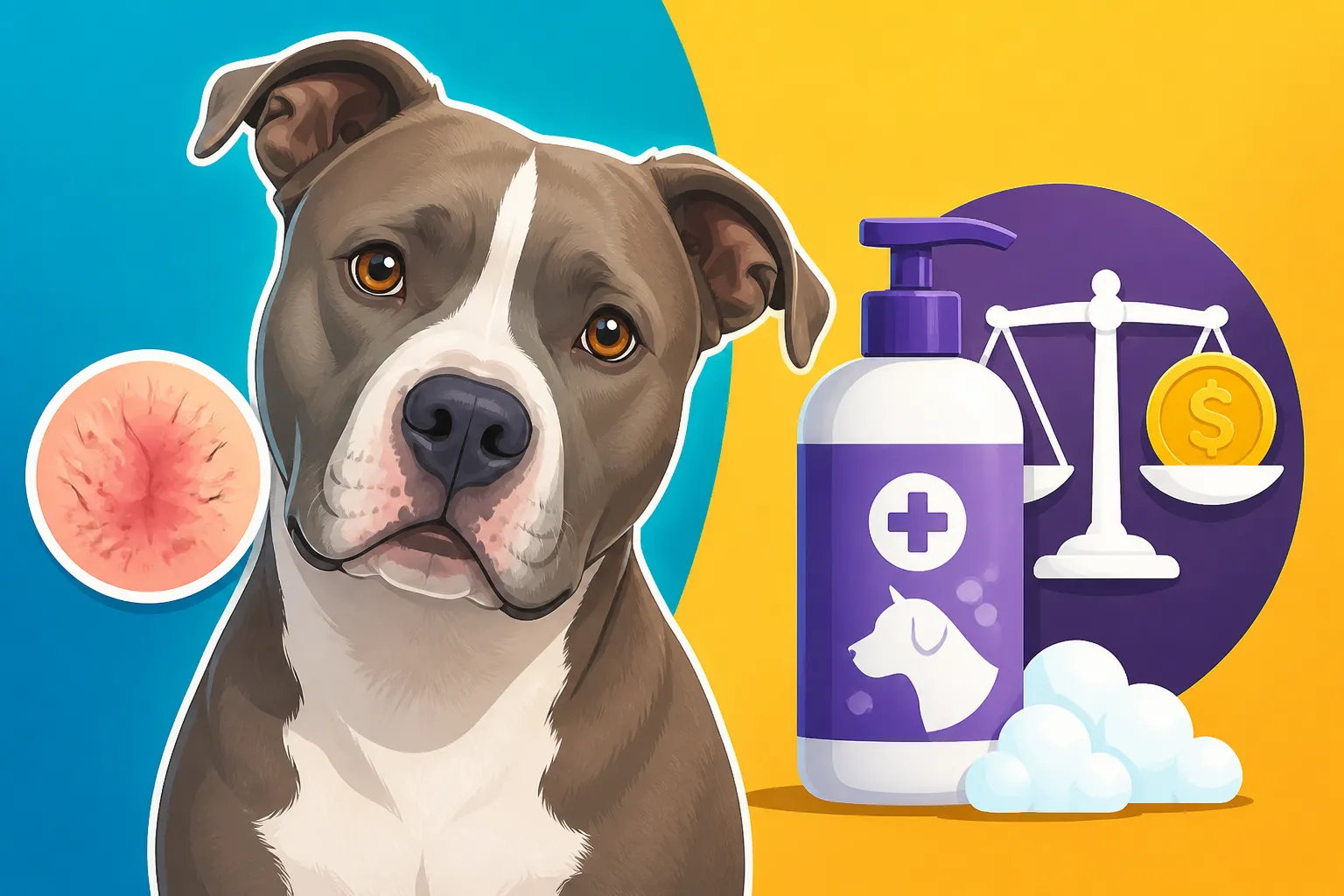
Anyone who shares their home with a Pit Bull knows their incredible loyalty and zest for life. But let's be honest, many of us also know the unique challenges that come with their skin! Those short, sleek coats can hide a multitude of sensitivities, leading to endless scratching, redness, and those dreaded hot spots. When your beloved Pibble starts itching, medicated shampoos often become a non-negotiable part of their routine, and the costs can really add up. This guide is here to walk you through exactly what to expect when it comes to medicated shampoo costs for your Pit Bull, from the price per bottle to related expenses and strategies for keeping those bills manageable.
Understanding Why Medicated Shampoo is a Must-Have for Pit Bulls
It's a frustrating reality for many Pit Bull owners: their dogs often seem predisposed to skin issues. One minute your pup is happily zooming around the yard, and the next, they're furiously licking their paws or rubbing their face raw against the carpet. This isn't just an occasional inconvenience; for many Pit Bulls, skin problems are chronic and require consistent management, with medicated shampoos often playing a starring role. Understanding why these specialized washes are so important is the first step in appreciating their value, even when your wallet feels the pinch.
Common Pit Bull Skin Conditions Requiring Medicated Washes
Pit Bulls, and many bully breeds, seem to be magnets for certain dermatological issues. The most common culprit is often allergies. We're talking about environmental allergies, often called atopy, where things like pollen, dust mites, or mold spores send their immune system into overdrive. This can manifest as itchy skin, redness, paw licking, and ear infections. You might notice your dog constantly scratching their belly, inner thighs, or ears, leading to further irritation. For a deeper dive into these issues, check out our article on Pit Bull Skin Allergies and the Atopy Pattern.
Beyond allergies, Pit Bulls can also suffer from bacterial or yeast infections that pop up when their skin's natural defenses are compromised. These can be primary issues, but more often, they are secondary infections that develop because of all the scratching and licking from allergies. You might see pustules, crusts, or a greasy coat with a distinct, yeasty smell, particularly in skin folds or between their toes. Conditions like pyoderma (bacterial skin infection) and malassezia dermatitis (yeast infection) are frequent visitors in allergic Pit Bulls, and they absolutely demand specialized medicated shampoos to get under control. Without these, the infection can fester and spread, making your dog even more miserable.
The Cycle of Skin Irritation and Secondary Infections
It’s a vicious cycle that many Pit Bull owners are all too familiar with. Your dog starts itching due to an allergen, maybe some seasonal pollen, or even a food sensitivity. They scratch, chew, and lick the area, trying to relieve the discomfort. But this constant trauma damages the skin barrier, creating tiny breaks and inflammation. Suddenly, the perfect environment exists for opportunistic bacteria and yeast to move in and set up shop. Before you know it, what started as a simple itch has spiraled into a full-blown secondary infection, characterized by redness, odor, scabs, and sometimes even hair loss.
Once these secondary infections take hold, regular shampoo simply won't cut it. Medicated shampoos are formulated with active ingredients designed to target and eliminate these bacterial or fungal culprits. They help to break the cycle by reducing the microbial load on the skin, allowing the skin to heal and the itching to subside. Without them, you're constantly fighting a losing battle, and your Pit Bull remains uncomfortable, often leading to more intense scratching and even behavioral changes due to chronic discomfort. This is also why getting to the root cause, whether it's through careful diet changes for Food Allergies Behind Pit Bull Itching or managing environmental triggers, is so important alongside symptomatic relief.
Breaking Down Medicated Shampoo Costs
Now, let's get down to the brass tacks: what kind of money are we actually talking about for these specialized shampoos? It's not a one-size-fits-all answer, as the cost can vary significantly based on the active ingredients, brand, bottle size, and where you purchase it. But having a clear idea of the potential price tags will help you budget for your Pit Bull's ongoing skin care needs.
Price Ranges for Different Types of Medicated Shampoos
Medicated shampoos aren't just one product; they come with different active ingredients designed to tackle specific problems. Generally, you'll find shampoos for bacterial infections, fungal (yeast) infections, or those that combine ingredients for both. There are also soothing shampoos designed to calm irritated skin and reduce itching, even if an infection isn't present.
- Antiseptic/Antibacterial Shampoos: These often contain ingredients like chlorhexidine or benzoyl peroxide. They're excellent for targeting bacterial skin infections (pyoderma). You might find a good quality 12-16 oz bottle ranging from $20 to $40. Brands like Douxo S3 Pyo or Malaseb are common veterinary recommendations, and they tend to be on the higher end of this scale.
- Antifungal Shampoos: Ingredients like miconazole or ketoconazole are key here, combating yeast and fungal issues. Again, a 12-16 oz bottle could set you back anywhere from $25 to $45. Some shampoos combine antifungal and antibacterial agents, making them a good all-around choice for mixed infections.
- Tar/Sulfur Shampoos: These older formulations can be effective for seborrhea (oily, flaky skin) and some parasitic issues, but they have a distinct smell and can be drying. They tend to be more affordable, in the $15-$30 range for a similar size.
- Hypoallergenic/Soothing Shampoos: While not strictly "medicated" in the antibacterial/antifungal sense, these often contain oatmeal, aloe vera, or ceramides to restore skin barrier health and reduce itch. They're often used in conjunction with true medicated washes or for maintenance. Prices are usually comparable to antiseptic shampoos, around $20-$35.
You can often find these specialized shampoos through your veterinarian, who might carry specific brands they trust, or through online retailers like Chewy. Websites like Chewy frequently offer a wider selection and competitive pricing, sometimes even with subscription discounts.
Factors Influencing Medicated Shampoo Pricing
Several factors play into the final cost you'll see for medicated shampoos. It's not just about the active ingredient; the brand, concentration, and where you buy it all make a difference.
Firstly, brand reputation and veterinary backing often correlate with a higher price point. Companies that invest heavily in research and development, producing products recommended by dermatologists, will naturally charge more. These shampoos are often pharmaceutical-grade, ensuring consistent and effective concentrations of the active ingredients. Secondly, the concentration of the active ingredients matters. A shampoo with a higher percentage of chlorhexidine, for instance, might be more potent and thus more expensive, but it might also be more effective for severe cases or allow for less frequent use.
Thirdly, bottle size is a huge factor. While a smaller bottle might seem cheaper upfront, larger "economy" sizes (e.g., 1 gallon) usually offer a much better price per ounce if you know you'll be using it regularly. However, the initial outlay for a large bottle can be significant, sometimes over $100. Finally, the point of purchase impacts the cost. Your vet's office might sell a bottle for slightly more due to overhead, but they also provide expert guidance. Online pet supply stores like Chewy often have lower prices due to their larger volume and reduced overhead, but you need to know exactly what you're looking for. Some specialty pet boutiques might even carry high-end natural medicated options, which can also be pricier.
How Often You'll Need to Buy New Bottles
This is where the actual cost of medicated shampoo can really add up over time. It's not just the one-off purchase; it's the recurring need. For active infections, your vet might recommend bathing your Pit Bull 2-3 times a week initially. Depending on the size of your dog and the lathering properties of the shampoo, a 12-16 oz bottle might only last a few weeks during an acute flare-up.
Once the infection is under control, the frequency often reduces to once a week or every other week for maintenance, especially for Pit Bulls with chronic allergies. This is crucial for preventing recurrence, as highlighted in our article on Medicated Baths for a Pit Bull With Atopy. Even at this reduced frequency, a standard bottle might only last a month or two. So, if you're looking at spending $30-$40 per bottle and buying one every 4-8 weeks, you're easily looking at $200-$500 or more per year just on shampoo. This doesn't even account for the initial veterinary visit or other treatments, making the total annual cost for a Pit Bull with allergies a significant financial commitment, as discussed in What a Pit Bull Costs a Year With Allergies.
Beyond the Bottle: Hidden Costs and Related Expenses
When your Pit Bull is struggling with skin issues, the medicated shampoo itself is often just one piece of a much larger puzzle. There are several other expenses that tend to crop up alongside those specialized washes, and it's important to factor them into your overall budget for managing your dog's dermatological health. Ignoring these related costs can lead to financial surprises and incomplete treatment plans.
Veterinary Consultations and Prescriptions
Before you even get to the shampoo aisle, you're likely going to visit the vet. Self-diagnosing skin conditions can be tricky, and what looks like a hot spot might actually be a symptom of a deeper issue like ringworm or even a more serious underlying health problem. A vet visit typically involves an examination, possibly some skin scrapings to look for mites like Demodex, or cytology to identify bacteria and yeast. These diagnostic tests are essential for ensuring you're using the right medicated shampoo. A typical vet consultation can range from $60 to $150, with additional costs for diagnostics easily adding another $50-$200 or more.
Sometimes, the medicated shampoo alone isn't enough to tackle a severe infection. Your vet might prescribe oral antibiotics or antifungals, or even steroids to reduce intense itching and inflammation. These medications come with their own price tags, which can vary widely from $30 for a short course of antibiotics to hundreds of dollars for longer-term allergy management drugs like Apoquel or Cytopoint injections. These prescriptions are often crucial for getting the skin issues under control quickly, allowing the medicated shampoo to work more effectively as a complementary treatment.
Companion Products and Tools
Giving a medicated bath isn't always a quick splash-and-rinse affair, especially with a strong Pit Bull. You'll likely need some specific tools and companion products to make the process effective and less stressful for both you and your dog. A good quality, non-slip mat for the tub is essential, as is a sturdy grooming restraint or leash attachment to keep your dog safely in place if they're not thrilled about bath time. These can range from $15 to $50.
Beyond that, many vets recommend a leave-in conditioner or topical spray after medicated baths. These products help to rehydrate the skin, restore the skin barrier, and provide additional soothing or antimicrobial action. Brands like ResiCORT or Ceramides can cost $20-$40 per bottle. Some Pit Bull owners also find specific brushes, like rubber curry brushes, helpful for working the shampoo into their short coats and removing loose hair, which might cost another $10-$20. Don't forget the endless supply of high-value treats to make bath time a positive experience – those add up too! For ongoing skin issues, your vet might also suggest Omega Oils for Pit Bull Skin and Coat as a dietary supplement, which is another recurring cost.
Professional Grooming vs. At-Home Care
While bathing your Pit Bull at home with medicated shampoo seems straightforward, it can be a wrestling match, especially if your dog dislikes baths. Some owners opt for professional grooming, but this adds another layer of cost. A basic bath and blow-dry for a Pit Bull can range from $40-$80, and if it's a specialized medicated bath, groomers might charge more, perhaps $50-$100 per session, especially if they need to use their own medicated products or follow specific instructions from your vet.
The benefit of professional grooming is that they have the right equipment (like elevated tubs and powerful dryers) and expertise to ensure the shampoo is properly applied and thoroughly rinsed, which is critical for medicated washes. Improper rinsing can leave residue that further irritates the skin. However, if your vet recommends bathing 2-3 times a week during a flare-up, professional grooming quickly becomes prohibitively expensive. This is why most Pit Bull owners learn to manage at-home medicated baths, despite the challenges. It saves money in the long run, even if it means getting soaked yourself!
Here’s a quick overview of typical medicated shampoo types and their price points:
| Shampoo Type | Common Active Ingredients | Typical Price Range (12-16 oz) | Primary Use Case |
|---|---|---|---|
| Antibacterial | Chlorhexidine, Benzoyl Peroxide | $20 – $40 | Bacterial skin infections (Pyoderma), Hot Spots |
| Antifungal | Miconazole, Ketoconazole | $25 – $45 | Yeast infections (Malassezia dermatitis) |
| Antibacterial/Antifungal Combo | Chlorhexidine + Miconazole | $30 – $50 | Mixed bacterial and yeast infections |
| Tar/Sulfur | Coal Tar, Salicylic Acid, Sulfur | $15 – $30 | Seborrhea (oily/flaky skin), some parasitic issues |
| Soothing/Hypoallergenic | Oatmeal, Aloe Vera, Ceramides | $20 – $35 | Itchy, sensitive skin, allergy relief, barrier support |
Strategies for Managing Medicated Shampoo Expenses
The recurring costs of medicated shampoos and related skin care for your Pit Bull can feel overwhelming. It’s easy to get discouraged when you see those vet bills and shampoo purchases stacking up. However, there are smart strategies you can employ to help manage these expenses without compromising your Pit Bull's health and comfort. A proactive approach, along with savvy shopping and financial planning, can make a real difference.
Buying in Bulk and Subscription Services
One of the most effective ways to reduce the per-ounce cost of medicated shampoo is to buy in larger quantities. While a gallon-sized bottle might seem like a huge investment upfront, it almost always works out to be significantly cheaper than buying multiple smaller bottles over time. For example, a 16 oz bottle might be $30, but a gallon (128 oz) could be $120-$150. That's a massive saving per ounce, especially if your Pit Bull needs consistent medicated baths for chronic issues. Just make sure the shampoo has a long shelf life.
Another excellent strategy is to utilize subscription services offered by online retailers like Chewy. Many popular medicated shampoo brands are available for auto-ship, and signing up often comes with a discount on each order (e.g., 5-10% off). This not only saves you money but also ensures you never run out, which is crucial for maintaining a consistent bathing schedule and preventing flare-ups. Imagine your Pit Bull suddenly having a major skin flare, and you're out of their specific medicated shampoo – it's a scramble you don't want to experience! Plan ahead, and let those subscription services work for you.
Considering Pet Insurance and Wellness Plans
While pet insurance won't usually cover the cost of medicated shampoo directly, it can be an absolute lifesaver for the underlying conditions that necessitate those washes. Many Pit Bulls develop allergies (atopy) or recurrent infections that require multiple vet visits, diagnostic tests, medications, and specialized treatments. These are the big bills that pet insurance, from providers like Healthy Paws, can help with. If your Pit Bull has a major flare-up, needing oral antibiotics, steroids, or even advanced allergy testing and immunotherapy, pet insurance can reimburse a significant portion of those costs, depending on your deductible and reimbursement rate.
It's important to understand that most pet insurance policies won't cover pre-existing conditions. So, if your Pit Bull already has a documented history of skin allergies, it might be challenging to get coverage for those specific issues. However, if your Pit Bull is young and healthy, enrolling them early can protect you from future unexpected health challenges, including new skin conditions that develop. Some pet insurance providers also offer optional wellness plans that can help cover routine care, including perhaps some prescription diets or regular vet check-ups that indirectly contribute to skin health. It's definitely worth looking into the details of Pit Bull Pet Insurance and Breed Exclusions to see what works best for your situation.
Preventing Flare-Ups to Reduce Reliance
The best way to save money on medicated shampoos is to need them less often! Proactive management and prevention are key to reducing the frequency and severity of your Pit Bull's skin flare-ups. This involves a multi-faceted approach to their overall health and environment.
- Environmental Control: If your Pit Bull has environmental allergies, try to minimize their exposure to known triggers. This might mean wiping their paws down after walks (as discussed in Wiping Pit Bull Paws After Grass), using air purifiers indoors, or frequent vacuuming.
- Dietary Management: For some Pit Bulls, food allergies play a significant role. Working with your vet on an elimination diet trial can identify problematic ingredients. Choosing a high-quality, limited-ingredient diet, potentially from brands like Ollie or similar fresh food services, can sometimes help reduce inflammatory responses, even if it’s not a full food allergy. This might cost more upfront for food, but it could save on vet bills and shampoo.
- Regular Maintenance: Even when your Pit Bull's skin is good, a regular bath (perhaps with a soothing, non-medicated shampoo) can help remove environmental allergens and keep the skin barrier healthy. Consistent Cleaning a Pit Bull Ear Properly can also prevent ear infections linked to skin allergies.
- Early Intervention: Don't wait until a hot spot is raging or an infection is widespread. At the first sign of excessive itching or redness, a quick medicated bath or topical treatment can often nip the problem in the bud, preventing a more severe flare-up that requires more frequent bathing and potentially oral medications. Being vigilant and proactive is truly the most cost-effective approach in the long run, and can help you with Saving Ahead of a Pit Bull Allergy Year.
By combining these strategies, you can not only manage the costs associated with medicated shampoos for your Pit Bull but, more importantly, keep your beloved companion comfortable and happy with healthy, itch-free skin.
Disclaimer
The information provided in this guide is for general informational purposes only and does not constitute veterinary advice. Always consult with a qualified veterinarian for any health concerns or before making any decisions about your Pit Bull's care, diet, or treatment. Costs mentioned are estimates and can vary by location, product, and veterinary practice.