What One Pit Bull Hip Costs to Replace
Hearing that your beloved Pit Bull is suffering from hip dysplasia can feel like a punch to the gut, especially when you start looking into treatment options and realize the significant financial commitment involved. It's a truly heartbreaking situation to see your strong, energetic companion struggling with pain and mobility issues, and the stress of wondering how you'll afford the best possible care is overwhelming. This guide is here to walk you through everything you need to know about the costs associated with Pit Bull hip replacement surgery, breaking down the expenses so you can make informed decisions for your furry family member.
Understanding Pit Bull Hip Dysplasia and Its Impact
Hip dysplasia is a condition that, unfortunately, many larger, more athletic breeds, including Pit Bulls, are predisposed to. It's not just a little stiffness; it's a developmental abnormality of the hip joint where the ball and socket don't fit or develop properly. Over time, this poor fit leads to degeneration, inflammation, and painful arthritis. For a dog known for its power and love of activity, hip dysplasia can severely diminish their quality of life, turning playful romps into agonizing efforts.
When Hip Problems Typically Emerge
Often, the first subtle signs of hip dysplasia in a Pit Bull might appear surprisingly early, sometimes as young as one to two years old. You might notice them hesitating before jumping, a slight limp after exercise, or a reluctance to use stairs. What begins as minor discomfort can progressively worsen, leading to more pronounced lameness, muscle atrophy in the hindquarters, and a general decrease in activity. Owners often dismiss these early signs, thinking it's just a sprain or growing pains, but catching it early can sometimes influence management strategies. However, the underlying issue continues to develop. If you've ever seen a young, otherwise healthy Pit Bull struggling to get up after a nap, it's truly heartbreaking. For a deeper dive into how this condition presents, you might find our article on Pit Bull Hip Dysplasia Showing at One to Two Years particularly helpful, as it outlines the initial indicators. Many owners report seeing The First Hip Signs in a Two Year Old Pit Bull and initially attributing them to something less serious, only to discover the true cause later.
Why Hip Replacement is Often Recommended
When conservative management, such as medication, supplements, and controlled exercise, is no longer enough to alleviate pain and restore function, a total hip replacement (THR) often becomes the gold standard treatment. For a muscular and active breed like a Pit Bull, maintaining good mobility is paramount to their overall well-being and happiness. THR involves surgically replacing the diseased hip joint with artificial implants, essentially giving your dog a brand new, pain-free hip. While it sounds drastic, the goal is to eliminate pain and restore excellent function, allowing your Pit Bull to run, jump, and play without the constant agony that hip dysplasia causes. This surgery is a significant commitment, but the results for suitable candidates can be life-changing, transforming a dog in chronic pain back into a vibrant companion. It's a procedure specifically designed to address the mechanical failure of the hip, making it a definitive solution for severe cases. You can read more about the specifics of this major procedure in Hip Replacement in a Muscular Pit Bull.
The Core Costs of Pit Bull Hip Replacement Surgery
Let's not sugarcoat it: a total hip replacement for a Pit Bull is a major veterinary expense. It's not a one-time fee but a sum of many individual services and components, each adding to the overall cost. Understanding where these costs come from can help you anticipate the financial journey ahead. It’s crucial to remember that these are not just arbitrary numbers; they reflect the highly specialized expertise, advanced equipment, and intensive care required for such a complex orthopedic procedure.
Pre-Surgical Diagnostics and Consultations
Before any surgeon can even consider performing a hip replacement, a thorough diagnostic workup is essential. This phase alone can involve several visits and tests. You'll likely start with your primary veterinarian, who will perform initial physical exams and perhaps take some preliminary X-rays. If hip dysplasia is suspected, they will refer you to a board-certified veterinary orthopedic specialist.
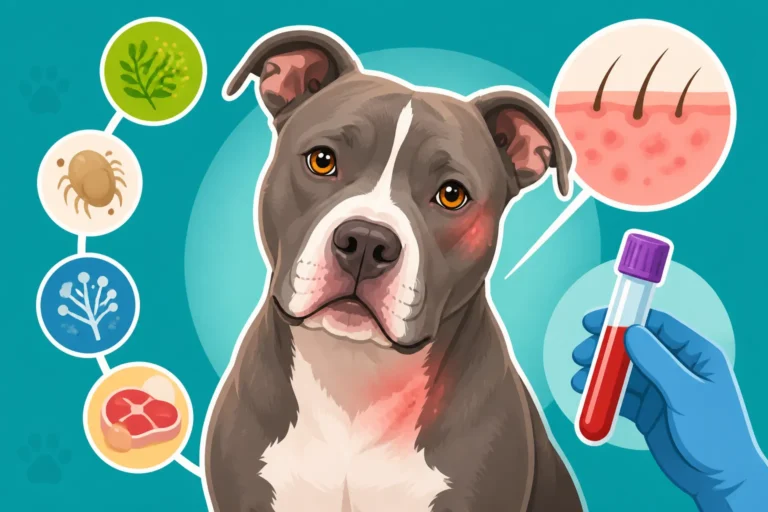
The specialist will conduct their own comprehensive exam, review existing X-rays, and likely recommend additional, more detailed imaging, possibly including sedated X-rays to get precise measurements for surgical planning. They may also require blood tests to ensure your Pit Bull is a good candidate for anesthesia and surgery, checking organ function and overall health. All these steps – consultations, diagnostic imaging, and lab work – accumulate costs before a single incision is even made. This initial diagnostic phase can range from a few hundred to over a thousand dollars, depending on the complexity of the case and the number of specialists involved.
The Surgical Procedure Itself
This is typically the largest financial component of a total hip replacement. The cost encompasses everything directly related to the actual surgery day. This includes the orthopedic surgeon's fee, which accounts for their specialized skill and many years of training. Then there are the anesthesia costs, including the medications, monitoring equipment, and the dedicated veterinary anesthetist or technician who will meticulously oversee your Pit Bull throughout the procedure.
You'll also be paying for the use of the operating room, surgical supplies, and the prosthetic implants themselves – the artificial ball and socket that will replace your dog's damaged joint. These implants are made of specialized biocompatible materials, similar to those used in human hip replacements, and are a significant part of the cost. Finally, the post-surgical hospital stay, which might be several days, contributes to this phase, as your Pit Bull will require intensive care, pain management, and close monitoring by veterinary staff around the clock. Depending on the veterinary hospital and geographic location, these core surgical fees can often fall within the $5,000 to $9,000 range per hip. If you'd been planning ahead, a comprehensive pet insurance plan, such as one from Healthy Paws, could significantly offset these astronomical costs, especially if you enrolled your Pit Bull before any signs of hip dysplasia emerged.
Post-Operative Care and Rehabilitation
The journey doesn't end when your Pit Bull comes home from surgery; in fact, the recovery period is just beginning and requires dedicated, ongoing care. This crucial phase ensures the success of the surgery and a full return to function. You'll need pain medications and anti-inflammatories to manage discomfort, which can be prescribed for several weeks or even months. There will also be a series of follow-up veterinary appointments to monitor healing, check incision sites, and remove sutures.
Physical rehabilitation is often highly recommended, if not essential, for optimal recovery. This might include structured exercises, passive range of motion, therapeutic laser treatments, or even hydrotherapy (underwater treadmill sessions) to rebuild muscle strength and improve joint mobility without putting excessive strain on the healing hip. These rehabilitation sessions can be intensive, sometimes two to three times a week for several months, and each session carries its own cost. While challenging, this commitment to post-operative care is vital for your Pit Bull to regain full function and enjoy a pain-free life. Specialty dietary supplements or even specific foods geared towards joint health, available from retailers like Chewy, might also be recommended during this recovery period to support healing and overall well-being.
Factors Influencing the Total Cost
The sticker price for a Pit Bull hip replacement isn't universal; it can fluctuate quite a bit based on a few key variables. Understanding these factors can help you prepare for the potential range of expenses. Just like human healthcare, location, specialization, and the individual complexities of the case all play a significant role in the final bill.
Geographic Location and Vet Specialization
Where you live can have a surprising impact on the cost of veterinary care, and major surgeries like hip replacement are no exception. Veterinary specialist practices in large metropolitan areas or regions with a higher cost of living (think coastal cities in California or major hubs in the Northeast) generally have higher overheads, which translates to higher prices for their services. A veterinary orthopedic surgeon in, say, Los Angeles or New York City might charge significantly more than one in a rural part of Nebraska.
Furthermore, opting for a board-certified veterinary orthopedic surgeon, which is highly recommended for a procedure as complex as a total hip replacement, will naturally incur higher fees than a general practitioner, should one offer such a specialized surgery (which is rare). These specialists have undergone extensive additional training, residencies, and rigorous examinations to achieve their certification, and their expertise is reflected in their pricing. It’s always worth asking for a detailed estimate from the specific surgical practice you are considering.
Severity of Dysplasia and Unilateral vs. Bilateral
The extent of your Pit Bull's hip dysplasia can also influence the overall cost. While the surgical technique itself is standardized, dogs with more severe joint damage, significant muscle atrophy, or other complicating factors might require more complex surgical planning or a longer, more intensive recovery period.
A critical consideration is whether your Pit Bull needs one hip replaced (unilateral) or both hips replaced (bilateral). While it's rare for both to be done simultaneously due to the intensity of recovery, many dogs with severe hip dysplasia will eventually need both hips addressed. The cost discussed so far is typically per hip. If your Pit Bull requires bilateral hip replacements, you're essentially looking at two separate, major surgeries with their own recovery periods, performed months apart. This doubles the core surgical cost and significantly extends the duration and expense of rehabilitation. It’s a huge factor in the long-term financial picture.
Potential Complications
While total hip replacement has a very high success rate, no surgery is entirely without risk. Complications, though rare, can occur and will undoubtedly add to the total cost. These might include post-operative infections, which would require additional veterinary visits, antibiotic courses, and potentially even another surgical procedure to clean the site. Implant loosening or fracture is another possible (though infrequent) complication that would necessitate revision surgery. Nerve damage, though less common, could also lead to extended physical therapy or specialized veterinary care.
Even a prolonged recovery due to slower-than-expected healing or a dog that is less compliant with activity restrictions can increase the duration and cost of rehabilitation. While it’s impossible to predict complications, it’s wise to factor in a contingency fund for unexpected challenges. Discussing these potential risks and their associated costs with your surgeon during the consultation phase is always a good idea.
Here's a generalized table to help you visualize the potential cost breakdown:
| Cost Category | Estimated Range (Per Hip) | Notes |
|---|---|---|
| Initial Diagnostics | $500 – $1,500 | X-rays, bloodwork, specialist consultations |
| Surgical Procedure | $5,000 – $9,000 | Surgeon's fee, anesthesia, implants, OR use, hospital stay |
| Post-Op Medications | $100 – $300 | Pain relief, anti-inflammatories, antibiotics |
| Physical Rehabilitation | $1,000 – $3,000+ | Multiple sessions (hydrotherapy, laser, exercises) over several months |
| Follow-up Appointments | $200 – $500 | Incision checks, suture removal, progress evaluations |
| Contingency (10-20%) | $700 – $2,000 | For unexpected complications or extended recovery |
| Total Estimated Cost | $7,500 – $16,300+ | Per hip; bilateral surgery doubles this over time |
Please remember these are general estimates and actual costs can vary significantly.
Managing the Financial Burden
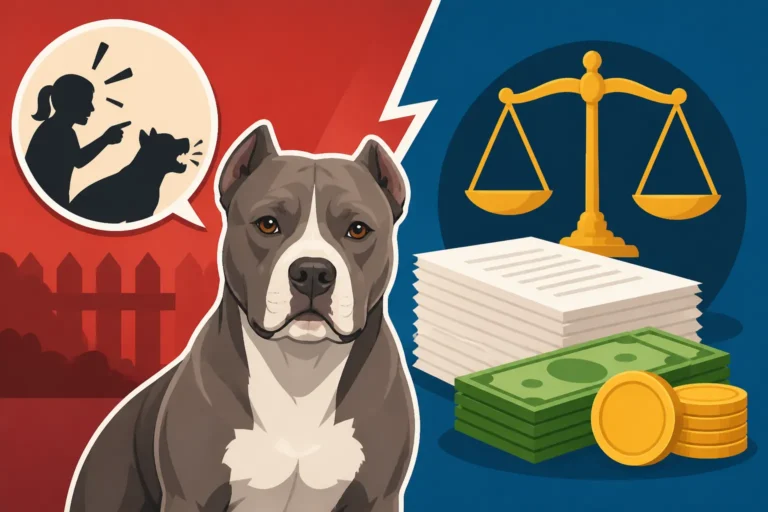
Looking at those numbers, it's easy to feel overwhelmed. For many Pit Bull owners, the cost of hip replacement isn't just a number; it's a huge decision that impacts family finances. The good news is that there are several strategies and resources available that can help make this vital surgery more accessible.
The Role of Pet Insurance
Pet insurance can be an absolute lifesaver when faced with unexpected, high-cost veterinary procedures like a total hip replacement. However, there’s a crucial caveat: you must enroll your Pit Bull before any signs of hip dysplasia appear and before a diagnosis is made. Hip dysplasia is typically considered a pre-existing condition once diagnosed, meaning most insurance policies will not cover its treatment if it’s already present when you sign up.
If you have a policy in place, a good comprehensive plan, like those offered by Healthy Paws, could reimburse a significant percentage (often 70-90%) of your veterinary bills after your deductible is met. This could turn a $10,000 bill into a much more manageable $1,000 to $3,000 out-of-pocket expense, depending on your plan's terms. It’s a worthwhile investment for any dog owner, especially for breeds known for orthopedic issues. Always read the fine print regarding waiting periods and what constitutes a pre-existing condition to avoid surprises.
Payment Plans and Veterinary Financing
Even if pet insurance isn't an option, many veterinary specialty hospitals understand the financial strain of these procedures and offer various solutions. Don't be afraid to ask about payment plans directly with the clinic; sometimes, they have in-house options or partnerships with third-party financing companies.
One popular option is CareCredit, a credit card specifically designed for healthcare expenses that often offers deferred interest periods if the balance is paid within a certain timeframe. Other similar medical credit lines exist. Applying for these in advance can give you peace of mind and help manage the upfront costs. Additionally, some charitable organizations or breed-specific rescue groups might offer financial aid for specific medical conditions, though this is often need-based and can be competitive. It's always worth researching local and national resources for assistance.
Alternative Treatment Considerations
For various reasons, including financial constraints, not every Pit Bull owner can opt for surgical hip replacement. In such cases, a multimodal approach to pain management and support can offer a good quality of life, although it won't "fix" the underlying anatomical issue. This approach often involves a combination of therapies:
- Medication: Non-steroidal anti-inflammatory drugs (NSAIDs) are commonly prescribed to reduce pain and inflammation. Other pain relievers or joint-specific medications can also be used.
- Physical Therapy: Regular, low-impact exercises tailored by a veterinary physical therapist can help strengthen surrounding muscles, improve range of motion, and maintain mobility.
- Weight Management: Keeping your Pit Bull at a lean, healthy weight is absolutely critical. Every extra pound significantly increases the stress on already compromised joints. Diet plays a huge role here, and premium dog foods from brands like Ollie (when formulated appropriately and in correct portions) can help manage weight while providing excellent nutrition. Our guide on How Weight Multiplies the Load on Pit Bull Joints goes into more detail on this often-overlooked aspect.
- Supplements: Glucosamine, chondroitin, and omega-3 fatty acids are popular supplements that can help support joint health and reduce inflammation. You can find a range of these on platforms like Chewy. For additional context on managing long-term joint issues, check out Joint Support for a Heavily Muscled Pit Bull.
- Acupuncture or Laser Therapy: Some dogs respond well to alternative therapies that can help manage chronic pain.
While these alternatives don't offer the definitive correction of surgery, they can provide substantial comfort and mobility improvements for many dogs. Discussing these options thoroughly with your veterinarian is essential to create the best possible management plan for your Pit Bull. For those facing arthritis as their Pit Bull ages, our article on Pit Bull Arthritis After the Age of Seven offers additional insights into managing joint pain later in life. Furthermore, understanding the dangers of Pit Bull Obesity and Joint Strain is key to preventing further deterioration.
Long-Term Outlook After Hip Replacement
Deciding to go forward with a total hip replacement is a massive undertaking, but for many Pit Bulls, it leads to a profound improvement in their quality of life. It’s an investment not just in money, but in their future well-being and happiness.
Expected Recovery and Quality of Life
The vast majority of Pit Bulls who undergo total hip replacement surgery experience excellent outcomes. Success rates are generally very high, often exceeding 90-95%. The primary goal of the surgery is to eliminate the severe pain caused by hip dysplasia and restore comfortable, functional mobility. After a dedicated rehabilitation period, most dogs return to a near-normal level of activity, free from the chronic discomfort they experienced before.
Imagine your Pit Bull, once limping and hesitant, now running, jumping, and playing with gusto again. That’s the transformative power of this surgery. While the recovery period is demanding, requiring strict activity restriction initially and then gradual, controlled exercise, the reward is a happier, more active companion for many years to come. Owners often report a dramatic positive change in their dog's demeanor, reflecting their newfound comfort and ability to move freely.
Ongoing Care and Monitoring
Even after a successful hip replacement, ongoing care and monitoring remain important, though less intensive than the initial recovery. Regular veterinary check-ups are always a good idea to monitor overall health and joint status. While the artificial hip itself doesn't develop arthritis, the other hip (if not replaced) may still be a concern, and other joints can be affected by the compensatory movements over time.
Maintaining your Pit Bull's ideal lean body weight is perhaps the most crucial ongoing aspect, as excess weight puts undue stress on all joints, including the healthy or surgically repaired ones. Continuing with joint supplements, as advised by your vet, can also be beneficial long-term. A consistent, moderate exercise routine, avoiding extreme impacts, will help maintain muscle strength and joint health. The good news is that with proper care, a Pit Bull with a replaced hip can lead a full, active, and comfortable life well into their senior years. For more on how to support your dog as they age, take a look at our article, Caring for a Pit Bull in Its Second Decade, which provides guidance on maintaining health and comfort through their golden years. Even if the immediate concern is hip replacement, understanding how to manage Arthritis in a Pit Bull at Seven and beyond will be invaluable.
Disclaimer
The information provided in this article is for general informational purposes only and does not constitute veterinary advice. Always consult with a qualified veterinarian or veterinary specialist for any medical concerns or before making any decisions about your Pit Bull's health or treatment plan. Costs and outcomes can vary widely based on individual circumstances and geographic location.