Budgeting for a Pit Bull With Chronic Allergies
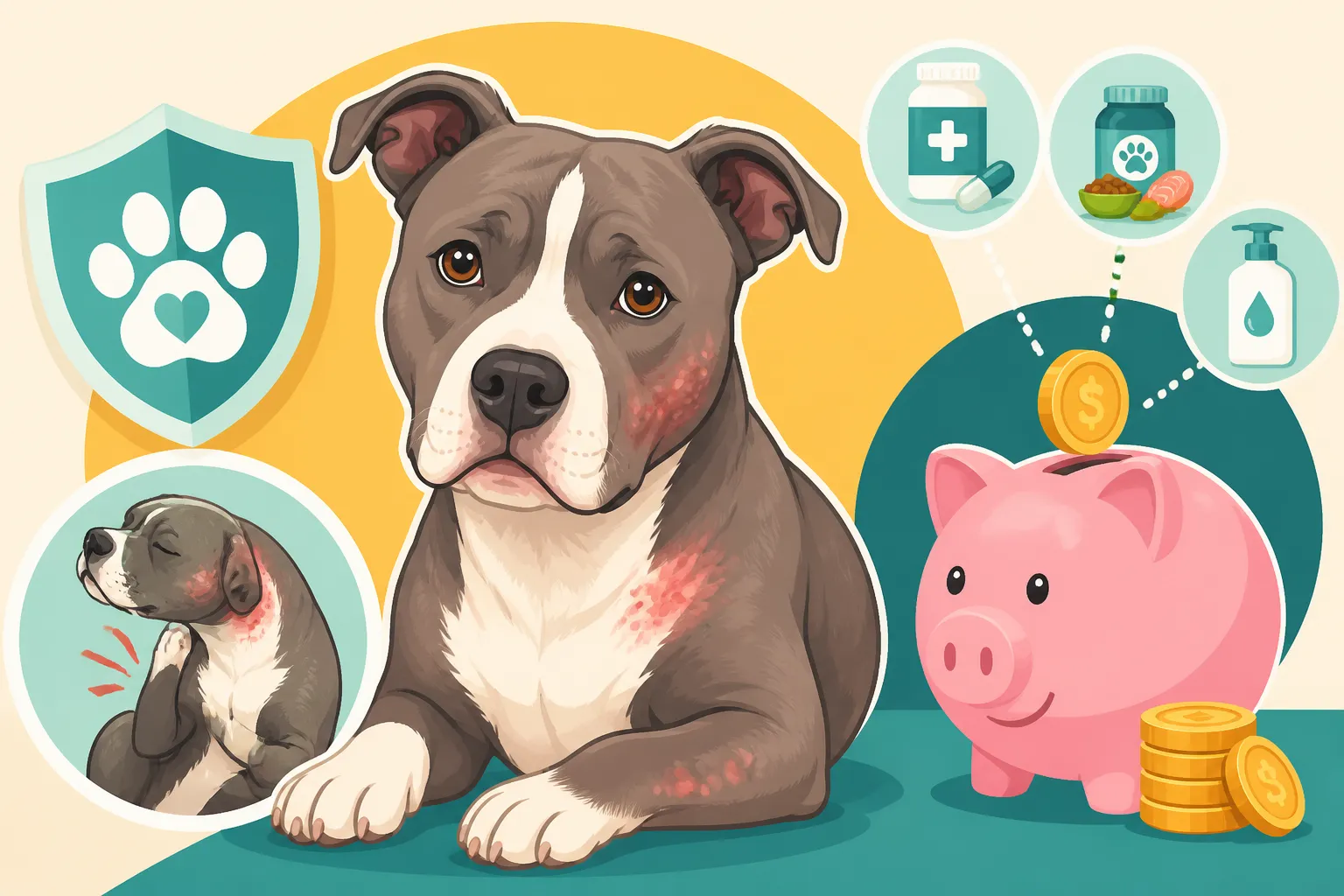
Bringing a Pit Bull into your home is an incredible joy, but when they develop chronic allergies, the financial burden can become a very real and overwhelming source of stress. Many owners feel unprepared for the ongoing expenses of managing constant itching, skin infections, and ear problems. This guide will help you understand the true costs involved and how to realistically budget for your allergic Pit Bull's lifelong care.
The Reality of Chronic Allergies and Your Pit Bull's Budget
Let's be honest: discovering your beloved Pit Bull has chronic allergies can feel like a punch to the gut, not just emotionally, but financially. What often starts as a small patch of itchy skin or a recurrent ear infection can quickly escalate into a never-ending cycle of vet visits, tests, and expensive medications. It's a frustrating situation because you want to provide the best care, but the bills can truly add up, leaving many owners feeling helpless and anxious about their ability to keep up.
This isn't just about a one-off expense; chronic allergies mean a persistent need for care that impacts your budget year-round. It's easy to underestimate the cumulative effect of these costs, thinking each flare-up is just a temporary hiccup, only to realize months later that you've spent a small fortune. The goal here isn't to scare you, but to prepare you with a realistic outlook so you can budget proactively and confidently provide the care your Pit Bull deserves.
Understanding the Allergy Cycle: It's Not Just a One-Time Vet Visit
When your Pit Bull first starts showing signs like excessive scratching, licking their paws, or shaking their head, your initial thought might be a simple infection. And yes, sometimes it is! But with chronic allergies, those infections are often secondary issues, stemming from an underlying allergic reaction. This means treating the infection is only a temporary fix; without addressing the root cause, the problem will inevitably return, often with a vengeance. This creates a frustrating "whack-a-mole" situation for owners.
The cycle often looks like this: your dog gets itchy, scratches until their skin is raw, develops a bacterial or yeast infection, you go to the vet for antibiotics and anti-inflammatories, things improve, and then a few weeks or months later, it all starts again. Each trip to the vet involves examination fees, diagnostic tests, and medication costs. For many Pit Bulls, these seasonal flare-ups or persistent issues are a clear sign of Pit Bull Skin Allergies and the Atopy Pattern, which can manifest as widespread itching, especially on the feet, belly, and ears.
This constant back and forth means you’re not just paying for one set of treatments; you're paying for multiple cycles of treatment, year after year. It's an ongoing commitment that requires more than just a quick fix, demanding a dedicated approach to both veterinary care and financial planning. Recognizing this recurring pattern is the first step in creating a sustainable budget.
The Hidden Costs: Beyond Medication and Appointments
It's easy to tally up vet bills and medication costs, but chronic allergies come with a host of less obvious expenses that can sneak up on you. Think about the special shampoos and conditioners needed for regular medicated baths, or the extra grooming tools to help manage shedding and keep the skin healthy. Many allergic Pit Bulls end up with sensitive stomachs due to food allergies or the side effects of medications, requiring specific diets that are often more expensive than conventional kibble.
Beyond direct medical supplies, there's the cost of your time and emotional energy. Imagine the frequent trips to the vet, the time spent bathing a squirming, itchy dog, or the sleepless nights listening to them scratch. You might invest in special bedding that's easier to clean or air purifiers to reduce environmental allergens in your home. Some owners even consider professional dog walkers or daycare services on days when their dog's discomfort makes them more prone to destructive behaviors or when medicated baths are needed more frequently than you can manage solo.
Then there’s the impact on your dog’s quality of life, which, while not a direct financial cost, certainly has a profound emotional one. Seeing your Pit Bull constantly uncomfortable is heartbreaking. These hidden costs, both tangible and intangible, demand a holistic view when you're trying to budget for long-term allergy management.
Breaking Down the Big Bills: Diagnosis and Treatment Options
Once you suspect allergies, the journey begins with getting a clear diagnosis. This phase can be quite costly because it involves a series of tests to pinpoint the specific allergens or rule out other conditions. After diagnosis, the treatment path opens up a range of options, each with its own financial implications, from daily medications to specialized therapies that might be less common but highly effective for some dogs. It’s important to understand these choices and their associated expenses upfront.
Many owners feel overwhelmed by the sheer number of possibilities and the varying price tags attached. It's not uncommon to try one treatment, find it less effective, and then move onto another, adding to the overall cost. This trial-and-error period, while sometimes necessary, can be financially draining, which is why having an honest conversation with your vet about both efficacy and cost is so crucial.
Diagnostic Testing: Skin Scrapes, Blood Tests, and Food Trials
The first step in tackling allergies is figuring out what's actually causing the problem. This typically involves a range of diagnostic tests. Your vet will likely start with simple, in-house tests like skin scrapings to rule out parasites such as mites, which can mimic allergy symptoms. These are usually less expensive but are critical foundational steps. Sometimes, a cytology might be done to look for yeast or bacteria on the skin, which commonly cause secondary infections in allergic dogs.
If parasites are ruled out, the next step often involves more comprehensive allergy testing. This can include blood tests (serum allergy testing) to check for antibodies against common environmental allergens like pollen, dust mites, or molds. While convenient, these tests can be a significant upfront expense. Alternatively, some vets might recommend intradermal skin testing, performed by a veterinary dermatologist, which involves injecting small amounts of allergens under the skin to see which ones cause a reaction. This is often considered the gold standard for environmental allergies, but it requires specialized expertise and can be costly.
For suspected Food Allergies Behind Pit Bull Itching, a strict elimination food trial is the only reliable diagnostic method. This involves feeding your Pit Bull a novel protein and carbohydrate diet for at least eight weeks, during which they can't have anything else. This means no treats, no table scraps, no flavored medications unless they are specifically approved. The special limited ingredient or hydrolyzed protein diets needed for this trial can be quite expensive, and the commitment required is significant, as detailed in our article, An Eight Week Food Trial on an Itchy Pit Bull.
Medication Management: Short-Term Relief vs. Long-Term Strategies
Once a diagnosis is made, or even while you're still working toward one, medication becomes a central part of managing your Pit Bull's comfort. For immediate relief during severe flare-ups, vets often prescribe steroids or antihistamines. While effective at quickly reducing inflammation and itching, long-term steroid use has potential side effects and isn't typically a sustainable solution. Antihistamines are generally safer for long-term use but are often less potent, meaning they might not be enough for a severely itchy dog.
For more persistent or severe cases, newer medications like Apoquel and Cytopoint have revolutionized allergy management. Apoquel is an oral tablet that targets the itch pathway directly, providing fast and significant relief for many dogs. Cytopoint is an injectable antibody therapy that works by neutralizing a specific protein involved in itching, offering relief for 4-8 weeks per injection. Both are highly effective but come with a considerable ongoing cost, as we discuss in Apoquel and Cytopoint for an Itchy Pit Bull. These are often recurring monthly or bi-monthly expenses that need to be factored into your budget indefinitely.
Beyond these, for environmental allergies, immunotherapy (allergy shots or oral drops) is often recommended as a long-term solution. This involves exposing your dog to small, increasing doses of the specific allergens they react to, aiming to desensitize their immune system over time. While the initial setup and consistent administration of these "allergy vaccines" can be expensive, and results take months to appear, they can significantly reduce reliance on other medications over the lifespan of the dog. Our article, Immunotherapy Costs Across a Pit Bull's Life, delves deeper into these expenses.
Specialized Therapies and Supplements
Sometimes, traditional medications aren't enough, or owners want to explore complementary approaches to support their Pit Bull's skin health. This brings us to a range of specialized therapies and supplements that can add to the budget. For example, some Pit Bulls with chronic skin issues benefit from regular ozone therapy or laser therapy sessions, particularly for localized hot spots or deep infections. These are often administered at a veterinary clinic and come with per-session fees that can add up quickly if multiple treatments are needed.
Topical treatments are another significant category. This includes prescription-strength medicated shampoos, conditioners, mousses, and sprays designed to reduce yeast and bacterial overgrowth, soothe irritated skin, and strengthen the skin barrier. While a single bottle might not seem expensive, the need for frequent Medicated Baths for a Pit Bull With Atopy, sometimes several times a week during a flare-up, means you'll go through these products rapidly. These regular purchases become a fixed part of your allergy budget.
Many owners also turn to supplements, such as omega fatty acids, probiotics, and specific skin-support formulas. Omega-3s, found in fish oil, are widely used to help reduce inflammation and improve skin barrier function. Probiotics can support gut health, which is increasingly linked to skin health and immunity. While these aren't typically a primary treatment, they can play a supportive role. Brands like Chewy offer a wide variety of these supplements, and while costs vary, adding them to your daily regimen can contribute to your overall monthly expenses. It's crucial to discuss any supplements with your vet to ensure they are appropriate and won't interact negatively with other medications.
Ongoing Care and Lifestyle Adjustments: The Daily Financial Impact
Managing chronic allergies isn't just about medications and vet visits; it's a lifestyle change for both you and your Pit Bull. This means ongoing daily and weekly routines that impact your spending in areas you might not have considered before. From specialized diets to meticulous grooming and even the choice of pet insurance, these elements all contribute significantly to the total cost of caring for an allergic Pit Bull.
These adjustments are not temporary; they are typically lifelong commitments. It requires discipline and consistent effort, and yes, often a higher financial outlay compared to a dog without such sensitivities. Ignoring these aspects can lead to more severe flare-ups, which in turn drive up the emergency vet bills, proving that preventative, consistent care is often the most cost-effective approach in the long run.
Diet Changes and Prescription Foods
Diet plays a huge role in managing allergies, especially if your Pit Bull has food sensitivities or if their skin issues are exacerbated by inflammation from their diet. This often means switching to limited ingredient diets (LIDs) or prescription hydrolyzed protein diets. These specialized foods, while formulated to minimize allergens and support skin health, are almost always more expensive than standard kibble. Finding the right food can be a process of trial and error, and each bag of a new formula comes with its own price tag. We explore this further in Limited Ingredient Food for a Pit Bull With Atopy.
For some Pit Bulls, even limited ingredient kibble isn't enough. Owners might explore fresh, human-grade food options or even home-cooked meals tailored to their dog's specific needs. Companies like Ollie offer personalized meal plans that can be excellent for dogs with sensitivities, but these come at a premium price. While these options can provide immense relief for sensitive dogs, they represent a significant ongoing expense.
It's not just the main meals; treats also become a consideration. You can't just grab any bag of treats off the shelf when your dog is on a strict hypoallergenic diet. You'll need to find single-ingredient treats or specific hypoallergenic options, which again, tend to cost more. Carefully budgeting for Monthly Food for a Pit Bull on a Limited Diet means accounting for every bite your dog takes to avoid accidental exposures that can trigger a flare-up and send you back to the vet.
Grooming and Environmental Controls
Grooming for an allergic Pit Bull goes far beyond basic upkeep; it's a critical part of allergy management. Regular baths with medicated shampoos, as mentioned before, are a staple. The cost of these shampoos and conditioners, coupled with the water and energy used for frequent bathing, adds up. Beyond baths, you might need special brushes to gently stimulate the skin and remove loose fur without causing further irritation. For Pit Bulls prone to Pit Bull Ear Infections and Allergy Links, weekly ear cleaning with specific solutions is often necessary, adding another recurrent expense. Our article, What Chronic Pit Bull Ear Care Runs a Year, highlights how quickly these costs can accumulate.
Environmental controls are also key, especially for Pit Bulls with environmental allergies. This might include more frequent vacuuming with a HEPA filter, washing bedding weekly in hot water, and using allergen-reducing sprays. Some owners invest in air purifiers for their homes, which can be a significant initial expense followed by ongoing filter replacement costs. If your Pit Bull reacts to grass or pollen, you might spend more on paw wipes to clean their feet after every outdoor excursion, preventing allergens from being tracked into the house and absorbed through their skin.
Even simpler adjustments, like having dedicated hypoallergenic blankets or towels just for your dog, can add up. These small, consistent efforts in grooming and environmental management are essential for keeping your Pit Bull comfortable and minimizing flare-ups, but they directly translate into increased household expenses and time commitments.
Pet Insurance: A Lifeline or a Loophole?
Many owners turn to pet insurance hoping to mitigate the high costs of chronic conditions like allergies. It can indeed be a lifeline, especially for unexpected surgeries or emergency visits. However, it’s crucial to understand how pet insurance works, particularly with pre-existing conditions. Most policies will not cover conditions that were present or showed symptoms before you enrolled your dog or before the waiting period ended. This means if your Pit Bull already has a diagnosed allergy, or even just symptoms on their record, it might be excluded from coverage. This is a common frustration, and a key point we cover in Pit Bull Pet Insurance and Breed Exclusions.
Even with coverage, you'll still have deductibles to meet and a percentage of the bill (co-pay) that you're responsible for. When considering "Budgeting for a Pit Bull With Chronic Allergies," you need to weigh the monthly premium against the potential reimbursement, especially for ongoing, predictable costs like allergy medication. Some policies might have caps on how much they'll pay out for chronic conditions in a given year. Companies like Healthy Paws are known for their comprehensive coverage, but always read the fine print regarding chronic conditions and pre-existing clauses.
The best time to get pet insurance is when your Pit Bull is young and healthy, before any signs of allergies appear. If your dog already has allergies, insurance might still be valuable for other unforeseen health issues, but you'll need to carefully Setting a Pit Bull Deductible Against Allergy Bills to ensure it aligns with your budget and covers other potential health concerns. It’s a complex decision that requires careful research and understanding of your specific policy.
Practical Strategies for Managing Costs Without Compromising Care
Living with a Pit Bull that has chronic allergies demands smart financial planning and resourcefulness. It's not about cutting corners on care, but rather finding efficient ways to manage expenses and make every dollar count. Many experienced owners have developed strategies to navigate these ongoing costs effectively, ensuring their furry family members remain comfortable and healthy without completely draining the bank account.
The key is to be proactive, informed, and to work closely with your veterinary team. Don't be afraid to ask questions about generic alternatives, bulk purchasing, or payment plans. A little planning and savvy shopping can go a long way in making chronic allergy management more manageable for your household budget.
Smart Shopping for Supplies and Medications
One of the most immediate ways to impact your allergy budget is by being a smart shopper for medications and supplies. Prescription medications, while often expensive, can sometimes be sourced more affordably. Ask your vet if a generic version of a medication is available or if they can provide a written prescription that you can fill at a human pharmacy, which can sometimes offer lower prices than veterinary clinics for certain drugs. Online pet pharmacies can also offer competitive pricing for prescription medications and routine supplies. Just be sure to use reputable, licensed online pharmacies.
For over-the-counter supplies like medicated shampoos, ear cleaners, and supplements, buying in bulk or looking for sales can make a big difference. Sites like Chewy often have subscription services that offer discounts and ensure you never run out of essential items, which can be a huge relief when you're managing a condition that requires consistent daily care. Comparing prices across different retailers is always a good idea, but always prioritize product quality and vet recommendations, especially for sensitive Pit Bull skin.
Consider preventative items as well. High-quality paw wipes or a simple rinse station by the door can help reduce the amount of pollen and allergens your Pit Bull brings inside, potentially reducing the need for more expensive medicated baths later. Every little bit of proactive management can save you money in the long run by preventing severe flare-ups.
Creating an Allergy-Specific Savings Plan
Given the ongoing and often unpredictable nature of allergy flare-ups, having a dedicated savings plan is paramount. Think of it as an emergency fund, but specifically earmarked for your Pit Bull’s allergy needs. This could mean setting aside a small amount each week or month into a separate savings account that you only touch for allergy-related expenses, such as unexpected vet visits, a sudden increase in medication dosage, or even exploratory diagnostic tests. Our article, Saving Ahead of a Pit Bull Allergy Year, delves into the wisdom of this approach.
Even if you have pet insurance, a savings plan is crucial for covering deductibles, co-pays, and any treatments or conditions that aren't covered by your policy. For example, if your policy excludes pre-existing allergies, that savings fund becomes your primary financial safety net for those specific bills. This proactive approach helps reduce the stress and panic that often accompanies unexpected vet bills when your Pit Bull has a severe flare-up.
Start small, perhaps with an amount equivalent to one month's worth of typical allergy medication. Then, gradually build it up to cover a few months of anticipated expenses, plus a buffer for emergencies. Knowing you have these funds available provides immense peace of mind and allows you to make treatment decisions based on your Pit Bull’s health needs rather than solely on immediate financial constraints.
Advocating for Your Pit Bull with Your Vet
Your veterinarian is your most important partner in managing your Pit Bull's allergies, and open communication about your budget is key. Don't be afraid to have candid conversations with your vet about the financial constraints you're facing. A good vet understands that not every owner can afford every single diagnostic test or the most expensive medication, and they can often work with you to prioritize treatments and explore more budget-friendly alternatives.
For instance, if a full allergy panel is currently out of reach, they might suggest focusing on managing secondary infections and trying a strict An Eight Week Food Trial on an Itchy Pit Bull first, which could provide clues without the high cost of blood tests. Ask about payment plans, prescription discount programs, or if there are any local charitable organizations that offer assistance for pet medical care. Sometimes, there are perfectly effective, slightly older medications that are much cheaper than the latest options.
You are your Pit Bull’s strongest advocate. By being transparent about your financial situation, you empower your vet to help you craft a realistic and sustainable treatment plan that keeps your Pit Bull comfortable and your wallet from being completely emptied. Remember, the goal is long-term management, and that's best achieved through a collaborative effort.
Disclaimer
This article is for general informational purposes only and does not constitute professional advice. Laws, prices and regulations vary by location and change over time. Consult a qualified professional for guidance on your specific situation.