Pit Bull Leash Pulling at Fifty Pounds
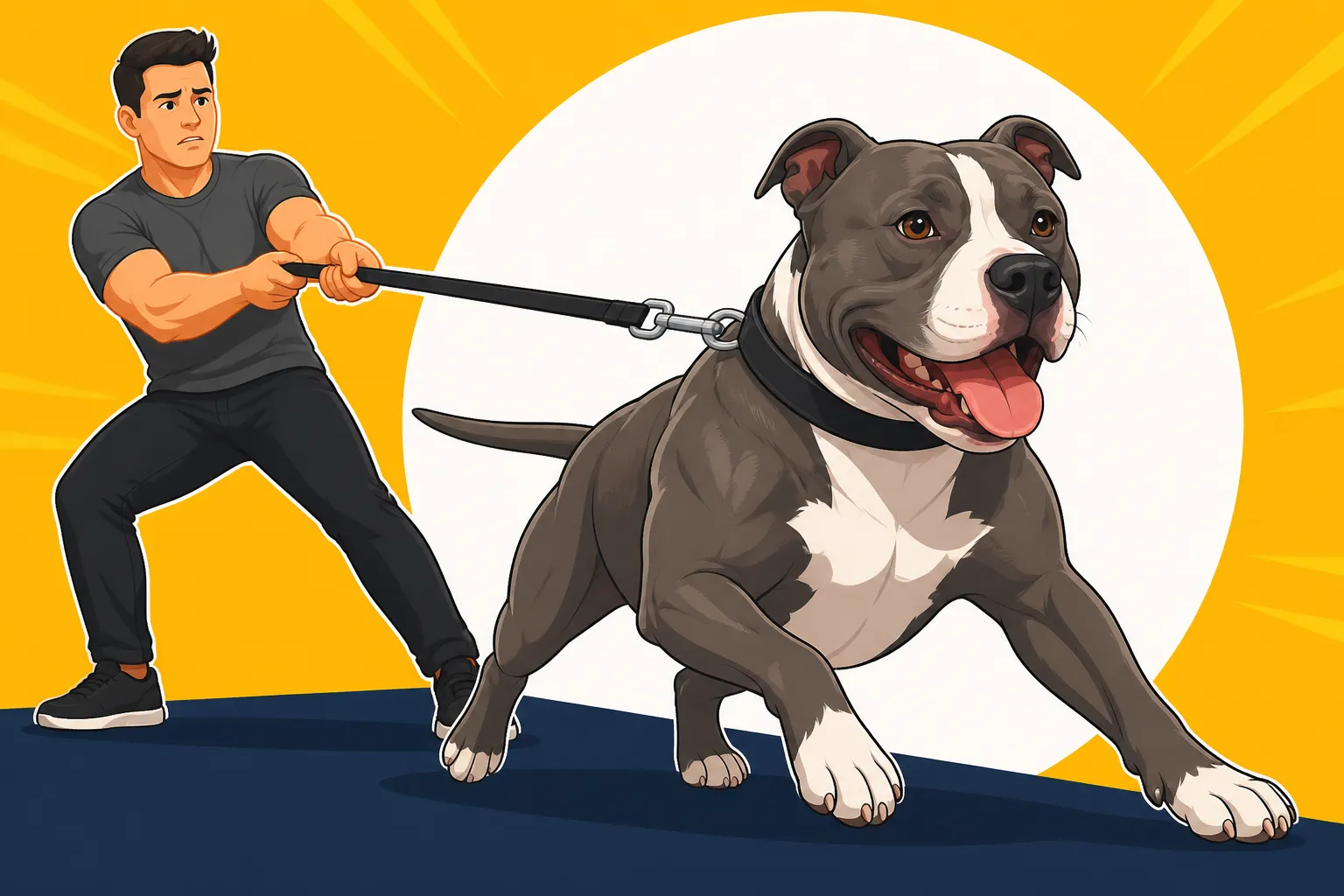
It's a frustrating, often embarrassing, and sometimes downright dangerous experience to be dragged down the street by your own dog, especially when that dog is a powerful, fifty-pound Pit Bull type with an undeniable will to go, go, go! Many owners feel overwhelmed, their arms aching, their shoulders screaming, wondering if they'll ever enjoy a peaceful stroll with their beloved companion. This comprehensive guide is here to validate those struggles and equip you with the knowledge, techniques, and tools to transform your pulling powerhouse into a polite walking partner.
Understanding the Power Behind the Pull
When your fifty-pound Pit Bull decides to throw its weight into the leash, it feels like you're tethered to a small, furry freight train. This isn't just about bad manners; it's about physics, natural instinct, and often, a misunderstanding of how dogs experience the world on a walk. Ignoring this incredible strength is a recipe for frustration and potential injury.
The Pit Bull's Natural Build and Drive
Pit Bulls, in their various forms, are built like compact powerhouses. They possess a dense, muscular frame, a low center of gravity, and an incredible drive that historically made them formidable working dogs. A fifty-pound Pit Bull isn't just a medium-sized dog; it's a dog with the physical attributes to pull significantly more than its own weight if it chooses to. Their broad chests and strong shoulders are perfectly adapted for tasks that require force and endurance. When they get excited on a walk, whether it's the scent of a squirrel, the sight of another dog, or just the sheer joy of being outdoors, that inherent strength kicks in. It’s not malicious; it's simply what their bodies are designed to do. They are bred for robust activity and, without proper guidance, they will leverage that physical power to lead the way. You can't simply wish away their build or their natural enthusiasm; you have to learn how to channel it.
Why Leash Pulling Isn't About Dominance
There's a persistent myth that a dog pulling on the leash is trying to "dominate" its owner. This simply isn't true. Dogs, including Pit Bulls, pull because it works. They pull because they want to get somewhere faster, investigate a smell, or greet another dog, and they've learned that applying pressure to the leash gets them closer to their goal. Think about it from their perspective: if pulling gets them to the exciting tree faster, why wouldn't they pull? It's a matter of positive reinforcement from their environment, not an attempt to assert superiority over you. Understanding this distinction is crucial because it shifts your approach from "correcting a dominant behavior" to "teaching an alternative, more desirable behavior." The goal isn't to "win" a power struggle, but to kindly and consistently teach your dog that a loose leash is the path to good things. It's about clear communication and rewarding cooperation, not asserting an outdated pack hierarchy.
Common Causes of Leash Pulling in a Fifty-Pound Pit Bull
While their physical prowess is undeniable, leash pulling in a Pit Bull type dog isn't solely about their strength. There are many underlying factors that contribute to this challenging behavior, and often, it's a combination of several. Identifying these causes in your specific dog is the first step toward finding effective solutions.
Over-Excitement and Lack of Impulse Control
Many Pit Bulls are bundles of energy and enthusiasm, especially when it comes to going for a walk. The world outside is a sensory overload: new smells, sights, and sounds. This intense excitement can easily translate into pulling. They just have to get to that interesting patch of grass, have to see who's coming, have to chase that leaf. This is often tied to a lack of impulse control. A dog with strong impulses struggles to resist immediate gratification. They haven't learned that waiting, or walking calmly, will ultimately get them to their desired destination. It's a common issue with high-drive dogs, and it means we need to actively teach them to manage their excitement rather than just trying to suppress it. Imagine a child in a candy store; they want to run straight for the sweets. Your Pit Bull feels the same way about the neighborhood park. Learning Building a Pit Bull's Impulse Control is key to addressing this.
Insufficient Exercise and Mental Stimulation
A bored or under-exercised Pit Bull is a prime candidate for leash pulling. These dogs need a significant outlet for their physical energy and keen minds. If they're cooped up all day with minimal activity, the walk becomes their one big chance to explode that pent-up energy. They hit the street with a full tank, ready to run, sniff, and explore at full throttle. No amount of polite leash training will completely override a dog's fundamental need for appropriate exercise. A brisk twenty-minute walk around the block might be enough for a toy breed, but for a fifty-pound Pit Bull, it's often barely a warm-up. They need outlets that truly tire them out, both physically and mentally. Consider activities like fetch, agility, or even advanced obedience training. Think about The Daily Exercise a Pit Bull Actually Needs to ensure you're meeting their requirements. Without sufficient appropriate engagement, they will seek to burn off energy in ways that are less convenient for you, like pulling hard on the leash.
Equipment Challenges and Handler Technique
Sometimes, the equipment we use, or how we use it, inadvertently contributes to the pulling problem. A standard flat collar, for instance, offers little leverage against a strong, determined Pit Bull. When they pull, the collar just tightens around their neck, which, while uncomfortable, doesn't actually deter them from their goal if their drive is high enough. It can even teach them to brace against the pressure. Similarly, our own handling technique plays a massive role. If we're inconsistent, allowing pulling sometimes but not others, or if we're constantly yanking back, we're sending mixed signals. A tight leash, in itself, can become a cue for the dog to pull harder; the tension often creates more tension. It's easy to fall into a reactive cycle where the dog pulls, we pull back, and neither of us is truly communicating effectively. Taking a moment to assess both your equipment and your own walking habits can reveal significant areas for improvement.
Essential Training Foundations for a Loose Leash Walk
Transforming a powerful puller into a pleasant walking companion requires dedication and consistent application of positive reinforcement techniques. It's not a quick fix, but a journey of teaching your Pit Bull what you do want them to do on the leash.
Building Focus and Engagement on the Walk
Before you can expect your Pit Bull to walk nicely beside you, you need their attention. The outside world is full of distractions, and your dog needs to learn that you are the most interesting thing on the walk. This starts with engagement exercises in low-distraction environments, like your backyard or even indoors. Use high-value treats – something truly irresistible to your Pit Bull, like small pieces of cooked chicken or cheese. Start by simply rewarding eye contact when your dog offers it naturally. Say "yes!" or click a clicker, then deliver the treat right to their nose. Practice calling their name and rewarding them when they look at you.
As their focus improves, gradually introduce more distractions. Work in different parts of your yard, then move to a quiet street. The goal is to build a strong "look at me" cue and to make walking by your side a highly rewarding experience. When your dog makes eye contact or checks in with you voluntarily, that's a jackpot moment. Over time, they'll learn that keeping an eye on you pays off more than dragging you toward every squirrel or interesting smell. Remember, a walk isn't just about covering distance; it's about connecting with your dog. Consider seeking out resources like online courses from BAXTER & Bella for structured guidance on engagement games and techniques.
The "Lure and Reward" Method for Leash Pressure
The core of teaching a loose leash walk with a fifty-pound Pit Bull is to teach them that a loose leash gets them forward motion, while a tight leash means "stop" or "change direction." The "Lure and Reward" method, often combined with the "stop-start" or "tree" method, is highly effective. Start with your dog on your left side (or whichever side you prefer), with a treat in your hand. Lure them into position by holding the treat near your leg, then take a few steps. As long as the leash remains slack, reward them heavily.
If your Pit Bull starts to pull, stop moving immediately. Become a "tree." Do not say anything, do not yank the leash. Just stand still. Your dog will likely look back at you, or the leash will slacken as they pause. The instant the leash goes slack, even for a second, mark it with a verbal cue ("yes!") or a click, and start walking again. If they pull again, stop again. Repeat, repeat, repeat. This teaches them: pulling gets me nowhere, but a loose leash gets me to my destination. This can feel slow and frustrating at first, especially with a strong puller, but consistency is key. Every time you allow pulling, you're reinforcing the behavior. Positive Reinforcement Training With a Pit Bull details how critical this approach is.
Consistency and Proofing in Different Environments
Once your Pit Bull starts understanding the loose leash concept in a low-distraction area, it's time to "proof" the behavior. This means practicing in progressively more challenging environments. What works in your quiet neighborhood might fall apart at a busy park with other dogs, kids, and tempting smells. Start by adding one small distraction at a time. Maybe walk past a parked car first, then past someone sitting on their porch, then past a dog barking from behind a fence. Always set your Pit Bull up for success. If a situation is too distracting and you know they'll fail, either avoid it initially or create more distance.
Consistency isn't just about where you train, but who trains the dog. Every family member who walks the Pit Bull needs to use the same techniques and cues. If one person allows pulling, it undermines everyone else's efforts. The entire household must be on the same page. Remember to always bring High-Value Treats That Hold a Pit Bull's Focus to keep your dog engaged, especially in new or stimulating environments. This graduated approach ensures that your Pit Bull learns to generalize the loose leash walking skill across many different real-world scenarios.
Choosing the Right Equipment for Managing a Strong Puller
When you're dealing with a strong, fifty-pound Pit Bull, the right equipment isn't just a convenience; it's a vital safety tool that can make or break your training efforts. The goal is to gain more control without causing pain or fear, thereby setting you and your dog up for success.
Harnesses Designed for Front-Clip Control
For many Pit Bull owners, a front-clip harness is a game-changer. Unlike traditional back-clip harnesses that actually encourage pulling (think sled dogs!), a front-clip harness has the leash attachment point on your dog's chest. When your Pit Bull pulls forward, the leash pressure gently redirects them sideways, back towards you, making it much harder for them to gain traction and drag you. This is a physical redirection, not a painful correction, which is crucial for positive training.
There are several excellent brands on the market that offer robust front-clip options suitable for a Pit Bull's build. Look for harnesses with sturdy webbing, comfortable padding, and a secure fit around Harness Fit Across a Broad Pit Bull Chest. Some popular choices you might find on Amazon include the Freedom No-Pull Harness or the Balance Harness. Ensure it fits snugly but doesn't chafe, especially in the armpit area. While it won't magically train your dog not to pull, it provides invaluable management while you actively teach loose-leash walking.
Head Halters as a Management Tool
Another highly effective tool for gaining control over a strong fifty-pound Pit Bull is a head halter, sometimes called a head collar or gentle leader. These devices work much like a halter on a horse, giving you control over the dog's head, and where the head goes, the body follows. When your Pit Bull tries to pull, the head halter gently turns their nose or entire head to the side, preventing them from forging ahead.
For powerful dogs, a head halter can offer a remarkable sense of control without requiring excessive physical strength from the handler. However, it's crucial to introduce a head halter slowly and positively, as many dogs initially find them odd or aversive. Associate it with treats, praise, and short, positive experiences. Never use it to yank or punish your dog. Whether a Head Halter Works on a Pit Bull often depends on how well it's introduced and conditioned. It should be seen as a steering wheel, not a brake, and always paired with ongoing positive reinforcement training.
Avoiding Equipment That Can Cause Harm
When faced with a strong puller, it's tempting to reach for equipment that promises quick fixes, but some tools can actually be detrimental to your dog's physical and psychological well-being. Choke chains and prong collars, while sometimes used to deter pulling through discomfort or pain, can cause injury to your Pit Bull's trachea, thyroid, or neck muscles. More importantly, they can create negative associations with walks, lead to fear or aggression, and damage the bond of trust between you and your dog.
Electronic collars (e-collars) are another tool that requires extreme caution and professional guidance if considered at all. Misuse can be harmful, and they are generally not recommended for teaching foundational behaviors like loose-leash walking in a positive, trust-building way. For a muscular dog like a Pit Bull, equipment that relies on physical aversives can quickly backfire, making them brace against the pressure or become reactive. Focus on positive management tools and training methods that empower your dog to make good choices rather than forcing compliance through discomfort.
Here's a quick comparison of common leash management tools:
| Equipment Type | Primary Mechanism | Pros | Cons | Best Use Case |
|---|---|---|---|---|
| Flat Collar | Attaches to neck, dog pulls against neck pressure | Simple, common, good for ID tags | Offers minimal control against strong pullers, can cause neck strain | Well-trained dogs, light walkers |
| Back-Clip Harness | Attaches to back, distributes pressure across chest | Comfortable, good for small dogs | Can encourage pulling, offers little control for strong pullers | Dogs with no pulling issues, small breeds |
| Front-Clip Harness | Attaches to chest, redirects pulling | Reduces pulling leverage, less strain on neck | Can tangle legs if not fitted well, dog can still pull if not trained | Active pullers, while training is ongoing |
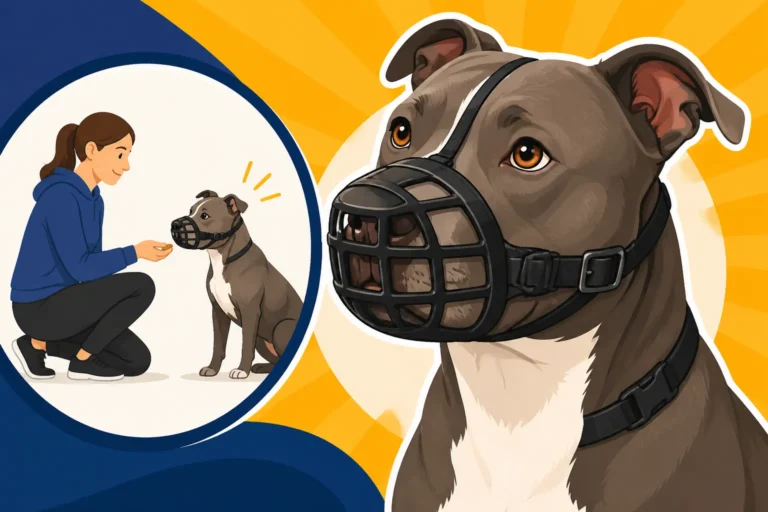
| Head Halter | Attaches to snout, controls head direction | Excellent control with minimal effort, good for reactivity | Requires positive introduction, some dogs dislike the feel, can be mistaken for a muzzle | Strong pullers, dogs needing precise control |
| Choke Chain | Tightens around neck when dog pulls | "Corrects" pulling (through discomfort) | Can cause tracheal damage, neck injury; fear/aggression risk, damages trust | Generally not recommended due to harm potential |
| Prong Collar | Metal prongs pinch neck when dog pulls | Provides tactile "correction" | Can cause pain, punctures, damage to trust; fear/aggression risk; perceived as harsh by public | Generally not recommended due to harm potential |
Advanced Strategies and Troubleshooting Persistent Pulling
Even with solid foundational training and the right equipment, some Pit Bulls will present ongoing challenges. This is where advanced strategies, patience, and sometimes, external help become crucial. Don't get discouraged; every dog learns at its own pace.
Incorporating Real-World Distractions
Once your Pit Bull has a good grasp of loose-leash walking in quiet areas, it's time to systematically increase the level of distraction. This process is called "proofing" the behavior. Start with mild distractions and gradually work your way up. For example, begin by walking past a person sitting still, then past a person walking, then past a person with a quiet dog. Only move to the next level of distraction when your dog is consistently performing well at the current level.
When you know you're approaching a high-distraction area – like the local dog park entrance or a busy street corner – proactively engage your Pit Bull. Get their attention before they notice the distraction. Use your High-Value Treats That Hold a Pit Bull's Focus to reward check-ins and calm walking. If they start to fixate or pull, immediately use your "stop-start" method. It might mean stopping every few steps, but consistency is key. Sometimes, simply walking in a wider arc around a highly distracting object can make a huge difference. Think about taking short training excursions specifically to practice these skills, rather than just using regular walks as training sessions. This also ties into Teaching a Pit Bull to Sit Before Every Door – building impulse control in small, everyday ways carries over to walks.
Seeking Professional Guidance
If you've been consistent with your training, used appropriate equipment, and are still struggling with your fifty-pound Pit Bull's leash pulling, it might be time to call in a professional. A certified professional dog trainer (CPDT-KA) or a certified behavior consultant (CDBC) can observe your unique situation, identify specific triggers, and offer tailored solutions. They can spot subtle body language cues you might be missing or suggest new techniques you haven't considered.
Look for trainers who use positive reinforcement methods and are experienced with strong, high-drive breeds like Pit Bulls. Avoid trainers who rely on harsh corrections, fear, or pain, as these methods can often exacerbate behavior problems and damage your relationship with your dog. A good trainer will teach you how to train your dog, empowering you with the skills to continue the work long after your sessions are over. Check out Vetting a Trainer Before Booking a Pit Bull to help you find the right fit. Sometimes, an objective set of eyes can make all the difference, providing a fresh perspective and much-needed support.
Maintaining Motivation for Both Dog and Handler
Training a strong puller can be mentally and physically draining, and it's easy for both you and your Pit Bull to lose motivation. For your dog, ensure that your rewards are truly valuable. Rotate through different high-value treats, incorporate toys, or use access to desired activities (like a sniff-spot or a quick game of fetch) as rewards for good behavior. Make training sessions short, fun, and frequent, rather than long and arduous.
For yourself, celebrate small victories! A few steps of loose-leash walking, a successful check-in in a distracting environment – these are huge accomplishments. Don't compare your Pit Bull to the perfectly heeled Golden Retriever across the street; focus on your own dog's progress. Take breaks when you're feeling frustrated. Remember why you got your Pit Bull and the joy they bring. Understanding that Pit Bull Leash Manners and Physical Strength requires ongoing effort can help manage expectations. It's a journey, not a destination, and maintaining a positive attitude will make the process much more enjoyable for both of you.
Disclaimer
This article is for general informational purposes only and does not constitute professional advice. Laws, prices and regulations vary by location and change over time. Consult a qualified professional for guidance on your specific situation.