Pit Bull Dog Selectivity Explained
One of the most common and often misunderstood traits in Pit Bull type dogs is what we call "dog selectivity." Many owners find themselves frustrated, and sometimes heartbroken, when their otherwise loving, loyal Pit Bull shows aggression or intense dislike towards other dogs, even if they've lived peacefully with one for years. It's a challenging reality that can make walks stressful, dog parks impossible, and integrating a new canine family member feel like an insurmountable task. This guide is here to shed light on exactly what dog selectivity is, why it's so prevalent in Pit Bulls, how to recognize its signs, and most importantly, how to manage and train your Pit Bull to navigate a world full of other dogs safely and calmly.
Understanding What "Dog Selectivity" Truly Means for Your Pit Bull
Let's be honest, the term "dog aggression" gets thrown around far too easily, especially when it comes to Pit Bulls. It paints a broad, often unfair, picture that doesn't capture the nuances of a dog's behavior. For many Pit Bull owners, the reality isn't that their dog wants to fight every other dog; it's that their dog is selective about which dogs it tolerates, interacts with, or even wants to be around. This isn't just semantics; understanding this distinction is crucial for effective management and training.
Moving Beyond the "Aggressive" Label
When your Pit Bull snarks at another dog on a walk or stiffens up at the sight of a new canine, it’s easy for onlookers – and even ourselves – to immediately label them "aggressive." This label often leads to fear, isolation, and a sense of hopelessness for owners. However, "dog selectivity" offers a more accurate framework. It acknowledges that your Pit Bull isn't necessarily a ticking time bomb of aggression, but rather has a strong preference or intolerance for certain types of canine interactions. It’s about setting boundaries, often quite firm ones, with other dogs.
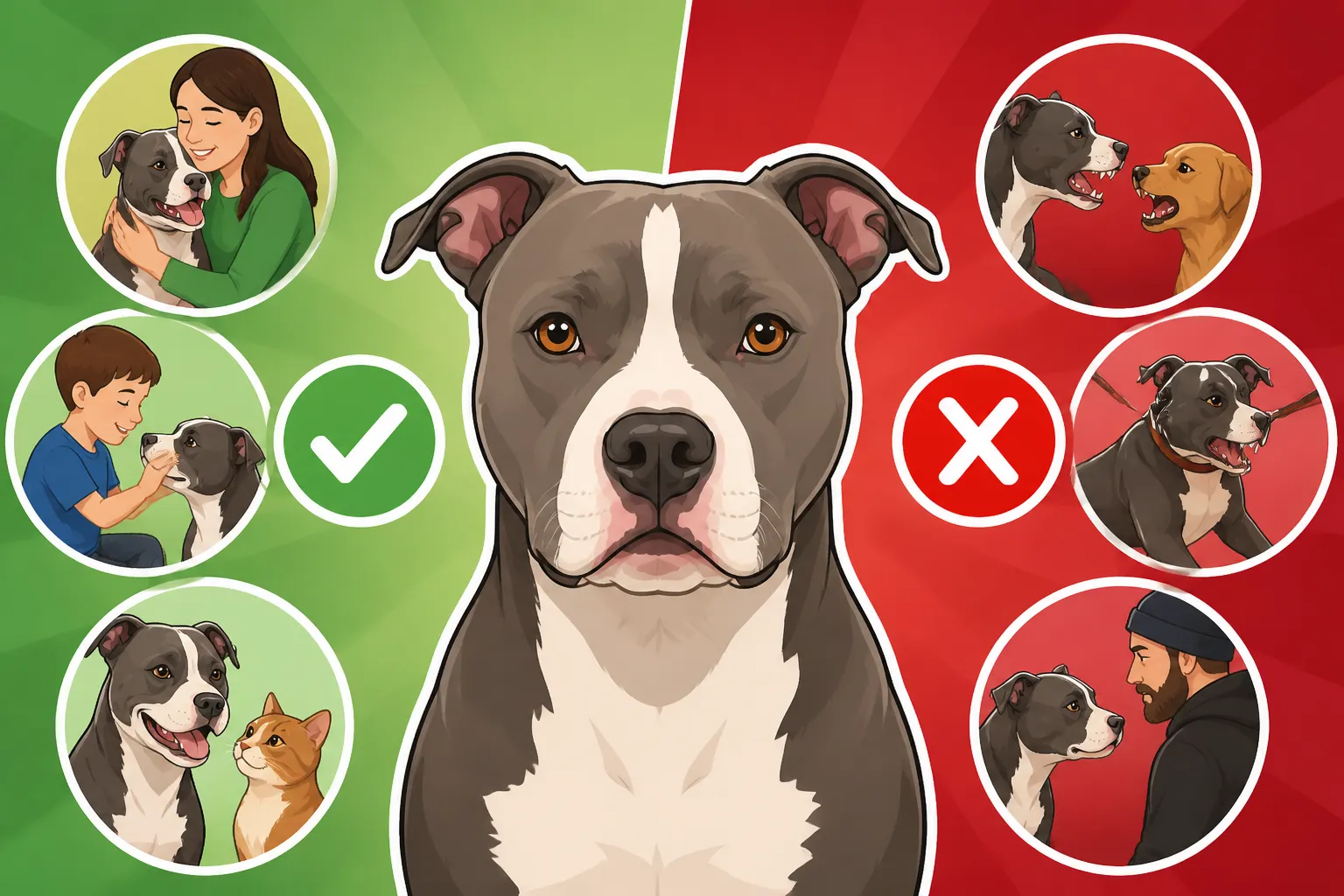
Think of it this way: you might not enjoy every single person you meet. You might have friends you adore, acquaintances you tolerate, and some people you actively avoid. Dogs can be similar. A highly dog-selective Pit Bull might adore the family cat, coexist peacefully with a calm, submissive housemate they've known since puppyhood, but react strongly to an exuberant, pushy stranger dog at the dog park. This isn't a blanket hatred of all canines; it's a specific set of responses triggered by particular individuals or situations.
The Nuance of Preference Versus Reactivity
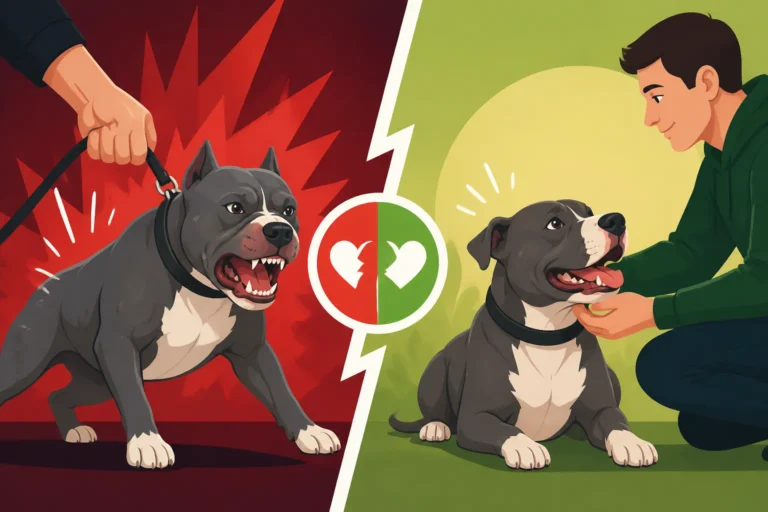
Dog selectivity isn't always about outright fighting; it can manifest as anything from mild discomfort to full-blown reactivity. Your Pit Bull might simply ignore most dogs, showing a polite but firm disinterest – a preference for human company over canine. Or they might become "reactive," barking, lunging, and pulling on the leash when another dog appears, not necessarily because they want to attack, but because they want that dog to go away. This often stems from fear, frustration, or an overabundance of excitement that spills over into what looks like aggression.
It's a subtle but vital difference. A dog that is truly "dog aggressive" might actively seek out conflict, showing predatory or dominant behaviors. A dog that is "dog selective" often prefers to avoid conflict, but if their boundaries are pushed, or if they feel threatened, they will escalate to defend themselves or create distance. Understanding whether your dog is primarily trying to avoid, control, or instigate interaction is key to crafting an appropriate management plan. Sometimes, what looks like aggression is actually your Pit Bull screaming "leave me alone!"
Why Pit Bull Dog Selectivity Is Not Aggression
It’s important to reiterate: just because a Pit Bull is dog-selective, it does not mean they are inherently "aggressive." Aggression is a spectrum of behaviors with many underlying motivations, including fear, pain, territoriality, resource guarding, and yes, sometimes genetic predisposition to fight. Dog selectivity, while it can lead to aggressive displays, often stems from a combination of these factors, rather than a singular intent to harm.
Many Pit Bull type dogs carry a genetic legacy that, for generations, valued tenacity and physical prowess, often in activities that involved other animals. While modern Pit Bulls are bred overwhelmingly as companion animals, some of those instincts can still surface. However, a responsible owner’s job is to recognize these tendencies and manage them proactively, not to label their dog as inherently dangerous. It’s about understanding the dog in front of you, their individual history, and what makes them tick. For example, a dog-selective Pit Bull might be perfectly fine with a calm, older Labrador but lose their mind at the sight of a bouncy, untrained puppy. This shows a distinct preference, not a general hatred of all dogs. To learn more about specific temperamental traits, you might find What ATTS Pass Rates Show About Pit Bull Temperament an interesting read.
The Roots of Dog Selectivity in Pit Bull Type Dogs
Understanding the origins of dog selectivity in Pit Bulls isn't about making excuses; it's about gaining insight into their predispositions and how to best set them up for success. Like all breeds, Pit Bulls carry a historical blueprint, and combined with their individual experiences and genetics, this shapes how they interact with the world – and particularly, with other dogs.
A Glimpse into Historical Purpose and Instinct
The ancestors of today's Pit Bull type dogs were originally bred for specific, demanding roles that often involved working with and around other animals. Their heritage lies in the bull-and-terrier crosses of 19th-century England, dogs selectively bred for gameness, strength, and tenacity. While these traits made them formidable workers, it also meant that a certain level of dog-to-dog "gameness" or intolerance was sometimes an undesirable, though often present, byproduct. When these dogs arrived in America, they were further developed, and while many became beloved farm dogs and family companions, some lines continued to carry strong dog-selective tendencies.
It's critical to understand that this historical context does not mean every Pit Bull is destined to be dog aggressive. Far from it. What it does mean is that the predisposition for dog selectivity can run stronger in some individuals or lines than in others. It's a potentiality, not a certainty. As owners, recognizing this allows us to be proactive in our training, management, and socialization efforts, understanding that some behaviors might be more deeply ingrained than others. This historical context is often misunderstood, and you can delve deeper into it with The Bull and Terrier Origin of the Pit Bull.
The Critical Role of Early Socialization (or Lack Thereof)
Beyond genetics, early experiences play a monumental role in shaping a dog's social behavior. A Pit Bull puppy who has positive, supervised interactions with a variety of calm, well-mannered adult dogs during their critical socialization period (roughly 3-16 weeks) is more likely to grow into an adult who is comfortable around other canines. They learn appropriate play cues, how to respond to correction, and that other dogs are not inherently threatening.
Conversely, a Pit Bull puppy who experiences limited socialization, traumatic interactions, or is simply not exposed to other dogs in a positive way, can develop dog selectivity out of fear, anxiety, or simply a lack of understanding of canine social etiquette. They might not know how to "speak dog" effectively, leading to misunderstandings and scuffles. It's a classic case of nature and nurture intertwining. If you rescued an adult Pit Bull with an unknown past, their dog selectivity might be a direct result of these early experiences. For guiding your new puppy, consider checking out Socializing a Pit Bull Puppy Thoroughly.
Genetic Predisposition and Individual Temperament
While history gives us a breed-level lens, genetics and individual temperament are where the rubber meets the road for your specific Pit Bull. Even within the same litter, puppies can have vastly different personalities. Some are naturally more gregarious and easygoing, while others are more reserved, wary, or possess a stronger will to control their environment. These inherent personality traits can significantly influence how they perceive and react to other dogs.
Genetics can influence nerve strength, prey drive, and even how easily a dog can be aroused or calmed. A Pit Bull with a naturally higher prey drive, for example, might react strongly to small, fast-moving dogs, perceiving them as game rather than fellow canines. Similarly, a dog with lower nerve strength might be more easily overwhelmed or fearful, leading to defensive dog selectivity. This is why some Pit Bulls can live harmoniously with certain dogs their entire lives, while others are simply "one-dog dogs." Understanding The Age Pit Bull Dog Selectivity Usually Appears can help owners anticipate and address these traits.
Identifying the Subtle and Overt Signs of Dog Selectivity
One of the biggest challenges for Pit Bull owners dealing with dog selectivity is recognizing the subtle cues before they escalate into an overt display. Dogs, like people, communicate volumes through body language, and learning to interpret your Pit Bull's signals is paramount to managing their interactions with other dogs effectively. Many owners miss the early warning signs, only to be caught off guard when a seemingly calm situation erupts.
Reading Body Language Before a Scuffle Starts
Your Pit Bull is constantly talking to you and other dogs, long before any growl or lunge. Learning to read these signals is your most powerful tool. Look for:
- Stiffening: A sudden rigidity in their body, tail, or legs. They might freeze, often with a direct stare.
- Hard Stare: Direct, unwavering eye contact, often with pupils dilated. This is not a friendly gaze.
- Lip Licking/Yawning: Out of context (i.e., not after eating or waking up), these are displacement behaviors indicating stress or anxiety.
- Head Aversion/Turning Away: While sometimes a calming signal, if coupled with tension, it can mean "I don't want to engage."
- Raised Hackles: The fur along their spine standing up, indicating arousal or fear.
- Tail Position: A high, stiff tail wag is often not friendly. A low, tucked tail indicates fear. A relaxed, mid-height wag is usually a good sign.
- Subtle Growls/Whines: These are vocal warnings. Pay attention to them.
These early signs are your cue to intervene, create distance, and redirect your dog. Ignoring them often leads to escalation. A great resource for understanding these nuanced signals is Reading a Pit Bull Before a Scuffle Starts. It's about being proactive, not reactive.
Common Triggers and Contexts for Selective Behavior
Dog selectivity isn't a constant state; it's often triggered by specific circumstances. Identifying these triggers is crucial for successful management.
Consider these common scenarios:
- On-leash frustration: Many Pit Bulls are perfectly fine off-leash but become highly reactive when on a leash. This "leash reactivity" is often due to feeling trapped, frustrated at not being able to approach (or flee), or because they feel the need to "protect" their handler.
- Resource guarding: This could be guarding food, toys, sleeping spots, or even their human. If another dog approaches a valued item or person, the Pit Bull might display selectivity.
- Intact status: Unneutered males and unspayed females can be more prone to dog selectivity due to hormonal influences and social dynamics among dogs.
- Specific dog types: Some Pit Bulls might react only to high-energy dogs, small yappy dogs, male dogs, or certain breeds. They might have a specific aversion or a bad past experience.
- Confined spaces: Dog parks, crowded vet waiting rooms, or small yards can create an intensity that triggers selectivity where it wouldn't exist in open spaces.
- Pain or illness: A dog in pain might be less tolerant of other dogs approaching, especially if contact might worsen their discomfort. Always rule out medical issues with your vet first.
Understanding when and where your Pit Bull exhibits selectivity allows you to predict and avoid problematic situations, making life easier for everyone.
Escalation: From Aversion to Conflict
Once you've missed the subtle signs, or if your dog's boundaries are continually pushed, the behavior can escalate. What starts as a stiff body or a hard stare can quickly become a growl, a snarl, a lunge, or even a bite. It's a spectrum, and the goal is always to address it at the lowest possible level of intensity.
- Avoidance: Your dog tries to move away, hide behind you, or avert their gaze. This is their way of saying, "I don't want to interact."
- Warning Signals: Growls, air snaps (snapping in the air near the other dog), baring teeth. These are clear warnings: "Back off!"
- Physical Contact: This can range from a quick nip that doesn't break skin, to a full-on bite with sustained pressure. The severity depends on many factors, including the dog's intent, the context, and how quickly others intervene.
A dog that has successfully used an aggressive display to make another dog retreat has learned a very effective lesson: aggression works. This can reinforce the behavior, making future incidents more likely and potentially more intense. This is why early intervention and management are so critical. Understanding What Dog Selectivity Means in a Pit Bull is key to preventing these escalations.
Navigating Multi-Dog Households and Public Interactions
Living with a dog-selective Pit Bull, especially if you have other dogs or frequent public spaces, requires careful planning, consistent management, and proactive strategies. It's not about "curing" their selectivity in all cases, but about creating an environment where everyone can feel safe and comfortable.
Crate and Rotate as a Pit Bull Management Plan
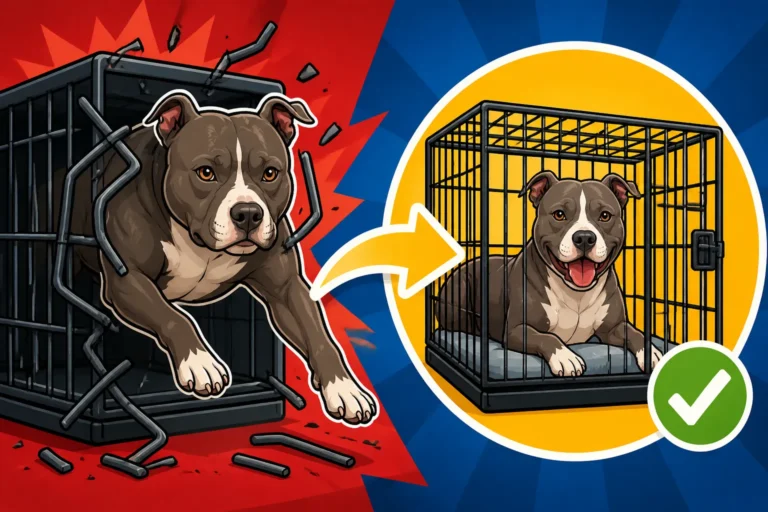
For multi-dog households where one Pit Bull is dog-selective, or where two dogs simply don't get along all the time, a "crate and rotate" system can be a lifesaver. This involves carefully managing when and where each dog has access to common areas, ensuring they are never unsupervised together.
Here’s how it generally works:
- Dedicated Spaces: Each dog has its own safe space – a crate, a designated room, or a section of the house separated by baby gates.
- Rotation Schedule: Dogs are rotated between common areas and their individual spaces. For example, Dog A might be out in the living room while Dog B is in their crate. Then, Dog A goes into their crate, and Dog B gets time in the living room.
- Supervised Interactions (if any): Any time the dogs are together, it's under strict, active supervision, usually for specific activities like walks (separate leashes, separate handlers) or training sessions. Meals and high-value treats are always given separately.
- No Free-Ranging: The key is to eliminate unsupervised interactions, which are often where incidents occur.
This might sound like a lot of work, and it can be initially, but for many owners, it provides peace of mind and prevents stress for both dogs and humans. It’s a practical, humane way to manage a complex situation. Crate and Rotate as a Pit Bull Management Plan delves deeper into making this work smoothly.
Introducing a Pit Bull to an Existing Dog Slowly
If you’re considering bringing a new dog into a home with a dog-selective Pit Bull, or if your Pit Bull needs to be introduced to a friend's dog, the process must be slow, controlled, and well-managed. Rushing it almost guarantees failure.
- Neutral Territory First: Never introduce dogs in your home or yard initially. Pick a neutral park or open space where neither dog feels territorial.
- Parallel Walks: Start with parallel walks at a distance where both dogs are calm. Keep them on separate leashes with separate handlers. Gradually decrease the distance over several sessions, focusing on positive associations.
- Brief, Controlled Meetings: Once comfortable on parallel walks, allow for very brief, on-leash sniff-and-greet sessions. Keep them short and positive. End on a good note.
- Structured Interactions Indoors: If outdoor meetings go well, move indoors with careful supervision. Keep a leash on both dogs (but not holding it, just dragging) to allow for quick intervention if needed. Use baby gates to create physical barriers for breaks.
- Separate Resources: Always feed dogs separately. Give high-value chews or toys in separate rooms or crates. This minimizes resource guarding issues.
Remember, the goal isn't necessarily for them to be best friends, but to coexist peacefully and safely. If you’re introducing a new Pit Bull to an existing dog, Introducing a Pit Bull to an Existing Dog Slowly offers more detailed steps.
Managing On-Leash Greetings and Public Spaces
Public outings can be incredibly stressful when your Pit Bull is dog-selective. The key is active management and often, avoidance of direct greetings.
- Avoid Dog Parks: For dog-selective Pit Bulls, dog parks are almost always a recipe for disaster. It’s an uncontrolled environment with too many variables.
- Practice Leash Manners: A strong, athletic Pit Bull needs excellent leash manners. Use a secure harness or head halter to maintain control. Companies like Amazon offer a wide range of durable harnesses and leashes specifically designed for strong pullers. Pit Bull Leash Manners and Physical Strength is a crucial read here.
- Controlled Distance: Learn your dog's "threshold"—the distance at which they can see another dog without reacting. Work below that threshold. If another dog approaches, simply turn around and walk the other way, or step behind a car.
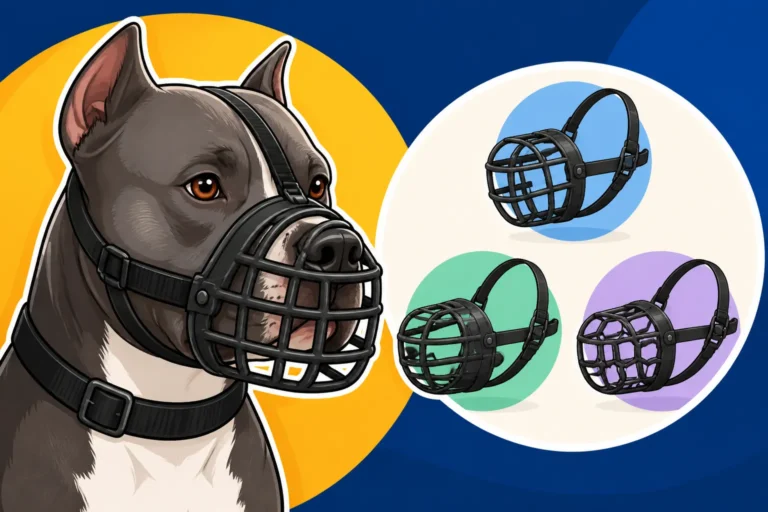
- Muzzle Training: Muzzle training is not a punishment; it's a safety tool. A well-fitted basket muzzle (also available on Amazon) allows your dog to pant, drink, and take treats, while preventing bites. It provides peace of mind for you and safety for others. Muzzle Training Every Pit Bull Should Have explains this process.
- "Watch Me" Command: Teach your Pit Bull to focus on you when another dog approaches. Reward heavily for eye contact and calm behavior.
- Advocate for Your Dog: Don't be afraid to tell other owners, "My dog needs space!" Most people will understand.
By being proactive and setting your Pit Bull up for success, you can still enjoy walks and outings without constant worry.
Effective Training and Management Strategies
Once you understand what dog selectivity is and why your Pit Bull exhibits it, the next step is to implement effective training and management strategies. This is where patience, consistency, and a positive approach will pay off immensely.
Building Impulse Control and Focus
A big part of managing dog selectivity, especially reactivity, is teaching your Pit Bull better impulse control. When they see another dog, the impulse might be to lunge, bark, or stiffen. We want to teach them to pause, look to you, and make a different choice.
- Foundation Obedience: Strong "sit," "stay," and "come" commands are invaluable. Practice these in increasingly distracting environments.
- "Leave It" and "Watch Me": These are critical. "Leave It" teaches your dog to disengage from something tempting (like another dog) and "Watch Me" trains them to make eye contact with you, breaking their focus on the trigger. Start practicing these far away from other dogs, then gradually introduce distractions.
- High-Value Rewards: For a Pit Bull, especially when dealing with high-arousal situations like other dogs, you need rewards that are irresistible. Think small pieces of cooked chicken, cheese, or special training treats.
- Consistent Practice: Short, frequent training sessions are more effective than long, infrequent ones. Integrate impulse control exercises into your daily routine, even when other dogs aren't around. For comprehensive online resources that can help with foundational skills, platforms like BAXTER & Bella offer guided programs that you can follow at your own pace.
By teaching your dog to think before they react, you empower them to make better choices, even in challenging situations. Building a Pit Bull's Impulse Control offers further guidance.
Desensitization and Counter-Conditioning Techniques
These are the bedrock of behavior modification for dog selectivity. The goal is to change your Pit Bull's emotional response to other dogs from negative (fear, frustration, aggression) to neutral or positive.
- Desensitization: Gradually exposing your dog to the trigger (other dogs) at a distance or intensity where they remain calm. This means starting far away, where your dog notices the other dog but doesn't react.
- Counter-Conditioning: Simultaneously pairing the presence of the trigger (other dogs) with something highly positive, like those high-value treats. The idea is to create a new association: "Other dog = yummy treats!"
Here's how it works in practice:
- Find the Threshold: Determine the maximum distance your Pit Bull can be from another dog without reacting. This is your starting point.
- Exposure and Reward: As soon as your Pit Bull sees another dog (but before they react), immediately give them a high-value treat. Repeat this every time they see a dog, consistently. The other dog appears, treat appears. The other dog disappears, treats stop.
- Gradual Reduction of Distance: Slowly, over many sessions and days/weeks, decrease the distance only when your dog consistently remains calm and looks to you for a treat at the current distance.
- Avoid Overwhelm: If your dog reacts, you've gone too far, too fast. Increase the distance again and go back to an easier step. Never punish a reaction, as this will only increase their anxiety and associate other dogs with negative feelings.
This process takes time, patience, and consistency. It's not a quick fix, but it can be incredibly effective at shifting your dog's emotional state. Positive Reinforcement Training With a Pit Bull further explains the principles behind these methods.
The Importance of Consistent Structure and Rules
Dogs thrive on predictability and clear communication. A lack of consistent structure and rules can contribute to anxiety and behavioral issues, including dog selectivity. Your Pit Bull needs to understand what is expected of them, regardless of the situation.
- Clear Boundaries: Be clear about what behaviors are acceptable and unacceptable. For example, jumping on guests, counter-surfing, or rushing the door are usually out. Consistent reinforcement of these boundaries builds a foundation of respect and calm.
- Routine: A predictable daily routine for feeding, walks, potty breaks, and playtime helps reduce anxiety. Dogs feel more secure when they know what to expect.
- Leadership, Not Dominance: Being a consistent, fair leader means guiding your dog with clear rules, not physical intimidation or harsh corrections. You are their trusted guide, providing safety and direction.
- Management Over Training (Initially): When you're first working on dog selectivity, prioritize managing situations to prevent reactions. This means avoiding triggers, using leashes and muzzles, and separating dogs when necessary. This prevents your dog from practicing the unwanted behavior, while you simultaneously work on training.
Consistency across all family members is crucial. If one person allows certain behaviors while another does not, it confuses the dog and undermines the training. Think of your household as a team, all working together for your Pit Bull's success.
When to Seek Professional Guidance
It's completely normal to feel overwhelmed when dealing with dog selectivity. This is a complex behavior, and sometimes, despite your best efforts, you might feel stuck. That's precisely when it's time to bring in the cavalry – a qualified professional.
Recognizing When You Need an Expert's Help
How do you know when it’s time to call in a pro?
- Lack of Progress: If you've been consistently applying training techniques for several weeks or months and aren't seeing any improvement, or if the behavior is getting worse, it's a clear sign you need help.
- Safety Concerns: If you or others are concerned about safety, especially if your Pit Bull has bitten another dog or person, professional intervention is urgent.
- Overwhelm and Stress: If managing your dog's selectivity is causing significant stress, anxiety, or making you feel isolated, a professional can provide support and a clear path forward.
- Unusual or Sudden Changes: A sudden onset of dog selectivity in an otherwise well-socialized dog could indicate pain, illness, or a neurological issue. A vet check is always the first step, followed by a behavior professional if health issues are ruled out.
- Multi-Dog Household Strain: If the dynamic in your multi-dog home is constantly tense, or if one dog is living in perpetual fear, a professional can help mediate and implement effective management plans.
Don't see seeking professional help as a failure; see it as a responsible and loving choice for your dog.
Finding a Trainer Experienced With Pit Bulls
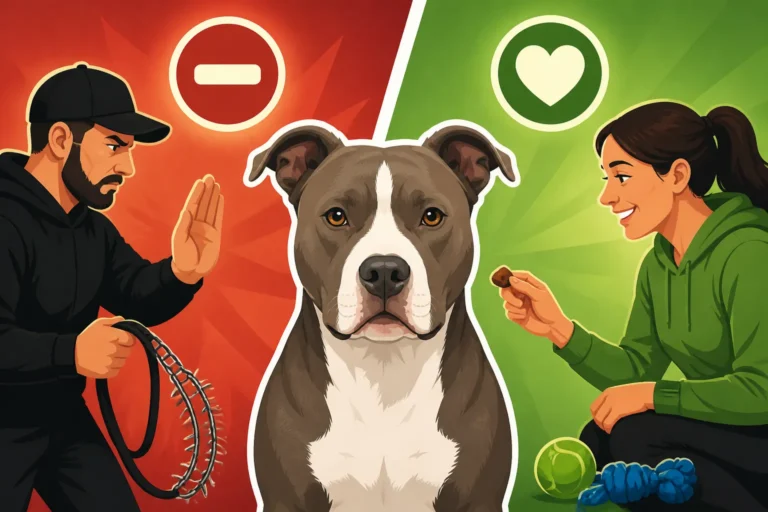
Not all dog trainers are created equal, and finding one with specific experience in dog selectivity and Pit Bull type dogs is paramount. Look for professionals who use positive reinforcement and modern, force-free methods.
Here's what to look for:
- Certifications: Look for certifications like Certified Professional Dog Trainer (CPDT-KA), Certified Behavior Consultant Canine (CBCC-KA), or veterinary behaviorists (DACVB). These indicate a commitment to ethical and science-based practices.
- Experience with Pit Bulls: Ask explicitly about their experience with Pit Bull type dogs and dog selectivity. Do they understand the breed-specific nuances?
- Force-Free Philosophy: Avoid trainers who advocate for aversive tools (prong collars, e-collars) or punishment-based methods. These can suppress behavior in the short term but often increase fear and anxiety, making the underlying problem worse.
- Client References: Ask for references and speak to past clients.
- Observation: Request to observe a training session or have a consultation. Pay attention to how they interact with dogs and owners.
- Focus on Management AND Training: A good trainer will help you implement practical management strategies while simultaneously working on behavior modification.
A great place to start your search is Finding a Trainer Experienced With Pit Bulls, which offers more specific advice on vetting potential trainers.
Understanding Different Training Philosophies
The world of dog training can be a minefield of conflicting advice. When seeking professional help, you'll encounter various philosophies.
- Positive Reinforcement (Force-Free): This approach focuses on rewarding desired behaviors and managing the environment to prevent unwanted ones. It builds a positive relationship between dog and owner based on trust and clear communication. This is generally the most effective and humane approach for dog selectivity.
- Balanced Training: This approach uses a mix of positive reinforcement and some forms of aversive tools or corrections. While some trainers in this category are skilled, the reliance on aversives can be problematic, especially for sensitive or fearful dogs, and can exacerbate dog selectivity.
- Dominance-Based Training: This outdated and debunked philosophy believes dogs are trying to "dominate" their owners and promotes the use of intimidation and punishment to establish "alpha" status. This approach is highly detrimental, erodes trust, and can lead to aggression and fear. Avoid trainers who use this method.
For dog selectivity, a force-free, positive reinforcement trainer or a veterinary behaviorist is almost always the safest and most effective choice. They will help you understand the motivations behind your Pit Bull's behavior and guide you in building new, positive associations, making life calmer and happier for everyone involved.
| Behavior Signal | Interpretation (Dog Selectivity Context) | Action to Take |
|---|---|---|
| Stiff body, hard stare | Warning, discomfort, potential escalation | Increase distance, redirect attention, use "Watch Me" |
| Lip licking, yawning | Stress, anxiety, discomfort | Observe closely, assess environment, intervene early |
| Growl, air snap | Clear warning: "Back off!" | Immediately create distance, separate dogs if needed |
| Tail tucked, head low | Fear, appeasement, avoidance | Protect your dog, remove from situation |
| Loose body, soft gaze | Relaxed, open to interaction | Proceed with caution, observe further |
| Panting (not hot) | Stress, anxiety | Calm dog, move to quieter area |
Disclaimer
This article is for general informational purposes only and does not constitute professional advice. Laws, prices and regulations vary by location and change over time. Consult a qualified professional for guidance on your specific situation.