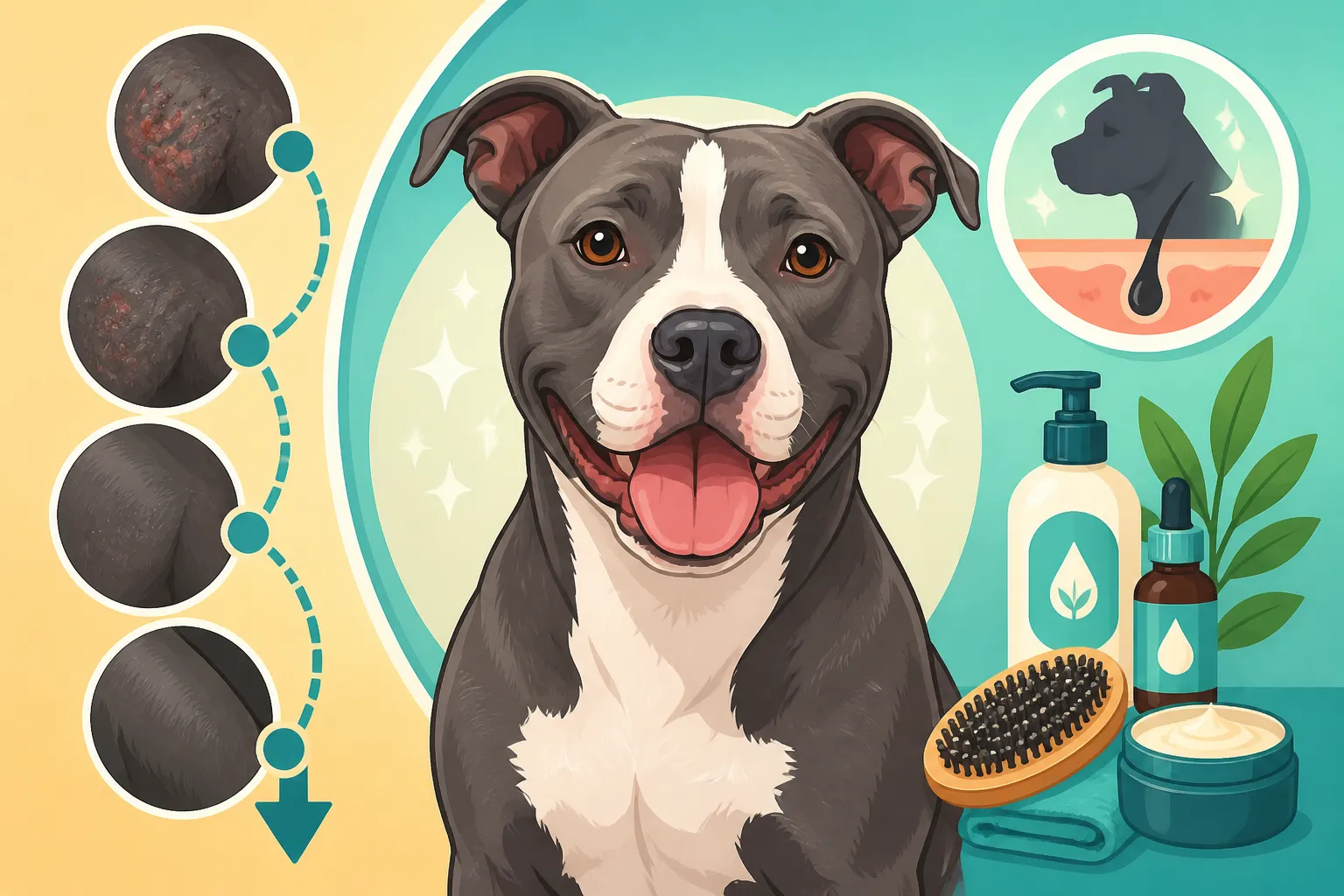
Pit Bull Coat and Skin Care Week to Week
It’s a common frustration for Pit Bull owners: you love their sleek, shiny coats, but then suddenly, itching, redness, or dryness pops up, leaving both you and your beloved dog uncomfortable. Their short hair might seem low-maintenance, but their skin can be surprisingly delicate and prone to issues. This comprehensive guide will walk you through a week-by-week approach to Pit Bull coat and skin care, offering practical advice and deep insights to keep your furry friend comfortable and looking their best.
Understanding Your Pit Bull's Unique Skin and Coat
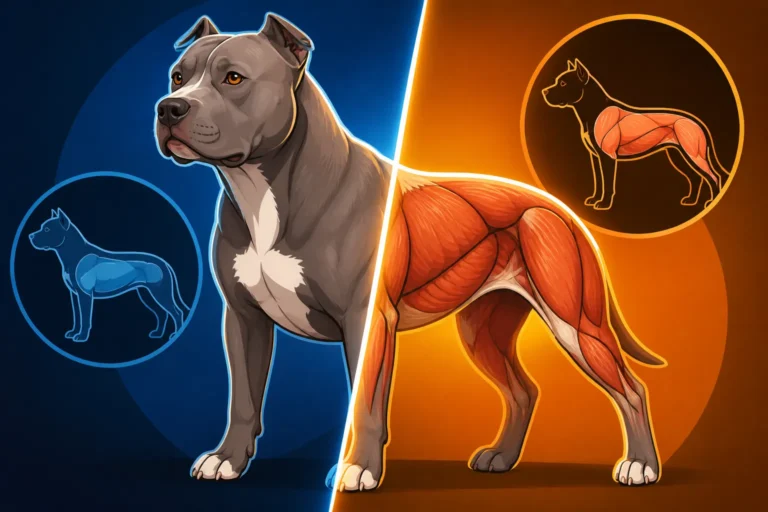
Pit Bulls are magnificent dogs, known for their powerful build and loyal hearts. Their appearance, particularly their short, often gleaming coat, is a hallmark. However, beneath that smooth exterior lies a skin structure that requires particular attention. Understanding these unique characteristics is the first step in providing the best possible care and heading off potential problems before they become severe. It’s not just about aesthetics; healthy skin is a crucial barrier against infections and irritants, contributing directly to your Pit Bull's overall well-being and comfort.
The Short, Single Coat and Its Vulnerabilities
Unlike many breeds with thick undercoats, Pit Bulls typically sport a single layer of short, stiff hair. This coat type feels wonderfully soft to the touch and requires less extensive grooming in terms of detangling or professional cuts. However, this minimalist covering also means their skin is more exposed and vulnerable to the elements. Think about a sunny day: a longer-haired dog has a bit of natural shade, but a Pit Bull's skin can get sunburned surprisingly easily, especially on lighter-colored areas or pink noses. Similarly, external irritants like pollen, harsh cleaning chemicals on the floor, or even rough surfaces can directly affect their skin without a dense buffer. This direct exposure means that what might be a minor irritation for another breed could quickly escalate into a noticeable skin problem for a Pit Bull.
Beyond environmental exposure, this short coat also means that any skin issue, from a small rash to a developing hot spot, becomes immediately visible and can feel more pronounced to the touch. You don't have layers of fur to hide what's happening underneath, which can be a double-edged sword: it allows for early detection but can also make every tiny bump or patch of redness feel more alarming. Knowing this vulnerability helps you approach their skin care with a proactive mindset, focusing on protection and gentle treatment rather than just reactive measures once a problem arises.
The Underlying Genetics of Pit Bull Skin Sensitivities
While all dogs can experience skin issues, Pit Bulls, as a type, do seem to have a genetic predisposition towards certain sensitivities, particularly allergies. This isn't just anecdotal observation from owners; veterinary dermatologists often note a higher incidence of atopic dermatitis and other allergic reactions in Pit Bull type dogs. This genetic blueprint means their immune system might overreact to otherwise harmless substances in the environment (like pollens, dust mites, or molds) or even ingredients in their food. This overreaction manifests as inflammation, itching, and discomfort in the skin.
This genetic inclination towards allergies can make management a lifelong journey. It means that even with excellent care, your Pit Bull might still experience flare-ups. The key is understanding this underlying factor so you can work with your veterinarian to develop a tailored management plan. It also means being extra diligent with diet, environmental control, and regular skin checks. For instance, if your Pit Bull starts developing persistent itching or red patches, especially on their paws, belly, or ears, it's wise to consider that an allergic component might be at play. Knowing their genetic propensity helps you stay vigilant and advocate for appropriate testing and treatment options early on. Pit Bull Skin Allergies and the Atopy Pattern delves deeper into understanding this common condition.
Common Pit Bull Skin and Coat Challenges
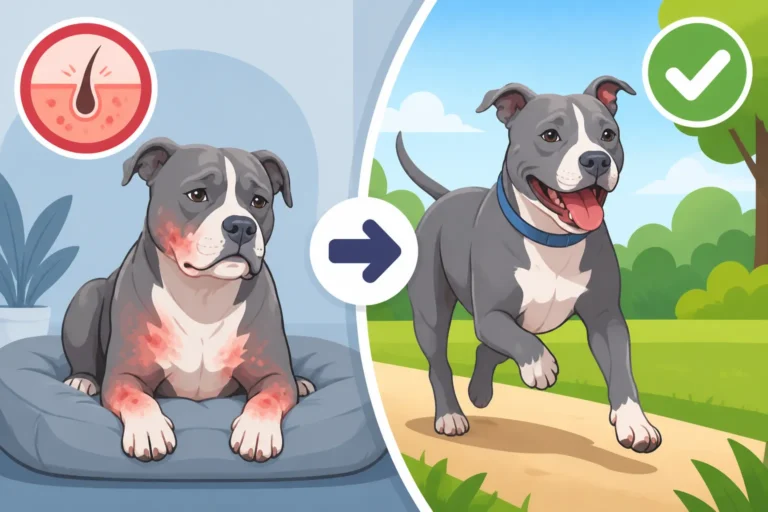
Given their unique coat and genetic predispositions, Pit Bulls frequently encounter a range of skin and coat challenges that owners should be aware of. The most prevalent among these are allergies, both environmental (atopy) and food-related. These allergies often present as incessant itching, leading to licking, chewing, and rubbing of affected areas, particularly the paws, belly, and armpits. This constant irritation can quickly break down the skin barrier, creating secondary issues.
Beyond allergies, Pit Bulls are also prone to infections. The damaged skin barrier from scratching can easily allow bacteria or yeast to take hold, leading to conditions like pyoderma (bacterial skin infection) or yeast dermatitis, which often have a distinct, yeasty odor. Hot spots, or acute moist dermatitis, are another common and rapidly developing problem, often triggered by intense itching in a localized area that the dog then excessively licks or chews, causing a raw, oozing lesion. Issues like dry skin, flakiness, or even sunburn are also seen, especially in Pit Bulls with lighter pigmentation. Addressing these common challenges effectively requires a consistent, proactive approach to skin and coat care.
The Foundation of Healthy Skin: Nutrition
When we talk about skin and coat health, it’s easy to jump straight to topical treatments like shampoos and balms. However, the true foundation for vibrant skin and a lustrous coat lies within – specifically, in what you feed your Pit Bull. A dog’s diet plays an enormous role in providing the essential building blocks, vitamins, and minerals necessary for maintaining skin integrity, promoting healthy hair growth, and supporting the immune system’s ability to ward off inflammatory responses. Skimping on quality nutrition can often manifest as a dull coat, dry skin, excessive shedding, or even exacerbate allergic reactions, making your Pit Bull uncomfortable and more susceptible to infections.
Balanced Diets for Optimal Coat Health
Providing a balanced diet formulated for dogs is paramount for supporting your Pit Bull's skin and coat. This means looking for high-quality commercial dog foods where meat protein sources are listed as the first ingredients, rather than fillers like corn or wheat. Proteins are essential for hair growth and skin cell repair, while healthy fats, particularly omega-3 and omega-6 fatty acids, are critical for maintaining the skin's natural moisture barrier and reducing inflammation. Ingredients like fish oil, flaxseed, and certain vegetable oils are excellent sources of these beneficial fats.
Beyond protein and fat, a truly balanced diet will also include a range of vitamins and minerals. Zinc, for example, is vital for skin healing and immune function, and deficiencies can lead to dry, flaky skin. Vitamins A and E are powerful antioxidants that protect skin cells and promote regeneration. When choosing a food, read labels carefully and opt for reputable brands that clearly state they meet AAFCO (Association of American Feed Control Officials) nutritional standards for your dog's life stage. Some owners find success with fresh food options like those offered by Ollie, which can provide highly digestible nutrients that might be beneficial for sensitive skin. Consistency in feeding a high-quality diet prevents nutritional gaps that can quickly show up on the skin and coat.
Identifying and Managing Food Allergies
One of the most frustrating aspects of Pit Bull skin issues can be suspected food allergies. Unlike environmental allergies which often have seasonal patterns, food allergies can cause itching and skin irritation year-round, making it hard to pinpoint the culprit. Common signs of food allergies in Pit Bulls aren't just skin-deep; they can include chronic ear infections, paw licking, belly rashes, and sometimes even gastrointestinal upset like vomiting or diarrhea. Food Allergies Behind Pit Bull Itching describes these symptoms in more detail. The challenge often lies in identifying the specific ingredient causing the problem, as it’s rarely a single, obvious food.
The gold standard for diagnosing a food allergy is an elimination diet, also known as a food trial. This typically involves feeding your Pit Bull a novel protein source (one they haven't eaten before, like venison or duck) and a single carbohydrate (like sweet potato or green peas) for a strict period of at least 8-12 weeks, with absolutely no other treats, table scraps, or flavored medications. It requires incredible diligence and patience, but it’s often the most effective way to see if symptoms resolve and then cautiously reintroduce ingredients to identify the allergen. Many limited ingredient diets (LIDs) are available on platforms like Chewy or Amazon, making it easier to source appropriate food for such a trial. An Eight Week Food Trial on an Itchy Pit Bull offers practical advice for conducting this critical step.
Beneficial Supplements for Skin and Coat
While a balanced diet is crucial, sometimes supplements can offer an extra boost for Pit Bulls prone to skin issues. The most commonly recommended supplements for skin health are omega-3 fatty acids, often derived from fish oil (like salmon or sardine oil). These potent anti-inflammatory compounds can help reduce the itching and redness associated with allergies, improve the skin barrier, and contribute to a shinier, healthier coat. Always ensure you're using a high-quality, veterinary-grade fish oil and follow dosage recommendations carefully, as too much can have adverse effects.
Other supplements that can be beneficial include probiotics, which support gut health and, by extension, the immune system, potentially reducing allergic reactions. Some veterinarians might also suggest specific vitamins or antioxidants if a deficiency is suspected or if there's a need for extra cellular support. Biotin and zinc are sometimes included in skin and coat formulas. However, it's vital to consult with your veterinarian before adding any new supplement to your Pit Bull's regimen. They can help you determine if a supplement is truly necessary, recommend appropriate brands and dosages, and ensure it won't interact negatively with any other medications or conditions your dog might have. Omega Oils for Pit Bull Skin and Coat offers more in-depth information on the benefits and considerations of these supplements.
Bathing Routines for a Healthy Pit Bull Coat
Bathing a Pit Bull isn't just about making them smell good; it's a vital component of their skin and coat health, especially for those prone to allergies or other dermatological issues. Regular, appropriate bathing can help remove allergens, excess oils, loose hair, and environmental irritants that accumulate on the skin, providing immediate relief from itching and preventing secondary infections. However, the "how often" and "with what" can make all the difference between a soothing experience and one that exacerbates skin problems. It's about finding that delicate balance between cleansing and maintaining the skin's natural protective barrier.
Choosing the Right Shampoos and Conditioners
Selecting the correct shampoo and conditioner for your Pit Bull is paramount. For dogs with healthy, non-sensitive skin, a gentle, moisturizing shampoo formulated for dogs is usually sufficient. Look for products that are pH-balanced for canine skin and free from harsh chemicals, dyes, and strong fragrances that could cause irritation. However, for Pit Bulls grappling with allergies, dryness, or infections, medicated shampoos are often necessary. These can contain ingredients like oatmeal (for soothing), chlorhexidine (antibacterial), miconazole (antifungal), or benzoyl peroxide (follicle flushing). Medicated Baths for a Pit Bull With Atopy delves into the specific types of medicated shampoos and their uses.
If your Pit Bull experiences chronic dry skin, a moisturizing shampoo followed by a hydrating conditioner can be incredibly beneficial. Conditioners help to restore moisture to the skin and coat, making it softer, reducing flakiness, and preventing the skin from drying out after bathing. It's crucial to ensure that any shampoo or conditioner you choose is specifically designed for dogs, as human products have a different pH balance and can strip natural oils, leading to further irritation. Always read the ingredient list and consider sensitive skin formulas if your Pit Bull has a history of skin reactivity. Many specialized dog grooming products are readily available through online retailers like Amazon or Chewy.
Step-by-Step Bathing Techniques
Once you have the right products, a proper bathing technique is key to maximizing their effectiveness and ensuring a comfortable experience for your Pit Bull. Start by thoroughly wetting your dog's coat with lukewarm water. Hot water can dry out their skin, and cold water can be uncomfortable. Apply shampoo, starting from the neck and working your way down to the tail and legs, paying special attention to areas prone to skin issues like the armpits, groin, and paws. For medicated shampoos, "contact time" is crucial; often, the product needs to sit on the skin for 5-10 minutes to be effective, so follow the instructions on the label carefully. This can be a good time to gently massage the shampoo in, allowing the active ingredients to penetrate.
During the bathing process, be mindful of avoiding your Pit Bull's eyes and ears. If water gets into the ears, it can contribute to ear infections, a common issue for some Pit Bulls. Consider using cotton balls in their ears before bathing, but remember to remove them immediately afterward. The most critical step after shampooing is rinsing. You must rinse thoroughly, and then rinse again. Shampoo residue left on the skin can be a significant irritant, leading to itching and flakiness, negating all your good efforts. Keep rinsing until the water runs clear and you no longer feel any slickness on their coat.
Post-Bath Care and Drying
After a thorough rinse, the post-bath care is just as important as the bath itself. Gently squeeze excess water from your Pit Bull's coat, then wrap them in a clean, absorbent towel. Pat them dry rather than rubbing vigorously, which can irritate sensitive skin. Many Pit Bulls tolerate a low-heat hairdryer, which can be useful, especially in cooler weather, to ensure they are completely dry, preventing chilling or dampness that can promote yeast or bacterial growth in skin folds. If using a dryer, keep it on a low-heat setting and continuously move it to avoid overheating any one spot.
For Pit Bulls prone to skin issues, it’s beneficial to apply a moisturizing spray or leave-in conditioner after they are towel or blow-dried. This helps to lock in moisture and further protect the skin barrier. Regularly check their paws and between their toes for any trapped moisture or debris that could lead to irritation. Ensuring your Pit Bull is completely dry, especially after medicated baths, is a non-negotiable step to prevent fungal or bacterial overgrowth, particularly in areas like the groin or under the armpits. A dry, clean coat is far less likely to harbor issues.
Daily and Weekly Skin and Coat Maintenance
Consistent daily and weekly care goes a long way in preventing major skin and coat issues in your Pit Bull. It's not just about addressing problems as they arise, but about maintaining a healthy baseline through simple yet effective routines. These practices help you stay attuned to your dog’s skin, allowing for early detection of any changes, and also reinforce your bond through regular, gentle handling. From simple brushing to targeted wiping, these small actions build up to significant benefits for your Pit Bull's comfort and health.
Brushing for Shedding and Circulation
Even with their short coats, Pit Bulls do shed. Regular brushing is essential, typically 2-3 times a week, to remove loose hair, distribute natural skin oils, and stimulate blood circulation to the skin. This not only keeps your home cleaner by reducing shedding but also prevents mats (though rare in short coats, they can happen with certain mixes) and allows you to inspect their skin up close. A rubber curry brush or a shedding blade designed for short coats works wonderfully for Pit Bulls. The rubber nubs on a curry brush feel like a massage to most dogs and are excellent at grabbing loose hair while stimulating the skin.
When brushing, pay attention to the entire body. Use gentle, even strokes. This routine is also a fantastic opportunity for a quick 'health check'. As you brush, you'll naturally feel for any lumps, bumps, scabs, or hot spots that might be developing under the surface. It’s a moment of connection, and most Pit Bulls thoroughly enjoy the attention and physical contact. If you notice any areas of sensitivity or discomfort during brushing, it’s a red flag that warrants closer inspection.
Wiping Down After Outdoor Adventures
Pit Bulls love to explore, roll in the grass, and generally enjoy the great outdoors. While this is wonderful for their mental and physical health, it also means they can pick up environmental allergens like pollen, dust, and grass particles on their coat. For Pit Bulls prone to environmental allergies, these microscopic irritants can trigger intense itching and skin reactions. A simple yet highly effective preventative measure is to wipe your Pit Bull down after every outdoor adventure, especially during peak allergy seasons.
Use a damp cloth, a grooming mitt, or even specialized hypoallergenic wipes to wipe down their entire coat, focusing particularly on their belly, legs, and paws. These are the areas most likely to come into contact with allergens. This quick routine helps remove surface irritants before they have a chance to settle on the skin and cause a reaction. It's like a mini-bath that doesn't strip their natural oils, offering relief for itchy Pit Bulls. Many owners find that incorporating this into their post-walk routine significantly reduces the frequency and intensity of allergic flare-ups. Wiping Pit Bull Paws After Grass discusses the specifics of this helpful practice.
Regular Skin Checks for Early Detection
Perhaps one of the most critical aspects of weekly skin and coat care for a Pit Bull is conducting thorough, systematic skin checks. Because their skin is so vulnerable and issues can escalate quickly, early detection is everything. Once a week, set aside a few minutes to methodically examine your Pit Bull's entire body. Start at their head and work your way back, parting their short fur to visually inspect the skin. Look for any redness, rashes, bumps, scabs, flaky patches, or signs of irritation.
Pay close attention to common problem areas:
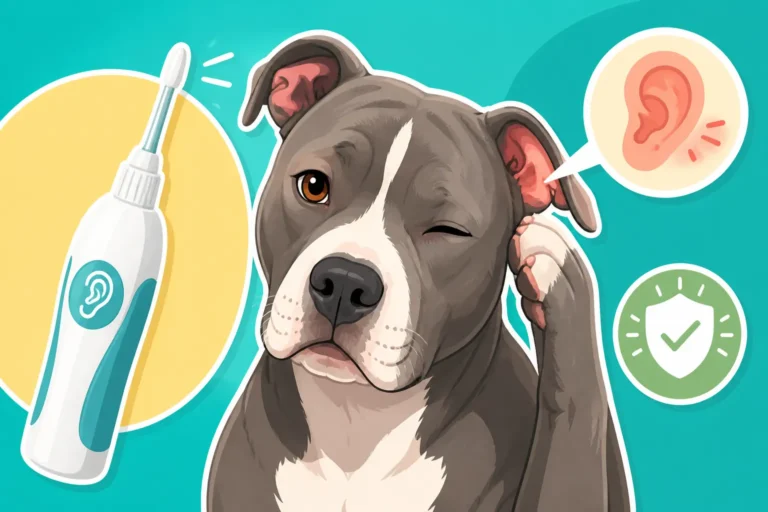
- Ears: Lift their ear flaps and check for redness, discharge, or odor, which can indicate an ear infection. Pit Bull Ear Infections and Allergy Links
- Paws and between toes: Look for redness, swelling, excessive licking stains, or foreign objects.
- Armpits and groin: These warm, moist areas are common sites for yeast or bacterial overgrowth.
- Belly: Easily irritated by contact with grass or surfaces.
- Tail base: Often a hot spot for flea allergy dermatitis.
- Skin folds: If your Pit Bull has any facial or body folds, ensure they are clean and dry to prevent irritation.
Feel gently for any lumps or bumps, noting their size, texture, and whether they seem painful. If you find anything suspicious or concerning, make a note of it and consider contacting your vet. This consistent vigilance allows you to catch minor issues before they become major problems, saving your Pit Bull discomfort and potentially expensive vet visits down the line.
Addressing Specific Pit Bull Skin Conditions
Even with the most diligent preventative care, Pit Bulls can still encounter specific skin conditions that require targeted attention. Their genetic predispositions and active lifestyles can sometimes lead to localized problems that need careful management. Understanding these common ailments and knowing the appropriate initial steps can make a huge difference in your Pit Bull’s comfort and the speed of their recovery. It’s about more than just seeing an issue; it’s about recognizing what it might be and how to best respond.
Managing Environmental Allergies and Itching
Environmental allergies, or atopy, are incredibly common in Pit Bulls and can be a source of chronic frustration for both dog and owner. The symptoms often include persistent itching, licking of paws, rubbing of the face, and recurrent ear infections. These flares are often seasonal, triggered by pollens from trees, grasses, or weeds, but can also be year-round if the allergen is indoor dust mites or molds. The constant itching can lead to secondary skin infections, creating a vicious cycle of discomfort.
Managing atopy often requires a multi-faceted approach. On a day-to-day basis, rinsing paws and wiping down your Pit Bull after outdoor exposure can help remove allergens before they penetrate the skin. Frequent bathing with a gentle, hypoallergenic shampoo can also wash away irritants and soothe inflamed skin. Your veterinarian might recommend specific medications like antihistamines, corticosteroids (for severe flares), or newer targeted therapies like Apoquel or Cytopoint to control the itch. Environmental modifications at home, such as using air purifiers or washing bedding frequently, can also make a difference. The goal is to reduce exposure and calm the immune system's overreaction.
Tackling Infections: Yeast and Bacteria
When a Pit Bull’s skin barrier is compromised, whether from allergies, excessive licking, or other trauma, it creates an opportunity for opportunistic infections to take hold. The most common culprits are yeast (Malassezia dermatitis) and bacteria (pyoderma). Yeast infections often manifest as greasy, red, and intensely itchy skin, sometimes with a distinct, sweet or musty odor, particularly in skin folds, ears, and between the toes. Bacterial infections, or pyoderma, can appear as red bumps, pustules, scabs, hair loss, or general redness and inflammation. Yeast Infections in Pit Bull Skin Folds details these specific symptoms.
Recognizing the signs of these infections is crucial. If you notice persistent itching, odor, greasiness, or visible skin lesions, it’s time for a vet visit. Self-treating can be counterproductive if you don't correctly identify the type of infection. Your vet will likely perform skin scrapes or cytology (examining cells under a microscope) to diagnose the exact issue. Treatment for bacterial infections typically involves a course of antibiotics, often in conjunction with medicated shampoos. Yeast infections are usually treated with antifungal shampoos, wipes, or oral medications. Addressing these secondary infections is vital to breaking the itch-scratch cycle and restoring skin health.
Dealing with Dryness, Flakiness, and Hot Spots
Dry skin and flakiness can affect Pit Bulls for various reasons, from low humidity in winter to nutritional deficiencies or underlying allergies. The skin might appear tight, sometimes with visible dandruff-like flakes, and can be itchy. Moisturizing shampoos, regular conditioning, and incorporating omega fatty acid supplements into their diet can often alleviate general dryness. Ensuring your dog is well-hydrated is also fundamental.
Hot spots, or acute moist dermatitis, are a particularly alarming and rapidly developing skin condition. They appear as red, raw, oozing, and often painful lesions that seem to pop up overnight. They are almost always self-inflicted, caused by a dog intensely licking, chewing, or scratching a small, itchy area, which then quickly becomes inflamed and infected. Common triggers include flea bites, allergic reactions, insect stings, or even persistent dampness. Pit Bull Hot Spots and Secondary Infection provides more details on what causes these. Immediate veterinary attention is usually required for hot spots. Treatment typically involves clipping the hair around the lesion, cleaning it thoroughly, applying topical medications, and sometimes oral antibiotics or steroids. Preventing your Pit Bull from further irritating the area, often with an Elizabethan collar, is also essential for healing.
Paw Pad and Nose Care for Your Pit Bull
Often overlooked in general grooming routines, your Pit Bull’s paw pads and nose are exposed and vulnerable areas that require specific attention. Their paw pads are their primary interface with the ground, absorbing impact and facing various textures and temperatures daily. Their nose, especially if it’s a lighter pink, is also susceptible to environmental damage. Neglecting these areas can lead to discomfort, pain, and even more serious health issues, impacting your Pit Bull’s mobility and overall quality of life. Integrating paw and nose care into your regular routine is a simple yet impactful way to enhance their well-being.
Protecting Paw Pads from Environmental Stressors
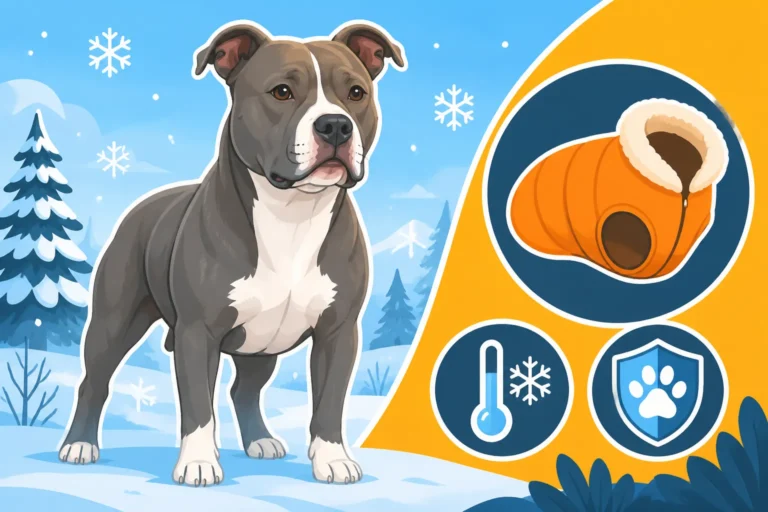
Pit Bulls are active dogs, and their paw pads bear the brunt of their adventures. These tough but sensitive areas are constantly exposed to various environmental stressors, from scorching summer pavement to icy winter sidewalks treated with harsh chemicals. Walking on hot asphalt or sand can cause painful burns and blisters, while freezing temperatures and snow can lead to frostbite and cracking. Even everyday rough terrain can cause abrasions and cuts. Recognizing these threats is the first step in protecting your Pit Bull's paws.
To safeguard their paw pads, proactive measures are key. During summer, avoid walking your Pit Bull during the hottest parts of the day, opting for early mornings or late evenings. Test the pavement with your hand: if it's too hot for you to hold your hand on for five seconds, it's too hot for their paws. In winter, consider dog booties for protection against snow, ice, and de-icing salts. Even if not wearing booties, always rinse or wipe their paws after winter walks to remove irritating chemicals. Regular checks for debris lodged between their toes or any small cuts are also vital. Pit Bull Paw Pad Injuries on Hard Ground delves into preventative measures for active dogs.
Moisturizing and Healing Cracked Paw Pads
Despite their natural toughness, paw pads can become dry, rough, and even crack, especially in harsh weather or if there's an underlying skin condition. Cracks can be painful, make walking uncomfortable, and even become entry points for bacteria, leading to infection. If you notice your Pit Bull frequently licking their paws, or if the pads look visibly dry and flaky, it’s time to intervene with some moisturizing care.
Regular application of a paw balm or specialized paw moisturizer can make a significant difference. Look for products made with natural, non-toxic ingredients that are safe for dogs to lick, such as shea butter, coconut oil, or beeswax. Gently massage the balm into their paw pads before bedtime to allow it to absorb overnight. For deeper cracks, apply the balm more frequently and consider covering the paw with a sock or bootie for short periods to ensure the balm penetrates without being immediately licked off. Consistent moisturizing helps maintain the pads’ elasticity, preventing future cracking and promoting healing. Always consult your vet if cracks are deep, bleeding, or show signs of infection.
Sun Protection for Sensitive Noses
Many Pit Bulls, especially those with lighter-colored coats or pink noses, are susceptible to sunburn. Just like human skin, a dog’s nose can burn, leading to pain, peeling, and in severe cases, increasing the risk of skin cancer over time. This sensitivity is particularly pronounced for pink or unpigmented noses that lack the melanin protection of darker skin. It’s an easy detail to overlook, but one that can cause significant discomfort and long-term health implications for your beloved Pit Bull.
To protect your Pit Bull's sensitive nose, especially during extended periods outdoors or peak sun hours, apply a veterinarian-approved sunscreen specifically formulated for pets. Human sunscreens often contain ingredients that can be toxic if ingested, so it’s crucial to use a dog-safe product. Apply a thin layer to the bridge of the nose, ear tips (if they're lightly pigmented), and any other areas with sparse hair or pink skin. Reapply as directed, especially after swimming or vigorous activity. While sunscreen is important, also consider offering shaded areas when outdoors and limiting sun exposure during the strongest parts of the day. For more information on this, refer to Pit Bull Sunburn on a Pink Nose.
Environmental Factors and Prevention
Beyond direct grooming and nutrition, the environment your Pit Bull lives in plays a huge, often underestimated, role in their skin and coat health. Invisible allergens, pervasive parasites, and fluctuating weather conditions can all contribute to skin irritation, dryness, or allergic flare-ups. Being mindful of these external factors and taking proactive steps to manage them can significantly reduce your Pit Bull's overall skin burden, leading to a happier, less itchy existence. It's about creating a holistic approach where their living space actively supports their well-being.
Minimizing Household Irritants
Your Pit Bull spends a significant amount of time indoors, and their skin is constantly interacting with their immediate environment. This means household cleaning products, laundry detergents, and even dust mites can become significant irritants, especially for an allergic Pit Bull. Think about how much time they spend lying on the carpet, rolling on the couch, or sleeping in their bed – all surfaces that can harbor allergens and chemicals. For a Pit Bull with sensitive skin, minimizing exposure to these irritants is a game-changer.
Opt for pet-safe, non-toxic cleaning products for floors and surfaces your dog comes into contact with. Avoid harsh chemical cleaners or air fresheners that can release irritating fumes. When washing your Pit Bull's bedding, which should be done weekly, use a hypoallergenic, unscented laundry detergent. Consider investing in a good quality vacuum cleaner with a HEPA filter to reduce dust mites and pet dander, both of which are common environmental allergens. Regular dusting and vacuuming can significantly lower the allergen load in your home, providing relief for your sensitive-skinned companion.
Parasite Prevention as Skin Defense
It might seem obvious, but consistent, year-round parasite prevention is an absolute cornerstone of Pit Bull skin health. Fleas, ticks, and mites are not just annoying; they are a major trigger for skin problems, particularly flea allergy dermatitis (FAD). Even a single flea bite can cause an intense, widespread allergic reaction in a sensitive Pit Bull, leading to severe itching, redness, scabbing, and hot spots. Ticks can cause localized irritation and transmit diseases, while certain mites (like Demodex or Sarcoptes) cause forms of mange that require immediate veterinary intervention.
Therefore, ensuring your Pit Bull is on a reliable, veterinarian-recommended flea, tick, and heartworm preventative all year long is non-negotiable. There are many effective options available, including oral medications, topical treatments, and collars. Discuss with your vet which product is best suited for your Pit Bull’s lifestyle and local parasite prevalence. Don't stop prevention in winter; fleas can survive indoors year-round. This simple act of prevention saves your Pit Bull immense discomfort and reduces the likelihood of secondary infections that often follow intense itching from parasite bites. Flea Allergy Dermatitis in a Pit Bull highlights the importance of this protection.
Seasonal Considerations for Pit Bull Skin
Just like humans, Pit Bulls can experience seasonal shifts in their skin and coat needs. Each season brings its own set of environmental challenges that can impact their skin health, requiring you to adapt your care routine accordingly. Being prepared for these changes helps maintain their comfort year-round and prevents seasonal flare-ups that can be hard to get under control once they start.
In spring and summer, pollen counts soar, and insect activity increases. This is prime time for environmental allergies and flea allergy dermatitis. Increase your post-walk wiping routine, consider more frequent baths with gentle, soothing shampoos, and double-check your flea prevention is up-to-date. Sun protection for pink noses and ears is also critical. In fall, falling leaves can bring new molds and allergens, and as the weather cools, indoor heating can start to dry out the air, leading to dry, flaky skin. Continue wiping down after walks and consider adding a humidifier indoors. Winter brings cold, dry air, which can be very dehydrating for the skin. Focus on moisturizing baths and paw balms to combat dryness and cracking. Protect paws from ice melt salts and cold surfaces. Regardless of the season, vigilance and adaptability are your best tools.
When to Seek Professional Veterinary Help
It’s completely normal to handle minor skin irritations at home with good grooming practices and attentive care. However, there are times when a skin issue transcends simple home care and truly necessitates a visit to your veterinarian. Knowing when to make that call is crucial for your Pit Bull’s health and comfort. Delaying professional intervention can lead to worsening conditions, increased pain for your dog, and more complicated (and expensive) treatments down the line. Trust your instincts; if something doesn’t look or feel right, it’s always best to err on the side of caution.
Recognizing Persistent or Worsening Symptoms
One of the clearest indicators that it's time to see the vet is when symptoms persist or worsen despite your best efforts at home care. For example, if your Pit Bull has been excessively scratching or licking for more than a few days, even after a soothing bath or a diligent wipe-down, that's a red flag. Any skin lesion that is growing in size, becoming more red, oozing pus, or developing a foul odor definitely warrants immediate professional attention. These could be signs of a deepening infection that needs prescription medication.
Also, watch for behavioral changes in conjunction with skin issues. Is your Pit Bull listless, losing their appetite, or unusually irritable due to discomfort? Are they constantly trying to bite or scratch a specific area, indicating intense pain or itch? These accompanying symptoms suggest a more severe underlying problem. Don't wait for a small patch of redness to become a full-blown hot spot or for a minor itch to turn into widespread skin inflammation. Your vet can assess the severity and initiate appropriate treatment before the condition spirals out of control.
The Importance of Accurate Diagnosis
Many skin conditions can look similar on the surface but have vastly different underlying causes and require completely different treatments. This is where the importance of an accurate veterinary diagnosis comes into play. For instance, what looks like dry, flaky skin could be simple winter dryness, but it could also be a symptom of a thyroid condition (hypothyroidism), a parasitic infection like mange, or a fungal infection. An itchy dog could have environmental allergies, food allergies, fleas, or even an autoimmune disease. Trying to guess and treat at home with over-the-counter remedies might mask symptoms or, worse, delay effective treatment.
Your veterinarian has the tools and expertise to perform diagnostic tests that clarify the situation. These might include skin scrapes to look for mites, cytology to identify yeast or bacterial overgrowth, fungal cultures, blood tests to check for underlying systemic diseases, or even biopsies for persistent or unusual lesions. An accurate diagnosis ensures your Pit Bull receives the right medication and care, targeting the root cause of the problem rather than just providing temporary relief. This targeted approach is not only more effective but also prevents unnecessary exposure to medications that aren't suitable for their specific condition.
Collaborating with Your Vet for Long-Term Solutions
For Pit Bulls with chronic skin issues, such as recurrent allergies or infections, a single vet visit might not be the end of the story. Managing these conditions often requires a long-term strategy and ongoing collaboration between you and your veterinarian. This partnership means being proactive about follow-up appointments, diligently administering medications as prescribed, and openly communicating any changes or concerns you observe in your Pit Bull's skin.
Your vet might recommend a staged approach, starting with symptom control and then moving to identify and manage triggers. This could involve allergy testing (skin or blood tests), a strict food trial, or ongoing preventative measures. Don't be afraid to ask questions, voice your concerns, or seek clarification on treatment plans. Keeping detailed records of your Pit Bull's symptoms, treatments tried, and their responses can be incredibly helpful for your vet in adjusting the care plan. Remember, you are your Pit Bull’s primary advocate. Working together with your veterinary team is the most effective way to provide lasting relief and maintain their skin and coat health throughout their lives. It's a journey, and with patience and persistence, you can significantly improve your Pit Bull's quality of life. What a Pit Bull Health History Should Cover explains why detailed records are invaluable.
Essential Grooming Tools for Pit Bulls
Having the right tools on hand makes all the difference when it comes to maintaining your Pit Bull's skin and coat health. While their short coat might suggest minimal grooming needs, a few key items can help you stay on top of shedding, prevent issues, and provide soothing relief when needed. Investing in quality tools designed for dogs will make your grooming routine more efficient and more comfortable for your Pit Bull.
| Tool Category | Specific Item | Primary Use | Benefits for Pit Bulls |
|---|---|---|---|
| Brushing/Shedding | Rubber Curry Brush | Removes loose hair, stimulates skin, distributes oils. | Gentle massage, excellent for short coats, reduces shedding. |
| Shedding Blade (Short Coat) | Efficiently pulls out dead undercoat/loose topcoat. | Effective for seasonal heavy shedding without irritating skin. | |
| Bathing/Cleaning | Hypoallergenic Dog Shampoo | Gentle cleansing, removes allergens/dirt without stripping. | Essential for sensitive skin, frequent bathing, maintaining moisture. |
| Medicated Dog Shampoo (Rx) | Treats bacterial, yeast, or allergic skin conditions. | Targets specific issues, crucial for managing infections/atopy. | |
| Dog Conditioner/Moisturizing Spray | Hydrates skin, softens coat, reduces dryness/flakiness. | Replenishes moisture after bathing, soothes dry, irritated skin. | |
| Grooming Wipes (Hypoallergenic) | Quick clean-ups, removes allergens/dirt post-walk. | Convenient for daily paw/body wiping, reduces environmental irritants. | |
| Paw/Nose Care | Paw Balm/Moisturizer | Protects and heals cracked, dry paw pads; moisturizes nose. | Prevents cracking, soothes discomfort, provides sun protection for noses. |
| Miscellaneous | Soft Towels | Drying after baths, gentle wiping. | Absorbs water efficiently, prevents rubbing irritation. |
| Cotton Balls/Ear Cleaner | Gentle cleaning of outer ear canal. | Prevents ear infections, especially in allergic dogs. |
Disclaimer
This article is for general informational purposes only and does not constitute professional advice. Laws, prices and regulations vary by location and change over time. Consult a qualified professional for guidance on your specific situation.