The Hardest Call a Pit Bull Owner Makes
Pit Bull euthanasia decisions involve recognizing signs of decline, tracking good and bad days, and assessing overall quality of life.
Know what to watch for.
Breed-specific conditions, screening and DNA tests, what surgery actually costs, and the daily habits that stretch a healthy lifespan.

Pit Bull euthanasia decisions involve recognizing signs of decline, tracking good and bad days, and assessing overall quality of life.

Pit Bull confusion in familiar rooms can signal Canine Cognitive Dysfunction, a progressive neurodegenerative disease similar to Alzheimer’s.
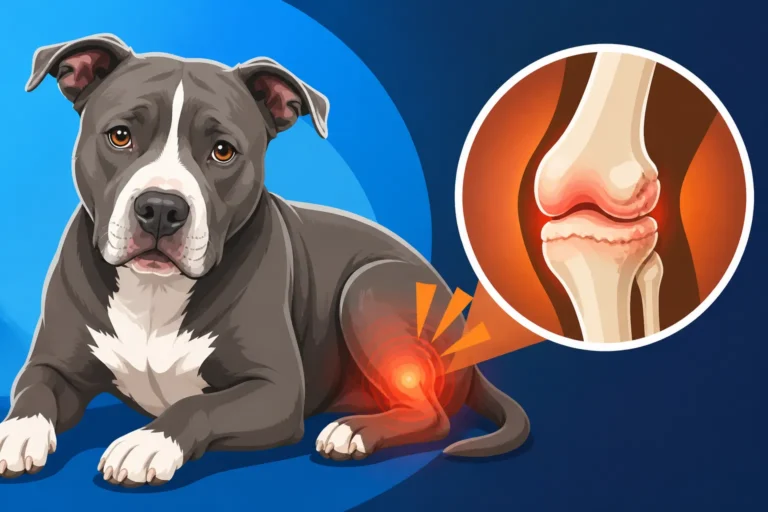
Arthritis in seven year old Pit Bulls causes cartilage thinning, bone rubbing, inflammation, and pain that reduces mobility.
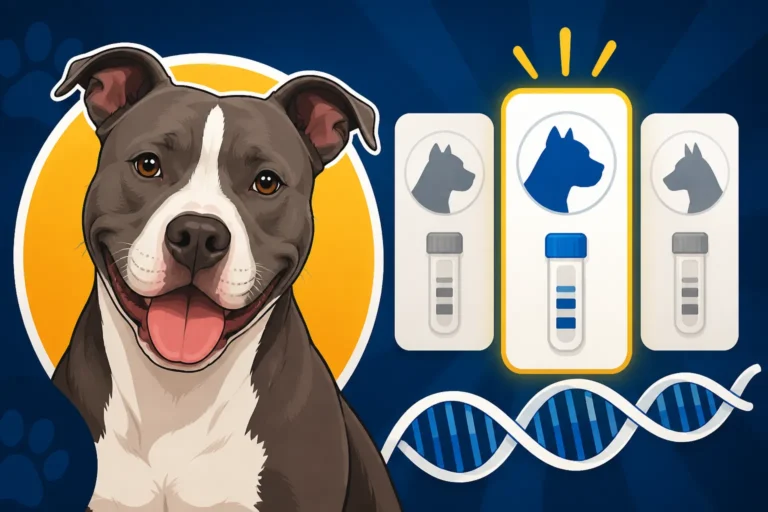
DNA testing clarifies canine genetic ancestry and identifies specific traits associated with pit bull types to help owners.

Pit Bull neuter timing and hormone levels explain how growth plate closure affects bone growth and long-term joint health.

Year-round parasite protection for active Pit Bulls stops fleas, ticks, and mosquitoes across all four seasons.
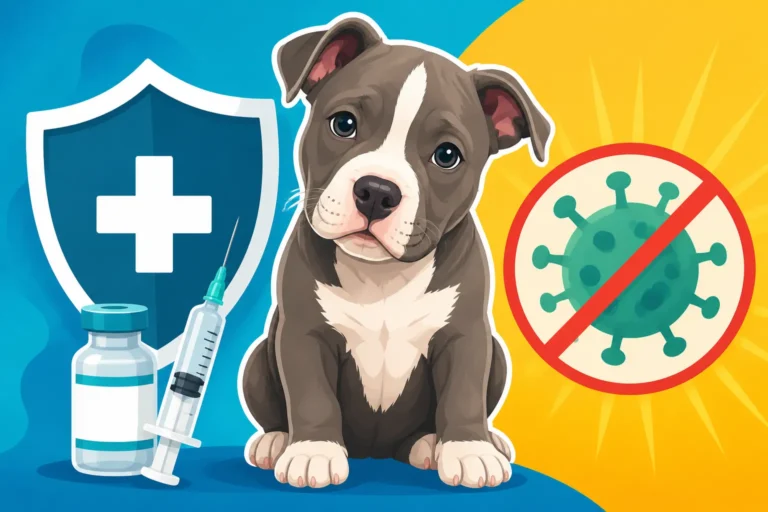
Pit Bull puppy vaccination schedules and preventative measures protect young dogs from dangerous canine parvovirus infections.
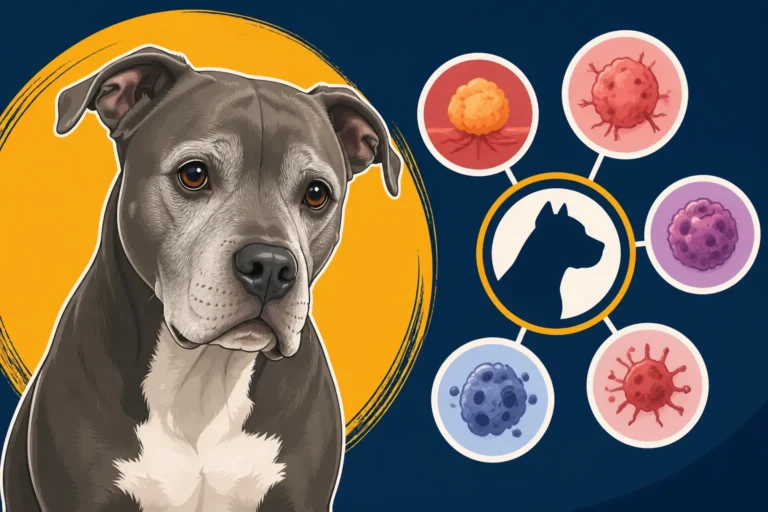
Older Pit Bulls face common cancers like mast cell tumors, lymphoma, and hemangiosarcoma, showing early signs and symptoms.
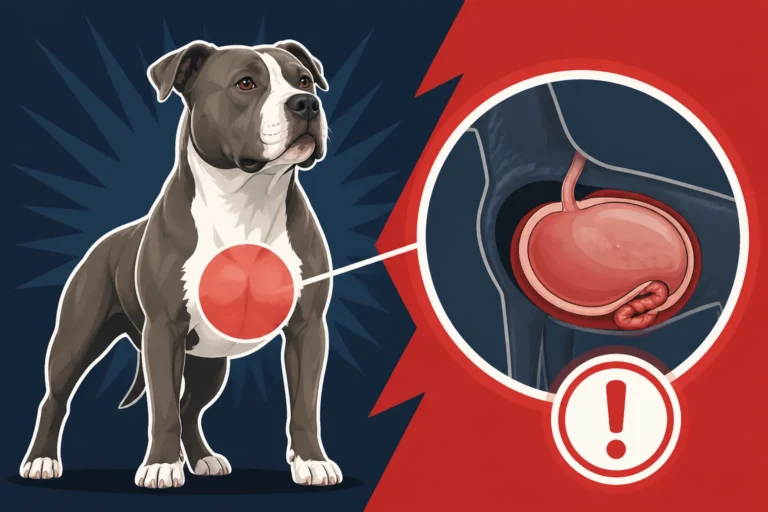
Pit Bull chest anatomy increases gastric dilatation-volvulus risk by trapping gas and causing dangerous stomach twisting.
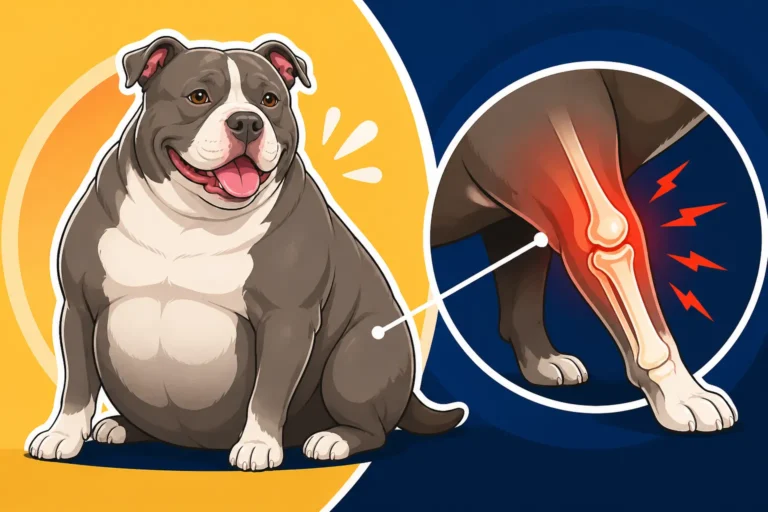
Pit Bull obesity and hidden fat strain powerful joints, requiring weekly body condition checks to maintain an ideal weight.