Delivered Fresh Food in Pit Bull Portions
One of the biggest challenges for Pit Bull owners is finding food that truly nourishes their powerful, athletic companions without breaking the bank or taking up hours of precious time. We want the best for our dogs, but balancing high-quality nutrition with convenience and accurate portioning can feel like a constant puzzle, especially when you consider their unique needs. This guide is all about diving into the world of delivered fresh food services for Pit Bulls, helping you understand how they work, what to look for, and if they might be the perfect solution for your beloved blockhead.
Why Consider Delivered Fresh Food for Your Pit Bull?
Let's be honest, the pet food aisle can be overwhelming. There are so many options, so many claims, and it’s hard to know what’s truly best for your Pit Bull. Many of us worry about artificial ingredients, fillers, or overly processed kibble. Delivered fresh food has emerged as a popular alternative, and for good reason, especially when you're thinking about the robust health of a Pit Bull.
Convenience for Busy Lives
Picture this: you've had a long day at work, your Pit Bull is giving you "the look" that says "I need my walk now", and then you remember you still need to figure out dinner for them. If you've ever tried home-cooking for your dog, you know it's a huge commitment. Sourcing human-grade ingredients, ensuring a balanced nutritional profile, and then actually cooking and portioning every meal takes serious dedication and time. It’s not something most of us can sustain long-term alongside all our other responsibilities.
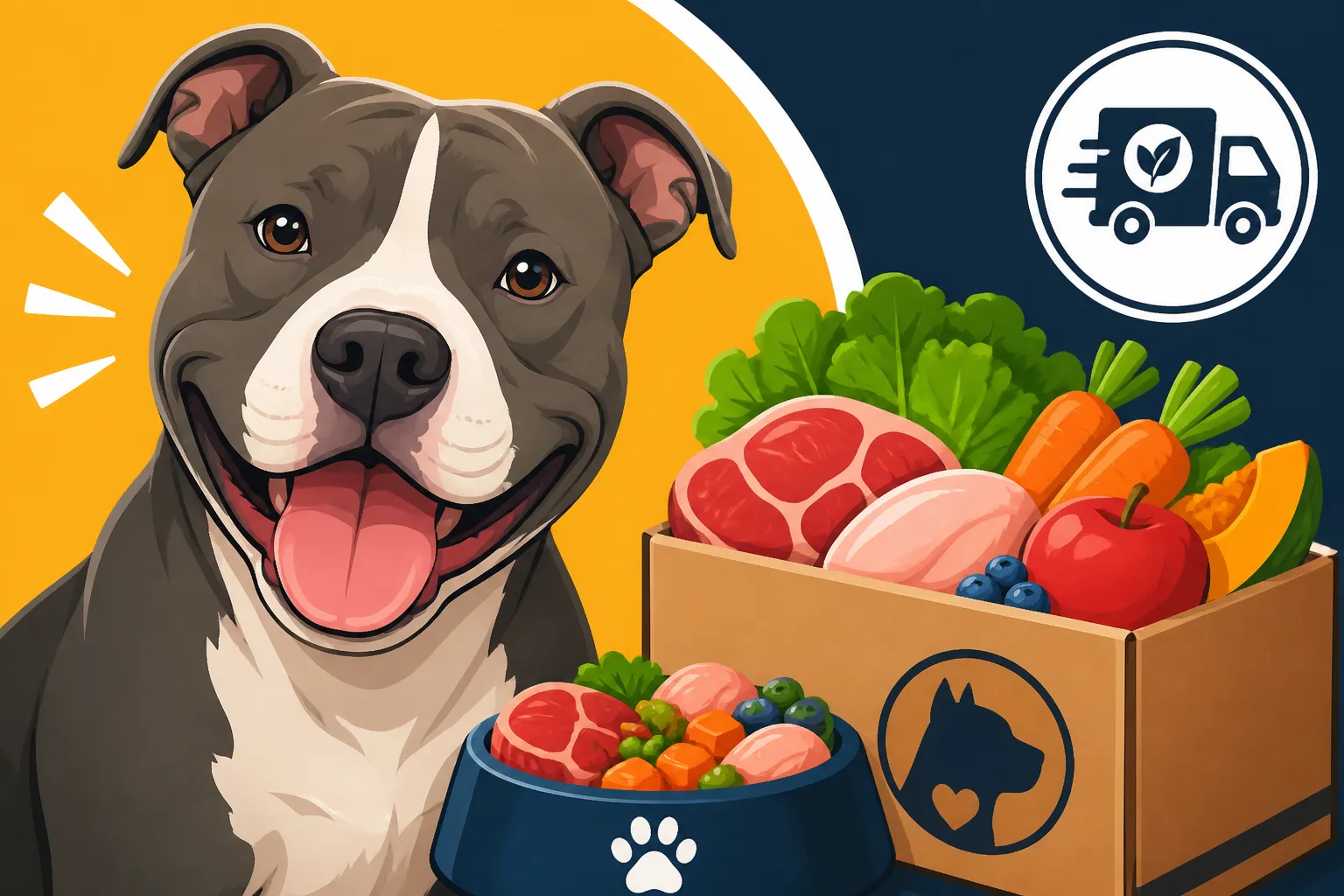
This is where delivered fresh food services really shine. They take all that planning, cooking, and balancing off your plate. Meals arrive at your door, pre-portioned and ready to serve. For a Pit Bull owner, who often juggles training, exercise, and careful management of their dog's public perception, this convenience is a game-changer. It means more quality time with your dog, and less time worrying about their dinner. You get the peace of mind knowing your dog is getting wholesome food without having to become a canine chef yourself.
Nutritional Benefits and Transparency
Many traditional kibbles, while convenient, rely on heavy processing and can include ingredients that leave us scratching our heads. When it comes to fresh food, the appeal often lies in its simplicity and clarity. These services typically use ingredients you'd recognize from your own grocery list – real meat, vegetables, and grains, often cooked gently to retain nutrients. This kind of diet can often lead to some noticeable improvements for your Pit Bull.
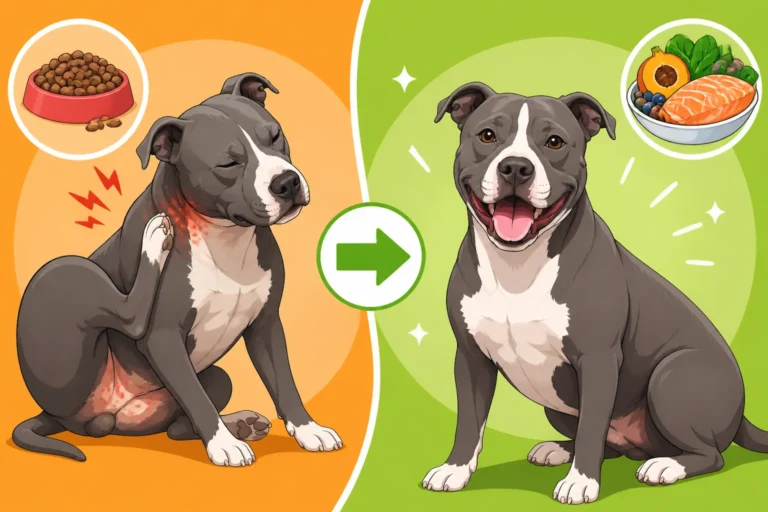
Owners often report shinier coats, better digestion, firmer stools, and improved energy levels. If your Pit Bull struggles with Pit Bull Skin Allergies and the Atopy Pattern or Pit Bull Paw Licking and Chewing, a fresh, minimally processed diet with high-quality ingredients can sometimes make a world of difference. The transparency in ingredients also means you know exactly what your Pit Bull is eating, allowing you to easily identify and avoid potential allergens or sensitivities that might be hidden in more complex, processed foods. It’s about giving your dog real food, just like you’d want for yourself.
Understanding Pit Bull Portions for Fresh Diets
Pit Bulls are renowned for their powerful, athletic builds, but that doesn't mean they're immune to weight issues or that their calorie needs are simple to determine. In fact, due to their muscularity, it can sometimes be tricky to accurately assess their body condition. Getting portions right is absolutely crucial, especially when feeding a nutrient-dense fresh diet.
Calculating Calorie Needs
Every Pit Bull is an individual. A high-energy, working Pit Bull will have very different caloric requirements than a laid-back couch potato or an older dog whose pace has naturally slowed down. Factors like age, activity level, metabolism, and whether they've been spayed or neutered all play a significant role in determining how many calories they need each day to maintain a healthy weight.
The danger of guessing with fresh food, which is often more calorie-dense than kibble by volume, is real. Overfeeding, even by a small amount daily, can quickly lead to unwanted weight gain, putting extra strain on their joints, and contributing to conditions like Pit Bull Obesity and Joint Strain. Conversely, underfeeding can lead to a lack of energy and nutrient deficiencies. This is why a "one-size-fits-all" approach simply doesn't work for our Pit Bulls, and why consulting with your veterinarian to establish an ideal calorie target is always a good starting point. They can help you determine if your dog needs to lose weight or gain muscle to achieve a healthy Pit Bull Weight and Muscle on a Working Frame.
The Role of Delivered Services in Portion Control
One of the standout advantages of many delivered fresh food services is their meticulous approach to portion control. Unlike scooping kibble where you might be eyeballing it, these companies usually have you fill out a detailed profile for your Pit Bull when you sign up. They'll ask about their age, current weight, target weight, activity level, any health concerns, and even their spay/neuter status. Using this information, their nutritional experts or algorithms calculate the exact number of calories and the precise portion size your Pit Bull needs for each meal.
This level of accuracy is incredibly helpful. The meals arrive pre-packaged in individual servings, often clearly labeled, taking all the guesswork out of feeding time. This means you’re not just getting nutritious food, but you’re also getting scientifically determined portions that help your Pit Bull maintain an ideal body condition. This proactive approach to calorie management can prevent health issues down the road and ensures your Pit Bull is always fueled appropriately for their lifestyle, whether they're an active agility dog or a beloved family pet enjoying leisurely walks.
Key Considerations When Choosing a Delivered Fresh Food Service
So, you're leaning towards giving fresh food a try for your Pit Bull. That's fantastic! But with so many services out there, how do you pick the right one? It’s not just about what looks good; it's about what truly suits your Pit Bull's needs and your lifestyle.
Ingredient Quality and Sourcing
The phrase "human-grade" gets thrown around a lot, but it's crucial to understand what it implies. It means the ingredients are deemed fit for human consumption, which is a higher standard than "feed-grade" ingredients often found in traditional pet foods. When you're looking at a service like Ollie, for example, they pride themselves on using human-grade meats and vegetables. This usually translates to better quality protein sources, fresher produce, and fewer questionable additives.
Always look for transparency in their sourcing. Do they specify where their meats come from? Are their vegetables organic, or at least locally sourced when possible? This level of detail speaks volumes about their commitment to quality. If your Pit Bull has known sensitivities or Food Allergies Behind Pit Bull Itching, scrutinize the ingredient lists for common culprits like chicken, beef, or specific grains. Many services offer novel protein options that can be a lifesaver for dogs on a Limited Ingredient Food for a Pit Bull With Atopy. High-quality ingredients are the foundation of good nutrition, and they're especially important for supporting your Pit Bull's overall health and well-being.
Customization and Meal Plans
No two Pit Bulls are exactly alike, and their dietary needs can vary significantly. A good fresh food delivery service should offer a degree of customization in its meal plans. This isn't just about choosing between chicken or beef; it's about tailoring the nutritional profile to your dog's specific situation. Do they need a low-fat diet, extra fiber, or a recipe designed for weight management? What about joint support supplements for an aging Pit Bull or one with Arthritis in a Pit Bull at Seven?
Look for services that allow you to adjust portion sizes easily based on your dog's changing activity levels or weight goals. Flexibility in subscription models is also a plus – some services let you choose weekly, bi-weekly, or monthly deliveries, or even allow you to skip a delivery if you're traveling. This ensures you're not paying for food you don't need and that you always have fresh meals on hand. You'll find many options, sometimes even through platforms like Chewy, that provide various brands with different levels of customization.
Cost Versus Value
Let's address the elephant in the room: delivered fresh food typically costs more than a bag of kibble. There's no getting around that. However, it's important to view this as an investment in your Pit Bull's health and longevity, not just another expense. Consider the potential long-term savings on vet bills for allergy treatments, digestive issues, or managing chronic conditions that a healthier diet might help mitigate. What a Pit Bull Costs a Year With Allergies can be substantial, so preventative care through diet is valuable.
When evaluating costs, check the pricing per meal or per day, and compare it across different brands. Most services offer introductory discounts, which are a great way to try them out. Don't forget to factor in shipping costs, if any. While I can't give you exact figures, I strongly encourage you to visit the individual company websites for current pricing structures and plan options. They often have tools that calculate a personalized quote for your Pit Bull based on the profile you create. Remember, the cheapest option isn't always the best, and the value of visible health improvements in your Pit Bull can far outweigh a slightly higher price tag.
Integrating Fresh Food into Your Pit Bull's Routine
Deciding on a fresh food service is just the first step. Bringing it into your Pit Bull's daily life needs a little planning to ensure a smooth transition and proper food safety.
Transitioning Slowly
Suddenly switching your Pit Bull from their old food to a completely new one, especially a fresh diet, can lead to digestive upset. Think about it – their gut microbiome needs time to adjust to new ingredients and different nutrient compositions. The golden rule is always to transition slowly, typically over a period of 7 to 10 days, though some sensitive Pit Bulls might need even longer.
Start by replacing a small portion (e.g., 25%) of their old food with the new fresh food. Feed this mixture for two to three days. If your Pit Bull's stools are normal and they show no signs of stomach upset, increase the fresh food to 50% and continue for another two to three days. Gradually increase the percentage of fresh food every few days until they are eating 100% fresh meals. Monitor their stool consistency, energy levels, and appetite closely during this time. If you notice any diarrhea, vomiting, or lethargy, slow down the transition or consult your vet. This gentle approach helps prevent an upset stomach and ensures your Pit Bull embraces their new, delicious diet.
Storage and Handling
Because delivered fresh food contains real, perishable ingredients, proper storage and handling are paramount to ensure its safety and freshness. Most services ship their food frozen or chilled in insulated packaging. Once it arrives, you’ll typically need to transfer it to your refrigerator or freezer immediately. The individual portion packs are fantastic for convenience – you can thaw a few days' worth in the fridge and keep the rest frozen until needed.
Always check the packaging for specific storage instructions and "best by" dates. Unthawed meals usually last a good while in the freezer, but once thawed, they generally need to be consumed within a few days, similar to human leftovers. Avoid leaving fresh food out at room temperature for extended periods, especially during warmer months, as this can encourage bacterial growth. Cleanliness is also key; always wash your Pit Bull's bowl with soap and hot water after each meal to prevent bacteria buildup. You can find many brands of fresh food, including frozen and gently cooked options, available through Amazon for convenient delivery straight to your door, making the process even easier.
Here's a quick overview of what to consider when choosing a delivered fresh food service:
| Feature | What to Look For | Why It Matters for Pit Bulls |
|---|---|---|
| Ingredient Quality | Human-grade meats & vegetables, recognizable ingredients. | Supports overall health, digestion, and can help manage Pit Bull Skin Allergies and the Atopy Pattern. |
| Sourcing Transparency | Details on where ingredients come from. | Ensures quality, ethical practices, and allows you to avoid ingredients from unknown origins. |
| Nutritional Balance | Formulated by vet nutritionists, AAFCO compliant. | Essential for meeting the specific dietary needs of an active, muscular Pit Bull. |
| Customization | Options for different protein sources, weight goals, allergies. | Addresses individual Pit Bull needs, especially for those with Food Allergies Behind Pit Bull Itching or joint issues. |
| Portion Control | Pre-portioned meals based on dog's profile. | Crucial for maintaining a healthy weight and preventing Pit Bull Obesity and Joint Strain. |
| Delivery Schedule | Flexible options (weekly, bi-weekly, monthly). | Convenient for busy owners and adapts to your household's consumption rate. |
| Cost | Transparent pricing, subscription plans, trial offers. | Understand the long-term investment; value often outweighs the initial higher cost. |
| Storage & Handling | Clear instructions, individual packaging. | Ensures food safety and makes meal prep simple and mess-free. |
| Customer Support | Responsive and knowledgeable for questions/issues. | Important for addressing concerns about your Pit Bull's diet or delivery. |
Disclaimer
This article is for general informational purposes only and does not constitute professional advice. Laws, prices and regulations vary by location and change over time. Consult a qualified professional for guidance on your specific situation.