Cutting Pit Bull Nails That Resist Clippers
Anyone who shares their life with a magnificent Pit Bull knows the struggle: those incredibly tough, often dark nails that seem to resist every attempt at trimming. It's frustrating, sometimes even a little scary, trying to get them short without hitting the quick, especially when your dog makes it clear they'd rather be anywhere else. This comprehensive guide will walk you through understanding why Pit Bull nails are so challenging, the best tools to tackle them, and compassionate, effective strategies to make nail care less of a battle and more of a bonding experience.
Understanding Why Pit Bull Nails Can Be So Challenging
It's not just you; many Pit Bull owners face significant hurdles when it comes to nail maintenance. Their nails aren't just any dog nails, and understanding the unique aspects of their anatomy and temperament can go a long way in finding the right approach.
The Anatomy of a Pit Bull Nail and the Quick
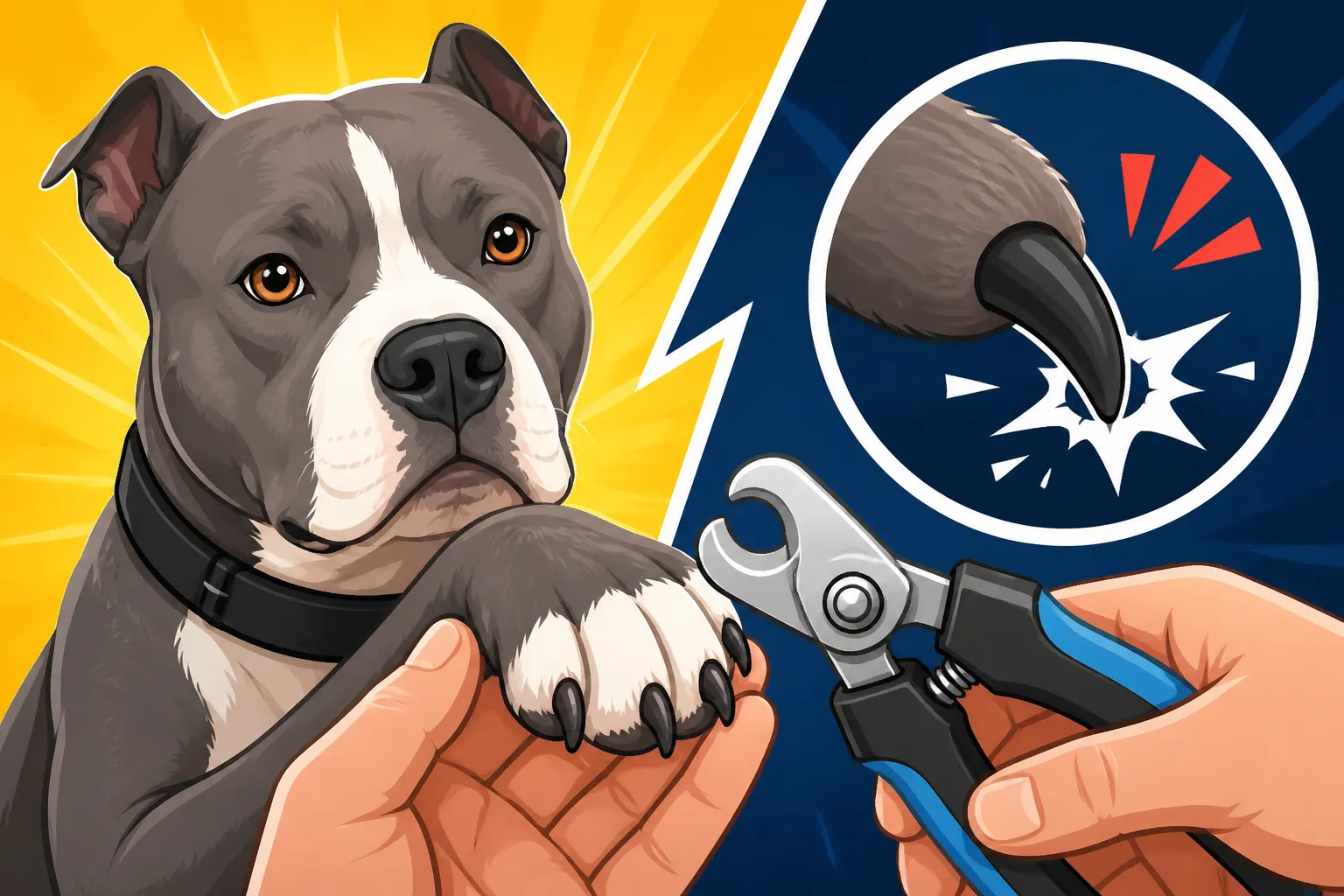
Think of your Pit Bull's nail as more than just a hard outer shell. It’s a complex structure made primarily of keratin, much like our own fingernails. However, inside each nail, there’s a living part called the "quick." This quick contains blood vessels and nerves, which is why hitting it during a trim is so painful for your dog and causes bleeding. For dogs with clear or white nails, you can often see the pink quick through the nail, making it easier to avoid.
The challenge with many Pit Bulls, though, is that they frequently have dark, opaque nails. This makes the quick incredibly difficult, if not impossible, to see from the outside. You’re essentially trimming blind, relying on experience and small increments. Adding to this, Pit Bulls are powerful dogs, often with very dense, strong nails that can grow quite long if not maintained regularly. Their active nature, if they're regularly walking on varied surfaces, can naturally wear down nails to some extent, but for many, especially those who spend more time indoors or on softer ground, the nails can grow quickly and become thick and hard, making them even more resistant to standard clippers.
Fear, Anxiety, and Negative Associations
Let’s be honest: no dog loves having their nails trimmed, but for some Pit Bulls, it can be a deeply traumatic experience, leading to intense fear and anxiety. If your dog has ever had their quick accidentally cut, even once, they likely remember the pain and now associate the clippers or grinder with that discomfort. This isn't stubbornness; it's a natural, self-preservation response. Their fear can manifest as pulling away, struggling, growling, or even snapping.
When you’re dealing with a powerful, muscular dog like a Pit Bull, trying to force them into a nail trim is not only incredibly difficult but also detrimental to your relationship and their future cooperation. Each negative experience reinforces their fear, making the next session even harder. Many owners feel frustrated and guilty, wondering what they're doing wrong. It's crucial to understand that their reaction is often rooted in past discomfort or a general sensitivity to having their paws handled, rather than an intentional act of defiance. Recognizing and validating this fear is the first step toward building trust and making nail care a less stressful event for both of you. Pit Bull Paw Licking and Chewing can sometimes indicate underlying discomfort that makes handling sensitive.
Essential Tools and Techniques for Resistant Nails
When standard clippers just aren't cutting it (pun intended!), it's time to explore tools and techniques designed specifically for those notoriously tough Pit Bull nails. Having the right equipment and knowing how to use it safely is half the battle.
Choosing the Right Clippers for Tough Pit Bull Nails
Forget those flimsy clippers you might have used on smaller, less robust dogs. Pit Bulls demand serious hardware. For their thick, strong nails, you need clippers that are sharp, durable, and designed for larger breeds. There are generally two main types of clippers:
- Scissor-Style Clippers: These often resemble a pair of pliers with sharp, curved blades. Brands like Resco or Miller's Forge are popular choices and can be found on platforms like Amazon or Chewy. The scissor action provides a clean cut and good leverage, which is essential for thick nails.
- Guillotine-Style Clippers: These have a small hole where you insert the nail, and a blade slides across to make the cut. While effective for some, many Pit Bull owners find them less suitable for extremely thick nails, as they can sometimes crush rather than cut cleanly, leading to splintering or discomfort.
Regardless of the style you choose, sharpness is paramount. Dull clippers require more force, which can squeeze the quick, causing pain even if you don't cut it. They also tend to splinter the nail, making it rough and uncomfortable. Replace blades or clippers regularly to ensure they remain razor-sharp. When cutting, hold the clipper at a 45-degree angle, aiming to cut straight across the tip. Take off very small amounts at a time. It’s always better to take off too little than too much. Pit Bull Nail Trimming and Thick Nails covers this in more detail.
The Power of the Dremel Grinder
For many Pit Bull owners, especially those whose dogs are terrified of clippers or who have dark nails where the quick is a mystery, a Dremel grinder can be a game-changer. Rather than making a sudden cut, a grinder sands down the nail slowly and precisely.
Here’s why grinders are often preferred for Pit Bulls:
- Reduced Risk of Quicking: Because you're removing tiny layers of nail at a time, it's much easier to see when you're getting close to the quick. You'll notice a small dark dot appearing in the center of the nail as you approach the quick, which is your cue to stop. This significantly reduces the chances of a painful mishap.
- Smoother Finish: Grinders leave a much smoother edge than clippers, which means fewer sharp edges to snag on carpets or scratch you.
- Desensitization Potential: While the sound and vibration can initially be alarming, many dogs can be desensitized to a grinder more easily than they can overcome a fear of clippers. Start by letting them sniff the tool while it's off, then turn it on in another room, gradually bringing it closer, always pairing it with high-value treats. You can find a variety of reliable Dremel-style grinders and replacement heads on Chewy, with options ranging from cordless for easier maneuverability to more powerful corded versions for the toughest nails. Whether a Grinder Beats Clippers on Pit Bull Nails goes into a deeper comparison.
Quick-Stop and Other Emergency Measures
Even with the utmost care, sometimes accidents happen, especially when you're dealing with resistant nails and a wriggly Pit Bull. Nicking the quick is a painful and bloody experience for your dog, and can be upsetting for you. This is why being prepared is absolutely non-negotiable.
Always have styptic powder (commonly sold as "Quick Stop" or similar brands) within arm's reach before you even begin a nail trim. This powder contains ingredients that constrict blood vessels and promote clotting, quickly stopping the bleeding. If you don't have styptic powder, cornstarch or flour can serve as a makeshift alternative, though they are less effective.
If you do cut the quick:
- Don't Panic: Your calm demeanor will help your dog.
- Apply Pressure: Gently but firmly press a pinch of styptic powder directly onto the bleeding nail tip.
- Hold for a Moment: Keep pressure applied for 30-60 seconds until the bleeding stops. You may need to reapply if bleeding resumes.
- Reassure Your Dog: Offer a treat and comfort, but don't reward the dramatic reaction, only the calm.
- Stop the Session: It’s best to end the nail trim session for that day to avoid further stress and pain.
Having quick-stop ready allows you to manage the situation immediately, preventing prolonged bleeding and helping to minimize your dog's distress. It’s a crucial part of any responsible nail care kit.
Strategies for Desensitization and Positive Reinforcement
Force and fear are never the answer, especially not with a powerful and intelligent dog like a Pit Bull. To successfully manage resistant nails, you need to turn nail care into a positive, or at least neutral, experience. This requires patience, consistency, and a whole lot of positive reinforcement.
Starting Small: Touch and Treat
The foundation of overcoming nail resistance is systematic desensitization. This means gradually exposing your Pit Bull to the experience in tiny, non-threatening steps, always pairing each step with something wonderfully positive. Think of it as building a positive association brick by brick.
Begin without any tools in sight. Sit with your Pit Bull in a comfortable, relaxed environment. Gently touch their leg, then immediately offer a high-value treat (something truly amazing, like tiny pieces of cheese, cooked chicken, or even soft training treats from Ollie). Repeat this several times. Once they are consistently comfortable with this, move to touching their paw. Again, touch, treat, release. If they pull away, go back a step.
The next step is touching individual toes, then finally, touching each nail. The key is to keep these sessions incredibly short – just a minute or two – and always end on a positive note. If your dog is showing any signs of stress (lip licking, yawning, stiffening, pulling away), you've gone too far, too fast. Retreat to a step where they were comfortable and try again. This slow, methodical approach teaches your Pit Bull that handling their paws means good things happen, rather than something scary or painful. Consent Based Handling With a Pit Bull is a great philosophy to apply here.
Introducing the Tools Gradually
Once your Pit Bull is completely comfortable with having their paws and nails touched, it's time to introduce the actual nail care tools – whether that's clippers or a grinder. Remember, the goal is to create positive associations, not fear.
- Sight Association: Place the clippers or grinder on the floor a few feet away from your dog. Don't touch them with it, just let them see it. Every time they look at it calmly, give a treat. Gradually move the tool closer over several sessions, always rewarding calm behavior.
- Sound Association (for Grinders): The noise of a grinder can be particularly alarming. Start by turning the grinder on in a different room with the door closed. While it's running, give your Pit Bull amazing treats or engage in a favorite game. Slowly, over days or weeks, bring the running grinder closer, always pairing the sound with positive reinforcement.
- Touch without Action: Once your dog is calm with the tool near them, gently touch the closed clippers or off grinder to one of their nails. Immediately treat. Do not cut or grind. Just let them feel the pressure or sensation. Repeat this many times.
- Simulated Action: For clippers, pretend to "clip" the air near their nail, then treat. For a grinder, touch the off grinder to their nail, then briefly turn it on away from them, then turn it off and treat. The idea is to break down the scary parts into manageable pieces.
These steps require immense patience. Never rush. If your Pit Bull shows any sign of stress, stop and revert to an easier step. The goal is to build trust and positive anticipation around the tools. High-Value Treats That Hold a Pit Bull's Focus are essential for this stage.
Making Nail Trims a Positive Experience
The ultimate goal is to make actual nail trims as positive as possible. This means keeping the experience stress-free, brief, and always rewarding.
- Comfortable Positioning: Find a position where your Pit Bull feels secure and relaxed. Some dogs prefer to lie on their side, others might be comfortable standing with a paw extended, or even sitting in your lap if they're a smaller Pit Bull. Avoid forcing them into uncomfortable or vulnerable positions.
- The Power of Distraction: If possible, have a second person available to distract your dog with a LickiMat smeared with peanut butter, a Kong stuffed with frozen treats, or by continuously feeding high-value goodies. This focuses their attention on the reward rather than the nail trim.
- One Nail at a Time (if needed): If your Pit Bull is particularly anxious, don’t aim for all twenty nails in one go. Start with just one or two nails, then praise heavily and end the session. Over time, you can gradually increase the number of nails you trim.
- Positive Reinforcement is Key: Every time you successfully trim a nail, immediately follow it with praise, a treat, and perhaps a moment of play. The good stuff always follows the nail trim.
- Never Punish: If your dog struggles or vocalizes, do not scold or punish them. This will only increase their fear. Instead, calmly stop the session, reassess your approach, and try again when both you and your dog are in a calmer state.
- Consistency over Infrequency: Frequent, short, positive sessions are far more effective than infrequent, long, and stressful ones. Aim for a few nails every few days, rather than a full overhaul once a month. This keeps the nails shorter and the quick recessed, and it normalizes the experience.
By consistently making nail trims a positive event, you’re not just trimming nails; you’re building trust and teaching your Pit Bull that this routine is nothing to fear. It might take weeks or even months, but the payoff of stress-free nail care is invaluable.
Long-Term Management and Professional Help
Successfully cutting a Pit Bull's nails, especially those that resist clippers, is an ongoing commitment. It requires a long-term strategy, an understanding of when to seek professional help, and a keen eye for any underlying issues that might be contributing to the problem.
Regularity and "Walking Back" the Quick
The single most important factor in managing tough Pit Bull nails and making them easier to trim is regularity. When nails are allowed to grow long, the quick (the live part containing blood vessels and nerves) grows along with them. This means you can't trim them short without hitting that sensitive quick.
The magic happens with frequent, small trims. If you trim just a tiny bit off the nail tip every 1-2 weeks, the quick will gradually recede, or "walk back," away from the end of the nail. This allows you to eventually achieve shorter, healthier nails without the constant fear of pain. It's a slow process, but incredibly rewarding. Short nails are not just aesthetically pleasing; they are vital for your Pit Bull's overall health and comfort. Overly long nails can push up on the toes, causing discomfort and putting strain on their joints, potentially leading to or exacerbating issues like arthritis or even Pit Bull Joint and Ligament Injuries. You want the nails to be flush with the paw pad, or just barely touching the ground when your dog stands. Long nails also alter their gait, which can put undue stress on their hips and elbows, especially important for a heavily muscled dog. How Weight Multiplies the Load on Pit Bull Joints and Joint Support for a Heavily Muscled Pit Bull emphasize the importance of healthy joints.
When to Seek Professional Grooming or Vet Assistance
Sometimes, despite your best efforts, your Pit Bull’s nails remain a challenge, or their fear is so ingrained that you simply cannot make progress on your own. There is absolutely no shame in seeking professional help. In fact, it's often the most compassionate and practical solution.
- Professional Groomers: Many professional groomers are highly skilled at handling difficult dogs and can often get the job done efficiently and safely. They might have specialized equipment or techniques, and their calm, confident demeanor can sometimes make a difference. Always choose a groomer with experience working with Pit Bulls or other strong, potentially fearful dogs.
- Veterinary Technicians: Your veterinary clinic often has vet techs who are experts in animal handling and nail trims. They can perform regular trims, and if your dog is particularly stressed, they may be able to do it quickly with a muzzle or other gentle restraint methods in a clinical setting.
- Sedated Trims: For Pit Bulls with extreme fear or aggression surrounding nail trims, a sedated trim at the veterinary clinic might be the safest and kindest option. This ensures no one gets hurt, and the dog experiences no fear or pain during the procedure. It's not a long-term solution, but it can provide a reset, allowing the quick to recede and potentially making future, un-sedated trims easier. Discuss this with your vet, especially if your dog has existing conditions like Arthritis in a Pit Bull at Seven, where long nails cause extra pain, or if they have Anesthesia and Muscle Mass in a Pit Bull concerns.
Remember, asking for help doesn't make you a bad owner; it makes you a responsible one who prioritizes your Pit Bull's well-being and reduces their stress.
Addressing Underlying Pain or Fear
If your Pit Bull is vehemently resisting nail trims, it's always worth considering if there's an underlying reason beyond simple dislike or past negative experiences.
- Pain or Discomfort: Is there something actually hurting them? Dogs with conditions like Pit Bull Nail Bed Infections, arthritis, or even a minor injury to a toe might be resisting because they genuinely anticipate pain when their paws are handled. A visit to the vet can rule out any medical causes for their sensitivity.
- Anxiety Medication/Supplements: For some dogs, the anxiety surrounding nail trims is overwhelming. In these cases, your veterinarian might recommend anti-anxiety medications or calming supplements to help take the edge off. These aren't meant to "dope" your dog, but rather to lower their overall stress levels, making them more receptive to positive training and handling. This is particularly relevant if your Pit Bull exhibits signs of generalized anxiety, not just around nail trims, or if they are prone to issues like A Pit Bull That Refuses Food for a Day due to stress.
- Environmental Factors: Ensure the environment where you attempt trims is quiet, calm, and free of distractions. Sometimes, even subtle things like slippery floors can make a dog feel insecure during handling.
By addressing potential underlying issues, you're not just tackling the symptom (resistant nails) but getting to the root cause, which can lead to a more cooperative and happier Pit Bull in the long run.
Navigating nail trims with a Pit Bull that resists clippers can be tough, but with the right tools, techniques, and a hefty dose of patience and positive reinforcement, it's absolutely manageable. Prioritize your dog's comfort and trust, and you'll build a routine that works for both of you.
| Feature | Nail Clippers (Scissor Style) | Dremel Grinder |
|---|---|---|
| Best For | Quick trims on cooperative dogs; very thick nails | Anxious dogs; dark nails; precise shortening |
| Risk of Quicking | Higher, especially with dark nails and fast cuts | Lower, due to gradual removal; quick often visible |
| Finish | Can leave sharp edges | Smooth, rounded edges |
| Noise/Vibration | Minimal noise (snip); no vibration | Can be noisy and vibrate; requires desensitization |
| Learning Curve | Requires skill for angle and quick avoidance | Requires desensitization and steady hand |
| Maintenance | Keep sharp; replace when dull | Clean regularly; replace sanding bands/discs |
| Speed | Faster per nail, if dog cooperates | Slower per nail, but often more effective long-term |
Disclaimer
This article is for general informational purposes only and does not constitute professional advice. Laws, prices and regulations vary by location and change over time. Consult a qualified professional for guidance on your specific situation.