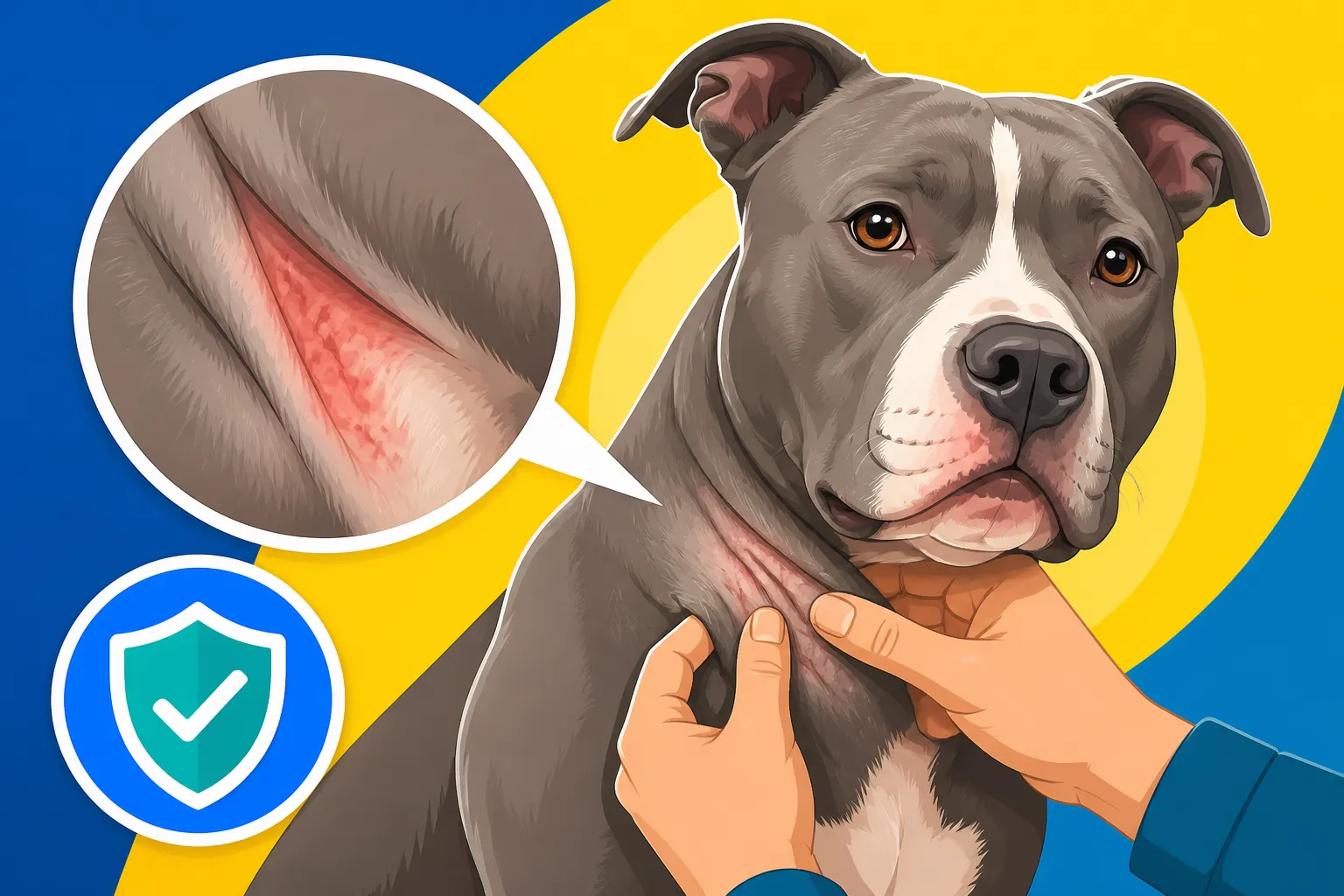
Checking Pit Bull Skin Folds for Irritation
It’s a common frustration for Pit Bull owners to spot redness, irritation, or an odd smell coming from those cute little creases and wrinkles our beloved dogs have. You’re not alone if you’ve ever found yourself wondering how best to care for these tricky spots, especially when they seem to flare up out of nowhere. This guide is all about giving you the practical steps and knowledge you need to effectively check and care for your Pit Bull's skin folds, tackling irritation before it becomes a bigger problem.
Why Pit Bulls Are Prone to Skin Fold Irritation
Pit Bulls, with their wonderfully expressive faces and often stocky builds, can have areas of skin that naturally fold and wrinkle. While adorable, these folds create a microclimate that can be a real hotspot for trouble. It's not just about aesthetics; these skin structures present a unique challenge to consistent skin health, and understanding why is the first step in managing them.
The Anatomy of Pit Bull Skin Folds
Think about those charming wrinkles around their muzzle, the slight rolls on their neck, or even the often-overlooked spots like armpits, groin, or the base of the tail where the skin can gather. These are all potential skin folds. The problem arises because these areas are often warm, dark, and moist – essentially, the perfect breeding ground for various unwelcome guests. When skin rubs against skin in these folds, it creates friction, which is a constant source of mild irritation even before infections set in. Moisture from sweat, tears (especially around the eyes), urine (for folds near the genital area), or simply humidity gets trapped, preventing proper air circulation and drying. Over time, this constant dampness and friction can break down the skin's natural barrier, making it vulnerable.
Common Culprits: Yeast, Bacteria, and Allergens
The warm, moist environment within skin folds is an open invitation for opportunistic organisms. The two biggest culprits we see are yeast (most commonly Malassezia pachydermatis) and bacteria (often Staphylococcus species). These organisms are normally present on a dog's skin, but in the damp, airless environment of a fold, they can multiply rapidly, leading to an infection known as pyoderma (bacterial) or yeast dermatitis. You might notice a distinct "cheesy" or "musty" odor with yeast, or a more generally foul smell with bacterial infections.
Beyond direct infection, underlying allergies play a massive role in exacerbating skin fold irritation. If your Pit Bull suffers from environmental allergies (atopy) or food sensitivities, their skin is already predisposed to inflammation. This systemic inflammation often shows up first in sensitive areas like skin folds. The constant itching and discomfort can lead to your dog rubbing, scratching, or licking the area, creating further damage and introducing more bacteria, turning a mild irritation into a full-blown hot spot or deep infection. It's a frustrating cycle, but recognizing the signs early can make all the difference. Pit Bull Skin Allergies and the Atopy Pattern can give you more insight into how these sensitivities begin.
Your Weekly Routine for Checking and Cleaning Skin Folds
Establishing a regular routine for inspecting and cleaning your Pit Bull's skin folds is paramount. It’s not just about reacting when you see a problem; it’s about proactive care that prevents issues from even starting. Consistency is your best friend here, and making it a positive experience for your dog will make your life so much easier.
Gathering Your Supplies and Setting the Scene
Before you begin, make sure you have everything you need close at hand. This might include:
- Soft, clean cloths or cotton balls: Something gentle for wiping.
- A mild, vet-approved skin fold cleanser or plain warm water: Avoid harsh soaps or anything with strong perfumes. Many vets recommend chlorhexidine wipes or a dilute chlorhexidine solution for problem areas.
- Absorbent material: Such as gauze pads or even just a very soft, dry cloth for thorough drying.
- Pet-safe dusting powder (optional, and only if folds are very dry): Some owners use cornstarch-based powders, but discuss this with your vet first, as moisture-trapping powders can sometimes worsen yeast if not used carefully. Anti-fungal powders can be helpful if approved by your vet.
- High-value treats: Crucial for positive reinforcement!
- A calm, well-lit space: You want your Pit Bull to be relaxed and you need to see clearly.
Make this a positive, low-stress experience. If your dog is anxious, start with very short sessions, rewarding heavily. Over time, they’ll associate this routine with positive attention and tasty snacks.
The Step-by-Step Inspection and Cleaning Process
Once you’re ready, approach your Pit Bull calmly.
- Gentle Lift and Inspect: Gently lift each skin fold, whether it’s on their face, neck, or tail pocket. Take a good look at the skin underneath. What you're primarily looking for is any redness, swelling, hair loss, discharge (like pus or a sticky, brown substance), or changes in skin texture (thickening, darkening). Don't forget to check deep into the folds, which are often the moistest and most problematic areas.
- Smell Test: Don't be shy – get your nose in there! A healthy skin fold should have no strong odor. Any "cheesy," "yeasty," or foul smell is a red flag indicating bacterial or yeast overgrowth.
- Gentle Cleaning: If you spot any grime, discharge, or simply want to keep the area fresh, gently wipe the fold with a soft, damp cloth soaked in your vet-approved cleanser or warm water. Be thorough but delicate. For specific issues, your vet might recommend medicated wipes containing ingredients like chlorhexidine, which you can often find readily on Amazon or Chewy. This is similar to the attention needed when Cleaning a Pit Bull Ear Properly.
- Crucial Drying: This is arguably the most important step. After cleaning, ensure the area is completely dry. Use a fresh, dry cloth or gauze pad to gently blot away all moisture. You can even gently fan the area for a few seconds. Leaving any dampness will counteract all your hard work.
- Apply Protective Barrier (if needed): If your vet has approved a powder or topical cream for particularly susceptible or irritated areas, apply it sparingly after drying. Make sure it's fully absorbed or spread evenly.
- Reward! Lavishly praise and reward your Pit Bull with a treat and some loving pats. This reinforces that skin fold checks are a good thing.
Aim to do this inspection and cleaning at least once a week, or more frequently if your Pit Bull is prone to issues or during humid weather.
Knowing What to Look For: Early Warning Signs
Being vigilant and knowing what to spot can prevent a minor irritation from becoming a full-blown infection. Here are the key indicators:
-
Visual Cues:
- Redness: Any pinkness or bright red skin in the folds.
- Darkening/Hyperpigmentation: Over time, chronically inflamed skin can thicken and turn a dark brown or black color.
- Pustules or Bumps: Small, pus-filled pimples or raised red bumps.
- Discharge: Yellowish pus, sticky brown waxy residue, or even clear fluid weeping from the folds.
- Hair Loss: The skin within the fold may lose its hair.
- Swelling: The skin may appear puffy or inflamed.
-
Olfactory Cues:
- "Cheesy" or "Musty" Odor: A classic sign of yeast infection.
- Foul or Putrid Smell: Often points to a bacterial infection. Healthy skin should be odorless.
-
Tactile Cues:
- Warmth: The affected area might feel noticeably warmer to the touch.
- Pain or Sensitivity: Your Pit Bull might flinch, pull away, or even nip if the area is painful when touched.
- Thickening: The skin in chronic cases can become leathery.
-
Behavioral Changes:
- Excessive Rubbing or Scratching: Your dog might rub their face on furniture, paw at their armpits, or scoot if the tail pocket is affected. Pit Bull Paw Licking and Chewing can be another sign of general skin discomfort.
- Lethargy or Loss of Appetite: If the infection is severe, your dog might feel unwell.
- Changes in Temperament: Pain or discomfort can make a normally sweet Pit Bull grumpy or irritable.
If you observe any of these signs, especially a combination of them, it’s time to consider a visit to your veterinarian. Early intervention is key to preventing discomfort and more extensive treatment down the line.
| Area of Fold | Common Signs of Irritation | Odor Clue | Behavioral Clues |
|---|---|---|---|
| Facial/Muzzle | Redness, dampness, discharge, hair loss | Musty/Cheesy | Rubbing face on carpet, pawing at face |
| Neck Folds | Redness, sticky residue, bumps | Foul/Musty | Scratching neck, rubbing against objects |
| Armpits/Groin | Redness, dark patches, soreness | Foul/Cheesy | Licking, reluctance to move, sensitivity to touch |
| Tail Pocket | Redness, thick discharge, fecal matter | Very foul | Scooting, persistent licking at tail base |
When to Seek Professional Help for Persistent Irritation
While a consistent home care routine is incredibly effective for prevention and mild irritation, there are definitely times when you need to bring in the big guns – your veterinarian. Ignoring persistent or worsening issues can lead to deeper infections, more pain for your dog, and more complicated (and costly) treatments.
Recognizing When Home Care Isn't Enough
You’ve been diligently cleaning, you’ve tried some over-the-counter pet-safe wipes, but the problem just isn't getting better, or worse, it's escalating. Here are clear signals that it’s time to call the vet:
- No Improvement After a Few Days: If redness, discharge, or odor hasn't significantly improved within 3-5 days of consistent home care, you likely need a vet's diagnosis and prescription-strength treatment.
- Worsening Symptoms: If the area becomes more red, more swollen, more painful, or if the discharge increases or changes color (e.g., becomes bright yellow or green pus), don’t wait.
- Deep Lesions or Ulcers: Any open sores, deep cracks, or ulcerated skin needs immediate veterinary attention. These are prime entry points for severe infections.
- Bleeding: If the folds are bleeding, even minimally, it indicates significant irritation or trauma, and professional care is needed.
- Pain or Aggression: If your Pit Bull starts to guard the area, growl, or snap when you try to examine or clean it, it's a sign of considerable pain.
- Signs of Systemic Illness: Fever, lethargy, loss of appetite, or general malaise accompanying the skin irritation means the infection might be more widespread or severe than just a localized issue.
- Recurrent Problems: If the skin fold irritation keeps coming back despite your best efforts, there's likely an underlying cause (like allergies or anatomical issues) that needs to be addressed. Pit Bull Skin Allergy Testing can often uncover these root causes.
Diagnostic Steps and Treatment Options
When you bring your Pit Bull to the vet for skin fold irritation, they will likely start with a thorough physical examination. They’ll carefully inspect the affected folds and may recommend some simple diagnostic tests, which can be done right in the clinic:
- Skin Cytology: This involves gently pressing a piece of tape or a microscope slide onto the affected skin, staining it, and examining it under a microscope. This is incredibly helpful for identifying whether yeast, bacteria, or both are present, and can guide the choice of medication.
- Skin Scrape: While less common for skin folds, a superficial skin scrape might be performed if the vet suspects mites.
- Bacterial Culture and Sensitivity: If the infection is severe or recurrent, your vet might take a swab to culture the bacteria and determine which antibiotics will be most effective.
Based on the diagnosis, treatment might include:
- Medicated Wipes or Sprays: These often contain antiseptics like chlorhexidine, miconazole (anti-fungal), or both. They are applied directly to the folds and are excellent for localized infections.
- Topical Creams or Ointments: Steroid creams can reduce inflammation, while antibiotic or anti-fungal creams target specific pathogens. These are used cautiously, especially in areas your dog can lick.
- Oral Medications: For more widespread or severe infections, your vet may prescribe oral antibiotics (for bacterial infections) or antifungals (for yeast infections). The course of treatment typically lasts several weeks to ensure the infection is completely cleared.
- Allergy Management: If underlying allergies are a significant factor, your vet will discuss strategies for managing them. This could involve specialized diets, antihistamines, or more advanced allergy medications. Addressing the allergy often dramatically reduces the frequency and severity of skin fold issues. An Eight Week Food Trial on an Itchy Pit Bull is often recommended for suspected food allergies.
- Regular Medicated Baths: If the irritation is more generalized, or part of a broader skin allergy, your vet might recommend specific medicated shampoos. Medicated Baths for a Pit Bull With Atopy can be very effective in these cases.
It’s crucial to follow your vet’s instructions precisely and complete the full course of any prescribed medication, even if the symptoms seem to clear up quickly. Stopping too soon can lead to a relapse and resistant infections.
Preventative Measures and Long-Term Management
Preventing skin fold irritation is always easier than treating it. By making some adjustments to your Pit Bull's diet, ensuring they maintain a healthy weight, and sticking to a consistent grooming routine, you can significantly reduce the chances of these uncomfortable flare-ups. Long-term management is about creating an environment and lifestyle that supports healthy skin from the inside out.
Diet, Weight, and Environmental Control
What goes into your Pit Bull’s body, and how their body is shaped, has a direct impact on their skin health.
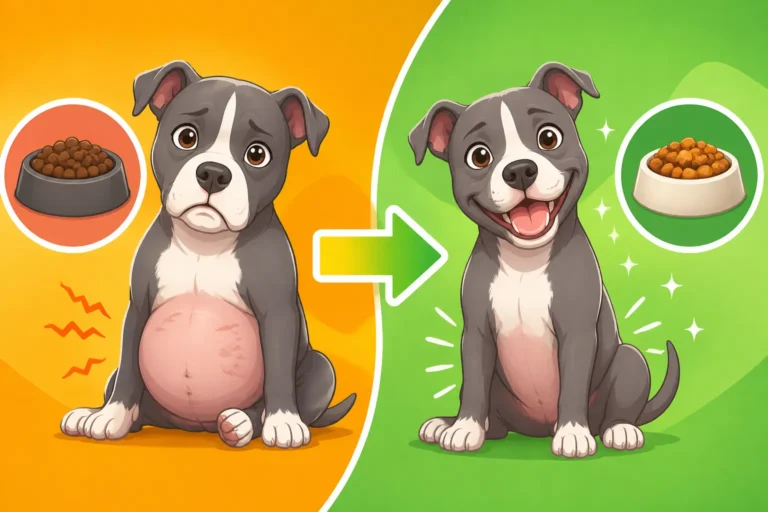
- A Balanced, High-Quality Diet: Good nutrition is fundamental. A diet rich in essential fatty acids (like Omega-3s) can support a healthy skin barrier and reduce inflammation. If your Pit Bull has suspected food allergies, a limited ingredient diet can be a game-changer. Brands like Ollie offer fresh, customizable meal plans that can be tailored to sensitive dogs, and specific limited ingredient kibbles are widely available through retailers like Chewy and Amazon. Always discuss dietary changes with your vet, especially if your dog has allergies. Limited Ingredient Diets for an Itchy Pit Bull delves deeper into this.
- Maintaining a Healthy Weight: This is incredibly important for any Pit Bull, but especially for those prone to skin fold issues. Obesity can lead to larger, deeper skin folds, increasing the surface area for moisture and friction. Keeping your Pit Bull at a lean, healthy weight minimizes the size and number of these problematic folds, allowing for better air circulation and easier cleaning. Pit Bull Obesity and Joint Strain highlights the broader health benefits of maintaining a healthy weight.
- Environmental Control for Allergens: If your Pit Bull suffers from environmental allergies, minimizing exposure to triggers like pollen, dust mites, or certain grasses can help. This might mean wiping down their paws and belly after outdoor excursions (especially if they love rolling in the grass!), frequent vacuuming with a HEPA filter, or using air purifiers in your home. Wiping Pit Bull Paws After Grass is a small but effective step.
Regular Grooming and Product Choices
A consistent grooming regimen is your best defense against skin fold irritation.
- Scheduled Cleaning: Even when their folds look pristine, make it a habit to check and clean them weekly. This proactive approach catches any developing dampness or minor grime before it can escalate into an infection. Think of it as preventative maintenance for their skin.
- Appropriate Cleansers and Wipes: Always use products specifically designed for pets, and ideally, those recommended by your veterinarian. Harsh soaps, human products, or anything with strong fragrances can strip natural oils, alter skin pH, and actually worsen irritation. Hypoallergenic, alcohol-free wipes containing soothing ingredients or mild antiseptics are usually a good bet for routine maintenance. Many pet-specific skin wipes are readily available from online retailers like Amazon.
- Thorough Drying is Non-Negotiable: We can’t stress this enough. After bathing your Pit Bull, or after any wet activity, pay extra attention to drying their folds completely. A cool setting on a hairdryer can be helpful, or simply patient towel drying. Dampness is the enemy!
- Consider a Professional Groomer: If you struggle with reaching certain areas, or if your Pit Bull has particularly deep or numerous folds, a professional groomer experienced with Pit Bulls can offer valuable assistance with cleaning and product recommendations. They can also advise on Pit Bull Coat and Skin Care Week to Week for overall health.
- Don't Forget the Tail Pocket: For some Pit Bulls, the area around the base of their tail can form a deep pocket. This often gets overlooked but can collect fecal matter and debris, leading to severe irritation. Regular inspection and cleaning of this specific area is crucial.
By integrating these preventative measures into your daily and weekly routine, you’re not just treating symptoms; you’re building a robust foundation for your Pit Bull’s long-term skin health, ensuring those adorable folds stay happy and healthy.
Disclaimer
This article is for general informational purposes only and does not constitute professional advice. Laws, prices and regulations vary by location and change over time. Consult a qualified professional for guidance on your specific situation.