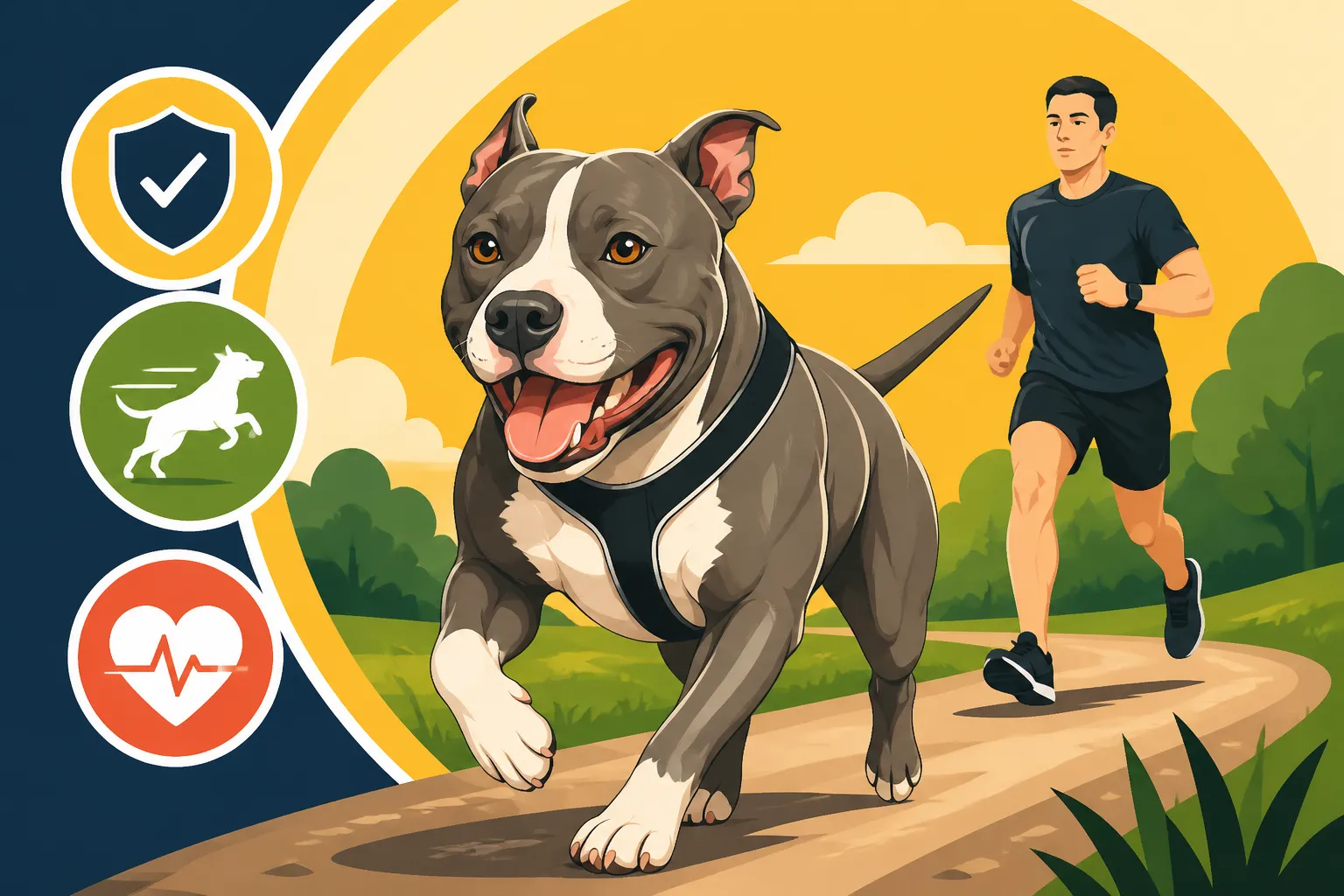
Building a Pit Bull’s Stamina Safely
It’s a common experience for Pit Bull owners: you have a dog bursting with energy, capable of incredible power and speed in short bursts, but when it comes to sustained activity, they might hit a wall sooner than you expect. It can be frustrating when you want to enjoy long hikes or runs together, feeling like your companion should be able to keep up effortlessly, but you're constantly worried about pushing them too hard or causing injury. This comprehensive guide will walk you through safe, effective strategies for building your Pit Bull's stamina, turning those energetic sprints into enduring adventures.
Understanding Your Pit Bull's Natural Energy and Limits
Pit Bulls are magnificent athletes, renowned for their strength, agility, and incredible drive. However, their physical makeup and historical roles mean they are often built for powerful, short bursts of activity rather than long-distance endurance. Recognizing this inherent predisposition is the first step in safely building their stamina.
The Pit Bull Physique and Energy Reserves
Think of your Pit Bull as a canine powerhouse, packed with dense muscle and an explosive energy system designed for quick action. This is fantastic for games of fetch, agility courses, or intense tug-of-war sessions. Their powerful hindquarters are perfect for launching them forward, and their robust skeletal structure supports incredible force. However, this same build can make sustained, repetitive motion, like long-distance running, more taxing on their joints and cardiovascular system if not approached correctly. They have a certain amount of raw energy, yes, but converting that into endurance requires careful conditioning. It’s not about lacking energy; it’s about how that energy is distributed and maintained over time. Owners often see their Pit Bull go from zero to sixty in a blink, only to crash equally fast, which can be a puzzle if you're aiming for a sustained workout.
It's easy to assume that because a Pit Bull is strong and appears tireless in short bursts, they should naturally excel at any physical challenge. However, their fast-twitch muscle fibers, while excellent for power, fatigue more quickly during prolonged exertion compared to the slow-twitch fibers more prevalent in true endurance breeds. This doesn't mean your Pit Bull can't develop impressive stamina; it simply means you need to be mindful of their physiology. You're working with a natural sprint athlete and gently guiding them towards becoming a middle-distance runner, which is a different kind of conditioning. We want to encourage their inherent drive but channel it into sustained effort rather than just bursts.
Recognizing Signs of Overtraining or Fatigue
One of the most crucial skills you'll develop as a Pit Bull owner focused on fitness is learning to read your dog's signals. Unlike some breeds that might try to "please" you by pushing past their limits, a Pit Bull’s stoicism can sometimes mask discomfort until it's more severe. Subtle cues are your best friend here. Is their tail wagging less enthusiastically? Are they starting to lag behind instead of eagerly leading the way? Is their panting excessively heavy, even after a short rest, or are they drooling more than usual? These are all indicators that their body is working harder than it should be or that they're approaching their limit. Ignoring these early signs can lead to injury, heat exhaustion, or even just a negative association with exercise, which we definitely want to avoid.
Beyond the immediate physical signs, also observe their posture and gait. Is there a slight stiffness in their stride, or are they favoring a leg, however subtly? Are they showing reluctance to jump into the car or climb stairs after a long outing? These might be signs of muscle soreness or joint strain, especially if they are pushed too hard too fast. Remember, pushing them beyond their current capacity doesn't build stamina faster; it builds resentment and increases the risk of setbacks. It’s a marathon, not a sprint, for both of you. Always err on the side of caution, ending a session a little earlier if you detect any hint of discomfort or waning enthusiasm.
Foundational Steps for Building Stamina
Building your Pit Bull's stamina is a gradual process, much like training for a human athlete. It starts with a solid foundation of consistent, low-impact activities and slowly progresses to more challenging exercises. Patience and consistency are far more important than intensity in the early stages.
Starting Slow and Steady: The Walking Program
The humble walk is your most powerful tool when beginning a stamina-building program. It's low-impact, easy to regulate, and a fantastic way to assess your dog's baseline fitness. Start with short, regular walks – perhaps 15 to 20 minutes, two to three times a day. Focus on a brisk, consistent pace rather than stop-and-go sniffing sessions (though those are important for mental enrichment too!). Over a week or two, gradually increase the duration by 5-10 minutes per walk. The goal is to build up their cardiovascular fitness and muscular endurance without overstressing their joints. Imagine someone starting to run for the first time; they don't jump into a marathon, they start with walking or walk-runs. Your Pit Bull needs the same respect for their body.
As you increase the duration, you might also consider varying the pace within a single walk. Introduce short bursts of faster walking or a very light jog for a minute or two, then return to your brisk pace. This gentle introduction to varied intensity helps condition their heart and lungs without excessive strain. It’s important during these initial phases to maintain good leash manners. A Pit Bull that is constantly pulling on the leash can actually put undue stress on its neck and shoulders, and it makes it harder for you to gauge their true exertion level. Pit Bull Leash Manners and Physical Strength are paramount not just for control, but for their physical well-being during conditioning. Consistent, structured walks are the backbone of any good stamina program for your powerful companion.
Integrating Varied Terrain and Activities
Once your Pit Bull is comfortably handling longer, consistent walks on flat ground, it's time to introduce variety. This is where things get interesting for both of you! Walking on varied terrain – think gentle hills, grassy fields, or even light trails – challenges different muscle groups and improves balance and proprioception. A slight incline, for example, works their hindquarters and core more than flat ground, building strength that supports endurance. Just remember to start with very mild inclines and gradually increase the difficulty. Soft ground, like sand or loose dirt, adds resistance and makes their muscles work harder without the harsh impact of pavement.
Beyond walking and light jogging, consider other activities that are lower impact but still build cardiovascular fitness. Swimming, if your Pit Bull enjoys it, is an excellent full-body workout that's incredibly gentle on their joints. Whether Pit Bulls Enjoy Swimming can vary, but if yours does, it's a fantastic option. Another great way to incorporate varied activities is through interactive play that involves movement, like playing fetch in a large, open field (after a good warm-up). The key is to keep it fun and engaging, so your Pit Bull sees these activities as rewards, not chores. Rotate activities throughout the week to keep them mentally stimulated and physically challenged in diverse ways, preventing overuse injuries from repetitive motions. Remember, the goal is balanced development.
Fueling for Endurance: Nutrition and Hydration
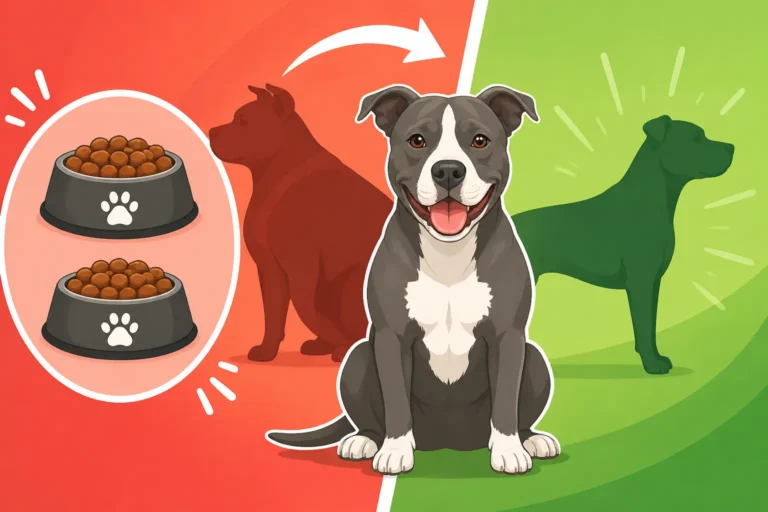
Just like any athlete, your Pit Bull needs proper fuel to support their increased activity levels and stamina development. You can't expect a high-performance engine to run on low-quality fuel. A well-balanced diet rich in appropriate protein and healthy fats is crucial. Protein is essential for muscle repair and growth, which is vital as their muscles adapt to new demands. Healthy fats provide a sustained energy source, helping them maintain their output over longer periods. Look for high-quality dog foods where meat is the first ingredient, and avoid excessive fillers. Brands like Chewy and Ollie often carry reputable, high-protein formulas designed to support active dogs. However, always consult with your vet to ensure any dietary changes align with your dog's specific needs, especially if they have sensitivities or health conditions.
Hydration is equally, if not more, critical. As your Pit Bull becomes more active, their water requirements will increase significantly. Always provide constant access to fresh, clean water, especially before, during, and after exercise. For longer outings, carry a portable water bottle and bowl for your dog. Dehydration can quickly lead to fatigue, muscle cramps, and more severe health issues like heatstroke, even on moderately warm days. If you're out for an hour or more, offer water every 15-20 minutes. Think about yourself after a run; water is essential. Your Pit Bull is no different. Proper nutrition and hydration aren't just about weight management; they're foundational pillars for their overall health and their ability to build and sustain stamina. If you're feeding a working dog, you might also want to explore High Protein Food and a Working Pit Bull for more specialized nutritional advice.
Advanced Stamina Building Techniques
Once your Pit Bull has a solid base of fitness from consistent walking and varied activities, you can start incorporating more advanced techniques to truly enhance their endurance and cardiovascular capacity. These methods require a good understanding of your dog's limits and careful supervision.
Incorporating Interval Training
Interval training, also known as High-Intensity Interval Training (HIIT), is a fantastic way to boost your Pit Bull's stamina and overall fitness efficiently. The concept is simple: alternate short bursts of high-intensity exercise with periods of lower-intensity activity or active rest. For example, you might have your Pit Bull sprint (or run at their fastest comfortable pace) for 30 seconds, then walk briskly for 2-3 minutes to recover, repeating this cycle several times. This method challenges their cardiovascular system and muscles in a way that steady-state exercise doesn't, improving both aerobic and anaerobic capacity. However, because of the higher intensity, proper warm-up and cool-down are non-negotiable. Start with a 5-10 minute brisk walk to warm up their muscles and end with another 5-10 minutes of gentle walking and stretching.
When first introducing intervals, keep the high-intensity periods very short and the recovery periods generous. Pay close attention to your Pit Bull's breathing and energy levels. As they get fitter, you can gradually increase the duration of the high-intensity intervals or decrease the recovery time. This type of training is demanding, so it shouldn't be done every day. Two to three times a week, interspersed with lower-intensity activities, is usually a good starting point. Always ensure the ground is suitable for running – avoid hard pavement for prolonged periods of high impact. This training taps into their natural athleticism, building speed and endurance simultaneously.
Long Line Work and Controlled Off-Leash Exercise
For Pit Bulls with reliable recall and appropriate social skills, long line work and controlled off-leash exercise can be invaluable for stamina building. A long line (think 30 to 50 feet) allows your dog to gallop, explore, and move at their own pace over a greater distance than a standard leash, without the risks associated with true off-leash running in unprotected areas. You maintain control, but they gain freedom of movement. This allows for sustained running and bursts of speed in a natural way, letting them dictate their exertion more effectively while you supervise. Look for wide-open fields, quiet parks, or safe, fenced areas away from traffic or other distractions. Amazon offers a variety of durable long lines suitable for strong dogs.
Before attempting any form of controlled off-leash exercise, your Pit Bull must have an iron-clad recall. Without it, the risks far outweigh the benefits. Recall Training a Pit Bull From Scratch is foundational work that every Pit Bull owner should invest in. Even with a long line, practice calling them back frequently and rewarding them heavily to reinforce good habits. This type of exercise builds not only physical stamina but also mental focus and responsiveness. It’s a wonderful way to let your Pit Bull really stretch their legs and embrace their athletic nature, covering more ground and using their energy more freely than on a short leash. Just be vigilant about their surroundings, always looking out for potential hazards like uneven ground, wildlife, or other dogs.
Mind-Body Connection: Mental Engagement During Exercise
Stamina isn't purely a physical attribute; mental engagement plays a huge role in a dog's ability to sustain effort. A bored dog is often a less motivated dog. Incorporating mental challenges into your exercise routine can actually enhance their physical stamina by keeping them focused, interested, and less likely to "check out" mentally. Think of it as making the exercise itself a puzzle or a game. For example, during a long walk or hike, occasionally ask for a "sit" or "stay," then release them with an exciting "go!" to re-engage their drive. Hide treats along the trail for them to sniff out, turning a simple walk into a scent-work adventure.
Using puzzle toys or engaging in short training sessions during breaks in longer activities can also refresh their minds. For instance, if you're out for a long trail walk, stop at a scenic spot, practice a few obedience commands, or engage in a quick game of "find it" before continuing. This mental stimulation combats monotony and can actually make them feel less physically tired, as their brain is active and engaged. A Pit Bull that is mentally stimulated is often more resilient and willing to push through physical challenges with greater enthusiasm. This combined approach ensures you're building a well-rounded, resilient, and happy athlete.
Important Considerations for Safe Stamina Building
While building your Pit Bull's stamina is a rewarding endeavor, it’s critical to always prioritize their safety and long-term health. Several factors, from age to environment, can influence how you structure their fitness program.
Age and Health: Tailoring the Program
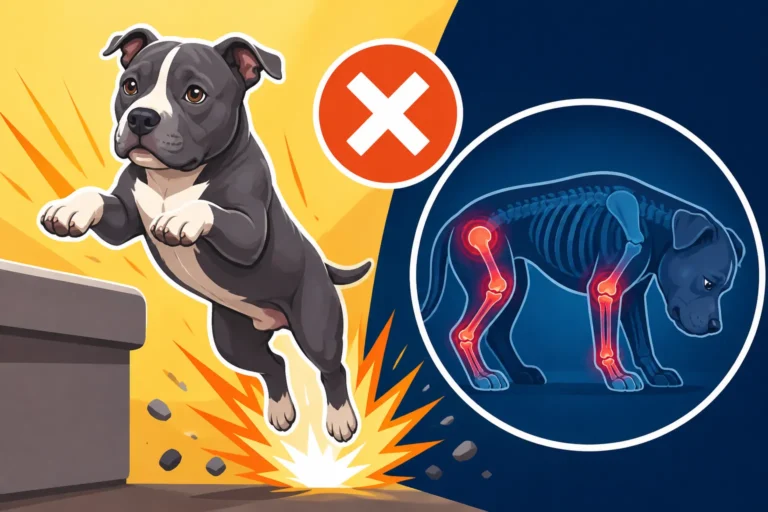
The age and current health status of your Pit Bull are paramount in designing a safe stamina-building program. A young puppy, for instance, has developing bones and joints that are highly susceptible to injury from excessive or high-impact exercise. What a Pit Bull Under a Year Should Not Do includes avoiding forced running, prolonged strenuous activity, and jumping from heights. Their exercise should be primarily self-directed play, allowing them to stop when they're tired. Pushing a puppy too hard can lead to lifelong orthopedic issues. For adult Pit Bulls, a vet check-up is always a good idea before starting any new, intensive exercise regimen, especially to screen for underlying conditions like heart murmurs or joint issues.
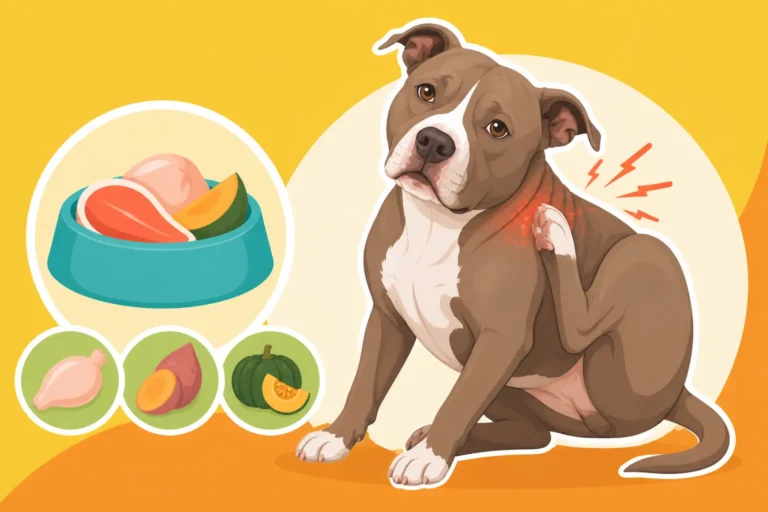
Older Pit Bulls also require special considerations. As they age, their joints may experience arthritis, their muscles may lose some mass, and their cardiovascular system may not be as robust. For these seniors, the goal shifts from building new stamina to maintaining existing fitness and comfort. Low-impact activities like gentle swimming or multiple short, slow walks are often best. Caring for a Pit Bull That Has Slowed Down will give you more details on supporting an aging Pit Bull. If your dog has any known health issues, such as Pit Bull Hip Dysplasia Showing at One to Two Years or allergies, consult your veterinarian for tailored advice. They can help you determine safe exercise levels and recommend any necessary joint supplements or pain management strategies. Regular veterinary check-ups are essential to catch potential issues early and adapt their exercise plan accordingly. For a heavily muscled Pit Bull, joint health is a significant consideration, so articles like Joint Support for a Heavily Muscled Pit Bull can provide valuable insights.
Weather Conditions and Environmental Factors
Weather conditions play a massive role in the safety of your Pit Bull's exercise routine. Pit Bulls, with their short coats, can be surprisingly susceptible to both extreme heat and cold. In hot weather, they can quickly overheat, leading to heatstroke, which is a serious medical emergency. Their short muzzle, while not as extreme as some brachycephalic breeds, can also make breathing harder in high temperatures. Always be mindful of the ambient temperature and humidity. Avoid exercising during the hottest parts of the day; early mornings and late evenings are preferable. Watch for signs of heat trouble like excessive panting, drooling, staggering, or lethargy. Spotting Heat Trouble in a Working Pit Bull offers more in-depth information on recognizing and preventing this dangerous condition.
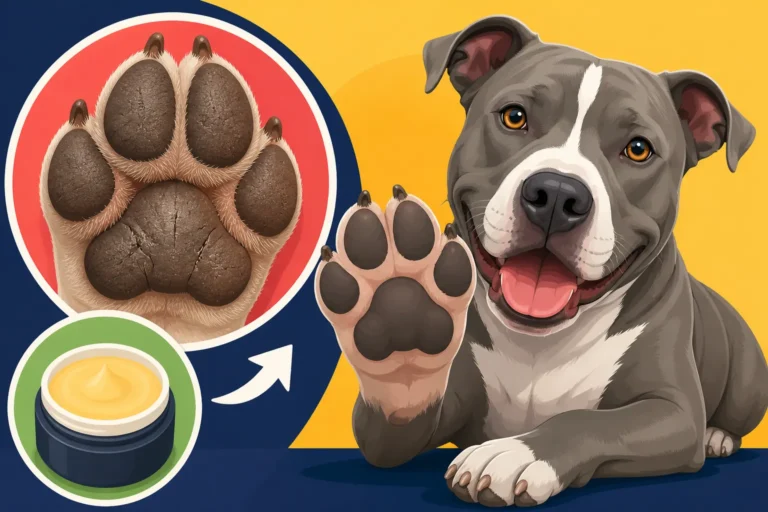
Cold weather also presents challenges. While their short coats might make them seem resilient, they can still get cold, especially in freezing temperatures or wet conditions. Consider a warm coat for prolonged outdoor activity in winter. Beyond temperature, also consider the ground. Hot pavement can burn their paw pads in summer, while ice and salted sidewalks can cause injury and irritation in winter. Pit Bull Paw Pad Injuries on Hard Ground is a must-read for year-round paw care. Always check pavement temperature with the back of your hand – if it's too hot for you, it's too hot for their paws. During spring and fall, be aware of allergens and parasites in tall grasses, which can affect their skin and overall comfort. The environment should always be assessed for safety and comfort before starting any exercise.
Consistency and Patience: The Long Game
Perhaps the most crucial aspect of building stamina in your Pit Bull is the commitment to consistency and patience. There are no shortcuts to true fitness. Erratic exercise schedules – intense sessions followed by long periods of inactivity – can do more harm than good, increasing the risk of injury and making it harder for your dog to adapt. Aim for a regular schedule, even if it's just two shorter walks a day combined with some active play. Daily activity, even if mild, is better than one massive outing per week. Think of it as slowly building a reserve, brick by brick, not trying to construct a skyscraper overnight.
Celebrate the small victories: the extra five minutes they walked without lagging, the extra sprint they willingly offered, the longer, calmer breath after an intense session. There will be days when progress feels slow, or when setbacks occur – a slight lameness, a day when they just aren't feeling it. On those days, scale back, rest, and don't get discouraged. This journey is about enjoying the process with your Pit Bull, fostering a deeper bond through shared activity, and understanding their unique needs. By embracing consistency and patience, you’re not just building their stamina; you’re investing in their long-term health, happiness, and your relationship. Remember, the goal is sustained, healthy activity for the entirety of their vibrant life, not just for a season.
| Exercise Type | Intensity Level | Impact on Joints | Key Benefit | Notes |
|---|---|---|---|---|
| Brisk Walking | Low to Moderate | Low | Cardiovascular fitness, endurance | Excellent starting point, easy to gauge fatigue. Varies well with terrain. |
| Jogging/Running | Moderate to High | Moderate to High | Cardiovascular endurance, muscle tone | Gradually increase duration. Avoid hard surfaces initially. Monitor closely for signs of fatigue. |
| Swimming | Low to Moderate | Very Low | Full-body conditioning, joint friendly | Excellent for dogs with joint concerns or in warm weather. Ensure safety with a life vest if needed. |
| Hiking | Moderate | Moderate | Endurance, agility, mental stimulation | Varied terrain builds diverse muscles. Leash laws and trail etiquette apply. Carry water. |
| Interval Sprints | High | High | Explosive power, anaerobic capacity | Short bursts of speed followed by rest. Great for advanced conditioning. Requires good warm-up/cool-down. |
| Flirt Pole Play | Moderate to High | Moderate | Agility, chase drive, bursts of speed | Good for short, intense sessions. Watch for over-exertion, especially jumping. Flirt Pole Sessions and Pit Bull Joints |
Disclaimer
This article is for general informational purposes only and does not constitute professional advice. Laws, prices and regulations vary by location and change over time. Consult a qualified professional for guidance on your specific situation.