Why a Growing Pit Bull Should Not Jump Hard
It’s a sight many Pit Bull owners have seen: a bouncy, energetic puppy or young adult, full of life, launching themselves off the couch, leaping for a toy, or jumping enthusiastically to greet you. While their athleticism is undeniably impressive and their zest for life infectious, letting a growing Pit Bull jump hard and frequently can actually pave the way for serious joint and skeletal problems down the line. This guide will dive deep into why high-impact activities are risky for your young Pit Bull and what you can do to protect their developing body.
Understanding Pit Bull Growth Plates and Joint Development
The reason hard jumping is such a big deal for growing Pit Bulls comes down to their anatomy and how their bones mature. Unlike adult bones, a puppy's skeleton isn't fully fused and hardened. There are crucial areas of cartilage that are still actively growing and incredibly vulnerable.
The Critical Period of Bone Growth
Imagine your Pit Bull's long bones – the ones in their legs – not as single, solid structures but as segments connected by soft, cartilaginous plates at their ends. These are called epiphyseal plates, or more commonly, growth plates. They're basically the construction zones of your dog's bones, where new bone tissue is constantly being produced, allowing the bones to lengthen as your puppy grows.
For Pit Bulls, this critical period of bone growth typically extends until they are anywhere from 12 to 18 months old, and sometimes even a bit longer for larger individuals. During this time, these growth plates are much softer and weaker than the surrounding bone. They haven't fully ossified, or turned into hard bone, yet. Think of them like unglued seams in a piece of furniture; they're strong enough for normal, everyday movements, but excessive, repetitive stress or sudden, jarring impacts can damage them, leading to potentially lifelong issues. This is why you often hear vets caution against intense exercise during puppyhood.
How Jumping Impacts Developing Joints
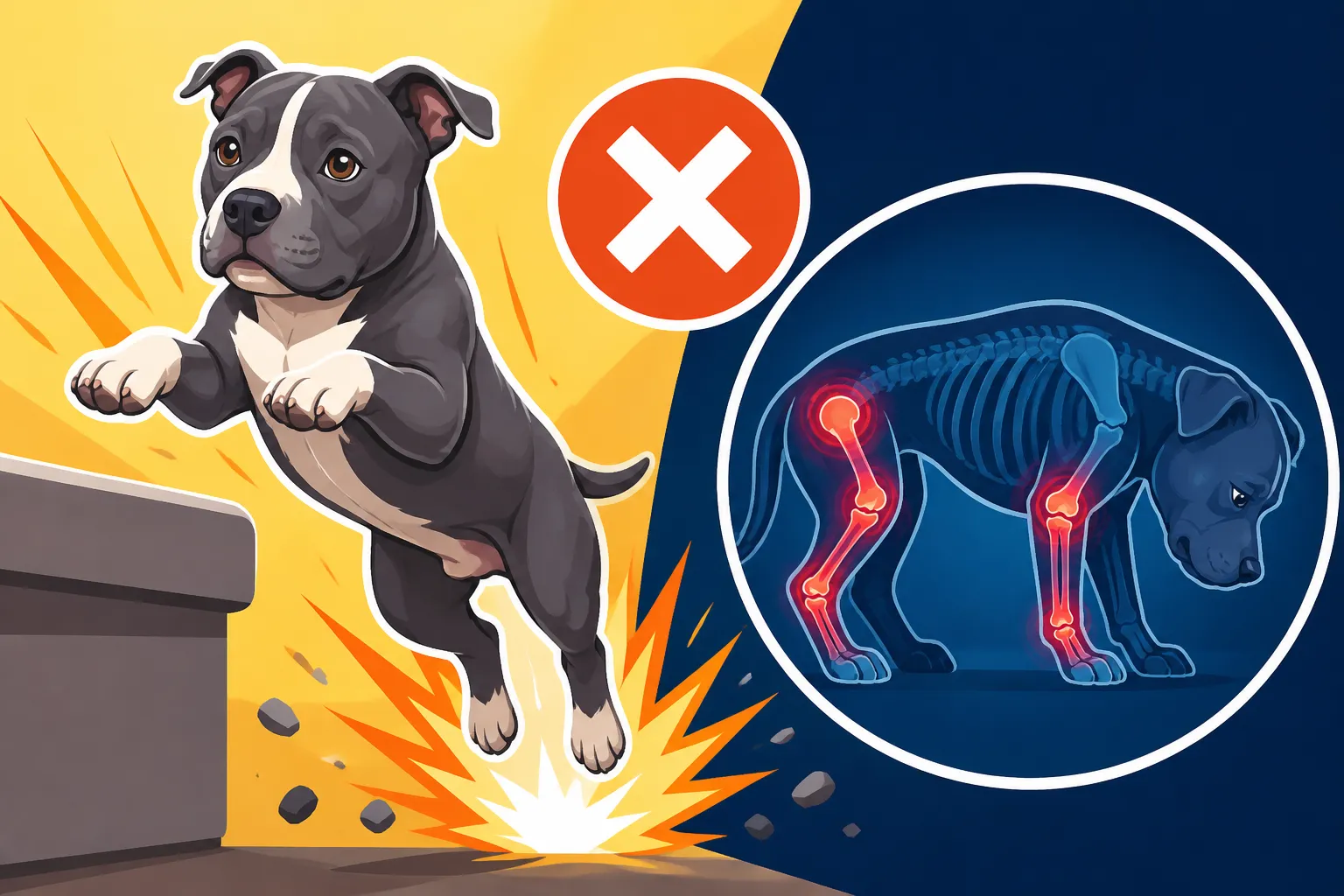
When a Pit Bull jumps hard, whether it’s springing off a sofa, landing from a high leap, or twisting in mid-air for a frisbee, immense forces are concentrated on these delicate growth plates and immature joints. These forces don't just compress the bones vertically; they can also create shearing forces, twisting, and side-to-side stresses that these vulnerable areas are not equipped to handle.
Consider the physics: a Pit Bull, even a growing one, is a dense, muscular dog. The impact of their body weight, multiplied by the force of acceleration and deceleration during a jump, places incredible strain on their hips, elbows, shoulders, and stifle (knee) joints. Each time they land jarringly, there's a risk of micro-trauma to the growth plates. Over time, or with a single bad landing, this can cause the plate to separate, fracture, or close prematurely. If a growth plate is damaged, it can lead to uneven growth in the bone, resulting in joint deformities like Pit Bull Hip Dysplasia Showing at One to Two Years or elbow dysplasia, which in turn can lead to chronic pain and early-onset arthritis. It's a cascade of potential problems that starts with seemingly harmless puppy antics.
The Risks of High-Impact Activities for Young Pit Bulls
It's natural to want to play with your energetic Pit Bull, but understanding the specific types of injuries and the long-term consequences of high-impact activities can help you make informed decisions about their exercise routine.
Specific Injuries Caused by Hard Jumping
When a young Pit Bull consistently engages in activities that involve hard jumping or sudden, jarring impacts, they are at risk for a range of orthopedic issues that can manifest both acutely and chronically.
One common problem is an avulsion fracture. This happens when a strong tendon or ligament pulls so hard on its attachment point that it actually tears a small piece of bone away. Since growth plates are the weaker link, these are often the points of vulnerability. For instance, a strong quadriceps muscle pulling on the top of the tibia (shin bone) can cause an avulsion fracture at the tibial tuberosity, which involves the growth plate there. These are painful and require immediate veterinary attention, often involving surgery and a long recovery period.
Beyond acute fractures, repetitive strain from jumping can contribute to developmental orthopedic diseases that are all too common in powerful breeds like Pit Bulls. Elbow dysplasia, for example, is a complex condition that includes several abnormalities, such as an ununited anconeal process or fragmented coronoid process. These conditions can be exacerbated or even brought on by undue stress on the elbow joint during its critical development phase. Jumping and hard landings put significant pressure on the elbow, potentially preventing these small bone segments from fusing properly or causing them to break off, leading to pain and lameness.
Similarly, while hip dysplasia often has a genetic component, environmental factors, including excessive high-impact exercise during growth, can worsen its severity. The repetitive stress on the immature hip joint can lead to laxity (looseness) and abnormal wear, accelerating the development of degenerative joint disease. Furthermore, soft tissue injuries like ligament strains and sprains, particularly in the stifle (knee), are also common. A sudden twist or awkward landing can easily damage the cruciate ligaments, leading to severe lameness and often requiring complex surgical repair, such as a TPLO (Tibial Plateau Leveling Osteotomy) or TTA (Tibial Tuberosity Advancement). Pit Bull Joint and Ligament Injuries often stem from these very activities. Even spinal injuries, though less common, can occur from particularly bad landings or falls.
Long-Term Consequences and Chronic Issues
The immediate injuries are certainly concerning, but the ripple effects of damaging a growing Pit Bull's joints can extend throughout their entire life. Perhaps the most pervasive long-term consequence is the early onset of arthritis, also known as osteoarthritis or degenerative joint disease. When growth plates are damaged, or when joints develop abnormally due to repetitive stress, the smooth cartilage lining the joint surfaces can begin to wear down prematurely. This leads to bone-on-bone friction, inflammation, pain, stiffness, and a progressive loss of mobility.
Imagine a Pit Bull in their prime, say at age five or six, already suffering from the debilitating effects of arthritis that might not otherwise appear until their senior years. This means a life of chronic pain, reduced activity levels, and a need for ongoing veterinary care. Owners often find themselves managing their dog's pain with daily medications, specialized diets, Joint Diets for an Aging Pit Bull, physical therapy, and various joint supplements, such as glucosamine, chondroitin, and omega-3 fatty acids. While these can help manage symptoms, they can't reverse the damage already done.
In severe cases, surgical interventions like hip replacement or elbow arthroscopy might be necessary, carrying significant financial burdens and lengthy recovery periods for both the dog and the owner. The reduced mobility and chronic pain can also affect a Pit Bull's overall temperament and quality of life, making them less inclined to play, interact, or even enjoy simple walks. Owners may also find themselves unable to participate in activities they once envisioned, such as dog sports or long hikes. The emotional toll of watching a beloved companion struggle with preventable pain is immense, highlighting why proactive care during the developmental stages is so vital. It's truly a testament to the long-term impact that seemingly harmless puppy jumping can have.
Safe Exercise Alternatives for Growing Pit Bulls
Knowing the risks doesn't mean your Pit Bull needs to live in a bubble! It just means we need to be smart and intentional about how we allow them to expend their boundless energy during their crucial growth phases. The goal is to provide adequate exercise without putting undue stress on their developing joints.
Controlled and Low-Impact Activities
The key during puppyhood and adolescence is to focus on activities that build muscle and stamina without jarring impacts. Think of it as building a strong foundation carefully.
Leash Walks: These are your best friend! Controlled walks on a leash, especially on softer surfaces like grass or dirt trails, are excellent. They allow your Pit Bull to explore, practice leash manners, and build muscle tone in a gentle, rhythmic way. Avoid long walks on pavement, which is very hard on joints, especially for puppies. Short, frequent walks are better than one marathon session.
Swimming: If you have access to a safe, clean body of water, swimming is arguably one of the best exercises for a growing Pit Bull. It's completely non-weight-bearing, meaning there's zero impact on their joints, while still providing a fantastic full-body workout. Many Pit Bulls absolutely adore the water. Just ensure safety with a well-fitting life jacket, especially if your dog is new to swimming, and always supervise them closely.
Light Jogging (with caution): This is where individual discretion and veterinary advice are paramount. While a young Pit Bull shouldn't be trained for endurance running, very light, short jogs on soft ground after their growth plates are likely closed (typically 12-18 months) and with explicit vet approval, can be beneficial. It's crucial to build up duration and intensity very slowly. Never push them, and always be on the lookout for any signs of lameness or fatigue. This is a far cry from hard jumping.
Mental Stimulation: Don't underestimate the power of mental exercise! Puzzle toys, treat-dispensing toys (many sturdy options available on Chewy or Amazon), and short, engaging training sessions can burn a surprising amount of energy and tire a Pit Bull out without any physical impact. Teaching new tricks, practicing obedience commands, or even engaging in scent work provides crucial mental enrichment that complements physical exercise.
Short, Frequent Play Sessions: Instead of one long, intense play session that might involve too much jumping or roughhousing, break up your Pit Bull's play into several shorter, controlled bursts throughout the day. This allows them to let off steam without overdoing it. A quick game of fetch with a soft toy (thrown low to avoid jumping) for five to ten minutes, followed by a cool-down period, is far preferable to a half-hour free-for-all at the dog park. These controlled activities help them Getting a Pit Bull Back Into Condition safely.
Monitoring and Modifying Play
It's not just about what activities you choose, but also how you manage them. Your keen observation skills are essential in protecting your Pit Bull's joints.
Polite Play: When your Pit Bull plays with other dogs, supervise closely to ensure the play remains polite and doesn't escalate into overly rough, high-impact wrestling or jumping that puts undue strain on their bodies. If your Pit Bull is prone to playing too hard, consider shorter, supervised sessions with known, calm playmates. Teach them to disengage and take breaks.
Flirt Poles and Springpoles (with extreme caution): These tools can be excellent for building drive and muscle, but they must be used with extreme care for growing Pit Bulls. The temptation is to let them leap high for the lure. Instead, focus on controlled grabs and tugging, keeping the lure low to the ground to minimize vertical jumping. The idea is to build strength and agility, not to see how high they can jump. Excessive jumping, especially with twisting, is the primary concern. Always prioritize safe, controlled movement over spectacular leaps. Understand that Flirt Pole Sessions and Pit Bull Joints should be approached carefully.
Stop Before Fatigue: This is critical. A tired dog is a clumsy dog. When your Pit Bull starts to get fatigued, their form deteriorates, and they are much more prone to awkward landings, stumbles, and injuries. Always end play sessions and exercise before they reach this point. It’s better to leave them wanting a little more than to push them too far.
Introducing Intense Exercise Gradually: The general consensus for robust breeds like Pit Bulls is to wait until they are at least 18 to 24 months old before introducing truly high-impact activities like agility jumping, hard frisbee catching, or long-distance running. Even then, it should be done very gradually, building up stamina and strength over weeks and months. Your veterinarian can provide guidance on when your individual Pit Bull's growth plates are likely closed and ready for more intense work. Until then, remember that activities like Whether Weight Pulling Is Safe for a Pit Bull need careful consideration of age and development.
Practical Strategies for Owners
Protecting your growing Pit Bull's joints isn't just about structured exercise; it's about making smart choices in their daily environment and working closely with veterinary professionals.
Creating a Safe Home Environment
Your home is where your Pit Bull spends the majority of their time, and it can be a silent contributor to joint stress if not managed properly.
Ramps or Steps for Elevated Surfaces: Pit Bulls love to be near their people, which often means on the couch or bed. While it's lovely to have them close, jumping off these elevated surfaces repeatedly can put a surprising amount of strain on their shoulders, elbows, and hips. Consider investing in pet ramps or steps to give them a gentler way to access their favorite napping spots. This is especially crucial for puppies and young adults.
Managing Stairs: Stairs are another common culprit. While short, controlled walks up and down stairs are generally fine for a healthy puppy, letting them bound up and down multiple flights at high speed repeatedly can be detrimental. For very young puppies, consider using baby gates to restrict access to stairs until they're older and more coordinated. Teach them to take stairs calmly and slowly.
Non-Slip Flooring: Slippery floors, like hardwood or tile, can be a hazard for any dog, but particularly for growing Pit Bulls. Their powerful pushes and quick turns can lead to slips, slides, and strains, as their legs splay out unnaturally. Place rugs or runners in high-traffic areas and wherever your dog tends to play or launch themselves. This provides much-needed traction and reduces the risk of accidental injury.
Discourage Indoor Zoomies on Hard Surfaces: While sometimes unavoidable, try to discourage your Pit Bull from engaging in wild "zoomies" (sudden bursts of energetic running) on hard, slippery floors. Redirect their energy to a carpeted area or take them outside for a supervised, controlled run on grass.
Working with Your Veterinarian and Trainer
You are your Pit Bull's primary advocate, but you don't have to navigate their growth and development alone. A strong partnership with professionals is key.
Regular Vet Check-ups: Consistent veterinary care is paramount. During your regular check-ups, discuss your Pit Bull's exercise routine, growth progress, and any concerns you might have about their gait or activity level. Your vet can perform orthopedic exams to assess joint health, identify any early signs of issues, and provide personalized recommendations for appropriate exercise. They can also help determine The Age a Pit Bull Finishes Growing and when their growth plates are likely closed.
Discuss Exercise Plans: Don't hesitate to sit down with your veterinarian to map out an age-appropriate exercise plan. They can advise you on when it's safe to introduce more challenging activities, the right duration, and signs to watch out for. This is especially important before embarking on activities like serious hiking, running, or dog sports.
Finding an Experienced Trainer: A good dog trainer, particularly one experienced with powerful breeds like Pit Bulls, can be invaluable. They can help you teach impulse control, establish polite play habits, and guide you on safe ways to channel your Pit Bull's energy into constructive activities rather than destructive or harmful ones. Look for trainers who emphasize positive reinforcement and understand canine biomechanics.
Essential Gear and Nutrition for Joint Health
Beyond managing activity, supporting your Pit Bull's developing body through proper nutrition and appropriate gear is crucial.
High-Quality Diet: Feeding a high-quality, complete, and balanced diet formulated for large breed puppies or all life stages is fundamental. These diets are specifically designed to support proper growth rates, preventing too-rapid growth that can put extra strain on developing joints. Overfeeding, leading to rapid weight gain, is a significant risk factor for orthopedic problems. Brands like Ollie offer fresh, balanced food, and many premium kibble brands can be found on Chewy.
Joint Supplements (Vet-Approved): While not a magic bullet, certain joint supplements containing ingredients like glucosamine, chondroitin, and omega-3 fatty acids may offer some protective benefits for joint cartilage. However, it's absolutely crucial to consult your veterinarian before starting any supplements. They can advise on whether supplements are appropriate for your specific Pit Bull's age and health status, and recommend reputable brands and dosages. Self-prescribing can be ineffective or even harmful. These might be part of Joint Support for a Heavily Muscled Pit Bull later in life, but discuss early use with your vet.
Supportive Harnesses: For walks, a well-fitting, Y-front harness is often preferable to a collar, especially for strong-pulling Pit Bulls. Harnesses distribute pressure across the chest and shoulders, rather than concentrating it on the neck and throat, which can reduce strain on the cervical spine and front end. This helps prevent jerks and strains that could impact developing structures.
Weight Management: Keeping your Pit Bull at a lean, healthy weight throughout their life, but especially during their growth phase, is incredibly important. Every extra pound places additional stress on their joints, exacerbating any underlying predispositions to conditions like hip or elbow dysplasia. Regularly check their body condition score, and ensure you can easily feel their ribs without seeing them prominently, and that they have a visible waist tuck. Overweight Pit Bulls are at a higher risk for Pit Bull Obesity and Joint Strain and many other health issues. You can find scales and measuring cups on Amazon to help accurately portion their food. Remember, How Weight Multiplies the Load on Pit Bull Joints is a real concern.
Disclaimer
This article is for general informational purposes only and does not constitute professional advice. Laws, prices and regulations vary by location and change over time. Consult a qualified professional for guidance on your specific situation.