Joint Diets for an Aging Pit Bull
As your beloved Pit Bull starts to show those tell-tale signs of aging – a little slower to get up, perhaps a reluctance to jump into the car, or just a bit stiffer after a long nap – it’s only natural to feel a pang of worry. You want them to be comfortable, happy, and pain-free, especially as they enter their golden years. This guide is here to walk you through how a carefully chosen diet can become one of your most powerful tools in supporting your aging Pit Bull's joint health, helping them maintain their quality of life for as long as possible.
Understanding the Unique Challenges of Aging Pit Bull Joints
Our Pit Bulls are magnificent, strong, and often incredibly athletic dogs, but even their robust frames aren't immune to the effects of time. As they age, the wear and tear on their joints can become a significant source of discomfort, leading to conditions like arthritis. It’s not just about slowing down; it can be genuine pain that impacts their daily joy.
The Natural Progression of Joint Wear and Tear
Think about all the running, jumping, playing, and general exuberance your Pit Bull has enjoyed over the years. Each one of those activities, while wonderful for their physical and mental well-being, contributes to the gradual breakdown of cartilage within their joints. Cartilage acts as a cushion, allowing bones to glide smoothly against each other. Over time, this cushioning thins and degrades, leading to bone-on-bone friction, inflammation, and the painful stiffness we recognize as arthritis or osteoarthritis. This process is universal, but for a heavily muscled, active breed like the Pit Bull, that constant load means their joints have often worked extra hard. Conditions like Pit Bull Hip Dysplasia Showing at One to Two Years might have laid a foundation for early arthritis, even if initially subclinical.
It’s disheartening to watch your once-bounding companion struggle. You might notice them hesitating at the stairs they used to fly up, or preferring softer sleeping spots rather than the cool tile. These subtle changes are often their way of telling you they’re hurting. Understanding that this isn't just "getting old" but a physical process that diet can influence is the first step towards offering meaningful support.
The Impact of Muscle Mass and Weight on Joint Health
Pit Bulls are known for their powerful, muscular builds. While this strength is a hallmark of the breed, it also means there's a significant amount of force and weight being transferred through their joints with every movement. Imagine carrying a backpack filled with weights every day; that's essentially the extra load your Pit Bull's joints handle. As they age, and perhaps become less active, maintaining that lean muscle mass without gaining excess fat becomes critically important.
Excess weight is, quite frankly, a joint killer. Every extra pound your Pit Bull carries puts disproportionate stress on their hips, knees, and elbows. It exacerbates existing arthritis and can accelerate the onset of new joint problems. It's a cruel cycle: pain leads to less activity, less activity leads to weight gain, and weight gain leads to more pain. This is why addressing How Weight Multiplies the Load on Pit Bull Joints through diet is paramount. Keeping your senior Pit Bull at a healthy, lean weight is perhaps the single most impactful thing you can do for their joint comfort. It might feel like a constant battle, especially as their metabolism slows, but it's a battle worth fighting for their sake.
Key Nutritional Components for Joint Health in Senior Pit Bulls
When it comes to supporting your aging Pit Bull’s joints through diet, it’s not just about feeding less; it’s about feeding smarter. Specific nutrients play crucial roles in reducing inflammation, repairing cartilage, and generally promoting comfort. Understanding these building blocks will empower you to make informed decisions about their meals.
The Power of Omega-3 Fatty Acids
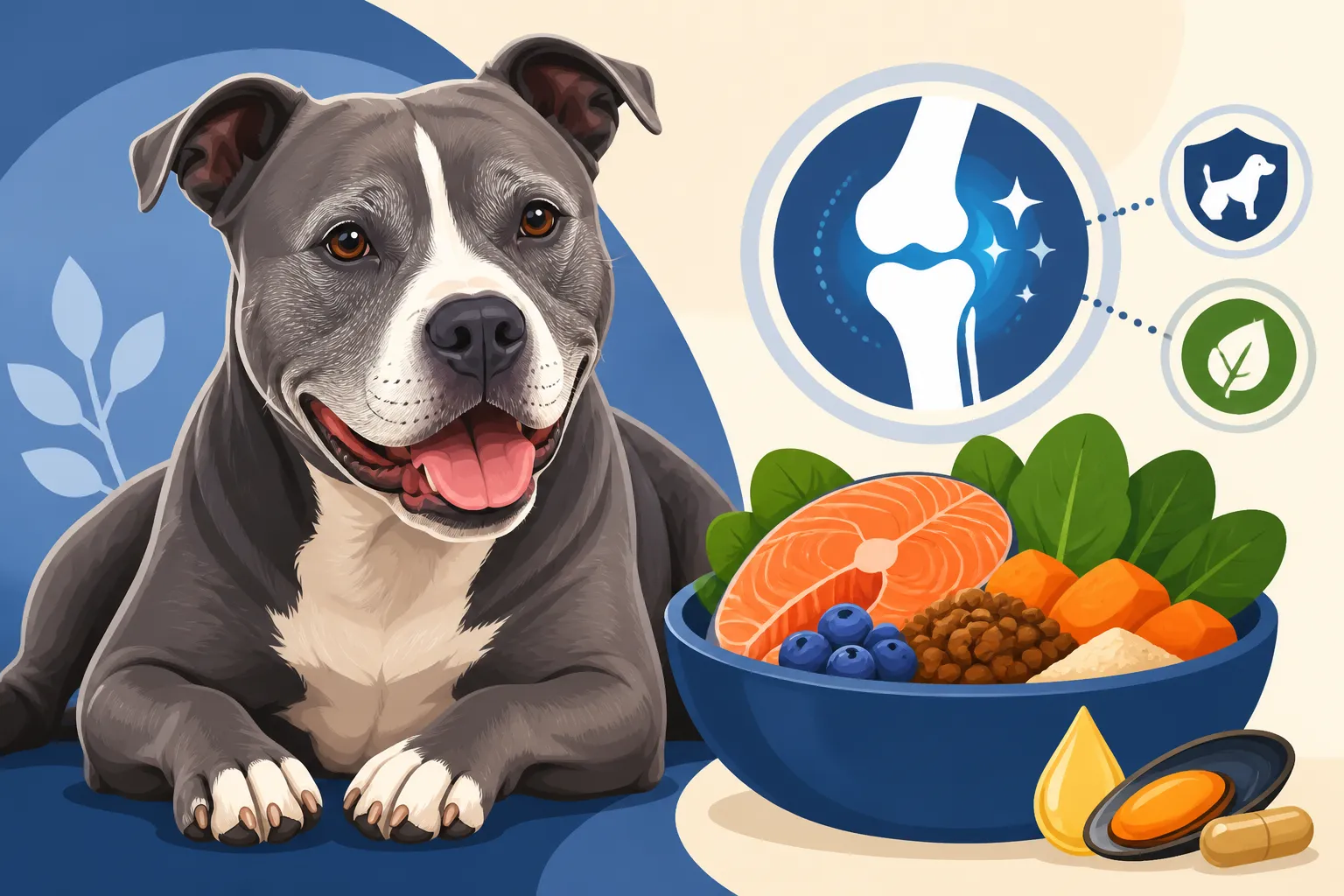
If there’s one nutrient to highlight for joint health, it’s omega-3 fatty acids, specifically EPA and DHA. These incredible compounds are potent anti-inflammatories, working to counteract the painful inflammatory processes that contribute to arthritis. Think of inflammation as the fire in your dog's joints; omega-3s are like the fire extinguisher. While many dry dog foods contain some omega-3s, the levels often aren't high enough to provide therapeutic benefits for significant joint issues.
You’ll want to look for diets fortified with higher levels of omega-3s, or consider supplementing. Excellent sources include fish oils (salmon, sardine, anchovy), krill oil, and green-lipped mussel. When shopping on sites like Amazon or Chewy, you’ll find countless options, but always check the EPA and DHA content and ensure it's from a reputable source. For a detailed look at their broader benefits, check out Omega Oils for Pit Bull Skin and Coat. These fats are not just for their physical comfort but contribute to overall well-being, from brain health to a shiny coat.
Glucosamine and Chondroitin: Cartilage Builders
These two compounds are often spoken of in the same breath, and for good reason: they are the foundational building blocks of healthy cartilage. Glucosamine helps with the repair and formation of cartilage, while chondroitin gives cartilage its elasticity and helps inhibit enzymes that break it down. Together, they work to maintain the structure and function of your Pit Bull's joint cushioning.
Many joint-specific dog foods, particularly those marketed for senior dogs or dogs with mobility issues, will include glucosamine and chondroitin. However, just like with omega-3s, the quantity matters. Therapeutic doses are often higher than what you'll find in standard adult maintenance foods. If your Pit Bull is struggling, you might need to supplement these directly, often found in chewable forms that many dogs enjoy like a treat. When evaluating supplements, look for products that clearly state the amount of active ingredients per dose, rather than just "proprietary blends."
The Importance of High-Quality Protein and Antioxidants
While not directly joint-builders, high-quality protein and antioxidants are vital supportive nutrients. Protein is essential for maintaining muscle mass. As Pit Bulls age, they can start to lose muscle (sarcopenia), which reduces support for their joints and can make them seem weaker or less stable. Feeding a diet with easily digestible, high-quality protein sources (like chicken, turkey, or beef) helps counteract this. Remember, muscle provides crucial stability to joints, so preserving it is key. You might want to refer to Feeding a Pit Bull to Keep Muscle Without Fat for guidance on protein intake.
Antioxidants, found in fruits and vegetables, help combat oxidative stress and inflammation throughout the body, including the joints. Ingredients like blueberries, spinach, carrots, and sweet potatoes contribute a wealth of these protective compounds. They work synergistically with omega-3s to reduce the inflammatory cascade. Ensuring your aging Pit Bull's diet is rich in a variety of these natural goodness sources helps create a less inflammatory environment overall.
Choosing and Transitioning to a Joint-Supportive Diet
Making a dietary change for your aging Pit Bull can feel like a big decision, especially if they've been on the same food for years. But with the right approach, you can smoothly transition them to a diet that actively supports their joint health and improves their comfort.
Evaluating Commercial Joint-Supportive Dog Foods
The market for senior and joint-care dog foods has grown significantly, and for good reason. Many brands offer specialized formulas designed to address the unique needs of older dogs, particularly those with mobility issues. When you're standing in the pet store aisle or browsing online, here’s what to look for:
- Explicit Joint Support: Look for labels that mention "joint support," "mobility," or "senior formula." These often contain higher levels of the key nutrients we discussed: omega-3s, glucosamine, and chondroitin.
- Controlled Calories: Many senior formulas also have slightly fewer calories per cup compared to adult formulas, which helps prevent weight gain as your dog's activity levels naturally decrease. This is crucial for managing Pit Bull Obesity and Joint Strain.
- High-Quality Protein: Ensure the first ingredient is a named meat source (e.g., "chicken" not "poultry by-product"). This supports muscle maintenance.
- Reputable Brands: Stick to well-established brands known for their research and quality control. Read reviews and consult with your veterinarian for recommendations. Brands available on Chewy often provide detailed ingredient lists and customer reviews that can be helpful.
Prescription joint diets, available through your veterinarian, are another excellent option. These foods are formulated with even higher therapeutic levels of joint-supporting nutrients and often have precise calorie control tailored for aging dogs. They can be incredibly effective for Pit Bulls with diagnosed arthritis or significant mobility challenges.
Exploring Fresh Food and Supplement Options
Beyond commercial kibble, fresh food diets can be a fantastic way to control ingredients and provide highly bioavailable nutrients. Companies like Ollie offer customized meal plans that can be tailored to your dog's specific needs, including ingredients beneficial for joint health. The advantage here is often higher moisture content and less processing, which some owners find beneficial for their aging dogs. However, fresh food requires careful balancing to ensure complete nutrition, so working with a veterinary nutritionist or using a service that ensures nutritional completeness is vital.
If a full diet change isn't feasible, or if your Pit Bull needs an extra boost, supplements can bridge the gap.
- Joint Supplements: Glucosamine, chondroitin, MSM, and green-lipped mussel supplements are widely available. You can find these on Amazon or Chewy, often in chewable form. Always check the active ingredient levels and dose according to your dog's weight.
- Omega-3 Oils: High-quality fish oil is an excellent addition. Again, look for EPA and DHA content and ensure it's from a reputable source, ideally one that tests for heavy metals.
- Antioxidant Boosts: Adding small amounts of dog-safe fruits and vegetables like blueberries, spinach, or sweet potato to their meals can provide natural antioxidants.
Remember, supplements are designed to supplement a balanced diet, not replace it. Always discuss any new supplements or major dietary changes with your veterinarian to ensure they are appropriate for your Pit Bull's specific health needs and won't interact with any existing medications.
The Gentle Art of Dietary Transition
Once you’ve chosen a new diet or decided on a supplementation plan, the transition itself needs to be gradual. A sudden change can upset your Pit Bull’s digestive system, leading to an upset stomach or diarrhea – the last thing you want when you're trying to improve their health!
Here’s a common approach:
| Day Range | New Food Percentage | Old Food Percentage |
|---|---|---|
| Days 1-3 | 25% | 75% |
| Days 4-6 | 50% | 50% |
| Days 7-9 | 75% | 25% |
| Day 10+ | 100% | 0% |
This slow introduction allows your Pit Bull’s digestive system to adjust to the new ingredients. Some sensitive dogs might even need a longer transition period, stretching to two weeks or more. Watch for any signs of digestive upset like vomiting, diarrhea, or reduced appetite. If you notice these, slow down the transition even further.
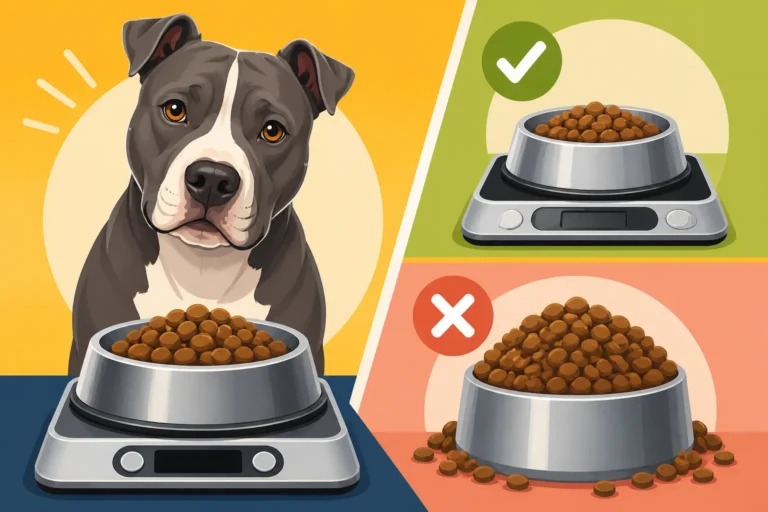
Beyond just the food, remember to consistently monitor their weight. Measuring Pit Bull Food Instead of Guessing becomes even more critical with an aging dog whose metabolism might be slowing. Use a kitchen scale to ensure you're feeding the exact recommended portion. It’s easy to overestimate, and even a few extra kibbles a day can add up over weeks and months, putting unnecessary strain on their already vulnerable joints.
Beyond the Bowl: Holistic Care for Senior Pit Bull Joints
While diet is a cornerstone of joint health for your aging Pit Bull, it's truly most effective when integrated into a broader, holistic care plan. Think of their diet as a powerful internal support system, complemented by external factors that promote comfort and mobility.
Maintaining a Healthy Weight and Lean Body Condition
We’ve touched on this before, but it bears repeating: keeping your senior Pit Bull at an ideal, lean body weight is absolutely non-negotiable for joint health. Even the best joint diet will struggle to make a significant impact if your dog is carrying extra pounds. For a muscular breed like the Pit Bull, it can sometimes be hard to visually discern fat from muscle. You should be able to easily feel, but not necessarily see, their ribs without pressing hard. They should also have a noticeable waist when viewed from above, and an abdominal tuck when viewed from the side.
If your Pit Bull is overweight, work with your vet to create a safe and effective weight loss plan. This often involves reducing calorie intake (which the joint diet helps with) and increasing gentle, controlled exercise. Remember, weight loss should be gradual, typically 1-2% of their body weight per week. Crash diets are unhealthy and unsustainable. Regular weigh-ins and consistent portion control are your best friends here. For more insights on this delicate balance, you might find The Calorie Target for a Lean Pit Bull helpful.
Gentle Exercise and Physical Therapy
Just because your Pit Bull is older and has joint issues doesn't mean they should become a couch potato. In fact, appropriate, gentle exercise is crucial for maintaining muscle strength, joint flexibility, and overall well-being. The key words here are "appropriate" and "gentle." High-impact activities like aggressive fetch or jumping off high places are out. Instead, consider:
- Short, frequent walks: Instead of one long walk, try two or three shorter, slower strolls throughout the day.
- Swimming: This is an excellent non-weight-bearing exercise that builds muscle without stressing joints. Many canine rehabilitation centers offer hydrotherapy.
- Controlled leash walks: Keep them on a leash to prevent sudden bursts of speed or erratic movements that could strain their joints.
- Therapeutic exercises: Your vet or a certified canine rehabilitation therapist can show you specific exercises to improve range of motion and strengthen supporting muscles.
Physical therapy can be incredibly beneficial, often incorporating techniques like massage, stretching, cold laser therapy, and underwater treadmill sessions. These can drastically improve comfort and mobility, working hand-in-hand with a supportive diet.
Regular Veterinary Check-ups and Pain Management
Even with the perfect diet and exercise routine, aging joints will likely require ongoing veterinary oversight. Regular check-ups become even more important as your Pit Bull ages. Your vet can monitor their joint health, assess their pain levels, and recommend additional interventions if needed.
This might include:
- Anti-inflammatory medications (NSAIDs): These can be incredibly effective at managing pain and reducing inflammation, providing much-needed relief.
- Joint injections: In some cases, injections directly into the joint can provide long-lasting pain relief and lubrication.
- Acupuncture: Some dogs respond very well to acupuncture for pain management.
- Environmental modifications: Things like orthopedic beds, ramps to help them get into cars or onto furniture, and non-slip rugs can make a huge difference in their daily comfort.
It's a team effort – you, your Pit Bull, and your veterinarian working together. Don't hesitate to discuss any new signs of discomfort or changes in their mobility. Early intervention and a proactive approach, combining excellent nutrition with medical support, can truly enhance the quality of life for your aging Pit Bull, ensuring they remain a happy, comfortable member of your family for many years to come. For more on how to approach their later years, consider Caring for a Pit Bull in Its Second Decade and Arthritis in a Pit Bull at Seven.
Disclaimer
This article is for general informational purposes only and does not constitute professional advice. Laws, prices and regulations vary by location and change over time. Consult a qualified professional for guidance on your specific situation.