An Old Pit Bull That Leaves Its Bowl
It's incredibly disheartening when your beloved senior Pit Bull, who used to inhale their meals, suddenly starts turning up their nose at food or leaving their bowl half-finished. This isn't just a fleeting picky phase; for older dogs, a change in appetite can signal something significant is going on, and it leaves us owners feeling worried and often helpless. This guide will walk you through the many reasons why your aging Pit Bull might be refusing food, from common health issues to simple environmental tweaks, and what you can do to help.
Understanding Why Your Senior Pit Bull Might Be Refusing Food
When our Pit Bulls reach their golden years, it's natural to expect some changes in their behavior and physical capabilities. However, a significant change in eating habits, especially a refusal to eat, is rarely "just old age" in the sense of a benign, unavoidable occurrence. Your Pit Bull isn't simply becoming "picky" for no reason; there's almost always an underlying cause that needs attention. It's a distress signal, and as their primary caregiver, your vigilance is key.
You see, a healthy Pit Bull, even an older one, typically enjoys their food. Their zest for life often includes mealtimes. So, when that enthusiasm wanes, it’s a moment to pause and investigate, not dismiss. We know their metabolism naturally slows down a bit as they age, meaning they might need slightly fewer calories overall to maintain a healthy weight. But this metabolic shift usually doesn't translate into outright food refusal. Instead, it might look like leaving a few kibbles behind or being less frantic at the sight of the food bowl. A complete disinterest, or a consistent pattern of leaving most of their meal, points to something more than just caloric adjustment.
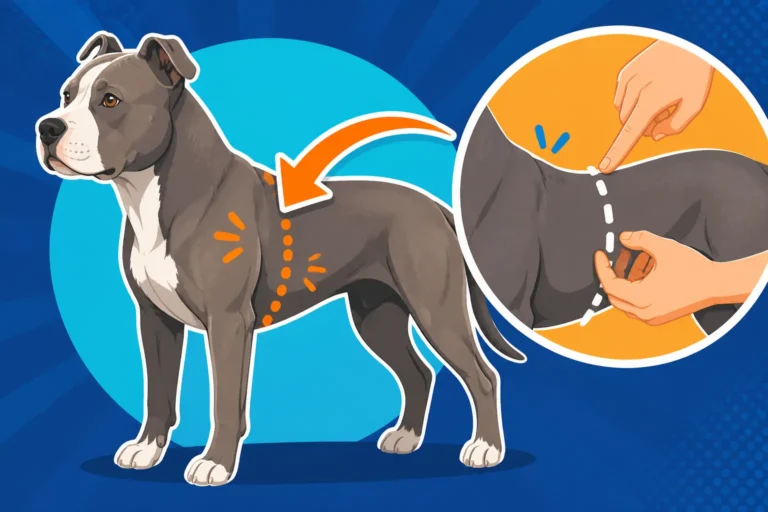
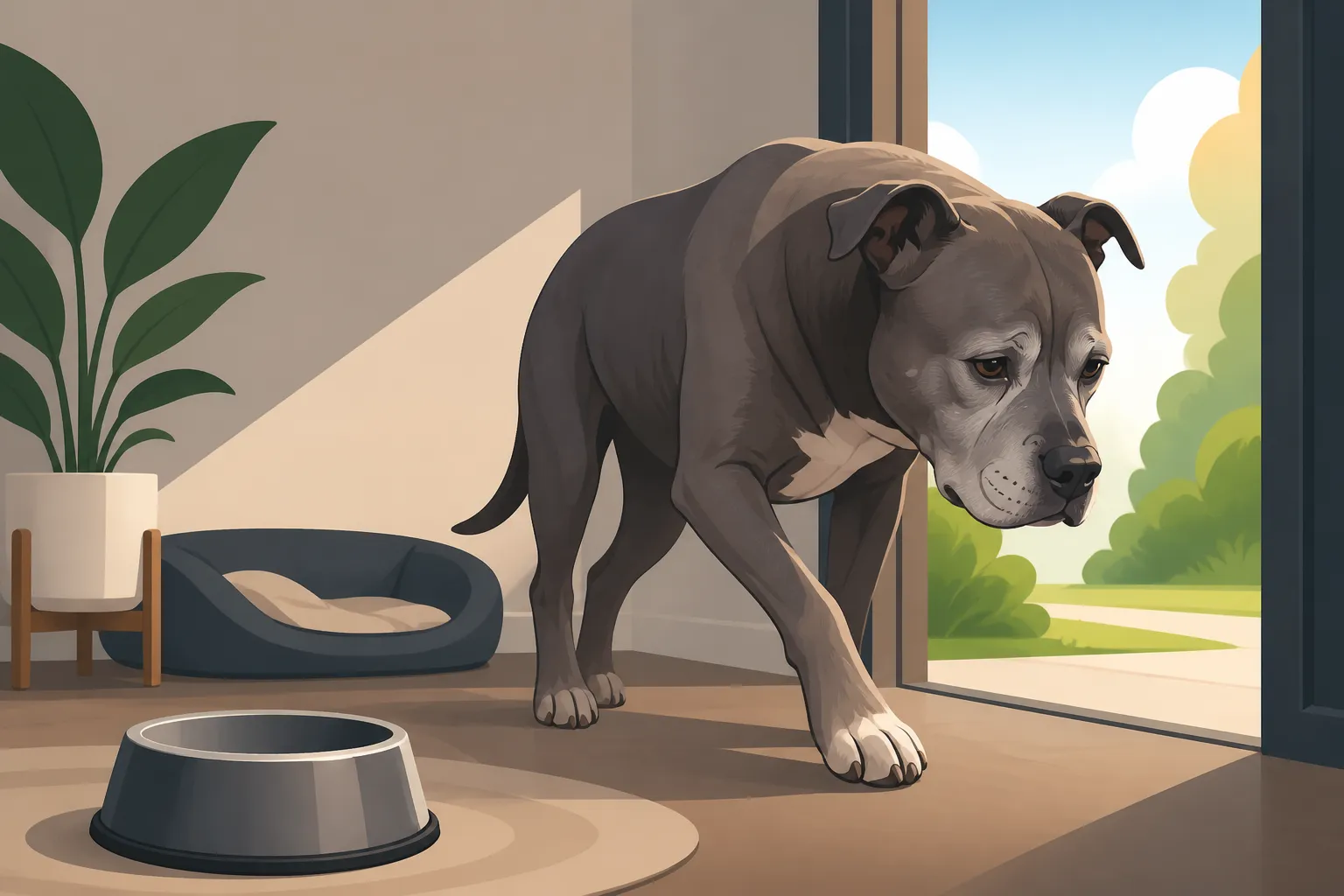
Often, chronic pain plays a huge, silent role in a senior Pit Bull's reluctance to eat. Think about it: if every step or every bend of your neck sends a twinge through your body, even something as routine as standing over a food bowl for ten minutes can become an arduous task. Many older Pit Bulls develop conditions like Arthritis in a Pit Bull at Seven or hip dysplasia, which can make bending down to a floor-level bowl incredibly uncomfortable. Even getting up from a lying position to approach the bowl might be too painful, causing them to simply stay put. The effort outweighs the reward, even for a tasty meal. Recognizing these subtle signs of discomfort is crucial because addressing the pain can often bring back their appetite.
Medical Reasons Behind a Senior Pit Bull's Pickiness
It's tempting to think your old Pit Bull is just being stubborn, but a loss of appetite is one of the most common and earliest indicators of an underlying medical issue. Their body is telling you something is off, and it's our job to listen.
Dental Disease and Oral Pain
This is a massive culprit for appetite loss in older dogs, and often overlooked until it's severe. Imagine trying to chew your favorite meal with a throbbing toothache or inflamed gums. It would be agony, right? Our Pit Bulls are incredibly stoic, and they often hide dental pain until it's excruciating. Over the years, plaque and tartar build up, leading to gum disease (gingivitis, periodontitis), painful abscesses, or even broken teeth. A Pit Bull that was once a champion chewer might suddenly flinch when biting down on hard kibble. They might chew on one side of their mouth, drop food, or even drool excessively. If your Pit Bull used to love hard chews and now turns away from them, or if you notice foul breath, pawing at their mouth, or redness in their gums, a trip to the vet for a comprehensive dental exam is essential. We have a whole article on Pit Bull Dental Disease and Hard Chewing that goes into more detail, but the bottom line is, oral pain can make eating unbearable.
Underlying Illnesses and Organ Dysfunction
As Pit Bulls age, their internal organs can start to show wear and tear, just like ours. Conditions affecting the kidneys, liver, or heart can all manifest as a decreased appetite. Kidney disease, for example, can lead to a buildup of toxins in the blood, causing nausea and a general feeling of unwellness. Liver issues can also make food unappealing. Even something like Congestive Heart Failure in an Older Pit Bull can make a dog feel tired and uninterested in food, especially if eating requires energy they don't have, or if their stomach feels full due to fluid retention.
Then there's the specter of cancer. Unfortunately, older dogs are more prone to various forms of cancer, which can cause malaise, pain, and a significant drop in appetite. Sometimes, the first sign of a tumor, either internal or external, is simply that they're not eating with their usual enthusiasm. Don't forget about issues like pancreatitis, which causes severe abdominal pain and nausea, making any food intake miserable. A thorough veterinary check-up, including blood work and possibly imaging, is crucial to rule out these serious conditions.
Medication Side Effects and Sensory Decline
If your senior Pit Bull is on medication for a chronic condition – be it arthritis, a heart murmur, or something else – their appetite changes could be a side effect. Many medications, even those meant to improve quality of life, can cause stomach upset, nausea, or a general reduction in hunger. It's always worth discussing this with your vet if a new medication coincides with food refusal. Sometimes, adjusting the dosage, timing, or adding a stomach protectant can make a huge difference.
Another factor that quietly impacts older dogs is sensory decline. Just like humans, senior Pit Bulls can experience An Old Pit Bull Losing Sight and Hearing. While vision and hearing loss might seem unrelated to eating, a reduced sense of smell can drastically affect a dog's interest in food. Much of a dog's enjoyment of food comes from its aroma. If their nose isn't as keen as it once was, that delicious kibble might just smell like… well, not much at all. This is where enhancing the smell of their food can be particularly helpful, as we’ll discuss later.
Environmental and Behavioral Factors Affecting Appetite
Beyond the immediate medical concerns, sometimes the reasons for your Pit Bull's decreased appetite are rooted in their daily environment or behavioral patterns. These factors can be subtle, but they can significantly impact how much your old Pit Bull enjoys their meals.
Stress, Anxiety, and Routine Changes
Our older Pit Bulls thrive on routine and stability. As they age, they can become more sensitive to changes in their environment. A new person in the house, a change in your work schedule, new furniture, or even loud noises can cause stress and anxiety. These emotions can directly impact their digestive system and suppress their appetite. Have you moved recently? Is there a new pet? Even something as simple as you suddenly being away from home more often can make an old Pit Bull feel unsettled, leading them to pick at their food rather than devour it.
Their world can also start to shrink as they get older. Perhaps they can't manage stairs as easily, or they're more sensitive to loud noises outside. This can create a general sense of unease, which often translates to a lack of interest in food. Pay attention to whether the food refusal coincides with any shifts, big or small, in their daily life.
Food Boredom, Bowl Placement, and Overfeeding
Sometimes, the answer is simpler than a major illness. After years of eating the same kibble, even the most food-motivated Pit Bull might get a bit bored. While we might find the idea of eating the same thing every day comforting, some dogs appreciate a little variety, especially if their sense of smell isn't as sharp. It might not be outright refusal, but more of a "meh, not really feeling it" attitude towards their usual meal.
Consider the physical comfort of their feeding station. As mentioned, an old Pit Bull with Pit Bull Hip Dysplasia Showing at One to Two Years or arthritis will find bending down to a bowl on the floor increasingly painful. They might take a few bites, then step back, shake their head, and wander off, not because they're full, but because it hurts to maintain that position. An elevated bowl can make a world of difference here, allowing them to eat in a more natural, comfortable standing posture. Also, is their bowl in a high-traffic area? If your senior Pit Bull is feeling more vulnerable, they might not feel safe or relaxed eating in a busy hallway where kids or other pets are constantly passing by. They need a quiet, undisturbed spot to eat their meal in peace.
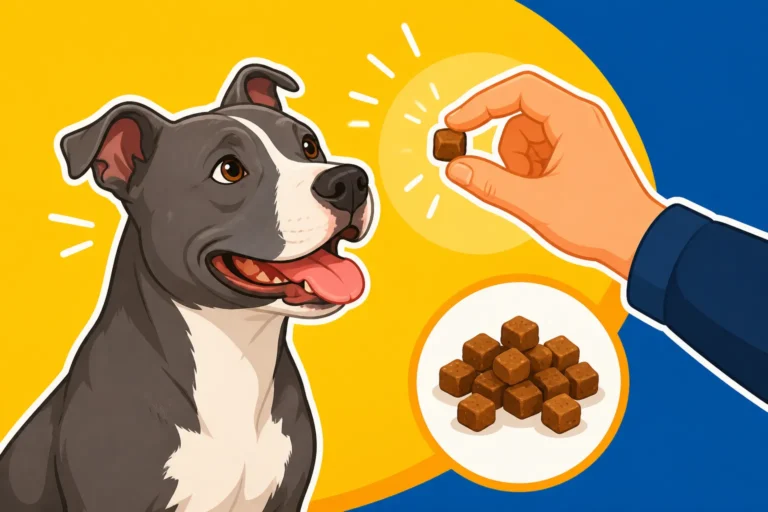
And let's be honest, we all love to spoil our aging companions. But sometimes, in our desire to show affection, we inadvertently overfeed them, especially with treats. If your Pit Bull is getting a lot of high-calorie treats, scraps from your plate, or even a different type of food as "snacks" throughout the day, they might simply not be hungry for their main meal. It’s easy for these little extras to add up and significantly reduce their appetite when mealtime rolls around. Tracking everything they consume for a day or two can be very illuminating.
Making Mealtime Appealing for Your Aging Pit Bull
Once you've ruled out significant medical issues with your veterinarian, or while you're managing any diagnosed conditions, there are many proactive steps you can take to make mealtime a more enjoyable and enticing experience for your senior Pit Bull. The goal is to stimulate their appetite and ensure they're getting the nutrition they need.
Warming Food and Enhancing Aroma
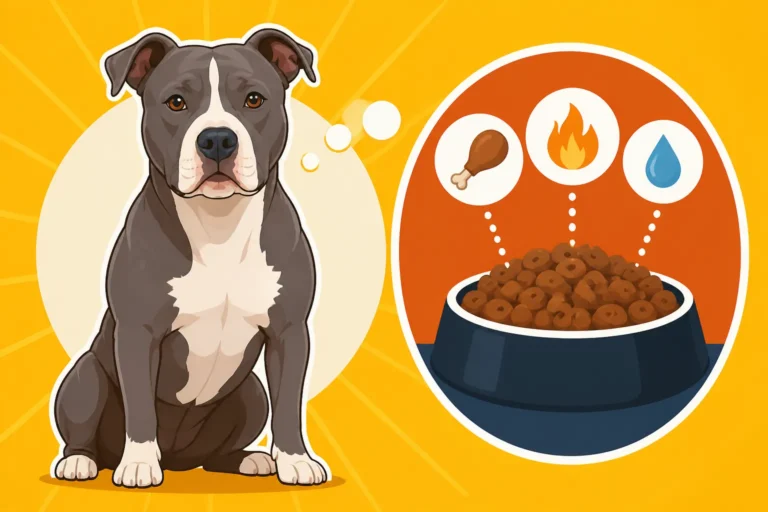
For older Pit Bulls with a dulled sense of smell, enhancing the aroma of their food can work wonders. Just like how a warm meal smells more appetizing to us, warming your dog's food can release its natural scent and make it more appealing. If you feed kibble, you can add a little warm, low-sodium chicken or beef broth (make sure it's onion and garlic-free!), or even warm water, and let it sit for a few minutes. This not only softens the kibble but also makes it smell more enticing. You can find a huge variety of wet foods and toppers on platforms like Chewy that are specifically designed to be highly palatable.
Another trick is to add small amounts of "people food" that are safe and appealing. A spoonful of plain canned pumpkin (not pie filling!), a little cottage cheese, a hard-boiled egg, or plain cooked chicken can be incredibly tempting. Just remember to introduce new foods slowly and in small quantities to avoid upsetting their stomach. The key is to make their bowl irresistible, turning a mundane meal into a gourmet experience for their aging senses.
Adjusting Texture and Bowl Setup
As we've discussed, dental pain or missing teeth can make crunching hard kibble difficult or impossible. Softening Meals for an Old Pit Bull is often a game-changer. Soaking kibble with warm water or broth is a great first step. Many senior Pit Bulls also thrive on wet food, which is inherently softer and often more aromatic. You can mix wet food with kibble, or transition entirely to a high-quality wet food if that seems to help.
Elevated food and water bowls are also non-negotiable for many older Pit Bulls. If your dog has arthritis, neck pain, or any kind of joint discomfort, bending down to the floor puts strain on their joints. An elevated bowl allows them to eat in a more natural, comfortable standing position, reducing strain on their neck, back, and hips. You might even find specialized senior diets or elevated feeders available on Amazon that cater to these needs. Observe your Pit Bull while they're eating – do they seem uncomfortable? Do they stop and shake their head? An elevated bowl could be the simple solution.
Creating a Peaceful Mealtime Routine
The environment where your Pit Bull eats can play a significant role in their willingness to finish their meal. Loud noises, constant foot traffic, or the presence of other pets can be distracting or even stressful for an older dog. Try to designate a quiet, calm spot for their meals, away from the hustle and bustle of the household. A corner of the kitchen, a quiet hallway, or even a crate covered with a blanket can provide the solitude they need.
Consistency in feeding times can also help. Dogs are creatures of habit, and knowing when to expect their meals can reduce anxiety and prime their digestive system. Instead of one large meal, consider breaking their daily food allowance into two or three smaller meals. This can be easier on an aging digestive system and might make them more likely to finish each portion. Regularly reviewing articles like Adjusting a Pit Bull Diet in Old Age can help you stay on top of their evolving nutritional needs.
Exploring New Food Options and Supplements
If boredom is a factor, or if their current food just isn't cutting it nutritionally, it might be time to explore new options. There's a wide world of dog food out there! Consider trying a different protein source if they've been on chicken for years – perhaps lamb, fish, or even duck. Look for formulas specifically designed for senior dogs, as these often have adjusted protein, fat, and fiber levels, along with added joint support. Some owners find success with novel protein diets or even fresh food options. Services like Ollie deliver pre-portioned, human-grade fresh meals directly to your door, which can be highly appealing to picky seniors.
You might also discuss supplements with your vet. Omega-3 fatty acids can support skin and coat health, but also have anti-inflammatory properties that can indirectly help with joint comfort. Probiotics can support gut health, which is essential for nutrient absorption and overall well-being. Joint supplements, of course, are a common addition for older Pit Bulls to help with mobility and reduce pain, which can improve their comfort at mealtime. Always consult your vet before adding any new supplements to ensure they're appropriate for your Pit Bull's specific health needs.
When to Seek Veterinary Help for Your Pit Bull's Appetite Loss
While making mealtime more appealing is important, it's absolutely critical to know when appetite loss is a red flag that warrants immediate veterinary attention. Trust your gut instinct as an owner; you know your Pit Bull best.
Red Flags for Immediate Veterinary Attention
If your senior Pit Bull suddenly and completely refuses to eat for more than 24 hours, or if their appetite has significantly decreased over a few days accompanied by other symptoms, it's time to call the vet without delay. This isn't a "wait and see" situation.
Here are some specific warning signs that mean you need professional help:
- Complete food refusal: They won't even take their favorite treat.
- Persistent vomiting or diarrhea: These combined with appetite loss indicate acute illness or severe upset.
- Lethargy or weakness: They seem unusually tired, disoriented, or reluctant to move.
- Pain signals: Whining, limping, reluctance to be touched, or unusual posture.
- Swollen abdomen or difficulty breathing: These are emergency situations.
- Weight loss: Any unexplained or rapid weight loss is a serious concern.
- Changes in thirst or urination: Drinking excessively, urinating more or less than usual.
Never hesitate if you're worried. It's always better to be safe than sorry, especially with an older dog. A delay could mean the difference in treating a condition effectively. We talk about this more in How Often a Ten Year Old Pit Bull Needs Checking.
What to Expect at the Veterinary Visit
When you bring your Pit Bull in, your vet will start with a thorough physical examination. They’ll check their teeth, gums, lymph nodes, feel their abdomen, listen to their heart and lungs, and assess their overall body condition and pain levels.
They will almost certainly recommend diagnostic tests. This usually includes:
- Bloodwork: A complete blood count (CBC) to check for infection, inflammation, or anemia, and a chemistry panel to assess organ function (kidneys, liver, pancreas) and electrolyte balance. This is covered in more detail in The Bloodwork an Old Pit Bull Should Have.
- Urinalysis: To check kidney function, urinary tract infections, and other metabolic issues.
- Fecal exam: To rule out intestinal parasites or other digestive problems.
Depending on the initial findings, your vet might suggest further diagnostics like X-rays to look for arthritis, tumors, or internal issues, or an ultrasound for a more detailed view of internal organs.
Managing Chronic Conditions and Appetite Stimulation
If your vet diagnoses an underlying condition, the focus will shift to managing that specific illness. For example, if it's dental disease, a dental cleaning and extractions will likely be recommended. If it's arthritis, pain medication, joint supplements, and physical therapy can drastically improve comfort and, in turn, appetite. Managing these chronic issues is key to improving your Pit Bull's quality of life and getting them back to enjoying their meals.
In some cases, especially when dealing with nausea or a very stubborn appetite, your vet might prescribe an appetite stimulant. These medications can kick-start their hunger and help them get back on track with eating regular meals. Anti-nausea medications are also commonly used to make eating a more comfortable experience.
Caring for an aging Pit Bull who has lost their appetite can be challenging and emotionally draining, but remember, you're not alone. Many owners face this, and with patience, persistence, and close collaboration with your veterinarian, you can help your beloved companion regain their zest for food and life. Sometimes, despite all our best efforts, we face difficult decisions, but articles like The Hardest Call a Pit Bull Owner Makes can offer guidance during those tough times.
| Symptom / Behavior | Potential Cause | Initial Action to Consider | When to See the Vet |
|---|---|---|---|
| Leaves some food, but eventually eats | Mild pickiness, boredom, slight discomfort | Warm food, add broth, try elevated bowl | If it worsens or other symptoms appear |
| Refuses crunchy kibble, prefers soft | Dental pain, gum disease, sensitive teeth | Soak kibble, offer wet food, dental chews (if safe) | Immediately for a dental check-up and cleaning |
| Avoids bowl, seems stiff or sore | Arthritis, joint pain, hip discomfort | Elevated bowls, comfortable feeding spot, gentle handling | If stiffness is new or pain seems significant |
| Vomiting, diarrhea, lethargy, no interest | Gastrointestinal upset, underlying illness, meds | Offer bland diet (boiled chicken/rice), ensure hydration | Immediately, especially if combined with other symptoms |
| No interest at all, just lays around | Serious illness, advanced disease, significant pain | Try hand-feeding, offer favorite high-value treat | Urgently, this is a red flag for senior dogs |
Disclaimer
This article is for general informational purposes only and does not constitute professional advice. Laws, prices and regulations vary by location and change over time. Consult a qualified professional for guidance on your specific situation.