What Testing a Pit Bull Breeder Should Have Done
Bringing a new Pit Bull into your home is an incredibly exciting time, filled with dreams of playtime, snuggles, and years of loyal companionship. But let's be honest, there's also that nagging worry in the back of your mind: "What if my puppy isn't healthy?" It’s a legitimate concern, especially with so many backyard breeders out there, and the thought of future vet bills can be daunting. This comprehensive guide will walk you through exactly what health testing a responsible Pit Bull breeder should have already completed, giving you the knowledge and confidence to choose a healthy companion.
Understanding the Importance of Health Testing Before You Buy
When you're looking for a Pit Bull puppy, it’s easy to get swept up in the cuteness factor – those adorable wrinkly faces and clumsy paws are hard to resist! But a truly responsible breeder isn't just focused on looks; they're deeply invested in the long-term health and well-being of every single puppy they produce. This dedication starts long before the puppies are even conceived, with rigorous health testing of the parent dogs. This isn't just a "nice-to-have"; it's a non-negotiable step that protects future generations and, most importantly, protects you from potential heartbreak and immense financial strain down the line.
The Hidden Costs of Untested Lines
Imagine bringing home your sweet Pit Bull puppy, full of life and energy. You adore them, you train them, you make them a beloved member of your family. Then, around a year or two old, you start noticing a slight limp after exercise, or they struggle to get up from a lying position. A vet visit confirms your worst fears: severe hip dysplasia, a condition known to affect many larger, athletic breeds, including Pit Bulls. This isn't just a minor issue; it could mean a lifetime of pain, expensive medications, physical therapy, or even costly surgeries like a full hip replacement. These are the hidden costs of opting for a puppy from untested lines, expenses that can quickly soar into the tens of thousands of dollars. It's not just money, either; it's the emotional toll of watching your beloved dog suffer, of making difficult decisions, and of wondering if things could have been different.
Moreover, conditions like skin allergies or certain heart issues can become chronic, leading to recurring vet visits, specialized diets, and ongoing medication. While pet insurance companies like Healthy Paws can certainly help mitigate some of these unexpected costs down the road, wouldn't it be better to proactively reduce the likelihood of these issues through responsible breeding practices? Many common health problems in Pit Bulls are hereditary, meaning they are passed down from parent to offspring. By testing the parent dogs, a breeder can identify carriers or affected individuals and make informed decisions to avoid producing puppies with these predispositions. This isn't about guaranteeing a perfect dog, as no living creature is, but it's about stacking the deck in favor of good health.
Peace of Mind for You and Your Future Dog
Choosing a puppy from health-tested parents offers an invaluable gift: peace of mind. You’ll know that the breeder has taken every reasonable step to minimize the risk of your puppy inheriting debilitating genetic conditions. This isn't to say your dog will never have a health issue – accidents happen, environmental factors play a role, and any dog can develop an illness at any age. However, knowing that the major, predictable hereditary problems have been screened for significantly reduces your worry.
Think about it this way: when you invest in a puppy, you're investing in a family member. You want that family member to have the best possible start in life, and that includes a strong genetic foundation. When you see a breeder providing documentation for OFA (Orthopedic Foundation for Animals) clearances for hips and elbows, or clear DNA tests for conditions like Cerebellar Ataxia, it speaks volumes about their commitment. It shows they care more about the breed's future and the welfare of their puppies than they do about simply making a sale. This commitment translates directly into a higher probability of a long, healthy, and happy life for your Pit Bull, allowing you to focus on training, socialization, and enjoying every moment together, rather than constantly worrying about the next vet visit.
Core Health Concerns in Pit Bull Type Dogs
Pit Bulls, as a type encompassing several breeds like the American Pit Bull Terrier, American Staffordshire Terrier, and Staffordshire Bull Terrier, are generally robust and athletic dogs. However, like all breeds, they do have certain predispositions to specific health conditions. A responsible breeder will be intimately familiar with these issues and actively work to screen for and mitigate them in their breeding program. Knowing what these core concerns are will empower you to ask the right questions and understand the test results a breeder should provide.
Hip and Elbow Dysplasia: The Foundation of Mobility
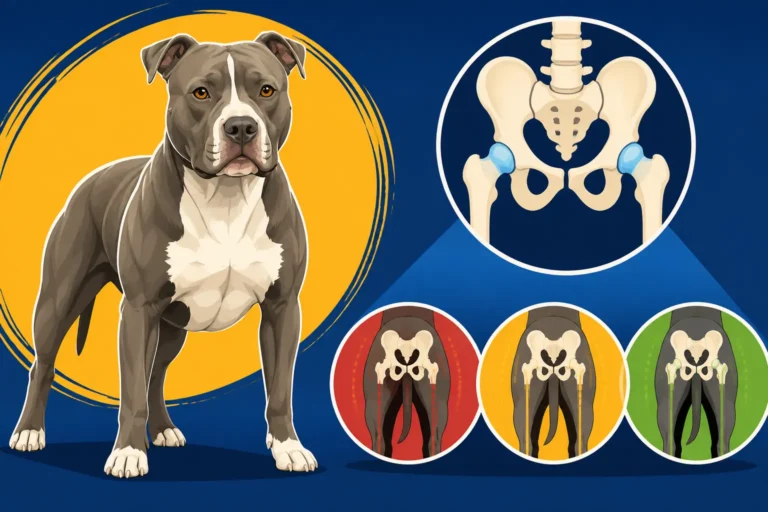
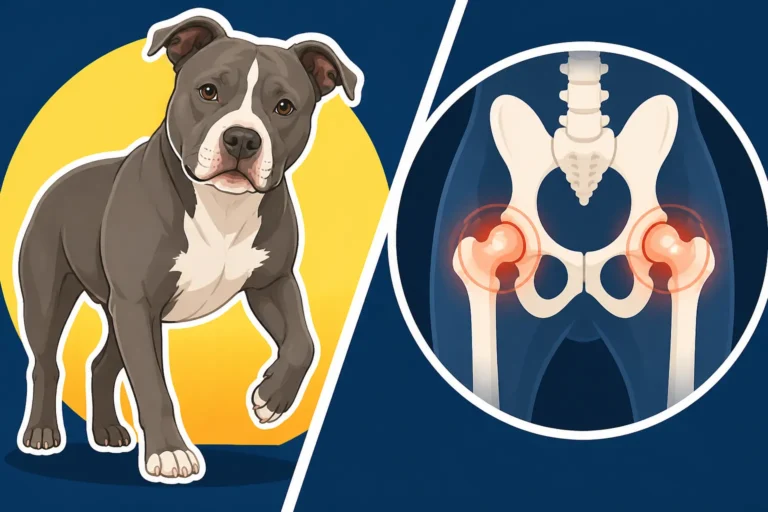
Few conditions are as widely recognized in large breed dogs as hip and elbow dysplasia, and Pit Bulls are no exception. Hip dysplasia occurs when the ball and socket joint of the hip doesn't form correctly, leading to looseness, pain, and eventually debilitating arthritis. Similarly, elbow dysplasia refers to several developmental abnormalities in the elbow joint that cause pain and lameness. These conditions are polygenic, meaning multiple genes contribute to their development, and environmental factors can also play a role. However, strong hereditary components make parental screening absolutely essential.
Imagine a young, powerful Pit Bull unable to enjoy a vigorous run or a game of fetch because of painful joints. This is the reality for dogs with severe dysplasia. Responsible breeders understand this impact on quality of life and meticulously screen their breeding dogs. They know that even if a parent appears sound, hidden genetic predispositions can still be passed on. This is why proper X-ray evaluations by certified veterinary radiologists are so crucial. Without these screenings, you're essentially playing a lottery with your puppy's future mobility, and the odds aren't always in your favor. Early signs of these issues can appear as young as one to two years old, making it incredibly important to start with a strong genetic foundation. You can learn more about how to spot these issues in our article on Pit Bull Hip Dysplasia Showing at One to Two Years.
Cardiac Health: More Than Just a Murmur
Heart conditions can be silent killers, often progressing unnoticed until they reach a critical stage. While not as universally prevalent as orthopedic issues, certain cardiac problems can affect Pit Bull type dogs, most notably Aortic Stenosis. This is a narrowing of the aorta, the main artery carrying blood from the heart, which can put immense strain on the heart and potentially lead to sudden death. Other less common but still serious issues can include various forms of cardiomyopathy. A breeder should be concerned about the overall cardiac health of their breeding stock.
Screening for cardiac issues typically involves a thorough physical exam by a board-certified veterinary cardiologist, often including an echocardiogram (an ultrasound of the heart). They will listen for murmurs and assess the structure and function of the heart. While a heart murmur heard at a regular checkup might sometimes be benign, a specialist evaluation is crucial for breeding dogs to rule out inheritable conditions. Imagine the devastation of losing a young, otherwise healthy Pit Bull unexpectedly due to an undiagnosed heart defect. Proper cardiac screening by a specialist is a vital step in preventing such tragedies and ensuring a healthy future for your puppy.
Thyroid Function: Often Overlooked but Critical
Hypothyroidism, an underactive thyroid gland, is another condition that can affect Pit Bulls and is often hereditary. The thyroid gland plays a crucial role in regulating metabolism, and when it doesn't function properly, it can lead to a wide range of symptoms that can easily be mistaken for other problems or simply "aging." Symptoms can include weight gain despite no change in diet, a dull or thinning coat, lethargy, cold intolerance, and even behavioral changes. While treatment with synthetic thyroid hormones is usually effective, it's a lifelong commitment.
Because the symptoms can be vague and overlap with other issues, dedicated thyroid panels are essential for breeding dogs. These blood tests measure various thyroid hormone levels to assess overall function. A reputable breeder will have current thyroid panel results for their breeding animals, ensuring they aren't passing on a predisposition to this chronic condition. If you ever notice changes in your own Pit Bull's weight or coat, especially as they get older, it's worth considering When a Pit Bull Thyroid Panel Is Worth Running.
Ocular Conditions: Clear Sight for a Full Life
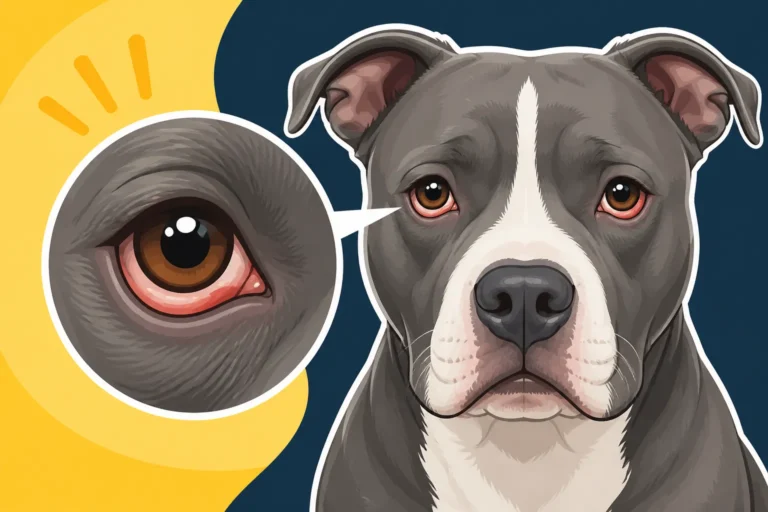
While not as commonly discussed as hips or heart, eye conditions can also impact Pit Bull type dogs. Conditions like cataracts, progressive retinal atrophy (PRA), or even entropion (where the eyelid rolls inward, irritating the eye) can be hereditary. Loss of vision or chronic eye irritation significantly impacts a dog's quality of life. Even less common conditions, if hereditary, are important to screen for.
Specialized eye examinations, often performed by a board-certified veterinary ophthalmologist, are part of a comprehensive health testing protocol. These exams, often leading to a certification from the Orthopedic Foundation for Animals (OFA) or the Canine Eye Registration Foundation (CERF), involve a detailed inspection of the entire eye structure. Breeders should provide clear documentation of these examinations, ensuring that the lines they use are free from known inherited eye diseases. A Pit Bull relies on its vision for navigating the world, playing, and interacting with its family, and ensuring clear sight is another way responsible breeders protect their puppies.
Orthopedic Testing Protocols: Hips and Elbows
When it comes to hips and elbows, breeders have a couple of primary routes for official evaluation: the Orthopedic Foundation for Animals (OFA) and the PennHIP method. Both are well-respected and involve specific radiographic (X-ray) procedures to assess joint health. Understanding these methods and their results is key to verifying a breeder's claims.
Understanding OFA and PennHIP Evaluations
The Orthopedic Foundation for Animals (OFA) has been a cornerstone of canine health screening for decades. For hip evaluations, OFA certified radiologists examine X-rays of a dog's hips, assessing for signs of dysplasia based on several anatomical criteria. They assign a rating of Excellent, Good, Fair (all considered passing, breeding quality), Borderline, or Mild, Moderate, Severe (all dysplastic, not suitable for breeding). Similarly, OFA also evaluates elbow X-rays, certifying them as Normal (Grade I, II, or III for Elbow Dysplasia, with Grade I being the mildest and Grade III the most severe). For a dog to receive an official OFA certification for hips and elbows, they must be at least 24 months old. This age requirement ensures that the joints are fully developed and that any signs of dysplasia are apparent.
PennHIP, developed at the University of Pennsylvania, takes a different approach. It measures hip laxity (looseness) quantitatively, providing a Distraction Index (DI) score. This score indicates how loose the hip joint is, with lower numbers indicating tighter hips. Unlike OFA, PennHIP can be performed on dogs as young as 16 weeks, offering an earlier indicator of hip quality, although many breeders still test at 24 months for consistency. PennHIP also provides an estimated percentile rank, showing how a dog's hips compare to others within its breed. A key difference is that PennHIP requires three specific X-ray views, while OFA typically uses one standard view. Both methods are valuable, and a truly committed breeder may even utilize both for a comprehensive understanding of their dog's orthopedic health. Our article on PennHIP Testing for a Pit Bull delves deeper into this specific method.
Deciphering Hip and Elbow Scores
So, you're looking at a breeder's website or their provided documentation, and you see terms like "OFA Good Hips" or "PennHIP DI 0.35, 90th percentile." What does this actually mean for your potential puppy? For OFA, "Excellent," "Good," or "Fair" are the passing grades for hips. A breeder should only be using dogs with these certifications. "Borderline" or any degree of dysplasia (Mild, Moderate, Severe) means the dog should not be bred. For elbows, an OFA "Normal" certification is what you want to see. Any grade of elbow dysplasia (Grade I, II, or III) means the dog is affected and should not be used in a breeding program. Understanding what an OFA hip grade says about a Pit Bull is crucial, and we explore this more in What an OFA Hip Grade Says About a Pit Bull.
With PennHIP, the Distraction Index (DI) is key. A DI score closer to 0 indicates tighter hips, while a score closer to 1 indicates very loose hips. Generally, breeders aim for dogs with DI scores well within the tighter half of the breed's historical range, ideally below the breed average and into the tighter percentiles (e.g., 75th percentile or higher). A good PennHIP score, combined with the percentile rank, gives you a clear picture of hip quality. It's important to remember that these scores are for the parents. While they don't guarantee a puppy will be free of dysplasia, they significantly reduce the likelihood when both parents have excellent scores. A reputable breeder will be happy to explain these scores and show you the official certificates.
When and How These Tests Are Performed
For OFA evaluations, dogs must be at least 24 months (two years) of age to receive a preliminary or final certification. This is a critical point; X-rays taken before this age are considered preliminary and do not carry the same weight as a final certification. A responsible breeder will wait until their dogs are fully mature before submitting X-rays for official OFA hip and elbow clearances. The X-rays themselves are performed by a veterinarian, often requiring the dog to be sedated to ensure proper positioning and comfort, as accurate positioning is paramount for a correct evaluation. The images are then sent to OFA for review by multiple board-certified veterinary radiologists.
PennHIP evaluations can be performed earlier, typically from 16 weeks of age, but many breeders still opt to do it around the 24-month mark for final assessments or as part of a comprehensive screening regimen. Like OFA, PennHIP X-rays are taken by a trained veterinarian, usually under sedation, to get the three required views. The images are then submitted to PennHIP for analysis. When you’re looking at a breeder, always ask for the official certificate, not just a verbal claim. These certificates will include the dog's registered name, registration numbers, and the official scores or grades. Any breeder who is unwilling or unable to produce these documents should raise an immediate red flag.
Genetic Health Screens: Beyond Structure
While orthopedic issues are often physical and visible, many other health concerns in Pit Bulls are purely genetic, meaning they're hidden within the dog's DNA. Thanks to advancements in veterinary medicine, we now have DNA tests that can identify carriers or affected individuals for many of these conditions, allowing breeders to make incredibly informed decisions to avoid passing them on.
Cerebellar Ataxia: A Critical DNA Test
Perhaps one of the most devastating neurological conditions found in certain lines of American Pit Bull Terriers and American Staffordshire Terriers is Cerebellar Ataxia (CA). This inherited neurological disorder affects the cerebellum, the part of the brain responsible for coordination and balance. Symptoms typically emerge in young dogs, often between 3 to 5 years of age, and are progressive. Affected dogs develop an unsteady gait, tremors, difficulty with coordination, and eventually severe motor deficits, making a normal quality of life impossible. There is no cure, and it unfortunately leads to euthanasia.
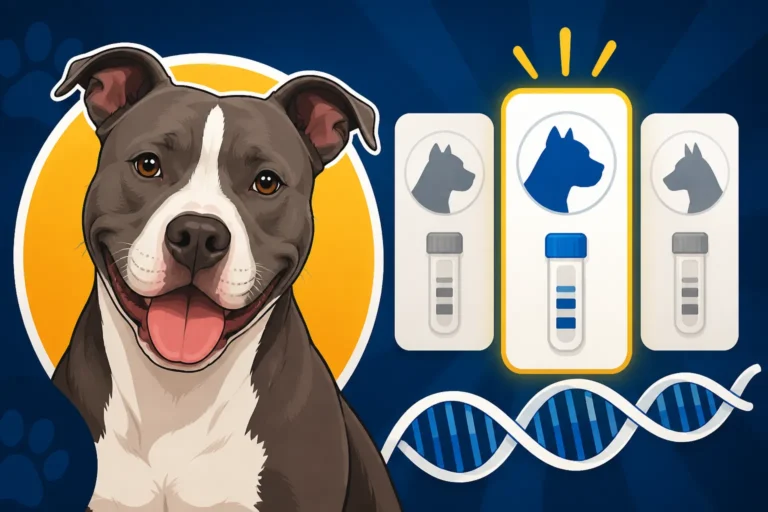
The good news is that Cerebellar Ataxia is caused by a specific genetic mutation, and there's a reliable DNA test available. This test can identify dogs as "Clear" (meaning they don't carry the gene), "Carrier" (meaning they carry one copy of the gene but will not be affected themselves), or "Affected" (meaning they have two copies of the gene and will develop the disease). A responsible Pit Bull breeder will always test their breeding dogs for Cerebellar Ataxia. They should never breed two carriers together, as this carries a 25% chance of producing an affected puppy. Ideally, they will only breed "Clear" dogs, or "Clear" to "Carrier" matings, which would produce only clear or carrier puppies, none of which would be affected. This is a non-negotiable test for American Pit Bull Terriers and American Staffordshire Terriers, and you can learn more in our deep dive into Cerebellar Ataxia in an American Staffordshire Terrier and The NCL-A DNA Test for a Pit Bull Line.
Other Genetic Panels to Consider
Beyond Cerebellar Ataxia, there are other genetic conditions that can affect Pit Bull type dogs, though their prevalence can vary by specific breed within the type (e.g., American Pit Bull Terrier, American Staffordshire Terrier, Staffordshire Bull Terrier). While not all are as universally critical as CA, a comprehensive breeder may also screen for:
- Degenerative Myelopathy (DM): A progressive neurological disease of the spinal cord, often seen in older dogs, leading to weakness and paralysis in the hind limbs. While more common in breeds like German Shepherds, it can affect Pit Bull types.
- Ichthyosis: A skin condition causing dry, flaky, or scaly skin, sometimes resembling fish scales. It can range in severity but can be uncomfortable for affected dogs.
- Hereditary Cataracts (HC): While ocular exams cover many eye issues, specific DNA tests for certain forms of hereditary cataracts exist and can be beneficial.
Many companies offer comprehensive genetic panels that screen for dozens or even hundreds of genetic markers. Companies like Embark or Wisdom Panel are popular for these broader genetic screenings. A breeder might present results from one of these larger panels. What's most important is that any potential hereditary issues relevant to the breed type are identified and managed responsibly. Don't let a breeder wave away concerns about genetic testing by saying "my vet checked them." That's simply not the same thing as a specific DNA test for an inherited disease.
The Importance of Clear by Parentage vs. Direct Testing
When discussing genetic testing, you might hear the term "Clear by Parentage" (CBP). This means that a dog hasn't been directly tested for a specific genetic condition, but because both of its parents were tested and found to be "Clear," the offspring is presumed to also be "Clear." On the surface, this sounds logical, and for many conditions, it holds true. However, there are nuances to consider.
For "Clear by Parentage" to be truly reliable, the parentage itself must be unequivocally proven (e.g., through DNA parentage verification), and the integrity of the original parental tests must be beyond doubt. Sometimes, errors in record-keeping or even misidentification can occur. Furthermore, some genetic tests are relatively inexpensive, making direct testing of every breeding animal a simple and responsible choice, even if they are technically CBP. A truly meticulous breeder will often opt for direct testing of their breeding stock, even if they are CBP, simply to eliminate any potential for error. It shows an extra layer of commitment to ensuring the most accurate health information for their lines. While "Clear by Parentage" can be acceptable in some circumstances, direct testing provides the highest level of certainty and is often preferred by experienced puppy buyers. This connects to the broader discussion about Whether a DNA Test Settles the Pit Bull Question.
Less Common but Still Important Screenings
While hips, elbows, cardiac, thyroid, and cerebellar ataxia are often at the top of the list for Pit Bull health screening, a truly comprehensive and dedicated breeder may go even further, addressing other conditions that, while perhaps less common, can still impact a dog's health and well-being.
Patellar Luxation Examinations
Patellar luxation, or "slipping kneecap," is a condition where the patella (kneecap) dislocates or moves out of its normal groove. It can range from mild, causing an occasional skip in gait, to severe, leading to chronic lameness and pain. While more commonly associated with smaller breeds, it can occur in larger dogs, including Pit Bull types. The condition is often hereditary, making parental screening a valuable tool.
Screening for patellar luxation typically involves a physical examination by a veterinarian, where they manually manipulate the kneecap to check for instability. The OFA also offers a certification for patellar health based on this clinical exam. A dog is graded from Normal to Grade 4, with Grade 4 being the most severe. Responsible breeders will ensure their breeding dogs have a "Normal" patella certification, reducing the risk of passing on this often painful and sometimes surgically corrected condition. It's a relatively quick and non-invasive test, yet it contributes significantly to the overall orthopedic health profile of a breeding dog.
Hearing and Eye Certifications BAER and CERF/CAER
While general eye exams are important, some breeds can be prone to specific forms of deafness or less common ocular issues. For example, some Pit Bull type dogs, particularly those with significant white markings or merle patterning (though merle is generally considered an undesirable trait in Pit Bulls by most breed clubs), can have an increased risk of inherited deafness.
The Brainstem Auditory Evoked Response (BAER) test is a non-invasive way to check a dog's hearing. It measures the electrical activity in the brain in response to auditory stimuli. This test is crucial for breeds at risk for congenital deafness, and while not universally required for all Pit Bull types, a breeder committed to health might consider it if their lines have any history of hearing impairment or certain coat patterns. For eyes, beyond standard ocular exams, the Canine Eye Registration Foundation (CERF), now known as CAER (Companion Animal Eye Registry), offers specialized exams performed by board-certified veterinary ophthalmologists. These exams look for a wider range of inheritable eye diseases, contributing to a more complete picture of ocular health. For a breed that doesn't have a high prevalence of specific inherited eye diseases, this is less critical than for, say, Collies, but a breeder dedicated to the highest standards might still perform it.
Skin and Allergy Predisposition Markers
Pit Bulls are unfortunately well-known for their propensity to develop skin allergies, specifically atopy (environmental allergies) and sometimes food allergies. These conditions can cause intense itching, skin irritation, ear infections, and significant discomfort for the dog, leading to ongoing veterinary care and management throughout their life. While allergies are complex and involve both genetic and environmental factors, there are some genetic predispositions.
While there isn't a single, definitive "allergy gene" test that guarantees a dog won't develop allergies, some genetic panels offered by companies like Embark include markers that indicate a predisposition to certain dermatological conditions or sensitivities. A breeder might highlight these results, or actively work to breed away from lines known for severe, chronic allergies. More broadly, a good breeder will be transparent about the allergy history in their lines. If the parent dogs or close relatives have severe, lifelong allergies that require constant medication, it's a valid concern for potential owners. Our articles on Pit Bull Skin Allergies and the Atopy Pattern and Food Allergies Behind Pit Bull Itching offer more insights into managing these frustrating conditions.
Interpreting Breeder Claims and Documentation
This is where the rubber meets the road. Any breeder can say their dogs are health-tested, but a responsible breeder will have the proof. Your job as a prospective puppy owner is to know what that proof looks like and how to verify it. Don't be shy about asking for documentation; a good breeder will welcome your questions and transparency.
Asking for Proof: Official Certificates and Public Databases
When a breeder tells you their dogs are health-tested, your immediate follow-up question should be, "Can I see the official certificates, and are the results verifiable on public databases?" For OFA, this means seeing a certificate with the dog's registered name, registration number, and the official OFA database number. Even better, you can often look up a dog's OFA results directly on the OFA website (www.ofa.org) by searching their registered name or OFA number. This public database allows for independent verification, which is the gold standard.
For PennHIP, similar official reports are generated, showing the Distraction Index and percentile rank. While PennHIP results aren't typically as publicly searchable as OFA, the breeder should have physical or digital copies of the official report directly from PennHIP. For genetic tests, most reputable laboratories (e.g., Embark, Wisdom Panel, Paw Print Genetics) provide detailed reports that include the dog's information and the specific results for each tested condition. Again, these should be shared with you. Don't accept vague assurances or "my vet said they're fine." You need to see the actual, official documentation. This is an investment of many years and thousands of dollars, and you have every right to expect full transparency.
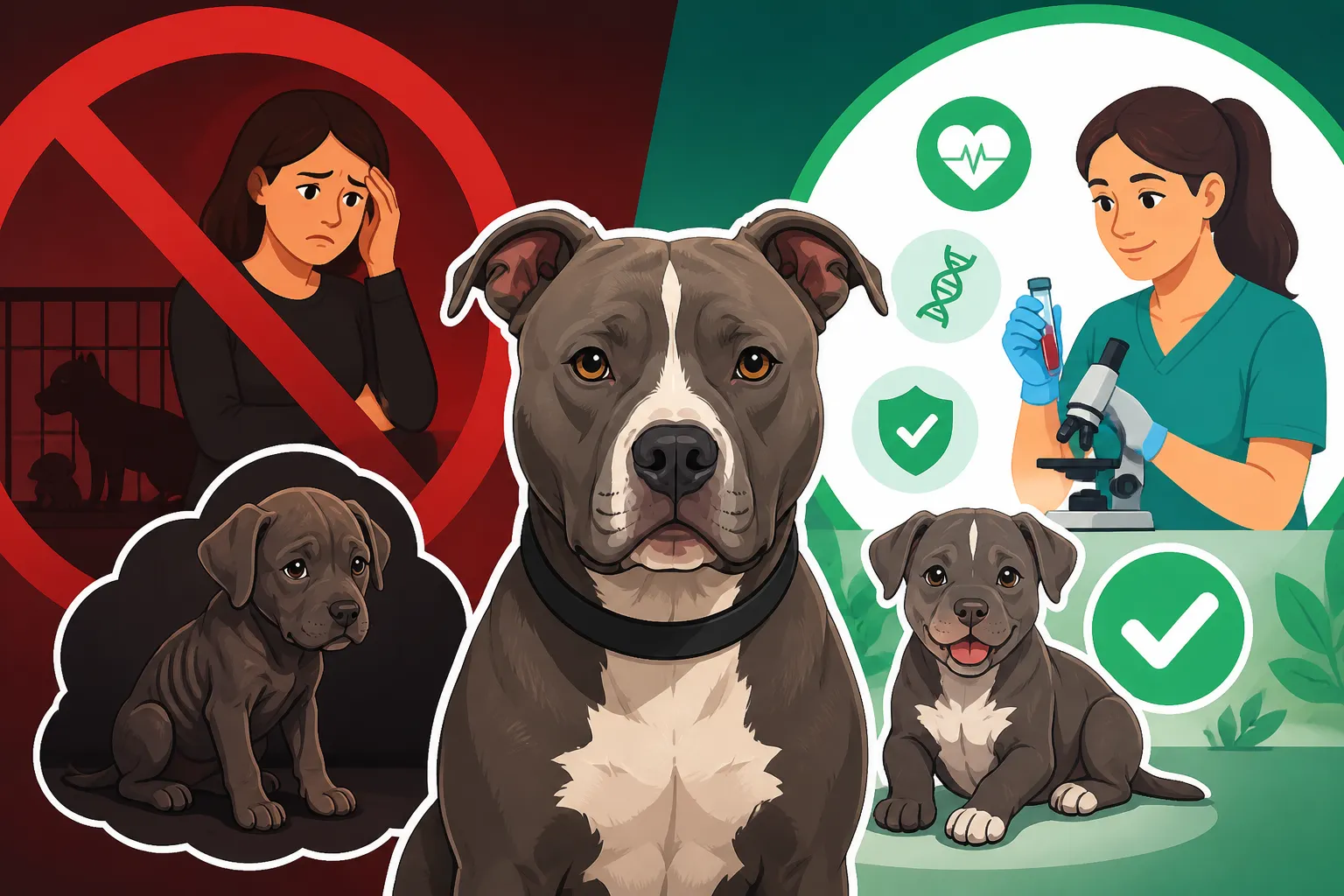
Red Flags and Green Lights in Breeder Transparency
Navigating the world of breeders can be tricky, but knowing what to look for in terms of transparency can make all the difference.
Red Flags:
- "Vet checked" is the only answer: This is a major red flag. A routine vet check-up is not a substitute for specialized orthopedic, cardiac, or genetic testing. It might confirm a dog appears healthy today, but it won't tell you about underlying hereditary conditions.
- Reluctance to share documentation: Any hesitation or excuse for not providing official health certificates is a deal-breaker.
- Claims of "rare" colors or sizes: Breeders who emphasize "blue nose" or "red nose" or "XL" Pit Bulls as a primary selling point, often with inflated prices, are frequently focused on aesthetics over health. These terms are coat color descriptors or size preferences, not indicators of superior health or rare breeds.
- No age requirement for testing: If a breeder claims a dog under two years old has "OFA certified" hips, they're either misinformed or misleading you. Final OFA certifications require dogs to be 24 months old.
- Vague answers about family history: A good breeder knows the health history of their lines, including siblings, parents, and grandparents. If they can't discuss this openly, it's concerning.
- No contract or health guarantee: A reputable breeder will provide a written contract that outlines their responsibilities and yours, including a health guarantee for genetic conditions.
Green Lights:
- Proactive sharing of results: Breeders who prominently display health clearances on their websites or readily offer them when you inquire are a good sign.
- Participation in breed health initiatives: Engagement with breed clubs or health databases shows a commitment beyond just their own dogs.
- Open discussion about health challenges: Even the best lines can have an occasional issue. A transparent breeder will discuss these openly and explain how they are addressing them in their program.
- Detailed contract and health guarantee: A clear guarantee that covers hereditary conditions, often for the first few years of the dog's life, indicates confidence in their breeding program.
- Willingness to meet the parent dogs: Seeing the parent dogs in person (or at least one of them, usually the mother) gives you a firsthand look at their temperament and physical condition.
Why "Vet Checked" Isn't Enough
Let's circle back to this crucial point, because it's probably the most common misunderstanding among prospective puppy owners. When a breeder says, "My puppies are vet checked," or "The parents are vet checked," it sounds reassuring, right? But it's vital to understand what that actually means. A standard veterinary check-up, while essential for general wellness, usually involves:
- Listening to the heart and lungs
- Palpating the abdomen
- Checking teeth, ears, and eyes for obvious issues
- Assessing overall body condition and gait
- Administering vaccinations and deworming (for puppies)
This type of check-up is designed to catch obvious health problems and ensure the animal is generally healthy at that moment. What it absolutely does not do is detect conditions like hip or elbow dysplasia before symptoms appear, identify specific genetic mutations that cause diseases like Cerebellar Ataxia, or provide a board-certified cardiologist's opinion on congenital heart defects. These require specialized tests, often performed by specialists, using specific protocols and equipment (like X-rays or echocardiograms), and evaluated by certified experts (like OFA radiologists or veterinary geneticists).
So, while a puppy being "vet checked" is good, it's the bare minimum. For breeding adults, "vet checked" is wholly insufficient. Always, always, always insist on official documentation from recognized health registries or testing laboratories.
The Role of a Reputable Breeder in Health
A truly reputable Pit Bull breeder isn't just someone who produces puppies; they are guardians of the breed, dedicated to improving health, temperament, and conformation. Their role extends far beyond simply matching two dogs and selling the offspring. They are scientists, geneticists, caretakers, and educators, all rolled into one.
Ethical Breeding Practices and Culling Unhealthy Lines
Ethical breeding is about making tough choices for the greater good of the breed. It means that if a breeding dog, despite having good health clearances itself, consistently produces puppies with significant health problems, that dog should be removed from the breeding program. It also means not breeding dogs that exhibit poor temperament, even if they have perfect health. This process, often referred to as "culling unhealthy lines," isn't about euthanizing dogs (unless absolutely necessary due to untreatable, painful conditions); it's about making responsible decisions to remove certain individuals from the gene pool to prevent the perpetuation of undesirable traits.
For example, a breeder might have a fantastic female Pit Bull with "Good" OFA hips and "Normal" elbows, and she's clear for Cerebellar Ataxia. But if, over a couple of litters with different studs, she consistently produces puppies that later develop severe skin allergies or early-onset orthopedic issues, an ethical breeder would re-evaluate her place in the program. They might choose to spay her and find her a wonderful pet home, rather than continue to breed and risk producing more unhealthy offspring. This level of dedication requires deep knowledge of genetics, honesty, and a willingness to prioritize the breed's health over personal attachments or financial gain. This approach is fundamental to what a Pit Bull breeder should have done in terms of ethical choices.
Communicating Health Information to Prospective Owners
Transparency is a hallmark of a reputable breeder. They understand that you, as a prospective owner, are making a significant, long-term commitment. Therefore, they will be proactive and open in communicating all relevant health information about the parent dogs and the litter. This includes:
- Providing copies of all health clearances: As discussed, this means OFA, PennHIP, DNA test results, and any other relevant certifications.
- Discussing the health history of their lines: They should be able to talk about the health status of grandparents, siblings, and previous litters, including any known issues or trends.
- Explaining common health concerns in the breed: A good breeder will educate you about predispositions for Pit Bull type dogs and what to watch out for.
- Outlining their health guarantee: A clear, written health guarantee in the contract should detail what happens if a puppy develops a genetic or congenital condition within a specified timeframe.
- Being available for questions: They should be a resource for you, not just during the puppy acquisition phase, but throughout your dog's life.
Think of them as your first point of contact for breed-specific health knowledge. Their willingness to share and educate is a direct reflection of their commitment to their dogs and to you.
Supporting Lifelong Health: Beyond the Puppy Stage
A responsible breeder's job doesn't end when you take your puppy home. They see themselves as mentors and resources for the entire life of the dog they've brought into the world. This commitment to lifelong health support can manifest in several ways:
- Ongoing advice: They should be available to answer questions about nutrition, exercise, training, and general health concerns as your puppy grows. They've likely raised many puppies and have a wealth of practical experience.
- Mentorship: They might connect you with other owners of their puppies or with local breed enthusiasts, fostering a community of support.
- Taking back dogs: In the unfortunate event that you are no longer able to care for your Pit Bull, a reputable breeder will insist that the dog be returned to them, rather than ending up in a shelter. This shows their ultimate responsibility for every life they bring into the world.
- Providing a robust contract and health guarantee: This legally binding document outlines their commitment to the puppy's health beyond the initial sale, often covering inheritable diseases for a specified period (e.g., 2-3 years). This protects both you and the breeder by setting clear expectations.
Their support is a safety net, giving you confidence that you're not alone on your journey with your Pit Bull. It also demonstrates their belief in the health and quality of the puppies they produce.
Navigating Your Puppy Search with Health in Mind
Finding a Pit Bull puppy from a responsible, health-conscious breeder can feel like a daunting task, especially with the prevalence of online scams and unethical practices. But by arming yourself with knowledge and knowing what questions to ask, you can confidently navigate the search and find a healthy companion.
Questions to Ask Every Pit Bull Breeder
This is your checklist. Don't be afraid to pull it out and take notes! A good breeder will appreciate your thoroughness.
- "Can I see the official health clearances for both parent dogs (sire and dam)?" Specifically ask for OFA (hips and elbows, with "Excellent," "Good," or "Fair" for hips, and "Normal" for elbows) or PennHIP scores, cardiac clearances (from a board-certified cardiologist, not just a vet check), thyroid panel results, and Cerebellar Ataxia DNA test results (showing "Clear" status for both parents, or "Clear" and "Carrier" for a planned mating).
- "Are the OFA results publicly verifiable on their website (ofa.org)?"
- "What is the average lifespan of dogs in your breeding line?" Also, ask about common health issues that have appeared in previous generations or litters.
- "At what age do you typically test for hips and elbows?" Ensure it's at least 24 months for final OFA certifications.
- "What is your philosophy on breeding, and what are your goals for this particular litter?" Listen for answers that prioritize health, temperament, and adherence to breed standards.
- "Can I meet the mother of the puppies (and the father if he's on site)?" Observe their temperament and overall physical condition.
- "What is your socialization protocol for your puppies?" This relates to temperament, which is also a crucial aspect of a well-adjusted dog.
- "What kind of food are the puppies eating, and what is your recommended diet for a growing Pit Bull?"
- "What is included in your puppy contract and health guarantee?" Ask for a copy to review.
- "What is your policy if I can no longer keep the dog at any point in its life?" A responsible breeder will always take their dogs back.
- "Can you provide references from other puppy buyers?"
This detailed line of questioning helps you vet the breeder just as much as they're vetting you.
Understanding Guarantees and Contracts
A written contract is an absolute must when acquiring a puppy from a reputable breeder. This isn't just a formality; it's a legal document that protects both you and the breeder. Pay close attention to the health guarantee section.
A typical health guarantee for a Pit Bull puppy might cover:
- Genetic or congenital defects: This usually covers conditions like severe hip/elbow dysplasia, inheritable heart defects, or Cerebellar Ataxia that manifest within the first 1-3 years of the dog's life.
- Terms of the guarantee: This will specify what the breeder will do if such a condition is diagnosed. This could range from a full or partial refund, a replacement puppy from a future litter, or assistance with vet bills up to a certain amount.
- Requirements from the buyer: You will likely be required to provide regular veterinary care, feed a high-quality diet, and spay/neuter the dog by a certain age (if purchasing on a pet contract).
- Documentation requirements: To claim under the guarantee, you'll almost certainly need to provide veterinary reports, official diagnoses, and possibly second opinions.
It's important to read this contract thoroughly and ask for clarification on anything you don't understand before you commit to a puppy. A good contract is a sign of a professional and ethical breeder, and it provides an important layer of security, especially if you have to consider future costs. For instance, knowing that you have a health guarantee for certain genetic issues can work hand-in-hand with exploring pet insurance options from providers like Healthy Paws for non-guaranteed accidents or illnesses down the line.
When to Walk Away from a Breeder
Sometimes, the hardest decision is walking away, especially when you've already fallen in love with pictures of a cute puppy. But if a breeder exhibits any of the red flags mentioned earlier, or if your gut tells you something is off, it’s always better to err on the side of caution. Remember, you're looking for a lifelong companion, and choosing wisely at the beginning can prevent years of heartache and financial strain.
Absolute deal-breakers:
- No verifiable health clearances for parents: This is non-negotiable.
- Breeder seems solely motivated by money: Rushing you, not asking about your living situation, or not caring about where their puppies go.
- Unwillingness to meet in person or show you where the puppies are raised: This can indicate puppy mill operations or unhealthy living conditions.
- Puppies seem unhealthy, timid, or aggressive: Observe the litter closely. Healthy puppies should be clean, bright-eyed, and curious.
- The contract is vague or non-existent, or the health guarantee is unrealistic.
Don't let emotion override common sense. There are many wonderful Pit Bulls in need of homes, both from responsible breeders and from reputable rescues. Taking the time to find the right source is the best way to ensure you're bringing home a healthy, well-adjusted dog. The effort you put in now will be rewarded tenfold with years of happy companionship.
Key Pit Bull Health Tests and Certifications Overview
To help you keep track, here's a summary of the most important health tests and certifications a Pit Bull breeder should have for their breeding stock.
| Health Condition | Test/Certification | Administering Body/Method | Ideal Result (for breeding) | When Performed (age of dog) |
|---|---|---|---|---|
| Hip Dysplasia | OFA (Orthopedic Foundation for Animals) Hip | Certified Radiologists (X-ray) | Excellent, Good, or Fair | 24 months + |
| Hip Dysplasia | PennHIP | Trained Veterinarians (X-ray) | Low Distraction Index (DI), ideally < 0.5 and high percentile | 16 weeks + |
| Elbow Dysplasia | OFA Elbow | Certified Radiologists (X-ray) | Normal | 24 months + |
| Cerebellar Ataxia (CA) | DNA Test | Genetic Lab (e.g., Embark, Paw Print) | Clear (or Carrier bred to Clear) | Any age (once per dog's life) |
| Cardiac Health | OFA Advanced Cardiac (Aortic Stenosis, etc.) | Board-Certified Veterinary Cardiologist | Normal, no murmurs detected | 12 months + (annually recommended) |
| Thyroid Function | OFA Thyroid | Veterinary Lab (blood test) | Normal | 12 months + (annually recommended) |
| Patellar Luxation | OFA Patella (Clinical Exam) | Veterinarian (physical manipulation) | Normal | 12 months + |
| Eye Conditions | OFA CAER (previously CERF) | Board-Certified Veterinary Ophthalmologist | Normal, free of hereditary eye diseases | Annually |
Note: While some tests can be performed earlier, final OFA certifications for hips and elbows require the dog to be at least 24 months old. DNA tests are typically performed once.
Disclaimer
The information provided in this guide is intended for general informational purposes only and does not constitute veterinary advice. Always consult with a qualified veterinarian for any health concerns or before making any decisions related to your pet's health.