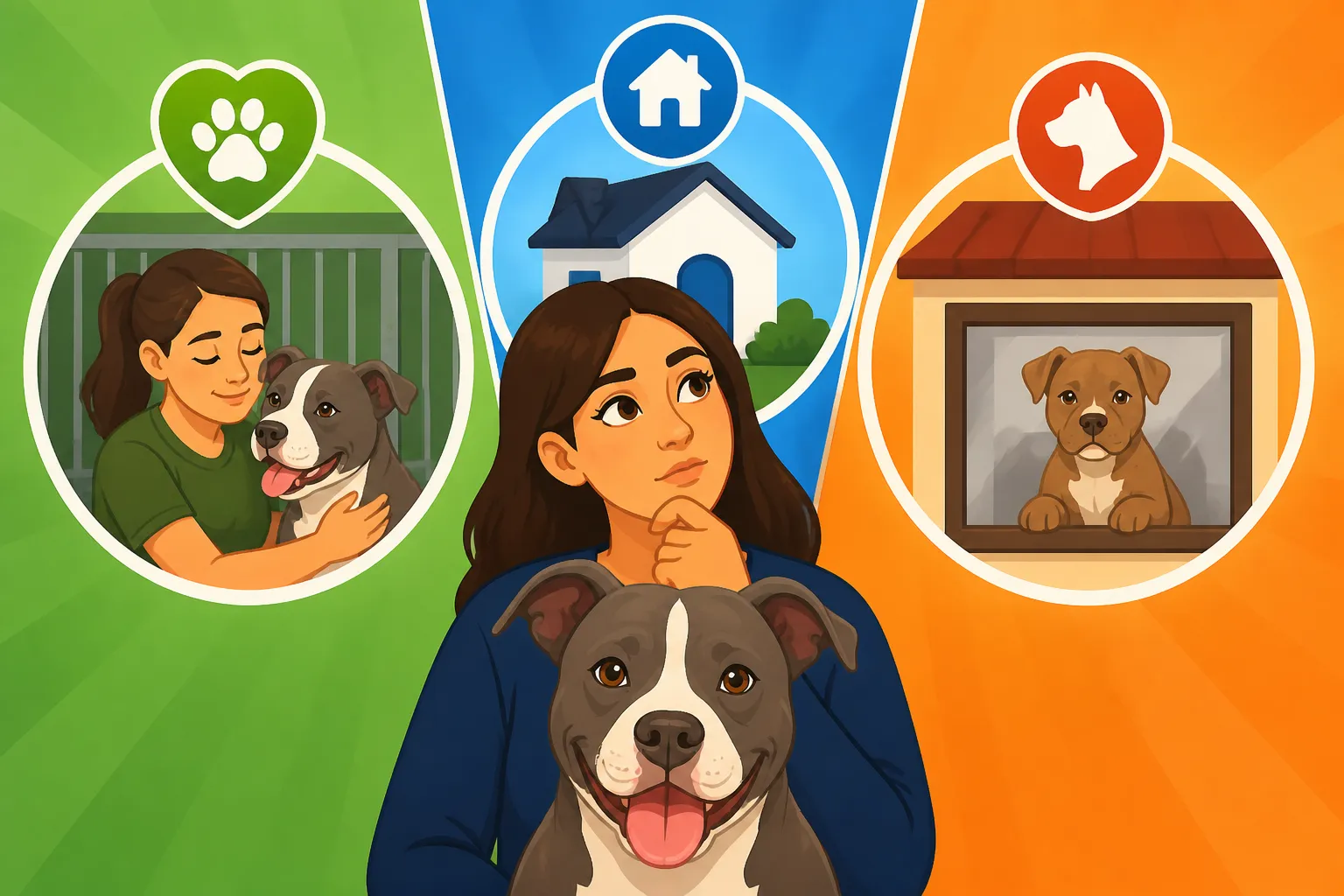
Choosing Where to Get a Pit Bull
Deciding to bring a Pit Bull into your life is a huge, wonderful step, but it often comes with a whirlwind of questions: Where do I even begin my search? How can I ensure I'm getting a healthy, well-tempered dog? And how do I avoid falling for unethical practices? This guide is here to walk you through the various avenues for finding your Pit Bull companion, offering a realistic look at shelters, rescues, and reputable breeders, so you can make the most informed and ethical choice for your family.
Understanding the "Pit Bull" Label Before You Start
Before you even start looking for a Pit Bull, it’s crucial to understand what that term truly means, because it’s not as straightforward as it seems for other dog breeds. This knowledge will not only help you navigate your search but also prepare you for the realities of owning one of these amazing dogs.
Why "Pit Bull" Isn't a Single Breed
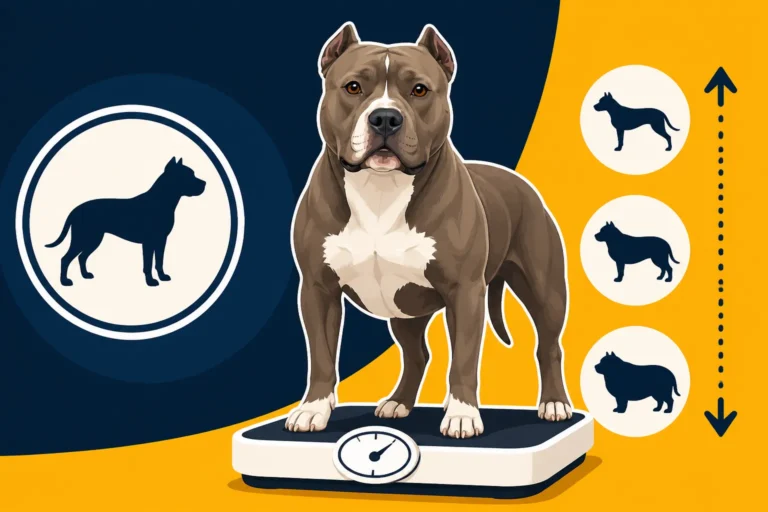
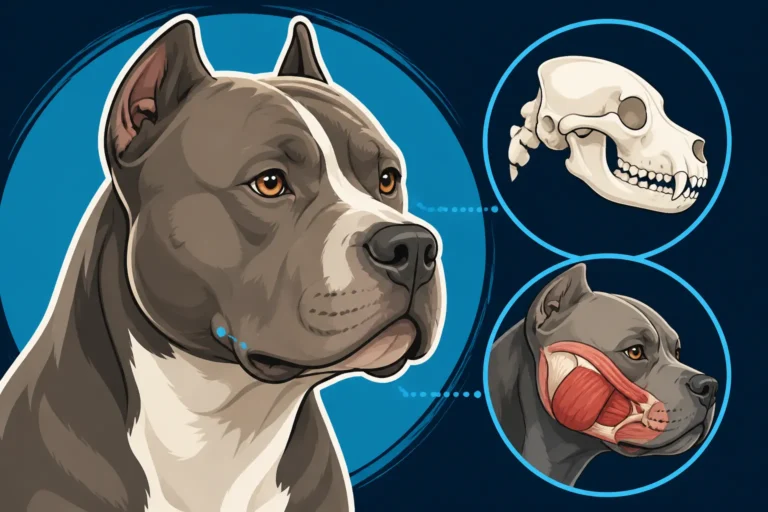
One of the biggest misconceptions out there is that "Pit Bull" refers to one specific breed. It doesn't. It's actually a catch-all term that lumps together several distinct breeds, and often, any dog that shares certain physical characteristics, like a broad head, muscular build, and short coat. The main breeds typically included under the "Pit Bull type" umbrella are the American Pit Bull Terrier (APBT), the American Staffordshire Terrier (AmStaff), and the Staffordshire Bull Terrier (Staffie). You might also hear about the American Bully, which is a newer breed developed from the APBT, often larger and even more heavily muscled.
This distinction is more than just semantics; it impacts everything from official breed registries to public perception and even the specific health considerations for your dog. For instance, the American Pit Bull Terrier is recognized by the United Kennel Club (UKC), while the American Staffordshire Terrier is recognized by the American Kennel Club (AKC). The Staffordshire Bull Terrier also has its own distinct recognition. When you're looking for a dog, knowing which "type" you're looking at can help you understand its potential lineage, typical size, and even some temperament tendencies. Most commonly, when people say "Pit Bull," they are referring to an American Pit Bull Terrier or an AmStaff, or a mix of either. It's often difficult to tell the difference just by looking, and even experienced professionals can disagree. If you want to dive deeper into this, you can read our article on Why Pit Bull Is a Type and Not a Breed.
The Impact of the Label on Adoption and Purchase
The broad and often ambiguous "Pit Bull" label isn't just a matter of technicality; it has very real, tangible impacts on potential owners and the dogs themselves. Sadly, due to historical biases and breed-specific legislation, dogs identified as Pit Bulls often face significant hurdles. This can manifest in housing restrictions, where landlords or homeowner associations (HOAs) outright ban these breeds, regardless of the individual dog's temperament. It can also affect insurance, with many homeowners insurance companies refusing to cover liability for "restricted breeds" or charging significantly higher premiums.
Understanding these challenges before you start looking is critical. It means you need to do your homework on local ordinances, apartment complex rules, and insurance policies before you bring a dog home. This isn't about scaring you away from owning a Pit Bull – far from it! It’s about being prepared and proactive. Many wonderful, well-behaved Pit Bulls end up in shelters precisely because their owners couldn't navigate these hurdles. By being fully aware of the societal perceptions and legal landscapes associated with the "Pit Bull" label, you can better advocate for your dog and ensure a stable, loving home for its entire life. It also means that when you're speaking with a shelter or breeder, you can ask informed questions about their experience with these challenges and how they support adopters.
Adopting a Pit Bull from a Shelter or Rescue
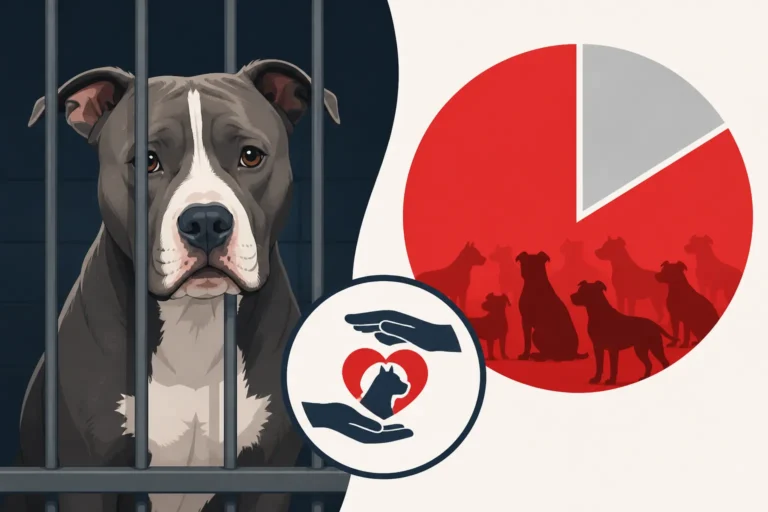
For many looking to add a Pit Bull to their family, a local animal shelter or a dedicated rescue organization is often the first, and arguably one of the most rewarding, places to look. The sheer number of Pit Bull type dogs waiting for homes in shelters is staggering, making adoption a deeply impactful choice.
The Shelter Experience and Why It's Often the First Stop
Walking into a shelter can be overwhelming, but it's also where you'll find countless dogs desperately needing a second chance. The pros of adopting from a shelter are many. Firstly, you're directly saving a life and alleviating the strain on overcrowded facilities. Secondly, the costs associated with adoption are typically much lower than purchasing from a breeder. This fee usually covers essential veterinary care like spaying or neutering, initial vaccinations, and microchipping – significant expenses you'd incur regardless. Most shelter dogs also come with at least some level of basic health check and often a temperament assessment, giving you a starting point for understanding their needs.
However, the shelter environment itself can be stressful for dogs, which might mean their true personality doesn't shine through immediately. A dog that seems shy or over-excited in a kennel could be a completely different animal once settled in a calm home. Patience and multiple visits are key. Shelters are often overflowing with Pit Bull type dogs, a testament to their popularity but also to the challenges they face in finding forever homes. You can learn more about how many Pit Bull type dogs shelters hold in our dedicated article How Many Pit Bull Type Dogs Shelters Hold.
Navigating Breed Identification and Behavior Assessments
When you visit a shelter, you'll quickly notice how many dogs are labeled simply as "Pit Bull" or "Pit Bull mix." This isn't always based on a scientific DNA test; often, it's a visual identification by shelter staff based on general appearance. This means a dog labeled "Pit Bull" might actually be a mix of several different breeds, or even primarily another breed altogether, but visually fits the type. Understanding this fluid definition is important, especially if you're facing breed restrictions in your housing or insurance. You can explore this further in our piece on How Shelters Decide a Dog Is a Pit Bull.
Beyond breed labeling, shelters strive to conduct behavior assessments to help match dogs with suitable homes. These assessments usually involve observing the dog's reactions to different people, other dogs (if possible), noises, and handling. While these tests provide valuable insights, they are snapshots in time. A dog's behavior in a stressful shelter environment might not fully reflect how they'll act in a relaxed home setting. Always ask the shelter staff for detailed notes on the dog's history (if known), their behavior observations, and any specific concerns or quirks they've noticed. A good shelter will be transparent and honest, guiding you toward a dog that fits your lifestyle. They can also tell you about their Shelter Behavior Evaluations on a Pit Bull to give you a better idea of what to expect.
Pit Bull Specific Rescues and Their Benefits
While local animal shelters are fantastic resources, you might also consider looking into Pit Bull-specific rescue organizations. These groups often operate differently, typically relying on foster homes rather than a central facility. This means the dogs live in a home environment with experienced volunteers, allowing the rescue to gain a much deeper understanding of each dog's true personality, house manners, and specific needs.
The benefits of working with a Pit Bull-specific rescue are numerous. Foster parents can provide detailed insights into a dog's behavior around children, other pets, visitors, and how they handle being left alone. They can also identify subtle health issues or behavioral quirks that might be missed in a bustling shelter. These rescues are often passionate advocates for the breed type, offering ongoing support, advice, and a community for adopters. They tend to have very thorough adoption processes, including extensive applications, reference checks, and home visits, all designed to ensure the best possible match. While their adoption fees might be similar to or slightly higher than municipal shelters, the depth of knowledge and support you receive can be invaluable. If you're ready to commit to a Pit Bull, these organizations are often a fantastic resource for finding a well-vetted companion. You can even find lists of National Pit Bull Rescue Organizations to help you start your search.
Working with Reputable Pit Bull Breeders
For some prospective owners, the desire for a Pit Bull with a known lineage, specific characteristics, or a puppy-raising experience leads them to consider breeders. While shelters are overflowing, there are reputable breeders out there, but finding them for "Pit Bull type" dogs requires careful diligence.
Defining "Reputable" in the Pit Bull World
Identifying a truly reputable breeder for a "Pit Bull" can be more complex than for some other established breeds due to the "type" designation. Since "Pit Bull" isn't a single AKC-recognized breed (though American Staffordshire Terriers are, and American Pit Bull Terriers are recognized by the UKC), the usual markers of reputable breeding might look a little different. A reputable breeder will focus on health, temperament, and adherence to their specific breed standard – whether that's the UKC standard for the American Pit Bull Terrier or the AKC standard for the American Staffordshire Terrier. They won't breed for "rare" colors or exaggerated features, as these often come with health risks.
A good breeder will be transparent about their dogs' lineage, provide registration papers (UKC for APBTs, AKC for AmStaffs), and happily answer any questions you have about their breeding program. They will typically have only a few breeding dogs, prioritize quality over quantity, and their dogs will live in their home, not in outdoor kennels. They should also be just as interested in vetting you as you are in vetting them, asking about your lifestyle, experience, and living situation. If you're interested in learning more about a specific recognized breed, such as the American Pit Bull Terrier, our article The American Pit Bull Terrier and the UKC offers more insights into their specific standards. The ultimate goal for a reputable breeder is to improve the breed and produce healthy, stable companions, not just to sell puppies.
Health Testing and Temperament Focus
One of the cornerstones of a reputable breeding program is comprehensive health testing. For Pit Bull types, this means screening for conditions common in the breed, such as hip dysplasia, certain heart conditions (like aortic stenosis), and thyroid issues. A reputable breeder will provide proof of these tests for both parent dogs, not just a verbal assurance. They should be able to show you OFA (Orthopedic Foundation for Animals) or PennHIP certifications for hips and elbows, and potentially cardiac clearances. This investment in health testing upfront significantly reduces the risk of expensive and heartbreaking genetic health problems down the line. You can explore what specific tests are important in our article What Testing a Pit Bull Breeder Should Have Done.
Beyond physical health, temperament is paramount, especially for breeds that face public scrutiny. A reputable breeder will select breeding dogs based on their stable, friendly, and confident temperaments. They will raise their puppies with early socialization, exposing them to various sights, sounds, and people in a controlled and positive manner. They should be able to tell you about the parents' personalities, and ideally, allow you to meet the mother (and sometimes the father) to observe their demeanor. Ask them about their approach to puppy raising and what steps they take to ensure their puppies are well-socialized before going to new homes. A breeder should be a lifelong resource, willing to take the dog back at any point if circumstances change. Always be ready with a list of questions, such as those covered in Questions to Ask Before Taking a Pit Bull Home.
Avoiding Backyard Breeders and Puppy Mills
Sadly, the popularity of Pit Bull type dogs also attracts unscrupulous individuals looking to make a quick profit, often at the expense of the dogs' health and well-being. These are known as backyard breeders (BYBs) or, at the extreme end, puppy mills. It's crucial to know the red flags to avoid these unethical sources. A BYB will typically have no health testing records for their breeding dogs, might breed multiple different types of dogs, and often has little knowledge of genetics, breed standards, or proper socialization. They might offer "rare" colors like "blue nose" or "red nose" Pit Bulls at inflated prices, implying they are somehow superior or unique, when in reality, these are simply coat colors and shouldn't command a higher price or suggest better quality.
Puppy mills are even worse, prioritizing profit above all else. Dogs are often kept in unsanitary conditions, receive minimal veterinary care, and are bred continuously without regard for their health or age. You'll likely be discouraged from visiting the facility, or you might meet in a neutral location like a parking lot. They often sell puppies through online ads or pet stores. Always be wary of breeders who don't ask you many questions, seem overly eager to sell, or have multiple litters available at once. Be especially cautious of online listings that require a deposit and then vanish, which unfortunately happens too often. A legitimate breeder wants to ensure their puppies go to good homes; a bad one just wants your money. Look for transparency and a genuine love for the dogs. For tips on avoiding scams, see Online Pit Bull Listings That Take Deposits and Vanish.
Considering the Costs and Long-Term Commitment
Bringing any dog into your life is a significant financial commitment, but for a Pit Bull, it's particularly important to understand the full scope of costs, both upfront and long-term. This isn't just about the purchase price; it's about providing a lifetime of care.
Adoption Fees vs. Breeder Prices
The initial cost of acquiring a Pit Bull can vary quite a bit depending on where you get them. When you adopt from a shelter or rescue, you're generally looking at an adoption fee that often ranges from nominal to a few hundred dollars. This fee usually includes a fantastic value package: the dog will typically be spayed or neutered, up-to-date on core vaccinations, microchipped, and may have received initial deworming and a basic health check. This means many of the immediate, significant veterinary expenses are already covered, which is a huge plus for new owners.
On the other hand, purchasing a puppy from a reputable breeder usually carries a higher upfront cost, often in the range of several hundred to well over a thousand dollars, depending on the lineage, health testing of the parents, and the breeder's reputation. This fee generally only covers the puppy itself and its initial vaccinations. You will then be responsible for the cost of spaying/neutering, microchipping, and all subsequent veterinary care. While the initial sticker shock might be higher with a breeder, remember that a good breeder has invested heavily in health testing, proper nutrition for the mother and puppies, and early socialization, which can lead to a healthier, more stable dog in the long run. However, regardless of where your Pit Bull comes from, the initial cost is only a small fraction of the lifetime expenses. For a detailed breakdown, check out What a Pit Bull Costs to Adopt or Buy.
Beyond the Initial Price Tag
The purchase or adoption fee is just the opening act. The real financial commitment begins the moment your Pit Bull comes home. You’ll need to budget for ongoing expenses that span many years. High-quality dog food is essential for a muscular, active breed like a Pit Bull, and while there are many options, choosing a brand that supports their health can be a recurring bill. Many owners find it convenient and cost-effective to order food and supplies online from retailers like Chewy, which offers a vast selection to meet specific dietary needs, including prescription diets if needed.
Regular veterinary care, including annual check-ups, parasite prevention (heartworm, flea, and tick medications), and potential unexpected illnesses or injuries, will add up. Pit Bulls can be prone to certain health conditions, like allergies or hip dysplasia, which can incur significant treatment costs. Pet insurance is a wise consideration to help offset these unpredictable bills. Training, especially for a strong and intelligent dog, is another crucial investment, ranging from puppy classes to specialized behavior consultations. Don't forget durable chew toys, a strong harness, a secure crate, and comfortable bedding – Pit Bulls are powerful chewers! Factor in grooming supplies, potential boarding or doggy daycare, and emergency funds. Over the average The Twelve to Sixteen Years a Pit Bull Gets lifespan, these costs truly compound. Planning ahead, and potentially setting aside a "dog fund" each month, is a smart move. You can dive into more detail about yearly costs, especially if your Pit Bull develops allergies, in our article What a Pit Bull Costs a Year With Allergies.
| Category | Shelter/Rescue Adoption | Reputable Breeder Purchase |
|---|---|---|
| Initial Cost | Lower (often $50-$500) | Higher (often $800-$3000+) |
| Included Services | Spay/Neuter, initial vaccines, microchip, basic health check | Often initial vaccines, possibly microchip (spay/neuter typically not included) |
| Health Info | Limited history often; behavior assessments | Detailed parent health testing, genetic history, temperament info |
| Support | Post-adoption support, community | Lifelong breeder support, take-back clauses |
| Wait Time | Varies; often immediate availability | Can involve waitlists for litters |
| Known History | Variable, sometimes unknown | Full lineage and health history of parents |
| Flexibility | Wide range of ages, personalities | Typically puppies, specific breed type |
Preparing Your Home and Lifestyle for a Pit Bull
Bringing a Pit Bull into your home is an exciting prospect, but it’s also a commitment that requires careful preparation, especially given the breed type’s unique challenges and needs. Thinking through these aspects beforehand will set both you and your new companion up for success.
Housing Restrictions and Insurance Hurdles
One of the most immediate and often frustrating realities of Pit Bull ownership involves housing and insurance. Despite their loving nature, many apartment complexes, rental homes, and even homeowners associations (HOAs) have breed-specific policies that either restrict or outright ban Pit Bull type dogs. This isn't a judgment on your specific dog, but a blanket rule based on outdated perceptions. It's vital to research and confirm your housing situation is Pit Bull-friendly before you start your search. Don't assume; get written confirmation if possible. Finding a rental that takes a Pit Bull can feel like an uphill battle, but with persistence, it's certainly achievable.
Similarly, homeowner's insurance policies are another hurdle. Many major insurance carriers have "restricted breed" lists that include Pit Bulls, meaning they may refuse to cover your liability in the event of an incident, or they might charge significantly higher premiums. This is a critical point, as an uninsured incident could lead to catastrophic financial consequences. You may need to seek out specialty insurance providers or explore umbrella policies. Some states have even moved to prevent insurers from discriminating based on breed. This is a topic that requires serious consideration and investigation on your part. You can get more information on Whether Your Housing Situation Allows a Pit Bull and Getting Home Insurance With a Pit Bull to help you navigate these often-tricky waters.
Training and Socialization Commitment
Pit Bulls are intelligent, powerful dogs with a strong desire to please, making them highly trainable. However, due to their physical strength and the public perception they face, consistent, high-quality training and thorough socialization are not just recommended – they are absolutely essential. From the moment your Pit Bull puppy or adult dog comes home, a positive reinforcement-based training regimen should begin. This includes basic obedience like sit, stay, come, and leash manners. Given their muscular build, a Pit Bull that pulls on the leash can be a real challenge, so early and consistent loose-leash training is paramount.
Socialization isn't just about playing with other dogs; it's about exposing your Pit Bull to a wide variety of sights, sounds, people, and environments in a positive and controlled way. This helps them develop into confident, well-adjusted adults who can handle new situations calmly. Enrolling in puppy classes and then advanced obedience classes is highly recommended. Many Pit Bull owners also aim for their dog to achieve the Canine Good Citizen (CGC) certification, which demonstrates good manners and can sometimes help with housing or insurance discussions. The commitment to training is ongoing throughout their lives, adapting as they grow and experience new things. Remember, you're not just training a dog; you're often training an ambassador for the breed. Our article Training a Pit Bull to a Higher Standard Than Other Dogs delves into why this is so important, and you can learn more about the CGC in Canine Good Citizen and Why It Matters for a Pit Bull.
Disclaimer
This article is for general informational purposes only and does not constitute professional advice. Laws, prices and regulations vary by location and change over time. Consult a qualified professional for guidance on your specific situation.