Why Pit Bull Skin Allergies Start on the Feet
It’s a sight far too many Pit Bull owners know all too well: your beloved, strong, and otherwise healthy dog suddenly obsessively licking, chewing, and biting at their paws. It starts subtly, a quiet nibble here or there, but before you know it, their feet are red, swollen, and sometimes even raw. This guide is here to shed light on why your Pit Bull’s skin allergies often manifest first and most severely on their feet, the common culprits, and what steps you can take to bring them relief.
The Uncomfortable Reality of Pit Bull Feet and Allergies
Our Pit Bulls are such stoic, tough dogs, but their paws are surprisingly vulnerable, acting as a direct interface with their environment. It makes perfect sense when you think about it: their feet are constantly exposed to the world, collecting all sorts of irritants and allergens that other parts of their body might only brush against occasionally. This constant contact, combined with certain physiological factors, turns their paws into ground zero for allergic reactions.
Constant Exposure to Environmental Triggers
Think about your daily walks. Your Pit Bull's paws are literally treading through grass, dirt, sidewalks, and any other surface that might be laden with pollen, mold spores, dust mites, or residual chemicals from lawn treatments. While other dogs might have longer hair or more robust paw pads, Pit Bulls often have short, fine fur that offers less protection, and their skin can be quite sensitive. Every step they take is an opportunity for allergens to settle between their toes and on their paw pads. It's like walking barefoot through a field of irritants every single day. This relentless exposure means their immune system is constantly being challenged in that specific area.
This isn't just about outdoor adventures, either. Even inside the house, dust mites, dander from other pets, or cleaning product residues on floors can become concentrated on their paws. Your Pit Bull might spend hours lounging on a carpet that holds these allergens, further irritating their already sensitive skin. It’s a 24/7 assault, and it’s no wonder their paws are often the first place we see trouble brew.
The Role of Sweat Glands and Moisture Trapping
Unlike humans who sweat all over, dogs mainly release moisture through their paw pads. This means their feet can become warm and moist, especially after exercise or during humid weather. This warmth and dampness create a perfect breeding ground for yeast and bacteria, which are often secondary invaders once an allergic reaction has begun. When your Pit Bull’s immune system is already reacting to an allergen, the skin barrier becomes compromised, making it easier for these opportunistic microorganisms to take hold.
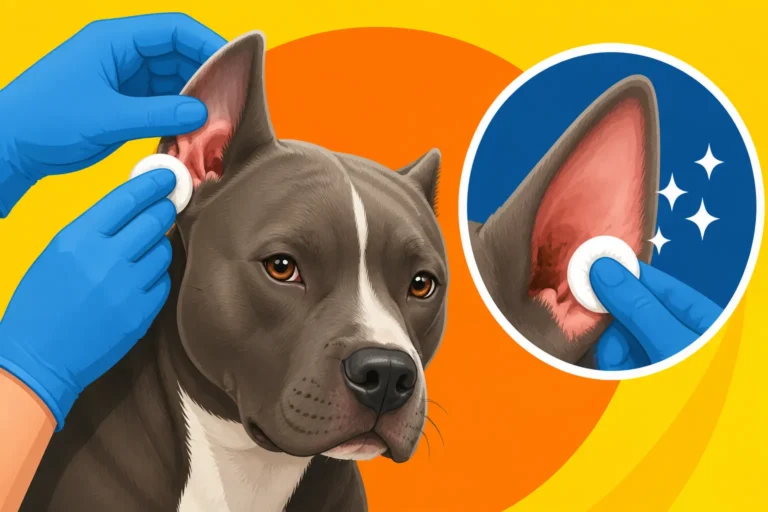
Imagine wearing wet socks all day in hot weather – that clammy, itchy feeling is a good analogy for what your Pit Bull might be experiencing. The constant moisture allows yeast, which is naturally present on dog skin, to overgrow rapidly, leading to that distinct "Frito" or corn chip smell many owners describe. This yeast overgrowth then causes even more itching and irritation, trapping your dog in a vicious cycle of discomfort. Proper Cleaning a Pit Bull Ear Properly is often crucial too, as ear infections can also be linked to these systemic skin issues, often driven by similar allergens.
Why Licking and Chewing Make It Worse
When something itches, our natural instinct is to scratch. For dogs, especially Pit Bulls, that often means intense licking and chewing. While it might provide temporary relief, this behavior actually exacerbates the problem significantly. The constant moisture from licking, combined with the friction and trauma from chewing, further damages the skin barrier. This creates microscopic open wounds, making it even easier for bacteria and yeast to invade and cause secondary infections like pyoderma.
It's a frustrating feedback loop: the allergy makes them itch, they lick and chew, which irritates the skin more, leading to more itching, more licking, and more chewing. This can quickly escalate from a mild irritation to a severe infection requiring veterinary intervention. You'll often see owners struggling with A Pit Bull Chewing Its Feet Through the Night, disrupting sleep for both dog and human. Breaking this cycle is paramount to managing their discomfort and preventing further complications.
Identifying the Culprits Behind Itchy Pit Bull Paws
Pinpointing the exact allergen can feel like detective work, but understanding the common categories can help guide your observations and conversations with your vet. Pit Bulls, unfortunately, are often predisposed to various sensitivities, and their robust immune systems can sometimes overreact to seemingly harmless environmental factors or even ingredients in their food.
Seasonal and Year-Round Environmental Allergens
Environmental allergens are the most common culprits behind itchy paws. Just like humans get hay fever, dogs can react to pollen from trees, grasses, and weeds. These reactions often flare up seasonally, coinciding with specific plant blooming cycles. If your Pit Bull starts chewing their feet every spring, summer, or fall, pollen is a strong suspect. Grass pollen, for instance, is notorious for causing intense foot itching because dogs are literally walking through it. Wiping Pit Bull Paws After Grass immediately after walks can significantly reduce exposure.
Beyond seasonal offenders, year-round allergens like dust mites and mold spores can also wreak havoc. Dust mites thrive in household environments, in carpets, bedding, and upholstered furniture. Mold can be found in damp areas, both inside and outside. For these pervasive allergens, your Pit Bull might show signs of itching regardless of the time of year. Environmental allergies, collectively known as atopy, are a significant reason why many Pit Bulls suffer from Pit Bull Skin Allergies and the Atopy Pattern.
Contact Dermatitis from Everyday Surfaces
Sometimes, the culprit isn't something inhaled, but something they directly touch. Contact dermatitis occurs when your Pit Bull's skin reacts to a substance it comes into direct contact with. This could be anything from certain types of grass, lawn care chemicals, cleaning products used on floors, or even the material of their bedding or food bowls. Because their paws are in constant contact with various surfaces, they are particularly susceptible to this type of reaction.
One common scenario involves freshly treated lawns. If your neighbor just sprayed weed killer, and your Pit Bull walks through it, their paws could become irritated and itchy almost immediately. Similarly, some dogs react to specific metals in their bowls or plastic in toys. Identifying contact dermatitis often involves careful observation of when and where the itching occurs, and then systematically eliminating potential irritants from their environment. If you notice a Pit Bull Belly Rash and Contact Allergy, it suggests a broader skin sensitivity to things they lie on.
Food Sensitivities and Their Systemic Impact
While environmental allergies are often the primary cause of foot chewing, food sensitivities or allergies can certainly contribute or even be the main driver. Unlike environmental allergies that often start with skin symptoms, food allergies can manifest in a wider range of symptoms, including gastrointestinal upset, but skin issues are very common. When a Pit Bull is allergic to an ingredient in their food, their immune system treats it as a threat, leading to inflammation that can show up anywhere on the body, including the paws.
Common food allergens for dogs include proteins like beef, chicken, dairy, and wheat. It’s a frustrating journey to figure out, and often requires An Eight Week Food Trial on an Itchy Pit Bull where your dog eats only a novel protein or hydrolyzed protein diet. While Food Allergies Behind Pit Bull Itching might not always start solely on the feet, they can certainly cause or exacerbate intense paw licking and chewing, and can be a component of a larger allergic picture for many Pit Bulls. Other signs of food allergy might include ear infections or chronic anal gland issues, so it's worth considering the whole picture.
Recognizing the Early Warning Signs of Foot Allergies
Catching skin allergies early can make a huge difference in managing your Pit Bull’s comfort and preventing more serious secondary issues. Pit Bulls are notoriously tough and may not always show overt signs of discomfort until the problem is quite advanced. Learning to spot the subtle cues can help you intervene quickly.
Visible Changes and Physical Manifestations
The most obvious signs are physical changes to the paws themselves. Start by regularly inspecting your Pit Bull's feet, especially between the toes and on the paw pads. Look for:
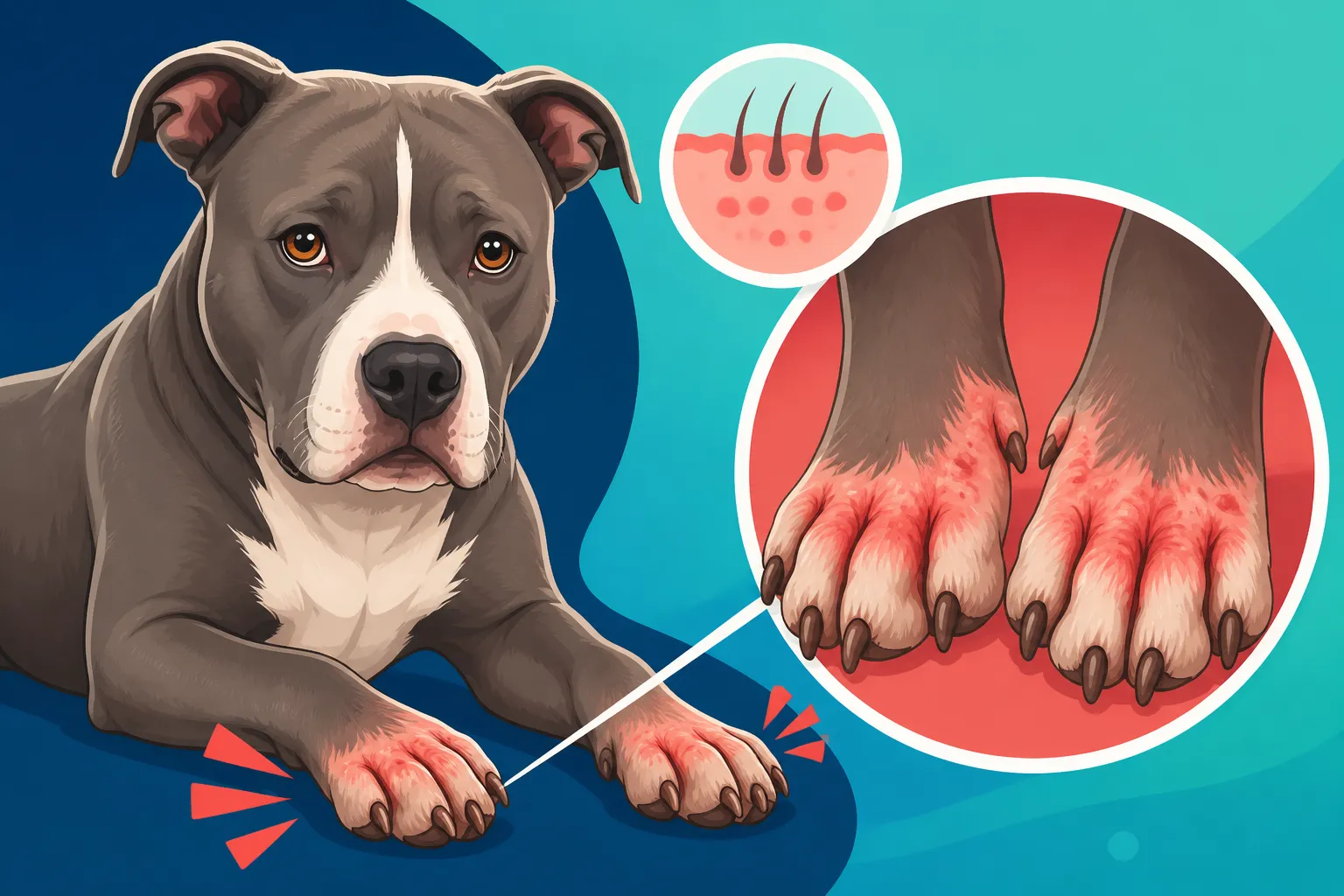
- Redness and Inflammation: The skin might appear pink or bright red, especially on lighter-skinned Pit Bulls. The paw pads themselves might be visibly swollen.
- Hair Loss or Staining: Constant licking can lead to hair loss, exposing more skin to irritation. You might also notice reddish-brown staining on the fur, particularly between their toes. This is often caused by porphyrin in their saliva, indicating persistent licking.
- Bumps, Rashes, or Scabs: Small bumps, pimple-like lesions, or even scabs can indicate secondary bacterial infections or intense scratching/chewing.
- Thickened Skin: Over time, chronic inflammation and licking can cause the skin on their paws to become thickened and leathery, a process called lichenification. This is a sign of long-standing irritation.
It’s easy to miss these things if you’re not actively looking, especially if your Pit Bull has dark fur or paw pads. A quick, gentle check after every walk or during cuddle time can become a habit that saves your dog a lot of pain.
Behavioral Cues and Obsessive Licking
Beyond the physical changes, your Pit Bull’s behavior will often be the first indicator something is amiss. Pay close attention to:
- Increased Licking and Chewing: This is the hallmark sign. While occasional paw licking is normal grooming behavior, constant, focused, or intense licking and chewing, especially for prolonged periods, is a red flag.
- Limping or Favoring a Paw: If their paws are particularly sore or infected, they might start to limp or try to avoid putting weight on the affected foot. This isn't just about pain from an injury; it can be due to severe irritation.
- Rubbing Face on Carpet: This often goes hand-in-hand with itchy paws, as the same allergens causing foot irritation can also affect their face, or they might try to rub their paws to alleviate itchiness. You might observe A Pit Bull Rubbing Its Face on the Carpet more often than usual.
- Restlessness or Difficulty Sleeping: Persistent itching is incredibly distracting and uncomfortable. Your Pit Bull might pace, struggle to settle down, or wake up frequently at night due to the relentless urge to scratch.
Any significant change in grooming habits or comfort levels should prompt a closer look at their paws.
The Unpleasant Odor and Secondary Infections
One of the most telling, and unfortunately, common, signs of advanced paw allergies is a distinct odor and the presence of secondary infections. The skin’s natural defenses are weakened by the allergic reaction and constant trauma from licking, making it a prime target for opportunistic bacteria and yeast.
- "Frito" or Yeasty Smell: As mentioned before, an overgrowth of yeast (Malassezia) often accompanies allergic skin. This yeast produces a specific aroma that many describe as smelling like corn chips or stale bread. It's usually strongest in moist areas like between the toes and in skin folds.
- Pus or Discharge: If you see any pus, clear discharge, or crusting on their paws, it's a strong indicator of a bacterial infection (pyoderma). This requires immediate veterinary attention as antibiotics are often necessary to clear it up. These can become Pit Bull Hot Spots and Secondary Infection very quickly.
- Pain and Swelling: Secondary infections often bring increased pain and swelling, making your Pit Bull even more reluctant to walk or have their paws touched. The area might feel warm to the touch.
Ignoring these signs can lead to deep-seated infections that are much harder to treat and cause prolonged suffering for your dog. Your veterinarian, especially if they are experienced with Pit Bull skin issues, can quickly diagnose and recommend treatment. If you have pet insurance like Healthy Paws, these vet visits and prescription medications can be significantly less stressful on your wallet.
Practical Strategies for Soothing and Treating Allergic Paws
Dealing with Pit Bull paw allergies can be a long-term commitment, but with a combination of at-home care and professional veterinary guidance, you can significantly improve your dog's quality of life. The goal is to reduce exposure to allergens, soothe irritated skin, and prevent secondary infections.
At-Home Care and Preventative Measures
Preventing exposure is often the first line of defense. Simple habits can make a big difference:
- Paw Wipes and Rinsing: After every walk, especially if your Pit Bull has been on grass, use a damp cloth or specialized paw wipes (like Earthbath or Burt's Bees) to remove pollen and other environmental allergens from their feet. A quick rinse with cool water can also be very effective. This is a simple but powerful tool in your arsenal.
- Regular Foot Soaks: For already inflamed paws, a cool foot soak can provide immense relief. You can use plain cool water, or add an antiseptic solution like diluted chlorhexidine or Epsom salts (ensure your dog doesn't drink the water). Soak their paws for 5-10 minutes a few times a day.
- Hypoallergenic Bedding and Cleaning: If dust mites or household chemicals are a suspect, switch to washable, hypoallergenic bedding that can be laundered frequently in hot water. Use pet-safe cleaning products on your floors and avoid strong chemical aerosols.
- Dietary Supplements: Omega-3 fatty acids (fish oil) can help improve skin barrier function and reduce overall inflammation. Look for high-quality supplements and discuss appropriate dosages with your vet. Many owners find success using supplements for Joint Support for a Heavily Muscled Pit Bull which can also aid skin health.
| At-Home Strategy | Purpose | Frequency | Key Benefit |
|---|---|---|---|
| Paw Wipes/Rinsing | Remove external allergens | After every outdoor excursion | Reduces immediate allergen load |
| Cool Foot Soaks | Soothe inflammation, reduce itching | 1-3 times daily for active flares | Provides direct, instant relief |
| Hypoallergenic Bedding | Reduce dust mite/allergen exposure | Wash weekly in hot water | Minimizes indoor allergen contact |
| Omega-3 Supplements | Support skin barrier, reduce systemic inflammation | Daily, as recommended by vet | Improves skin health from within |
Veterinary Interventions and Prescription Solutions
When at-home measures aren't enough, it's time to involve your veterinarian. They can properly diagnose the type of allergy and any secondary infections, and prescribe targeted treatments:
- Anti-itch Medications: For acute flares, vets often prescribe medications like Apoquel (oclacitinib) or Cytopoint (lokivetmab). Apoquel is an oral tablet that quickly targets the itch pathway, while Cytopoint is an injectable antibody that offers 4-8 weeks of itch relief. Both are highly effective for environmental allergies. These can be lifesavers for an Apoquel and Cytopoint for an Itchy Pit Bull.
- Steroids: In severe cases, corticosteroids (like prednisone) may be used to quickly reduce inflammation and itching, especially for short-term relief. However, they come with potential side effects and are usually not a long-term solution.
- Antibiotics/Antifungals: If secondary bacterial or yeast infections are present, your vet will prescribe oral antibiotics or antifungals, often combined with medicated shampoos or topical treatments. Medicated Baths for a Pit Bull With Atopy are often a crucial part of treatment.
- Allergy Testing and Immunotherapy: For chronic environmental allergies, your vet might recommend allergy testing (intradermal skin testing or blood tests) to identify specific allergens. Based on results, allergen-specific immunotherapy (allergy shots or oral drops) can be formulated. This aims to desensitize your Pit Bull to the allergens over time. While it's a long-term commitment, it can provide lasting relief and reduce the need for other medications. Understanding What Allergy Shots Cost a Pit Bull Owner is important for budgeting. Many pet insurance providers like Healthy Paws can help cover these ongoing costs, which is a huge relief.
Long-Term Management and Lifestyle Adjustments
Managing Pit Bull paw allergies is rarely a quick fix; it's an ongoing journey. It requires patience, consistency, and a willingness to adapt.
- Consistent Routine: Stick to your vet's prescribed treatments and your at-home care routine. Consistency is key to keeping flares under control. Don't stop treatments just because your dog looks better; allergies often require continuous management.
- Dietary Management: If a food allergy is suspected, strictly adhere to the prescribed elimination diet or hypoallergenic food. Even small "cheats" can trigger a flare-up. Monitoring for Pit Bull Food Allergy Signs Beyond the Skin can provide clues to dietary triggers.
- Environmental Control: Minimize exposure to identified environmental allergens as much as possible. This might mean adjusting walk times during high pollen counts, using air purifiers in your home, or vacuuming frequently with a HEPA filter vacuum.
- Regular Vet Check-ups: Regular visits to your vet are crucial for monitoring your Pit Bull’s progress, adjusting medications as needed, and catching new issues before they become severe. Having a robust pet insurance plan from providers like Healthy Paws can help ensure you don't delay these essential check-ups due to financial concerns, covering unexpected illnesses and accidents.
- Mental Enrichment: Since licking and chewing can become habitual, even when the itch is less severe, provide plenty of mental stimulation and appropriate chew toys to redirect their focus. A bored Pit Bull is more likely to engage in self-soothing (or destructive) behaviors.
By staying proactive and working closely with your vet, you can help your Pit Bull live a much more comfortable and itch-free life, keeping those sensitive paws happy.
Disclaimer
The information provided in this article is for general informational purposes only and is not a substitute for professional veterinary advice. Always consult with a qualified veterinarian for any health concerns or before making any decisions related to your pet's health and treatment.