Getting a Pit Bull Back Into Condition
It’s a truly disheartening moment when you notice your robust, energetic Pit Bull isn’t quite themselves anymore. Maybe they're slower on walks, struggling to jump into the car, or just seem generally less enthusiastic. Whether it's due to recovering from an illness or injury, or simply a period of less activity, seeing your strong companion lose their edge can be tough. This guide is all about helping you navigate the journey of safely and effectively bringing your Pit Bull back to their optimal physical condition, restoring their health, happiness, and that incredible Pit Bull vigor we all adore.
Understanding Your Pit Bull's Starting Line
Before you even think about lacing up your running shoes (or your Pit Bull’s, if they're into stylish booties!), the absolute first step is to get a clear picture of where your dog stands right now. Jumping straight into intense exercise without this assessment can do more harm than good, and nobody wants that.
The Essential Veterinary Check-Up
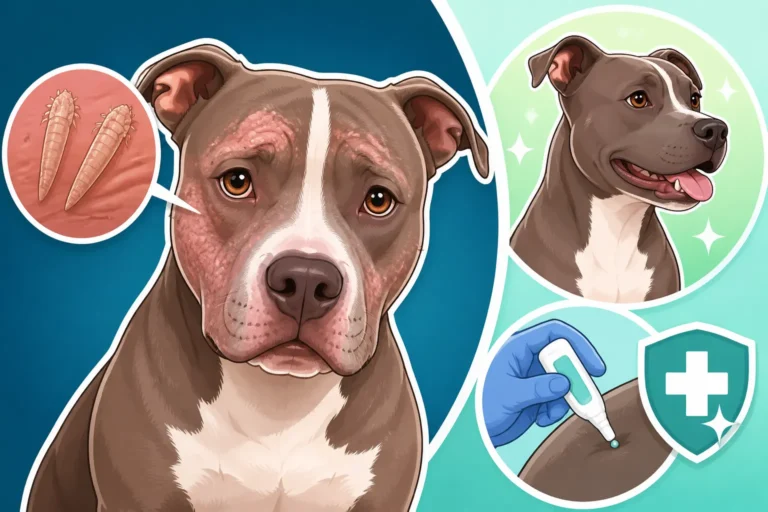
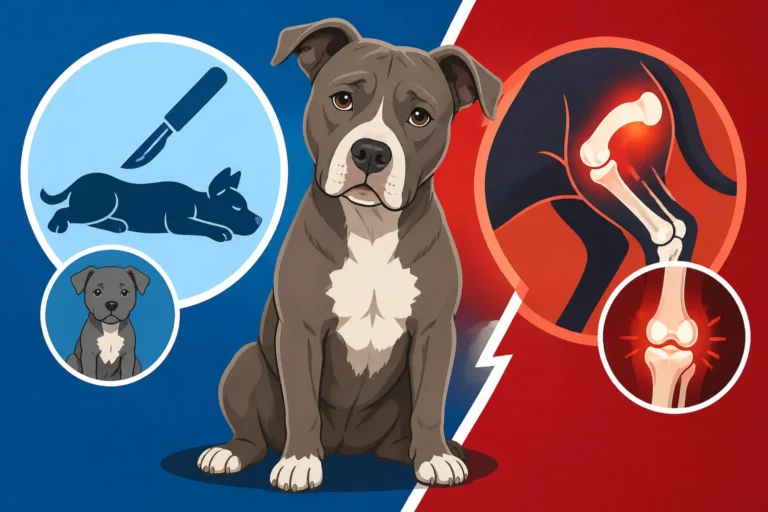
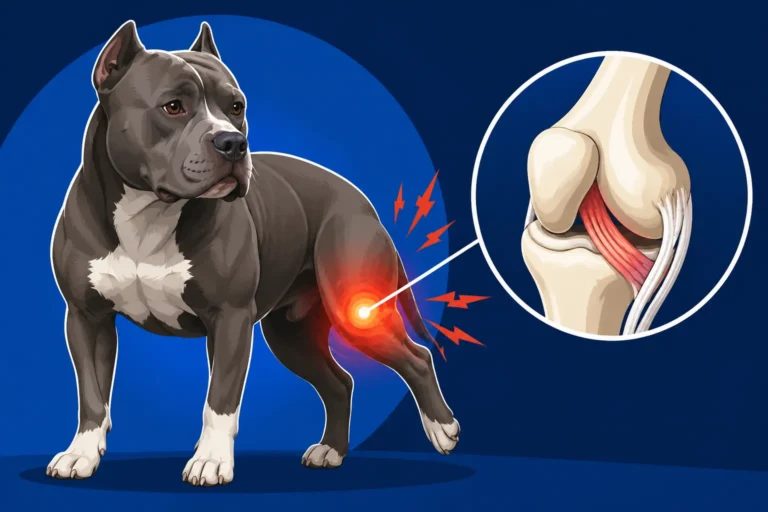
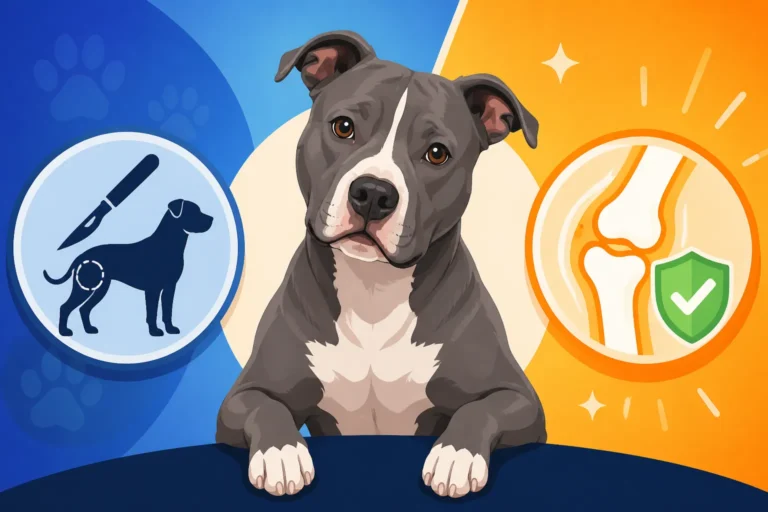
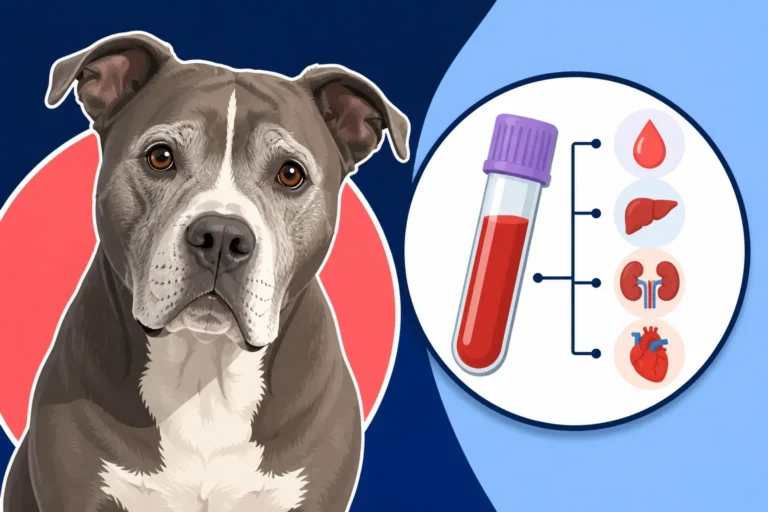
Seriously, this isn't optional. Your vet is your best friend when embarking on a fitness journey with your Pit Bull. A comprehensive check-up will rule out any underlying health issues that might be contributing to their poor condition or could be exacerbated by exercise. This is especially crucial if they’re recovering from an illness or injury. Your vet can assess their heart and lung health, check for signs of arthritis, identify any hidden pain, and advise on appropriate activity levels. For instance, if your Pit Bull is showing subtle signs of pain, perhaps favoring one front leg, it could be a minor strain or something more significant like early Pit Bull Elbow Dysplasia and Front End Lameness. Without a vet's insight, you might unknowingly push them too hard, delaying their recovery or causing further injury. They might even recommend specific blood work or imaging, especially if there’s a history of conditions like Pit Bull Hip Dysplasia Showing at One to Two Years in their lineage. This initial investment in a vet visit is paramount for a safe and successful conditioning program.
Assessing Body Condition Score (BCS) and Muscle Mass
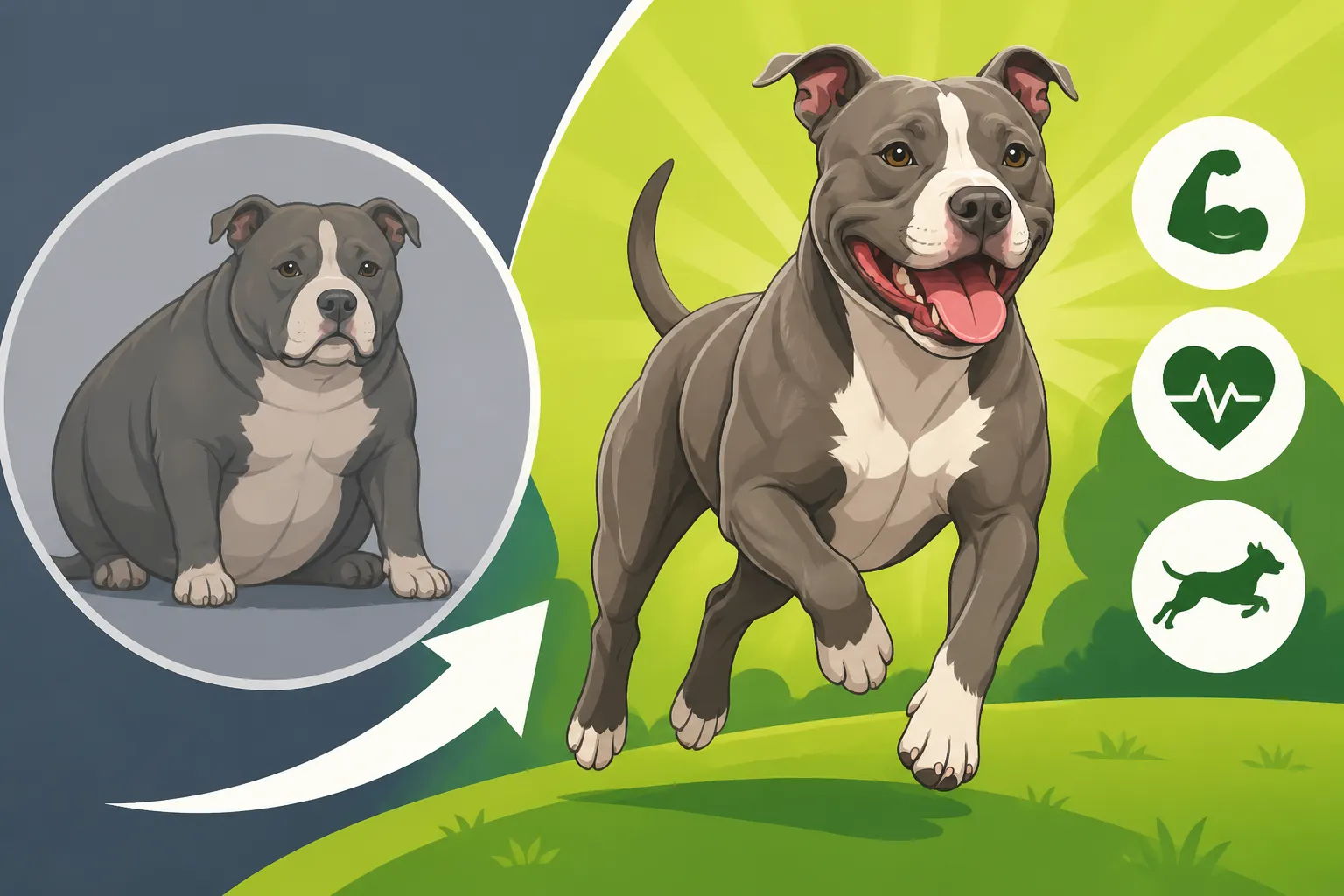
Once the vet gives you the all-clear, it's time to get hands-on. Your Pit Bull's body condition score is more informative than just a number on a scale. Due to their naturally muscular build, it can be tricky to tell if a Pit Bull is carrying extra weight just by looking. It's easy to confuse solid muscle with excess fat, but learning to identify the difference is key to getting a Pit Bull Weight and Muscle on a Working Frame that's healthy. You should be able to easily feel, but not necessarily see, their ribs with just a light touch, and they should have a discernible waist when viewed from above. When looking from the side, their abdomen should tuck up slightly from their chest.
Similarly, assess their muscle mass. Are their hindquarters looking a bit thin? Is their topline sagging? Loss of muscle can be a significant indicator of inactivity or even underlying issues. Take photos from different angles to track progress, as changes can be subtle over time. This baseline assessment helps you set realistic goals and celebrate small victories. Remember, carrying too much weight can significantly multiply the load on your How Weight Multiplies the Load on Pit Bull Joints, leading to discomfort and potentially new problems.
Pinpointing Mobility Limitations and Pain Points
Beyond the overall body condition, observe how your Pit Bull moves. Do they struggle getting up after lying down? Is there a noticeable limp after a short walk? Do they hesitate before jumping? These are all vital clues. Try a gentle "pat-down" at home: run your hands gently over their joints, back, and limbs, watching for any wincing, pulling away, or stiffness. Compare both sides of their body for symmetry. Any signs of discomfort should be noted and discussed with your vet. A dog that is constantly licking or chewing at a particular paw or joint might be experiencing pain. Documenting these observations helps your vet pinpoint problem areas and allows you to tailor exercise to avoid aggravating existing conditions or causing Pit Bull Joint and Ligament Injuries. Being aware of their limitations ensures you build their fitness back up safely, preventing setbacks.
Building a Thoughtful Exercise Regimen
Once you know your Pit Bull's starting point, it's time to design a conditioning plan. The keyword here is thoughtful. We’re not aiming for a marathon on day one; we’re building stamina, strength, and confidence brick by brick.
The Power of Gradual Progression
This is arguably the most critical aspect of any conditioning program. Think of it like a human starting to work out after a long break: you wouldn't hit the gym for a heavy session on day one. The same applies to your Pit Bull. Start with low-impact activities and short durations, gradually increasing intensity, duration, and frequency over weeks, not days. For example, if your Pit Bull can only comfortably walk for 10 minutes, start there. Do that for a few days, then slowly increase to 12 minutes, then 15. The goal is consistent, manageable effort, not exhaustion. Pushing too hard too fast can lead to muscle soreness, strains, or even more serious injuries, which completely derails progress.
A typical progression might look like:
- Week 1-2: Short, easy leash walks (10-15 minutes, 2-3 times a day) on soft surfaces like grass.
- Week 3-4: Increase walk duration to 20-30 minutes. Introduce gentle inclines or vary terrain slightly.
- Week 5-6: Add a second type of low-impact activity, like swimming (if they enjoy it and it’s safe), or short, controlled games of fetch in a soft, open area.
- Beyond: Gradually increase the intensity and duration of these activities, introducing more vigorous play or even light jogging.
Always prioritize proper warm-up (a few minutes of slow walking) and cool-down (a few minutes of slow walking followed by gentle stretching) to prepare their muscles and aid recovery.
Diverse Activities for Well-Rounded Fitness
Pit Bulls are natural athletes, but conditioning isn’t just about one type of exercise. A varied routine engages different muscle groups, prevents boredom, and reduces the risk of overuse injuries.
- Walking & Hiking: The cornerstone. Start on flat, even ground, then slowly introduce varied terrain like gentle hills or trails. This builds endurance and strengthens stabilizing muscles. For more adventurous Pit Bulls, consider trail days with a Trail Days With a Pit Bull on a Long Line.
- Swimming: An excellent low-impact option that builds cardiovascular fitness and strengthens muscles without stressing joints. If your Pit Bull is new to swimming, introduce them gradually in a safe, shallow area, always with a life jacket.
- Controlled Fetch & Flirt Pole: Once their basic conditioning improves, these activities can add bursts of cardio and agility. Keep sessions short and ensure soft landings. A flirt pole is fantastic for engaging their prey drive and getting them moving quickly in a controlled manner, but remember to be mindful of joint impact, especially for a dog that's been out of condition. For more on safe play, you can read about Flirt Pole Sessions and Pit Bull Joints.
- Weight Pull & Agility (Advanced): For highly conditioned Pit Bulls without joint issues, activities like amateur weight pull or agility can be fantastic for building extreme strength and mental engagement. However, these are not for dogs just getting back into shape and require expert guidance.
The key is variety and finding what your individual Pit Bull enjoys. If they dread swimming, don’t force it! There are plenty of other options to explore.
Monitoring for Progress and Setbacks
Your Pit Bull can’t tell you in words if they’re sore or tired, so you need to be their advocate. Watch for subtle signs:
- Limping or lameness: Any new or increased limping is a red flag.
- Excessive panting or lethargy: While some fatigue is normal, extreme exhaustion or lingering lethargy means you’ve overdone it.
- Reluctance to move: If they’re usually eager for walks but suddenly hang back, something might be off.
- Changes in appetite or mood: Pain or discomfort can manifest in these ways.
Keep a journal! Note down activity types, duration, and how your Pit Bull responded. This helps you see patterns, identify what works (and what doesn't), and allows you to adjust the plan as needed. Don’t be afraid to scale back if your dog is struggling. It's better to take a step back than risk injury. Remember, Building Pit Bull Fitness Safely is a marathon, not a sprint.
Fueling the Comeback: Nutrition for Optimal Health
Exercise is only half the equation; what you put into your Pit Bull’s body is just as crucial for recovery, muscle building, and overall vitality. Getting their diet right is paramount for getting your Pit Bull back into condition.
Calorie Adjustment for Lean Muscle Development
Many Pit Bulls, especially those who have been inactive, might be carrying a few extra pounds. Addressing Pit Bull Obesity and How to Spot It Under Muscle is often part of the conditioning process. Calculating the right daily caloric intake is essential for both safe weight loss (if needed) and muscle development. Work with your vet to determine an appropriate The Calorie Target for a Lean Pit Bull. Generally, you'll want to feed a high-quality, protein-rich diet. As their activity levels increase, their caloric needs will also rise, so this isn't a "set it and forget it" situation. You’ll be adjusting as their condition improves.
Measure your dog's food precisely. Eyeballing it can lead to over or underfeeding. If your dog is prone to gobbling food, a slow feeder bowl can help with digestion and satisfaction. The goal is to nourish their body for the work they're doing, ensuring they have the energy for exercise and the nutrients for repair.
Prioritizing Protein and Essential Nutrients
Protein is the building block of muscle, making it non-negotiable for a Pit Bull in conditioning. Look for high-quality animal protein sources as the first ingredient in their food. This supports muscle repair, growth, and overall strength. While higher protein is generally good, it needs to be balanced. Your vet can advise on suitable dog food brands that offer the right balance for an active or recovering Pit Bull.
Beyond protein, ensure their diet is rich in essential vitamins and minerals. Omega-3 fatty acids, found in fish oil, are particularly beneficial for joint health, skin, and coat, and can help reduce inflammation. These are excellent additions to support their active recovery.
Strategic Supplementation and Hydration
While a balanced diet should provide most nutrients, some supplements can offer targeted support during conditioning.
- Joint Support: Glucosamine and chondroitin sulfate are popular choices for supporting cartilage health, especially if your Pit Bull is older or has a history of joint issues. Brands like Nutramax's Dasuquin or Cosequin are often recommended by vets for Joint Support for a Heavily Muscled Pit Bull.
- Omega Fatty Acids: As mentioned, fish oil supplements (like Nordic Naturals or Grizzly Salmon Oil) can reduce inflammation and benefit skin and coat.
- Probiotics: If your Pit Bull has a sensitive stomach or has recently been on antibiotics, a probiotic can help maintain gut health, which is crucial for nutrient absorption and overall immunity.
Always discuss any supplements with your vet before introducing them to ensure they are appropriate and don't interact with any existing medications.
Finally, never underestimate the power of hydration. Ensure fresh water is always available, especially before, during, and after exercise. Consider bringing water on walks, especially on warmer days. Dehydration can quickly impact performance and health.
The Long Game: Consistency, Patience, and Preventative Care
Getting your Pit Bull back into condition isn't a quick fix; it's a commitment to their long-term health and well-being. It requires consistency, immense patience, and a proactive approach to their care.
The Cornerstone of Routine and Consistency
Dogs thrive on routine, and a consistent schedule for exercise and feeding is vital for success. Try to walk or exercise your Pit Bull at similar times each day. This helps them anticipate activity, reduces stress, and makes it easier for you to stick to the plan. Remember, even on days when you feel less motivated, a short, brisk walk is better than nothing. Regularity builds stamina and muscle memory more effectively than sporadic, intense bursts.
Consistency also applies to your observations. Keep that journal going, noting how they feel after each activity. This allows you to fine-tune the routine and recognize subtle changes that might indicate progress or a need for adjustment. This unwavering dedication is what will see your Pit Bull transform.
Proactive Injury Prevention and Management
An ounce of prevention is worth a pound of cure, especially with an athletic dog like a Pit Bull.
- Warm-ups and Cool-downs: Always include 5-10 minutes of slow walking at the start and end of any exercise session. This prepares muscles for activity and helps with recovery.
- Appropriate Gear: Use a well-fitting harness that doesn't restrict movement or rub. If walking on hot pavement, consider dog booties or only walk during cooler parts of the day. For energetic Pit Bulls, a sturdy, well-made leash and collar or head halter are essential for control and safety, preventing sudden jerks that could cause injury to both of you.
- Listen to Your Dog: As mentioned earlier, pay close attention to their body language. A slight hesitation, a lowered tail, or excessive panting can all indicate they're reaching their limit or are in discomfort. Pushing through these signs increases injury risk.
If an injury does occur, no matter how minor, address it promptly. Rest, cold or heat therapy, and a vet check-up are usually the first steps. This is where having pet insurance like Healthy Paws can truly be a lifesaver, covering unexpected vet bills for injuries or illnesses that might crop up during this active period, allowing you to focus on your Pit Bull's recovery rather than the financial strain.
Ongoing Monitoring and Veterinary Partnership
Your vet isn't just there for the initial check-up; they're your partner throughout this journey. Regular follow-up appointments (perhaps every 3-6 months, or as recommended by your vet) are crucial. These check-ins allow your vet to monitor progress, adjust medication or supplements if needed, and catch any developing issues early. They can reassess their body condition, feel their joints, and ensure their heart and lungs are still healthy, especially as your Pit Bull becomes more active.
Don’t hesitate to contact your vet if you notice any concerning changes in your Pit Bull’s mobility, appetite, energy levels, or mood. Sometimes, what seems like a minor setback could be something more significant that requires professional attention. A strong relationship with your vet, coupled with proactive care and perhaps the safety net of a good pet insurance plan from a provider like Healthy Paws, ensures your Pit Bull has the best chance not just to get back into condition, but to maintain it for a long, vibrant life. Continuing this consistent care into their senior years, which can often be as long as Pit Bull Lifespan Across Twelve to Sixteen Years, is how we truly show our love and commitment.
Exercise Examples for Pit Bull Conditioning
To give you a better idea of what different types of exercise entail, here’s a helpful table. Always remember to start slow and listen to your dog!
| Exercise Type | Intensity Level | Key Benefits | Best For | Considerations |
|---|---|---|---|---|
| Leash Walking | Low-Moderate | Cardiovascular health, endurance, joint mobility, mental stimulation | All Pit Bulls, especially those starting out or recovering from minor issues. Builds foundational fitness. | Start short, gradually increase duration and distance. Vary terrain for added challenge. Always check paw pads for injuries, particularly if walking on hot pavement or rough surfaces like those discussed in Pit Bull Paw Pad Injuries on Hard Ground. |
| Swimming | Low-Moderate | Cardiovascular fitness, muscle strengthening, low-impact on joints, cooling | Excellent for Pit Bulls with joint issues (like arthritis or hip dysplasia), overweight dogs, or in hot weather. Many Pit Bulls enjoy it! | Introduce gradually, always use a life vest initially. Ensure safe entry/exit points. Supervise closely. |
| Controlled Fetch | Moderate-High | Cardio, bursts of speed, agility, mental engagement | Pit Bulls with good baseline fitness. Great for energy release and building a strong bond. | Keep sessions short to avoid overexertion. Use soft toys on forgiving surfaces (grass) to minimize joint impact. Avoid repetitive, high-impact jumps until fully conditioned. |
| Flirt Pole Play | Moderate-High | Cardio, agility, impulse control, engaging prey drive | Pit Bulls with good basic obedience and energy to burn. Excellent for controlled bursts of intense activity. | Use a sturdy pole and a durable toy. Keep the toy low to the ground to prevent high jumps. Incorporate "leave it" and "drop it" commands. |
| Light Jogging/Running | Moderate-High | Endurance, cardiovascular health, muscle tone | Pit Bulls fully conditioned from walking, with no underlying joint issues. Consult your vet before starting. | Build up slowly. Run on softer surfaces (trails, grass). Monitor for signs of overheating, especially in warm weather. You can learn more about taking an adult Pit Bull running in Taking an Adult Pit Bull Running. |
Disclaimer
The information provided in this guide is for general informational purposes only and is not intended as a substitute for professional veterinary advice. Always consult with your veterinarian before starting any new exercise program, diet, or supplementation regimen for your Pit Bull, especially if they have pre-existing health conditions or are recovering from an illness or injury.