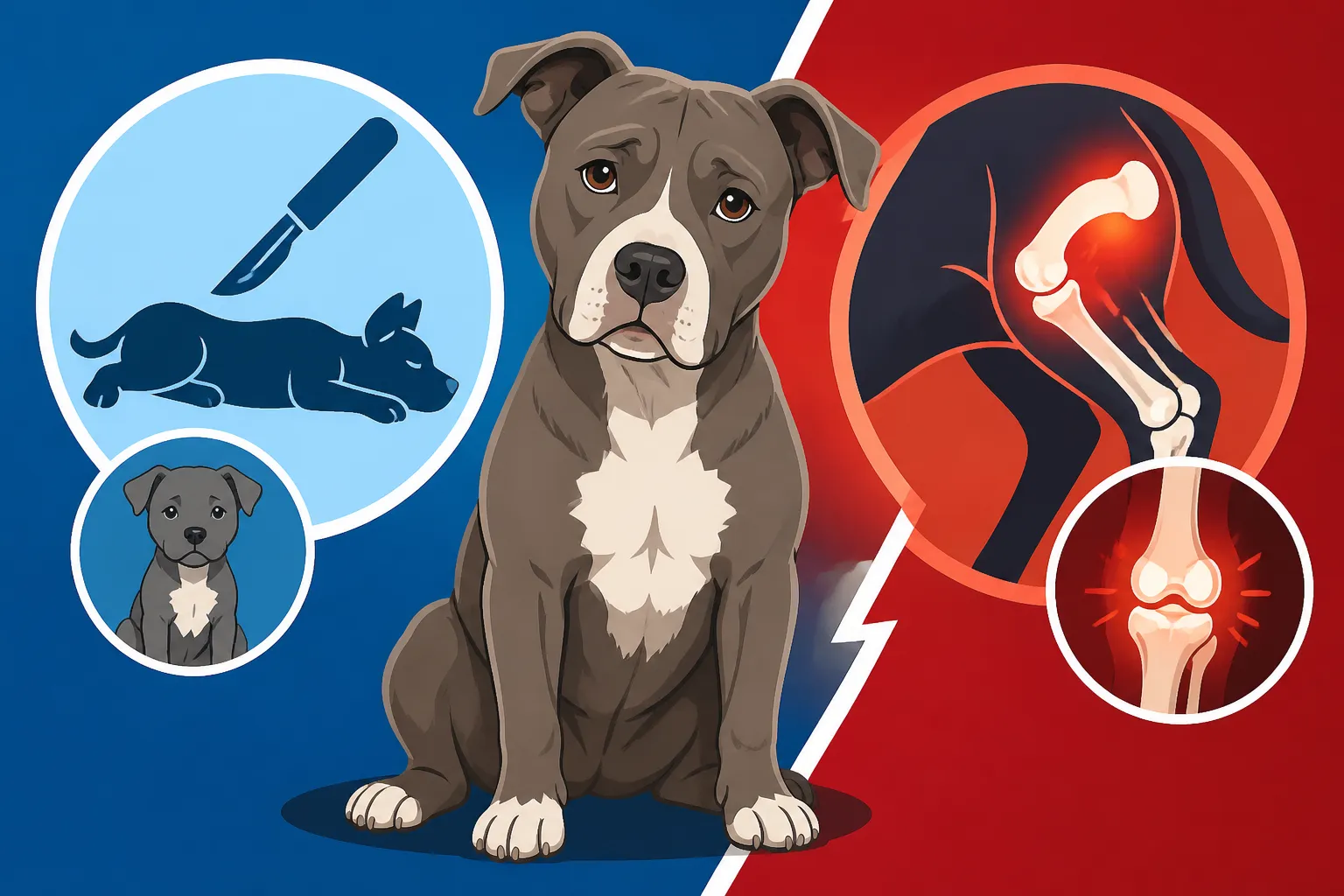
Whether Early Neutering Harms Pit Bull Joints
Deciding when to neuter your beloved Pit Bull can feel like walking a tightrope. On one side, you have the common advice to spay or neuter early to prevent unwanted litters and certain health issues. On the other, a growing body of research, and increasingly, anecdotal evidence from owners, suggests that early removal of sex hormones might actually harm their powerful joints. This guide aims to clear up some of that confusion, diving deep into how neutering timing can impact your Pit Bull's musculoskeletal health and what that means for their long-term well-being.
Understanding the Link Between Early Neutering and Joint Health
The decision to neuter a Pit Bull isn't just about preventing puppies; it's a significant medical procedure that removes vital hormones that play a role in a dog's overall development, especially their bones and joints. Many owners feel pressured to neuter early, sometimes as young as six months, but for a breed known for its robust musculature and occasional predisposition to joint issues, this timing deserves a much closer look.
The Role of Hormones in Bone and Joint Development
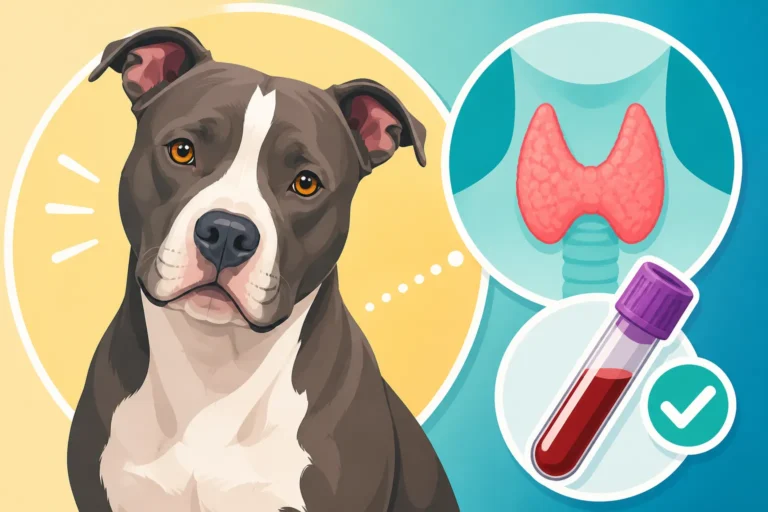
It might sound overly scientific, but bear with me: hormones are like the silent architects of your dog's growth. Specifically, testosterone in males and estrogen in females play crucial roles in how long bones grow, how dense they become, and how joints form and mature. These hormones signal the growth plates in bones to close. If you remove these hormones too early, before those growth plates naturally fuse, the bones can continue to grow for a longer period. This doesn't necessarily mean your Pit Bull will become a giant; instead, it can lead to bones that are disproportionately longer, which can subtly alter joint angles and mechanics. Imagine building a house where the foundational beams are slightly off – over time, that misalignment can lead to structural weaknesses and wear. This increased length can place abnormal stresses on ligaments and cartilage, potentially predisposing your dog to orthopedic problems later in life.
For a powerful, muscular breed like the Pit Bull, whose frame is designed for strength and agility, maintaining proper joint integrity is paramount. Altering the natural growth process, even slightly, can have cascading effects. It’s not just about height; it’s about the alignment, density, and overall health of their skeletal system. When we consider the common advice to spay or neuter at six months, it’s important to remember that many Pit Bulls are still very much in their growth phase at this age, with their growth plates not yet fully closed.
Specific Joint Conditions Affected by Neutering Age
The discussion around early neutering often zeroes in on a few key orthopedic conditions that can unfortunately plague our beloved Pit Bulls. The two most commonly cited are hip dysplasia and cranial cruciate ligament tears.
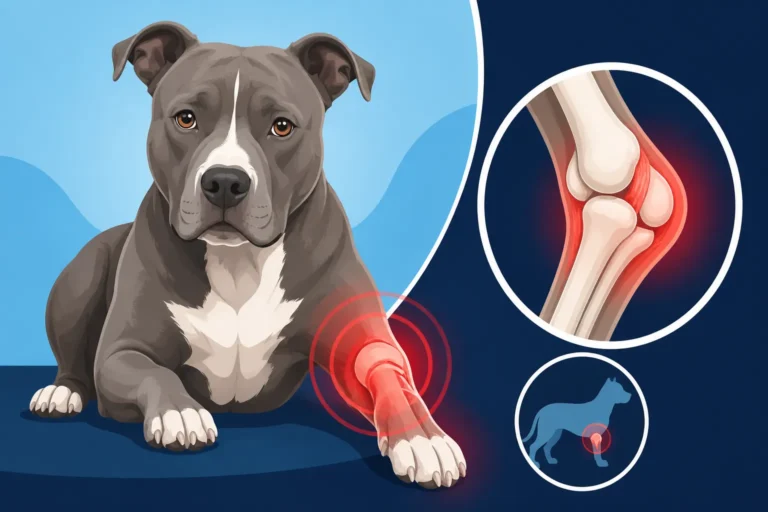
- Hip Dysplasia: This is a condition where the ball and socket of the hip joint don't fit together properly, leading to looseness, pain, and eventually degenerative joint disease like arthritis. For many Pit Bulls, signs of Pit Bull Hip Dysplasia Showing at One to Two Years might appear. Early neutering has been implicated in increasing the risk and severity of hip dysplasia. The theory is that the altered bone growth from early hormone removal can lead to shallower hip sockets or malformed femoral heads, exacerbating any genetic predisposition. If the bones grow longer than intended, the joint might become less congruent, meaning the ball doesn't sit as snugly in the socket as it should, increasing friction and wear over time.
- Cranial Cruciate Ligament (CCL) Tears: Similar to an ACL tear in humans, a CCL tear is a painful and debilitating injury to one of the key stabilizing ligaments in the knee. These injuries often require extensive and costly surgery. Early neutering has been linked to an increased incidence of CCL tears, especially in larger, more active breeds. The theory here relates to the altered joint angles and potentially weaker ligaments that result from prolonged bone growth and the absence of sex hormones, which normally contribute to ligament strength and elasticity. A Pit Bull, with its inherent strength and athleticism, often puts significant stress on its joints, making them particularly vulnerable if these ligaments are compromised. You can often see Cruciate Ligament Tears in a Muscular Pit Bull due to their power.
- Elbow Dysplasia and Arthritis: While less frequently discussed in direct relation to early neutering than hips and CCLs, other joint issues such as elbow dysplasia and general Arthritis in a Pit Bull at Seven can also be influenced. Any factor that affects the normal development and biomechanics of joints can contribute to the accelerated onset or increased severity of degenerative joint disease. The overall structural integrity of your Pit Bull's body is a complex system, and removing key hormonal influences during critical developmental stages can have widespread implications for Pit Bull Joint and Ligament Injuries.
Navigating the Evidence: What Research Suggests for Pit Bulls
The conversation around neutering timing has shifted considerably in veterinary medicine over the last decade, moving away from a blanket recommendation of "as early as possible." This is largely due to more specific, breed-focused research emerging, particularly for breeds like Pit Bulls that have unique growth patterns and predispositions. It’s no longer a one-size-fits-all world, and what might be acceptable for a toy poodle might be detrimental to a powerful Pit Bull.
Studies Pointing to Increased Orthopedic Risks
Several significant studies have highlighted concerns about early neutering and orthopedic health in larger dog breeds. While specific studies focusing solely on the "Pit Bull" as a distinct breed are complicated by the fact that "Pit Bull" is a type rather than a single breed (encompassing American Pit Bull Terriers, American Staffordshire Terriers, Staffordshire Bull Terriers, and sometimes even American Bullies), research on similarly sized, muscular breeds often provides valuable insights.
A landmark study published in 2013 by the University of California, Davis, looked at golden retrievers and found a significantly increased risk of hip dysplasia, cranial cruciate ligament tears, and certain cancers in dogs neutered early (before 12 months of age) compared to intact dogs or those neutered later. While Pit Bulls are not Golden Retrievers, the principle regarding the role of sex hormones in skeletal development is broadly applicable across breeds of similar size and growth trajectories. Another comprehensive review in 2020 further examined the literature, reinforcing these concerns across multiple breeds, including those often categorized as "large" or "giant." These studies consistently demonstrate that the removal of sex hormones before puberty can lead to a longer period of bone growth, resulting in altered joint conformation and an elevated risk for orthopedic diseases.
Consider the physical demands on a Pit Bull. These are strong, athletic dogs, and their joints are subject to considerable forces throughout their lives. Even subtle structural changes caused by early neutering could compound over time, leading to premature wear and tear. This is why many experienced Pit Bull owners are now waiting longer, often until 18-24 months, to ensure their dogs are fully mature.
The Nuance of Breed-Specific Recommendations
What's really important to understand is that there's no single "right" age for every dog. The ideal neutering age can vary significantly depending on breed, size, and individual development. For Pit Bulls, who typically reach their full skeletal maturity later than smaller breeds – often between 18 and 24 months – early neutering might pose a higher risk. You can also monitor The Age a Pit Bull Finishes Growing to help guide your decision.
The skeletal growth plates, which are areas of cartilage at the ends of long bones responsible for growth, don't typically close until a dog is fully mature. In Pit Bulls, this can be anywhere from 12 to 24 months, with males often maturing a little later than females. If neutering occurs before these plates close, the absence of sex hormones can delay their closure, leading to longer limbs and altered joint angles. This is where the breed-specific nuance comes in: a Chihuahua's growth plates close much earlier than a Pit Bull's, making early neutering less of a concern for their skeletal development.
For a Pit Bull, delaying neutering potentially allows their bones and joints to develop naturally under the influence of their sex hormones, which can contribute to stronger bones, more appropriate joint angles, and potentially more robust ligaments. This doesn't eliminate genetic predispositions to conditions like hip dysplasia, but it might help mitigate the environmental factors that can exacerbate them. It's about giving your Pit Bull the best possible chance to build a solid, healthy frame for a lifetime of activity.
Some veterinary professionals and breed advocates are now recommending delaying neutering until skeletal maturity is reached, especially for breeds prone to orthopedic issues. This later timing allows the body's natural hormones to complete their work in shaping bones and joints.
Here's a simplified comparison of neutering timing:
| Age of Neutering | Potential Impact on Joint Health (Pit Bulls) | Other Considerations |
|---|---|---|
| Before 6 Months | Increased risk of hip dysplasia, CCL tears, altered bone growth. | Prevents early pregnancy, reduces marking/roaming. |
| 6-12 Months | Moderate risk of hip dysplasia, CCL tears; still during active growth. | Prevents pregnancy, reduces marking/roaming, slight reduction in some cancers. |
| 12-18 Months | Lowered risk of orthopedic issues as growth plates near closure. | Allows for more natural growth, still prevents most unwanted pregnancies. |
| 18-24 Months (or later) | Lowest orthopedic risk as skeletal maturity is typically reached. | Optimal joint development, potential for increased roaming/marking if not managed. |
Note: This table represents general trends and individual results may vary. Consult with your veterinarian for personalized advice.
Making an Informed Decision for Your Pit Bull
The decision of when to neuter your Pit Bull is a highly personal one, but it should always be an informed one. There are many factors to weigh, and it's essential to consider your dog's individual circumstances, lifestyle, and genetic predispositions. This isn't about shaming anyone for past choices but empowering Pit Bull owners to make the best decisions moving forward.
Weighing the Risks and Benefits of Neutering Timing
Let's be real, there are legitimate reasons why people choose to neuter their dogs, and often, the decision isn't just about health. There's the crucial issue of pet overpopulation, behavioral considerations, and prevention of certain reproductive cancers.
Benefits of Neutering (General, regardless of timing):
- Population Control: Prevents unwanted litters, a huge concern especially for Pit Bulls who unfortunately fill shelters.
- Behavioral Improvements: Can reduce roaming, marking, and some forms of aggression (though training is always key).
- Cancer Prevention: Eliminates the risk of testicular cancer in males and significantly reduces the risk of mammary tumors in females (if spayed before first heat). It also prevents uterine infections (pyometra) in females.
Risks of Early Neutering (Specific to Joint Health for Pit Bulls):
- Increased Orthopedic Disease Risk: As discussed, a higher chance of hip dysplasia, CCL tears, and possibly elbow dysplasia due to altered bone growth. This can lead to significant pain, reduced mobility, and expensive surgeries.
- Weight Management Challenges: Some studies suggest a slightly increased risk of obesity after neutering due to metabolic changes. For a breed already prone to Pit Bull Obesity and Joint Strain, this can add further stress on joints. Managing How Weight Multiplies the Load on Pit Bull Joints is critical.
So, for a Pit Bull, it truly becomes a balancing act. If your primary concern is their long-term joint health and athletic ability, waiting until skeletal maturity (typically 18-24 months) appears to be the most protective choice according to current research. However, if you live in a multi-dog household, have concerns about behavioral issues like marking or aggression, or simply cannot manage an intact dog responsibly, then earlier neutering might be a necessary compromise. Many owners struggle with the guilt of potentially increasing joint risks but feel they have no other choice. This is where open and honest conversations with your vet become invaluable.
Consulting Your Veterinarian and Considering Individual Factors
Ultimately, the best advice will come from your trusted veterinarian, who can assess your individual Pit Bull's health, lifestyle, and genetic background. Don't be afraid to have a detailed conversation about neutering timing; if your vet is still recommending a blanket 6-month neuter without discussion, it might be worth seeking a second opinion, especially from a vet who stays current on breed-specific research. They can help you interpret things like What an OFA Hip Grade Says About a Pit Bull for parents or siblings if you have that information.
Here are some individual factors to consider with your vet:
- Breed Mix: If your Pit Bull is a mix with another large breed, the considerations for delayed neutering might be even stronger.
- Genetics: Do you know the orthopedic health history of your Pit Bull's parents or littermates? This information can weigh into the decision.
- Lifestyle: Is your Pit Bull a highly active, athletic dog involved in sports, or more of a couch potato? High-impact activities might put more stress on potentially compromised joints.
- Environment: Do you have an intact female in the house? Is your yard securely fenced? Can you responsibly manage an intact male to prevent accidental pregnancies?
- Behavior: Is your male Pit Bull already showing undesirable intact male behaviors (e.g., intense marking, aggression towards other males, excessive roaming)? While these can often be managed with training, neutering can sometimes help reduce the hormonal drive behind them.
Many vets are now offering "late neutering" or "age-appropriate neutering" consultations, recognizing the growing body of evidence. Some owners choose to keep their Pit Bulls intact until around two years of age, ensuring full physical maturity, and then proceed with the surgery. During this time, it's crucial to be extra vigilant about management: secure fencing, strict leash rules, and avoiding uncontrolled interactions with other dogs (especially intact females). If you do choose to wait, discuss preventative measures and supplements that can support Joint Support for a Heavily Muscled Pit Bull during their growth phase. Even with pet insurance from providers like Healthy Paws, preventative measures and informed decisions are always best to avoid future health issues. Healthy Paws, like many insurers, often encourages responsible pet ownership, which includes discussing these critical health decisions with your veterinarian.
Remember, the goal is to ensure your Pit Bull lives a long, healthy, and comfortable life. The timing of neutering is one piece of that complex puzzle, but it's an important one that deserves careful consideration. When your Pit Bull starts to show signs of When a Pit Bull Starts Slowing Down, you'll be glad you made decisions that supported their long-term mobility.
Disclaimer
This article provides general information and is not a substitute for professional veterinary advice. Always consult with a qualified veterinarian regarding your Pit Bull's specific health concerns, treatment options, and neutering decisions. Veterinary recommendations can vary based on individual circumstances and the latest research.