Pit Bull Nail Bed Infections
There's nothing quite as heart-wrenching as seeing your powerful, usually rambunctious Pit Bull suddenly reluctant to put weight on a paw, or incessantly licking at a single toe. Nail bed infections are a surprisingly common and incredibly painful issue for our beloved bully breeds, often sneaking up on us and causing more distress than we initially realize. This comprehensive guide is here to walk you through everything you need to know about Pit Bull nail bed infections, from spotting those first subtle signs to effective treatment and how to keep those strong paws healthy and happy for years to come.
Understanding Pit Bull Nail Bed Infections
When we talk about a nail bed infection, it sounds straightforward enough, right? But for a Pit Bull, whose nails are tough and whose paws are often put through their paces, these infections can be particularly challenging. They're not just a little irritation; they can be debilitating, affecting your dog's mobility and overall comfort.
What Exactly is a Nail Bed Infection?
At its core, a nail bed infection, medically known as paronychia (when it affects the tissue around the nail) or onychomycosis (when the nail plate itself is infected by fungus), is an inflammation or infection of the tissue surrounding or under the nail. Imagine how painful an ingrown toenail is for a human, and then consider a dog who uses its paws for everything from walking and running to scratching and playing. The nail bed is a sensitive area, rich in nerves and blood vessels, and when it becomes inflamed or infected, the pain can be intense.
These infections can be caused by bacteria, yeast, or fungi, and sometimes a combination of all three. They often start small, perhaps from a minor injury or an underlying skin condition that compromises the integrity of the skin around the nail. Because Pit Bulls are so stoic, they might not immediately show obvious signs of pain, making it harder to catch these issues in their earliest stages. You might notice a subtle lameness, or perhaps your usually eager dog is a little less enthusiastic about their daily walk around the neighborhood.
Why Pit Bulls Can Be Prone to Paw Issues
Our Pit Bulls are athletes, plain and simple. Their muscular build and boundless energy mean their paws are constantly exposed to various terrains and potential hazards. Whether it's zooming around the dog park, hiking trails, or just rough-housing in the backyard, their paws take a beating. This constant activity can make them more susceptible to minor traumas like stubbed toes, cracked nails, or even splinters that can become entry points for bacteria.
Beyond the wear and tear of an active lifestyle, Pit Bulls, like many breeds, can also be predisposed to certain underlying health conditions that make nail bed infections more likely. A big one is allergies. Many Pit Bulls suffer from Pit Bull Skin Allergies and the Atopy Pattern, which can manifest as chronic itching and inflammation, particularly in the paws. When a dog constantly licks and chews at its paws due to allergies, it creates a warm, moist environment ripe for bacterial and yeast overgrowth, setting the stage for a nasty nail bed infection. Even specific environmental factors, like prolonged dampness from wet grass or humidity, can soften the nail and skin, increasing vulnerability.
Recognizing the Subtle Signs of Trouble
One of the trickiest parts about nail bed infections in Pit Bulls is that the early signs can be incredibly subtle. These dogs are tough, and they often try to push through discomfort, especially if they're eager to play or spend time with you. Learning to spot these initial clues can make all the difference in getting early treatment and preventing more severe issues.
Early Indicators You Might Miss
It's all about observing your dog's normal behavior and noticing any deviations. The first thing you might pick up on is an increase in self-grooming behavior directed at their paws. Are they licking or chewing at a particular nail more often? This isn't just a casual lick; it’s obsessive attention to one area. You might see them doing this when they’re settling down for a nap, or even through the night. If you notice your Pit Bull engaged in Pit Bull Paw Licking and Chewing for extended periods, it’s a big red flag that something is irritating them. Sometimes, they might even start rubbing their face on the carpet, trying to alleviate an itch or discomfort that can originate from their paws.
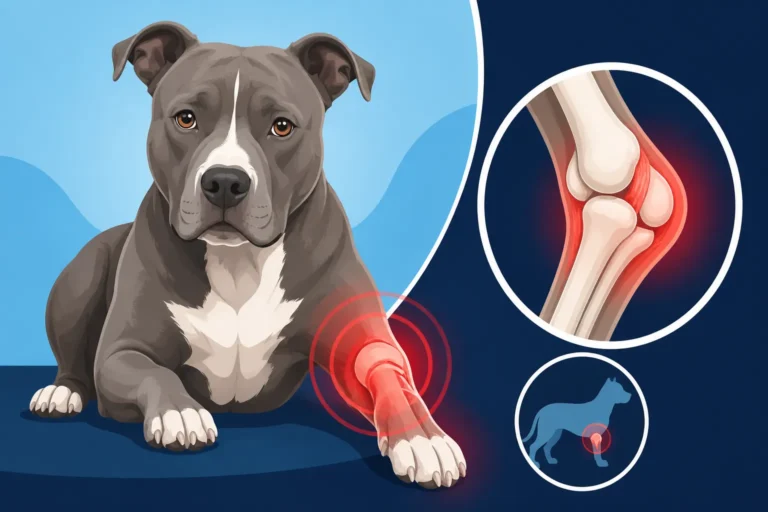
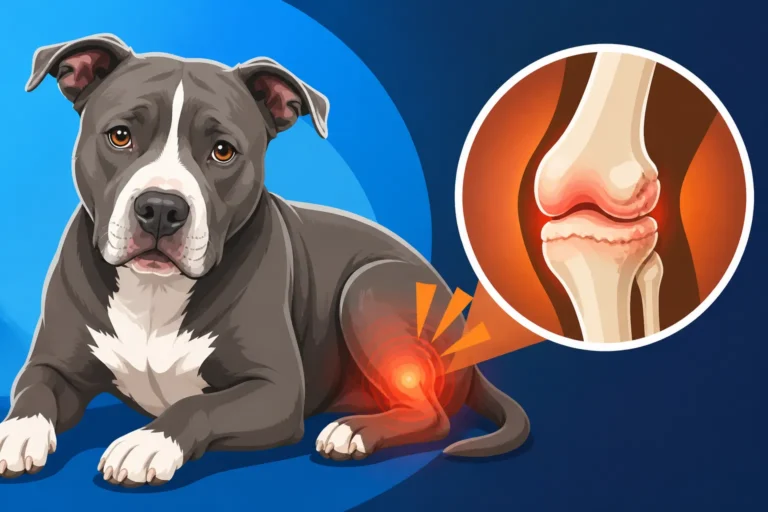
Another subtle sign is a change in gait or slight lameness that comes and goes. Perhaps they seem a little stiff after resting, or they're favoring one paw just slightly during walks. This isn't necessarily a dramatic limp at first, but more of an unevenness in their stride. They might be reluctant to jump into the car or climb stairs, behaviors they normally tackle with ease. If you pay close attention when they stand, you might see them shifting their weight off the affected paw. Keep an eye on how they interact with their favorite toys; if they’re less inclined to rough-house or play tug, it could be due to paw pain.
Visible Symptoms and What They Mean
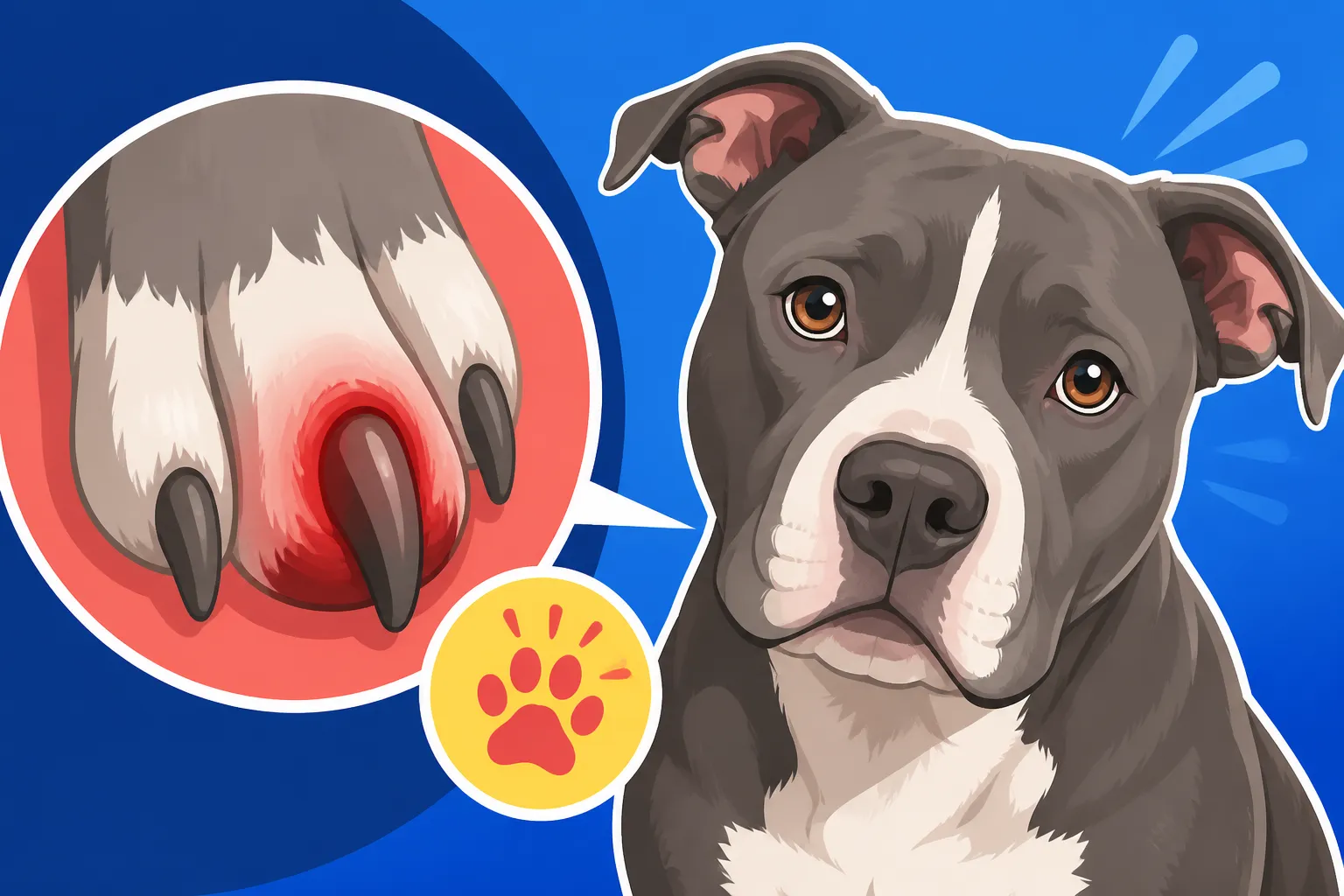
As the infection progresses, the signs become much more obvious. You'll likely start to see visible changes directly on or around the affected nail. Look for any redness or swelling around the cuticle area where the nail meets the paw pad. This indicates inflammation and often infection. The skin might look shiny or stretched, and it will be sensitive to the touch, often causing your Pit Bull to pull their paw away if you try to inspect it.
Discharge is another tell-tale sign. This can range from clear fluid to pus, or even blood if the infection is severe or the nail has been excessively chewed. The presence of pus usually points to a bacterial infection. You might also notice a distinct, unpleasant odor coming from the paw. This is often a sign of yeast overgrowth or a deep bacterial infection, and it’s a smell you won’t soon forget once you’ve experienced it.
Beyond the soft tissue, the nail itself can change. It might become brittle, crumbly, or discolored, turning yellowish or brownish. In severe cases, the nail can become deformed, thickened, or even start to detach from the nail bed. Sometimes, you might even see a "hot spot" develop nearby, a localized area of moist, red, irritated skin caused by intense licking and chewing, which is a common secondary issue that can make the area even more painful and prone to further infection, as detailed in Pit Bull Hot Spots and Secondary Infection.
Common Causes and Underlying Factors
Nail bed infections don't usually appear out of nowhere. There's almost always an underlying reason, whether it's an injury, an allergic reaction, or a systemic health issue. Understanding these causes is crucial for both effective treatment and long-term prevention.
Trauma and Environmental Triggers
Our Pit Bulls are robust, but their paws are still vulnerable. A simple misstep during a vigorous play session can lead to a stubbed toe or a torn nail, creating an open wound for bacteria to enter. Running on rough surfaces, like jagged rocks or splintered wood, can also cause micro-abrasions or deeper cuts to the paw pads and nails. Sometimes, even seemingly innocent activities like digging can expose their paws to dirt and debris that harbor pathogens. If your Pit Bull experiences Pit Bull Paw Pad Injuries on Hard Ground, it's important to keep a close eye on the area for signs of infection.
Environmental factors also play a significant role. Prolonged exposure to moisture, whether from frequent swims, wet grass, or high humidity, can soften the nail and skin, making them more susceptible to fungal or bacterial growth. Certain chemical irritants, like harsh cleaning products, lawn chemicals, or even road salts in winter, can irritate the delicate skin around the nail beds, compromising their protective barrier and paving the way for infection. Even constant friction from ill-fitting harnesses or boots can sometimes lead to irritation around the paws that contributes to problems.
Allergic Reactions and Systemic Issues
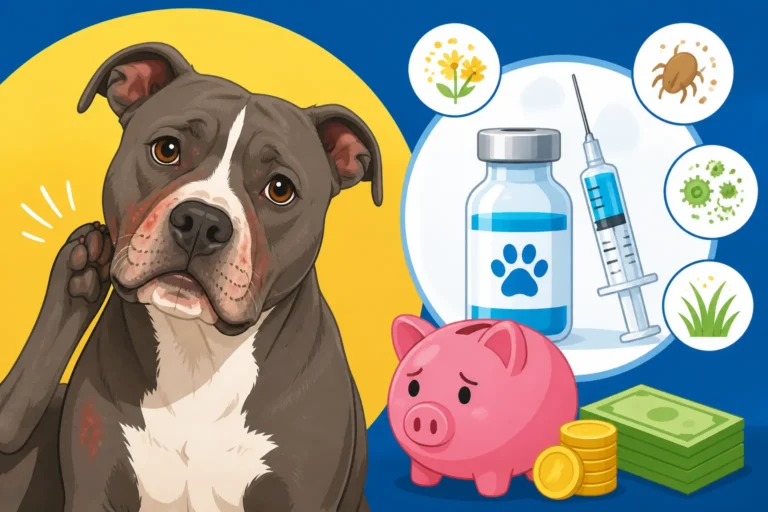
This is a big one for Pit Bulls. Allergic reactions, whether they are environmental (atopy) or food-related, are a prime culprit behind chronic paw problems that can escalate into nail bed infections. When a Pit Bull has allergies, their immune system overreacts to otherwise harmless substances, leading to intense itching. This itching often manifests most severely in the paws, causing them to lick, chew, and gnaw at their toes constantly. This incessant self-trauma breaks down the skin's natural defenses, allowing opportunistic bacteria and yeast to move in and set up shop.
If you’ve ever wondered why your Pit Bull is always nibbling at their feet, it could very well be an allergic response. Food Allergies Behind Pit Bull Itching are a common offender, but environmental allergens like pollen, dust mites, or certain grasses can also be the cause. This chronic inflammation and secondary infection can lead to persistent nail bed issues.
Beyond allergies, some systemic health issues can also increase susceptibility. Hypothyroidism, a common condition where the thyroid gland doesn't produce enough hormones, can lead to poor coat and skin quality, including brittle nails that are more prone to splitting and infection. Autoimmune conditions, though rarer, such as symmetrical lupoid onychodystrophy (SLO), specifically target the nail beds, causing nails to become painful, deformed, and shed. While these are less common than allergies or trauma, they are important for your vet to rule out if your Pit Bull's nail issues are recurrent or severe.
Fungal, Bacterial, and Yeast Invaders
Once the skin barrier is compromised – whether by trauma or chronic licking from allergies – a variety of microscopic invaders are ready to move in.
-
Bacterial Infections: These are incredibly common and often secondary to another issue. Staphylococcus bacteria, normally present on the skin, can overgrow when the immune system is down or the skin is damaged. This leads to classic signs of infection like redness, swelling, pain, and pus. These are usually effectively treated with antibiotics.
-
Yeast Infections: Malassezia pachydermatis is the most common yeast to cause problems, especially in dogs with allergies. Yeast thrives in warm, moist environments and can give off a distinct, cheesy or yeasty odor. You might see a reddish-brown discoloration around the nails, and the skin can become greasy and inflamed. These often go hand-in-hand with bacterial infections, particularly in skin folds or between the toes (think Yeast Infections in Pit Bull Skin Folds).
-
Fungal Infections (Onychomycosis): While less common than bacterial or yeast issues, true fungal infections of the nail plate itself can be very stubborn to treat. Ringworm (dermatophytosis) is a common culprit here. These infections can cause the nail to become brittle, discolored, and deformed. They often require long courses of oral antifungal medications.
It's important to remember that these invaders often don't act alone. A dog with allergies might start with a yeast overgrowth, which then creates an environment for bacteria to flourish, leading to a complex, multi-layered infection that needs a thorough diagnostic approach.
Diagnosis and Effective Treatment Strategies
When your Pit Bull is struggling with a nail bed infection, getting a proper diagnosis and an effective treatment plan is paramount. It’s tempting to try at-home remedies, but these infections are painful and often require veterinary intervention to clear up completely and prevent recurrence.
What to Expect at the Vet
Your vet visit will begin with a thorough physical examination, focusing intensely on the affected paw and nail. Your veterinarian will want to hear a detailed history of the problem: when did you first notice it, how has it progressed, what treatments (if any) have you tried, and has your dog shown any other symptoms? Providing a comprehensive health history, including any known allergies or skin issues, as highlighted in What a Pit Bull Health History Should Cover, will greatly assist your vet in narrowing down the possibilities.
After the visual inspection, your vet will likely recommend several diagnostic tests to identify the specific cause of the infection:
- Cytology: This involves taking a small sample (often by pressing a slide against the affected area or collecting discharge) and examining it under a microscope. This quick test can reveal the presence of bacteria, yeast, inflammatory cells, or even some types of mites, giving immediate clues about the type of infection.
- Nail Scraping/Pluck: For suspected fungal infections or parasitic mites (like Demodex), a scraping of the nail bed or a hair pluck from around the nail can be examined under a microscope.
- Bacterial Culture and Sensitivity: If the infection is severe, recurrent, or not responding to initial antibiotic treatment, your vet might take a sterile swab of any discharge and send it to a lab. This test identifies the exact type of bacteria present and, critically, determines which antibiotics will be most effective against it (sensitivity testing). This ensures targeted and efficient treatment.
- Fungal Culture: For suspected onychomycosis, a sample of the nail or surrounding debris can be cultured to grow and identify specific fungal organisms. This can take several weeks for results.
- Biopsy: In rare cases of very persistent, unusual, or severe nail disease that doesn't respond to conventional treatments, a nail bed biopsy might be recommended. This involves taking a small tissue sample under anesthesia for microscopic examination by a veterinary pathologist to look for autoimmune conditions or other underlying diseases.
It’s important not to skip these diagnostic steps. Simply treating symptoms without knowing the cause can lead to frustrating recurrences and prolonged discomfort for your Pit Bull.
Tailored Treatment Plans
Once a diagnosis is made, your vet will create a treatment plan tailored to your Pit Bull's specific needs.
-
Medications:
- Antibiotics: For bacterial infections, a course of oral antibiotics is typically prescribed. The duration can vary, but it's crucial to complete the entire course, even if your dog seems better, to prevent recurrence and antibiotic resistance. Topical antibiotics may also be used in conjunction with oral medications.
- Antifungals: If a fungal infection is diagnosed, oral antifungal medications are often necessary, as topical antifungals rarely penetrate the nail plate effectively. These treatments can be prolonged, sometimes lasting several months.
- Anti-inflammatories/Pain Relief: To manage the significant pain and inflammation associated with nail bed infections, your vet may prescribe non-steroidal anti-inflammatory drugs (NSAIDs) or other pain relievers.
-
Topical Treatments:
- Medicated Paw Soaks/Baths: Regular paw soaks with antiseptic solutions like chlorhexidine or diluted povidone-iodine can be incredibly helpful in reducing bacterial and yeast loads and promoting healing. Medicated shampoos containing ingredients like miconazole (antifungal) or chlorhexidine can also be used for broader paw cleaning, similar to strategies for Medicated Baths for a Pit Bull With Atopy.
- Topical Ointments/Creams: These can be applied to the affected area, but often require an Elizabethan collar (E-collar) to prevent your Pit Bull from licking them off.
-
Addressing Underlying Causes: The most critical part of long-term success is identifying and managing any underlying conditions. If allergies are the root cause, your vet will discuss strategies like diet trials for food allergies, immunotherapy (allergy shots), or medications like Apoquel or Cytopoint for environmental allergies. Without addressing the underlying allergy, the nail bed infections are likely to keep coming back.
-
Surgical Intervention: In severe cases where the nail is completely damaged, chronically infected, or causing extreme pain, surgical removal of the affected nail (onychectomy) or even permanent removal of the nail bed (phalangeal osteotomy) might be considered as a last resort.
The costs associated with diagnosing and treating chronic or severe nail bed infections can add up quickly. This is where having comprehensive pet insurance, such as through providers like Healthy Paws, can be a huge relief. They can help cover significant portions of diagnostic tests, medications, and even potential surgeries, easing the financial burden and allowing you to focus on your Pit Bull's recovery. Understanding your Pit Bull Pet Insurance and Breed Exclusions is essential before you need it.
Managing Pain and Discomfort at Home
While your vet provides the medical treatment, there's a lot you can do at home to keep your Pit Bull comfortable and aid their recovery:
- Prevent Licking: An E-collar (cone of shame) is often essential to prevent your dog from continuously licking or chewing at the infected nail. Licking not only hinders healing but can reintroduce bacteria and cause further trauma.
- Keep Paws Clean and Dry: Follow your vet's instructions for paw soaks or cleaning. After treatment or going outdoors, ensure the paw is thoroughly dried, especially between the toes, to discourage yeast and bacteria.
- Soft Bedding: Provide comfortable, soft bedding to cushion their paws, especially if they are trying to avoid putting weight on one side.
- Restricted Activity: Limit vigorous exercise and activities that put excessive strain on the paws until the infection has cleared and the pain has subsided. Short, leashed walks are usually fine, but avoid rough terrain.
- Regular Nail Trims: Keep all nails trimmed to a healthy length. Long nails can be more prone to trauma and can push against the nail bed, exacerbating pain.
Prevention and Long-Term Pit Bull Paw Health
Dealing with a nail bed infection is no fun for anyone, least of all your Pit Bull. The good news is that with consistent care and vigilance, you can significantly reduce the risk of these painful issues cropping up. It's all about proactive management and understanding your dog's unique needs.
Routine Paw Care and Inspection
Making regular paw inspections a part of your routine is perhaps the single most important preventive measure. After every walk, especially if you've been on varied terrain or in damp conditions, take a few minutes to check your Pit Bull's paws. Gently spread their toes and look for any redness, swelling, cuts, punctures, or foreign objects like burrs or foxtails. Feel for any tenderness or unusual warmth.
Regular nail trims are also critical. Overly long nails can snag, tear, or grow into the paw pad, creating direct avenues for infection. If your Pit Bull’s nails are tough to trim or they’re sensitive, consider investing in a good grinder or having a professional groomer or vet tech handle it. While you're at it, pay attention to their paw pads. Are they cracked or dry? A little paw balm can help keep them supple and prevent painful splitting.
After walks, particularly if your Pit Bull has allergies and is prone to paw issues, wiping their paws with a damp cloth or a pet-safe wipe can help remove allergens and irritants. This simple act can make a big difference in reducing the load of environmental triggers that can lead to itching and subsequent infection. Addressing any signs of Pit Bull Paw Licking and Chewing promptly, even if it seems minor, is crucial. Early intervention can prevent a small irritation from escalating into a full-blown infection.
Diet and Allergy Management
A well-balanced, high-quality diet forms the foundation of overall health, including skin and paw health. Look for dog foods with quality protein sources and healthy fats, especially omega fatty acids, which are fantastic for skin barrier integrity. If your Pit Bull has known food sensitivities, working with your vet on a limited ingredient diet or a hydrolyzed protein diet might be necessary. Some owners find success with novel proteins, which can be less likely to trigger allergic reactions.
For Pit Bulls suffering from environmental allergies (atopy), consistent allergy management is key. This might involve a multi-pronged approach with your veterinarian, including oral medications (like Apoquel or Cytopoint), medicated shampoos, and potentially immunotherapy (allergy shots) to desensitize your dog to specific allergens. Maintaining a strong skin barrier through proper nutrition and managing allergies reduces the likelihood of that vicious cycle of itching, licking, and secondary infection that often precedes nail bed problems.
Don't forget about parasite prevention! Flea allergy dermatitis can also cause intense itching, leading to paw chewing and secondary infections. Year-round flea and tick prevention is a must, no matter where you live.
When to Seek Veterinary Care Promptly
While prevention is powerful, sometimes issues still arise. The most important thing is not to delay seeking professional veterinary care if you suspect a nail bed infection. These aren't minor ailments that will just "go away" on their own; they are painful, can quickly worsen, and often require prescription medication.
Don't wait for pus or severe lameness to appear. If you notice any consistent paw licking, favoring a paw, redness, swelling, or changes to the nail itself, it’s time to call your vet. Early diagnosis and treatment are always less invasive, less costly, and result in a quicker recovery for your Pit Bull. Regular wellness check-ups are also important, as your vet can catch subtle changes you might miss. While it may seem like a big deal, prioritizing your Pit Bull's health means being proactive, and that includes budgeting for potential vet visits and having a plan in place. This is where the protection offered by a company like Healthy Paws can truly shine, providing peace of mind when unexpected health challenges, such as nail bed infections, arise.
Symptoms and Possible Causes of Pit Bull Nail Bed Issues
| Symptom | Possible Underlying Cause | What to Look For | When to See a Vet |
|---|---|---|---|
| Excessive Licking/Chewing | Allergies (Environmental/Food), Pain, Irritant | Focused attention on one or more paws/nails | If persistent, leads to redness, or open sores |
| Redness/Swelling around Nail | Infection (Bacterial/Yeast), Trauma, Inflammation | Skin around nail appears inflamed, warm to touch | Immediately, if accompanied by pain or discharge |
| Discharge (Pus, Blood) | Bacterial Infection, Deep Trauma | Oozing fluid, foul odor | Immediately; indicates active infection |
| Lameness/Favoring Paw | Pain, Trauma, Infection, Arthritis | Subtle limp, reluctance to bear weight, slow to rise | If persistent for more than 24 hours, or worsening |
| Brittle/Cracked/Deformed Nail | Fungal Infection, Autoimmune Disease, Nutritional | Nail looks unhealthy, splits easily, unusual growth | If widespread, recurrent, or painful |
| Foul Odor from Paw | Yeast Infection, Bacterial Infection | Cheesy or sickly sweet smell | If noticeable, especially with other symptoms |
| Missing Nail | Severe Trauma, Autoimmune Disease, Deep Infection | Bare nail bed, bleeding | Immediately; risk of further infection and pain |
Disclaimer
This article is intended for informational purposes only and is not a substitute for professional veterinary advice, diagnosis, or treatment. Always seek the advice of your veterinarian or other qualified animal health provider with any questions you may have regarding a medical condition. Never disregard professional veterinary advice or delay in seeking it because of something you have read in this article.