Pit Bull Paw Pad Injuries on Hard Ground
It's incredibly frustrating, isn't it, when your active Pit Bull comes limping in, or you notice a raw spot on their paw after what you thought was a perfectly normal walk? Those tough, resilient paw pads seem like they can handle anything, but the reality is, hard ground — whether it's scorching asphalt, icy concrete, or rough gravel — can be surprisingly damaging. This guide is all about helping you understand why your Pit Bull's paws are so vulnerable to these common injuries and, more importantly, how to prevent them and care for them when they happen.
Understanding Your Pit Bull's Paw Pads and Their Vulnerabilities
Our Pit Bulls are robust, athletic dogs, and their paws are their primary interface with the world. You might think they're invincible, but the surfaces we often walk them on in urban and suburban environments are far from natural.
The Anatomy of a Pit Bull Paw
Think about your own bare feet on a hot summer sidewalk or sharp gravel – it's uncomfortable, right? While a Pit Bull's paw pads are certainly thicker and tougher than human skin, they're not impervious. A Pit Bull's paw consists of several important parts: the digital pads (those little ones under each toe), the metacarpal or metatarsal pad (the big one in the middle), and the dewclaw if present, usually higher up on the front leg. These pads are made of thick, fatty, elastic tissue covered by heavily pigmented, tough skin. They act like shock absorbers, protecting bones and joints, and provide traction for running and jumping. They even help with balance and temperature regulation to some extent.
However, despite their toughness, paw pads have limitations. They lack the thick hair covering of the rest of the body, making them directly exposed to whatever surface your dog walks on. The skin, while thick, can still be cut, abraded, or burned. Unlike the calluses we develop gradually, a dog's paw pads can break down quickly under intense or prolonged stress from harsh surfaces, especially if they aren't conditioned for it.
Why Hard Ground Poses a Unique Threat
Hard grounds like concrete, asphalt, and even rocky trails present a multi-faceted threat to your Pit Bull's paws. It’s not just about the sharpness or friction; temperature plays a massive role.
First, consider the sheer abrasiveness. Concrete and asphalt are like giant sandpaper for paw pads. A vigorous walk or run, especially if your Pit Bull is pulling or making sharp turns, can cause friction burns or wear down the protective outer layer, leading to tenderness, redness, or even open sores. Imagine dragging your hand across rough pavement – that's what your dog's pads are enduring.
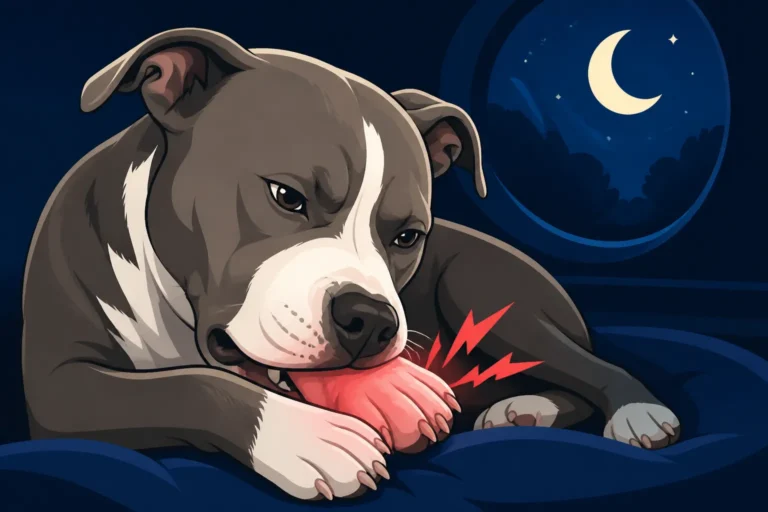
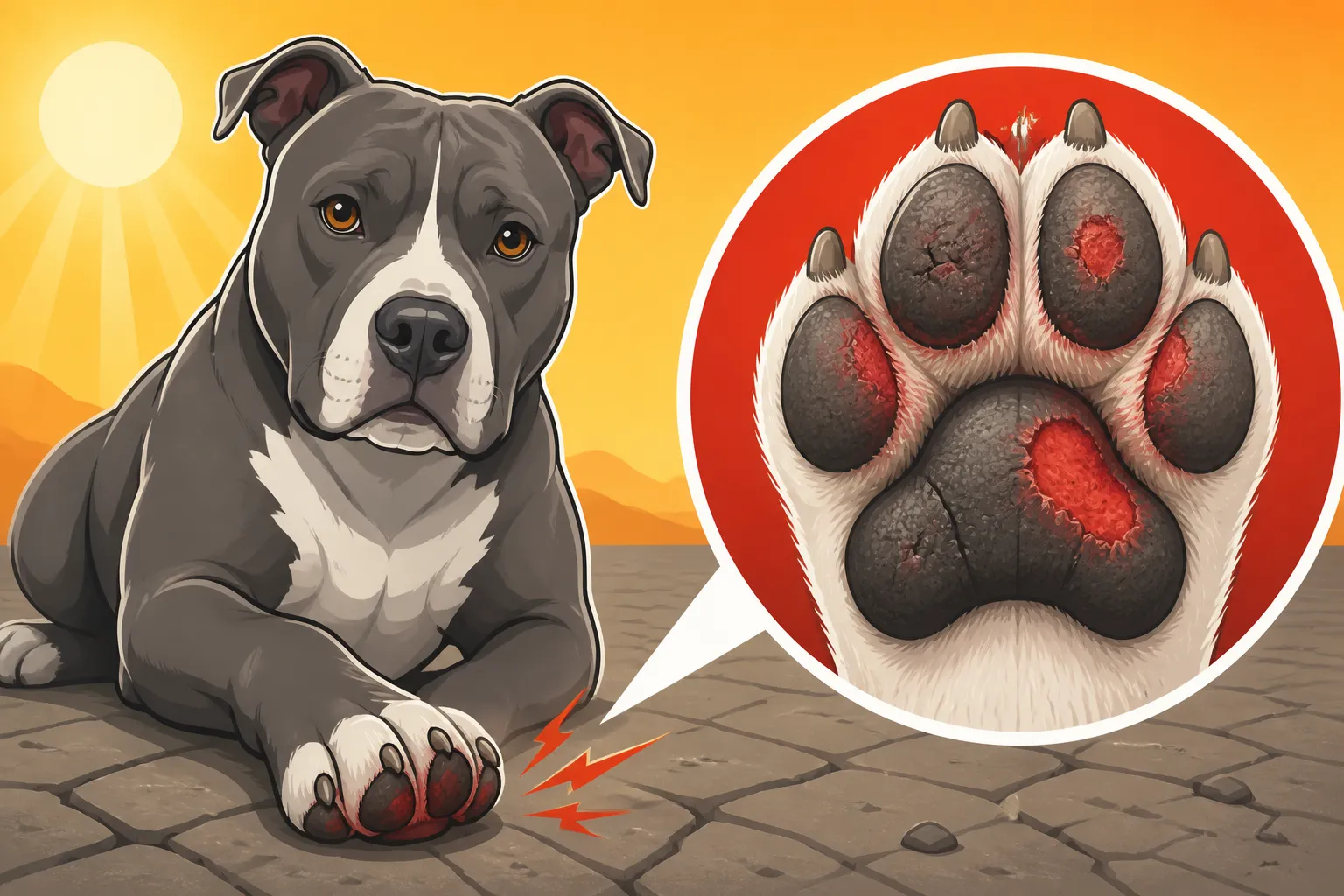
Then there's the temperature. Asphalt, in particular, can reach shockingly high temperatures on a sunny day. On an 85°F (29°C) day, asphalt can hit 140°F (60°C). At 120°F (49°C), skin damage can occur in just 60 seconds, and at 150°F (65°C), it's instantaneous. This isn't just uncomfortable; it causes severe burns and blisters that are incredibly painful and prone to infection. Similarly, in winter, icy sidewalks can be just as problematic. Ice itself can cause frostbite, but often, it's the de-icing salts and chemicals that are the real culprits. These substances are corrosive and can cause chemical burns, drying, and cracking of the paw pads, leading to significant discomfort and potential for further injury. You might notice your Pit Bull licking its paws excessively after a winter walk, which is a sign of irritation. We've got a whole other post dedicated to checking for Hot Pavement Under a Pit Bull Paw that's worth a read.
Recognizing and Preventing Paw Pad Injuries
Being vigilant about your Pit Bull's paw health is crucial, especially if they love their outdoor adventures. Catching an issue early can prevent a minor irritation from becoming a serious problem.
Identifying Common Paw Pad Injuries
It's not always obvious that something's wrong until your Pit Bull starts limping or licking their paws incessantly. Here are some common paw pad injuries and how to spot them:
- Cuts and Abrasions: These are probably the most common. A cut can come from anything sharp on the ground – broken glass, sharp rocks, stray metal. Abrasions are more like scrapes, often from rough surfaces wearing down the skin. You might see blood, a visible gash, or simply a red, raw area. Your dog might be hesitant to put weight on the affected paw.
- Blisters: Just like humans get blisters from ill-fitting shoes or excessive friction, dogs can get them on their paw pads, especially from hot pavement or prolonged running on rough surfaces. They look like raised, fluid-filled sacs. They can burst, leaving a raw, painful spot.
- Punctures: These are often caused by thorns, sharp sticks, or small pieces of metal embedding themselves in the pad. The entry wound might be tiny and hard to spot, but your dog will likely show sudden pain, a limp, or a tendency to lick the paw. Sometimes, a foreign object can be deeply embedded and cause an abscess later.
- Burns: As mentioned, hot surfaces are a huge danger. Burned paw pads will often appear red, blistered, or even blackened in severe cases. The skin might peel off, revealing raw, sensitive tissue underneath. These are extremely painful and require immediate veterinary attention.
If you observe any of these signs, don't just dismiss them. Your dog is trying to tell you something.
Proactive Measures for Paw Pad Protection
Prevention truly is the best medicine when it comes to paw pad injuries. There's a lot you can do to keep those paws tough and healthy.
One of the simplest yet most effective measures is surface awareness. Always check the ground temperature with your hand before walking your Pit Bull. If it's too hot for your bare hand for five to seven seconds, it's too hot for their paws. Stick to grassy areas, shaded paths, or walk during cooler times of the day (early morning or late evening) during summer months. In winter, be mindful of salted sidewalks; try to walk on untouched snow or grass where possible. For those dealing with issues like Pit Bull Skin Allergies and the Atopy Pattern, keeping paws clean and protected is even more critical, as compromised skin is more prone to secondary issues.
Paw balms and waxes are fantastic for conditioning and protecting paw pads. Products like Musher's Secret or natural balms containing beeswax, shea butter, or vitamin E can create a protective barrier against harsh elements and prevent dryness and cracking. Apply them regularly, especially before walks in challenging conditions, and at night to moisturize. This is a great way to prevent Pit Bull Paw Pad Cracks and Balm can work wonders.
Dog boots or paw protectors might seem a bit silly at first, but they are incredibly effective, especially for prolonged exposure to extreme temperatures or rough terrain. Get your Pit Bull used to them gradually by introducing them for short periods indoors with lots of positive reinforcement and treats. Brands like Ruffwear, Muttluks, or Neo-Paws offer durable options that can withstand a Pit Bull's active lifestyle. They are especially useful if your Pit Bull participates in activities that involve covering a lot of The Daily Exercise a Pit Bull Actually Needs on varied surfaces.
Finally, regular paw checks should be part of your routine. After every walk, especially in areas with potential hazards, lift each paw and carefully inspect the pads and between the toes. Look for foreign objects, cuts, redness, swelling, or excessive dryness. This allows you to catch minor issues before they escalate. While not strictly about paw pads, ensuring your Pit Bull has year-round parasite coverage for issues like Heartworm Cover Through a Pit Bull's Life is also a part of overall health, preventing distractions that might lead to paw injuries. Having pet insurance from providers like Healthy Paws can offer peace of mind, covering unexpected vet bills should an injury occur, and it's always smart to enroll before any potential issues arise.
First Aid and Long-Term Care for Injured Paw Pads
Even with the best preventative measures, accidents can happen. Knowing how to react quickly and provide appropriate care can significantly impact your Pit Bull's recovery.
Immediate Steps for Minor Injuries
For minor cuts, scrapes, or small punctures that aren't bleeding profusely, you can often handle the initial first aid at home.
- Clean the area: Gently rinse the paw with clean, lukewarm water. If there's any debris or dirt, try to remove it carefully with tweezers. A saline solution can also be very effective for cleaning wounds.
- Assess the injury: Determine the depth and severity. Is there any foreign material embedded that you can't easily remove? Is it bleeding heavily?
- Apply antiseptic: Use a pet-safe antiseptic solution like diluted povidone-iodine (Betadine) or chlorhexidine. Avoid hydrogen peroxide, which can damage healthy tissue and delay healing.
- Control bleeding (if any): For small cuts, direct pressure with a clean cloth or gauze for a few minutes usually does the trick.
- Bandage the paw: A light, protective bandage can help keep the wound clean and protected. Use sterile gauze pads and self-adhering veterinary wrap (like Vetrap). Make sure the bandage isn't too tight (you should be able to slip two fingers underneath) and change it daily to keep the wound clean and dry. Avoid cotton balls directly on the wound as fibers can stick.
Remember, even minor paw injuries can be incredibly painful, so approach your Pit Bull calmly and gently. If your dog shows signs of aggression or severe pain, it’s best to proceed with caution and consider immediate vet care. Sometimes, discomfort can even manifest as behavioral changes, such as A Pit Bull Snapping During a Skin Flare or when in pain.
When to Seek Veterinary Attention
There are definite situations where a home remedy just won't cut it, and you need professional help. Knowing these red flags can prevent complications and ensure your Pit Bull gets the best care.
You should always seek veterinary attention if you observe:
- Deep or wide cuts: Wounds that expose muscle or tendon, or are gaping, often require sutures to heal properly.
- Heavy or uncontrolled bleeding: If the bleeding doesn't stop after applying pressure for 5-10 minutes, it's an emergency.
- Limping that doesn't improve: If your Pit Bull is severely lame, completely unwilling to put weight on the paw, or the limp persists for more than 24 hours, something more serious might be at play, like a fracture or a deeply embedded object.
- Signs of infection: Redness, swelling, warmth to the touch, pus, or a foul odor around the wound are all indicators of infection and require antibiotics.
- Burns or chemical exposure: These types of injuries can be deceptively severe and cause widespread tissue damage.
- Suspected foreign object: If you think there's something stuck deep in the paw pad that you can't see or safely remove, your vet will need to sedate your dog to extract it.
Your veterinarian might need to clean the wound thoroughly, prescribe antibiotics, pain medication, or even perform a minor surgical procedure. They can also advise on appropriate bandaging techniques and aftercare. Having a reliable pet insurance policy, like one from Healthy Paws, can be a lifesaver in these situations, helping to cover unexpected costs associated with diagnostics, medications, and surgical procedures for injuries. It truly helps to ease the financial burden when your beloved Pit Bull needs urgent care. Keep an eye out for general Emergency Signs That Cannot Wait in a Pit Bull to ensure you act quickly.
Rehabilitation and Preventing Recurrence
Once the initial injury is addressed, the focus shifts to healing and ensuring your Pit Bull's paws regain their strength and resilience. This isn't just about patching them up; it's about making them stronger for the future.
Supporting Healing and Recovery
The recovery period after a paw pad injury can vary widely depending on the severity. Simple abrasions might heal in a week, while deep cuts or severe burns could take several weeks or even months. During this time, rest is paramount. It's tough to keep an active Pit Bull calm, but limiting walks to short, leashed potty breaks and discouraging vigorous play or running is essential to allow the pads to heal without re-injury. You might need to adjust their The Daily Exercise a Pit Bull Actually Needs significantly.
Continue to keep the wound clean and dry, changing bandages as instructed by your vet. Depending on the injury, your vet might recommend specific ointments or soaks to aid healing. An Elizabethan collar (the "cone of shame") might be necessary to prevent your Pit Bull from licking or chewing at the wound or bandage, which can introduce bacteria and delay healing. Licking is a natural dog behavior, but it can be detrimental to wound recovery.
Nutrition also plays a role in healing. Ensure your Pit Bull is on a high-quality, balanced diet to support cell regeneration and immune function. If your Pit Bull is on any supplements for other conditions, such as Joint Support for a Heavily Muscled Pit Bull, discuss with your vet if these need to be adjusted during recovery. Keeping your Pit Bull at a healthy weight also minimizes stress on all their paws and joints, preventing issues like Pit Bull Obesity and Joint Strain which can inadvertently make them more susceptible to paw injuries.
Building Resilient Paws Over Time
Once the initial injury has healed, the goal is to gradually reintroduce activity and build up the paw pad's toughness to prevent future issues. Don't rush this process; slow and steady wins the race.
Start with short, gentle walks on soft, forgiving surfaces like grass. Gradually increase the duration and intensity of walks, and slowly introduce more varied terrain, always checking for signs of discomfort or recurrence of the injury. This progressive conditioning helps the paw pads thicken and harden naturally.
Continue with your routine of inspecting paws after walks and regularly applying paw balm. This consistent care keeps the pads supple and less prone to cracking. Consider investing in a good pair of all-season dog boots for those times you know you'll be on particularly challenging surfaces, like long hikes on rocky trails or walks on hot city streets.
Remember, your Pit Bull's paws are their foundation for a happy, active life. Proactive care, quick response to injuries, and a gradual return to activity are key to keeping them healthy and ready for all your adventures together. It's a continuous journey of care, much like managing Pit Bull Dental Disease and Hard Chewing – constant vigilance and good habits make all the difference.
| Type of Paw Pad Injury | Common Symptoms | Immediate First Aid | When to See a Vet |
|---|---|---|---|
| Cuts/Abrasions | Limping, visible wound, bleeding, licking, tenderness. | Clean with water/saline, apply pet-safe antiseptic, light bandage. | Deep cuts, heavy bleeding, foreign objects, signs of infection, persistent limp. |
| Blisters | Raised, fluid-filled sacs, redness, pain, licking. | Keep clean, avoid bursting (if intact), light bandage. | If burst, signs of infection, severe pain, large blisters. |
| Punctures | Sudden pain, limping, small entry wound, swelling, licking. | Clean, gentle pressure if bleeding, try to remove superficial debris. | If object embedded, deep wound, severe pain, swelling, signs of infection. |
| Burns | Redness, blisters, blackening, peeling skin, severe pain, limping. | Cool with water, clean gently (no scrubbing), loose protective covering. | ALWAYS see a vet immediately for any suspected burn injury. |
| Cracked Pads | Dry, hard, visibly cracked pads, sometimes bleeding, licking. | Apply paw balm/wax regularly, keep clean. | Deep cracks, bleeding, signs of infection, severe pain. |
Disclaimer
The information provided in this guide is for general educational purposes only and should not be considered a substitute for professional veterinary advice. Always consult with a qualified veterinarian for any health concerns or before making any decisions related to your Pit Bull's health and treatment.