Treat Costs Through Pit Bull Training
It can feel like you're constantly refilling the treat jar when you're working with your intelligent and energetic Pit Bull, especially during training. Between teaching basic manners and tackling more advanced behaviors or managing their strong instincts, the cost of those little motivators can really add up, leaving many owners wondering how much they should actually budget. This guide will help you understand the role of treats in effective Pit Bull training and explore ways to manage those expenses without compromising your dog's progress.
Why Training Treats Are More Than Just a Snack for Your Pit Bull
For a Pit Bull, treats aren't just empty calories; they're powerful communication tools. Their intelligence, combined with a strong desire to please (when properly motivated), means that high-value rewards can accelerate learning and solidify good habits faster than almost anything else.
The High Motivation Factor
Pit Bulls are often highly food-motivated, which is a fantastic trait for training, but it also means they know the difference between a boring kibble and a truly delicious, high-value treat. When you're asking your Pit Bull to focus in a distracting environment – say, a busy park while teaching a rock-solid recall, or navigating a new dog-friendly establishment – that reward needs to be compelling. A bland biscuit might work at home for a 'sit,' but a tiny piece of cooked chicken or a soft, chewy treat will cut through the noise when the stakes are higher. This drive makes training incredibly effective but can also mean you're reaching for the pricier, more appealing options more often.
Building Positive Associations
Training, especially for a breed that often faces unfair stereotypes, is all about building positive associations. Treats are fundamental to positive reinforcement, helping your Pit Bull associate commands, new experiences, and even meeting new people or dogs with something good. If your Pit Bull is learning to greet guests calmly without jumping, a stream of small, tasty treats for keeping all four paws on the floor makes that desired behavior far more appealing than the thrill of jumping. This constant positive feedback loop is essential, particularly when you're working on complex behaviors or trying to overcome past negative experiences. Many successful owners emphasize the importance of Positive Reinforcement Training With a Pit Bull to counter any societal biases or past trauma.
The Sheer Volume of Training
Let's be real: Pit Bulls, with their strength and drive, often require a higher standard of training than some other breeds. This isn't because they're inherently "bad"; it's because their power means mistakes can have bigger consequences, and their enthusiasm needs careful channeling. From puppyhood, when you're house-training and teaching basic obedience, through adolescence where they test boundaries, and into adulthood for maintenance and advanced skills, the training never truly stops. This means a steady, consistent supply of treats is necessary for years. Whether you're working on Pit Bull Leash Manners and Physical Strength or trying to perfect a solid "leave it" around tempting distractions, treats will be a constant companion in your training toolkit.
Understanding the Different Types of Training Treats
Not all treats are created equal, and understanding the different categories can help you make more informed decisions, both for your training goals and your budget.
Everyday Rewards
These are your go-to, bulk-friendly treats for reinforcing known behaviors in low-distraction environments. Think small, crunchy biscuits, or even pieces of your Pit Bull's regular kibble if they find it motivating enough. The goal here is quantity and repetition. You'll use these for countless repetitions of "sit," "stay," "down," or rewarding calm behavior around the house. They need to be small enough that your Pit Bull can gobble them up quickly without getting full, allowing you to give many rewards in a short session. Retailers like Chewy offer a wide array of these more economical options, often in larger bags or boxes.
High-Value Incentives
When you need your Pit Bull to perform a difficult task, ignore a major distraction, or learn something entirely new, you pull out the big guns: high-value treats. These are typically softer, smellier, and utterly irresistible. Cooked chicken, cheese, hot dogs, freeze-dried liver, or specialized soft training treats fall into this category. They're more expensive per piece, but you use them sparingly for maximum impact. Imagine trying to get your Pit Bull to stay put while another dog walks by—a tiny, smelly piece of hot dog might just do the trick where a dry biscuit would fail. These are also crucial for intensive training periods, such as when you're working on Pit Bull Bite Inhibition and Mouthing with a puppy, where quick, positive reinforcement is key.
Dietary Considerations and Allergies
This is where treat costs can really start to climb. Many Pit Bulls are prone to various sensitivities, including Pit Bull Skin Allergies and the Atopy Pattern or even food allergies. If your Pit Bull has a sensitive stomach or diagnosed allergies, your treat options become much more limited and specialized. You might need novel protein treats, single-ingredient options, or even prescription-friendly brands. Companies like Ollie, known for their fresh, limited-ingredient diets, sometimes offer treats that align with these needs, although they often come at a premium price point.
If your Pit Bull develops allergies, you’ll quickly realize that Pit Bull Allergy Treatment as a Recurring Bill can add up significantly. Choosing the right treats to avoid aggravating these conditions is not just about cost but also about your dog's comfort and health. It’s worth checking ingredient lists carefully and, if your dog is prone to itchy skin, discussing treat choices with your vet to ensure they don't contribute to issues like Pit Bull Paw Licking and Chewing. This can also affect whether potential future vet bills are covered by pet insurance, with companies like Healthy Paws emphasizing the importance of managing pre-existing conditions.
Budgeting for Training Treats Over Your Pit Bull's Lifespan
The amount you spend on treats isn't static; it changes as your Pit Bull grows and learns. Understanding these phases can help you anticipate costs.
Puppy Training Phase
The early months with a Pit Bull puppy are a whirlwind of learning, and treats are your best friend. From house-training to teaching basic commands, polite leash walking, and proper socialization, you'll be doling out treats constantly. This period, roughly from 8 weeks to about 6-9 months, involves frequent, short training sessions, meaning a high volume of small treats. You're building foundational behaviors and positive habits, and every success, big or small, deserves a reward. Consider this an investment; the more solid their foundation, the less remedial training (and associated treat costs) you'll likely need down the line. It's also the crucial time for Socializing a Pit Bull Puppy Thoroughly where treats help create positive associations with new sights, sounds, and people.
Adolescent and Adult Reinforcement
As your Pit Bull enters adolescence (roughly 6 months to 2 years), they might test boundaries, and their physical strength increases significantly. This phase requires continued, consistent training to reinforce good habits and address any new behavioral challenges. Treats are still vital, especially for advanced obedience, working through distractions, or maintaining behaviors like loose-leash walking. You might shift from constant treats for every known command to more intermittent reinforcement, but you'll still need those high-value options for tougher situations. For example, if you're attending advanced obedience classes or working towards Canine Good Citizen and Why It Matters for a Pit Bull, treats remain an essential motivational tool.
Senior Pit Bull Mental Enrichment
Even in their golden years, treats play a role in your Pit Bull's well-being. Older Pit Bulls might slow down physically, but their minds still need stimulation. Puzzle toys stuffed with treats, scent work games, or gentle training sessions using high-value rewards can help keep them mentally sharp. Treats can also be valuable for administering medication if your senior Pit Bull develops health issues, or simply as a comforting indulgence. Adjusting their diet and treat types might be necessary as their metabolism slows or dental issues arise, a common concern as Pit Bulls age. Caring for a Pit Bull in Its Second Decade often involves adapting their diet and enrichment to their changing needs.
Smart Strategies to Manage Your Pit Bull's Treat Budget
While treats are a necessary expense, there are plenty of ways to be smart about how you buy and use them to keep costs manageable without cutting corners on your Pit Bull's training.
DIY and Portion Control
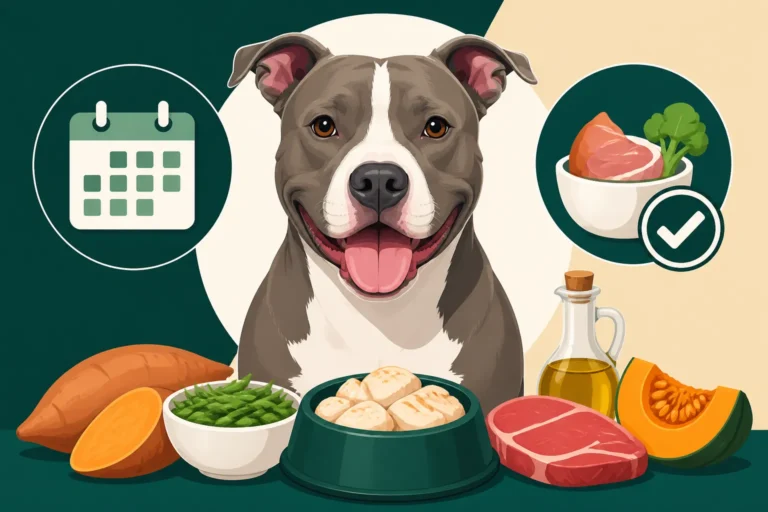
One of the easiest ways to control treat costs is to make your own. Simple baked sweet potato slices, boiled chicken breast cut into tiny cubes, or even frozen peas can be highly motivating and much cheaper than store-bought options. This also gives you complete control over ingredients, which is a huge plus if your Pit Bull has allergies or sensitivities. For store-bought treats, don't be afraid to break larger ones into smaller pieces. Even a small training treat can often be quartered, especially for quick rewards. A bag of treats meant for "large dogs" can suddenly last four times as long if you're smart about portioning.
Bulk Buying and Subscription Services
If your Pit Bull doesn't have specific allergies or dietary restrictions that limit your treat choices, buying in bulk can lead to significant savings. Look for larger bags of everyday training treats, especially during sales. Many online retailers like Chewy offer discounts for repeat deliveries or bulk purchases, which can be a game-changer for long-term expenses. Similarly, some pet food companies offer subscription services that include treats, often at a reduced rate. Just be sure to check the expiration dates and store them properly to maintain freshness, especially for softer, higher-moisture options.
Balancing Treats with Praise and Play
While food is a powerful motivator, it shouldn't be the only reward in your Pit Bull's life. Especially for a breed that thrives on interaction and physical activity, praise, petting, and short bursts of play (like a quick game of tug with a favorite toy) can be incredibly rewarding. Once your Pit Bull understands a command, start varying your rewards. Sometimes it's a treat, sometimes it's enthusiastic praise, sometimes it's a quick toss of a ball. This makes the treats even more impactful when they do appear and helps your Pit Bull learn to work for different kinds of reinforcement. This balance is key to ensuring that Keeping Pit Bull Training Sessions Productive doesn't always rely solely on food.
Here's a quick look at how different treat types might factor into your budget:
| Treat Type | Primary Use Case | Typical Cost Implications | Brands to Consider for Variety/Quality |
|---|---|---|---|
| Everyday Training Treats | Basic obedience, frequent repetitions, low-distraction | Lower cost per treat, often available in bulk. | Chewy's own brands, various mainstream brands |
| High-Value Treats | New behaviors, high-distraction environments, proofing | Higher cost per treat, used sparingly. | Freeze-dried meats, specialty soft treats |
| Diet-Specific Treats | Allergies, sensitive stomachs, prescription diets | Highest cost per treat, limited availability, specialized ingredients. | Ollie, limited ingredient brands, vet-prescribed |
| DIY Treats | Budget-friendly, ingredient control, freshness | Very low cost (ingredient cost only), requires preparation time. | Homemade chicken, sweet potato, green beans |
Ultimately, the treats you choose for your Pit Bull are an investment in their training, behavior, and overall well-being. By understanding their needs, making smart purchasing decisions, and varying your rewards, you can ensure that treat costs remain manageable while helping your powerful companion be the best dog they can be.
Disclaimer
This article is for general informational purposes only and does not constitute professional advice. Laws, prices and regulations vary by location and change over time. Consult a qualified professional for guidance on your specific situation.