The Weeks That Shape a Pit Bull Puppy
Bringing home a Pit Bull puppy is an incredibly exciting time, but many new owners quickly realize that the first few weeks and months are far more crucial than they might have initially imagined. Without a clear understanding of the sensitive developmental periods your puppy will go through, it's easy to miss opportunities that lay the groundwork for a well-adjusted, confident adult dog, leading to behavioral challenges down the line. This guide will walk you through the key stages of a Pit Bull puppy's development, explaining what to expect, what to focus on, and how to proactively shape a happy, healthy companion for life.
The Critical Early Weeks: Foundation for Life (0-8 Weeks)
The period from birth to eight weeks old is a whirlwind of rapid development, much of which happens before your puppy even comes home. Understanding what has occurred during these initial weeks helps you appreciate the foundations that have already been laid and what your puppy needs next.
Neonatal Period: Senses and Early Bonding (0-3 Weeks)
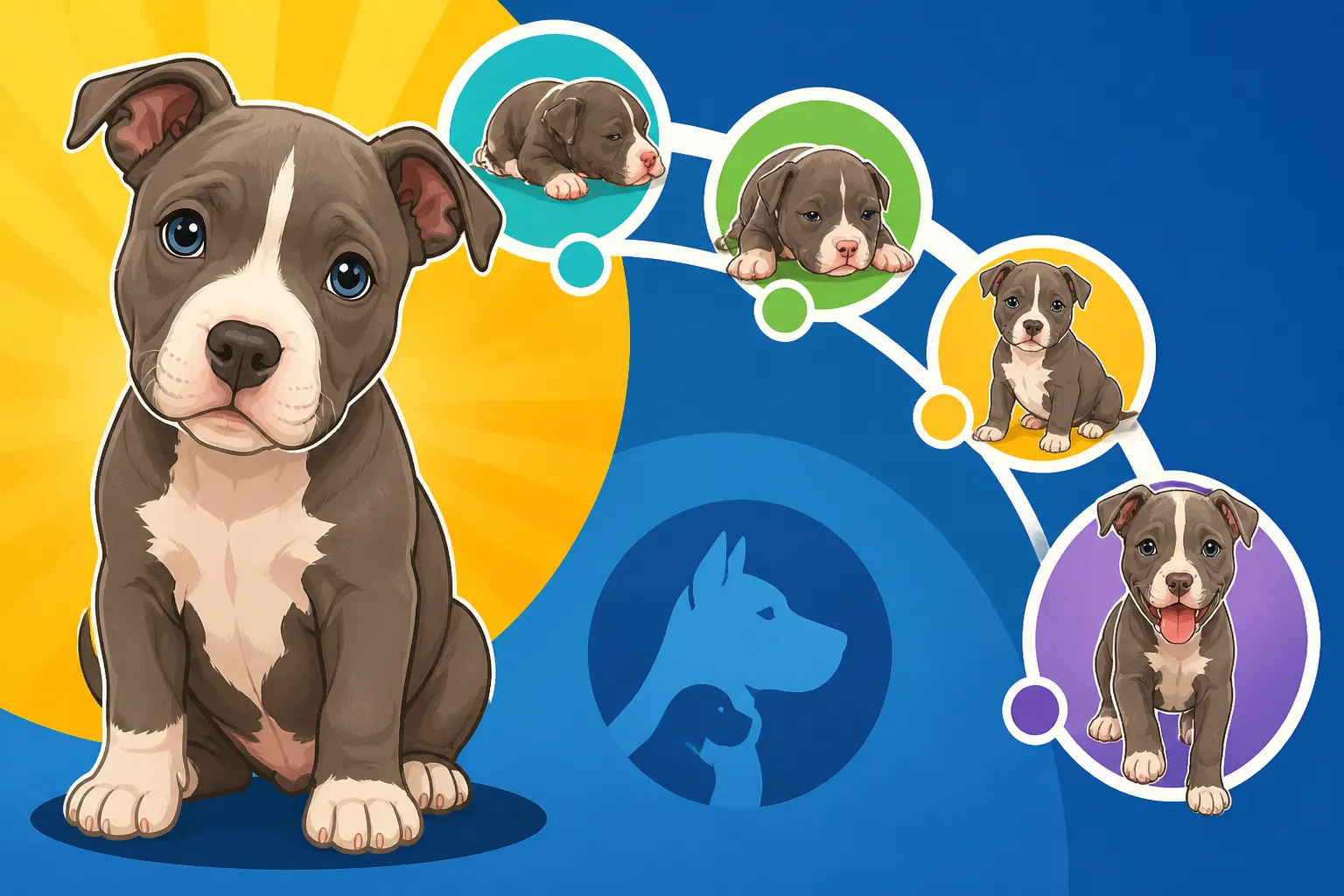
When Pit Bull puppies are born, they are incredibly helpless, relying entirely on their mother for warmth, nourishment, and stimulation. Their eyes and ears are sealed, meaning their world is experienced primarily through touch and scent. During these first few weeks, the focus is on growth and survival. The mother dog teaches them basic canine communication cues, like how to nurse, how to interact with their littermates, and the first lessons in bite inhibition. This isn't just about physical growth; it's about establishing fundamental trust and security.
A responsible breeder or caretaker will ensure the puppies are handled gently from birth, exposing them to human touch in a positive way. This early, gentle handling helps puppies acclimate to human interaction, fostering a sense of safety and acceptance. While these interactions are brief, they are vital for beginning the process of building a bond with humans. Skipping this early handling can lead to puppies who are more timid or fearful of people later on, regardless of how much effort is put in once they leave the nest.
Transitional Phase: First Steps and Sounds (3-5 Weeks)
Around three to five weeks, a Pit Bull puppy’s world starts to open up dramatically. Their eyes and ears begin to open, albeit gradually, allowing them to perceive their surroundings in a whole new way. They take their first wobbly steps, exploring beyond the immediate warmth of their mother and littermates. This is a period of immense sensory input. Puppies start reacting to sounds, recognizing voices, and seeing shapes and movements. It’s also when they begin to experiment with vocalizations beyond just comfort noises.
During this transitional phase, puppies start to develop more coordinated movements and play behaviors. They might start to engage in playful nips and wrestling with their siblings, which is crucial for learning social etiquette and Pit Bull Puppy Biting and Bite Inhibition. They also begin to explore solid food, gradually weaning from their mother's milk. Exposure to different textures and gentle sounds within their safe environment is beneficial, building their resilience and curiosity. This is also when the puppies begin to learn the essential communication skills of being a dog, reading body language from their mother and siblings.
Primary Socialization: Littermates and Mom (5-8 Weeks)
By five to eight weeks, Pit Bull puppies are little sponges, soaking up information about the world. This is the prime period for "primary socialization" within their litter. They learn crucial social skills from their mother and siblings, such as appropriate play, how to resolve conflicts, and the limits of their bites. A puppy who leaves its litter too early, especially before eight weeks, often misses out on these critical lessons, which can manifest as difficulty understanding canine social cues or a harder bite later in life.
Exposure to novel but non-threatening stimuli is also important now. This could include different surfaces, gentle household noises, and short, positive interactions with a variety of calm people. This sets the stage for future positive experiences, reducing the likelihood of developing fears of everyday objects or situations. A good breeder will provide a stimulating environment with various toys, textures, and sounds to encourage exploration and build confidence before the puppy transitions to its forever home.
Entering the World: Socialization (8-16 Weeks)
Once your Pit Bull puppy comes home, typically around 8 weeks, a new phase of intensive socialization begins. This period is often referred to as the "fear imprint period" or the "critical socialization window" because experiences, both positive and negative, can have a profound and lasting impact.
The Fear Imprint Period and Safe Exposure
Between approximately 8 to 11 weeks, puppies can go through what's known as a "fear imprint period." During this time, a single traumatic or negative experience can have a lasting detrimental effect on their confidence and future behavior. It's not that you should bubble-wrap your puppy, but rather ensure all new experiences are overwhelmingly positive and managed carefully. For example, if your puppy is startled by a loud noise, you shouldn't coddle them but rather act cheerful, rewarding them for any investigation or calm behavior. This teaches them that new things aren't necessarily scary.
This is a time for introducing new sights, sounds, smells, and sensations in a calm, controlled manner. Think about what your Pit Bull will encounter daily as an adult: cars, bicycles, children, other dogs, stairs, vacuum cleaners, different types of flooring. Expose them to these things now, always keeping the experience positive with treats and praise. Imagine a friendly delivery driver gently giving a treat, or a quiet walk past a construction site where you play a game of "find it" with kibble. These small, positive exposures build resilience.
Expanding Horizons: New People, Places, and Dogs
After your puppy has had their initial vaccinations and your vet gives the all-clear for safe outdoor exposure, it's time to expand their world carefully. The goal is positive exposure to a wide variety of people, including different ages, genders, and appearances, and well-vetted, healthy, vaccinated dogs. This is where Socializing a Pit Bull Puppy Thoroughly becomes paramount. Think about inviting friends over (who understand how to interact gently with a puppy), taking short, positive trips to pet-friendly stores (carrying your puppy if they haven't completed all vaccinations for ground contact), or sitting on a park bench observing the world from a safe distance.
When introducing your Pit Bull puppy to other dogs, ensure they are calm, friendly, and have good social skills themselves. A bad experience with an aggressive or overly rambunctious dog at this stage can leave a lasting fear. Puppy classes are an excellent, structured way to facilitate these safe interactions, as trainers usually screen participants and supervise play. Remember, the quality of these interactions is far more important than the quantity.
Puppy Classes and Structured Learning
Enrolling your Pit Bull puppy in a well-regarded puppy class isn't just about teaching commands; it's a vital part of their socialization and an opportunity for you to learn how to communicate effectively with your dog. These classes provide a controlled environment for puppies to interact, building confidence and learning appropriate play behaviors. It’s also where you'll start working on foundational skills like sit, stay, and coming when called, all while learning how to use positive reinforcement effectively. The structured environment of a puppy class can be invaluable for you and your growing pup.
Beyond the formal lessons, puppy classes often expose your Pit Bull to different sounds, obstacles, and the handling of various people, all under expert guidance. This early, positive exposure helps shape a resilient dog. Many trainers recommend continuing with basic obedience classes after puppy kindergarten to reinforce good habits and introduce more advanced concepts. This continuous learning helps your Pit Bull puppy integrate well into your family and community. A platform like BAXTER & Bella offers online resources and live coaching that can complement in-person classes, especially for busy families or those in areas with limited local options.
Navigating Adolescence: The "Teenage" Pit Bull (4-18 Months)
Just when you think your Pit Bull puppy has got it all figured out, they hit adolescence. This phase, often lasting from around 4 months up to 18 months or even two years, can be a challenging but equally rewarding time. It’s akin to human teenage years, full of growth spurts, testing boundaries, and sometimes, a bit of selective hearing!
The Surge of Independence and Testing Boundaries
During adolescence, your Pit Bull might suddenly seem to "forget" all the training they've diligently learned. Their recall might vanish, they might become more easily distracted by their environment, and they'll start pushing the boundaries of what they can get away with. This isn't out of spite; it's a natural developmental stage where they're gaining independence and figuring out their place in the world. They might also start exploring more with their mouths, leading to a need for durable Chew Toys That Hold Up to a Pit Bull. This is precisely why continued, consistent training is so vital.
This is the time to double down on training, perhaps even enrolling in advanced obedience classes. Consistency from all family members is key. If one person lets them get away with jumping on the couch, while another enforces the "no couch" rule, your Pit Bull will become confused and more likely to test. Think of it as reinforcing the good habits you’ve already established, and proving to your dog that the rules still apply, even when they’d rather be exploring. You'll likely see a return of that selective hearing, but patience and high-value rewards will help you navigate this stage. This is a common theme explored in The Pit Bull Teenage Months.
Physical Maturity and Energy Levels
As your Pit Bull enters adolescence, they’re not just growing mentally; they're undergoing significant physical changes. They’re reaching their full size, muscle mass is developing, and their energy levels can seem boundless. This surge of physical energy needs an appropriate outlet, or it can lead to destructive behaviors. A physically fit Pit Bull is often a mentally balanced Pit Bull. However, it's also important to remember that their joints are still developing, and over-exercising a young, growing dog can cause long-term issues.
Structured exercise, like long walks, runs (once joints are mature), and engaging play sessions, are crucial. Incorporating mental stimulation through puzzle toys, training games, and scent work is equally important, as a tired mind is just as valuable as a tired body. Remember that vigorous exercise like hard jumping or long runs should be introduced gradually and generally avoided until your Pit Bull is closer to skeletal maturity, usually around 12-18 months, as detailed in Why a Pit Bull Puppy Should Not Jump Hard.
Revisiting Socialization and Impulse Control
The socialization work you did during puppyhood isn't a one-and-done deal. Adolescent Pit Bulls need continued positive exposure to the world to reinforce their good manners and confidence. They might encounter new situations that challenge them, or their dog-to-dog interactions might change as they mature. Some Pit Bulls may develop what's often called "dog selectivity" during this phase, meaning they're not thrilled about every dog they meet, which is a normal aspect of maturation for many breeds, including Pit Bulls.
Focusing on impulse control exercises – like waiting for food, waiting at the door, or leaving a tempting toy until released – is incredibly beneficial. These exercises teach self-control, which is a cornerstone of a well-behaved adult dog. Continued controlled socialization, ensuring positive experiences, helps your Pit Bull navigate this phase gracefully and become a confident, well-mannered adult. Regular short training sessions, even just 5-10 minutes a few times a day, can make a huge difference in reinforcing these behaviors.
Building Foundational Skills and Trust
Beyond specific developmental windows, certain foundational skills are essential for every Pit Bull puppy, building the trust and communication necessary for a lifelong bond.
Positive Reinforcement and Consistency
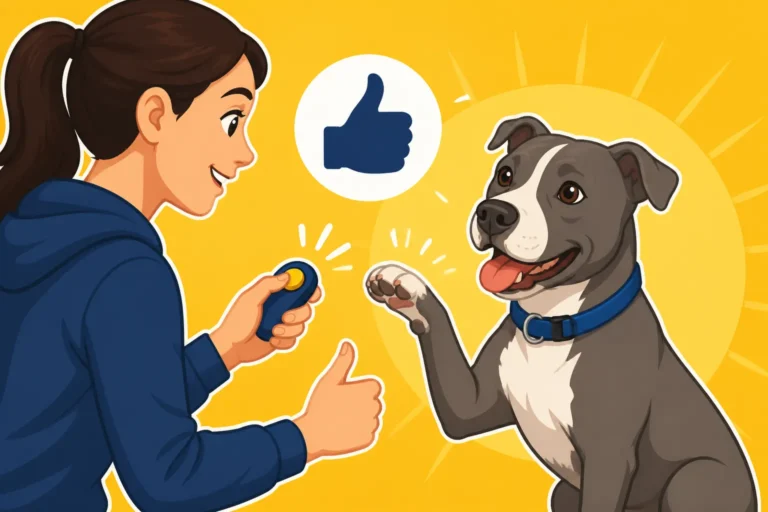
The absolute cornerstone of training a Pit Bull, or any dog, is positive reinforcement. This means rewarding desired behaviors with treats, praise, or toys, making your puppy more likely to repeat those actions. This method builds a strong, trusting relationship, as your Pit Bull learns that good things happen when they listen and obey. It’s far more effective and humane than punishment-based methods, which can create fear and anxiety, especially in a sensitive breed like the Pit Bull. For a deep dive into this approach, consider Positive Reinforcement Training With a Pit Bull.
Consistency is equally vital. Every member of the household needs to be on the same page regarding rules, commands, and rewards. If "sit" means one thing to you and another to your partner, your puppy will get confused. Short, frequent training sessions (5-10 minutes, several times a day) are far more effective than one long, tedious session. Always end on a positive note, even if it means asking for an easy command your puppy knows well. This keeps training fun and engaging for your Pit Bull.
Crate Training and Housebreaking
Crate training is one of the most valuable tools for Pit Bull puppy owners. A crate provides a safe, den-like space for your puppy, aids in housebreaking, and can prevent destructive chewing when you can't supervise directly. Introduce the crate positively, making it a comfortable, inviting space with soft bedding and toys. Never use the crate as punishment; it should always be a happy place. The goal is for your Pit Bull to view their crate as their personal sanctuary. If you're dealing with a clever pup who tries to break out, then Crate Training a Pit Bull That Breaks Out might offer some more specific strategies.
Housebreaking goes hand-in-hand with crate training. Pit Bulls are generally clean dogs and, once they learn, prefer not to soil their sleeping area. Establish a consistent potty schedule, taking your puppy out frequently (every 1-2 hours for young pups, after waking up, after eating, and before bed). Reward immediately and enthusiastically every time they go outside. Accidents will happen, especially in the beginning, but never punish your puppy for them. Simply clean it up thoroughly and reinforce the positive habit of going outside. More tips can be found in Getting a Pit Bull Puppy Clean in the House.
Leash Manners and Basic Obedience
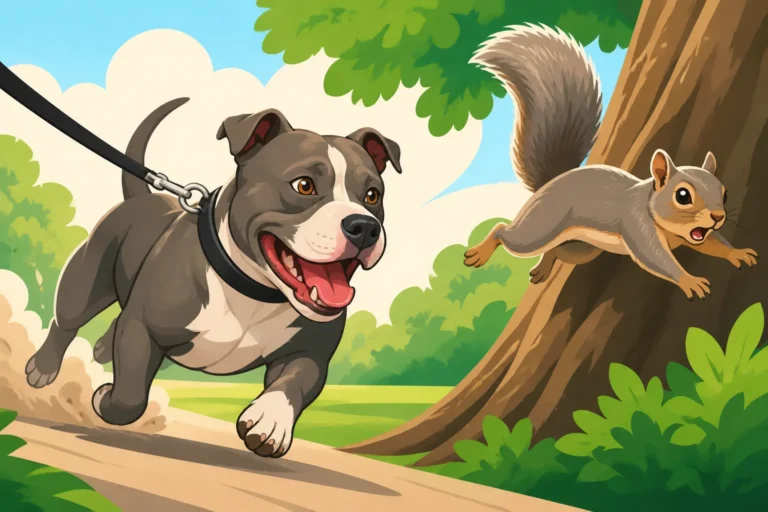
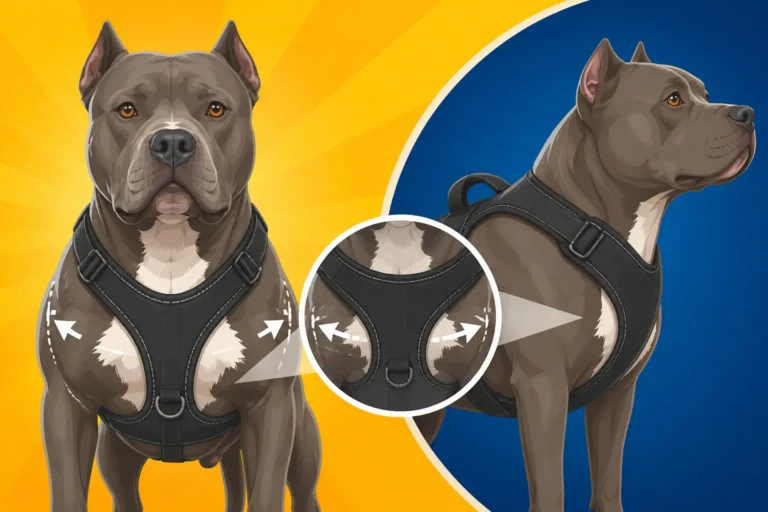
Starting early with leash manners is crucial, especially for a strong, muscular breed like the Pit Bull. Begin by making the collar and leash a positive experience, letting your puppy wear them for short periods indoors with supervision, followed by treats. Then, practice walking on a loose leash in a quiet area, rewarding every step taken without pulling. Consistency, patience, and the right equipment (like a well-fitted harness) are key to teaching your Pit Bull to walk nicely beside you. This often involves specific techniques detailed in Pit Bull Leash Manners and Physical Strength.
Beyond leash walking, basic obedience commands like "sit," "stay," "down," and "come" are fundamental. These commands not only provide structure but also enhance your ability to manage your Pit Bull in various situations, ensuring their safety and the comfort of others. Enroll in puppy classes or use online training programs like those from BAXTER & Bella to learn how to teach these commands effectively. Regular practice in different environments helps solidify these skills, proving your Pit Bull can perform them even with distractions. Remember, What to Teach a Pit Bull Puppy and When often dictates the order and intensity of these lessons.
Common Challenges and How to Address Them
No puppy's journey is perfectly smooth. Understanding common challenges specific to the Pit Bull type can help you prepare and respond effectively.
Dealing with Destructive Chewing and Nipping
Pit Bull puppies, like most puppies, explore the world with their mouths. This means chewing is a natural and necessary behavior. However, without proper redirection, that chewing can quickly turn destructive. Provide a wide variety of appropriate chew toys, rotating them to keep things interesting. When your puppy mouths you, redirect them immediately to a chew toy and praise them when they chew it. If the nipping is persistent or painful, a sharp "yelp" or standing up and ignoring them for a moment can teach them that sharp teeth mean the fun stops.
Managing destructive chewing also involves management: preventing access to tempting but inappropriate items (like shoes or furniture legs) when you can't supervise. This often means using a crate or a puppy-proofed area. If your Pit Bull is a super chewer, explore brands on Amazon that specialize in virtually indestructible chew toys. The key is to fulfill their natural urge to chew on appropriate items, rather than trying to suppress the behavior altogether.
Managing Fear Periods and Reactivity
Pit Bull puppies can experience several "fear periods" throughout their development, particularly around 8-11 weeks and again during adolescence. During these times, things that didn't bother them before might suddenly seem terrifying. They might become skittish, bark at new objects, or show reluctance to approach strangers or other dogs. The worst thing you can do is force them into a scary situation or coddle their fear. Instead, remain calm, cheerful, and encouraging. Approach the scary object yourself with confidence, or sit quietly at a distance, allowing your Pit Bull to observe and approach at their own pace, rewarding any brave exploration.
If your Pit Bull starts to show signs of reactivity (barking, lunging) towards certain triggers like other dogs or people, address it immediately. This isn't something to "wait out." Seek guidance from a certified professional dog trainer or veterinary behaviorist. Early intervention through positive reinforcement and desensitization techniques is crucial for preventing these behaviors from escalating. Understanding The Sounds and People a Pit Bull Puppy Needs from an early age can help minimize later reactivity.
The Importance of Continued Training and Mental Stimulation
The training journey with a Pit Bull is not a finite process that ends when they reach adulthood. It's a lifelong commitment to reinforcement, new learning, and mental engagement. Pit Bulls are intelligent dogs that thrive on having a job to do, even if that "job" is just learning new tricks, participating in dog sports, or engaging in regular puzzle-solving. Without adequate mental and physical stimulation, they can become bored, which often leads to unwanted behaviors like destructive chewing, excessive barking, or attention-seeking antics.
Regularly practice known commands in new environments, teach new tricks, or explore dog sports like agility, obedience, or scent work. These activities not only strengthen your bond but also provide an outlet for their intelligence and energy. A well-exercised and mentally stimulated Pit Bull is a happy, well-behaved Pit Bull, and by continuing to engage them throughout their lives, you're investing in a stable, confident, and joyful companion.
Developmental Stages and Key Actions for Your Pit Bull Puppy
Understanding the stages your Pit Bull puppy goes through helps you to be proactive and supportive at every turn.
| Age/Stage | Key Characteristics | Focus for Owners/Caregivers | Crucial Outcomes |
|---|---|---|---|
| 0-3 Weeks (Neonatal) | Helpless, eyes/ears closed, dependent on mom. | Gentle handling by humans, warmth, security. | Early human bonding, basic comfort. |
| 3-5 Weeks (Transitional) | Eyes/ears open, first steps, play with littermates. | Exposure to varied, gentle sounds/textures, safe exploration. | Sensory development, early social skills with siblings. |
| 5-8 Weeks (Primary Socialization) | Crucial learning from mom/littermates, bite inhibition. | Positive interactions with humans, stimulating environment, vet checks. | Foundation for canine social etiquette, human comfort. |
| 8-16 Weeks (Fear Imprint/Socialization) | Rapid learning, sensitive to negative experiences, puppy classes. | Safe, positive exposure to people, places, sounds, vetted dogs. | Confidence, resilience, acceptance of novel situations. |
| 4-18 Months (Adolescence) | Physical growth, testing boundaries, high energy. | Consistent training, impulse control, appropriate exercise. | Reinforced obedience, maturity, well-managed energy. |
| 18 Months+ (Adulthood) | Full physical maturity, settled temperament. | Continued mental/physical stimulation, advanced training/sports. | Lifelong well-adjusted, confident, and reliable companion. |
Disclaimer
This article is for general informational purposes only and does not constitute professional advice. Laws, prices and regulations vary by location and change over time. Consult a qualified professional for guidance on your specific situation.