Same-Sex Pairs and Pit Bull Households
Bringing two Pit Bulls of the same sex into the same home, or finding yourself with a same-sex pair as your dogs mature, can present a unique set of challenges that many owners find incredibly frustrating and heartbreaking. While all dogs have individual personalities, the strong drives and specific temperamental traits common in Pit Bull type dogs mean that what might be a minor squabble in other breeds can quickly escalate into something much more serious. This guide will help you understand the dynamics at play, recognize the subtle warning signs, and implement effective strategies to foster a peaceful, safe environment for your same-sex Pit Bull household.
Understanding Same-Sex Dog Dynamics
It’s easy to think that if two dogs are getting along as puppies, they’ll continue to be best friends forever. Unfortunately, especially with same-sex pairs, canine social dynamics can be far more complex than that, particularly as dogs mature.
Why Same-Sex Pairings Can Be Tricky
The instinctual world of dogs is often driven by social hierarchies, resource preservation, and hormonal influences. In same-sex pairs, particularly among males, there's a primal drive to establish dominance or a clear pecking order, which can often lead to friction. This isn't necessarily about outright aggression, but about constant negotiation and assertion of status. Females can also exhibit intense rivalry, especially unspayed females, or even spayed females with strong personalities. This isn't just a Pit Bull thing; it's a general canine dynamic that can play out in various breeds. However, the stakes are often higher when you bring a powerful, determined breed into the mix.
Think of it like this: if you have two powerful individuals, both with a strong sense of self and a desire for certain resources (be it your attention, a favorite spot on the couch, or a specific toy), and there isn't a clear understanding of who gets what, tension is bound to arise. Hormones can certainly play a role, with intact males and females often displaying more pronounced competitive behaviors. Even after neutering or spaying, deeply ingrained behavioral patterns can persist, meaning that the underlying causes of conflict are not always removed just by surgery. The desire for a particular resource, whether it's access to the best sleeping spot in the sunbeam or exclusive attention from their favorite human, can become a point of contention.
The Pit Bull Predisposition
Pit Bull type dogs, a category that includes breeds like the American Pit Bull Terrier, American Staffordshire Terrier, and Staffordshire Bull Terrier, are renowned for their strength, athleticism, and tenacity. Historically, these traits were valued for specific tasks, and one common characteristic that owners often observe, especially in intact males but sometimes in females too, is what's referred to as "dog selectivity" or "animal aggression." This isn't a blanket statement that all Pit Bulls are aggressive towards other dogs, not at all, but it means that careful management and socialization are often more critical than with some other breeds. Many Pit Bulls thrive as only dogs or with a carefully chosen, opposite-sex companion, but same-sex pairings can test the limits of even the most diligent owner.
The high prey drive and natural guarding instincts often present in Pit Bull lines can mean that what starts as a minor disagreement over a chew toy quickly escalates. They can be incredibly tolerant and loving with their human families, yet display profound intolerance towards certain other dogs, especially those of the same sex or a similar energy level. If you have two female Pit Bulls, for example, and one decides the other is getting too much attention during a cuddle session, that subtle shift in body language, a stiffening or a hard stare, can be a precursor to something more serious. It's not about being "mean"; it's about a deep-seated instinct to manage perceived competition within their social structure, often rooted in their genetic history. Understanding Pit Bull Dog Selectivity and Multi-Dog Homes is crucial for any owner considering or managing such a situation.
Recognizing the Signs of Trouble
The key to preventing serious incidents is to become a vigilant observer of your dogs' interactions. Dogs communicate constantly, and often, we miss the subtle signals that indicate rising tension.
Subtle Indicators of Tension
Dog fights rarely happen out of the blue. There are almost always subtle cues that precede an altercation, but they can be incredibly easy to miss if you're not looking for them. These aren't always growls or barks; often, they are very quiet, nuanced body language signals. One dog might stiffen its body when the other enters the room, or hold its breath for a moment. You might notice one dog "freezing" when the other approaches a high-value item, or giving a hard, unwavering stare. Sometimes, one dog might deliberately block the other's access to you or a resource, like a prime spot on the sofa.
Other signs include lip licking when there's no food around, excessive yawning when not tired, or rapid blinking – all of which can be stress signals. A Pit Bull might also try to make itself smaller, ducking its head or turning away, which could be an attempt to de-escalate, but if the other dog isn't responding appropriately, it can heighten tension. Even something as seemingly innocent as one dog always positioning itself between you and the other dog can be a sign of resource guarding. A common scenario I've seen is one Pit Bull subtly pushing the other off a dog bed without any overt aggression, just a slow, deliberate claiming of space. If these subtle indicators are consistently present, it's a sign that the underlying dynamic is not healthy, and could be a precursor to Reading a Pit Bull Before a Scuffle Starts.
Escalating Conflicts
When subtle tensions are ignored or misunderstood, they can escalate. This is when you start seeing more overt signs of aggression. Snapping, air biting (biting at the air near the other dog), growling, or sustained barks aimed directly at the other dog are clear red flags. Resource guarding can become more pronounced, with one dog actively preventing the other from accessing food, toys, or even your attention. Imagine you're giving one Pit Bull a belly rub, and the other, previously content, suddenly pushes its way in or gives a low growl. This isn't just jealousy; it's a challenge for access to a high-value resource: your affection.
These conflicts can manifest around specific triggers. Meal times are incredibly common, as is the presence of high-value treats or toys. Even coming and going from the house can be a trigger if one dog feels it needs to "control" the entrance or exit. Some same-sex pairs might only have issues when left unsupervised, leading owners to believe everything is fine when they are present. But the stress builds, and eventually, a minor trigger can lead to a full-blown fight. The sudden eruption of a fight often feels sudden to an owner, but almost always has a history of ignored signals and escalating tension. This is why understanding The Age Pit Bull Dog Selectivity Usually Appears can help you prepare for potential challenges as your dogs mature.
Strategies for Managing Same-Sex Pit Bull Pairs
Managing a same-sex Pit Bull household requires dedication, consistency, and often, a completely different approach than you might use with other dogs or mixed-sex pairs. It's about setting them up for success and minimizing opportunities for conflict.
Management Techniques for Harmony
The cornerstone of managing same-sex Pit Bull dynamics is often "crate and rotate." This means that your dogs are never, ever unsupervised together. When you are not actively engaging with both of them, one is crated or in a separate, secure area. This might sound extreme, but it prevents arguments, provides each dog with their own safe space, and drastically reduces stress for both animals. Durable, escape-proof crates are a must, and you can find excellent options on Amazon. Each dog should have its own crate that it views as its sanctuary, not a punishment zone. Crate and Rotate as a Pit Bull Management Plan is a detailed strategy worth exploring.
Feeding should always happen in separate rooms or crates. High-value items like bones, chew toys (especially new ones), or special treats should never be given when both dogs are together. It's often safer to feed them these items when they are separated or crated. Even daily walks might need to be done separately if one dog is leash reactive towards the other, or if they have a history of squabbling on walks. Providing separate, dedicated training time for each dog is also vital to build individual bonds and keep them mentally stimulated. This helps them feel equally valued and reduces competition for your attention. This kind of diligent management is not a temporary fix; it's a lifestyle adjustment for the lifetime of your dogs together.
Training and Behavior Modification
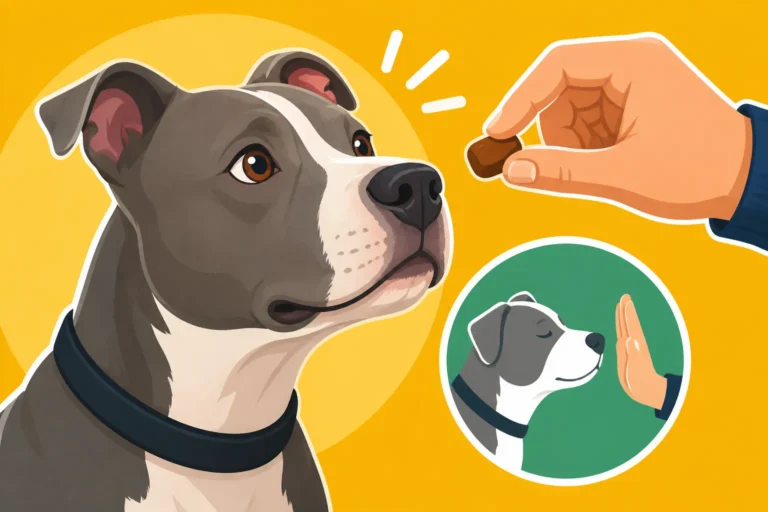
While management prevents fights, training and behavior modification aim to change the dogs' emotional responses and improve their impulse control. This isn't about "making them like each other," but about teaching them to coexist peacefully and calmly. Focus on individual training sessions to build each dog's confidence and obedience. Commands like "leave it," "stay," "place," and a rock-solid recall are invaluable. Building a Pit Bull's Impulse Control is a fundamental skill that can help prevent escalations.
Desensitization and counter-conditioning can be used in highly controlled environments. For example, if one dog stiffens when the other walks by, you might start by having them in separate crates, far apart, and reward both for simply existing calmly in the presence of the other. Gradually, you might decrease the distance, always staying below their threshold for reactivity. Introducing them to each other in neutral territory, like a quick leash walk around the block before returning to the separate home environment, can sometimes help, but only if you have a very strong handle on both dogs and they are not actively reactive. Never force interaction. For more structured online guidance, consider programs from BAXTER & Bella, which offer comprehensive courses on puppy and dog training that can be adapted for multi-dog households. Remember, Training a Pit Bull to a Higher Standard Than Other Dogs is often necessary to ensure their safety and yours.
When to Seek Professional Help
If you're seeing consistent tension, growling, or fights, even if they are minor, it's absolutely critical to seek help from a qualified professional. This isn't a situation to "wait and see" or try to fix with advice from online forums. You need a certified professional dog trainer or a veterinary behaviorist who has extensive experience with powerful breeds and multi-dog aggression. They can assess the specific dynamics in your home, help identify triggers you might be missing, and develop a tailored behavior modification plan.
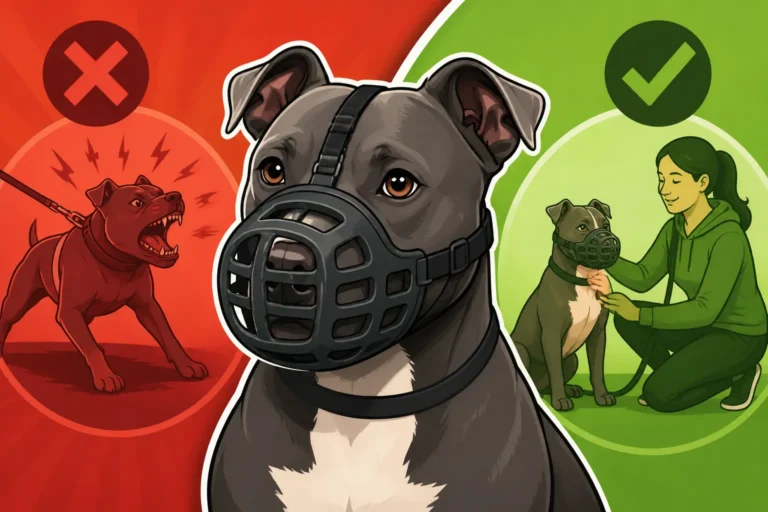
Do your research when looking for a professional. Look for someone who uses positive reinforcement and force-free methods, and who has a track record of success with Pit Bull type dogs. Avoid trainers who advocate for harsh corrections or dominance theory, as these methods can often escalate aggression in already tense situations. A good professional will come to your home, observe your dogs, and work with you step-by-step. They can also advise on things like Muzzle Training Every Pit Bull Should Have for safety during training or when introducing new dogs, and help you with Vetting a Trainer Before Booking a Pit Bull. Sometimes, medications prescribed by a veterinary behaviorist can also play a role in reducing anxiety and making behavior modification more effective, but this is always in conjunction with, not instead of, training and management.
Living Harmoniously: Long-Term Considerations
Creating a harmonious environment for same-sex Pit Bulls is an ongoing commitment, not a one-time fix. It requires constant vigilance and a proactive approach to their physical and mental well-being.
Environmental Enrichment and Stress Reduction
A key component of managing any multi-dog household, especially with same-sex Pit Bulls, is providing ample mental and physical enrichment. Boredom and pent-up energy can exacerbate tensions. Each dog needs its own outlets for their natural drives. Puzzle feeders, such as those found on Amazon, can turn mealtime into a stimulating mental exercise, which helps tire them out and reduces the likelihood of resource guarding around bowls. Scent work, chew toys that hold up to their powerful jaws (again, seek out highly durable options, potentially from Amazon), and individual play sessions can make a huge difference.
Consider rotating toys to keep them novel and exciting, always ensuring that high-value items are managed carefully. Regular, structured exercise, tailored to each dog’s individual needs and health, is also crucial. This might mean separate walks, or even separate sessions of flirt pole play or fetch. A physically and mentally tired dog is generally a calmer dog. If your dogs are showing any signs of stress, such as excessive licking, pacing, or whining, those are cues that their environment or routine might need adjusting. Adequate rest in their individual, safe spaces is just as important as activity.
Realistic Expectations and Safety Protocols
It’s important to have realistic expectations. The goal for a same-sex Pit Bull pair might not always be to become best friends who cuddle on the couch. Often, the most successful outcome is a peaceful coexistence where they can share a home safely, but perhaps not interact constantly. Some same-sex pairs may never reach a point where they can be left unsupervised, even for a moment. This is okay, and it’s a far better outcome than risking injury to either dog or yourself. Always remember that Breaking Up a Fight Involving a Pit Bull can be dangerous and should be avoided through prevention.
Establishing stringent safety protocols is paramount. Always use leashes when bringing them together, even if briefly. Consider keeping them on different floors or in separate areas of the house with baby gates or closed doors. Why a Pit Bull Should Not Be Off Leash in Public is excellent advice for any Pit Bull, but especially for those with same-sex reactivity. If one dog consistently displays fear or aggression towards the other, despite all your efforts, you may need to consider if living together is truly in the best interest of both animals' long-term welfare and safety. This can be an incredibly difficult decision, but prioritizing the well-being of each individual dog is always the most responsible choice.
Here's a quick reference for distinguishing between subtle tensions and escalating conflicts:
| Behavior Type | Subtle Indicators (Mild Tension) | Escalating Conflicts (Serious Aggression) |
|---|---|---|
| Body Language | Stiffening, freezing, hard stare, whale eye, excessive yawning/lip licking, turning away, posturing (standing tall) | Hacked-up fur (piloerection), tail tucked tight, snarling, snapping, air biting, sustained growling, lunging, biting |
| Resource Guarding | Blocking access, hovering, subtle nudges, eating faster | Active physical guarding, growling/snapping when approached, biting attempts |
| Vocalizations | Soft growls, muffled barks, whining for attention | Loud, aggressive barking, prolonged growling, snarls, screams of pain/fear |
| Movement | Slow, deliberate movements, avoiding eye contact, creeping | Rushing, charging, biting and holding, shaking |
| Interaction | Ignoring the other dog, passive-aggressive moves (e.g., body slams) | Full-blown fights, repeated attacks, targeting vulnerable areas (neck, legs) |
Disclaimer
This article is for general informational purposes only and does not constitute professional advice. Laws, prices and regulations vary by location and change over time. Consult a qualified professional for guidance on your specific situation.