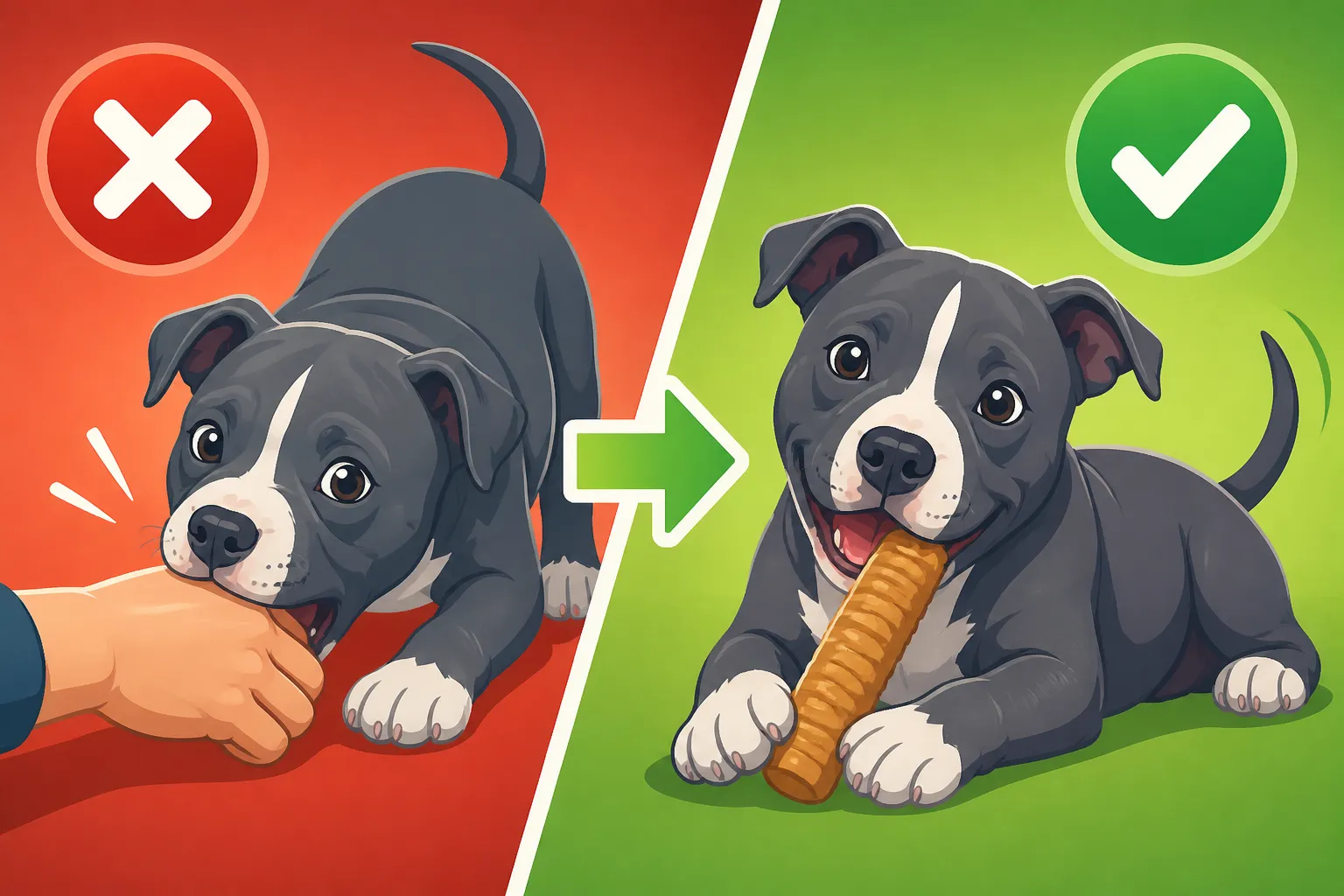
Redirecting a Pit Bull Puppy Onto a Chew
Ah, the joys and, let's be honest, the frustrations of a Pit Bull puppy! One minute they're a tiny bundle of cuddles, the next they're systematically dismantling your favorite armchair or gnawing on table legs with alarming efficiency. It's a common struggle for many Pit Bull owners: how do you get your strong-jawed little land shark to understand that some things are off-limits, and others are perfectly fine to chomp on? This guide is here to walk you through understanding your puppy's chewing instincts and, more importantly, how to consistently and effectively redirect their powerful bite onto appropriate chews, saving your furniture and your sanity.
Understanding Why Your Pit Bull Puppy Chews
It's easy to get upset when your precious puppy starts turning your belongings into confetti, but before we dive into solutions, let's take a deep breath and understand why they do it. Chewing isn't naughtiness; it's a fundamental part of being a puppy, especially a Pit Bull puppy.
Natural Exploration and Teething
Imagine experiencing the world primarily through your mouth. That's a puppy! Everything new is investigated with their jaws. Is it squishy? Hard? Does it smell interesting? All these questions are answered with a good chomp. This exploratory phase is heightened during teething. Those sharp puppy teeth are falling out, and new, bigger adult teeth are pushing through sensitive gums. Think of it like a baby cutting teeth – they want something, anything, to mouth on to relieve that discomfort.
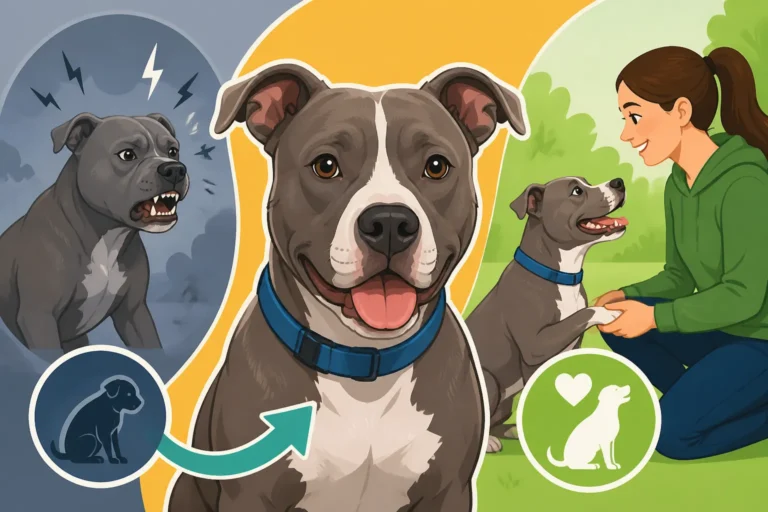
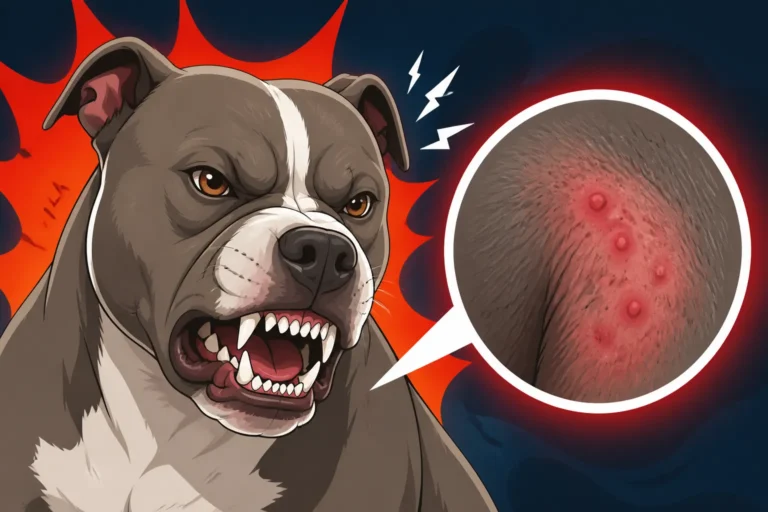
For a Pit Bull puppy, this instinct is magnified. They come equipped with powerful jaws and a natural inclination to use them. It's not malicious; it's a biological need. When your little one latches onto a chair leg, they're likely just trying to alleviate the ache in their gums or satisfy an innate urge to explore their environment. Understanding this natural drive can help temper our frustration and shift our focus toward proactive solutions rather than simply reacting to the damage. It's also during this time you might notice your Pit Bull Puppy Biting That Draws Blood during play, which is another aspect of their oral exploration. Teaching them a soft mouth, as discussed in Teaching a Pit Bull Puppy a Soft Mouth, goes hand-in-hand with redirection.
Boredom, Anxiety, and Energy Release
While teething and exploration are huge drivers, chewing also serves other, deeper needs. Pit Bulls are intelligent, athletic dogs with a surprising amount of energy, even as puppies. If that energy isn't channeled positively through play, training, or exercise, it finds an outlet. Often, that outlet is destructive chewing. A bored puppy with nothing to do will make its own fun, and "fun" often involves dismantling household items. It's a self-soothing mechanism, a way to pass the time, and a way to burn off pent-up physical and mental energy.
Beyond boredom, chewing can also be a sign of anxiety. A puppy experiencing mild separation anxiety might chew to cope with stress when you leave. This isn't just about a desire to destroy; it's a desperate attempt to feel better. Even minor stressors in their environment can trigger this behavior. Think about the days your routine is off, or if they've had less physical exercise than usual. A Pit Bull needs consistent mental and physical stimulation. Just like humans, if they're not engaged, they'll find their own entertainment, and often, that leads to chewing on things they shouldn't. Regular, appropriate Pit Bull Exercise for a Powerful Athletic Dog can significantly reduce these issues. The Pit Bull Teenage Months can be particularly challenging as their energy peaks and boundaries are tested.
The Pit Bull's Powerful Jaw and Instinct
Let's be real: Pit Bulls have strong jaws. They were bred for certain physical attributes, and that strength extends to their bite force and tenacity. This isn't a bad thing, but it means their chew toys need to be up to the task, and redirection needs to be consistent and firm. A soft rubber toy designed for a toy breed won't last five minutes with a determined Pit Bull puppy. Their chewing isn't just a gentle mouthing; it's a full-body engagement.
This powerful instinct means that when they do latch onto something, whether it's a toy or your shoe, they hold on. It's part of their genetic makeup. So, while we want to understand and empathize with their natural drive, we also have to respect the power they possess and guide it appropriately. Choosing the right types of chews that can withstand their enthusiastic efforts is half the battle won, and it ensures their safety too. A toy that breaks apart too easily can become a choking hazard or lead to internal issues.
Setting Up Your Environment for Success
When you bring a Pit Bull puppy home, you're essentially signing up to be a proactive manager of their environment. You can't just hope they'll figure out what's okay to chew and what isn't. You need to set them up for victory.
Puppy-Proofing Your Home Like a Pro
This step is non-negotiable. Before your puppy even sets a paw inside, or as soon as possible if you've already welcomed them, you need to go on a serious puppy-proofing mission. Get down on your hands and knees and look at your home from their perspective. What's at mouth-level?
- Electrical Cords: These are a huge danger. Secure them, use cord protectors, or simply unplug and remove anything that's not actively in use. A chewed live wire is a serious hazard.
- Furniture Legs: If they're made of wood, they're prime targets. Consider bitter apple spray (though results vary widely with Pit Bulls, some love the taste!) or physical barriers.
- Shoes, Clothing, and Bags: These are often soft, smelly, and easily accessible. Keep them in closets, drawers, or high shelves. Don't leave them lying around.
- Rugs and Carpets: Some puppies love to pull up threads. If you have valuable rugs, consider rolling them up temporarily or using a playpen to restrict access.
- Small Objects: Anything small enough to be swallowed – remote controls, children's toys, decorative items – needs to be put away.
- Chemicals and Plants: Ensure all cleaning supplies, medications, and toxic houseplants are well out of reach.
The goal isn't to create a sterile environment, but a safe one where your puppy has fewer opportunities to make bad choices. Think of it as preventative medicine for your belongings and their health. Using baby gates to restrict access to certain rooms or creating a designated "puppy zone" within a larger room can be incredibly effective. Consider the rapid growth of a Pit Bull puppy; What a Pit Bull Puppy Weighs Month by Month will show you how quickly they grow from tiny to mighty, making secure proofing even more vital.
Providing an Abundance of Appropriate Chews
This is where you empower your puppy to make the right choices. You can't just have one or two chews; you need a diverse arsenal! Imagine you're a puppy, and you have a boring old rubber bone, but that fascinating, crunchy table leg is right there. What are you going to choose?
- Variety is Key: Offer different textures and hardnesses. Some puppies like softer, rubbery chews (like Kongs), others prefer harder nylon bones (like Nylabones), and some love edible chews (bully sticks, dental chews). You can find a huge selection of durable chews on platforms like Amazon.
- Durability is Paramount: For a Pit Bull, "durable" means industrial-strength. Many toys marketed as "tough" won't stand a chance. Look for brands known for extreme durability.
- Rotation: Don't put all the chews out at once. Keep a few available and rotate them every few days. This keeps them novel and exciting, maintaining your puppy's interest.
- Interactive Chews: Toys that you can stuff with treats (peanut butter, plain yogurt, canned pumpkin) are fantastic. They provide mental stimulation and make the chew incredibly rewarding. A frozen, stuffed Kong can keep a puppy occupied for a good long while.
Having a wealth of irresistible chews means that when your puppy feels the urge to gnaw, there's always an acceptable option readily available. It makes redirection much easier because you're offering something truly appealing. Indoor Enrichment for a Pit Bull often revolves around these types of interactive chews and toys.
Creating a Designated "Chew Zone"
Establishing a specific area where your puppy is encouraged to chew can be incredibly helpful for establishing good habits. This could be their crate, a playpen, or even a specific corner of a puppy-proofed room.
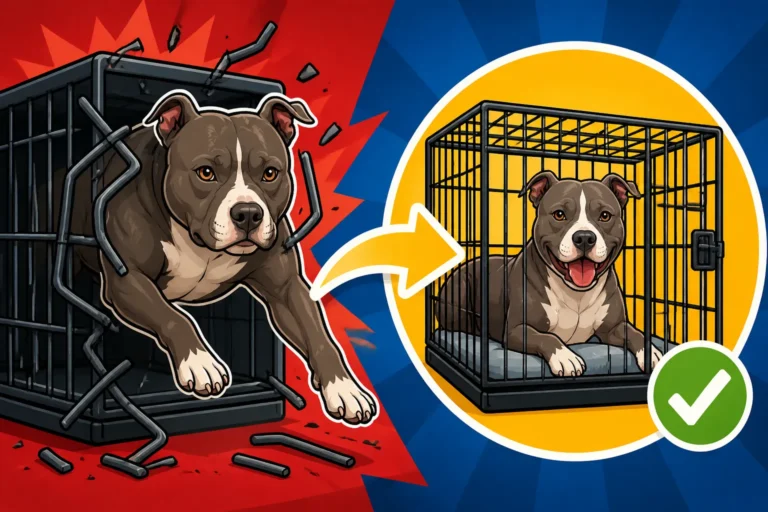
- Crate Training: A crate isn't just for potty training; it's a safe, personal den where your puppy can relax and chew without supervision. Always make sure they have an appropriate chew toy in their crate. For a Pit Bull, investing in The Crate a Pit Bull Cannot Break Out Of is often a wise decision to prevent escapes and damage.
- Playpens: These offer a larger, contained space where you can scatter several different chew options. It gives them more room to move than a crate but still limits their access to undesirable items.
- Consistency: The key is that whenever your puppy is left unsupervised, even for a short time, they should be in their chew zone with their appropriate chews. This helps them associate that space with calm, acceptable chewing.
By creating these safe, structured environments, you reduce the opportunities for your puppy to practice chewing on forbidden items, thereby reinforcing the habit of chewing on their designated toys. If your puppy has a tendency to escape or destroy their confinement, you might want to review Crate Training a Pit Bull That Breaks Out.
The Art of Redirecting: Step-by-Step
Now that your home is proofed and you're armed with an arsenal of appropriate chews, let's talk about the actual redirection process. This needs to be done with patience, consistency, and positive reinforcement.
Interruption and Calm Redirection
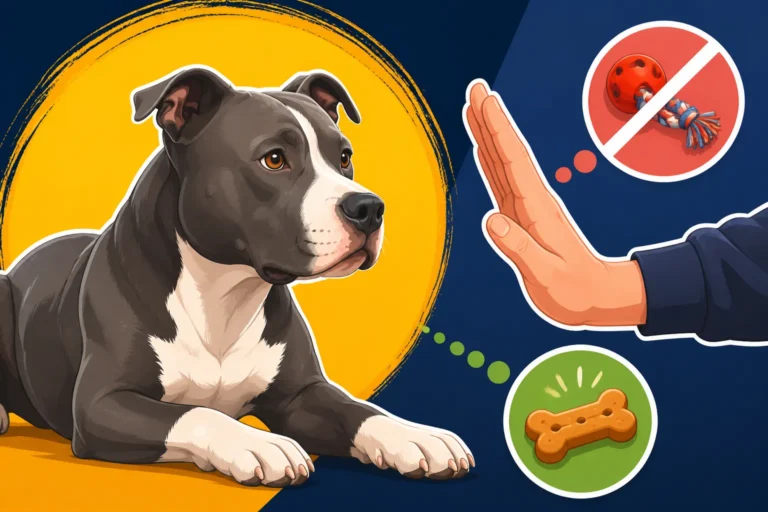
The moment you catch your Pit Bull puppy chewing something they shouldn't, your immediate reaction might be to yell or snatch the item away. Don't! This can scare your puppy, make them think you're playing a game, or even encourage resource guarding over forbidden items.
- Interrupt, Don't Scare: Use a calm but firm sound to get their attention – a clap, a gentle "ah-ah," or a quiet "nope." The goal is to make them pause and look at you, not to frighten them.
- Offer an Alternative Immediately: The second they look up, present an appropriate chew toy directly to their nose. Make it enticing! Wiggle it, tap it, or lightly smear it with a tiny bit of peanut butter.
- Praise and Reward: As soon as their mouth touches the correct chew, or they show any interest, give them immediate, enthusiastic praise ("Good chew! Yes!") and a small, high-value treat.
- Repeat as Necessary: Puppies need many, many repetitions. Don't expect them to get it after one or two tries. Be prepared to do this dozens, if not hundreds, of times.
The entire interaction should be calm, swift, and positive. You're teaching them what to do instead, not just what not to do. This positive association is crucial.
Making the Chew Irresistible
Sometimes, a plain old chew just isn't exciting enough to compete with your designer shoe. You need to stack the odds in favor of the appropriate chew.
- Stuffable Toys: Kongs are famous for a reason. Fill them with things like peanut butter, cream cheese, wet dog food, or even their kibble mixed with a bit of broth, then freeze them. A frozen, stuffed Kong is a serious challenge that keeps a Pit Bull puppy engaged for a long time. It’s a fantastic way to offer High-Value Treats That Hold a Pit Bull's Focus.
- Edible Chews: Bully sticks, dental chews, and certain natural chews can be incredibly appealing. Always supervise your puppy with edible chews to ensure they don't break off large pieces and choke, and choose high-quality options from reputable retailers found on sites like Amazon. Remember to factor these into their daily calorie intake to prevent Pit Bull Obesity and Joint Strain.
- Novelty: As mentioned, rotating toys helps keep interest high. Don't let them get bored with the same few items.
- Scent Attraction: You can sometimes rub a small amount of a high-value treat on a new chew to make it more appealing initially.
The more appealing and rewarding you make the designated chew, the less likely your puppy will be to seek out forbidden items. The aim is to create such a strong positive association with their toys that they automatically choose them over anything else.
Rewarding the Right Choice Consistently
Consistency is the absolute bedrock of all puppy training, and redirection is no exception. Every time your Pit Bull puppy chooses an appropriate chew, even if it's after you've redirected them, make a big deal out of it.
- Verbal Praise: Use happy, encouraging words.
- Physical Affection: A gentle scratch behind the ears or a belly rub can reinforce good behavior.
- Treats: Small, pea-sized, high-value treats given while they are still chewing the correct item help solidify the association.
- Don't Overlook "Self-Redirection": If you see your puppy about to chew something inappropriate, and then they choose to chew their toy instead, reward that even more! That's them making a good choice independently.
Think of it like building a bank account of good habits. Every successful redirection and every rewarded appropriate chew is a deposit. The more deposits you make, the stronger the habit becomes. If you're looking for structured guidance, online training programs like those offered by BAXTER & Bella often provide excellent frameworks for consistent positive reinforcement and redirection techniques. Their comprehensive approach can help you stay on track.
Common Challenges and Troubleshooting
Even with the best intentions and techniques, Pit Bull puppies can present unique challenges. It's okay if things aren't perfect right away; the key is persistence and knowing when to adjust your approach or seek help.
When Your Pit Bull Chews Through Everything
"My Pit Bull destroys every chew toy in minutes!" This is a lament heard often from owners of powerful chewers. It's frustrating, and it can get expensive.
- Material Matters: You need toys made from nearly indestructible materials. Look for solid rubber, heavy-duty nylon, or natural options designed for aggressive chewers. Some brands specialize in this. You'll want to invest in Chew Toys That Hold Up to a Pit Bull.
- Size Up: Ensure the chew toy is appropriately sized for your growing Pit Bull. A toy that's too small can be swallowed or pose a choking hazard.
- Supervision with Edibles: Some edible chews (like rawhide, though often not recommended for Pit Bulls due to digestive issues) can be dangerous if large pieces are broken off. Supervise closely and remove any pieces that become small enough to be swallowed.
- Rotate and Refresh: Even the toughest toys can become boring. Keep a fresh rotation to maintain interest. If a toy shows significant wear, replace it to prevent ingestion of small pieces.
- Puzzle Toys: These aren't just for treats; some are made of very durable rubber and require problem-solving to get the reward, making them more engaging than a simple bone.
Distinguishing Between Chewing and Resource Guarding
Most chewing is normal puppy behavior. However, if your puppy growls, snaps, or stiffens their body when you approach them or their chew toy (whether appropriate or inappropriate), this could be a sign of resource guarding. This is different from simply chewing and requires a different, more careful training approach.
- Signs of Guarding: A hard stare, a low growl, lifting a lip, stiffening, or attempting to block you from the item. This can be seen with food bowls, high-value treats, or even stolen items.
- Avoid Confrontation: Never try to physically pry something out of a guarding puppy's mouth. This can escalate the situation and damage trust.
- Trade Up: The best approach is to teach a "trade." Approach with an even higher-value treat (like a piece of cooked chicken). Offer the treat, and when they drop the guarded item to take the treat, immediately pick up the guarded item and return a different appropriate chew. This teaches them that giving up an item results in something better. This technique is detailed in Trading a Pit Bull Off a Stolen Item. For food-related guarding, Pit Bull Food Bowl Guarding offers specific strategies.
- Professional Help: If resource guarding is severe or you're uncomfortable addressing it, consult a professional trainer or behaviorist immediately.
Seeking Professional Help for Persistent Issues
Sometimes, despite your best efforts, a Pit Bull puppy's chewing habits can seem insurmountable, or they might be accompanied by other concerning behaviors like excessive barking, destructive separation anxiety, or aggression.
- When to Call a Trainer: If your redirection efforts aren't working, if the chewing is escalating in intensity or frequency, or if you suspect underlying anxiety or fear, it's time to bring in the pros. A good trainer can observe your puppy's behavior in your home environment and offer tailored advice. Look for someone experienced with strong, active breeds and who uses positive, force-free methods. Finding a trainer experienced with Finding a Trainer Experienced With Pit Bulls is crucial as they understand the breed's specific needs and tendencies.
- Certified Behaviorists: For more complex behavioral issues, a veterinary behaviorist (a vet with specialized training in animal behavior) might be necessary. They can diagnose conditions like severe separation anxiety and prescribe medication if appropriate, alongside behavior modification plans.
- Early Intervention: Don't wait until the problem is entrenched. The sooner you address persistent chewing or other behavioral concerns, the easier they are to manage and resolve.
Remember, raising a Pit Bull puppy is a journey, and every challenge is an opportunity to learn and grow together. With patience, consistent effort, and the right tools, you can successfully redirect your puppy's powerful chewing instincts into positive, acceptable behaviors, fostering a happy home for both of you.
| Chew Type | Best For | Pit Bull Suitability | Pros | Cons |
|---|---|---|---|---|
| Kongs (Rubber) | Stuffing with treats, mental stimulation | Excellent – Very durable, stands up to strong chewers | Nearly indestructible, can be frozen for longer play | Can be expensive, needs to be stuffed to maintain interest |
| Nylabones (Nylon) | Long-lasting chewing, dental health | Good – Available in extreme chew varieties | Very durable, comes in various shapes/flavors, cleans teeth | Some Pit Bulls may ignore them, can be very hard |
| Bully Sticks | Edible, natural, highly palatable | Good – Popular, digestible, helps clean teeth | Highly motivating, fully digestible, no rawhide risks | Can be expensive, supervision needed to prevent gulping |
| Himalayan Yak Chews | Very hard, long-lasting, natural | Good – Extremely tough for dedicated chewers | Very long-lasting, low odor, natural, doesn't splinter | Can be very expensive, very hard, some dogs find them too tough |
| Benebones (Nylon) | Scented, durable chewing | Good – Ergonomic shapes for easy gripping | Durable, appealing scents (peanut, bacon), good grip | Can be very hard, may not appeal to all dogs |
| Dental Chews | Oral hygiene, quick chew | Moderate – Varies by brand, some are too soft/short-lived | Helps freshen breath and reduce tartar | Some are too easily destroyed, not a long-term chew |
Disclaimer
This article is for general informational purposes only and does not constitute professional advice. Laws, prices and regulations vary by location and change over time. Consult a qualified professional for guidance on your specific situation.