Whether a Pit Bull Gains From Board and Train
It’s a common scenario: you’re wrestling with a strong-willed Pit Bull on the leash, maybe dealing with some persistent jumping on guests, or perhaps a more complex behavioral issue, and you start to wonder if a "board and train" program is the magic bullet. The idea of sending your beloved Pit Bull away to a professional for intensive training, only for them to return a perfectly behaved canine citizen, sounds incredibly appealing, especially when you're feeling overwhelmed or frustrated. This guide will dive deep into whether board and train programs are truly beneficial for Pit Bulls, exploring the pros, cons, and crucial considerations every Pit Bull owner needs to weigh before making such a significant decision.
What "Board and Train" Really Means for a Pit Bull Owner
When we talk about "board and train," we're generally referring to a service where your dog stays at a trainer's facility or home for an extended period, typically two to six weeks, receiving daily training sessions. The promise is that they'll return with a solid foundation in obedience, and sometimes, specific behavioral issues addressed. For Pit Bull owners, this concept often carries an extra layer of hope, as we sometimes feel immense pressure to ensure our dogs are exemplary citizens due to breed stereotypes.
The Promise Versus the Reality
The glossy brochures and online advertisements for board and train programs often paint a picture of effortless transformation. They show dogs performing perfect heeling, impeccable recalls, and calm greetings. For a Pit Bull owner who might be struggling with a dog that pulls like a freight train, or one that gets overstimulated in new environments, this promise can feel like a lifeline. You imagine your dog coming back a polished version of themselves, and those daily struggles melting away. However, the reality isn't always so straightforward. While a professional can certainly make significant progress with your dog in an intensive setting, the biggest challenge often lies in how much of that training actually sticks once your Pit Bull is back in your home, with your routines, and your handling style. Dogs learn within context, and what they learn from one person in one environment doesn't always magically transfer to another.
Think about it this way: if you went away to a fitness retreat for a month, you'd likely get incredibly fit. But if you came home and went straight back to your old habits, would that fitness last? Probably not without consistent effort on your part. It's the same principle for our dogs. The trainer can build the foundation, but you are the long-term maintainer of that training, and that requires dedication and understanding of the methods used. Without proper handover and ongoing commitment, even the best board and train program can see its results fade surprisingly quickly.
Different Styles of Board and Train
Not all board and train programs are created equal, and understanding the differences is absolutely critical, especially with a powerful and often misunderstood breed like the Pit Bull. Some programs focus heavily on positive reinforcement, using treats, praise, and toys to motivate your dog and build desired behaviors. These methods aim to create a dog that wants to perform for you because it's a rewarding experience. This approach fosters a stronger bond and relies on trust, which is invaluable for a breed that thrives on connection with its people.
On the other end of the spectrum, you'll find programs that utilize more traditional or "balanced" methods, which might incorporate aversive tools like prong collars, e-collars (electronic collars), or leash corrections. Proponents argue these methods provide faster results and clearer communication for stronger-willed dogs. However, for a Pit Bull, whose inherent strength and reputation mean they are often judged more harshly, these methods can carry significant risks if not implemented with extreme care and expertise. A Pit Bull who learns to associate discomfort with certain situations or triggers could develop fear-based aggression or a shutdown demeanor, neither of which is a desirable outcome. You should always ask about the specific tools and techniques a trainer uses, and ideally, observe a session or two before committing.
Potential Benefits of Board and Train for a Pit Bull
Despite the caveats, there are certainly situations where a board and train program could offer benefits for a Pit Bull and their owner. The intensive, immersive nature of these programs can sometimes achieve results faster than weekly private lessons, particularly for certain types of training or issues.
Intensive Skill Building and Consistency
One of the biggest advantages of a board and train program is the sheer consistency and volume of training your Pit Bull receives. Most owners, due to work, family, or other commitments, simply cannot dedicate multiple hours a day, every day, to training. A professional trainer, however, can provide this level of immersion. This consistent repetition, especially in foundational obedience commands like "sit," "stay," "come," and "heel," can build strong habits quickly. For a Pit Bull, known for their athleticism and sometimes a tendency to be easily distracted in new environments, having a solid, reliable response to cues is incredibly valuable. This intensive period allows a trainer to work through distractions in a controlled manner, gradually increasing the difficulty and ensuring the dog understands the commands regardless of what's happening around them.
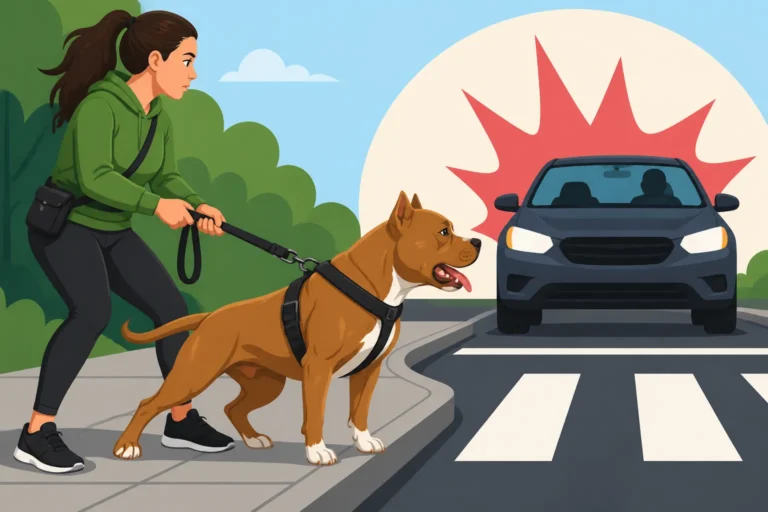
This intensive focus can be particularly helpful for building reliable Pit Bull Leash Manners and Physical Strength. If your Pit Bull currently drags you down the street, an intensive program might instill the muscle memory and understanding required for loose-leash walking much quicker than sporadic home training. They'll practice walking politely numerous times a day, in various settings, solidifying the behavior.
Addressing Specific Behavioral Challenges
While board and train is often marketed for general obedience, some programs specialize in addressing more complex behavioral issues. For a Pit Bull exhibiting behaviors like barrier frustration, mild reactivity towards other dogs, or resource guarding, an experienced trainer might be able to implement a dedicated modification plan in a controlled environment. The key here is the control. The trainer can carefully manage exposures, set up specific scenarios, and intervene precisely at the right moment to teach the dog alternative, more appropriate responses.
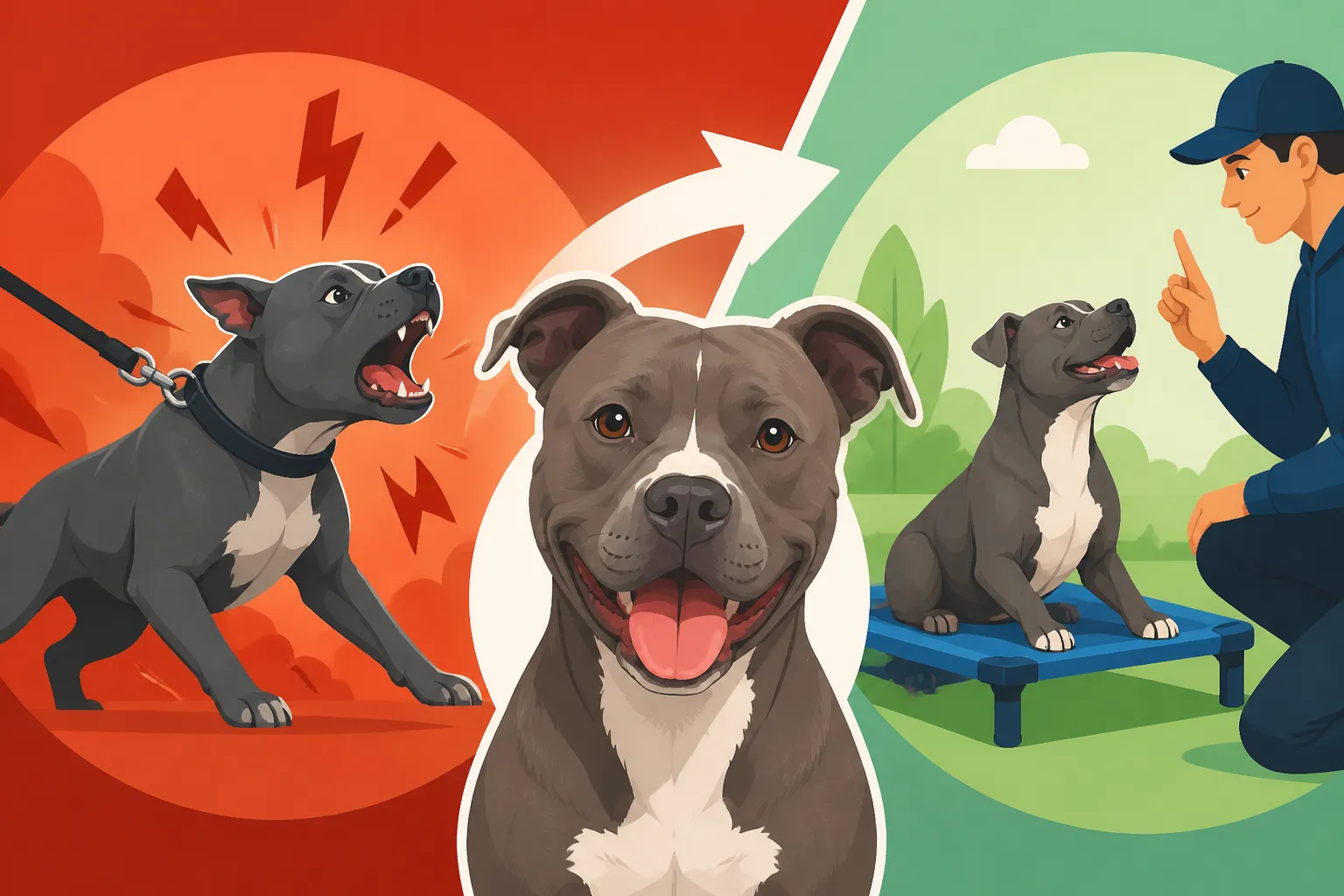
For instance, if your Pit Bull struggles with reactivity towards other dogs on walks, a board and train program might offer controlled desensitization and counter-conditioning sessions multiple times a day. This consistent exposure, paired with positive associations and expert handling, could potentially help your dog learn to be calmer around triggers. However, it's crucial that the program is truly focused on humane, behavior-modification techniques rather than simply suppressing symptoms through force. A good program will clearly outline their approach to such challenges and have a strong track record of success.
Professional Assessment and Handling
Sometimes, as owners, we get so wrapped up in our dog's day-to-day behavior that it's hard to see the forest for the trees. A fresh set of professional eyes can be incredibly valuable. A qualified trainer will observe your Pit Bull's behavior, body language, and responses to various stimuli with an objective perspective. They might identify underlying issues or communication breakdowns that you, as the owner, have missed. This professional assessment can be particularly insightful for discerning if certain behaviors are truly breed-specific traits, learned habits, or manifestations of anxiety or discomfort.
Furthermore, a professional trainer has the experience and physical capability to safely handle a strong Pit Bull, especially during initial stages of behavior modification where the dog might be challenging. They can demonstrate proper leash handling techniques, introduce new tools, or safely manage a challenging situation, which can be invaluable. This mentorship can be part of the handover process, equipping you with the skills you need to maintain the training after your dog returns. A reputable trainer will always make sure that the owner is involved in the learning and understanding process.
Significant Drawbacks and Risks to Consider
While the potential benefits can be appealing, it's vital to consider the significant drawbacks and risks associated with board and train programs, particularly when dealing with a Pit Bull. These programs aren't a magical fix and can sometimes create new problems if not carefully chosen.
The "Transfer of Learning" Gap
This is arguably the biggest Achilles' heel of many board and train programs. Dogs are highly contextual learners. They learn to associate specific behaviors with specific cues, in specific environments, and with specific handlers. When your Pit Bull spends weeks learning obedience from a trainer in a new place, they are essentially learning a new language from a new teacher in a new classroom. The challenge comes when they return home to your voice, your cues, your home, and your daily routine. There can be a significant "gap" in transferring that learning back to you.
Imagine your Pit Bull has learned to walk perfectly on a loose leash with the trainer. They come home, and the first walk you take, they're back to pulling like crazy. This isn't necessarily because the training was bad; it's often because the dog hasn't generalized the behavior to you and your environment. A crucial component of any successful board and train program must be an extensive handover process, where the trainer teaches you exactly how to maintain and reinforce the training. This means multiple follow-up sessions, demonstrations, and opportunities for you to practice under the trainer's direct supervision. Without this, you might find yourself with a dog that knows commands, but only when the trainer gives them. This is especially important for breeds like Pit Bulls, where reliable obedience in public is often paramount.
Potential for Aversive Methods
As mentioned earlier, some board and train programs use aversive tools and methods. While these methods can sometimes produce quick results in suppressing unwanted behaviors, they come with substantial risks, particularly for a breed like the Pit Bull. A Pit Bull that is trained using fear, intimidation, or pain might learn to suppress a behavior, but the underlying emotional state isn't addressed. Instead, it might be replaced with anxiety, fear, or even redirected aggression. For example, a dog that barks at other dogs on walks might stop barking after repeated e-collar corrections, but they might still feel anxious or fearful, and this could manifest as snapping or biting without warning in a different context.
Ethical concerns aside, using harsh methods on a Pit Bull can damage the bond you have with your dog, create a dog that is "shut down" and unwilling to offer behaviors, or, worse, escalate existing fear or reactivity. A Pit Bull's powerful build means any incident involving them is often scrutinized more intensely, making it vital to choose training methods that build confidence and trust rather than fear. Always ask for a detailed breakdown of the training philosophy, tools used, and how they handle any pushback from the dog. If they cannot clearly articulate a plan that aligns with positive, humane methods, it's a red flag. Why Harsh Handling Backfires on a Pit Bull is a topic every owner should understand deeply.
Cost Versus Long-Term Value
Board and train programs are typically a significant financial investment. They can range from several hundred to several thousand dollars, depending on the duration, trainer's experience, and the specific issues being addressed. While the upfront cost might seem justified if it promises a well-behaved dog, it's crucial to assess the long-term value. If the training doesn't transfer well, or if you aren't adequately equipped to maintain it, then that investment may not yield the lasting results you hoped for.
Consider whether that same amount of money could be better spent on a series of private, in-home lessons where you are actively involved in every step of the training process. With private lessons, the trainer teaches you how to train your dog, ensuring that the behaviors are learned in your home environment, with your handling, and that you gain the skills necessary for ongoing success. While it might take longer, the foundation of knowledge and skill you acquire as an owner could prove far more valuable in the long run than a dog that merely performed for someone else.
Alternatives to Board and Train for Pit Bulls
Feeling overwhelmed by your Pit Bull's training challenges is completely normal, but board and train isn't the only, or necessarily the best, solution. There are several highly effective alternatives that prioritize owner involvement and can yield fantastic, lasting results.
One-on-One Private Training
Private training sessions, where a certified professional trainer comes to your home or meets you in specific locations, are often an excellent alternative to board and train. The primary benefit here is that the trainer works directly with you and your Pit Bull, in your actual environment, addressing real-world challenges. This ensures that the learning happens in the context where it needs to be applied. If your Pit Bull pulls hard on walks, the trainer will meet you at your usual walking spot and show you exactly how to handle it. If they jump on guests, the training takes place at your front door.
This approach empowers you as the owner. You learn the techniques, understand the "why" behind your dog's behavior, and build your own handling skills. This direct involvement significantly reduces the "transfer of learning" gap because you are the one doing the training, with expert guidance. It might require more consistent effort on your part initially, but the skills you gain are invaluable for your dog's entire life. When looking for a private trainer, search for one experienced with Finding a Trainer Experienced With Pit Bulls and who uses positive reinforcement methods.
Group Classes and Structured Socialization
For general obedience and mild socialization needs, group classes can be a wonderful, cost-effective alternative. These classes provide a structured environment where your Pit Bull can learn basic manners, impulse control, and how to focus on you amidst the distraction of other dogs and people. Look for classes that are small, well-managed, and explicitly welcome all breeds, especially Pit Bulls. Good instructors will ensure a safe and positive learning experience for every dog, regardless of breed.
Group classes can be particularly beneficial for Socializing a Pit Bull Puppy Thoroughly, exposing them to new sights, sounds, and polite interactions with other dogs under controlled conditions. Even for adult Pit Bulls, a well-run class can help reinforce obedience in public settings and build confidence. Many Pit Bull owners find that earning a Canine Good Citizen and Why It Matters for a Pit Bull title through classes helps them demonstrate their dog's excellent manners, which can even aid in navigating breed-specific housing or insurance restrictions. Brands like BAXTER & Bella offer online resources that can complement in-person group training by providing structured learning modules you can follow at home.
DIY with Expert Guidance
For owners who are highly motivated and dedicated, a "do-it-yourself" approach, supported by quality resources and occasional expert consultations, can be very effective. This involves reading reputable books, watching online courses (many available on platforms like Amazon), and potentially hiring a trainer for a few one-off sessions to troubleshoot specific issues. This path demands a lot of self-discipline and a good understanding of learning theory, but it can be incredibly rewarding.
You can learn about Positive Reinforcement Training With a Pit Bull and how to apply it consistently. Many owners have successfully trained their Pit Bulls to a high standard this way, using resources to understand What to Teach a Pit Bull Puppy and When or address specific challenges like Pit Bull Chewing and Destructive Behavior. The key is to be discerning about your sources and to seek professional help if you hit a roadblock or if the behavior problem is complex or potentially dangerous. There are many fantastic online programs that provide a structured curriculum, almost like a virtual board and train, but with you as the active participant at all times.
Key Considerations Before Committing
Before you sign on the dotted line for any board and train program, especially for your Pit Bull, take a deep breath and consider these crucial points. This is a significant decision, and thorough due diligence is paramount.
Vet the Trainer and Program Thoroughly
This cannot be stressed enough: do your homework! Not all trainers are created equal, and sadly, the industry is largely unregulated. For a Pit Bull, who often carries unfair stigmas, choosing the wrong trainer can have devastating consequences.
Here's what to look for and ask:
- Certifications and Associations: Look for certifications from reputable, independent organizations that emphasize humane and science-based training methods, such as the Certification Council for Professional Dog Trainers (CCPDT) or the Karen Pryor Academy (KPA). Membership in professional associations like the Association of Professional Dog Trainers (APDT) is also a good sign.
- Training Philosophy and Methods: Ask pointed questions. "What tools do you use?" "How do you handle mistakes?" "Do you use e-collars, prong collars, or choke chains? If so, why and how?" "What happens if my dog gets stressed or fearful?" A good trainer should be transparent and able to explain their methods clearly and calmly. Avoid anyone who promises "quick fixes" or seems secretive about their techniques.
- Facility Visit and Observation: Insist on visiting the facility where your Pit Bull would be staying. Is it clean? Safe? Are the dogs housed comfortably? Can you observe training sessions? Watch how the trainers interact with the dogs. Do the dogs seem happy and engaged, or stressed and shut down?
- References and Reviews: Ask for references from past clients, particularly those with Pit Bulls or similar breeds who have dealt with similar issues. Read online reviews, but also understand that reviews don't tell the whole story.
- Post-Program Support: What does the handover process look like? How many follow-up sessions are included? Is there ongoing support for questions after your dog comes home? A truly effective program will include extensive owner coaching to ensure the training translates back to you. When Vetting a Trainer Before Booking a Pit Bull, these questions are your shield.
Understanding Your Pit Bull's Individual Needs
Every Pit Bull is an individual. While some general breed traits exist, your dog’s specific temperament, past experiences, and personality will dictate what kind of training is most suitable. A highly sensitive Pit Bull might not thrive in an environment that uses even mild aversives, whereas a more confident, robust dog might handle certain tools differently.
Consider your dog's history. Is your Pit Bull a rescue with an unknown past? Have they had previous negative experiences? Are they prone to anxiety or fear? These factors are critical when choosing a training approach. A program that emphasizes building confidence, positive reinforcement, and a strong relationship will almost always yield more resilient and happy results for any dog, but especially for those who might have a history of trauma or sensitivity. For instance, if your Pit Bull shows signs of Pit Bull Dog Selectivity and Multi-Dog Homes, a board and train facility with many dogs might need careful consideration regarding how they manage interactions.
Your Own Commitment to Ongoing Training
No matter how effective a board and train program is, it is not a substitute for your ongoing commitment to training and maintenance. Your Pit Bull will return having learned certain behaviors, but they are not a robot. You will be responsible for reinforcing those behaviors daily, integrating them into your routine, and continuing to build on that foundation. If you're hoping to send your dog away and have all your training problems magically solved without putting in further effort, a board and train will likely disappoint you.
A board and train can kickstart the process, or provide a concentrated period of learning, but you are the primary trainer for your dog for their entire life. Be honest with yourself about the time and energy you are willing to invest once your Pit Bull returns. Are you ready to continue practicing the new skills? Are you prepared to adjust your own habits to support the new behaviors? Your active participation is the single most important factor in the long-term success of any training endeavor, regardless of where it starts.
| Feature | Board and Train (Good Program) | Private Training (Good Trainer) | Group Classes | DIY with Expert Guidance |
|---|---|---|---|---|
| Owner Involvement | Low during training, High during handover & maintenance | High throughout | High throughout | Very High throughout |
| Learning Transfer | Potential gap, requires strong handover | Excellent, as training is in context | Good, with owner practice in real-world scenarios | Depends on owner's consistency & understanding |
| Intensity | Very high, daily sessions | Moderate to high, depending on frequency & owner commitment | Moderate, structured weekly sessions | Variable, depends on owner's daily effort |
| Behavioral Issues | Can address complex issues with expert handling | Excellent for complex issues, tailored to specific home environment | Best for mild issues, general obedience, basic socialization | Possible for mild issues, requires significant owner skill |
| Cost | High (thousands) | Moderate to High (hundreds to low thousands) | Low to Moderate (hundreds) | Low (books/online courses) to Moderate (occasional consults) |
| Timeframe for Results | Potentially quicker initial results | Steady progress, skills build with owner competence | Slower, but builds strong foundation | Variable, self-paced |
| Bond Building | Can create strong bond with trainer; needs effort to rebuild with owner | Strengthens owner-dog bond directly through shared learning | Strengthens owner-dog bond through shared experiences | Strengthens owner-dog bond through shared learning |
Conclusion
The decision of whether a Pit Bull gains from a board and train program isn't a simple yes or no. For some owners and some dogs, with the right program and significant owner follow-through, it can provide a valuable jumpstart or specialized intervention. However, it's never a magic wand, and the risks, particularly concerning humane methods and the transfer of learning, are substantial.
Ultimately, the most effective training approach for any Pit Bull, regardless of their challenges, involves the owner being an active participant. Whether you choose private lessons, group classes, or a self-guided journey, your commitment to learning, practicing, and building a strong, trust-based relationship with your Pit Bull is the real secret to long-term success. Always prioritize programs that empower you and your dog through positive, force-free methods, and remember that consistent, compassionate training from you will always be the most powerful tool in your Pit Bull's behavioral toolkit.
Disclaimer
This article is for general informational purposes only and does not constitute professional advice. Laws, prices and regulations vary by location and change over time. Consult a qualified professional for guidance on your specific situation.