Whether a Pit Bull Should Sleep on the Bed
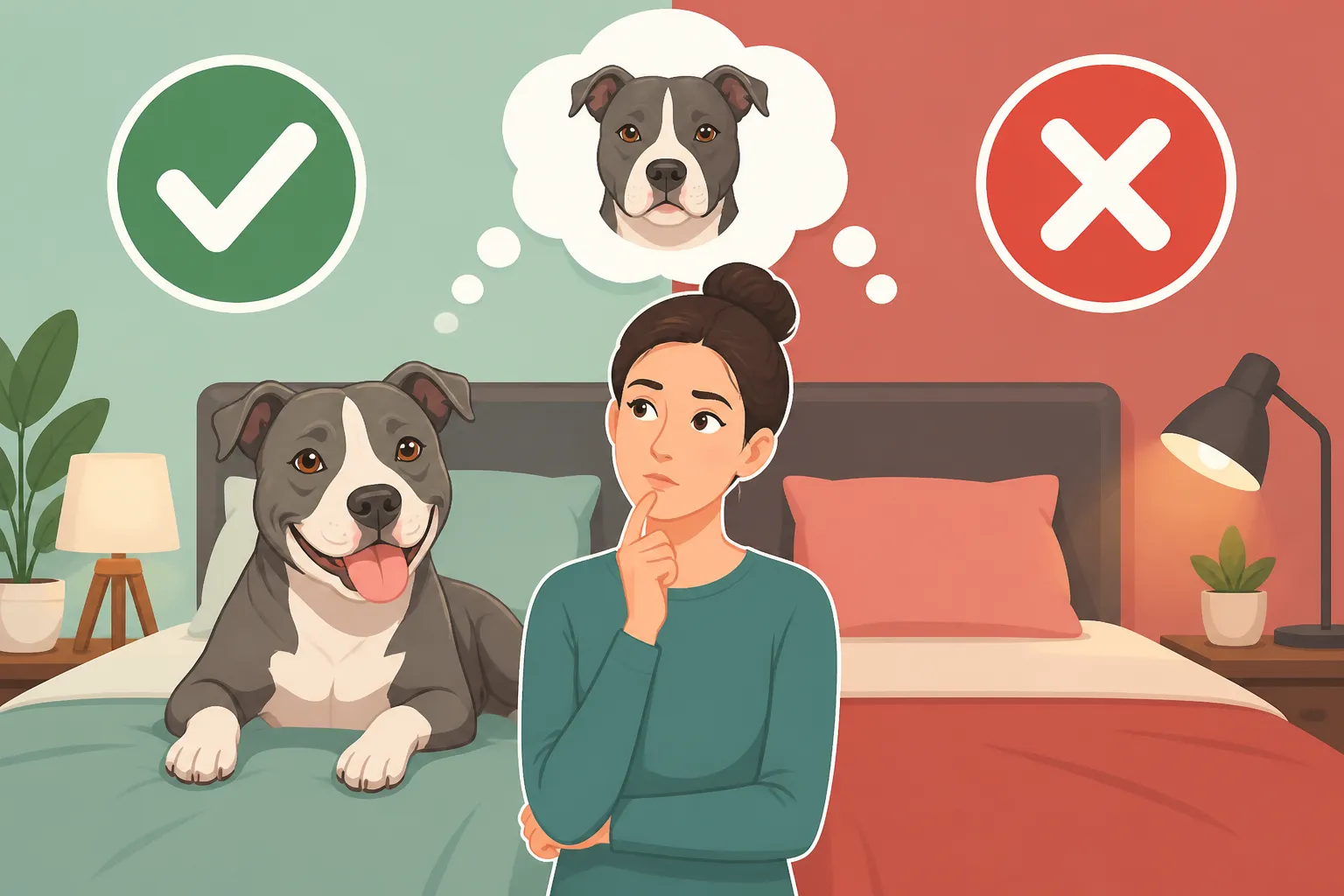
It's a question almost every Pit Bull owner wrestles with at some point: should your beloved, often very cuddly, Pit Bull be allowed to share your bed? We adore their snuggles and the feeling of security they bring, but the practicalities and potential behavioral impacts can be a real head-scratcher. This guide will dive deep into the emotional, practical, and behavioral aspects of allowing your powerful companion to sleep in your bed, helping you decide what's best for both of you.
The Emotional Comfort Versus Practical Realities
There's no denying the immense joy and comfort that comes from having your dog sleep right beside you. For many Pit Bull owners, this desire for closeness is especially strong, given the unfair stereotypes these dogs often face. However, balancing that emotional connection with the realities of sharing such an intimate space requires careful thought.
The Appeal of a Cuddly Pit Bull in Bed
Let's be honest, there's nothing quite like waking up to a warm, heavy Pit Bull draped across your legs or nestled against your back. Despite their muscular build and sometimes formidable appearance, many Pit Bulls are absolute softies who thrive on physical affection. They're often referred to as "velcro dogs" for a reason! That deep bond, the sense of security they provide, and their inherent need for closeness make the idea of bed-sharing incredibly appealing. It strengthens your relationship, fosters trust, and for many, it simply feels right to have their best friend so near through the night. It can feel incredibly cozy, especially on a chilly evening, to have that living hot water bottle snuggled right up against you, radiating warmth and contentment.
Beyond just the warmth and affection, there's an element of comfort in knowing your dog is safe and sound beside you. Especially with rescue dogs, or those with a history of anxiety, the physical proximity can be reassuring for both dog and owner. You might find your sleep is deeper knowing they are there, and they might relax more fully in your presence. It's a testament to the powerful human-animal bond, and for many, the bed is the ultimate symbol of that shared life. This deep desire for shared slumber is perfectly natural, and it's why the question of whether to allow it becomes such a thoughtful debate.
The Logistical Challenges of Sharing a Bed
While the emotional rewards are undeniable, the practical side of bed-sharing with a Pit Bull can present a few hurdles. First and foremost, size matters. A fifty to seventy-pound (or more!) Pit Bull takes up a considerable amount of real estate on a bed, especially if you're not sleeping on a king-sized mattress. You might find yourself pushed to the edge, waking up stiff, or simply not getting the uninterrupted sleep you need. A restless Pit Bull can hog blankets, sprawl out unexpectedly, or even nudge you awake with a sudden stretch or snore. Many Pit Bulls are natural burrowers too, meaning they might try to get under the covers, which can quickly become a tangled mess or make for an uncomfortably warm sleeping arrangement.
Then there's the hygiene factor. Pit Bulls, like all dogs, can track in dirt, shed hair, and carry allergens. If your Pit Bull loves to roll in the grass or splash in puddles, that detritus inevitably ends up on your sheets. Even with regular grooming and paw wiping, a certain amount of dog-related debris is inevitable. For owners with allergies or those who are meticulous about cleanliness, this can be a constant battle. Furthermore, dogs can bring in external parasites, even with preventive measures in place. While Year-Round Parasite Cover for a Pit Bull is essential, the thought of an errant flea or tick on your pillow isn't exactly a dream scenario. It's a trade-off: the joy of the snuggle versus the reality of extra laundry and a potentially less-than-pristine sleeping environment.
Potential Behavioral Implications of Bed Sharing
Beyond the physical space and cleanliness, allowing a Pit Bull on your bed can sometimes introduce or exacerbate certain behavioral challenges. These aren't universal, as every dog is an individual, but they are important considerations to weigh, especially with a strong and intelligent breed like a Pit Bull.
Resource Guarding and Establishing Boundaries
One of the most significant behavioral concerns with bed sharing, especially for a breed as confident as a Pit Bull, is the potential for resource guarding. In a dog's mind, the bed isn't just a place to sleep; it can be a valuable resource – a comfortable, elevated, safe spot. If your dog starts to perceive the bed as theirs rather than yours (which you are allowing them to share), it can lead to guarding behaviors. This might manifest as a low growl when you try to move them, a stiffening of their body, or even a snap when you try to reclaim your space.
It’s crucial that your Pit Bull understands that the bed belongs to you, and they are there by invitation. This doesn't mean you have to be harsh or punitive, but consistent boundaries are key. Teach a strong "off" command, ensuring they will calmly leave the bed when asked. Incorporate regular practice where they get on and off the bed, sometimes being invited up, sometimes being asked to get down. If you notice any subtle signs of tension or guarding, it's a clear signal that bed-sharing might be contributing to a behavioral issue. In such cases, redirecting them to their own designated, comfortable bed on the floor might be the safest and most responsible choice. Establishing that you are the benevolent leader who controls access to resources is foundational to a harmonious relationship.
Impact on Independence and Separation Anxiety
Another area to consider is how bed-sharing might affect your Pit Bull's independence and potentially worsen separation anxiety. If the only place your dog feels truly secure and comfortable is right next to you in your bed, they might struggle immensely when left alone or asked to sleep elsewhere. This can create an unhealthy over-attachment, where they become excessively dependent on your constant physical presence. A dog that is constantly seeking to be on you or next to you, especially in a sleeping context, might not be developing the resilience needed to cope with solitude.
It's vital for your Pit Bull to have a designated, comfortable, and positive space of their own where they can relax and feel secure, even when you're not right there. This could be a cozy dog bed in the living room, a crate in your bedroom, or a quiet corner. Training them to be content in their own space, away from you, is a critical life skill. If they always sleep with you, they might not learn to self-soothe or feel safe when you're absent. This can exacerbate existing separation anxiety or even contribute to its development. You want your Pit Bull to choose to be with you because they love you, not because they need to be physically touching you to feel safe. For example, a dog that has been taught to settle calmly in their crate using positive reinforcement, often taught in programs like the BAXTER & Bella online puppy school, is much more likely to be an independent sleeper who can cope when you're away.
Health and Hygiene Considerations
When a Pit Bull shares your bed, it's not just about space and behavior; there are important health and hygiene factors that affect both you and your canine companion. These elements often get overlooked in the desire for a warm cuddle but can have real consequences.
Allergies and Skin Issues for Both Dog and Owner
Pit Bulls, unfortunately, can be prone to various skin issues, with allergies topping the list for many. If your Pit Bull suffers from Pit Bull Skin Allergies and the Atopy Pattern, for example, having them sleep in your bed can concentrate allergens (like pollen, dust mites, or dander) right where you lay your head. This isn't just problematic for you if you have allergies, but it also means your dog is constantly re-exposing themselves to whatever might be irritating their skin. Imagine an itchy dog bringing all those environmental triggers directly into your shared sleeping space.
For owners, this concentration of dog dander, hair, and potential environmental allergens can trigger or worsen their own allergic reactions, leading to sneezing, itchy eyes, or even asthma. Even if you're not allergic, the constant presence of shed hair and dander can simply be unpleasant. For the dog, if they are battling skin issues, a clean, hypoallergenic environment can be crucial for healing. Regular bathing with appropriate shampoos, as discussed in articles like Medicated Baths for a Pit Bull With Atopy, can help manage some of these allergens and irritants, but the bed remains a high-contact surface that needs frequent cleaning. The warmth and moisture in bedding can also create an environment conducive to yeast or bacterial growth if your dog has recurring skin infections, making your bed a less-than-ideal therapeutic space.
Parasites and Cleanliness
Beyond allergies, there's the less pleasant topic of parasites and general cleanliness. Even the most diligent owners can sometimes miss a tiny flea or tick, especially if their Pit Bull spends time outdoors. If your dog sleeps in your bed, any external parasites they might inadvertently pick up can easily transfer to your sheets and mattress, creating a whole new problem for your household. While crucial for overall health, even the best Year-Round Parasite Cover for a Pit Bull isn't always 100% foolproof against every single hitchhiker.
Then there's the more common issue of everyday dirt and grime. Pit Bulls have short coats, but they still shed, and that hair often ends up on your sheets, pillows, and even in your mouth. They track in dust, mud, grass, and whatever else they've encountered on their paws throughout the day. If your Pit Bull has a habit of licking their paws, as some allergic dogs do, that moisture and saliva also transfer to your bedding. A comprehensive routine for Pit Bull Coat and Skin Care Week to Week helps immensely, but it won't eliminate all debris. You'll likely find yourself washing bedding far more frequently than before, which is an added chore. The cleanliness factor is a significant consideration for many, leading them to prefer a separate sleeping arrangement for their furry friend.
Alternative Sleeping Arrangements and Training
If you've weighed the pros and cons and decided that bed-sharing isn't quite right for you and your Pit Bull, or if you simply want options, there are fantastic alternatives. The key is to make these alternative spaces just as inviting and comfortable, coupled with consistent training.
Creating an Inviting Dog Bed or Crate Space
The goal here is to make your Pit Bull's own sleeping area so appealing that they choose it willingly, even over your warm bed. This starts with the right equipment. For a powerful, muscular dog like a Pit Bull, a durable and comfortable dog bed is essential. Look for orthopedic beds that offer good support for their joints, especially as they age, and covers that are easily removable and washable. Many great options are available, and you can find a wide variety of designs, sizes, and materials on platforms like Amazon. The bed should be large enough for them to stretch out fully and change positions comfortably.
If you opt for a crate, ensure it's sturdy, appropriately sized, and becomes a truly positive "den" for your dog. A crate shouldn't be used for punishment; instead, it should be a safe, quiet retreat. Fill it with soft bedding, a favorite chew toy, and maybe even a treat-dispensing puzzle. This helps create a positive association. Place their bed or crate in a quiet corner of your bedroom or another comfortable space in the house where they still feel connected to the family but have their own defined territory. The aim is to make this space a sanctuary where they feel secure and can truly relax, understanding it's their special spot.
Training for an Independent Sleeper
Once you have a comfortable alternative, consistent positive reinforcement training is paramount. Start by simply encouraging your Pit Bull to go to their bed or crate with a cheerful command like "place" or "bed." Reward them heavily with high-value treats and praise when they settle in it, even for short periods during the day. Gradually increase the duration they spend there, always rewarding calm behavior. This helps them associate their bed with good things and a sense of calm.
When it comes to bedtime, guide them to their spot with your chosen command. If they try to hop on your bed, gently redirect them back to their own. Consistency is absolutely critical. Everyone in the household needs to be on the same page, ensuring that the rules for sleeping arrangements are clear and consistently enforced. During puppyhood, this kind of training is much easier, as covered in guides like What to Teach a Pit Bull Puppy and When, because you're establishing habits from the start. You might even use a special, long-lasting chew or puzzle toy to keep them occupied and content in their own bed as you settle down for the night. Over time, your Pit Bull will learn that their bed is a wonderful place to be, fostering independence and ensuring a good night's sleep for everyone involved.
| Consideration | Bed Sharing | Separate Dog Bed/Crate |
|---|---|---|
| Emotional Bond | Strong physical closeness, security, comfort | Still strong, but allows for more independence |
| Space | Can be cramped, disruptive, less room for owner | Ample space for both dog and owner, better sleep |
| Hygiene | Increased shedding, dirt, dander, potential allergens, parasite risk | Confined to dog's area, easier to clean |
| Behavioral Impact | Potential for resource guarding, over-attachment, separation anxiety | Fosters independence, clear boundaries, reduces guarding |
| Owner Sleep Quality | Can be disrupted by movement, snoring, heat | Generally better, more consistent sleep |
| Dog Comfort | Often very comfortable, but may feel anxious when alone elsewhere | Can be just as comfortable if designed as a positive, secure den |
Disclaimer
This article is for general informational purposes only and does not constitute professional advice. Laws, prices and regulations vary by location and change over time. Consult a qualified professional for guidance on your specific situation.