Whether a Beginner Should Take On a Pit Bull
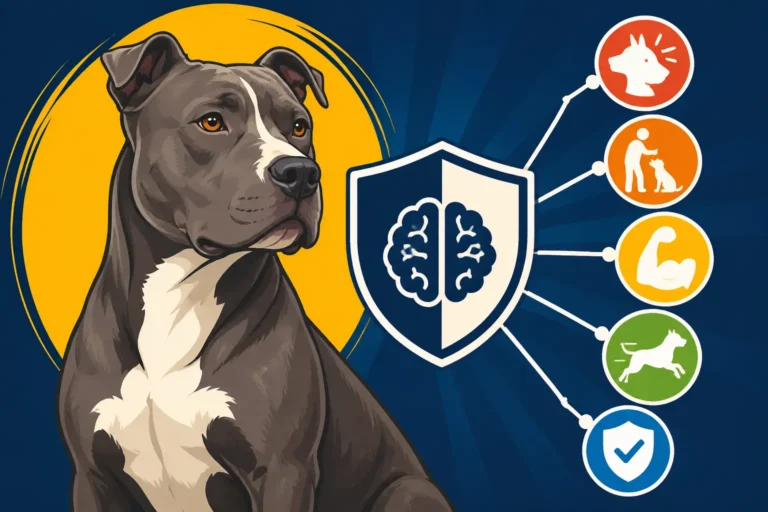
Bringing a new dog into your life is an exciting journey, full of dreams of cuddles and happy adventures. But when that dream involves a powerful, intelligent, and often misunderstood breed type like a Pit Bull, many aspiring owners, especially those new to dog guardianship, wonder if they're truly ready for the commitment. This guide aims to walk you through the real considerations, challenges, and immense rewards of welcoming a Pit Bull into a beginner's home, helping you decide if this truly special companion is the right fit for your experience level.
Defining "Beginner" in Dog Ownership Terms
It’s easy to think of yourself as a "beginner" simply because you haven't owned a dog before, or perhaps you've only had smaller, less demanding breeds. But with a Pit Bull type dog, "beginner" takes on a deeper meaning, highlighting areas where a lack of experience can create significant hurdles for both you and your new furry family member. Understanding these areas is the first step in assessing your readiness.
What a Novice Handler Might Lack
A truly novice dog owner often lacks fundamental knowledge in areas that are absolutely critical for a Pit Bull's success. This isn't a judgment, but a recognition of a learning curve. For instance, basic dog behavior is often a mystery. How do you interpret a tail wag? Is that growl playful or a warning? What does "calm" look like in a dog, and how do you achieve it? These are questions a beginner might not even know to ask, let alone answer. Without this baseline understanding, it's hard to read your dog, anticipate their needs, or correct burgeoning issues before they become ingrained habits.
Beyond behavior, there's the practical side of handling. Many first-time owners haven't dealt with a dog whose physical strength can genuinely pull them off their feet or shatter a "chew-proof" toy in minutes. They might not understand the importance of consistent, positive reinforcement training, and may default to outdated or ineffective methods. The sheer stamina and mental drive of a Pit Bull can also catch new owners off guard, leading to an under-exercised and potentially destructive dog. It's not just about love; it's about practical skills and knowledge that are usually gained over time.
The Learning Curve for Pit Bull Specifics
Even if you’ve had a dog before, a Pit Bull brings its own set of unique characteristics and societal perceptions that add layers to the learning curve. These aren't just "dogs"; they are powerful athletes with a strong prey drive and a history that, fair or not, impacts their public reception. A beginner might not anticipate the need for constant, vigilant management in public spaces, knowing that one misstep could lead to disproportionate blame. Why a Pit Bull Gets Less Benefit of the Doubt. This requires a confidence and awareness that often only comes with experience.
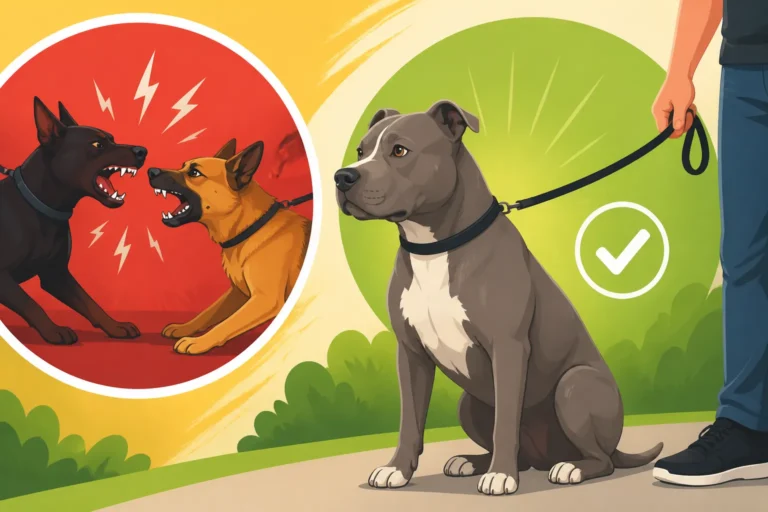
Furthermore, many Pit Bulls exhibit a trait known as "dog selectivity," meaning they may not be friendly with all other dogs, especially as they mature. This isn't aggression, but it requires careful management and understanding, something a beginner might find overwhelming. They might not know how to introduce dogs safely, how to read canine body language to prevent altercations, or when to simply remove their dog from a challenging situation. This breed type demands an owner who is not only willing to learn but also proactively seeks out specialized knowledge and training.
The Specific Demands of Pit Bull Guardianship
Owning a Pit Bull type dog isn't like owning many other breeds. There's a heightened responsibility that comes with their physical capabilities, their deep intelligence, and the unfortunate public stigma they often carry. For a beginner, these demands can feel monumental, requiring an exceptional level of dedication from day one.
Managing Physical Strength and Energy
Let's be real: Pit Bulls are strong. They're built like brick houses, and even a well-behaved one can be a handful on a leash if not properly trained. For a beginner, learning to handle a dog that can easily pull them across a park can be intimidating and even dangerous. It's not just about having a strong arm; it's about teaching polite leash manners from puppyhood and reinforcing them consistently. This often involves specialized equipment, like a front-clip harness, and countless hours of practice. Pit Bull Leash Manners and Physical Strength. Without this dedication, walks can become a dreaded chore rather than an enjoyable outing.
Their energy levels are also significant. These dogs thrive on activity, both physical and mental. A quick walk around the block twice a day isn't going to cut it. They need vigorous exercise – running, fetch, flirt poles, or structured play – to keep them happy and prevent destructive behaviors born out of boredom. For a beginner, understanding how to channel this energy constructively, preventing them from digging up the yard or chewing through furniture, is a steep learning curve. The commitment to daily, substantial exercise, rain or shine, is a non-negotiable part of Pit Bull ownership.
Navigating Dog Selectivity and Social Perception
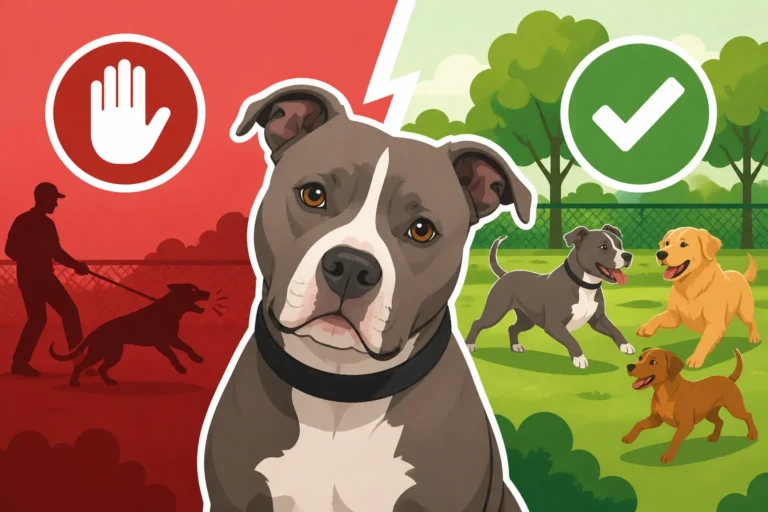
One of the most challenging aspects for any Pit Bull owner, but especially a beginner, is understanding and managing potential dog selectivity. While many Pit Bulls can live happily with other dogs, especially if raised together, it's a common trait for them to become less tolerant of unfamiliar dogs as they mature. This isn't a flaw in their character, but a characteristic of their lineage. A beginner needs to grasp that not every dog is going to be their Pit Bull's friend, and dog parks might not be a safe or appropriate environment. Pit Bull Dog Selectivity and Multi-Dog Homes. This requires constant vigilance, responsible handling, and a willingness to advocate for your dog even when others don't understand.
Beyond dog-dog interactions, there's the pervasive public perception to contend with. Simply walking a Pit Bull in public can draw stares, fear, or judgment from strangers. For a beginner, this can be incredibly disheartening and frustrating. You quickly learn that your dog has to be an absolute ambassador for its type, and your behavior as an owner will be scrutinized. This means your Pit Bull needs to be exceptionally well-trained, calm, and respectful in public, and you need to be prepared to confidently manage situations, even when they’re uncomfortable. What Happens When You Walk a Pit Bull in Public. This often feels like "Training a Pit Bull to a Higher Standard Than Other Dogs," because, sadly, it often is.
Preparing for the Realities: Time, Training, and Financial Commitment
Bringing a Pit Bull into your life, especially as a beginner, isn't a casual decision. It’s a deep dive into a world of continuous learning, consistent effort, and significant financial investment. These aren't hidden costs or minor inconveniences; they are fundamental pillars of responsible Pit Bull guardianship.
The Unwavering Need for Training and Socialization
Every dog benefits from training and socialization, but for a Pit Bull, it's absolutely non-negotiable. From the moment you bring home a puppy, or even an adult rescue, a structured training regimen is essential. This isn't just about teaching "sit" and "stay"; it's about building a solid foundation of manners, impulse control, and confidence. For a beginner, this means committing to classes, often multiple levels, and daily practice at home. Resources like BAXTER & Bella offer online puppy and dog training programs that can be incredibly valuable for beginners, providing step-by-step guidance and support right from your living room. They help you understand how to approach everything from house training to leash walking, offering a structured path for those who might feel overwhelmed.
Proper socialization, particularly for a puppy, is also crucial. This involves safely exposing your Pit Bull puppy to a wide variety of sights, sounds, people, and environments during their critical developmental window. Socializing a Pit Bull Puppy Thoroughly. However, as mentioned, this doesn't automatically mean endless dog park visits; it's about controlled, positive experiences that build resilience and good coping mechanisms. An adult Pit Bull, especially one with an unknown history, may require even more careful, positive exposure and potentially professional guidance to help them feel secure in the world. The commitment to ongoing training, potentially including advanced classes or working towards certifications like the Canine Good Citizen and Why It Matters for a Pit Bull, helps solidify good behavior and demonstrates responsible ownership.
Financial Commitments That Go Beyond Basic Care
Many beginners underestimate the true financial cost of owning any dog, let alone a breed like a Pit Bull. Initial costs like adoption fees (or breeder costs), quality food, crates, and vet visits are just the start. Pit Bulls are prone to certain health issues, like skin allergies, which can lead to recurring vet bills, special diets, and expensive medications. What a Pit Bull Costs a Year With Allergies. A comprehensive pet insurance policy is highly recommended, but it's important to research breed-specific exclusions and ensure you understand the coverage.
Beyond health, there's the cost of durable equipment. Pit Bulls are powerful chewers, and flimsy toys won't last five minutes. Investing in high-quality, chew-proof toys from retailers like Amazon is a necessity, not a luxury, to prevent Pit Bull Chewing and Destructive Behavior. Strong leashes, sturdy harnesses, and robust crates designed to withstand their strength are also essential. Then there are the training expenses: classes, private lessons, or online programs. It’s easy to look at the upfront costs and think you’re prepared, but the ongoing expenses for a Pit Bull can easily run into the thousands each year. Budgeting and having an emergency fund are vital for a beginner owner.
Setting a New Pit Bull Owner Up for Success
If, after considering all the demands, you still feel drawn to the incredible companionship a Pit Bull offers, then success is absolutely within reach, even for a beginner. It requires a deliberate, informed approach and a commitment to continuous learning and proactive management. It's about being prepared to be a truly exceptional guardian.
Prioritizing Education and Professional Guidance
For a beginner, your most valuable asset will be knowledge. Before you even bring a Pit Bull home, immerse yourself in learning about dog behavior, positive reinforcement training methods, and breed-specific traits. Read books, watch reputable online tutorials, and consider signing up for an online course. A program like those offered by BAXTER & Bella can be a godsend, providing structured lessons and live support to guide you through the initial stages and beyond. This proactive education will empower you to understand your dog better and apply effective training techniques from day one.
Once your Pit Bull is home, enlist the help of a certified professional dog trainer. Look for someone experienced with strong, intelligent breeds and who uses positive, force-free methods. Finding a Trainer Experienced With Pit Bulls. A good trainer won't just teach your dog; they'll teach you how to communicate with and understand your dog. They can help you navigate common puppy challenges, address any behavioral quirks that arise, and provide personalized advice tailored to your specific dog and lifestyle. Think of them as your mentor in this journey.
Here's a quick comparison of characteristics that set up new owners for success with a Pit Bull:
| Characteristic Area | Less Prepared Beginner Owner | More Prepared Beginner Owner |
|---|---|---|
| Mindset | Underestimates commitment, reactive to issues | Proactive, committed to learning and consistency |
| Knowledge | Limited understanding of dog behavior | Actively seeking education and resources |
| Physical Ability | May struggle with a strong puller | Willing to use proper tools and training |
| Time Investment | Assumes basic daily walks are sufficient | Plans for extensive daily exercise and training |
| Financial Preparedness | Unaware of potential high costs | Budgets for premium food, vet, training, insurance |
| Support System | Isolated, relies on anecdotal advice | Seeks professional trainers, vet, support groups |
| Public Perception | Frustrated by stigma, struggles to cope | Prepared for scrutiny, focused on good manners |
Building a Strong Support System and Resilient Mindset
You don't have to do this alone. Build a network of support that includes your veterinarian, a professional dog trainer, and perhaps local Pit Bull rescue or advocacy groups. These communities can provide invaluable advice, resources, and encouragement when you inevitably face challenges. Finding a vet who is experienced and comfortable with Pit Bulls is particularly important, as their knowledge will be crucial for managing health and general wellness.
Equally important is cultivating a resilient mindset. There will be frustrating days, moments of doubt, and times when you feel overwhelmed. The public stigma can be exhausting. But remember why you chose this dog: for their boundless affection, loyalty, and joyful spirit. Focus on the positive, celebrate small victories, and remind yourself that every challenge is an opportunity to learn and grow with your dog. Owning a Pit Bull as a beginner isn't the easy path, but for those who commit fully, it is an incredibly rewarding journey, fostering a bond that is truly second to none.
Disclaimer
This article is for general informational purposes only and does not constitute professional advice. Laws, prices and regulations vary by location and change over time. Consult a qualified professional for guidance on your specific situation.