Pit Bull Short Coat Shedding
If you share your life with a Pit Bull, you know the surprise that comes with their short, sleek coat: the sheer volume of hair that somehow manages to end up everywhere. Those seemingly tiny strands defy logic, adhering to your clothes, settling on furniture, and forming elusive fur tumbleweeds under beds and in corners. It's a common frustration that leaves many of us scratching our heads, wondering how such a compact coat can shed so much. This guide is here to unravel the mysteries of Pit Bull shedding, explain what's normal, and arm you with practical strategies to manage the fuzz, helping you maintain a cleaner home and a healthier dog.
The Basics of Pit Bull Shedding
Despite their often-misunderstood reputation, Pit Bulls are dogs like any other, and dogs shed. Their short, dense coats are no exception. Understanding the natural process behind their shedding can help you manage your expectations and implement effective grooming routines. It's not about stopping the shedding entirely – that's impossible and unhealthy – but about managing it proactively.
The Nature of the Short Coat
Many people assume a short coat means minimal shedding, and while it might not produce the same impressive clumps as a long-haired breed, the sheer density of a Pit Bull's coat means there's always plenty of hair ready to fall out. Pit Bulls typically possess a single or double coat, depending on their specific lineage and individual genetics. Most American Pit Bull Terriers and American Staffordshire Terriers have a single, stiff, short coat, which might feel surprisingly coarse to the touch. Staffordshire Bull Terriers often have a slightly softer, smoother short coat. This short, often stiff, hair isn't always obvious until it's embedded in your favorite couch cushion or your dark trousers. It sheds individual hairs rather than large tufts, which can sometimes make it feel like an omnipresent, invisible force until you suddenly notice the accumulation.
Seasonal Shedding Cycles
Just like many other dog breeds, Pit Bulls experience seasonal shedding. This is a natural process where their bodies adjust their coat density in response to changes in temperature and daylight hours. You'll likely notice an increase in shedding during spring as they shed their denser winter coat to prepare for warmer weather, and again in the fall as they get rid of their lighter summer coat to grow a thicker one for winter. Some Pit Bulls, especially those living in indoor, temperature-controlled environments, might shed more consistently throughout the year with less dramatic seasonal fluctuations. This constant shedding can make it feel like the cycle never truly ends, making consistent grooming all the more important.
Undercoat Versus Guard Hairs
Understanding the different types of hair your Pit Bull might have can shed some light on their shedding patterns. Many Pit Bull types primarily have a single coat, consisting mostly of guard hairs. These are the coarser, tougher outer hairs that protect the dog from elements like sun and minor abrasions. These single-coated dogs still shed, but they don't have a thick, fluffy undercoat that "blows" out in massive quantities like a Husky or a German Shepherd. However, some Pit Bull lines or mixes might have a sparse undercoat, particularly if there are other bully breeds in their ancestry. If your Pit Bull has a bit of an undercoat, you'll notice more "fluff" during seasonal changes. Even with mostly guard hairs, the sheer volume and density mean those individual short hairs are always making their way off the dog and onto your possessions.
Factors Influencing Pit Bull Shedding
While some shedding is entirely normal, several factors can influence the amount and type of hair your Pit Bull loses. Identifying these can help you address potential issues or optimize your dog's health and comfort. It's often a combination of these elements that determines how much you're sweeping up each day.
Dietary Impact
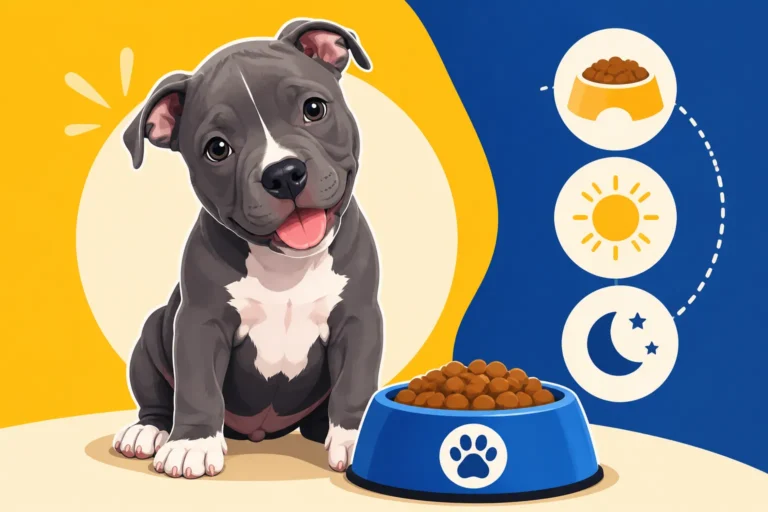
What goes into your Pit Bull’s bowl has a direct impact on the health of their skin and coat, and consequently, on how much they shed. A diet lacking in essential nutrients, particularly high-quality protein and omega fatty acids, can lead to a dull, dry coat and increased shedding. Think of it like a poorly nourished plant; it won't thrive and will drop its leaves more readily. Cheap fillers and artificial ingredients in some commercial dog foods can also contribute to skin irritation or allergies, which in turn can exacerbate shedding. Conversely, a diet rich in high-quality, digestible ingredients can lead to a healthy, shiny coat that sheds less. Brands like Ollie, known for their fresh, human-grade food, focus on providing balanced nutrition that often benefits skin and coat health, and many owners report a noticeable difference in shedding when switching to such diets.
Environmental Influences
Your Pit Bull's environment plays a significant role in their shedding patterns. As mentioned, indoor dogs, living in climate-controlled homes, often shed more consistently year-round because their bodies don't experience the distinct temperature shifts that trigger seasonal coat blows. Exposure to allergens in the environment, such as pollen, dust mites, or certain grasses, can also cause skin irritation and itching, leading to more shedding as your dog scratches or rubs. Even the humidity level in your home can affect skin moisture and hair follicle health. For instance, very dry air in winter can dry out skin, potentially increasing shedding. Conversely, a very humid environment can sometimes encourage yeast growth on the skin, which can also lead to issues.
Stress and Hormones
Believe it or not, a Pit Bull’s emotional state and hormonal balance can affect their coat health and shedding. Stress, anxiety, or even fear can sometimes manifest as increased shedding. If your dog is undergoing a significant life change, moving to a new home, or dealing with separation anxiety, you might notice more hair coming off. Hormonal imbalances, such as those caused by an underactive thyroid (hypothyroidism), can also lead to a dull, brittle coat and excessive hair loss, sometimes even in patches. Hypothyroidism and a Thinning Pit Bull Coat is a common concern. Pregnant or lactating female Pit Bulls often experience significant shedding due to hormonal fluctuations as their bodies allocate resources differently. It’s always worth considering these internal factors if shedding seems unusual or excessive, beyond the normal seasonal changes.
Effective Strategies for Managing Pit Bull Shedding
Dealing with Pit Bull shedding effectively isn't about eliminating it, but about reducing the amount of loose hair that ends up in your home. This involves a consistent, multi-pronged approach that focuses on regular grooming and proactive home care.
Brushing Routines and Tools
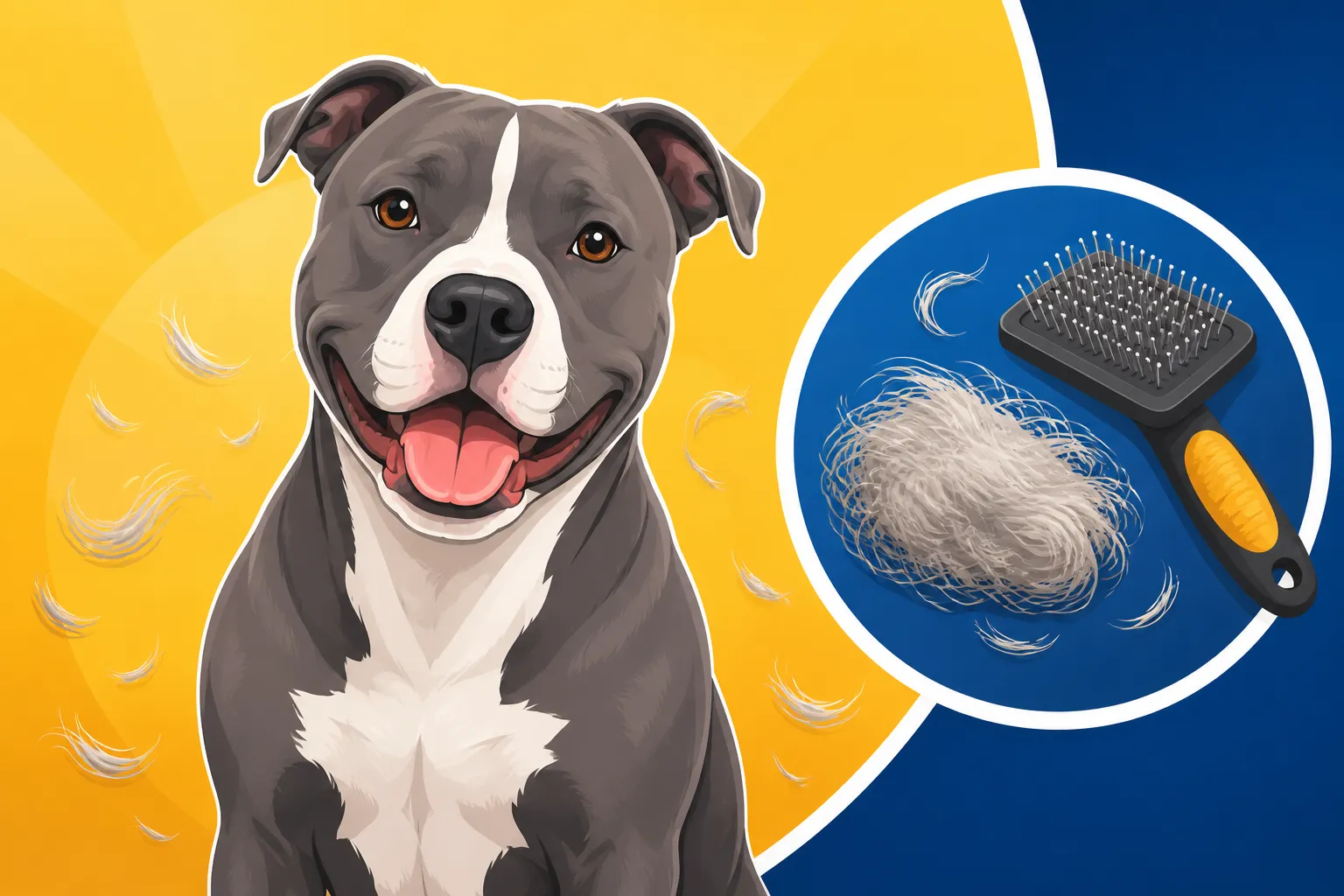
Regular brushing is your absolute best defense against Pit Bull shedding. A good brushing routine helps remove loose hair before it has a chance to settle on your furniture. For short-coated dogs like Pit Bulls, aim for at least 2-3 times a week, but daily brushing during peak shedding seasons or for heavily shedding individuals can be incredibly beneficial.
When it comes to tools, the right brush makes all the difference:
- Rubber Curry Brush (Grooming Mitt/KONG ZoomGroom): These are fantastic for Pit Bulls. The rubber nubs massage the skin, stimulating circulation and loosening dead hair, while also being gentle. They are excellent for everyday use and even during baths. You can find these on Chewy or Amazon easily.
- Slicker Brush (soft pin type): While often associated with longer coats, a slicker brush with fine, bent wires can still be useful for Pit Bulls, particularly if they have a slightly denser coat. Use with a very light touch to avoid irritating the skin.
- Deshedding Tools (e.g., Furminator-style): Use these sparingly and with extreme caution. While they are very effective at pulling out loose undercoat, overuse or improper technique can damage the topcoat and irritate the skin. If you opt for one, read the instructions carefully and use it perhaps once every couple of weeks during shedding season, never more frequently.
A routine might look like this: a few minutes with a rubber curry brush daily, followed by a quick wipe-down to pick up any remaining loose hairs. Rubber Curry Brushes for a Pit Bull are truly a game-changer for many owners.
Bathing and Grooming Schedule
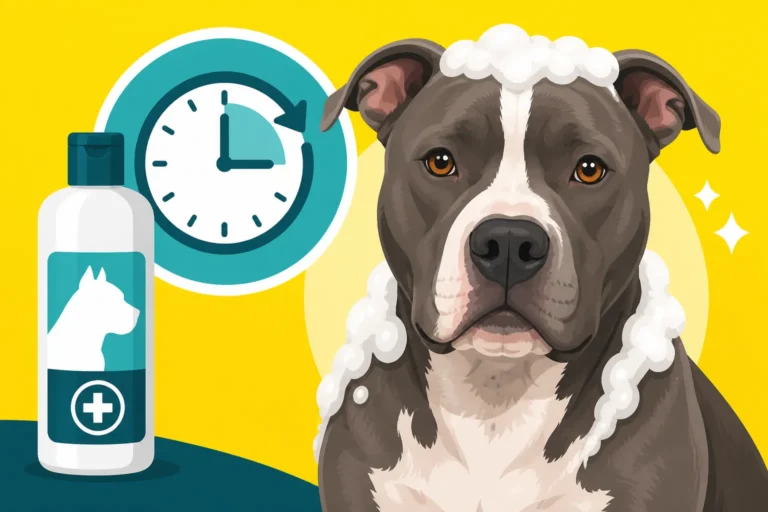
Bathing your Pit Bull on a regular schedule can also help control shedding, as it washes away loose hair and dead skin cells. However, don't overdo it, as excessive bathing can strip natural oils and dry out their skin, potentially leading to more shedding. For most Pit Bulls, a bath every 4-6 weeks is sufficient, perhaps more frequently during heavy shedding seasons or if they have skin issues.
When bathing, use a high-quality dog shampoo that is gentle and moisturizing. Look for ingredients like oatmeal, aloe vera, or specific formulations for sensitive skin. Some owners find that a deshedding shampoo can be beneficial during a bath, as these products are designed to help release loose hair. After shampooing, consider using a dog-specific conditioner to hydrate the skin and coat, making it softer and healthier. Whether a Pit Bull Needs Conditioner really depends on their individual coat and skin needs, but it can certainly help reduce dryness. Always ensure you rinse thoroughly to prevent residue that could irritate the skin. After the bath, vigorously towel-dry your Pit Bull to help dislodge any remaining loose hairs. For specific skin conditions, your vet might recommend Medicated Baths for a Pit Bull With Atopy.
Housekeeping Strategies
Even with the best grooming routine, some Pit Bull hair will invariably end up in your home. Having a few smart housekeeping strategies in place can make a big difference in maintaining cleanliness.
- Vacuum Regularly: A powerful vacuum cleaner, especially one designed for pet hair, is your best friend. Focus on areas where your Pit Bull spends the most time, such as couches, beds, and their favorite resting spots.
- Lint Rollers: Keep lint rollers handy by the door or in your car for quick touch-ups on clothes before you leave the house.
- Furniture Covers: Consider using washable slipcovers on your furniture. These can be easily removed and tossed into the washing machine, trapping hair before it gets embedded in upholstery. You can find a wide array of options on platforms like Amazon.
- Damp Cloth Wipes: For hard surfaces like wood floors or tile, a damp mop or electrostatic dust mop can pick up loose hair more effectively than a broom, which often just pushes the hair around. For wiping down furniture that isn't fabric, a damp cloth works wonders to grab stray hairs.
- Dedicated Dog Bed: Ensure your Pit Bull has their own comfortable bed that is easy to wash. Regularly washing their bedding helps to remove accumulated hair and dander. For more comprehensive advice, check out Pit Bull Coat and Skin Care Week to Week.
Diet and Nutrition for a Healthy Coat
A healthy coat begins from the inside out, and your Pit Bull's diet plays a pivotal role in minimizing shedding. Poor nutrition often manifests as a dull, dry, and excessively shedding coat. Focusing on high-quality ingredients can make a significant difference.
Omega Fatty Acids and Skin Health
Omega-3 and omega-6 fatty acids are crucial for maintaining healthy skin and a shiny coat. Omega-3s, found in sources like fish oil (salmon oil, cod liver oil) and flaxseed oil, are powerful anti-inflammatories that can help soothe irritated skin and reduce itching, which in turn can lead to less shedding from scratching. Omega-6s, commonly found in vegetable oils and poultry fat, also contribute to skin barrier function. A proper balance of these fatty acids helps keep the skin moisturized and supple, reducing dryness and promoting strong hair follicles. Many high-quality dog foods include these, but you might also consider adding a supplement. When choosing a supplement, look for one specifically formulated for dogs and check the EPA and DHA content for Omega-3s. Omega Oils for Pit Bull Skin and Coat are often recommended for their myriad benefits.
Protein and Coat Integrity
Hair is primarily made of protein, so it stands to reason that a diet rich in high-quality, digestible protein sources is essential for a strong, healthy coat. If your Pit Bull's diet is low in protein or uses poor-quality protein sources, their hair can become brittle, weak, and prone to breakage and excessive shedding. Look for dog foods where a named meat source (e.g., chicken meal, lamb, beef) is listed as the first ingredient. Animal-based proteins contain all the essential amino acids your dog needs to produce strong, healthy hair. Some commercial foods use plant-based proteins, which can be less bioavailable for dogs. Ensuring your Pit Bull receives adequate, high-quality protein can significantly improve their coat health and reduce overall shedding.
Hydration's Role
Just like humans, dogs need proper hydration for all bodily functions, including skin and coat health. A dehydrated dog can have dry, flaky skin, which can contribute to excessive shedding and discomfort. Always ensure your Pit Bull has constant access to fresh, clean water. If your dog doesn't drink much, consider adding a little low-sodium broth to their water, or offering wet food to increase their moisture intake. Adequate hydration helps maintain skin elasticity and supports healthy cell turnover, which is vital for a robust coat that doesn't shed unnecessarily. It's a simple, yet often overlooked, component of managing shedding and overall wellness.
When to Worry About Excessive Shedding
While some shedding is entirely normal for Pit Bulls, there are times when excessive hair loss or changes in their coat can signal an underlying health issue. It's important to be vigilant and know when to seek professional veterinary advice.
Patchy Hair Loss or Bare Spots
Normal shedding typically involves a general thinning of the coat or an increase in loose hairs all over the body. If you start noticing specific patches of hair loss, bald spots, or areas where the coat is significantly thinner than elsewhere, this is a red flag. Patchy hair loss can be a symptom of various conditions, including:
- Parasites: Fleas, mites (like those causing Demodex Mange in a Pit Bull or sarcoptic mange), and even ringworm (a fungal infection) can cause intense itching and subsequent hair loss from scratching.
- Allergies: Environmental allergies (Pit Bull Atopy and Seasonal Itching), food allergies (Food Allergies Behind Pit Bull Itching), or contact allergies can cause severe itching, leading your Pit Bull to chew, lick, or scratch themselves raw, resulting in focal hair loss.
- Infections: Bacterial or yeast infections on the skin can also cause inflammation, itching, and secondary hair loss.
- Hormonal Imbalances: Conditions like hypothyroidism or Cushing's disease can lead to symmetrical hair loss, often on the flanks or belly.
- Stress or Anxiety: In some cases, extreme stress can lead to compulsive licking or chewing that creates bald spots.
If you observe any patchy hair loss, a vet visit is warranted to determine the cause and start appropriate treatment.
Skin Irritation and Itching
Excessive shedding accompanied by signs of skin irritation, such as redness, inflammation, scabs, pimples, flaking, or a persistent desire to scratch, lick, or chew, is definitely a cause for concern. A healthy Pit Bull's skin should be clear and healthy, without any noticeable irritation. These symptoms often point to:
- Allergies: This is one of the most common reasons for skin irritation in Pit Bulls. If your Pit Bull is constantly Pit Bull Paw Licking and Chewing or rubbing their face, allergies are a strong suspect.
- Infections: Yeast infections often present with a greasy feel, redness, and a distinct odor, while bacterial infections (pyoderma) can cause pustules and scabs.
- Parasites: As mentioned, external parasites are a frequent cause of intense itching and irritation.
- Dry Skin: Sometimes, simple dry skin, possibly from low humidity or inappropriate bathing, can cause mild itching and flakiness.
Any persistent skin irritation warrants a vet check. They can perform diagnostic tests like skin scrapings or allergy testing to pinpoint the problem. Pit Bull Skin Allergies and the Atopy Pattern is a very common issue in the breed.
Changes in Coat Texture
Pay attention to any noticeable changes in your Pit Bull's coat texture beyond normal shedding. A healthy Pit Bull coat should generally be sleek, somewhat stiff (depending on the type), and have a natural luster. If the coat becomes dull, brittle, greasy, excessively dry, or unusually coarse, it could indicate an underlying health problem.
- Dull or Brittle Coat: This can be a sign of poor nutrition, internal illness, or hormonal issues. The hair might break easily, leading to a perpetually thin appearance.
- Greasy Coat: A greasy or oily coat, often accompanied by an unpleasant odor, can suggest a yeast infection, seborrhea, or other skin conditions.
- Dry, Flaky Coat: This often points to dehydration, dietary deficiencies, or environmental dryness. It can also be a symptom of certain skin diseases.
Regular grooming allows you to perform Pit Bull Skin Checks During Weekly Grooming and notice these subtle changes early. A veterinarian can conduct blood work, like When a Pit Bull Thyroid Panel Is Worth Running, or other tests to investigate internal causes for coat changes.
Common Misconceptions About Pit Bull Shedding
There are a lot of myths and misunderstandings floating around about Pit Bulls and their shedding habits. Clearing these up can help you approach your dog's care with more realistic expectations and effective strategies.
"Short Coats Don't Shed Much"
This is perhaps the biggest and most pervasive myth about short-coated dogs, including Pit Bulls. While it's true that you won't find large clumps of fluffy undercoat tumbling across your floor as you might with a long-haired breed, the individual hairs shed by a Pit Bull are numerous and incredibly adept at embedding themselves into fabric. The dense nature of their short coat means there's a constant turnover of hair. Because the hairs are short and often stiff, they can be much harder to remove from upholstery and carpets than longer, softer hairs. So, if you're pulling Pit Bull hairs out of your clothes or finding them mysteriously stuck to your socks, know that you're not alone and it's a completely normal (though annoying) part of living with these wonderful dogs.
"All Shedding Means a Problem"
It's easy to jump to conclusions when you see a lot of hair coming off your Pit Bull, especially if you're concerned about their health. However, it's crucial to remember that shedding is a perfectly natural and healthy biological process for dogs. Their coats need to renew themselves, adapt to seasons, and replace old, damaged hairs with new ones. A certain amount of shedding is not only normal but expected. The key is to differentiate between normal, healthy shedding and excessive shedding that might indicate a problem. Normal shedding is generally evenly distributed, doesn't come with skin irritation, bald patches, or changes in coat texture, and often follows seasonal patterns. If your dog is otherwise healthy, active, has a shiny coat, and clear skin, the shedding you observe is likely just part of their natural cycle, requiring consistent management rather than medical intervention.
"There's a Magic Bullet Solution"
Wouldn't it be wonderful if there was a single pill, a special food, or a miracle brush that would stop Pit Bull shedding entirely? Unfortunately, this is another common misconception. Because shedding is a natural process, there's no "magic bullet" to make it disappear. Companies often market products with grandiose claims, but the truth is that managing shedding is an ongoing commitment. It requires a consistent routine involving regular brushing, appropriate bathing, a high-quality diet, and vigilant health monitoring. Supplements like omega fatty acids can support coat health, and specific grooming tools can be highly effective, but none of them will completely halt the natural shedding process. The goal is always management and reduction of loose hair, not total elimination. Embracing this reality allows you to focus on sustainable practices that keep your Pit Bull healthy and minimize the hair in your home.
Comparative Look at Pit Bull Shedding Management Tools
Choosing the right tools for grooming your Pit Bull can significantly impact how effectively you manage their shedding. Here’s a comparison of common options:
| Tool Type | Best For | Pros | Cons | Usage Frequency |
|---|---|---|---|---|
| Rubber Curry Brush | Daily grooming, stimulating skin, gentle deshedding | Gentle, massages skin, good for short coats, easy to clean, wet or dry | Not for heavy undercoats, may not remove all loose hair | Daily-few times/week |
| Slicker Brush | Removing loose surface hair, light tangles (if any) | Effective on some short coats, good for removing surface debris | Can be harsh if pins are too stiff, use gently, can scratch skin | 2-3 times/week |
| Deshedding Tool | Removing significant loose undercoat | Highly effective at pulling out large amounts of dead hair | Can damage topcoat if overused, can irritate sensitive skin, expensive | Bi-weekly (peak shedding) |
| Grooming Glove | Bonding, quick surface hair removal, bathing | Good for sensitive dogs, acts like a massage, reaches contours | Less effective than brushes for deep deshedding, can get messy | Daily |
| Bristle Brush | Distributing natural oils, finishing shine | Adds shine, good for short, smooth coats, removes fine dust | Not ideal for removing large amounts of loose hair, won't detangle | Daily |
Remember that your Pit Bull’s individual coat texture, sensitivity, and shedding patterns will influence which tool works best for them. Experiment to find the combination that yields the cleanest results for your home and the most comfortable experience for your dog.
Disclaimer
This article is for general informational purposes only and does not constitute professional advice. Laws, prices and regulations vary by location and change over time. Consult a qualified professional for guidance on your specific situation.