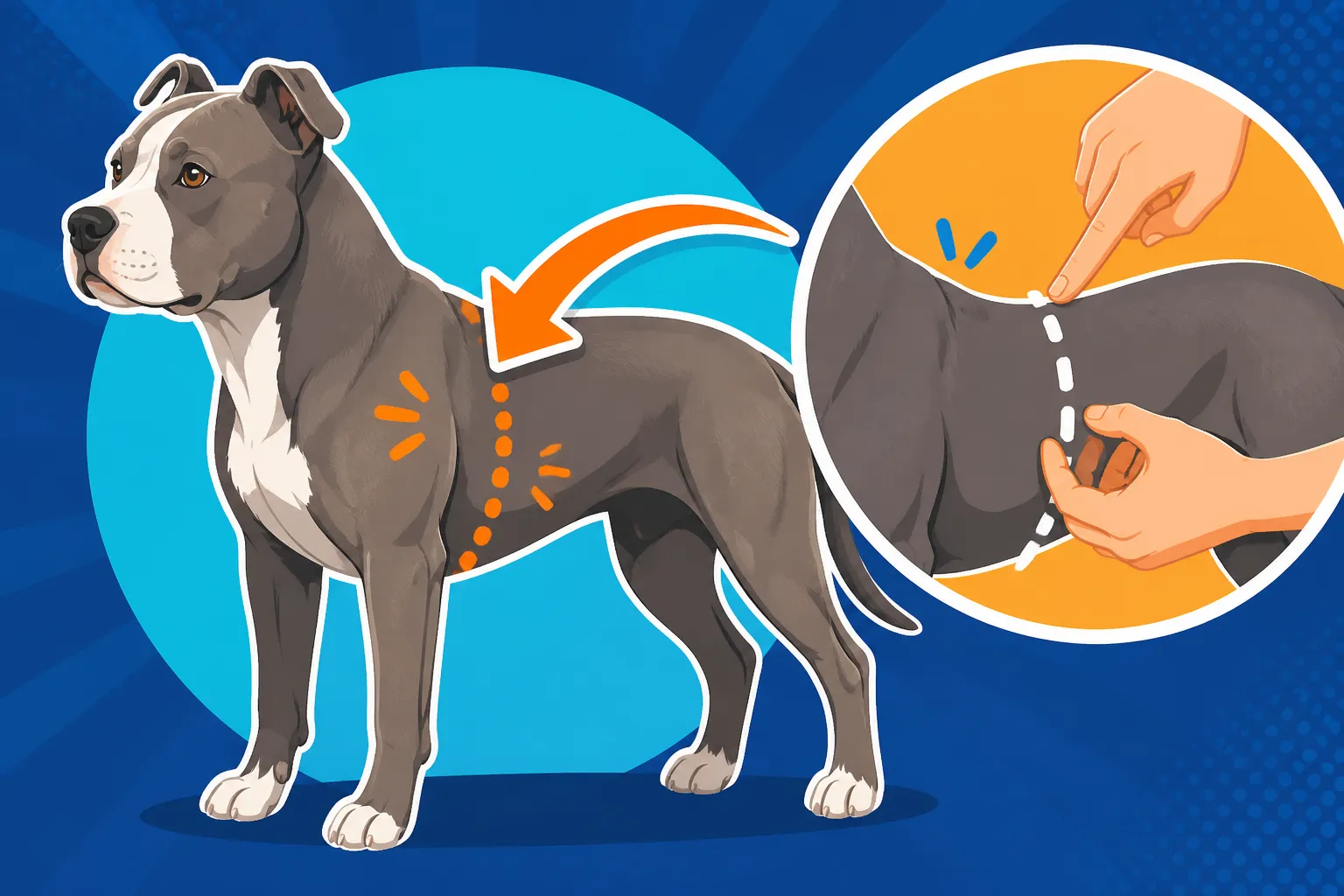
Finding a Pit Bull’s Waist Behind the Shoulders
It's a common dilemma for Pit Bull owners: you look at your powerful, muscular dog, and you're not quite sure if they're at a healthy weight or if those broad shoulders are hiding a little extra padding. Their unique physique makes it tricky to gauge their body condition, which is why understanding how to find their "waist" is so crucial for their long-term health. This guide will walk you through exactly how to assess your Pit Bull's body condition, helping you ensure they stay lean, fit, and happy.
The Unique Challenge of Assessing a Pit Bull's Weight
Pit Bulls are magnificent, athletic dogs, known for their powerful build, broad chests, and well-defined musculature. This very strength and muscle, however, can make it surprisingly difficult to accurately assess their weight and overall body condition. What might look like a well-conditioned athlete could, in fact, be a dog carrying a few too many pounds, or conversely, one that's a little too lean. The visual cues we often rely on for other breeds don't always translate directly to a Pit Bull, leading to genuine confusion for dedicated owners.
Why Their Muscular Build Can Be Misleading
Many dog breeds have a more obvious waistline, a clear tuck-up, and ribs that are relatively easy to feel. Pit Bulls, on the other hand, possess a naturally barrel-chested, deep-bodied physique. Their substantial muscle mass, particularly around their shoulders, neck, and hindquarters, can obscure the subtle signs of weight gain or loss. This means that a Pit Bull who appears "solid" might actually be quite overweight, with fat deposits hiding beneath that impressive musculature. Owners, admiring their dog's powerful appearance, might inadvertently overlook the gradual accumulation of excess fat, mistaking it for healthy bulk. It’s a common pitfall because our eyes are often drawn to their strength, not the nuanced curves of their body. Telling Muscle From Fat on a Pit Bull is a critical skill for any owner.
The Difference Between Bulk and Fat
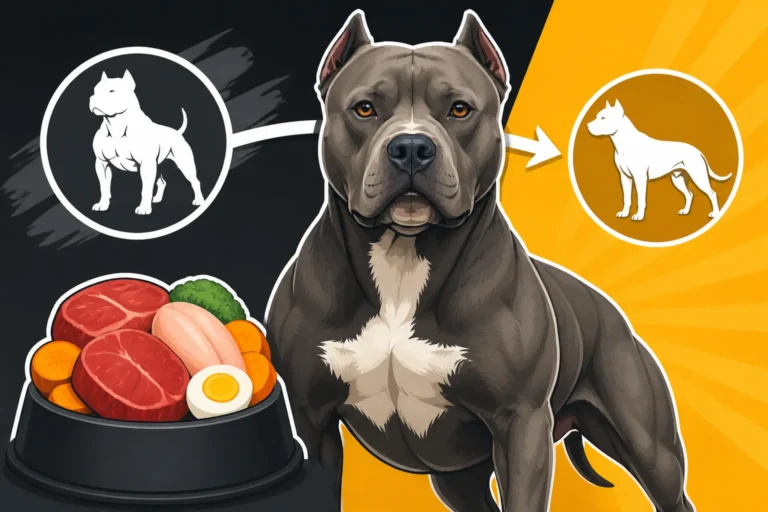
It’s crucial to distinguish between healthy muscle bulk and unhealthy fat deposits. Muscle is dense and firm, contributing to a dog’s strength, agility, and overall health. Fat, while necessary in small amounts, accumulates under the skin and around organs, adding unnecessary weight and strain. On a Pit Bull, excessive fat can settle around the neck, over the ribs, at the base of the tail, and, yes, around the abdomen, masking the natural tuck that indicates a healthy weight. A truly well-conditioned Pit Bull should look powerful, but also lean and agile, with visible definition. If you're constantly admiring your dog's "chonky" appearance, it might be time to take a closer look with your hands, not just your eyes. This distinction is vital because extra fat can lead to Pit Bull Obesity and Joint Strain, exacerbating other health issues.
A Step-by-Step Guide to Finding Your Pit Bull's "Waist"
So, how do you really tell if your Pit Bull is in ideal condition? It requires a combination of visual assessment and hands-on palpation. Forget the numbers on the scale for a moment; what truly matters is their body condition score, which you can determine yourself with a bit of practice. This isn't about rigid aesthetic standards, but about understanding what a healthy body feels and looks like for your uniquely built companion.
Visual Cues for a Healthy Taper
Start by looking at your Pit Bull from above and from the side. This is where you'll look for that subtle "waist" behind the shoulders.
- From Above: Stand directly over your Pit Bull. As their body moves from the rib cage towards the hips, you should see a slight indentation or "taper." It won't be as dramatic as some sighthounds, but there should be a discernible narrowing. If your dog looks like a straight line from their chest to their tail, or worse, if their sides bulge outwards, they are likely overweight. A healthy Pit Bull will still have broad shoulders, but the body behind the rib cage should narrow slightly before flaring out again over the hips.
- From the Side: Observe your dog from the side profile. A well-conditioned Pit Bull should have an "abdominal tuck-up." This means that the belly, behind the rib cage, should rise upwards towards the hind legs, rather than hanging low or being parallel to the ground. A minimal tuck might still be healthy if other indicators are good, but a sagging belly is a strong sign of excess weight. Think of it as a gentle upward curve, not a deep hollow.
The Hands-On Rib and Spine Check
Visual cues are a good starting point, but the true test often comes from your hands. This tactile assessment provides invaluable information that muscle or fur might hide.
- Rib Check: Gently run your hands along your Pit Bull's sides, over their rib cage. You should be able to feel their ribs quite easily, almost like running your fingers over a Venetian blind, with just a thin layer of muscle and fat covering them. You shouldn't see them prominently sticking out, but you should definitely be able to count them without having to press hard. If you have to press firmly to feel the ribs, your Pit Bull is likely overweight. If the ribs are visible without much effort or feel sharp, they might be underweight.
- Spine and Hip Bones: Next, move your hands along their spine, down their back. You should be able to feel the individual bumps of the vertebrae, again, with only a thin layer of tissue over them. Similarly, you should be able to feel their hip bones (at the top of their hind legs) without them protruding sharply. If the spine feels like a smooth, flat surface with no discernible bumps, or if the hip bones are completely lost under a layer of flesh, your dog is likely carrying too much weight. Conversely, if the spine and hip bones are very prominent and angular, they might be underweight. This direct, physical check is often more accurate than just looking.
Understanding the Abdominal Tuck
The abdominal tuck, as mentioned, is the upward slope of the belly from the end of the rib cage to the rear legs. This isn't just about aesthetics; it reflects the amount of fat carried in the abdominal area.
- Ideal Tuck: In an ideal Pit Bull, the abdominal tuck should be noticeable but not overly dramatic. It signifies a lack of excessive fat in the belly region. It’s a clean, athletic line.
- No Tuck/Sagging Belly: If your Pit Bull’s belly hangs low or is level with the chest from the side, they are likely overweight. This indicates a significant accumulation of abdominal fat.
- Extreme Tuck: While rare in overweight dogs, an extremely pronounced tuck (where the belly almost disappears inwards) could indicate malnourishment or a severe medical condition, especially if coupled with visible, sharp ribs and spine.
This table summarizes the visual and tactile cues for assessing your Pit Bull’s body condition:
| Body Condition | Visual Appearance (Side) | Visual Appearance (Top) | Ribs (Tactile) | Abdominal Tuck |
|---|---|---|---|---|
| Too Thin | Ribs, spine, hip bones very visible, deep tuck | Pronounced hourglass, very narrow waist | Easily visible, sharp, no fat cover | Very prominent, deep |
| Ideal | Ribs easily felt, slight tuck-up | Defined waist behind ribs, smooth taper | Easily felt with light pressure, minimal cover | Noticeable, gentle upward curve |
| Overweight | No tuck-up, belly flat or sagging | No waist, straight or bulging sides | Hard to feel without firm pressure, thick cover | Flat or sagging, no clear tuck-up |
| Obese | Belly clearly distended, no tuck-up | Broad back, significant bulge over waist | Cannot feel ribs, thick fat layer | Hanging, distended, no shape |
What a Healthy Pit Bull Waist Means for Their Overall Health
Maintaining an ideal body condition isn't just about appearances; it's fundamental to your Pit Bull's health, happiness, and longevity. A well-proportioned waist and lean physique are indicators of good internal health and dramatically reduce the risk of numerous weight-related complications.
Preventing Joint Strain and Mobility Issues
Pit Bulls are naturally powerful dogs, and their muscular frame puts a certain amount of load on their joints. When they carry excess weight, that load multiplies significantly, leading to undue stress on their hips, elbows, and knees. This extra strain can accelerate the development of conditions like hip and elbow dysplasia, Pit Bull Hip Dysplasia Showing at One to Two Years, and exacerbate arthritis in older dogs. Imagine carrying a heavy backpack all day, every day – that's what even a few extra pounds feel like to your dog's joints. Maintaining a lean body condition means less wear and tear, better shock absorption, and improved mobility throughout their life. It means they can run, jump, and play with less pain and a lower risk of injury, safeguarding their active lifestyle for years to come. Joint Support for a Heavily Muscled Pit Bull is often considered, but prevention through proper weight management is always the first line of defense.
The Impact on Energy and Lifespan
An overweight Pit Bull often exhibits lower energy levels, becoming more lethargic and less enthusiastic about walks or play. They might struggle to keep up, pant more easily, and generally seem less vibrant. This isn't just a behavior issue; it's a sign that their body is working harder than it should. Excess fat also contributes to a host of other health problems, including diabetes, heart disease, respiratory issues, and even certain types of cancer. By contrast, a Pit Bull maintained at an ideal weight typically has boundless energy, a brighter coat, and a zest for life. Studies consistently show that dogs kept at a lean body condition live significantly longer, healthier lives than their overweight counterparts. Ensuring your Pit Bull has a healthy waist isn't just about looking good; it's about giving them the best chance at a full, active Pit Bull Lifespan Across Twelve to Sixteen Years.
Practical Tips for Maintaining an Ideal Body Condition
Now that you know how to assess your Pit Bull's weight, the next step is proactive management. It's a continuous journey, and it often involves adjusting diet and exercise to match their life stage and activity level. Think of it as a partnership where you provide the tools and guidance for them to thrive.
Tailoring Diet to Activity Levels
Feeding your Pit Bull isn't a one-size-fits-all equation. A young, active Pit Bull burning through calories at the dog park will need a different amount of food than an older, more sedentary one. The goal is to provide enough calories to fuel their activity and maintain their ideal weight, without overfeeding.
- Measure Everything: The single most impactful change you can make is to stop "eyeballing" portions. Use a measuring cup or, even better, a kitchen scale to accurately portion out their food. A slight overfill each meal can add up to significant weight gain over time. Many quality dog food brands, easily found on platforms like Chewy or Amazon, provide detailed feeding guidelines based on weight and activity level, but these are just starting points.
- Quality Over Quantity: Opt for high-quality dog food with appropriate protein and fat content for active dogs. Sometimes, premium foods, even fresh options like Ollie, offer better nutrition in smaller, more satisfying portions, which can help with weight management.
- Limit Treats: Treats are great for training and bonding, but they are often calorie-dense. Factor them into your dog's daily calorie intake, or choose low-calorie options. Treat Costs Through Pit Bull Training can add up, but so can the calories if you're not careful.
- Regular Adjustment: As your Pit Bull ages or their activity level changes, their dietary needs will shift. Regularly reassess their body condition and adjust their food intake accordingly. It might mean a slight reduction as they move from active adult to senior. For specific guidance on daily caloric needs, you might explore The Calorie Target for a Lean Pit Bull.
Effective Exercise for Lean Muscle Mass
Pit Bulls are naturally athletic and thrive on regular, engaging exercise. This isn't just about burning calories; it's about building and maintaining healthy muscle mass, which helps keep their metabolism high and their joints supported.
- Daily Activity: Aim for at least 60-90 minutes of moderate to vigorous exercise daily. This could include brisk walks, jogging, hiking, playing fetch, or tug-of-war. Remember that a mentally stimulated Pit Bull is often a better-behaved one.
- Variety is Key: Mix up their routine to challenge different muscle groups and keep things interesting. Consider activities like swimming (if they enjoy it and you ensure safety with a life vest), or even structured obedience work that involves movement. The Daily Exercise a Pit Bull Actually Needs will vary, but consistency is paramount.
- Focus on Strength and Stamina: Incorporate activities that build lean muscle, such as uphill walks or short bursts of sprinting, balanced with longer endurance activities. Just be mindful of their joints, especially in growing puppies. Building a Pit Bull's Stamina Safely should be a gradual process.
- Mental Enrichment: Don't forget mental exercise! Puzzle toys, scent work, or training sessions can burn energy and reduce boredom, which sometimes leads to destructive chewing or excess weight gain if they're not adequately stimulated.
Regular Monitoring and Professional Guidance
Maintaining your Pit Bull's ideal weight is an ongoing commitment. It's not a set-it-and-forget-it task, but rather a dynamic process of observation and adjustment.
- Weekly Checks: Make a habit of performing the visual and tactile body condition checks at least once a week. This allows you to catch any subtle changes before they become significant weight problems. You might do it during a grooming session or after a bath.
- Vet Check-ups: Your veterinarian is your best partner in this journey. During routine check-ups, they can provide an objective assessment of your Pit Bull's body condition and offer tailored advice. Don't hesitate to ask them to demonstrate how to feel for ribs and spine if you're unsure.
- Consider a Weight Chart: Some owners find it helpful to track their dog's weight on a chart, especially if they are trying to gain or lose a few pounds. A simple scale, easily ordered from online retailers like Amazon, can help you keep an eye on trends. This data can be invaluable for your vet.
- Don't Be Afraid to Adjust: If you notice your Pit Bull gaining or losing weight, don't wait. Make small adjustments to their food intake or exercise routine and monitor the results. Sometimes, even a slight change in diet or an extra 15 minutes of walking can make all the difference. Trimming a Heavy Pit Bull Back to Lean requires patience and consistent effort.
Disclaimer
This article is for general informational purposes only and does not constitute professional advice. Laws, prices and regulations vary by location and change over time. Consult a qualified professional for guidance on your specific situation.