Medicated Shampoo Contact Time on a Pit Bull
It's incredibly frustrating when your beloved Pit Bull is constantly itchy, red, or dealing with skin issues, and your vet recommends medicated shampoo. You get home with the bottle, read the instructions, and suddenly you're wondering how on earth you're going to keep a strong, often wiggly dog covered in suds for ten whole minutes. This guide is here to demystify the crucial concept of medicated shampoo contact time, offering practical tips and a clear breakdown to help your Pit Bull find relief.
Why Medicated Shampoo Contact Time Matters So Much for Your Pit Bull's Skin
When your Pit Bull is suffering from a skin condition, it's not just about getting them clean; it's about delivering targeted medicine directly to the skin. Medicated shampoos aren't just fancy soap; they contain active ingredients specifically designed to combat bacterial infections, yeast overgrowth, or even pesky mites. For these ingredients to truly work their magic, they need time – a specific "contact time" – to do their job. Rinsing too soon is like taking a prescription antibiotic for only one day; you won't get the full benefit, and you risk the problem returning, or worse, becoming more resistant.
The Science Behind Medicated Shampoos and Your Pit Bull's Skin
Think of your Pit Bull's skin as a living, breathing organ, often thicker and more resilient in some ways, but also prone to unique sensitivities. Many Pit Bulls are unfortunately susceptible to environmental allergies, often referred to as atopy, which can lead to inflamed, compromised skin. This makes them prime candidates for secondary infections. The active ingredients in medicated shampoos are formulated to address these issues. For example, chlorhexidine is a powerful antiseptic that needs several minutes to really get into the pores and hair follicles to kill bacteria and yeast. Miconazole, another common ingredient, is an antifungal that similarly requires direct contact with fungal elements to be effective. If you just lather and rinse immediately, most of these beneficial compounds wash right down the drain before they've had a chance to work on the problematic microorganisms living on your dog's skin. This is particularly important for conditions where the causative agent, whether it's bacteria, yeast, or even mites, is embedded in the skin or hair shafts. Proper contact allows for absorption and action at the cellular level. When your Pit Bull is struggling with persistent itching, addressing the underlying infection is key, and that starts with understanding how these ingredients function. You might find it helpful to read up on Pit Bull Skin Allergies and the Atopy Pattern to understand the broader context of their skin health.
Common Pit Bull Skin Conditions Requiring Medicated Baths
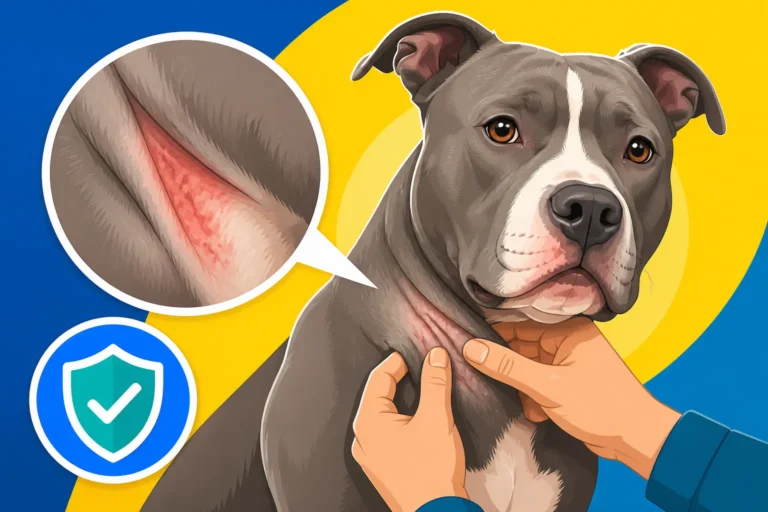
Pit Bulls, with their often short coats and sometimes sensitive skin, can fall prey to a few common dermatological woes that really benefit from medicated baths. One of the most frequent culprits is pyoderma, which is a bacterial skin infection. You might see it as red, inflamed patches, small pustules (like tiny pimples), or crusty lesions, often on the belly, armpits, or groin. A medicated shampoo with an antibacterial agent is designed to reduce the bacterial load directly on the skin, and sufficient contact time ensures that the active ingredients can penetrate the affected areas and kill off the bacteria. Without enough contact, you're essentially just giving the bacteria a quick rinse, not a knockout punch. You can learn more about managing these bacterial issues in Pit Bull Pyoderma and Antibiotic Courses.
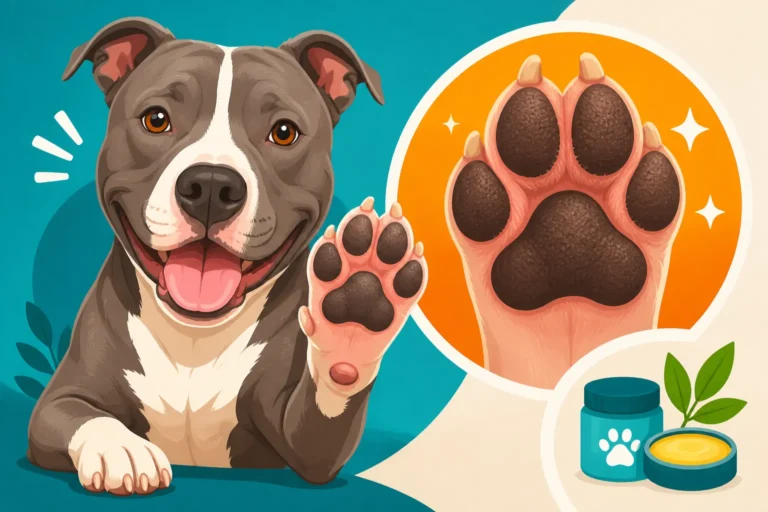
Another common issue is yeast infections, especially in warm, moist areas like skin folds, paw pads, and ears (if your vet approves shampoo for ears). A yeast infection often presents with a greasy feel to the skin, a distinct "cheesy" or "corn chip" smell, and sometimes darkened, thickened skin. These conditions are incredibly uncomfortable for your dog, leading to relentless scratching and licking. Medicated shampoos containing antifungal ingredients, like miconazole, need contact time to disrupt the yeast cells and bring relief. Think about how difficult it is to get rid of mold in a damp environment; it needs a specific cleaning agent and time to work. The same principle applies here for your Pit Bull's yeast. For specific concerns, Yeast Infections in Pit Bull Skin Folds offers more detailed information. Less common, but still a concern, is Demodectic mange, particularly in puppies or dogs with compromised immune systems. This mite lives in the hair follicles, and specialized medicated shampoos or dips require significant contact to reach and kill these microscopic invaders. For more on this, check out Demodex Mange in a Pit Bull.
How to Nail the Contact Time for Different Medicated Shampoos
The instruction to "leave on for 5-10 minutes" can feel like an impossible feat when you have a wet, soapy Pit Bull trying to shake off every last sudsy drop. But it's not impossible with the right approach and a healthy dose of patience. The key is to be prepared and make the experience as calm and positive as possible for your dog.
Reading the Label: Your First and Most Important Step
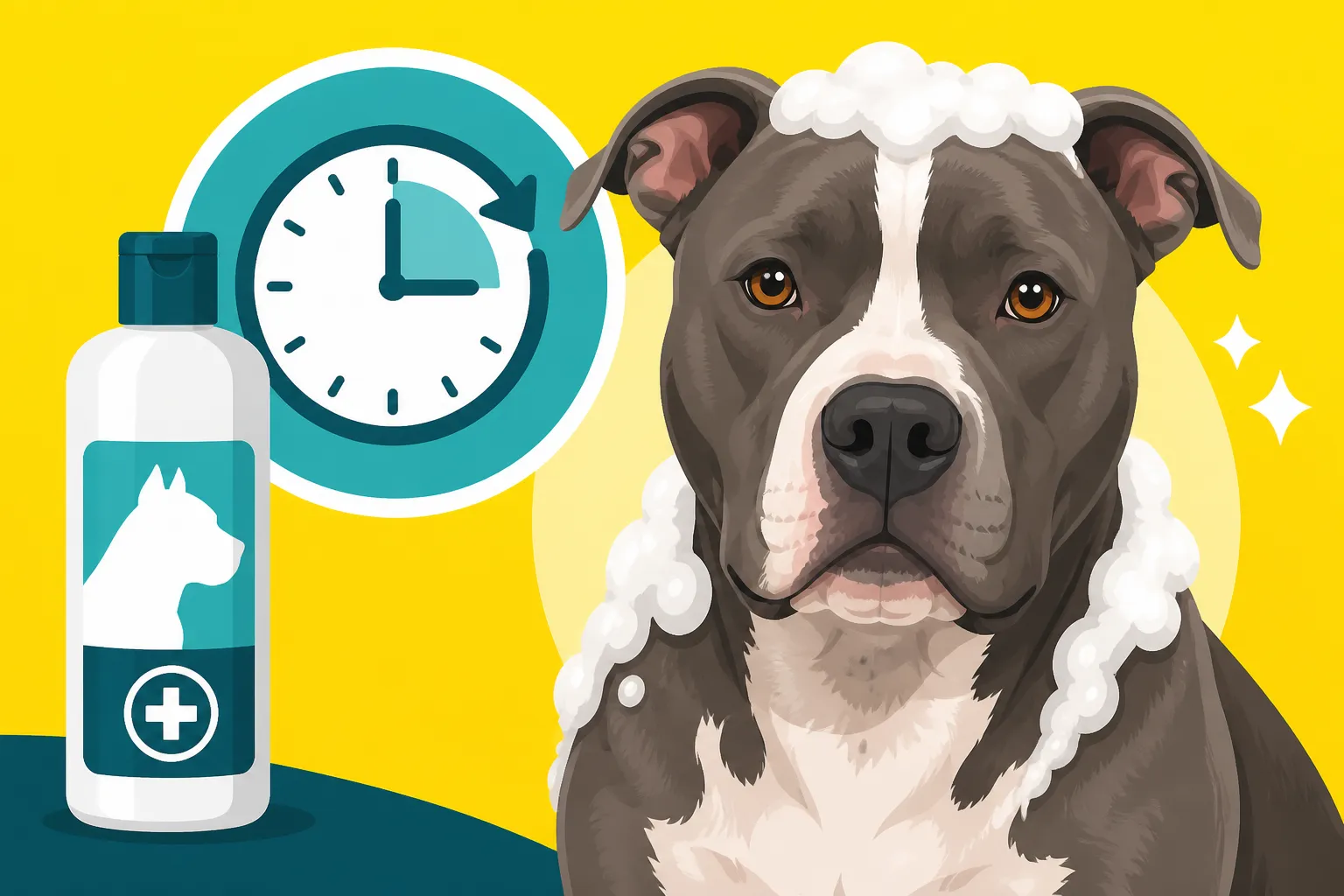
I cannot stress this enough: always read the label of your medicated shampoo and follow your veterinarian's specific instructions. While 5-10 minutes is a very common recommendation, not all shampoos are created equal. Some may require a shorter contact time, perhaps 3-5 minutes, especially if they contain harsher ingredients or are designed for very sensitive skin. Others, particularly those for specific conditions like severe fungal infections or mites, might even call for up to 15 minutes of contact. Your vet may even prescribe a custom dilution or application method, so always defer to their guidance first.
Active ingredients vary widely. A shampoo with chlorhexidine alone might have a different contact time than one combining chlorhexidine with miconazole. Benzoyl peroxide shampoos, often used for follicular flushing and degreasing, can sometimes be more drying and might have specific instructions regarding frequency or contact. Taking the time to understand what's in the bottle and how long it needs to stay on is critical for both effectiveness and safety. Don't assume that all medicated shampoos are used the same way. What works for a minor irritant might not cut it for a deep-seated bacterial infection, and vice-versa. When you're dealing with sensitive areas, like Pit Bull Skin Fold and Belly Irritation, precise application and timing are even more crucial.
Practical Tips for Keeping Your Pit Bull Still During Contact Time
Okay, so you know the science, you've read the label, and now comes the real challenge: the actual bath. Keeping a powerful Pit Bull still and soapy for 5-10 minutes can feel like an Olympic sport, but with a few tricks up your sleeve, it's absolutely doable.
First, preparation is key. Gather everything you need beforehand: the shampoo, a non-slip mat for the tub (this makes a huge difference in their comfort and stability), plenty of towels, a brush, and most importantly, high-value treats. I mean the really good stuff—chicken, cheese, or even some of their favorite wet food. A great strategy is to smear peanut butter (make sure it's xylitol-free!) on the side of the tub or on a silicone lick mat that suctions to the wall. This can provide a fantastic distraction for several minutes, giving the shampoo time to work. You can find excellent non-slip mats and lick mats on platforms like Chewy or Amazon.
Make the water warm, but not hot. A comfortable temperature will help your Pit Bull relax. Speak in a calm, soothing voice throughout the process. If you have a helper, even better! One person can focus on applying the shampoo and timing, while the other can provide treats and reassurance. Start at the neck and work your way back, ensuring even coverage. Once the shampoo is applied, the countdown begins. This is when the lick mat really shines. Gently massage the shampoo into their coat, focusing on problem areas. It’s also a good idea to have some favorite floating toys in the tub if your Pit Bull enjoys playing with water. Don't forget their paws—many Pit Bulls chew their feet, and medicated shampoo on the paws, with proper contact, can offer significant relief. For issues related to this, see Pit Bull Paw Licking and Chewing.
Remember, this isn't about brute force; it's about positive reinforcement and making the bath as stress-free as possible. If your Pit Bull is really struggling, break the contact time into smaller chunks. For example, lather them up for 2 minutes, rinse a bit, then re-lather for another 3-5 minutes. While not ideal for all shampoos, it's better than no contact time at all. Over time, with consistent positive experiences, your Pit Bull might even learn to tolerate, if not enjoy, their medicated baths.
The Washing Routine: Beyond Just Lathering Up Your Pit Bull
Administering a medicated bath is more than just sloshing shampoo on your dog and hoping for the best. It's a precise process, especially when you're trying to heal irritated skin. Every step, from the initial wetting to the final dry, plays a role in the effectiveness of the treatment and your Pit Bull's comfort.
Pre-Wash Preparation and Thorough Application
Before a single drop of water touches your Pit Bull, take a few minutes to prepare their coat. If they have any mats or tangles, gently brush them out. Medicated shampoo can sometimes make existing knots tighter, and it's much harder to get the product evenly distributed through matted fur. Once brushed, get your Pit Bull thoroughly wet with warm water. This means getting down to the skin, not just wetting the tips of the fur. A shower sprayer can be incredibly helpful for this, especially with a dense coat.
Now, apply the medicated shampoo. Start from the neck and work your way down the body. This helps prevent the dirty, potentially infected water and shampoo from running down into their face and eyes, which can cause irritation. Use enough shampoo to create a good lather, but don't overdo it—too much can be harder to rinse out. Gently massage the shampoo deeply into the coat and onto the skin. Pay special attention to all the areas where you've noticed problems: the belly, armpits, groin, paw pads, and any skin folds they might have. For example, if your Pit Bull has a wrinkle on their nose, gently work the shampoo into that area. These are often hotspots for yeast and bacterial growth. Make sure you're covering every square inch of affected skin, as the medication can only work where it makes contact. If your vet has prescribed a specific method, such as applying it to certain areas first or in a particular order, follow those instructions precisely.
The Rinse: Just as Important as the Contact Time
You've successfully endured the contact time, now for the grand finale: the rinse. And let me tell you, this step is just as critical as the contact time itself. Any residue left on your Pit Bull's skin from medicated shampoo can lead to dryness, irritation, or even create a film that traps moisture and encourages further bacterial or yeast growth. It can undo all the good you just did!
Rinse, rinse, and then rinse again. Use warm, clear water and make multiple passes over every part of your dog's body. If you have a detachable showerhead, it's a game-changer for getting under the legs and belly, and for reaching those dense areas that are hard to penetrate with a cup. Squeeze the fur to remove excess water and check for suds. Run your hands over their coat; if it feels at all slimy or slippery, keep rinsing. You want their fur to feel clean, not coated.
Once thoroughly rinsed, gently squeeze out as much excess water as you can. Then, towel dry your Pit Bull vigorously. For Pit Bulls with sensitive skin, it’s best to avoid harsh rubbing that can cause irritation. Some dogs tolerate a low-heat blow dryer, which can be fantastic for ensuring they are completely dry, especially in skin folds. If using a blow dryer, always keep it on a cool or very low heat setting and never point it directly at one spot for too long. Ensure all skin folds, armpits, and paw pads are completely dry to prevent moisture from harboring yeast or bacteria. If your vet has recommended a post-bath conditioner, now is the time to apply it. Some medicated shampoos can be quite drying, and a good conditioner helps to rehydrate the skin and coat. You might want to explore options after the medicated bath, which could include considering Whether a Pit Bull Needs Conditioner.
When and How Often to Bathe Your Pit Bull with Medicated Shampoo
Understanding the frequency and duration of medicated baths is paramount for effectively treating your Pit Bull's skin condition. It's not a one-size-fits-all situation, and haphazard bathing can be ineffective or, in some cases, even detrimental.
Understanding Your Vet's Schedule for Treatment
The frequency of medicated baths is not something to guess at; it's a specific part of your Pit Bull's treatment plan and should always come directly from your veterinarian. For acute infections, especially bacterial pyoderma or severe yeast, your vet might recommend bathing every 2-3 days initially. This intensive schedule is designed to rapidly reduce the microbial load on the skin, giving the medication the best chance to take hold. As the condition improves, they will typically advise tapering the frequency, perhaps to once a week, then every other week, until the infection is resolved.
Consistency is absolutely crucial here. Missing a bath, or cutting the contact time short, can significantly set back progress, allowing the bacteria or yeast to rebound. Think of it like a course of antibiotics – you wouldn't stop taking them just because you feel a bit better. Similarly, you need to follow the full course of medicated baths. Your vet will monitor your Pit Bull's skin and adjust the schedule as needed. It's important to remember that medicated baths are often just one component of a broader treatment strategy, which might also include oral medications, topical ointments, or dietary changes. Don't be afraid to ask your vet questions if you're unsure about the schedule or notice any changes in your dog's skin.
Long-Term Management and Maintenance Baths
For Pit Bulls with chronic conditions like environmental allergies (atopy), medicated baths can become a regular part of long-term management, even after the initial infection has cleared. These "maintenance baths" aren't about treating an active infection but preventing one from flaring up again. For example, a Pit Bull prone to yeast infections might benefit from a once-a-month antifungal bath, or even more frequently during peak allergy seasons. This proactive approach helps to keep the skin's microbial balance in check, making your dog much more comfortable overall. More information on this can be found in Medicated Baths for a Pit Bull With Atopy.
When the active infection is completely under control, your vet might suggest switching to a milder, perhaps soothing, non-medicated shampoo for regular grooming, or they might continue with a medicated option at a reduced frequency. It's all about finding that delicate balance that keeps your Pit Bull's skin healthy without over-drying or irritating it. During these periods, it's vital to remain vigilant. Keep an eye out for any returning signs of irritation, redness, excessive scratching, or that tell-tale "yeasty" smell. If you notice symptoms returning, it's a good idea to consult your vet. They might advise restarting a more frequent medicated schedule or exploring other aspects of their allergy management. Regular Pit Bull Skin Checks During Weekly Grooming can help you catch potential problems early. Even without active issues, Oatmeal and Soothing Baths for a Pit Bull can be a wonderful way to maintain skin health and soothe any minor irritations.
Here's a quick overview of common medicated shampoo ingredients and their typical contact times:
| Active Ingredient (Example) | Primary Use | Typical Contact Time | Notes |
|---|---|---|---|
| Chlorhexidine | Antibacterial, Antifungal (yeast) | 5-10 minutes | Very common, effective against a broad spectrum of microbes. |
| Miconazole | Antifungal (yeast, dermatophytes) | 5-10 minutes | Often combined with chlorhexidine for broader coverage. |
| Benzoyl Peroxide | Antibacterial, Follicular Flushing, Degreasing | 5-10 minutes | Can be drying; use with caution on sensitive skin. Helps with oily skin. |
| Selenium Sulfide | Antifungal, Antiseborrheic (for dandruff/scaling) | 5-10 minutes | Stronger, can be irritating if left too long or used too frequently. |
| Sulfur/Salicylic Acid | Antiseborrheic, Keratolytic (removes scales) | 5-10 minutes | Good for flaky, oily skin. Gentler options for maintenance. |
| Permethrin/Pyrethrin | Antiparasitic (fleas, ticks, mites) | 5-10 minutes | Less common as a primary treatment these days; use as directed by vet only. |
Always consult your veterinarian for the best shampoo and specific contact time for your Pit Bull's unique needs.
Disclaimer
This article is for general informational purposes only and does not constitute professional advice. Laws, prices and regulations vary by location and change over time. Consult a qualified professional for guidance on your specific situation.