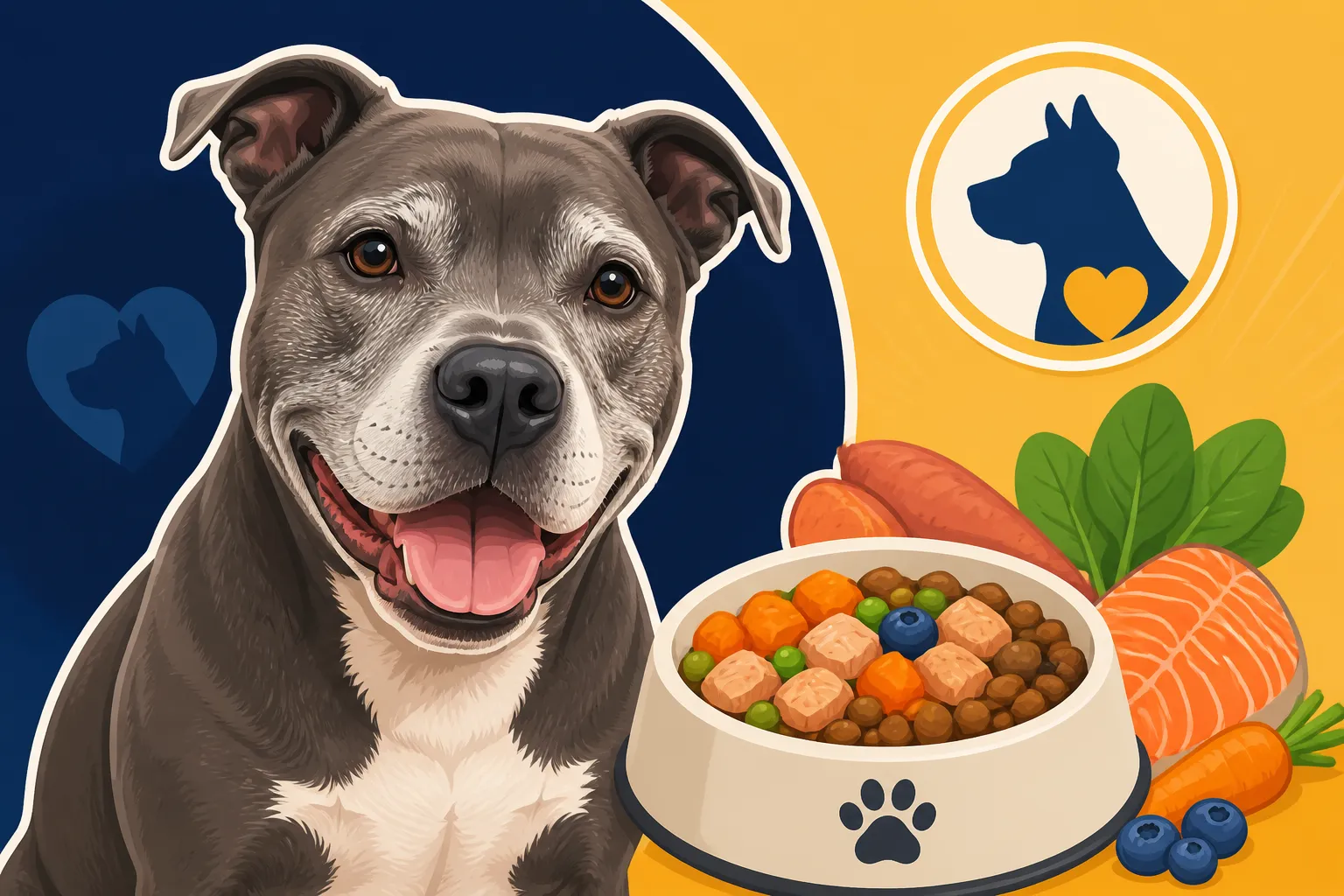
Senior Pit Bull Food After Ten
When your strong, vibrant Pit Bull starts to show the subtle signs of aging, like a little stiffness in the morning or a tendency to nap more often, it’s a big moment for us as owners. It signals that their body is changing, and with those changes come different nutritional needs that their regular adult kibble just might not be cutting it for anymore. This guide is here to walk you through exactly what those changes mean for your beloved senior Pit Bull’s diet, helping you choose the best food to keep them comfortable, healthy, and happy well into their golden years.
Recognizing the Shift in Your Pit Bull's Nutritional Needs
It's truly bittersweet watching our powerful Pit Bulls mature into distinguished seniors. One day they're bouncing off the walls, and the next, you notice they're taking things a little slower. These aren't just outward signs; they're indicators that their internal systems, especially their metabolism and digestive tract, are evolving. Understanding these shifts is the first step in ensuring their diet supports their changing body, rather than working against it.
Subtle Signs Your Pit Bull is Becoming a Senior
Often, the signs that your Pit Bull is entering their senior years are gradual, almost imperceptible at first. You might notice they don't greet you at the door with quite the same explosive enthusiasm they once did, perhaps choosing a more sedate tail wag instead. Their once boundless energy might now be replaced by longer, deeper naps throughout the day, and they might not be as eager for those long, strenuous walks or intense play sessions. Maybe they seem a little stiff getting up from their bed after a long rest, or they hesitate before jumping onto the couch.
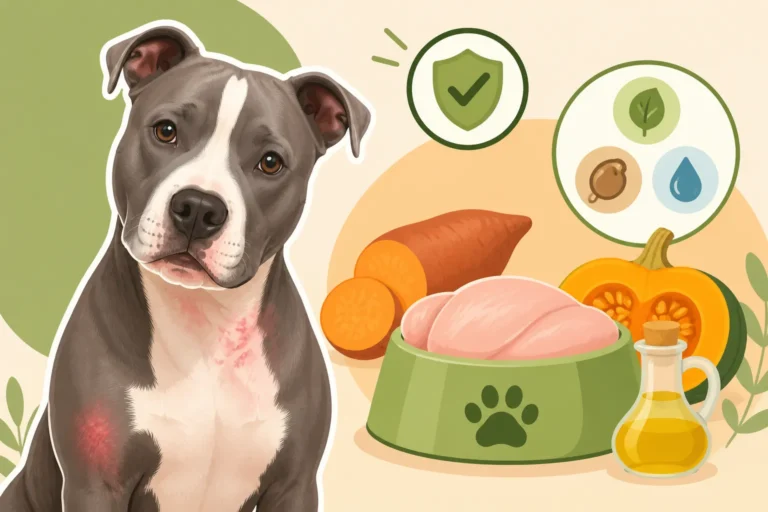
You might also see changes in their physical appearance. Their coat might lose some of its youthful luster, becoming a bit duller or thinner, and perhaps a few more grey hairs are cropping up around their muzzle or eyes. Their eyes themselves might start to look a little cloudy. Some Pit Bulls might gain a bit of weight more easily, even if their food intake hasn't changed, while others might actually start to lose a bit of muscle mass, particularly over their hindquarters. All these little clues are your dog's way of telling you that the high-octane fuel they needed as a younger adult is no longer the perfect match for their evolving needs. These are the moments when we start thinking about Caring for a Pit Bull in Its Second Decade.
Metabolic Changes and How They Impact Diet
Beneath these outward changes lie significant metabolic shifts. As Pit Bulls age, their metabolism naturally slows down. Think of it like a car engine that used to run at peak performance needing less fuel to cruise along. This slower metabolism means they don't burn calories as efficiently, and if their diet isn't adjusted, those unburnt calories quickly turn into unwanted weight. And believe me, a few extra pounds on a muscular breed like a Pit Bull can put significant strain on their joints, exacerbating conditions like Pit Bull Obesity and Joint Strain or Arthritis in a Pit Bull at Seven.
Beyond calorie burning, their ability to digest and absorb certain nutrients can also become less efficient. Their immune system might not be as robust as it once was, making them more susceptible to illness, and their body's capacity to repair itself slows down. This means the quality and type of nutrients in their food become even more critical. They still need high-quality ingredients, but the balance of protein, fat, carbohydrates, and micronutrients often needs a careful recalibration to support their immune health, joint comfort, and overall vitality in their golden years.
Key Nutritional Considerations for Senior Pit Bulls
When your Pit Bull reaches their senior years, typically around seven to ten years old for a larger, more muscular breed, their nutritional blueprint needs a serious review. It's not just about feeding them "less" food; it's about feeding them differently. The goal is to provide a diet that supports their aging body, maintains their muscle tone, and keeps their energy levels steady without adding unnecessary weight.
Protein: Maintaining Muscle Mass
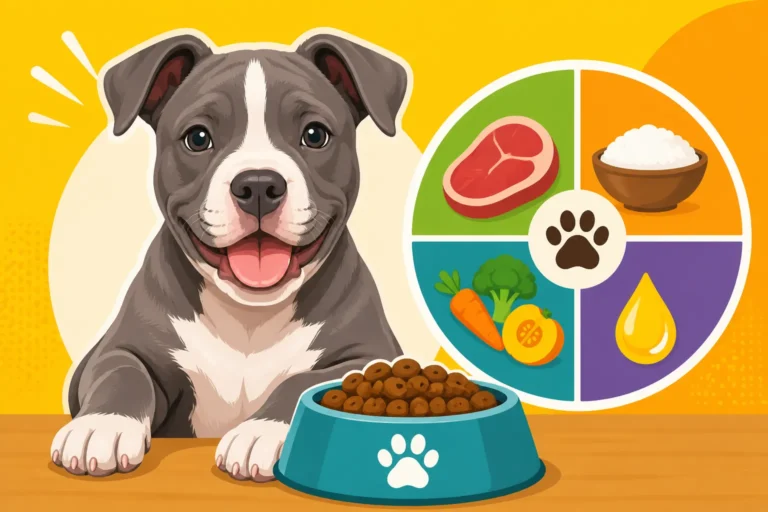
One of the biggest misconceptions about feeding senior dogs is that they need less protein. For a muscular breed like a Pit Bull, nothing could be further from the truth. As dogs age, they can experience sarcopenia, which is the natural loss of muscle mass. This is particularly concerning for Pit Bulls, whose powerful build is so central to their well-being and mobility. High-quality, easily digestible protein is absolutely crucial to help them maintain that lean muscle mass, which in turn supports their joints and overall strength. We're talking about proteins from sources like chicken, turkey, beef, and fish, without a lot of fillers.
A diet rich in quality protein helps combat that muscle wastage, keeping them strong enough to navigate their world comfortably. Think of it as providing the building blocks their body still desperately needs for repair and maintenance, even if they're not running marathons anymore. Some of the newer fresh food options, like those offered by Ollie, often emphasize these types of human-grade, high-quality proteins, which can be fantastic for senior Pit Bulls, supporting their strength and helping them avoid becoming frail.
Fat Content and Calorie Management
While protein remains vital, fat content in your senior Pit Bull's diet usually needs to be managed more carefully. A younger, active Pit Bull burns through fat for energy, but an older, less active one will store it quickly. This is where the risk of obesity really creeps in. Excess weight puts incredible strain on already aging joints, can worsen conditions like Pit Bull Hip Dysplasia Showing at One to Two Years if it was present, and contributes to other health issues. Your senior Pit Bull still needs healthy fats for coat health, energy, and nutrient absorption, but in reduced quantities compared to their younger days.
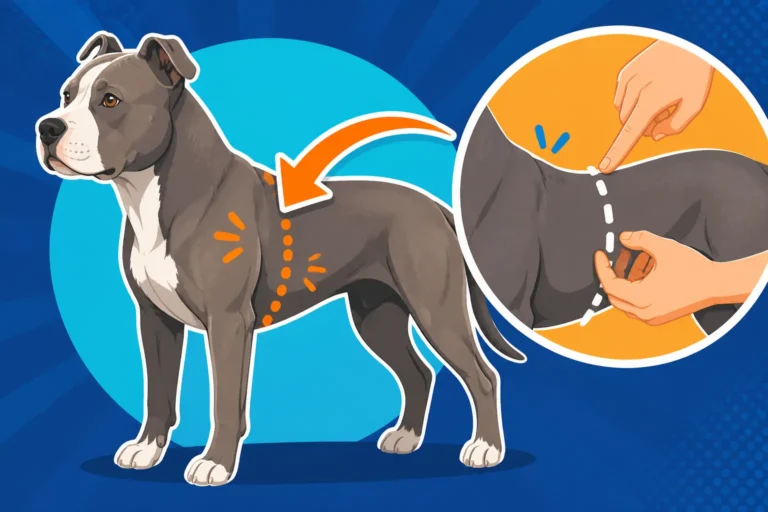
The key is balance. You want enough healthy fats – like Omega-3 fatty acids – but fewer overall calories from fat. Look for foods specifically formulated for senior dogs, which tend to have a lower caloric density. It's also critical to measure your Pit Bull's food precisely rather than just eyeballing it. Even a small handful extra each day can add up over time. Regularly assessing your dog's body condition, feeling for their ribs, and noticing their waistline can help you spot any weight creep early. This careful calorie management is a big part of Adjusting a Pit Bull Diet in Old Age. Many trusted pet food retailers, whether you're browsing options on Chewy or searching through listings on Amazon, clearly state the fat percentage and calorie count per serving, making it easier to compare and choose wisely.
Fiber for Digestive Health and Satiety
Digestive health can become a bit more finicky as our Pit Bulls age. Constipation can be a common issue, and a diet with adequate fiber can be a real game-changer. Fiber helps to keep things moving smoothly through their digestive tract, promoting regularity and preventing discomfort. It acts like a broom, sweeping waste along and ensuring they have healthy, consistent bowel movements.
Beyond digestion, fiber also plays an important role in satiety. Foods with a good fiber content can help your senior Pit Bull feel fuller for longer, which is incredibly helpful when you're trying to manage their calorie intake to prevent weight gain. If they feel satisfied after meals, they'll be less likely to beg for extra treats or scavenge for scraps. Ingredients like beet pulp, various vegetable fibers, and whole grains (if your dog tolerates them well) are good sources. However, too much fiber can reduce nutrient absorption, so look for a balanced amount, typically around 3-5% for senior dog food.
Essential Supplements and Ingredients for Aging Pit Bulls
Just like us, as our Pit Bulls get older, their bodies might need a little extra support beyond the basic vitamins and minerals found in standard dog food. Specific ingredients and supplements can make a significant difference in their comfort, mobility, and overall quality of life, targeting areas that often show the most wear and tear with age.
Joint Support: Glucosamine, Chondroitin, and Omega-3s
This is probably the most commonly discussed area for senior dogs, and for good reason, especially with a breed as muscular and active in their youth as a Pit Bull. Their powerful frames put a lot of stress on their joints over the years, leading to conditions like arthritis. Glucosamine and chondroitin are natural compounds that are the building blocks of cartilage, the protective tissue cushioning the ends of bones. Supplementing with these can help support joint health, reduce inflammation, and even slow the progression of cartilage degradation. It's about providing the body with what it needs to maintain smoother joint function.
Alongside these, Omega-3 fatty acids, particularly EPA and DHA found in fish oil, are powerhouse anti-inflammatories. They can significantly reduce the pain and inflammation associated with arthritis, making your Pit Bull more comfortable and improving their mobility. You'll find many senior dog foods now include these ingredients, but you might also consider adding a separate supplement, especially if your Pit Bull is really struggling with Joint Support for a Heavily Muscled Pit Bull. When looking at food options on Chewy, for instance, you can often filter by "joint support" to find products with these additives.
Antioxidants and Brain Health Boosters
Aging isn't just about the body; it's about the brain too. Some older Pit Bulls can experience cognitive decline, showing signs like disorientation, changes in sleep patterns, or forgetting previously learned commands. This can be truly heartbreaking, and proactive nutritional support can make a difference. Antioxidants like Vitamins E and C, beta-carotene, and selenium help combat oxidative stress, which is cellular damage caused by free radicals. This damage contributes to aging processes throughout the body, including the brain.
Ingredients such as medium-chain triglycerides (MCTs) often derived from coconut oil, and DHA (another Omega-3 fatty acid) are also increasingly recognized for their brain-boosting properties. They provide alternative energy sources for the brain and help support neurological function. Looking for senior diets fortified with these can help keep your Pit Bull's mind sharper for longer and potentially lessen symptoms if you notice them becoming A Pit Bull Confused in Rooms It Knows.
Probiotics for Gut Health
A healthy gut is essential for overall health, and this holds true, if not more so, for senior Pit Bulls. The balance of beneficial bacteria in their gut can become disrupted with age, stress, or even long-term medication use. A healthy microbiome is crucial for proper digestion, nutrient absorption, and plays a huge role in the immune system. When the gut isn't happy, your Pit Bull might experience loose stools, constipation, or generally poor nutrient uptake, which further compromises their health.
Probiotics are live beneficial bacteria that, when ingested in adequate amounts, confer a health benefit to the host. Including probiotics in your senior Pit Bull's diet, either through their food or as a separate supplement, can help maintain a healthy balance of gut flora. This supports their digestion, boosts their immune response, and can lead to better overall well-being. Look for senior foods that list specific probiotic strains in their ingredients, or consider adding a high-quality probiotic supplement to their meals.
Choosing and Transitioning to Senior-Specific Diets
Making the switch to a senior-specific diet can feel a bit overwhelming with all the options out there. The key is to be informed, read labels carefully, and make the transition gradually to ensure your Pit Bull adjusts comfortably, both physically and digestively.
Deciphering Senior Dog Food Labels
Navigating the pet food aisle can be a minefield of marketing jargon. When looking for "Senior Pit Bull Food After Ten," it's crucial to look past the flashy packaging and dive into the ingredient list and nutritional analysis. First and foremost, look for a whole meat source (like "chicken meal" or "deboned salmon") as the first ingredient, indicating a high-quality protein. Avoid generic terms like "meat meal" or "animal by-products," which can be less digestible and of lower nutritional value.
Next, check the guaranteed analysis for protein, fat, and fiber percentages. As discussed, you'll generally want a slightly lower fat content, a robust protein percentage (often similar to adult food, but from high-quality sources), and a moderate fiber level. Look for specific additions like glucosamine, chondroitin, and Omega-3 fatty acids (EPA/DHA) to support joints and brain health. Finally, ensure the food has an AAFCO (Association of American Feed Control Officials) statement confirming it's formulated to meet the nutritional levels established for "maintenance" or "all life stages," which typically encompasses seniors. If you're buying from a major online retailer like Amazon, you can often find detailed nutritional panels and ingredient lists right on the product page. This table offers a quick glance at what to look for:
| Feature | Adult Pit Bull Food (General) | Senior Pit Bull Food (After Ten) |
|---|---|---|
| Protein Level | Moderate to High | High (Quality is key) |
| Fat Level | Moderate to High | Moderate to Low |
| Fiber Level | Moderate | Moderate to High |
| Calorie Count | Higher | Lower |
| Joint Support | Often Absent | Glucosamine, Chondroitin, Omega-3s often added |
| Antioxidants | Present | Often boosted (Vit E, C, etc.) |
| Digestibility | Good | Often enhanced for sensitive stomachs |
Gradual Transition for Digestive Comfort
Once you've chosen a new senior diet, don't just dump a bowl of the new stuff in front of your Pit Bull. A sudden change can upset their stomach, leading to diarrhea or vomiting, which is the last thing you want for an aging dog. The key is a slow, gradual transition over 7-10 days, allowing their digestive system to adapt.
Start by mixing about 25% of the new food with 75% of their old food for a couple of days. If all goes well, move to a 50/50 mix for another two or three days. Then, transition to 75% new food and 25% old for a few more days, before finally feeding 100% of the new diet. Throughout this process, keep a close eye on their appetite, stool consistency, and overall demeanor. If you notice any digestive upset, slow down the transition and give them more time at each stage. This slow introduction helps prevent issues and ensures they get the full benefit of their new, senior-appropriate nutrition. Sometimes, for dogs with very sensitive stomachs, it might even be a two-week process. This gradual approach is especially important when you notice An Old Pit Bull That Leaves Its Bowl, as digestive upset could further deter them from eating.
Hydration and Feeding Practices for Older Pit Bulls
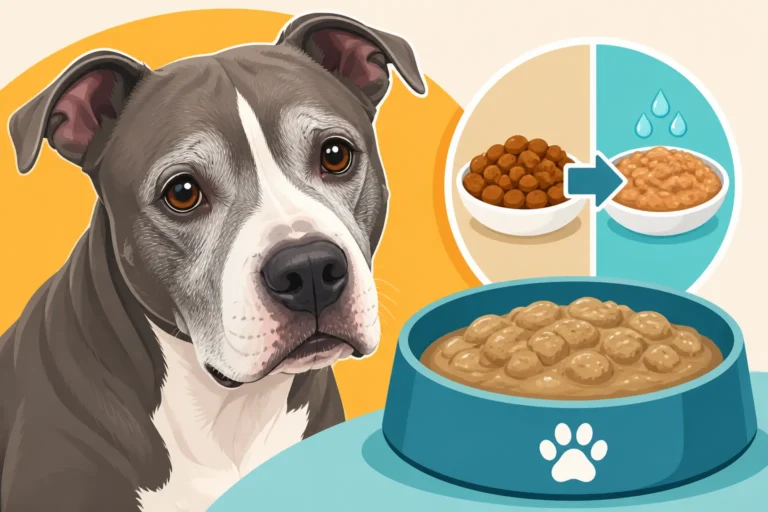
Beyond the food itself, how you feed your senior Pit Bull and ensure their hydration is equally important. Older dogs can sometimes drink less, or even struggle to reach their water bowl due if they have Arthritis in a Pit Bull at Seven or other mobility issues. Always provide fresh, clean water, and consider placing multiple water bowls around the house. If your Pit Bull struggles with hydration, you can try adding a little water or low-sodium bone broth to their kibble, or even exploring wet food options for seniors.
Many senior Pit Bulls also benefit from elevated food and water bowls. This can make eating and drinking much more comfortable, reducing strain on their neck and joints. For Pit Bulls who might have dental issues or a reduced appetite, Softening Meals for an Old Pit Bull by adding water or opting for wet food can also encourage them to eat. If your Pit Bull has consistently refused meals or seems to be struggling, it’s always wise to consult with your vet, as it could be a sign of underlying dental disease or another health concern. Regularly checking in with your vet is also important for general senior care, tied into topics like How Often a Ten Year Old Pit Bull Needs Checking.
Disclaimer
This article is for general informational purposes only and does not constitute professional advice. Laws, prices and regulations vary by location and change over time. Consult a qualified professional for guidance on your specific situation.