The First Hip Signs in a Two Year Old Pit Bull
It’s incredibly tough to watch your usually energetic Pit Bull, still so young, start showing signs of discomfort or pain, especially when you know they should be in the prime of their playful years. When your two-year-old Pit Bull begins to exhibit subtle changes in how they move, it often signals the early onset of hip issues. This guide is here to help you understand why this might be happening, recognize those crucial first signs, and know exactly what steps to take next to give your beloved companion the best possible quality of life.
Why Young Pit Bulls Experience Hip Issues So Early
It's a heartbreaking reality for many Pit Bull owners: their strong, athletic dogs can start showing signs of hip discomfort long before old age sets in. While we often associate joint issues with senior dogs, certain genetic and developmental factors can cause significant problems even in a two-year-old Pit Bull. Understanding these root causes can help you be more proactive in recognizing and addressing the problem.
The Genetic Predisposition in Athletic Breeds
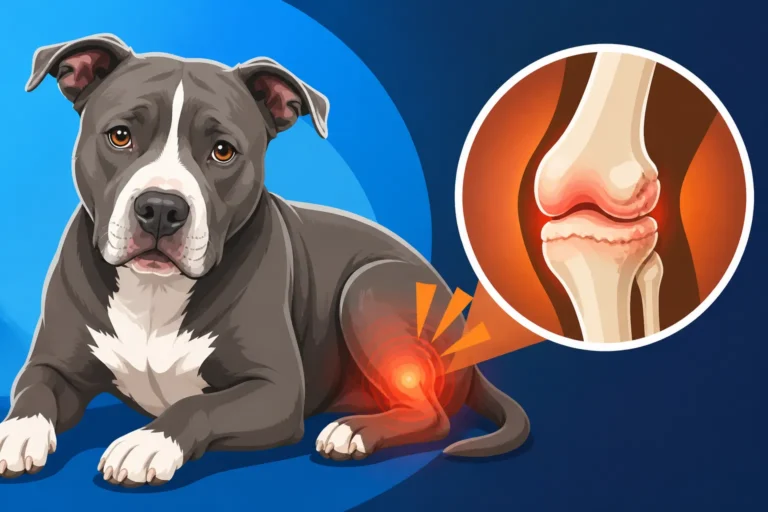
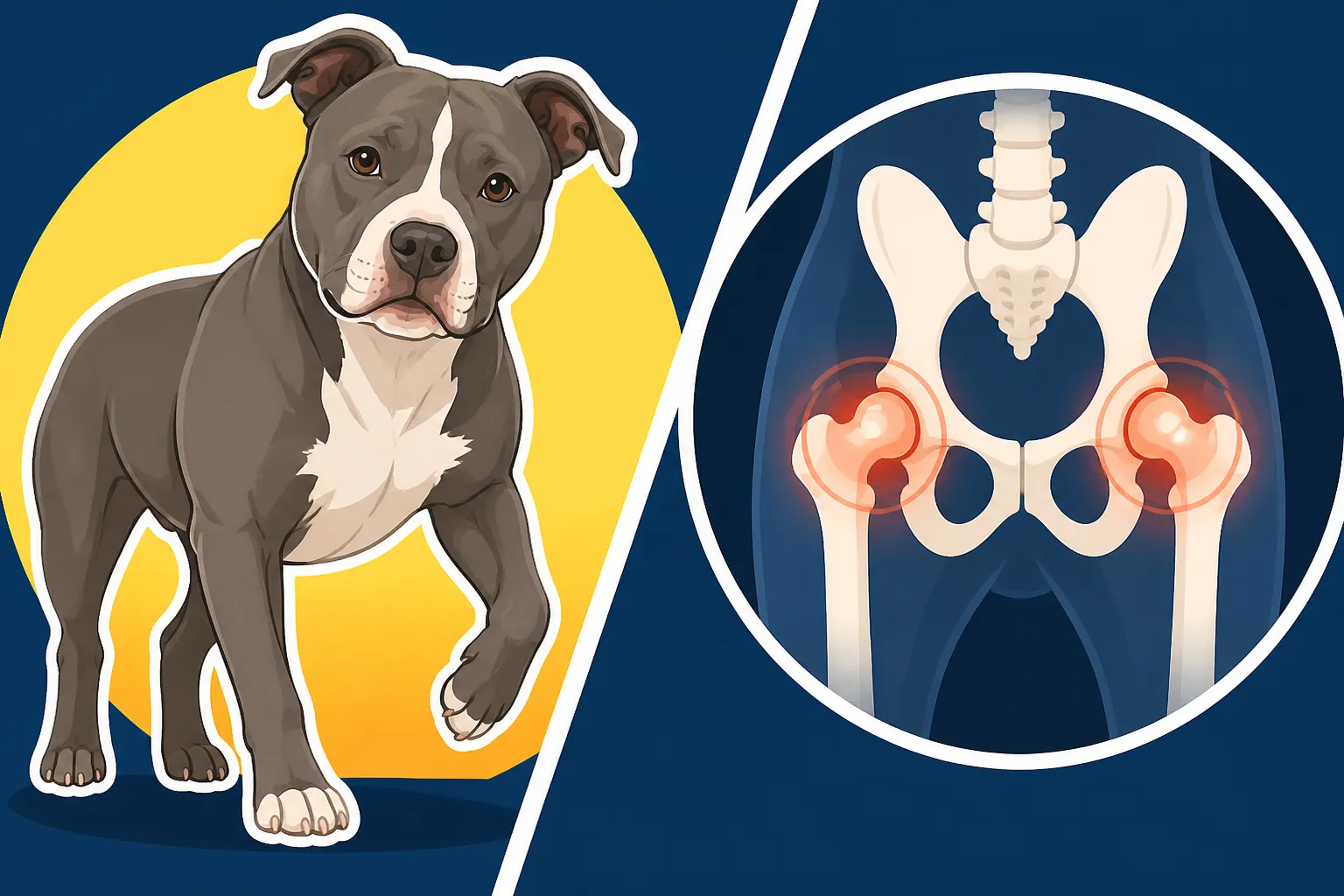
Pit Bulls, encompassing breeds like the American Pit Bull Terrier and the American Staffordshire Terrier, are known for their muscular build, boundless energy, and incredible loyalty. However, like many medium to large, athletic breeds, they are genetically predisposed to conditions like hip dysplasia. This isn't a fault of the dog or the owner; it's a structural abnormality where the hip joint doesn't form correctly. Instead of a smooth fit between the "ball" (femoral head) and "socket" (acetabulum), the joint is loose or malformed. This can lead to excessive wear and tear, inflammation, and eventually degenerative joint disease or arthritis, even at a young age. If you're looking at getting a puppy, understanding What Testing a Pit Bull Breeder Should Have Done can be crucial in trying to mitigate these risks. Responsible breeders screen their breeding dogs for hip dysplasia using methods like OFA or PennHIP.
Developmental Factors Beyond Genetics
While genetics lay the groundwork, environmental factors during a Pit Bull's rapid growth phase can exacerbate or trigger the expression of hip dysplasia. Over-nutrition, especially during puppyhood, can lead to rapid weight gain that puts undue stress on developing joints. Similarly, excessive or inappropriate exercise for a growing puppy, such as long-distance running, intense jumping, or repetitive high-impact activities, can also contribute to the development of hip problems. Imagine a growing child being forced to run marathons; their bones and joints simply aren't ready for that kind of strain. Keeping your Pit Bull at a healthy weight and ensuring they have appropriate, controlled exercise is vital for optimal joint development. Even seemingly minor missteps in their formative months can compound a genetic predisposition into a noticeable issue by the time they reach two years old.
Recognizing the Early Telltale Signs of Hip Dysplasia
Spotting hip dysplasia in a young, otherwise robust Pit Bull can be challenging because their incredible pain tolerance often masks early symptoms. They might push through discomfort, eager to please or play, making it hard for owners to realize something is amiss. However, paying close attention to subtle shifts in their movement, behavior, and even muscle structure can provide vital clues. Remember, these signs often appear between one and two years of age, though they can sometimes manifest a bit earlier or later.
Subtle Changes in Gait and Play
One of the first things you might notice is a change in your Pit Bull's movement, especially after periods of rest or strenuous activity. They might seem stiff when they first stand up after a nap, taking a moment to "warm up" before moving freely. You might observe a slight limp, particularly in one of their hind legs, which might worsen after a long walk or intense play session. Watch how they run: a common sign is "bunny hopping," where both hind legs move together like a rabbit’s, rather than independently. They might also become reluctant to jump into the car, onto the couch, or climb stairs, hesitating or seeking assistance where they once bounded effortlessly. Their enthusiasm for fetch or running might visibly decrease, or they might tire out more quickly than usual. These small alterations in their natural movements can be very telling.
Behavioral Shifts and Discomfort Cues
Beyond just how they move, your Pit Bull might start exhibiting changes in their general behavior that indicate pain or discomfort. They might become less tolerant of being touched on their hindquarters, perhaps flinching or even nipping if you inadvertently press on a sore spot. Some dogs will constantly lick or chew at their hips or hind legs, trying to soothe the pain, which can be easily mistaken for an allergy. You might notice a decreased desire to engage in their usual energetic play, preferring to lie down more often or opting for calmer activities. They might become restless at night, struggling to find a comfortable position, or vocalize with whines or yelps when attempting to get up or lie down. These aren't necessarily signs of naughtiness but rather genuine expressions of underlying discomfort.
Muscle Loss and Postural Cues
As hip dysplasia progresses, even subtly, it can lead to observable physical changes in your Pit Bull's body. Because they are instinctively trying to minimize pain in their hips, they will often shift their weight forward onto their front legs. Over time, this can lead to the muscles in their hindquarters (thighs and rump) becoming noticeably smaller or atrophied, while their front leg and shoulder muscles might appear more developed as they overcompensate. Visually, their stance might change, appearing more "cow-hocked" (knees turned inward) or having a narrower, less powerful gait from behind. When standing, they might carry their hind legs closer together, or one hip might appear lower than the other. Regularly feeling your dog's musculature and observing their posture can reveal these subtle, yet significant, physical cues that point towards hip issues.
What to Do When You Spot Hip Issues in Your Pit Bull
Discovering that your young Pit Bull might have hip issues can feel overwhelming, but the good news is that early detection allows for more effective management and treatment strategies. Your immediate next step should always be a visit to your veterinarian. They are your best resource for accurately diagnosing the problem and guiding you through the available options.
The Essential Vet Visit and Physical Exam
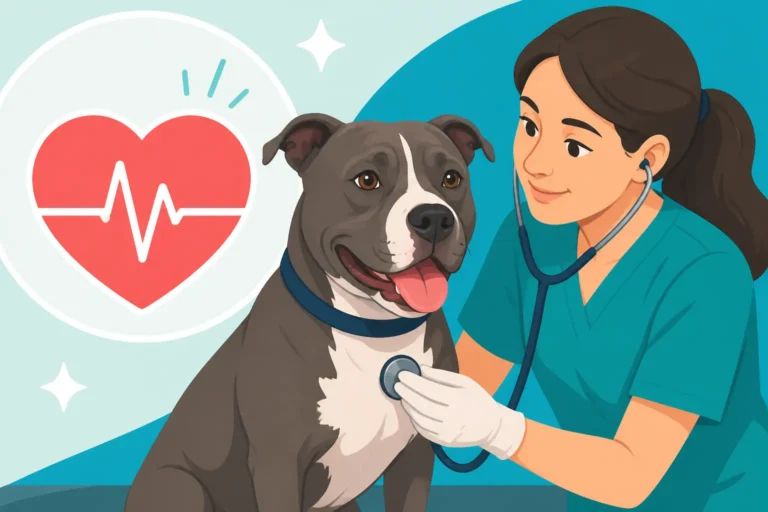
Don't delay! Schedule an appointment with your veterinarian as soon as you notice any concerning signs. During the visit, your vet will perform a thorough physical examination, observing your Pit Bull's gait, range of motion in their hips, and palpating their joints. They’ll likely check for signs of pain, instability, and listen for crepitus (a grinding sound) in the hip joint. This initial exam is crucial for understanding the extent of discomfort and ruling out other conditions that might mimic hip dysplasia, such as luxating patellas or even soft tissue injuries. Be prepared to discuss your dog's full health history, including any previous injuries, exercise routines, and diet.
Imaging and Official Hip Scoring
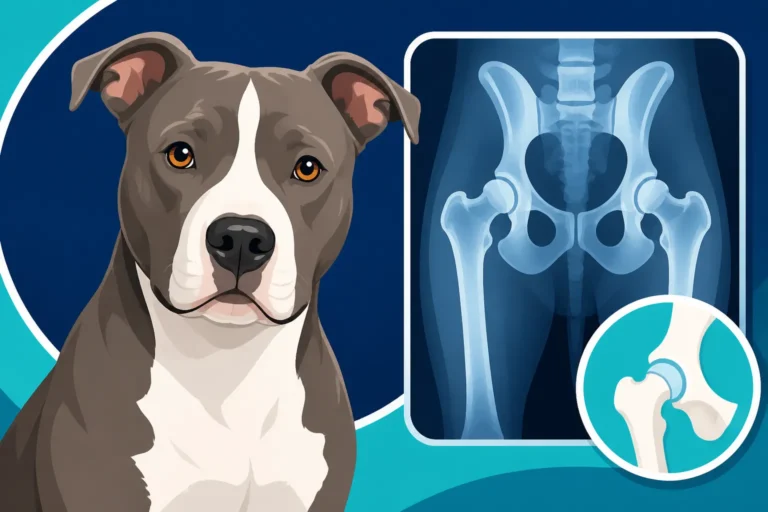
To confirm a diagnosis of hip dysplasia and assess its severity, your vet will almost certainly recommend radiographs (X-rays) of your Pit Bull's hips. These X-rays are usually taken with the dog sedated or under light anesthesia to ensure proper positioning and minimize discomfort. Accurate positioning is vital for clear, diagnostic images. These images will allow the vet to evaluate the conformity of the hip joints, the depth of the acetabulum, and any signs of degenerative changes. The X-rays can then be sent for official scoring, such as through the Orthopedic Foundation for Animals (OFA) or PennHIP methods. Pit Bull Hips and How They Are Scored delves deeper into these processes, but essentially, they provide a standardized assessment of hip health, which is incredibly useful for future treatment planning and understanding prognosis.
Understanding the Financial Implications and Planning
Let's be realistic: diagnosing and managing hip dysplasia can come with significant costs. X-rays, medication, and potential surgeries can quickly add up. This is where forward thinking about pet insurance can be a game-changer. Companies like Healthy Paws offer plans that can cover a significant portion of these expenses, though it’s crucial to understand breed exclusions and pre-existing condition clauses. It’s always best to have insurance in place before any symptoms appear. Without insurance, you might need to consider payment plans with your vet or explore options like veterinary credit cards. Understanding Pit Bull Pet Insurance and Breed Exclusions can help you navigate these financial waters and prepare for the potential bills, especially if surgery becomes necessary. Discussing all costs upfront with your vet will help you make informed decisions without added financial stress.
Managing and Treating Hip Dysplasia in Young Pit Bulls
Once your two-year-old Pit Bull has a confirmed diagnosis of hip dysplasia, the focus shifts to management and treatment. The approach will depend on the severity of the condition, your dog's age, overall health, and your financial situation. It’s a journey, not a sprint, and often involves a combination of strategies aimed at alleviating pain, maintaining mobility, and improving their quality of life.
Conservative Management Strategies
For many young Pit Bulls with mild to moderate hip dysplasia, or for those not ideal surgical candidates, a conservative management approach is often the first line of defense. This typically involves a multi-faceted plan:
- Weight Management: This is paramount. Every extra pound your Pit Bull carries puts increased stress on their already compromised joints. Working with your vet to achieve and maintain a lean body condition is probably the single most impactful thing you can do. Our guide on How Weight Multiplies the Load on Pit Bull Joints provides more detailed insights into this critical aspect.
- Pain Relief and Anti-inflammatory Medication: Non-steroidal anti-inflammatory drugs (NSAIDs) are commonly prescribed to reduce pain and inflammation. Other medications, such as gabapentin or amantadine, might be used in conjunction for neuropathic pain or chronic discomfort.
- Joint Supplements: Glucosamine, chondroitin, and omega-3 fatty acids can help support cartilage health and reduce inflammation. While not a cure, they can be a valuable part of a comprehensive management plan. You can find more information on Joint Support for a Heavily Muscled Pit Bull.
- Physical Therapy and Controlled Exercise: This is vital for maintaining muscle strength, flexibility, and range of motion without overstressing the joints. Activities like swimming, underwater treadmill therapy, and controlled leash walks are excellent. Avoid high-impact activities like aggressive fetch, jumping, or long runs on hard surfaces. A certified canine rehabilitation therapist can develop a tailored exercise program.
- Supportive Environment: Providing soft, orthopedic bedding, using ramps instead of stairs, and ensuring good traction on floors can make a huge difference in your Pit Bull’s daily comfort.
Surgical Interventions When Necessary
When conservative management isn't enough, or if the dysplasia is severe, surgical options might be considered. These procedures aim to either alleviate pain or reconstruct the hip joint for better function.
- Femoral Head Ostectomy (FHO): This procedure involves removing the "ball" portion of the hip joint. The body then forms a "false joint" of scar tissue, which, while not a perfect joint, can significantly reduce pain. It's often considered for smaller or lighter dogs, or when other surgeries are not feasible.
- Triple Pelvic Osteotomy (TPO) / Double Pelvic Osteotomy (DPO): These surgeries are typically performed on younger dogs (under a year old, sometimes up to two years) who have hip laxity but minimal existing arthritis. The surgeon cuts the pelvic bone in several places and rotates segments to create a better fit for the femoral head.
- Total Hip Replacement (THR): This is often considered the most effective long-term solution for severe hip dysplasia, offering excellent pain relief and restoration of function. It involves replacing both the "ball" and "socket" with artificial implants, similar to human hip replacement surgery. This is a specialized and costly procedure, as detailed in our guide on Hip Replacement in a Muscular Pit Bull. Insurance plans from providers like Healthy Paws can be invaluable for such extensive surgeries, covering a large percentage of the bill. It's a significant financial and recovery commitment, so understanding Pit Bull Surgery Costs From Hips to Teeth is essential.
Long-Term Care and Lifestyle Adjustments
Living with hip dysplasia means a lifelong commitment to care. Regular veterinary check-ups are essential to monitor your Pit Bull's condition and adjust treatment plans as needed. Even with successful management or surgery, arthritis can still develop over time, possibly leading to Pit Bull Arthritis After the Age of Seven. Continuous monitoring, adherence to medication schedules, and a consistent exercise routine will be key. Your vet might also recommend periodic re-evaluations, including X-rays, to track the progression of the disease. A comfortable home environment, stress reduction, and maintaining their joy in life through appropriate activities are just as important as medical interventions. This dedicated, ongoing care ensures your Pit Bull can live a happy, comfortable life, despite the challenges that hip dysplasia presents.
Symptom Progression and Management
To help you keep track of what you might observe and how it typically relates to the severity of hip dysplasia, here's a quick overview:
| Symptom Category | Early/Mild Dysplasia (often 1-2 years old) | Moderate Dysplasia (often 2-5 years old) | Severe Dysplasia/Arthritis (any age, more common >5 years) |
|---|---|---|---|
| Pain & Discomfort | Occasional stiffness after rest, mild limping after heavy exercise | Consistent limping, visible pain on palpation, difficulty rising | Chronic pain, yelping with movement, reluctant to move at all |
| Mobility | Reluctance to jump, slightly altered gait, "bunny hopping" when running | Reduced range of motion, noticeable lameness, struggles with stairs/ramps | Severe lameness, difficulty walking, inability to jump, dragging hind limbs |
| Muscle Condition | Subtle muscle loss in hindquarters | Obvious muscle atrophy in hind legs | Significant muscle wasting in hindquarters, over-developed front end |
| Behavior | Slight decrease in play enthusiasm, sensitive to touch on hips | Avoids play, irritable when touched, restless at night | Withdraws, vocalizes pain, very sensitive to touch, lethargic |
| Response to Activity | Worse after intense exercise, improves with rest | Consistent discomfort, sometimes alleviated with meds, little improvement with rest | Constant pain, very little relief from medication, requires significant rest |
This table illustrates the typical progression, but every Pit Bull is an individual, and their experience may vary. Regular check-ups with your vet and ongoing vigilance are crucial. Remember that pet insurance like Healthy Paws can help cover costs associated with managing these symptoms through various stages of the disease.
Disclaimer
This article is intended for informational purposes only and does not constitute professional veterinary advice. Always consult with a qualified veterinarian for any health concerns or before making any decisions about your Pit Bull's medical care.