The NCL-A DNA Test for a Pit Bull Line
It’s truly gut-wrenching when your vibrant, energetic Pit Bull suddenly starts showing signs of clumsiness or confusion, leaving you wondering if it’s just a funny quirk or something far more serious. For many Pit Bull owners, especially those with American Staffordshire Terriers or related lines, the fear of an inherited neurological disorder like Neuronal Ceroid Lipofuscinosis Type A, or NCL-A, can be a heavy burden. This guide is here to walk you through understanding this condition, why a DNA test is so crucial, and how you can be proactive in protecting your beloved companion.
Unpacking NCL-A: The Genetic Truth Behind Pit Bull Ataxia
When we talk about NCL-A, it’s not just a fancy scientific term; it describes a very real, very serious genetic disease that can drastically impact a Pit Bull’s quality of life. This condition, often referred to as cerebellar ataxia, is a neurodegenerative disorder that specifically targets the brain and nervous system, leading to a progressive loss of motor skills and coordination. It’s a heartbreaking reality for many families who find themselves dealing with a dog that gradually loses its ability to move and function normally.
What is Neuronal Ceroid Lipofuscinosis Type A?
NCL-A is a lysosomal storage disease, which means there's a genetic mutation preventing the body from properly breaking down and recycling certain waste products within cells. These waste products then accumulate, particularly in the neurons of the brain, leading to cellular dysfunction and eventual death. Imagine tiny, harmful "junk" building up inside the brain cells, slowly suffocating them. For Pit Bulls, specifically American Staffordshire Terriers and related lines, the NCL-A gene is a known culprit, passed down through generations. This isn’t something a dog “catches” – it’s something they’re born with, if they inherit two copies of the faulty gene from their parents. It's an autosomal recessive condition, meaning both parents must carry a copy of the gene for a puppy to be at risk of being affected. If only one parent carries it, their offspring might be carriers themselves, but won't develop the disease.
The Heartbreaking Progression of NCL-A Symptoms
The insidious thing about NCL-A is that it often starts subtly, making it easy to mistake early signs for simple puppy clumsiness or a slight imbalance. Typically, symptoms begin to appear when a Pit Bull puppy is between 12 to 18 months of age, though it can sometimes be a bit earlier or later. You might first notice a slight unsteadiness in their gait, as if they’re walking on an invisible tightrope. Their coordination might seem off; they might stumble more often or have trouble navigating stairs or uneven terrain. This initial phase can be incredibly frustrating for owners, as the dog often still has a huge appetite for life but their body isn't cooperating.
As the disease progresses, these signs become more pronounced and debilitating. The ataxia, or lack of muscle control, becomes undeniable. Your Pit Bull might develop a wide-based stance, appearing as if they're constantly trying to brace themselves. Tremors, particularly in the head and limbs, can become noticeable, especially when they're excited or trying to focus. Eventually, dogs affected by NCL-A often lose the ability to stand, walk, or even eat independently. They can become disoriented, and their overall demeanor can change as their cognitive function is also impacted. This progression is relentlessly heartbreaking, as there is currently no cure, and the condition is invariably fatal, often leading to a severely diminished Pit Bull Lifespan Across Twelve to Sixteen Years. It’s a tragic journey that no owner wishes to embark on, and it underscores why early genetic testing is so profoundly important. For a deeper dive into how this specific condition can affect certain lines, you might want to read about Cerebellar Ataxia in an American Staffordshire Terrier.
The Power of the NCL-A DNA Test
Facing the possibility of NCL-A can feel overwhelming, but the good news is that we have the tools to identify carriers and affected dogs early on, allowing for responsible decisions and peace of mind. The NCL-A DNA test is a game-changer, providing definitive answers and helping to prevent future generations from suffering.
Why Every Pit Bull Owner and Breeder Should Test
For responsible breeders, testing is absolutely non-negotiable. Knowing the NCL-A status of breeding dogs is crucial for preventing the transmission of this devastating gene to puppies. No ethical breeder wants to produce a litter where puppies will develop a terminal neurological disease. If a breeder is serious about the health of their lines, they should be well-versed in What Testing a Pit Bull Breeder Should Have Done, and NCL-A testing should be high on that list.
For owners, especially those considering adding a Pit Bull to their family, asking about NCL-A test results for the parents is vital. If you already have a Pit Bull and are seeing subtle signs, or simply want to know their genetic predisposition, the test offers invaluable information. Early diagnosis, even before severe symptoms appear, allows you to prepare for potential future care, make informed decisions about your dog's future, and avoid unnecessary and costly diagnostic tests for other conditions. While pet insurance providers like Healthy Paws may cover diagnostic tests for other neurological issues, genetic conditions like NCL-A often have specific clauses if symptoms are present before enrollment, making pre-emptive testing even more important.
How the NCL-A Test Works and What It Reveals
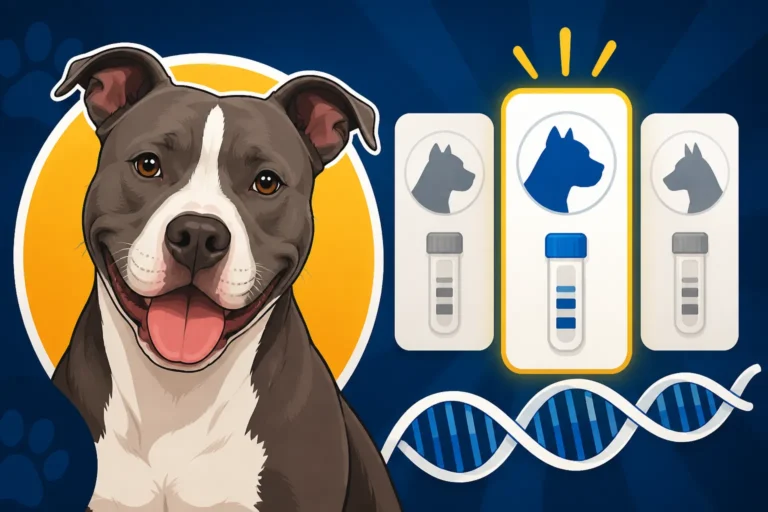
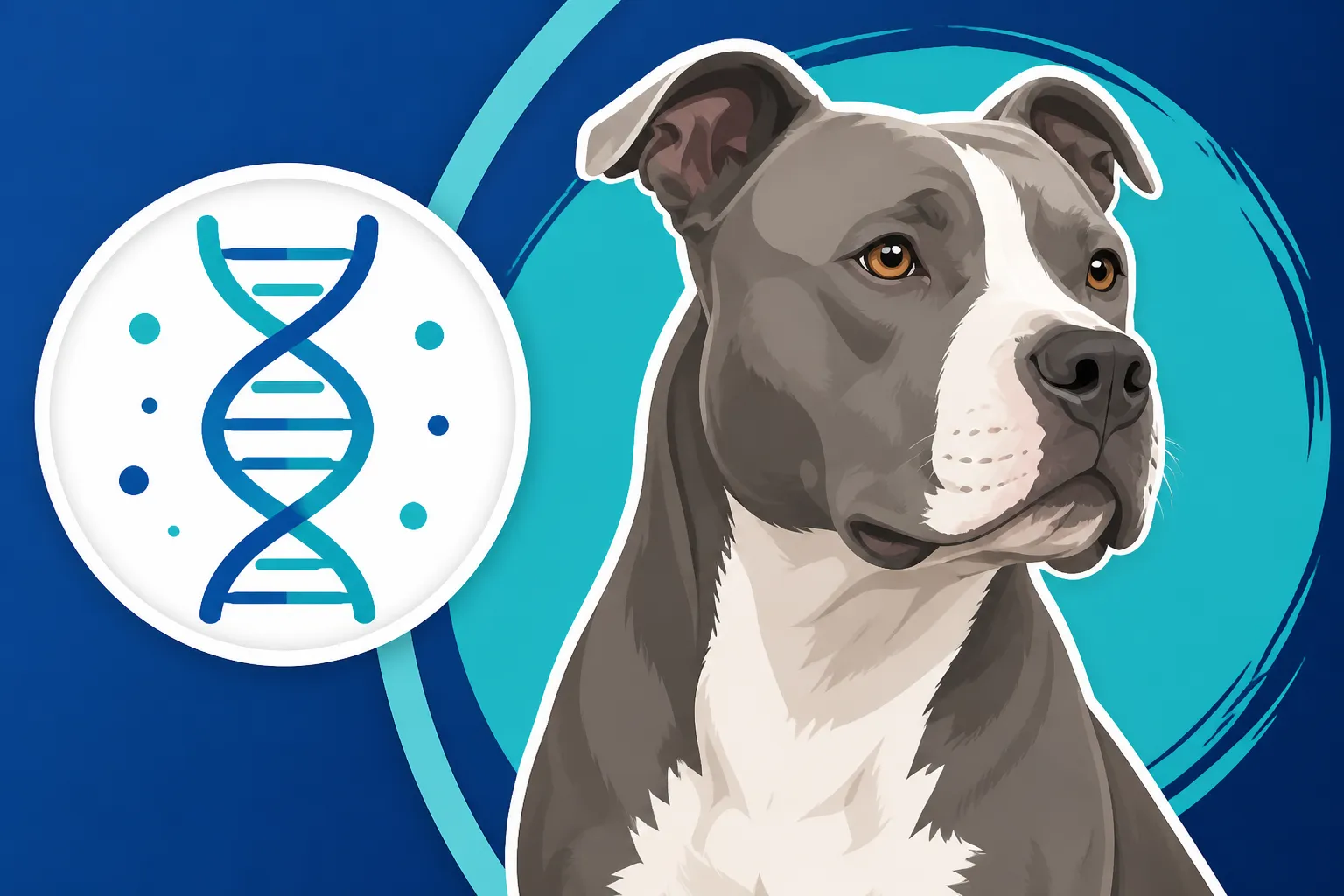
The NCL-A DNA test is remarkably straightforward. It typically involves a simple, non-invasive cheek swab. You collect a sample of your dog's saliva and epithelial cells using a sterile swab, which is then sent to a specialized veterinary genetics laboratory. The lab will extract DNA from the sample and analyze it for the specific genetic mutation associated with NCL-A.
The results will categorize your Pit Bull into one of three distinct groups:
- Clear/Normal: This means your dog does not carry the NCL-A gene mutation and cannot pass it on to its offspring. This is the ideal result for breeding dogs.
- Carrier: Your dog carries one copy of the NCL-A gene mutation but will not develop the disease itself. However, they can pass the gene on to their puppies. This is incredibly important for breeders to know to avoid mating two carriers together.
- Affected: Your dog carries two copies of the NCL-A gene mutation (one from each parent) and will develop the disease. If symptoms haven't started yet, they will, and the condition will be progressive and fatal.
These results offer concrete information, helping both current and prospective owners understand the genetic health of their dog. For example, a result of "affected" means you'll need to focus on supportive care and comfort measures as the disease progresses. A "carrier" result means careful consideration is needed if breeding is planned. You can learn more about this in What a Carrier Ataxia Result Means for a Pit Bull.
Understanding the Implications of Your Pit Bull's NCL-A Results
Once you receive your Pit Bull's NCL-A DNA test results, it's natural to have questions about what they mean for your dog and your family. Each result category carries specific implications, especially concerning breeding practices and long-term care.
| NCL-A Test Result | Genetic Status | Health Outlook for Your Dog | Breeding Implications |
|---|---|---|---|
| Clear/Normal | Possesses two healthy copies of the gene. | Will not develop NCL-A. | Can be bred to any other dog without risk of producing affected puppies. Ideal for maintaining healthy bloodlines. |
| Carrier | Possesses one healthy copy and one mutated copy. | Will not develop NCL-A. | Should only be bred to a "Clear/Normal" dog. Mating with another carrier (or an affected dog) risks producing affected puppies. Careful genetic counseling is advised to avoid perpetuating the gene. |
| Affected | Possesses two mutated copies of the gene. | Will develop NCL-A (or already has symptoms). | Should never be bred. The dog will pass on a mutated copy of the gene to 100% of its offspring, and if bred to a carrier or another affected dog, would produce affected puppies. |
For owners of an "affected" Pit Bull, the path ahead is challenging, but understanding the diagnosis allows for a focus on supportive care and ensuring the best possible quality of life for the time they have. This might involve environmental modifications to prevent injury, physical therapy to maintain mobility as long as possible, and open discussions with your veterinarian about pain management and comfort. While pet insurance like Healthy Paws might not cover genetic conditions if diagnosed after enrollment, it's still crucial to have a plan for general vet visits and other health concerns that may arise, such as Pit Bull Ear Infections and What Drives Them or Pit Bull Heart and Thyroid Conditions, which would typically be covered.
For "carrier" dogs, the implications are primarily for responsible breeding. A carrier can still be a wonderful companion and live a full, healthy life. However, if breeding is considered, it’s imperative to choose a mate who is confirmed "clear" of the NCL-A gene to ensure no affected puppies are produced. This approach gradually helps to reduce the prevalence of the gene in the Pit Bull population.
Living with an NCL-A Diagnosis
Receiving an NCL-A diagnosis can be a devastating blow, turning your world upside down. It's a journey filled with unique challenges, but also opportunities to provide immense love and comfort to your cherished Pit Bull. There's no cure for NCL-A, so the focus shifts entirely to supportive care, managing symptoms, and ensuring your dog's comfort and dignity.
Supportive Care and Environmental Adjustments for Affected Dogs
When your Pit Bull is diagnosed as "affected" by NCL-A, the reality is tough. The disease will progress, impacting their mobility and quality of life. Your role becomes one of a compassionate caregiver, focused on making every day as comfortable and safe as possible. This often means making significant adjustments around your home.
One of the first things you'll likely need to do is make your home safer. As your dog's coordination declines, they become more prone to falls and injury. Consider laying down non-slip mats on slick floors to provide better traction. Block off stairs or any areas where a fall could be dangerous. Ramps can be incredibly helpful for getting onto furniture or into a car, reducing strain and the risk of accidents. Soft, comfortable bedding is essential, especially as they spend more time lying down, to prevent bedsores.
Maintaining mobility, even as it wanes, is crucial. Gentle, supervised exercise on soft surfaces can help, but always consult with your veterinarian about appropriate activity levels. Physical therapy, including gentle massage and passive range-of-motion exercises, can help maintain muscle tone and flexibility for as long as possible. As their neurological control diminishes, you may need to assist with basic functions like eating and drinking. Elevated food bowls can make mealtime easier, and sometimes hand-feeding or using specialized bowls can help if coordination is severely affected. Hydration is key, so make sure water is always accessible and consider adding it to food if they're struggling to drink. Regular vet check-ups are more important than ever to monitor their condition, manage any secondary issues, and ensure they are not in pain. Pet insurance plans like Healthy Paws can be beneficial for covering these routine veterinary visits, even if the primary NCL-A condition is considered pre-existing. This comprehensive care strategy is also important as your Pit Bull moves into their later years, as discussed in Caring for a Pit Bull in Its Second Decade.
Ethical Breeding: Navigating Carrier Status
For Pit Bulls identified as NCL-A carriers, the situation is different. They will not develop the disease themselves, but they carry one copy of the gene mutation and can pass it on to their offspring. This knowledge is a powerful tool for ethical breeding.
The primary ethical consideration for a carrier Pit Bull is that they should only be bred to a dog that has been tested and confirmed as "Clear/Normal" for NCL-A. Mating a carrier with another carrier results in a 25% chance of producing affected puppies, a 50% chance of producing carriers, and only a 25% chance of producing clear puppies. This is why testing both prospective parents is critical. Breeding two carriers together is considered irresponsible and should be avoided at all costs to prevent producing suffering animals.
Breeders might consider retiring a carrier from their breeding program, or they might choose to carefully breed them to a clear mate, with the understanding that they will test all puppies from that litter and only keep clear or carrier puppies for future breeding. Any carrier puppies would then need to be placed in homes with responsible owners who understand their genetic status and would also commit to responsible breeding practices if that were ever considered for them. The goal is to gradually eliminate the NCL-A gene from the gene pool while preserving other valuable traits in the breed. This requires transparency, honesty, and a strong commitment to the long-term health of the Pit Bull line. Understanding genetic inheritance is a crucial part of creating a healthy bloodline, just as understanding other inherited conditions like Pit Bull Hip Dysplasia Showing at One to Two Years is important. For a complete picture of a dog's background, always ask What a Pit Bull Health History Should Cover before acquiring a new puppy.
Getting Your Pit Bull Tested and Interpreting the Results
Once you understand the gravity of NCL-A and the importance of testing, the next step is to choose a reliable testing service and understand how to best utilize the results with your veterinarian. Making informed choices here can save you a lot of anxiety and ensure accurate outcomes.
Choosing Reputable Testing Laboratories
When it comes to genetic testing for your Pit Bull, you want to ensure the results are accurate and reliable. Several reputable laboratories offer NCL-A DNA testing, and many of them provide comprehensive genetic panels that test for a variety of conditions relevant to Pit Bulls and other breeds. Some of the well-known providers include:
- Embark Veterinary: Known for its comprehensive genetic health reports and breed identification. Their tests often include NCL-A along with hundreds of other genetic conditions.
- Optimal Selection (MyDogDNA): Another popular choice offering extensive health screening panels.
- DDC Veterinary: Provides specific disease tests, including NCL-A, and is often used by breeders for individual disease screening.
- VetGen: Offers a range of genetic disease tests for various breeds.
When choosing a lab, look for one that is well-established, has good reviews from breeders and veterinarians, and provides clear, easy-to-understand reports. Make sure they specify that they test for the specific NCL-A mutation found in American Staffordshire Terriers or related Pit Bull types. The process is generally simple: you order a kit online, swab your dog's cheek following their instructions, and mail the sample back. Results typically arrive within a few weeks, depending on the lab and their current turnaround times. While these DNA tests can offer profound insights into your dog's health, it's worth noting that Whether a DNA Test Settles the Pit Bull Question of breed identification is a separate, sometimes contentious, issue.
Discussing NCL-A Results with Your Veterinarian
Receiving your Pit Bull's NCL-A test results can bring a mix of emotions, especially if the outcome isn't what you hoped for. This is where your veterinarian becomes an invaluable partner. Even if the report seems straightforward, a professional interpretation can provide crucial context and guidance.
If your dog tests "Clear/Normal," your vet can simply confirm the good news and perhaps discuss other preventative health measures, like Pit Bull Puppy Vaccination and Parvovirus for younger dogs or comprehensive check-ups for seniors, such as How Often a Ten Year Old Pit Bull Needs Checking. This result offers significant peace of mind.
If your Pit Bull is a "Carrier," your vet can explain what this means for potential breeding decisions. They can advise on the importance of selecting clear mates and the ethics involved in maintaining a healthy gene pool. This might be a good time to discuss the broader implications of genetics in breeding with a professional who understands canine health deeply.
For an "Affected" diagnosis, your veterinarian will be your primary guide. They can help you understand the likely progression of the disease, discuss management strategies, and talk about potential palliative care options to keep your dog comfortable. This conversation will focus on maximizing quality of life, which might involve pain management, mobility aids, and dietary adjustments. They can also connect you with resources for owners of dogs with progressive neurological conditions. This kind of long-term care can be costly, and while NCL-A itself might not be covered if symptoms arose prior to coverage, having a robust pet insurance plan like Healthy Paws for general veterinary care can alleviate financial stress for other health issues that may arise during your dog's life.
It’s always a good idea to bring the complete lab report to your vet's office. They can review the technical details, answer any lingering questions you have, and help you develop a personalized care plan or responsible breeding strategy based on your Pit Bull's specific NCL-A status. Finding a veterinarian who is experienced and comfortable with Pit Bulls is key to ensure you receive the best care and advice for your unique companion.
Disclaimer
The information provided in this article is for educational and informational purposes only and does not constitute veterinary medical advice. Always consult with a qualified veterinarian for any health concerns or before making any decisions about your pet's medical care, diet, or treatment.